Xiaomi Mi TV Stick 4K 2nd Gen Price in Kenya: Full Guide, Specs, and Where to Buy in Nairobi
If you've typed "Xiaomi Mi TV Stick 4K 2nd Gen price in Kenya" into Google, or you've been comparing streaming sticks in Nairobi's electronics shops and online marketplaces, you've almost certainly landed on this exact device. It's the upgraded successor to Xiaomi's original Mi TV Stick 4K, and it's one of the very few genuine Google TV streaming devices in Kenya that combines authentic Android TV software, a genuinely faster processor, and Wi-Fi 6 connectivity, all in a pocket-sized stick that costs less than most cable decoders.
This guide exists to answer every question a Kenyan buyer actually has before spending money on this device: what it costs, what's genuinely new over the 1st Gen, how it compares to Xiaomi's own Mi Box S 3rd Gen and to Amazon's Fire TV Stick lineup, and — critically — where to buy a genuine, warrantied unit in Nairobi rather than risk an undisclosed used or grey-market stick. It's a long, deliberately thorough guide, because getting this decision right the first time saves you money and a wasted trip back to the shop.
Quick Answer: Is the Xiaomi Mi TV Stick 4K 2nd Gen Worth Buying in Kenya?
For anyone who wants the short version before reading further: yes. At its current Kenyan retail price of around Ksh 8,500, the Mi TV Stick 4K 2nd Gen delivers genuine, officially licensed Google TV 14 software, a meaningfully faster chip than its predecessor, Wi-Fi 6 for stable streaming in busy Nairobi apartment buildings, and Dolby Atmos with DTS:X audio — specifications that comfortably outperform most generic "Android TV box" alternatives sold in Kenya at a similar price. The rest of this guide explains exactly why, and what to check before you buy.
What Is the Xiaomi Mi TV Stick 4K 2nd Gen?
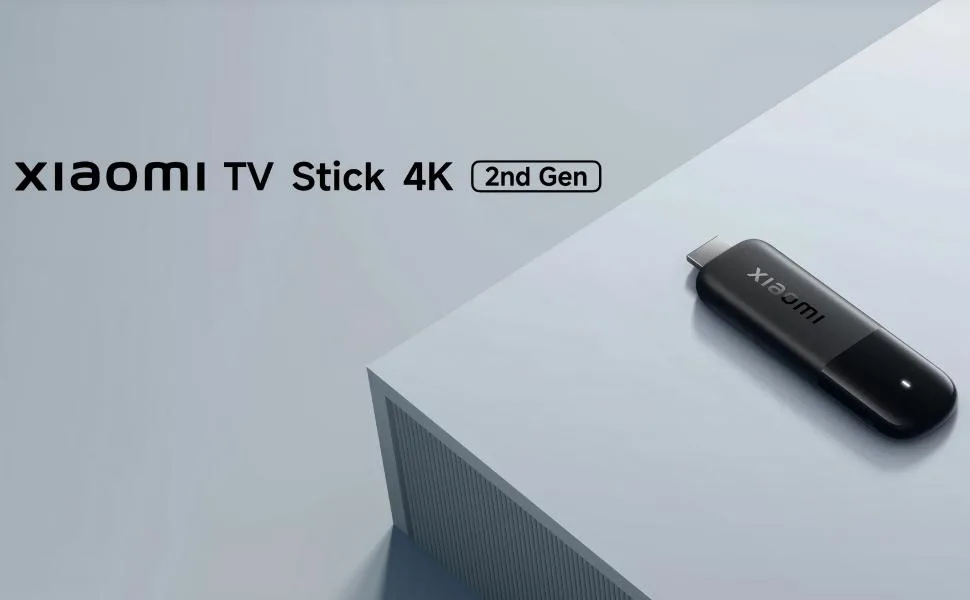
The Xiaomi Mi TV Stick 4K 2nd Gen is a compact HDMI streaming stick that plugs directly into any television's HDMI port and turns it into a smart, 4K-capable streaming device. Unlike Amazon's Fire TV Stick range, which runs Amazon's own Fire OS built on top of Android, the Mi TV Stick 4K 2nd Gen runs genuine Google TV 14 — Google's own official smart TV operating system, with the real Google Play Store, Google Assistant, and native Chromecast casting built in from the factory. It's the direct successor to the original Xiaomi Mi TV Stick 4K, and Xiaomi markets it as a substantial internal upgrade rather than a cosmetic refresh.
This is precisely why so many Kenyan buyers searching for a genuine Android TV box in Kenya or a Google TV device in Nairobi keep landing on this specific product — it's one of the most affordable ways to get authentic, Google-certified smart TV software in a market otherwise full of unbranded, uncertified alternatives.
Is the Mi TV Stick 4K 2nd Gen Genuinely an Android TV / Google TV Device?
It's worth answering this clearly, since it's the single biggest differentiator in this category. Yes — unambiguously. The Mi TV Stick 4K 2nd Gen runs Google TV 14, Google's current, officially licensed smart TV platform, complete with the authentic Google Play Store as its app store and Google Assistant built directly into the included remote. This isn't a forked or derivative operating system dressed up to look like Android TV — it's the real thing, the same broad software family found on Google's own Chromecast with Google TV devices and other officially certified hardware sold worldwide.
That single fact is why this device, alongside the Xiaomi Mi Box S 3rd Gen, sits at the more trustworthy end of Kenya's crowded "Android TV box" market — a market that also includes Amazon's Fire OS-based Fire TV Stick range and a long tail of unbranded, uncertified generic boxes of uncertain software origin.
What's New in the 2nd Gen? (Mi TV Stick 4K 2nd Gen vs. 1st Gen)
This is one of the most searched comparisons in Kenya's streaming device market, so it deserves a direct, specific answer. According to Xiaomi's own official specifications, the 2nd Gen delivers:
- 80% faster CPU performance than the original Mi TV Stick 4K
- 150% better graphics performance, courtesy of the new Mali-G310 V2 GPU paired with the quad-core Cortex-A55 chip
- Google TV 14 software, replacing the 1st Gen's Android TV interface with Google's newer, more personalized content-first platform
- Wi-Fi 6 connectivity, a genuine generational upgrade over the 1st Gen's dual-band Wi-Fi
- Bluetooth 5.2, an improvement over the 1st Gen's standard Bluetooth
- Dolby Atmos and DTS:X audio support, a meaningful step up from the 1st Gen's Dolby Audio
In short: if you're deciding between the Mi TV Stick 4K (1st Gen) at roughly Ksh 6,720 and the 2nd Gen at roughly Ksh 8,500, the 2nd Gen is a genuinely substantial upgrade for a modest difference in price, not a minor spec bump — particularly the CPU, GPU, and Wi-Fi 6 improvements, which directly affect how smooth and stable your day-to-day streaming actually feels.
Full Specifications: Xiaomi Mi TV Stick 4K 2nd Gen Specs in Detail
- Chip: Quad-core Cortex-A55, clocked at 2.5GHz
- GPU: Mali-G310 V2 — a genuinely capable graphics processor for a stick this size, handling Google TV's more visually rich interface smoothly
- Operating System: Google TV 14, with Google Assistant built in
- RAM: 2GB
- Internal Storage: 8GB
- Maximum Resolution: 4K Ultra HD
- HDR Support: Dolby Vision, HDR10+
- Audio: Dolby Atmos and DTS:X — genuine cinema-grade audio formats on compatible soundbars and AV receivers
- Connectivity: Wi-Fi 6, Bluetooth 5.2
- Ports: HDMI (direct plug-in stick form factor)
- Remote: Bluetooth voice remote with Google Assistant integration
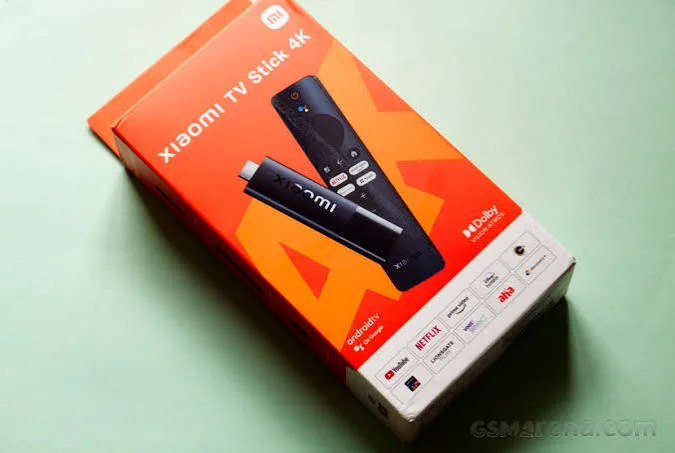
- In the Box: The stick itself, Bluetooth voice remote, HDMI extender, and power adapter
- Apps: Full access to the genuine Google Play Store, including Netflix, Showmax, YouTube, Prime Video, Disney+, and thousands more
Why Wi-Fi 6 Matters for Streaming in Kenya
This deserves its own explanation rather than a line on a spec sheet, because it's genuinely one of the most impactful upgrades in this device for a Kenyan household specifically. Wi-Fi 6 is a newer wireless standard engineered to perform better in crowded, high-density wireless environments — exactly the reality in most Nairobi apartment blocks, where dozens of neighbouring Wi-Fi networks, smartphones, laptops, and smart devices are all competing for the same airwaves at once.
In practical terms, a Wi-Fi 6 device like the Mi TV Stick 4K 2nd Gen holds a more stable 4K stream during peak evening hours — when your building's collective internet usage spikes — with fewer buffering interruptions than a device still running on older Wi-Fi standards. If you've previously owned a cheaper streaming stick that buffered constantly in the evening, Wi-Fi 6 is very often the specific reason a newer device performs noticeably better in the exact same home.
Xiaomi Mi TV Stick 4K 2nd Gen vs. Xiaomi Mi Box S 3rd Gen: Which Should You Buy?
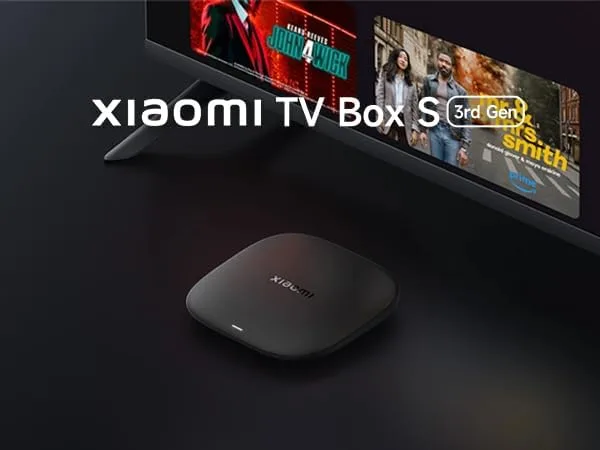
Since both devices run genuine Google-approved software and both come from Xiaomi, this is a natural comparison for Kenyan buyers trying to decide between them. The Mi Box S 3rd Gen (also covered in a separate guide on this site) is the more powerful, more feature-rich option: it offers 32GB of storage against this stick's 8GB, a newer HDMI 2.1a port, and a set-top box form factor that some households prefer for cable management and heat dissipation reasons.
The Mi TV Stick 4K 2nd Gen, by contrast, is the more compact, more portable, and slightly more affordable option, running the identical Google TV 14 software experience in a form factor that plugs directly into the HDMI port and disappears behind your television entirely. For a straightforward genuine Google TV setup without needing the Mi Box S 3rd Gen's extra storage headroom, the 2nd Gen stick delivers the same core software experience for less money — and its 80% CPU and 150% graphics improvements over the 1st Gen mean it's no longer meaningfully behind the Mi Box S 3rd Gen in raw responsiveness for typical streaming use.
Xiaomi Mi TV Stick 4K 2nd Gen vs. Amazon Fire TV Stick 4K 2nd Gen: Google TV or Fire OS?
This is arguably the most commonly searched comparison for anyone shopping this exact price bracket in Kenya, since both devices sit within a few hundred shillings of each other. Amazon's Fire TV Stick 4K 2nd Gen (priced around Ksh 6,999) runs Amazon's own Fire OS, built on top of Android but restyled entirely as Amazon's experience, with Amazon's own app store and Alexa as the built-in voice assistant. The Xiaomi Mi TV Stick 4K 2nd Gen (priced around Ksh 8,500) runs genuine Google TV 14, with the real Google Play Store and Google Assistant.
Neither is objectively superior — they represent two different, equally legitimate ecosystem choices from two of the largest technology companies in the world. If your household already leans on Google services — an Android phone, Google Photos, Google Assistant-enabled smart home devices, or a habit of casting content from your phone — the Xiaomi stick's native Google TV and Chromecast integration will feel more immediately familiar. If your household is invested in Amazon's ecosystem, or specifically wants Alexa's voice assistant and smart home integration, the Fire TV Stick 4K 2nd Gen is the more natural fit. On raw hardware, the Xiaomi stick's Dolby Atmos and DTS:X audio support is a genuine edge over the Fire TV Stick 4K 2nd Gen's Dolby Atmos-only audio spec.
Xiaomi Mi TV Stick 4K 2nd Gen Price in Kenya: What to Actually Expect
Genuine Xiaomi Mi TV Stick 4K 2nd Gen pricing across Kenyan retailers currently sits in a fairly tight band, generally landing somewhere around Ksh 8,000 to Ksh 9,500, depending on the retailer, included accessories, and stated warranty terms. A few things are worth understanding about this range before you commit to a purchase:
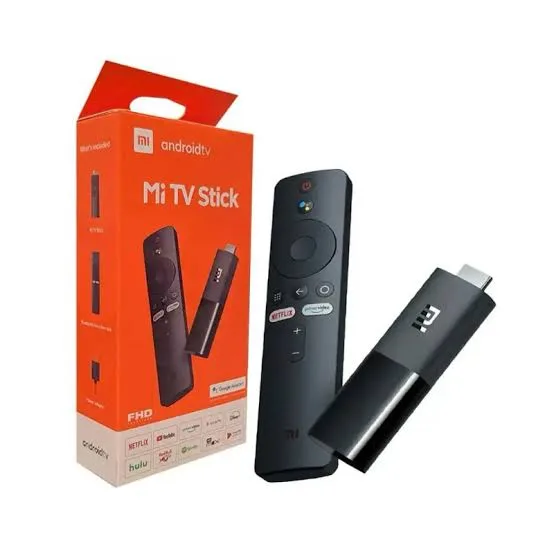
Confirm it's genuinely the 2nd Gen, not the 1st Gen. Because the two generations share a very similar name, it's easy for a listing to be ambiguous or for a seller to substitute the older, cheaper 1st Gen model at 2nd Gen pricing. Always confirm the operating system (Google TV 14 for the 2nd Gen, versus plain Android TV for the 1st Gen) and Wi-Fi standard (Wi-Fi 6 for the 2nd Gen) explicitly before paying.
Warranty terms vary meaningfully between Kenyan sellers. Some retailers state a clear, specific warranty period upfront; others are noticeably vaguer about what happens if a unit develops a fault after purchase. This is worth confirming in writing before you commit, not after something goes wrong.
What's bundled can shift the price slightly. A genuine unit typically includes the Bluetooth voice remote, an HDMI extender cable, and a proper power adapter. A listing missing any of these at a similar price to a fully-bundled one isn't necessarily a better deal.
A price dramatically below this general range is worth treating with real caution in Kenya's market — it's often a sign of an undisclosed used or refurbished unit, the older 1st Gen model mislabelled as the 2nd Gen, or in rarer cases a counterfeit or grey-market device without genuine Xiaomi backing.
How to Set Up the Xiaomi Mi TV Stick 4K 2nd Gen
Setup is refreshingly straightforward, and it's worth knowing exactly what to expect before you buy so there are no surprises once you get it home:
- Plug the stick into a free HDMI port on your television.
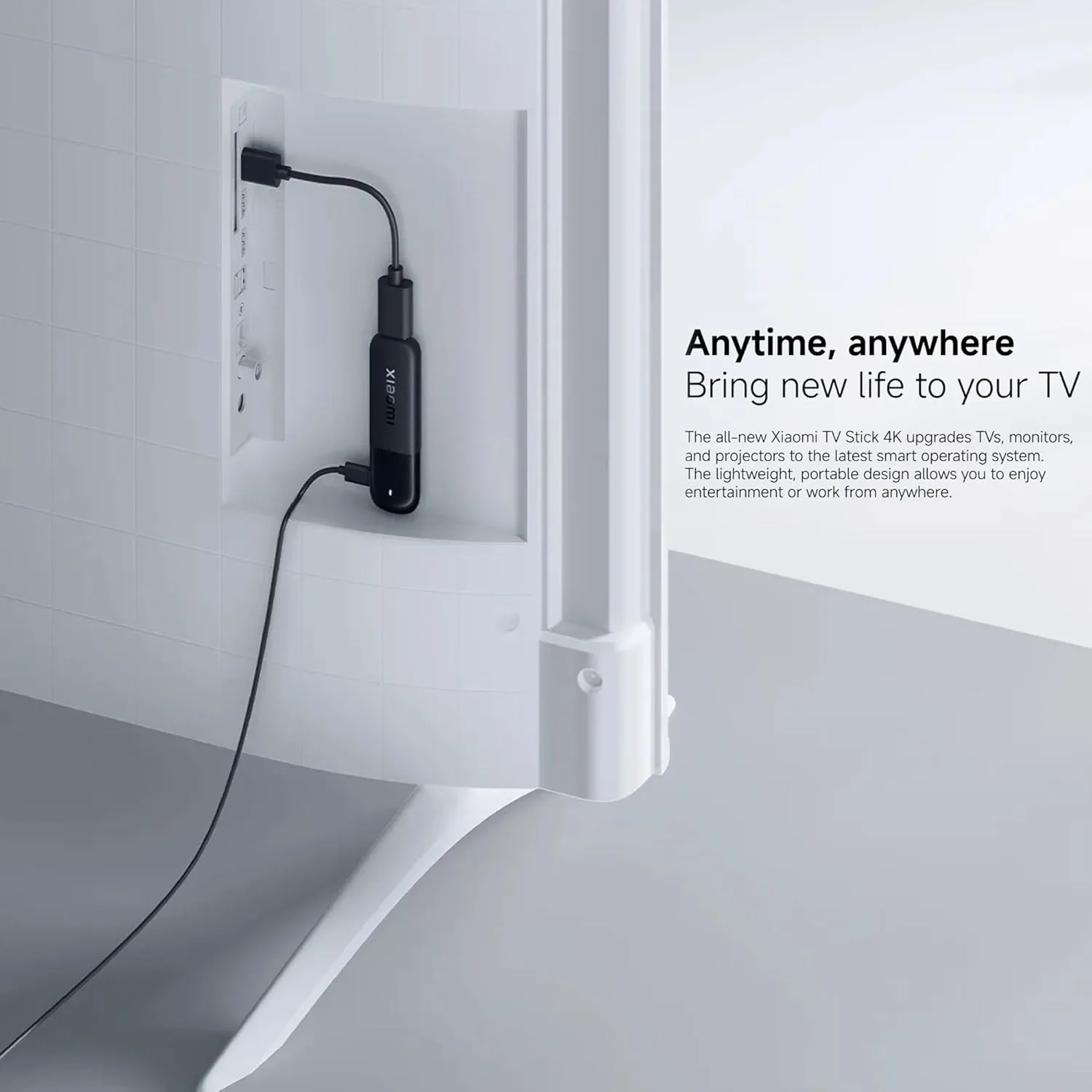
- Connect the included power adapter to a wall outlet — the Mi TV Stick 4K 2nd Gen draws power from a proper adapter rather than relying on your TV's USB port, which genuinely matters for consistent 4K streaming performance.
- Switch your TV's input to the correct HDMI channel.
- Follow the on-screen setup process, connecting to your home Wi-Fi network and signing in with a Google account (free to create if you don't already have one).
- Install your streaming apps from the genuine Google Play Store — Netflix, Showmax, YouTube, Prime Video, Disney+, and most other major services are readily available.
The entire process typically takes under fifteen minutes from opening the box to your first show playing — one of the simplest streaming setups on the Kenyan market, on par with any Fire TV Stick or the Mi Box S 3rd Gen.
What This Device Actually Replaces in a Kenyan Home
It's worth framing this practically: for a small fraction of the cost of buying a genuinely "smart" television, the Mi TV Stick 4K 2nd Gen turns any existing TV with a free HDMI port — even an older, entirely non-smart one — into a fully capable modern streaming hub running genuine Google TV software. If you've got a perfectly good television whose picture is still sharp but whose smart features (if it had any at all) have become slow, outdated, or nonexistent, this is one of the most cost-effective ways to modernize a home entertainment setup in Kenya without buying an entirely new TV.
Comparing the Mi TV Stick 4K 2nd Gen to Other Android TV Box Options in Kenya
It's worth being fair and specific about how this device compares to the broader category of streaming devices Kenyan shoppers often lump together under "Android TV box."
Vs. unbranded generic Android TV boxes: Kenya's electronics market is genuinely flooded with unbranded boxes promising 4K resolution and Android app support at tempting prices. These vary enormously in software licensing legitimacy, update support, and safety. The Mi TV Stick 4K 2nd Gen offers genuine Google certification, ongoing Xiaomi software support, and consistent, tested performance that generic alternatives frequently lack.
Vs. the Amazon Fire TV Stick lineup: As covered above, this comes down to ecosystem preference — genuine Google TV with the full Play Store, versus Amazon's own Fire OS experience with Alexa.
Vs. the Xiaomi Mi Box S 3rd Gen: As covered above, the Mi Box S 3rd Gen is the more powerful, higher-storage box; the Mi TV Stick 4K 2nd Gen is the more compact, more affordable stick running an equally genuine software platform.
Vs. built-in smart TV software: If your TV already runs a genuinely fast, up-to-date smart TV platform, a separate streaming stick may be less necessary. But for older or budget smart TVs whose built-in software has become slow and outdated over years of use, the Mi TV Stick 4K 2nd Gen very often delivers a meaningfully faster, more modern experience.
Buying Safely in Kenya: What to Check Before You Pay
A handful of practical checks are worth doing before you commit to a purchase in Kenya's market, given how much this category varies across sellers:
- Confirm the exact generation and operating system — ask specifically whether the unit runs Google TV 14 (2nd Gen) or plain Android TV (1st Gen), since the naming across the two generations is easy to conflate.
- Ask about warranty terms explicitly, and get the specific duration confirmed clearly rather than assuming coverage exists.
- Verify the device is genuine Xiaomi hardware, not a counterfeit or heavily discounted grey-market unit of unclear origin — a price dramatically below the going market rate is the clearest warning sign.
- Check what's included in the box — the stick itself, the Bluetooth voice remote, HDMI extender, and power adapter should all be present.
- Confirm delivery and support terms upfront, particularly if you're ordering online rather than buying in person.
Where to Buy the Xiaomi Mi TV Stick 4K 2nd Gen in Nairobi
Given everything covered in this guide — genuine hardware verification, honest generation and specification clarity, and straightforward accountability if something goes wrong — City Gadgets Kenya is built to remove exactly the guesswork this category is otherwise full of. Every Xiaomi Mi TV Stick 4K 2nd Gen we list is genuine Xiaomi hardware, clearly specified with its actual chip, RAM, storage, and Wi-Fi standard, backed by a stated 12-month official brand warranty and sold as brand new, sealed stock. You're not gambling on an unverified generic Android stick or an ambiguous "4K" listing of unclear generation — you're buying a properly sourced, accountable product from a business that's still here if you have questions after the sale, with same-day delivery available within Nairobi and countrywide shipping across Kenya, and payment options including M-Pesa, card, or cash on delivery.
Reach out via WhatsApp to confirm current stock and pricing, or browse the full listing directly at citygadgetskenya.co.ke.
Google Assistant and Chromecast on the Mi TV Stick 4K 2nd Gen
It's worth spending more time on the voice and casting experience itself, since it's a meaningfully different smart home story than Amazon's Alexa-based approach used on competing Kenyan streaming sticks. The included Bluetooth voice remote integrates Google Assistant directly, letting you search for content, launch specific apps, and ask general questions by voice — checking the weather, setting a timer while cooking, or controlling compatible smart home devices — without needing a separate Google Nest speaker in the room.
Because Chromecast is built natively into Google TV rather than added on top, anyone in the household with an Android phone, an iPhone, or a laptop running Chrome can cast video, photos, or a browser tab straight to the TV without opening a separate app. For households already using Google Assistant-enabled smart home devices — Nest thermostats, Google Home speakers, Android-connected smart plugs and lights — the Mi TV Stick 4K 2nd Gen becomes a genuine, natural extension of a smart home setup many Kenyan households are already building around Android phones.
A Closer Look at the Google TV 14 Interface
Beyond the raw hardware, it's worth understanding what using the device day-to-day actually feels like, since interface quality is where a lot of budget streaming sticks in Kenya's market quietly disappoint buyers. Google TV 14's interface is built around a strongly personalized, content-first home screen that pulls recommendations across your installed apps and subscriptions into a single unified view, rather than requiring you to open each app separately to see what's available. A dedicated "For You" tab and profile-based personalization mean different household members can maintain their own recommendations and watch history. A universal search function spans your installed apps simultaneously, surfacing results from Netflix, Prime Video, YouTube, and other services all at once for a given title.
The 2nd Gen's 80% faster CPU and 150% improved GPU mean this more visually rich, animation-heavy interface actually runs smoothly in daily use, rather than stuttering the way it might on the 1st Gen's more modest hardware — a genuine, tangible reason the upgrade is worth the price difference for anyone who plans to use the interface daily rather than just launching one app and leaving it.
Live TV and Free Streaming Content Available in Kenya
A common question from first-time buyers is whether the Mi TV Stick 4K 2nd Gen gives access to live television, or whether every piece of content has to be paid for separately. The honest answer is a mix: the device supports the full range of subscription streaming services relevant to Kenyan households — Netflix, Showmax, Prime Video, YouTube, Disney+, and others, all available through the genuine Google Play Store — alongside Google TV's own free, ad-supported content tab, which aggregates a genuine selection of free movies and live channels directly into the interface at no additional subscription cost. This won't fully replace a traditional satellite or DStv/GOtv subscription for every channel a Kenyan household might want, but it meaningfully expands what's available beyond many generic streaming sticks' out-of-the-box offering, and gives you the flexibility to add or drop specific paid subscriptions as your household's viewing habits change.
Comparing the Total Cost Against Buying a New Smart TV
It's worth putting this device's value into a broader financial perspective for Kenyan households weighing their home entertainment options. A genuinely capable new smart TV typically represents a significant household purchase, often requiring saving up or financing across weeks or months through options like Lipa Mdogo Mdogo. The Xiaomi Mi TV Stick 4K 2nd Gen, by contrast, sits at a small fraction of that cost, and delivers a comparable — in some respects more capable, given Xiaomi's ongoing Google TV software updates — smart streaming experience on whatever television you already own. For households where the existing TV's picture quality is still genuinely good but the "smart" features have become slow, outdated, or nonexistent, this represents one of the most cost-effective home entertainment upgrades available in Kenya's market today.
Common Mistakes Kenyan Buyers Make When Shopping This Category
A few recurring patterns are worth actively avoiding when shopping for a streaming stick in Nairobi specifically. Confusing the 1st Gen and 2nd Gen models is an easy trap, since both share a very similar name but run different software platforms (Android TV vs. Google TV 14) and different Wi-Fi standards — always confirm exactly which generation and operating system you're being sold. Assuming all "4K Google TV sticks" are equivalent is another common mistake — a device supporting 4K resolution says nothing about its processing speed, software licensing legitimacy, or update support, all of which vary enormously between a genuine Mi TV Stick 4K 2nd Gen and a generic alternative advertising the same resolution. Not asking about warranty terms upfront leaves buyers with no recourse if a unit fails within weeks, a genuinely avoidable risk given how many Kenyan retailers do offer clear warranty terms if you simply ask. And buying based purely on the lowest price without checking generation or condition frequently leads to disappointment — an older, slower 1st Gen unit sold at 2nd Gen pricing isn't a bargain, it's a mismatch.
Frequently Asked Questions About the Xiaomi Mi TV Stick 4K 2nd Gen in Kenya
How much does the Xiaomi Mi TV Stick 4K 2nd Gen cost in Kenya? Genuine pricing across Kenyan retailers typically ranges from roughly Ksh 8,000 to Ksh 9,500, depending on retailer, included accessories, and warranty terms. At City Gadgets Kenya it's priced at Ksh 8,500.
Is the Xiaomi Mi TV Stick 4K 2nd Gen actually an Android TV box? Yes, genuinely and officially — it runs Google TV 14, Google's own current, licensed smart TV platform, with the real Google Play Store and Google Assistant, unlike alternatives that run derivative or forked operating systems.
What's the difference between the Mi TV Stick 4K 2nd Gen and the 1st Gen? According to Xiaomi's official specifications, the 2nd Gen offers 80% faster CPU performance, 150% better graphics performance, upgraded Wi-Fi 6 connectivity, Bluetooth 5.2, Dolby Atmos and DTS:X audio, and runs the newer Google TV 14 software, versus the 1st Gen's Android TV interface.
What's the difference between the Mi TV Stick 4K 2nd Gen and the Amazon Fire TV Stick 4K 2nd Gen? The Xiaomi stick runs genuine Google TV with the full Google Play Store and Google Assistant, while the Fire TV Stick runs Amazon's own Fire OS with Amazon's app store and Alexa. Neither is objectively better — it depends on which ecosystem, Google's or Amazon's, your household already uses. The Xiaomi stick also supports DTS:X audio in addition to Dolby Atmos.
What's the difference between the Mi TV Stick 4K 2nd Gen and the Xiaomi Mi Box S 3rd Gen? The Mi Box S 3rd Gen is a more powerful set-top box with 32GB of storage and a newer HDMI 2.1a port. The Mi TV Stick 4K 2nd Gen is the more compact, more affordable stick form factor, running a similarly genuine Google TV software experience.
Does the Mi TV Stick 4K 2nd Gen support Chromecast? Yes — Chromecast is built natively into Google TV, so casting video, photos, or a browser tab from a compatible phone or laptop works without a separate app.
Do I need a smart TV to use the Mi TV Stick 4K 2nd Gen? No — that's precisely its purpose. Any TV with a free HDMI port, smart or not, becomes a fully capable streaming device once you plug in the stick.
Is it safe to buy a Xiaomi Mi TV Stick 4K 2nd Gen from an unfamiliar Nairobi seller? Verify the exact generation and operating system, confirm warranty terms explicitly, and be cautious of prices dramatically below the typical market range, which can signal an undisclosed used unit, a mislabelled 1st Gen device, or a grey-market unit.
Where can I buy a genuine Xiaomi Mi TV Stick 4K 2nd Gen in Nairobi? City Gadgets Kenya stocks genuine Xiaomi Mi TV Stick 4K 2nd Gen units with clear generation specification and honest warranty terms stated upfront — reach out via WhatsApp to confirm current stock and pricing.
Final Verdict: Should You Buy the Xiaomi Mi TV Stick 4K 2nd Gen in Kenya?
If you searched for the Xiaomi Mi TV Stick 4K 2nd Gen price in Kenya because you want a genuine, Google-certified Android TV streaming stick rather than an Amazon alternative or an unbranded generic box, this device is a genuinely well-earned answer. Authentic Google TV 14 software with the full Play Store and Chromecast built in, a substantially faster processor and GPU than its predecessor, Wi-Fi 6 for stable streaming even in busy Nairobi apartment buildings, and Dolby Atmos with DTS:X audio all combine to make this one of the smartest, most genuine budget Android TV purchases available in Kenya's electronics market right now.
Browse genuine Xiaomi Mi TV Stick 4K 2nd Gen stock and home entertainment accessories at City Gadgets Kenya, or reach out on WhatsApp to confirm current pricing and stock before you buy.