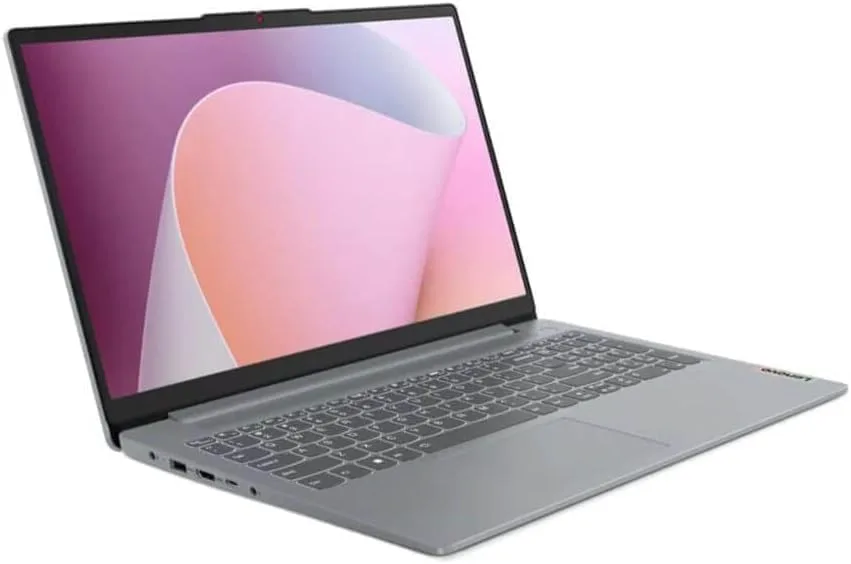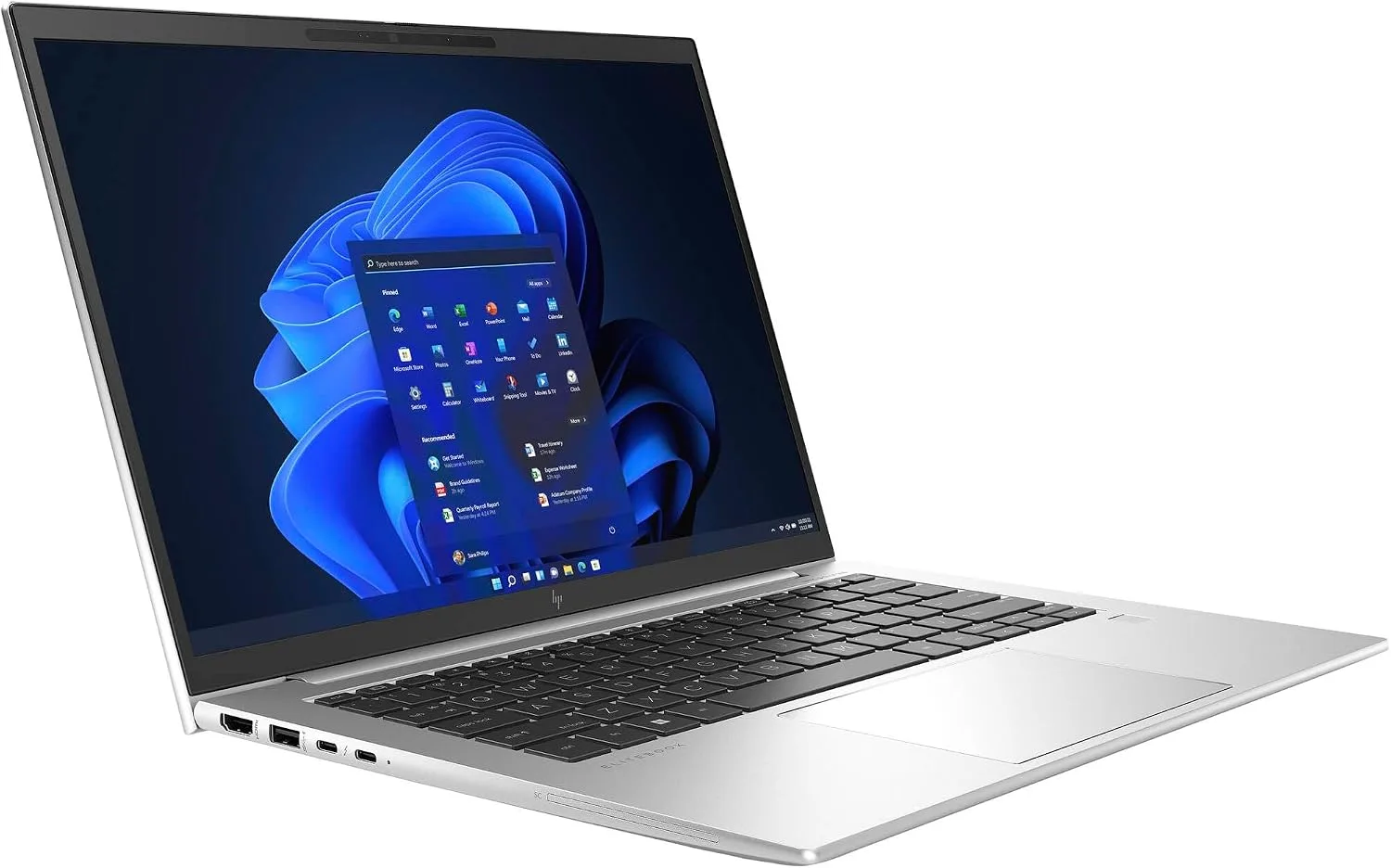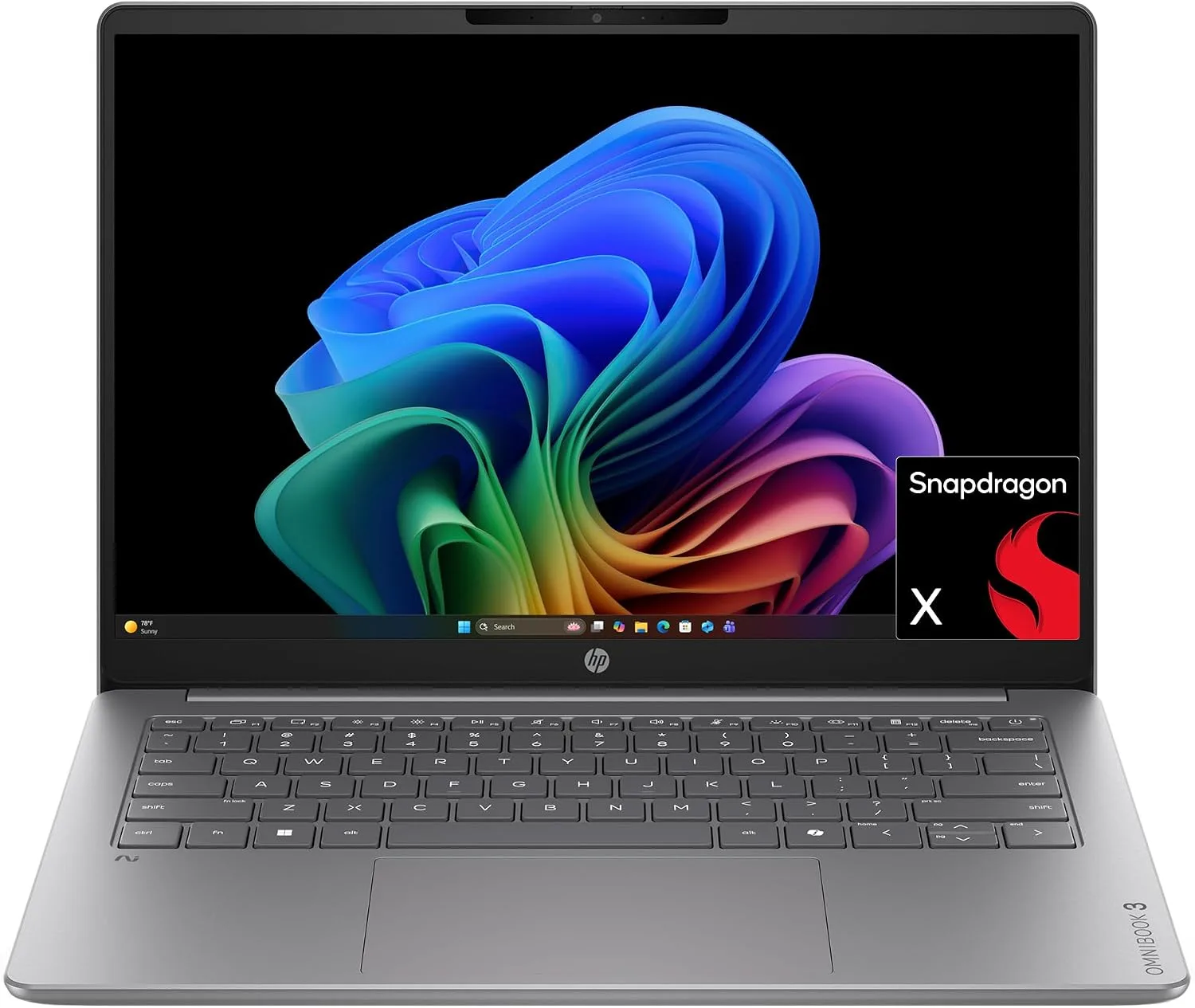

A quiet but genuinely significant shift has been happening across Kenyan businesses over the past several years: procurement decisions that once defaulted automatically to buying new laptops are increasingly being reconsidered in favour of genuinely tested refurbished fleets. This isn't a compromise Kenyan businesses are settling for — it's an increasingly deliberate, evidence-based procurement strategy, and this piece explains why, drawing on the economics and reasoning covered throughout our small business buying guide and the fleet options available at City Gadgets Kenya.
The Genuine Economics Driving This Shift
As detailed extensively in our small business buying guide, the core economic argument is straightforward and compelling: a fixed technology budget stretches meaningfully further in the refurbished market than in new retail, since refurbished pricing reflects depreciation on already-premium corporate hardware rather than the cost of manufacturing new budget-tier components. For a business equipping ten, twenty, or fifty staff members simultaneously, this specification gap multiplies across every single unit purchased — a genuinely substantial cumulative saving that either preserves capital for other business needs or allows a stronger overall specification across the entire fleet than a new-laptop budget of the same size would permit.
Beyond Simple Cost Savings: The Total Cost of Ownership Argument
It's worth explaining why forward-thinking Kenyan procurement decisions increasingly evaluate total cost of ownership rather than purchase price alone, a genuinely more sophisticated calculation that favours refurbished business-grade hardware even more strongly than a simple price comparison suggests.
Reduced support burden. Business-grade laptops (ThinkPad, EliteBook, Latitude), as detailed throughout our brand-focused technical pieces, were engineered specifically for years of reliable corporate daily use — genuinely reducing the frequency of hardware failures and associated IT support tickets compared to consumer-grade laptops of similar age, a real, measurable cost saving for any business's IT support function, whether in-house or outsourced.
Standardisation benefits. Equipping an entire team with the same or similar model configurations, achievable when buying a coordinated fleet from a single reputable refurbished supplier, simplifies IT support, reduces training overhead for shared troubleshooting knowledge, and simplifies spare parts and accessory compatibility across the organisation — genuine operational efficiency gains beyond the initial purchase price alone.
Predictable replacement cycles. Businesses adopting a genuine refurbished procurement strategy can plan replacement cycles around known depreciation and warranty patterns, similar to how the original corporate sellers of this hardware planned their own three-to-four-year refresh cycles discussed throughout our ex-UK laptop piece — a more predictable, plannable IT budget line than reactive, as-needed individual replacement purchases.
Case Studies: Real Kenyan Business Scenarios
The growing Nairobi-based startup scaling its team quickly. Needing to equip new hires rapidly without excessive upfront capital expenditure that could otherwise fund growth initiatives, this business benefits directly from the multiplied cost advantage discussed above — outfitting five new hires with genuine Core i5/i7 business laptops for a fraction of what five new consumer laptops would cost, preserving capital for the business's actual growth priorities.
The established SME replacing an ageing, mismatched laptop fleet. Having accumulated a patchwork of different laptop models and ages through years of ad-hoc, reactive purchasing, this business benefits from the standardisation argument discussed above — consolidating onto a coordinated, genuinely tested refurbished fleet from a single supplier like City Gadgets Kenya, simplifying ongoing IT support.
The professional services firm (accounting, legal, consulting) equipping client-facing staff. Needing laptops that genuinely look professional and perform reliably in front of clients, as discussed in our small business and accountants buying guides, this business finds that premium refurbished configurations (ThinkPad X1 Carbon, premium EliteBook and Latitude configurations) deliver this professional impression at a cost considerably below equivalent new premium laptops.
The NGO or development organisation managing a constrained, donor-funded budget. As detailed in our dedicated NGO field work buying guide, organisations operating under strict donor budget accountability find refurbished procurement genuinely stretches limited program funds further, equipping more field staff with genuinely capable, durable hardware than a new-laptop budget of the same size would allow.
The Procurement Confidence Factor: Why Warranty Terms Matter So Much for Business Buyers
It's worth emphasising a point directly relevant to business buyers specifically, beyond what an individual consumer purchase might weigh as heavily: a business making a fleet-level purchasing decision needs genuine confidence in warranty coverage and after-sales support, since a hardware failure affecting an employee's productivity has direct, quantifiable business cost. This is precisely why the genuine warranty standards emphasised throughout our buying checklist guide matter even more for business procurement decisions than individual consumer purchases — a reputable refurbished supplier offering clear, dependable warranty terms transforms refurbished procurement from a perceived risk into a genuinely confident, defensible business decision that IT managers and finance departments can stand behind.
How This Shift Reflects Broader Kenyan Business Maturity
It's worth situating this trend within a broader observation about Kenya's evolving business technology culture: as Kenyan businesses have grown more sophisticated in their financial planning and increasingly benchmark decisions against genuine total-cost-of-ownership analysis rather than simple sticker-price comparison, refurbished procurement has moved from being seen as a purely budget-constrained necessity to being recognised as a genuinely smart, evidence-based strategic choice available to businesses across the spectrum, not only those with the tightest possible budgets. This mirrors similar shifts in other markets — the used and refurbished equipment leasing markets in vehicles, machinery, and other business assets — where sophisticated buyers increasingly separate genuine asset value from the emotional or status-driven preference for "new" alone.
A Practical Framework for Businesses Planning a Fleet Transition
For Kenyan business owners and IT decision-makers genuinely considering this shift, it's worth offering a practical, step-by-step approach rather than only abstract argument. Start with an honest audit of your current fleet's age, condition, and genuine performance complaints from staff — this establishes a clear baseline for what a refurbished transition needs to improve upon. Define role-based specification tiers rather than a single blanket configuration for every employee, similar to the profession-specific guidance throughout our buying guide catalog — your accounting team's needs, as detailed in our dedicated accountants guide, genuinely differ from your sales team's portability priorities, discussed in our lightweight laptop guide. Pilot with a small batch before committing to a full fleet purchase, allowing your team to genuinely test real units in real daily use before a larger financial commitment. Negotiate warranty and support terms explicitly as part of any bulk purchase discussion, ensuring your business has clear recourse if issues arise across the fleet. Plan your next refresh cycle proactively rather than reactively, learning from the same corporate IT discipline that originally produced this hardware's availability in the ex-UK refurbished pipeline in the first place.
The Psychological Shift: From "Settling" to "Smart Procurement"
It's worth naming directly a genuine attitude shift happening within Kenyan business culture around this topic, since it's as much a mindset change as an economic one. A decade ago, refurbished technology procurement was frequently framed, even internally within businesses making this choice, as a compromise — something businesses did because they couldn't afford new, rather than something they chose because it was genuinely the smarter decision. This framing has been shifting measurably, particularly among younger Kenyan entrepreneurs and increasingly sophisticated finance and procurement professionals who've done the genuine total-cost-of-ownership analysis discussed throughout this piece and arrived at refurbished procurement as an evidence-based conclusion, not a fallback position. This shift matters beyond individual purchasing decisions — it reflects a broader maturation in how Kenyan business culture evaluates value, increasingly separating genuine asset quality and functional performance from the simple, often costly assumption that "new" is inherently synonymous with "better."
Common Concerns Business Buyers Raise, Addressed Honestly
"Will our clients or partners judge us for using refurbished equipment?" In practice, genuinely tested, well-maintained business-grade laptops (ThinkPad, EliteBook, Latitude configurations) look and perform indistinguishably from new equivalents in daily professional use — clients interacting with your staff's laptops during meetings or presentations have no practical way to distinguish a well-maintained refurbished unit from a new one.
"Is it harder to get bulk quantities of consistent specification for a coordinated fleet purchase?" Reputable suppliers with substantial inventory, like City Gadgets Kenya, can generally source consistent quantities of similar configurations for coordinated business purchases — worth discussing your specific fleet requirements directly rather than assuming refurbished inventory is too inconsistent for bulk business procurement.
"What happens to our IT support arrangements if these laptops don't carry a manufacturer warranty?" As emphasised throughout this piece, a reputable refurbished seller's own warranty, combined with the reduced failure rates business-grade hardware typically demonstrates, addresses this concern directly — worth confirming specific warranty and support terms clearly before committing to a fleet purchase.
Frequently Asked Questions
Is refurbished procurement genuinely viable for larger Kenyan businesses, or only small operations? Genuinely viable across business sizes — the same core economic and total-cost-of-ownership arguments discussed throughout this piece apply whether equipping five staff or fifty, with larger purchases often able to negotiate more favourable terms directly with an established supplier.
Do refurbished business laptop fleets create more IT support burden than new equipment? Generally the opposite, as discussed throughout this piece — business-grade hardware's genuine durability engineering typically reduces support burden compared to consumer-grade equipment of similar age, refurbished or new.
How do businesses handle warranty claims across a larger refurbished fleet purchase? Discuss this directly with your supplier before a bulk purchase — reputable sellers like City Gadgets Kenya can clarify how warranty claims are handled for coordinated business orders specifically.
Is it possible to get matching or near-identical laptop specifications for an entire team through refurbished procurement? Often yes, depending on current inventory — worth discussing your specific quantity and specification needs directly with your supplier, since inventory availability varies over time in any refurbished market.
Do Kenyan businesses need to disclose to clients that their equipment is refurbished? No general obligation exists for this, and most businesses don't consider it necessary — as discussed above, well-maintained refurbished business laptops perform and appear indistinguishably from new equivalents in normal professional use.
Should a business pilot a small batch before committing to a full refurbished fleet transition? Yes, generally advisable, as discussed in the practical framework above — testing a small number of units in real daily use with actual staff members provides genuine confidence before a larger financial commitment across the entire organisation.
How do businesses budget for eventual battery replacement across a refurbished fleet? Worth building this into your total cost of ownership planning from the outset, as discussed in our dedicated battery health piece — business-grade laptops' generally accessible battery designs make this a manageable, budgetable maintenance cost rather than requiring full unit replacement.
Is it worth involving staff in the transition decision, or should this remain purely a management/IT decision? Involving staff, particularly through the pilot approach discussed above, genuinely helps build confidence and address any lingering "refurbished means inferior" concerns some employees might carry, easing the broader organisational transition.
Can a business negotiate ongoing supply arrangements for future hires beyond an initial fleet purchase? Often yes — discuss this directly with your chosen supplier, since an ongoing relationship for future hiring needs is a natural extension of an initial successful fleet purchase.
Equip Your Business Fleet at City Gadgets Kenya
City Gadgets Kenya supports coordinated business fleet purchases with genuinely tested units and a real 6-month warranty across every laptop. Browse our laptops category or message us on WhatsApp to discuss your organisation's specific fleet requirements.