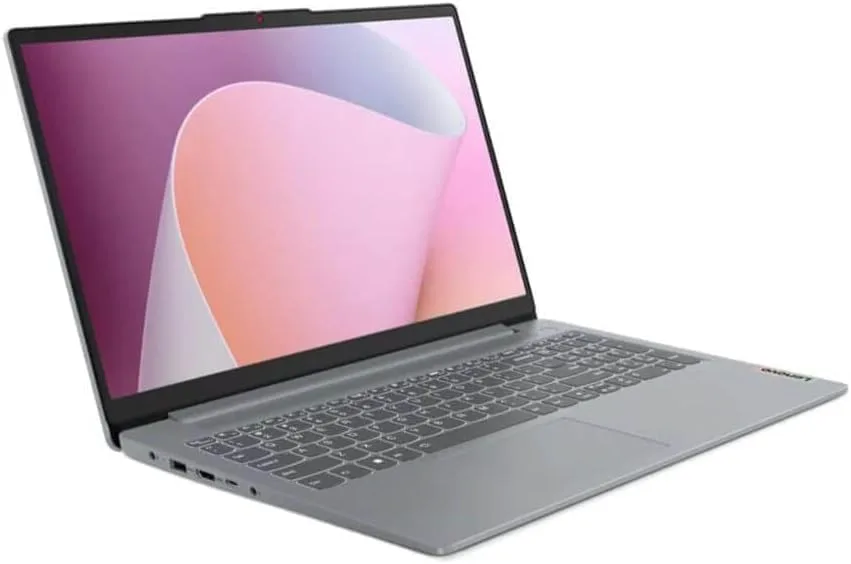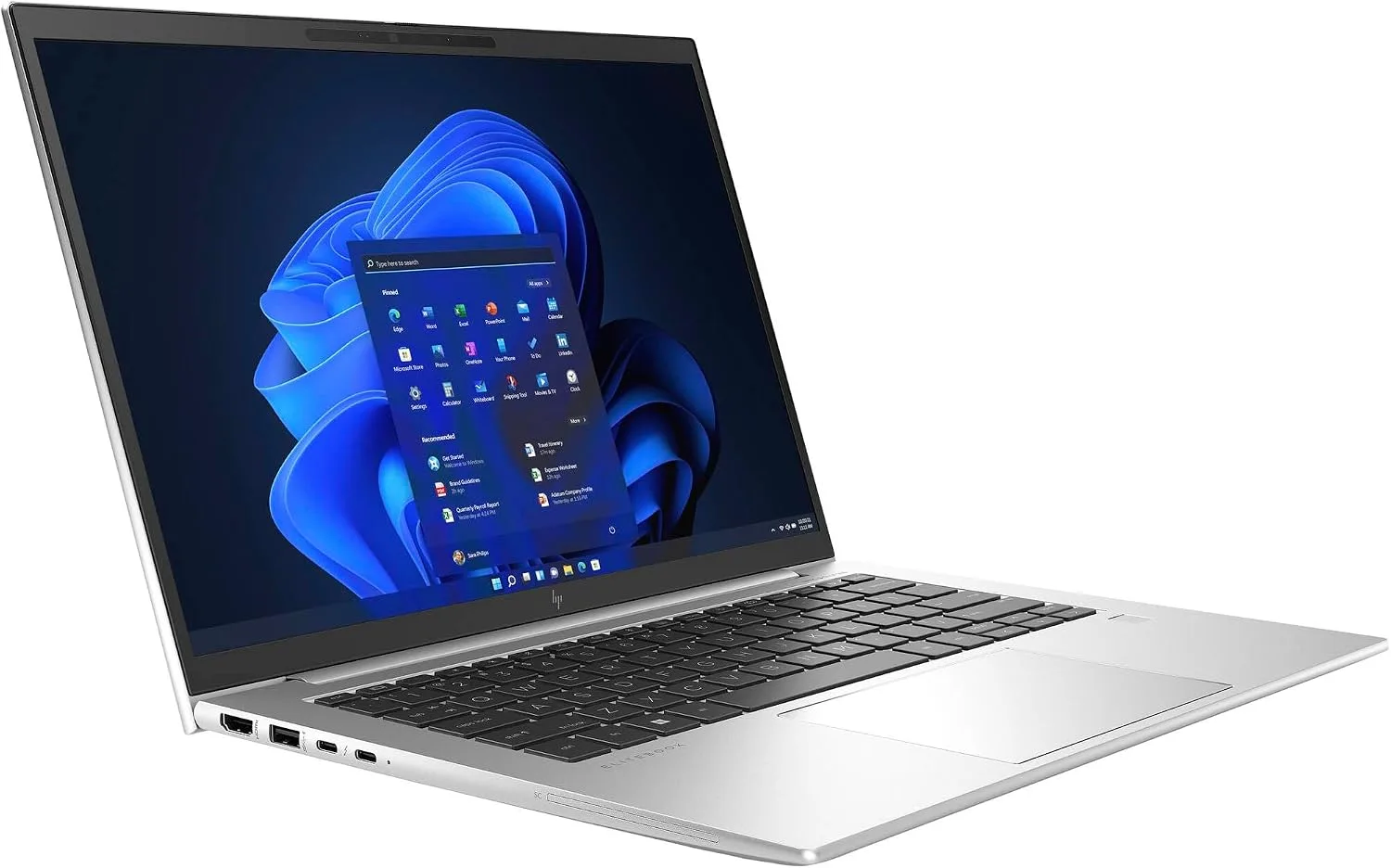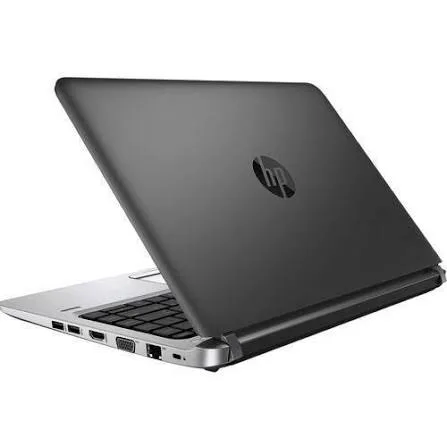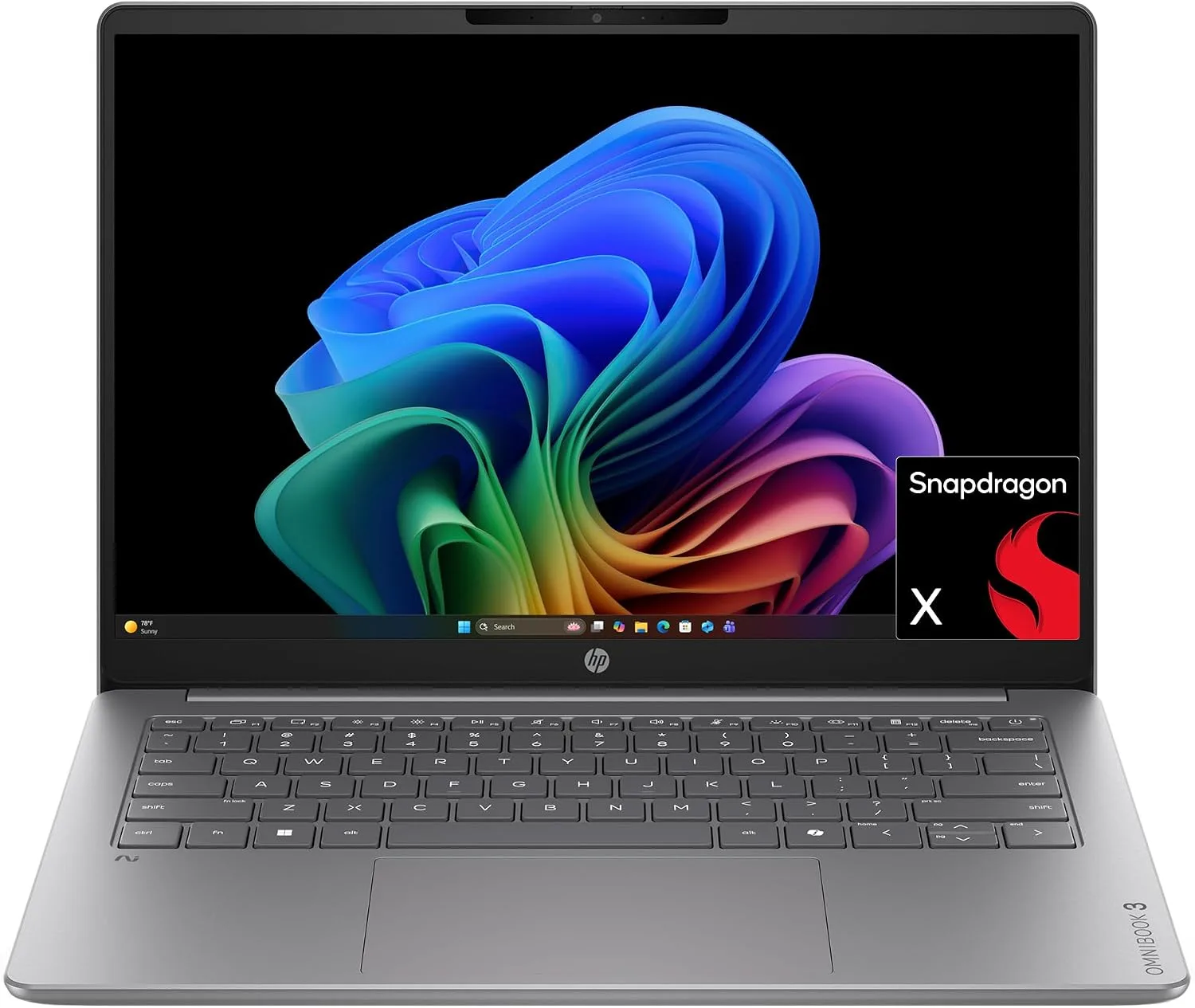
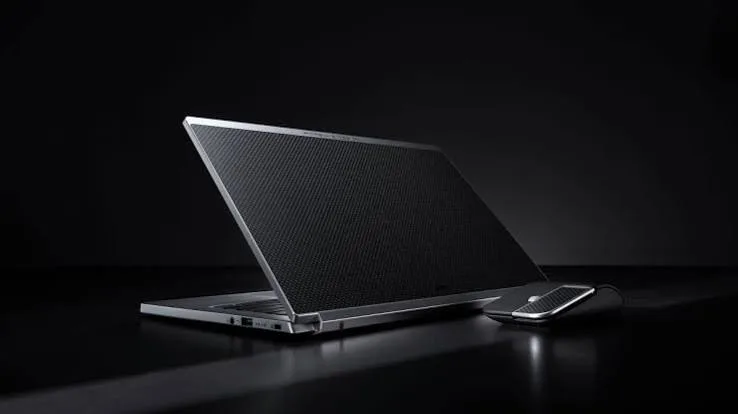
Our ThinkPad-focused piece touched on carbon fibre construction specifically within Lenovo's X1 Carbon line. This piece broadens that discussion into a genuine materials science comparison across every major chassis material used in premium business laptops — carbon fibre, magnesium alloy, and aluminium — explaining honestly what each material genuinely offers, and why this matters for real laptops available at City Gadgets Kenya, including the Dell Latitude 7000-series and various premium configurations across our catalog.
Why Chassis Material Genuinely Matters Beyond Aesthetics
It's worth establishing clearly why this topic deserves serious attention rather than being dismissed as a cosmetic detail. A laptop's chassis material genuinely affects three practical, measurable factors: weight (directly relevant to the portability discussed throughout our lightweight laptop buying guide), structural rigidity (affecting how well the laptop resists flexing, twisting, and the resulting stress on internal components like the display and motherboard), and durability under impact (affecting genuine survivability of the drops and knocks discussed throughout our durability-focused ThinkPad piece). These aren't abstract engineering concerns — they translate directly into how a laptop feels in daily use and how well it survives years of genuine service.
Aluminium: The Versatile Standard
Aluminium represents the most common premium laptop chassis material, used extensively across Dell's Latitude and XPS lines, HP's EliteBook range, and Apple's entire MacBook lineup, among many others.
Genuine properties: aluminium offers a strong, well-understood balance of weight, rigidity, and manufacturing cost-effectiveness. It can be machined into precise, attractive shapes relatively efficiently at scale, and offers genuinely good structural rigidity for its weight — considerably better than plastic composite construction, though not matching the more exotic materials discussed below at truly equivalent weight.
Why it remains so widely used: aluminium's manufacturing process is well-established and scales efficiently to the high production volumes major manufacturers require, keeping costs reasonable while still delivering genuinely premium look, feel, and structural performance compared to lower-cost plastic alternatives — a genuinely sensible default choice for the majority of premium laptop chassis applications.
Magnesium Alloy: The Lightweight Specialist
Magnesium alloy, used prominently in HP's EliteBook Dragonfly line discussed in our EliteBook legacy piece, and in various components across other manufacturers' premium lines, offers a genuinely different set of trade-offs.
Genuine properties: magnesium alloy is meaningfully lighter than aluminium for equivalent structural strength — among the lightest structural metals used in laptop construction — while still offering good rigidity and, notably, excellent heat dissipation properties, since magnesium conducts heat effectively, a genuine secondary benefit for a laptop's internal thermal management beyond pure structural considerations.
The genuine trade-off: magnesium alloy is generally more expensive to work with in manufacturing than aluminium, requiring more specialised handling during the casting and machining process, partly explaining why it appears more selectively across manufacturers' lineups — typically reserved for flagship, ultra-premium configurations like the Dragonfly rather than applied across an entire product range the way aluminium often is.
Carbon Fibre: The Aerospace-Grade Approach
Carbon fibre, as discussed in more detail in our ThinkPad-focused piece regarding Lenovo's X1 Carbon line, represents the most exotic and expensive chassis material commonly found in premium business laptops.
Genuine properties: carbon fibre offers an exceptional strength-to-weight ratio — meaningfully exceeding both aluminium and magnesium alloy in this specific measure — because it's a composite material built from woven carbon filament fabric bonded with resin, rather than a single homogeneous metal. This composite structure allows engineers to orient the fibre weave specifically to maximise strength precisely where a chassis needs it most, a genuine design flexibility metals don't offer to the same degree.
Why it remains rare despite its genuine advantages: carbon fibre manufacturing is considerably more complex and expensive than metal chassis construction, requiring precise fibre layup, resin bonding under controlled heat and pressure, and more specialised quality control than metal stamping or machining processes — costs that keep carbon fibre chassis construction concentrated in only the most premium flagship configurations, like the ThinkPad X1 Carbon, rather than appearing across broader product ranges.
A Direct Comparison Table
| Material | Relative Weight | Relative Rigidity | Relative Cost | Common Examples in Our Catalog |
|---|---|---|---|---|
| Plastic composite | Heaviest | Lowest | Lowest | Entry-tier Latitude 3000-series |
| Aluminium | Moderate | Good | Moderate | Dell XPS 13, many EliteBook/Latitude configs |
| Magnesium alloy | Light | Good, excellent heat dissipation | Higher | HP EliteBook Dragonfly |
| Carbon fibre | Lightest for equivalent strength | Excellent | Highest | Lenovo ThinkPad X1 Carbon |
Why Dell's Latitude 7000-Series Often Blends Materials Strategically
It's worth noting, connecting to our dedicated Dell Latitude tier piece, that premium configurations like the Latitude 7000-series don't always use a single chassis material exclusively — many premium laptop designs strategically blend materials, using carbon fibre or magnesium reinforcement in specific structural areas (like the display lid or the area around the hinge, which experiences the most repeated mechanical stress) while using aluminium or other materials elsewhere in the chassis where the absolute weight savings matter less. This blended approach reflects sophisticated engineering optimisation — applying the most expensive, exotic materials specifically where their properties provide the most genuine benefit, rather than uniformly throughout the entire chassis where the cost premium wouldn't translate into proportionate practical advantage.
How Manufacturers Actually Test Chassis Material Performance
It's worth explaining briefly how these material properties get verified in practice, connecting to the broader durability testing discussion in our ThinkPad-focused piece. Manufacturers subject chassis prototypes to specific mechanical stress tests measuring exactly the properties discussed throughout this piece — torsion tests that twist the chassis to measure resistance to flex, point-load tests that apply pressure to specific spots (like the centre of a closed laptop lid) to measure resistance to denting or cracking, and repeated flex-cycle tests simulating years of the chassis being opened, closed, and carried in various orientations. These tests produce genuine, quantifiable data — measured in units like torsional stiffness or force required to produce a specific amount of deflection — that engineering teams use to validate whether a specific material choice and chassis design achieves its intended durability targets before mass production begins, rather than relying on subjective impressions of "feels sturdy."
The Weight Savings, Made Concrete With Real Numbers
It's worth illustrating the practical weight difference these material choices produce with genuinely concrete figures, since abstract "lighter" claims are less useful than actual comparison numbers. A typical 14-inch business laptop chassis using standard aluminium construction might weigh in the range of 250-350 grams for the chassis structure itself (excluding internal components), while an equivalent carbon fibre chassis achieving the same structural rigidity might weigh 30-40% less — a genuinely substantial difference that compounds across a laptop's total weight when combined with similar savings possible in other components. This is precisely why a ThinkPad X1 Carbon can weigh meaningfully less than a similarly-specified standard ThinkPad T-series model despite housing comparable internal hardware — the chassis material difference alone accounts for a significant portion of that overall weight gap discussed throughout our lightweight laptop buying guide.
What This Means Practically for Kenyan Buyers
Connecting this materials science discussion back to practical buying guidance throughout our catalog: understanding these genuine material properties helps explain why certain premium configurations command the prices they do, and helps buyers make informed trade-offs based on their actual priorities. If maximum weight reduction is your absolute top priority, as discussed in our lightweight laptop buying guide, specifically seeking out carbon fibre (ThinkPad X1 Carbon) or magnesium alloy (HP Dragonfly) construction delivers genuine, measurable benefit worth the premium. If your priority is simply solid, dependable premium construction without needing the absolute lightest possible weight, standard aluminium construction across many Dell, HP, and Lenovo configurations delivers excellent value without paying for exotic materials whose full benefit you may not specifically need.
Frequently Asked Questions
Is carbon fibre genuinely stronger than aluminium, or just lighter? Both, for equivalent weight — carbon fibre's exceptional strength-to-weight ratio means it can match or exceed aluminium's structural rigidity while weighing meaningfully less, rather than simply trading strength for lightness.
Why don't all premium laptops use carbon fibre if it's genuinely superior? Cost and manufacturing complexity, as detailed throughout this piece — carbon fibre construction is considerably more expensive and complex to manufacture at scale than aluminium, keeping it concentrated in only the most premium flagship configurations.
Does magnesium alloy chassis construction affect a laptop's cooling performance? Yes, genuinely — magnesium's good heat conductivity properties, discussed above, can contribute positively to a laptop's overall thermal management, a secondary benefit beyond its primary weight-reduction purpose.
Is a laptop with a blended-material chassis (like some Latitude 7000-series configurations) genuinely as durable as one using a single premium material throughout? Often yes, or even more effectively engineered — as discussed above, strategic material blending applies the most beneficial (and expensive) materials specifically where they matter most structurally, rather than uniformly, reflecting sophisticated rather than compromised engineering.
Can I tell what chassis material a specific refurbished laptop uses just by looking at it? Not always reliably through visual inspection alone, since finishes and coatings can look similar across different underlying materials — checking the manufacturer's official specifications for your specific model is the more reliable way to confirm chassis material.
Is it worth paying the premium for carbon fibre or magnesium alloy construction if I don't travel frequently? Depends on your specific priorities — if maximum weight reduction genuinely doesn't matter much to your daily use pattern, standard aluminium construction, widely available across our catalog at more accessible prices, delivers excellent durability and premium feel without this specific premium.
How much lighter is a carbon fibre chassis compared to an equivalent aluminium one, in real terms? Often 30-40% lighter for the chassis structure itself, as detailed above — a genuinely substantial difference that compounds meaningfully across a laptop's total weight.
Does chassis material affect a laptop's price beyond just the material cost itself? Yes — as discussed throughout this piece, more exotic materials also require more specialised, expensive manufacturing processes, meaning the price premium reflects both material cost and manufacturing complexity together, not material cost alone.
Are there any genuine downsides to carbon fibre construction beyond cost? Repair complexity can be somewhat greater for carbon fibre chassis damage compared to metal, since composite material repair techniques differ from metal chassis repair — though for most buyers, this is a minor consideration compared to the weight and rigidity benefits discussed throughout this piece.
Does a heavier chassis material genuinely mean better durability, or is this an oversimplification? An oversimplification — as detailed throughout this piece, carbon fibre achieves excellent durability at low weight through its specific composite structure, meaning weight and durability aren't directly correlated once you compare across genuinely different material engineering approaches rather than simply thicker versus thinner versions of the same material.
Explore Premium Chassis Construction Options at City Gadgets Kenya
Every laptop at City Gadgets Kenya, across every chassis material discussed in this piece, is fully tested and backed by a genuine 6-month warranty. Browse our laptops category or message us on WhatsApp to find the right construction material for your priorities.