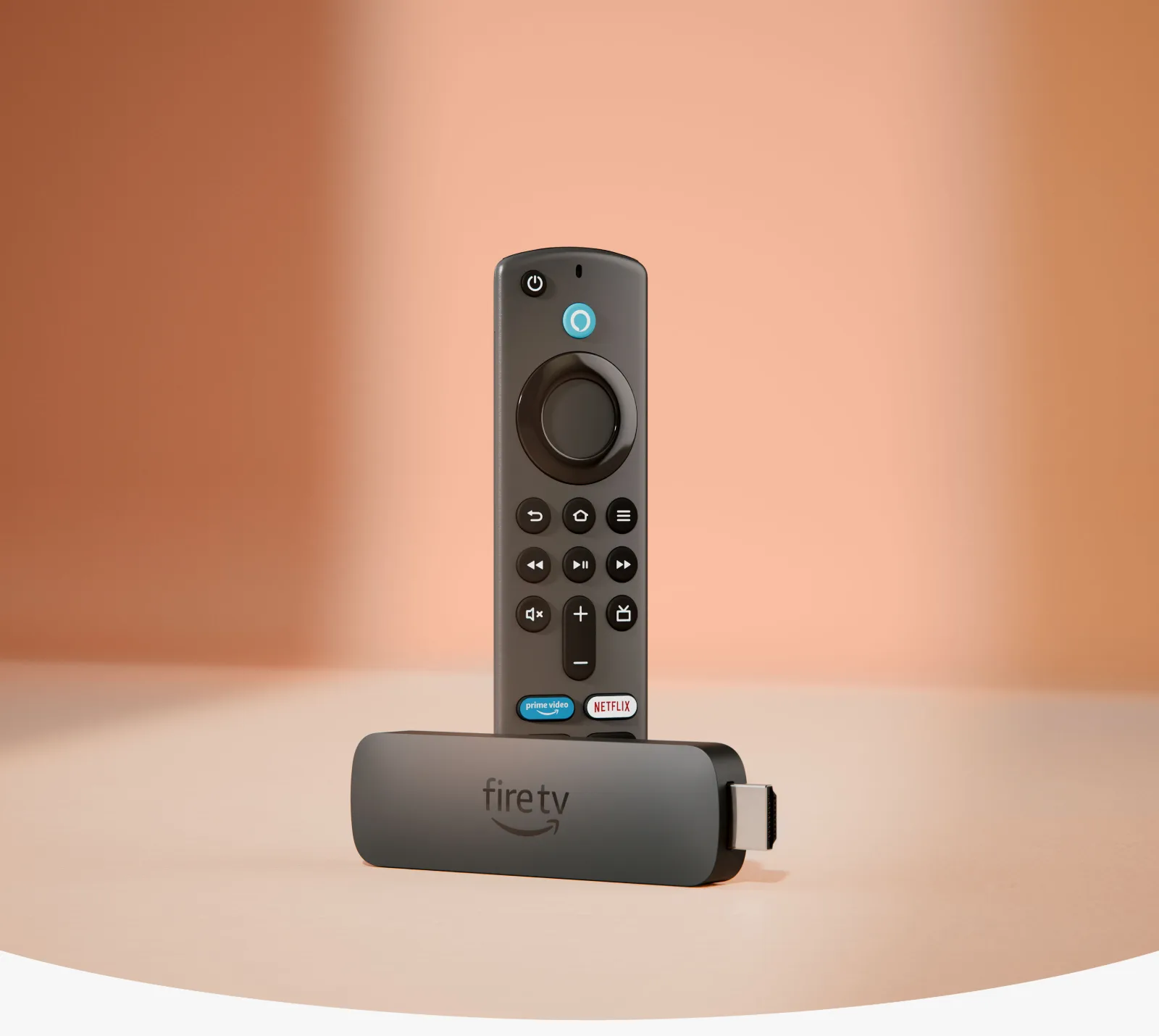
Where to Buy the Amazon Fire TV Stick 4K 2nd Gen in Nairobi: Full Guide and Honest Verdict
If you've been comparing streaming sticks in Nairobi's electronics shops or scrolling through online listings, you've almost certainly run into a device that keeps appearing under both the "streaming device" and "Android TV box" categories, sitting confidently between the entry-level Fire TV Stick 4K and the flagship 4K Max: the Amazon Fire TV Stick 4K 2nd Gen. It isn't there by accident. This is Amazon's mid-tier streaming stick, and for a huge number of Kenyan households, it's genuinely the smartest place to land — enough power and polish to feel like a real upgrade over the basic 4K stick, without paying for headroom the 4K Max offers that many households will never actually use.
This is a long, deliberately thorough guide, because buying the wrong streaming device in Kenya's crowded electronics market is a genuinely common, avoidable mistake — one that usually ends with a drawer full of half-used gadgets and a TV that's still not quite doing what you wanted. Let's get into exactly what the Fire TV Stick 4K 2nd Gen is, what it does well, where it sits against its siblings, and where to buy a genuine one in Nairobi.
First, an Honest Clarification: Is This Actually an "Android TV Box"?
It's worth clearing this up honestly before going any further, since it shapes how you should think about the device. The Fire TV Stick 4K 2nd Gen does not run Google's official Android TV operating system. It runs Fire OS, Amazon's own operating system, which is built on top of and forked from Android (based on Android 9 at its core). In practice, that means it inherits Android's underlying app compatibility and technical foundation, but Amazon has restyled the entire experience as its own — with its own interface, its own remote, and its own app store (rather than Google Play) as the primary way you install streaming apps.
This is precisely why Kenyan retailers, including this one, routinely list the Fire TV Stick 4K 2nd Gen under "Android Box" and "Streaming Devices" categories side by side — because for the overwhelming majority of what people actually want from an Android-based streaming stick (installing apps, browsing content, casting from a phone, navigating with a remote), it delivers exactly that experience, just packaged more tightly and consistently than most generic "Android TV box" alternatives sold loosely in Nairobi's electronics market.
So if your search brought you here, you're in the right place. Just go in understanding the small technical distinction, so nothing about the device surprises you later.
Why the 2nd Gen Specifically, and Not a Generic Android Box?
Nairobi's market is genuinely saturated with unbranded "Android TV boxes" — small black boxes promising 4K resolution, dual-band Wi-Fi, and full Android app support, usually at a tempting price. It's worth being specific about why the Fire TV Stick 4K 2nd Gen is the smarter buy over most of these, rather than just asserting it.
Genuine, accountable manufacturer backing. This device is built and supported directly by Amazon — a company with real accountability, a genuine support structure, and a long track record of pushing software updates to its Fire TV lineup. Countless generic Android boxes circulating informally in Kenya come from unclear manufacturing origins, with no consistent firmware support and nobody accountable if something goes wrong after purchase.
A meaningful step up from the entry-level stick. The 2nd Gen isn't just the basic 4K stick with a new sticker — it genuinely upgrades the processor and moves from older Wi-Fi standards to Wi-Fi 6, which noticeably improves how the device behaves in a busy, modern Kenyan home with several devices competing for bandwidth. It sits deliberately between the base 4K stick and the 4K Max, and for many households, this is exactly the sweet spot: real, tangible upgrades over the entry stick, at a price still comfortably below the flagship.
Consistent, tested performance. Amazon designs the Fire TV Stick 4K 2nd Gen's hardware and Fire OS software together, meaning the apps Kenyan households actually use — Netflix, Showmax, YouTube, Prime Video — are tested and optimized specifically for this device. Generic Android boxes vary enormously in real-world performance, often suffering from laggy menus, buffering, or apps that were never properly tuned for the hardware inside.
Regular software and security updates. Amazon continues shipping Fire OS updates to its Fire TV Stick lineup for years after release, patching security issues and adding new features along the way. Many generic Android boxes get one update, if that, before being abandoned entirely by their manufacturer — a genuine long-term security risk for something permanently connected to your home Wi-Fi network.
A curated, safer app ecosystem. The 4K 2nd Gen's app store is Amazon's own storefront, centrally reviewed and maintained, which meaningfully reduces the risk of installing a poorly made or malicious app compared to generic boxes that sometimes ship with unofficial app stores or pre-loaded APK collections of uncertain origin.
Straightforward resale and support value. Because this is a globally recognized, mainstream Amazon product, getting help, finding compatible accessories, or reselling it down the line is genuinely simple — something that's basically impossible with an unbranded box whose manufacturer you can't even properly identify.
None of this means every generic Android box is automatically unusable. But it does mean the Fire TV Stick 4K 2nd Gen removes a whole category of risk and guesswork that comes bundled with Nairobi's more anonymous end of the streaming device market — while costing noticeably less than the flagship 4K Max.
Full Specifications: What You're Actually Getting
- Processor: A more powerful quad-core chip than the entry-level Fire TV Stick 4K, delivering noticeably faster app launches, quicker menu navigation, and smoother scrolling through content rows
- Operating System: Fire OS 7, based on Android 9
- RAM: 2GB
- Internal Storage: 8GB — enough for a healthy number of streaming apps installed at once, though more storage-hungry buyers who plan to install many games or apps simultaneously may eventually want to manage space more actively than on the 4K Max's larger storage
- Maximum Resolution: 4K Ultra HD
- HDR Support: Dolby Vision, HDR10+, HLG
- Audio: Dolby Atmos support for immersive sound on compatible soundbars and AV systems
- Connectivity: Wi-Fi 6 (a genuine generational upgrade over the base 4K stick's older Wi-Fi standard), Bluetooth
- Ports: HDMI, micro-USB for power only
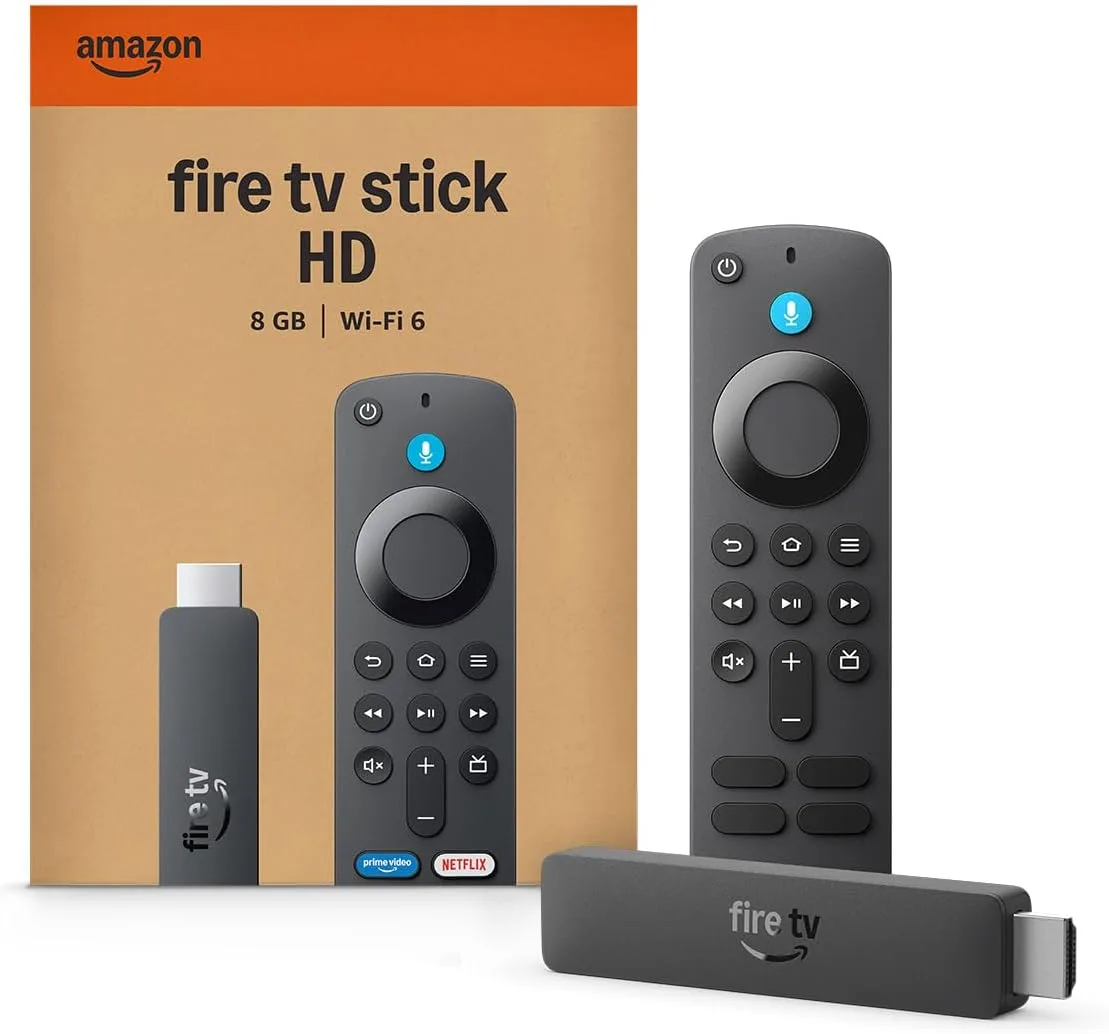
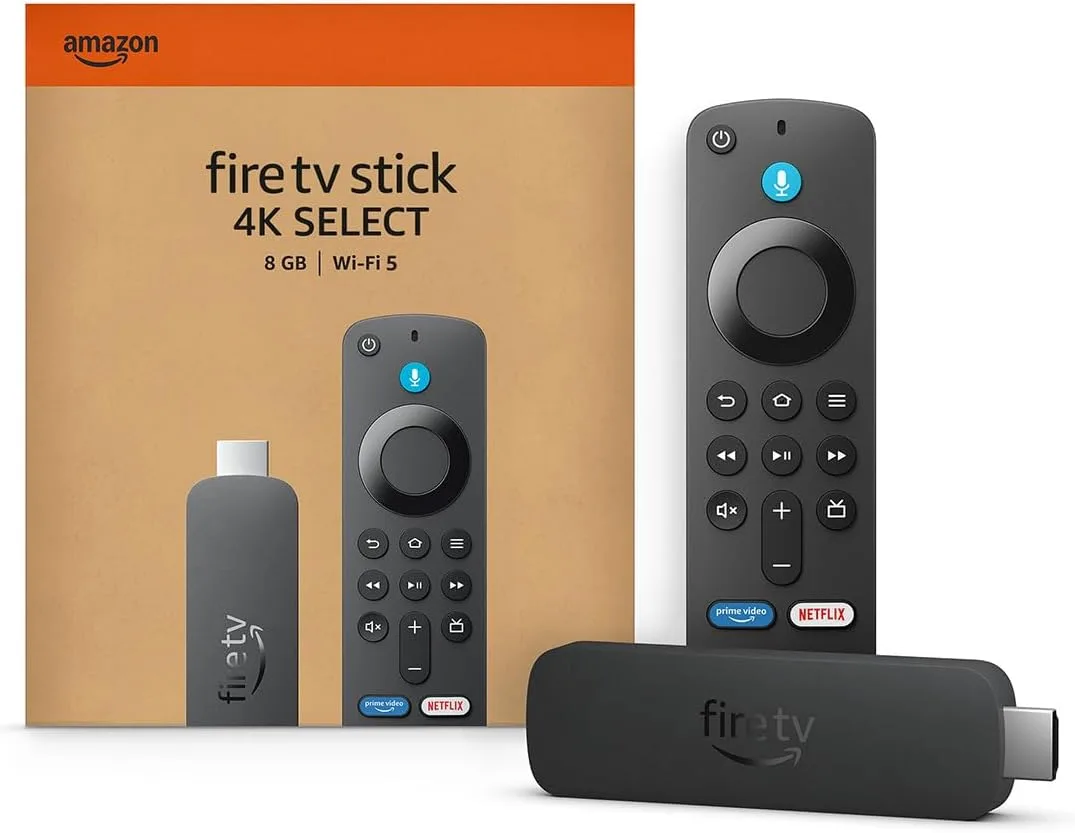
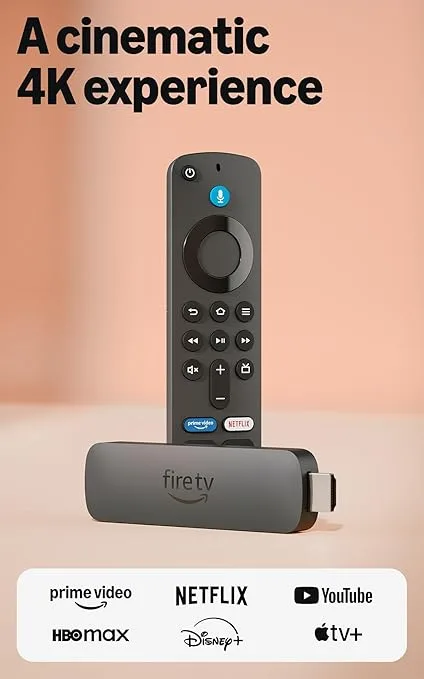
- Remote: Alexa Voice Remote, with dedicated power, volume, and channel buttons for controlling your TV directly, plus built-in Alexa voice control
- In the Box: The stick itself, Alexa Voice Remote, HDMI extender, and power adapter
- Dimensions: Compact enough to tuck neatly behind your TV, roughly the size of a large USB flash drive
Why Wi-Fi 6 Is the Headline Upgrade Here
This is worth explaining properly rather than glossing over as just another spec on a list, because it's genuinely the single biggest practical difference between this device and the cheaper base-model Fire TV Stick 4K. Wi-Fi 6 is a newer wireless standard than the older Wi-Fi generations still found in many entry-level streaming sticks, and it's built specifically to handle busier, more crowded wireless environments — multiple smartphones, laptops, smart plugs, and neighbouring routers all competing for the same airwaves, which is exactly the reality in most Kenyan apartment blocks and family homes today.
In practical terms, this means the Fire TV Stick 4K 2nd Gen tends to hold a more stable 4K stream, with fewer buffering interruptions during peak evening hours when everyone in the house — and often the whole building — is online at once, compared to a device still running on an older Wi-Fi standard. It's the upgrade that quietly does the most day-to-day work, even though it's easy to skim past on a spec sheet.
Fire TV Stick 4K 2nd Gen vs. the Base Fire TV Stick 4K: Is the Extra Cost Worth It?
This is the comparison most Kenyan buyers are actually trying to work out, so it's worth answering directly. The base Fire TV Stick 4K is a genuinely capable, budget-friendly device, and if your household's Wi-Fi environment is uncrowded and your streaming habits are relatively light, it will serve you perfectly well. The 2nd Gen earns its slightly higher price with two concrete, noticeable upgrades: a faster processor for snappier day-to-day navigation, and Wi-Fi 6 for meaningfully more stable streaming in busier wireless environments.
If you live in a dense apartment building with dozens of neighbouring Wi-Fi networks, have several smart devices and streamers in the household competing for bandwidth simultaneously, or simply want a noticeably more responsive interface than the base stick offers, the 2nd Gen's upgrades are genuinely worth the modest price difference. If you're on a tighter budget, live somewhere with a quieter wireless environment, and mostly want straightforward 4K streaming without the frills, the base model remains a perfectly reasonable, more affordable choice.
Fire TV Stick 4K 2nd Gen vs. the Fire TV Stick 4K Max: Which One Should You Actually Buy?
It's equally worth being fair and specific about the comparison running the other way, since the 4K Max sits just above this device in Amazon's lineup and both are commonly stocked side by side in Nairobi. The 4K Max pushes the processor further still (up to 2.0GHz versus this device's still-strong but less powerful chip), doubles the internal storage to 16GB, and — on its latest generation — upgrades from Wi-Fi 6 to the even newer Wi-Fi 6E standard, plus HDMI 2.1 with ARC support and official cloud gaming support through services like Xbox Game Pass Ultimate.
For most Kenyan households doing typical streaming — Netflix, Showmax, YouTube, Prime Video, casting from a phone — the 2nd Gen's Wi-Fi 6 and upgraded processor already deliver a genuinely smooth, modern streaming experience, and the practical difference in day-to-day use versus the 4K Max is smaller than the spec sheet alone might suggest. Where the 4K Max earns its higher price is specifically for buyers who want the extra storage headroom for installing many apps and games at once, the absolute best possible Wi-Fi performance in an especially congested wireless environment, or the cloud gaming angle as a genuine, low-cost entry point into console-quality gaming. If none of those specifically apply to you, the 2nd Gen is very often the smarter value pick rather than a compromise choice.
Price in Kenya: What to Actually Expect
Genuine Fire TV Stick 4K 2nd Gen pricing across Kenyan retailers currently sits in a fairly tight band, generally landing somewhere around KES 6,500 to KES 8,000, depending on the retailer, included accessories, and stated warranty terms. A few things are worth understanding about this range before you buy:
Naming can be inconsistent across sellers. Some Kenyan listings state "2nd Gen" clearly, while others simply say "Fire TV Stick 4K" without specifying which generation is inside the box. Always confirm the actual generation and specs being sold rather than relying on the listing title alone, since naming conventions aren't always applied consistently across every seller.
Don't confuse it with the base 4K stick or the 4K Max. All three devices frequently sit near each other in price on comparison sites and marketplace listings, and it's genuinely easy to end up paying 2nd Gen–adjacent pricing for the older base model, or Max-adjacent pricing for the 2nd Gen. Confirm the exact processor, Wi-Fi standard (Wi-Fi 6 specifically, not the older standard in the base stick), and storage capacity being offered.
Warranty terms vary meaningfully between sellers. Some Kenyan retailers state a clear, specific warranty period upfront; others are noticeably vaguer about what happens if a unit develops a fault. This is worth confirming in writing before you commit, not after something goes wrong.
What's bundled can shift the price slightly. Genuine units typically include the Alexa Voice Remote, an HDMI extender cable (genuinely useful if your TV's HDMI ports sit awkwardly close to a wall or a recessed mount), and a proper power adapter. A listing missing any of these at a similar price to a fully-bundled one isn't necessarily a better deal.
A price dramatically below this general range is worth treating with real caution — it's often a sign of an older or different generation being sold under this name, a used or refurbished unit not disclosed as such, or in rarer cases a counterfeit or grey-market device without genuine Amazon backing behind it.
Setting Up Your Fire TV Stick 4K 2nd Gen: What to Expect
Setup is refreshingly straightforward, and it's worth knowing exactly what to expect before you buy so there are no surprises once you get it home:
- Plug it into a free HDMI port on your television.
- Connect the included power adapter to a wall outlet — the Fire TV Stick 4K 2nd Gen draws power from a proper adapter rather than relying on your TV's USB port, which genuinely matters for consistent 4K streaming performance compared to the more limited power some TV USB ports can supply.
- Switch your TV's input to the correct HDMI channel.
- Follow the on-screen setup process, connecting to your home Wi-Fi network and signing in with an Amazon account (free to create if you don't already have one).
- Install your streaming apps — Netflix, Showmax, YouTube, Prime Video, and most other major services are readily available and properly optimized for the device.
The entire process typically takes under fifteen minutes from opening the box to your first show playing — genuinely one of the simplest streaming setups on the market, and no more complicated than the pricier 4K Max above it.
What This Actually Replaces in Your Home
It's worth framing this practically. For a small fraction of the cost of buying a genuinely "smart" television, the Fire TV Stick 4K 2nd Gen turns any TV with a spare HDMI port — even an older, entirely non-smart one — into a fully capable modern streaming hub. If your existing TV's picture is still perfectly good but its built-in smart features have become slow, outdated, or were never particularly good to begin with (a genuinely common frustration as smart TV software tends to age faster than the screen hardware itself), this is one of the most cost-effective ways to modernize your home entertainment setup in Kenya without replacing the television altogether.
Comparing the Fire TV Stick 4K 2nd Gen to Other "Android TV Box" Options in Kenya
It's worth being fair and specific about how this device compares to the wider category Kenyan buyers often lump together under "Android TV box."
Vs. unbranded generic Android boxes: As covered above, these vary enormously in build quality, software support, and safety. The Fire TV Stick 4K 2nd Gen offers consistent, tested performance and genuine manufacturer accountability that most generic alternatives simply can't match.
Vs. official Google/Android TV-branded devices (like Chromecast with Google TV): These run genuine Google Android TV software rather than Amazon's Fire OS, offering an equally legitimate, well-supported alternative with a different app ecosystem (Google Play rather than Amazon's app store). Both are genuinely reputable choices; the Fire TV Stick 4K 2nd Gen's particular advantages are its Wi-Fi 6 performance at this price point and the Alexa Voice Remote's smart home integration.
Vs. built-in smart TV software: If your television already runs a genuinely fast, up-to-date smart TV platform, a separate streaming stick may be less necessary. But for older smart TVs whose software has become sluggish and dated over years of use, the Fire TV Stick 4K 2nd Gen very often delivers a meaningfully faster, more modern experience than the TV's own aging built-in interface.
Buying Safely in Kenya
A handful of practical checks are worth doing before you commit to a purchase, given how much this category varies across sellers:
- Confirm the exact generation and processor/Wi-Fi specification you're being sold — "Fire TV Stick 4K" without a generation or Wi-Fi standard specified can refer to meaningfully different hardware at meaningfully different price points.
- Ask about warranty terms explicitly, and get the specific duration confirmed clearly rather than assuming it exists.
- Verify the device is genuine Amazon hardware, not a counterfeit or heavily discounted grey-market unit of unclear origin — a price dramatically below the going market rate is the clearest warning sign.
- Check what's included in the box — the stick itself, the Alexa Voice Remote, HDMI extender, and power adapter should all be present.
- Confirm delivery and support terms upfront, particularly if you're ordering online rather than buying in person.
Why City Gadgets Kenya Is Worth Making Your Starting Point
Given everything covered in this guide — genuine hardware verification, honest generation and specification clarity, and straightforward accountability if something goes wrong — City Gadgets Kenya is built to remove exactly the guesswork this category is otherwise full of. Every Fire TV Stick 4K 2nd Gen we list is genuine Amazon hardware, clearly specified with its actual processor, Wi-Fi standard, and storage capacity, backed by a stated 12-month official brand warranty and sold as brand new, sealed stock. You're not gambling on an unverified generic Android box or an ambiguously-generationed unit — you're buying a properly sourced, accountable product from a business that's still here if you have questions after the sale, with same-day delivery available within Nairobi and countrywide shipping across Kenya, and payment options including M-Pesa, card, or cash on delivery.
Reach out via WhatsApp to confirm current stock and pricing, or browse the full listing directly at citygadgetskenya.co.ke.
The Alexa Voice Remote: More Than Just a Remote
It's worth spending more time on the remote itself, since it's genuinely a bigger part of the day-to-day experience than most first-time buyers expect. The included Alexa Voice Remote isn't a stripped-down, generic clicker — it's a genuinely capable smart home control point in its own right. Beyond basic navigation, it includes dedicated buttons for power, volume, and channel control that can often be programmed to work directly with your existing TV and, in many cases, a connected soundbar too, meaning you can frequently retire a second remote entirely. Holding the dedicated microphone button lets you speak search queries, launch specific apps, or ask general Alexa questions — checking the weather, setting a kitchen timer, or asking for a quick fact — without needing a separate Amazon Echo speaker anywhere in the room.
For households already using Alexa-enabled smart plugs, lights, or other connected devices, the Fire TV Stick 4K 2nd Gen's remote becomes a genuine control hub for the connected parts of your home, not just your television — a level of integration a generic Android box's basic remote simply doesn't offer.
A Closer Look at the Fire TV Interface Itself
Beyond the raw hardware, it's worth understanding what using the device day-to-day actually feels like, since interface quality is where a lot of budget streaming boxes quietly disappoint buyers. Amazon's Fire TV interface, refreshed significantly in its 2026 update, is built around fast, clear navigation — dedicated content categories let you jump straight to movies, TV shows, live channels, or specific apps rather than hunting through a cluttered home screen. A universal search function spans your installed apps simultaneously, so searching for a specific film or show surfaces results from Netflix, Prime Video, and other installed services all at once, rather than requiring you to check each app individually. Personalized recommendations, genuinely tailored to your viewing habits over time, surface content you're actually likely to want to watch, rather than generic, undifferentiated suggestions.
This kind of interface polish is exactly the area where generic, unbranded Android boxes tend to fall short — often shipping with a bare-bones, unrefined launcher that turns finding anything into a genuine chore, undermining whatever hardware specs the box might otherwise claim on paper. The Fire TV Stick 4K 2nd Gen's faster processor means this interface actually feels snappy in daily use rather than merely looking good in a screenshot.
Live TV and Free Content: What Kenyan Households Can Actually Access
A common question from first-time buyers is whether the Fire TV Stick 4K 2nd Gen gives access to live television, or whether every single piece of content has to be paid for separately. The honest answer is a mix: the device supports a wide range of subscription streaming services relevant to Kenyan households — Netflix, Showmax, Prime Video, YouTube, and others — alongside a genuine selection of free, ad-supported content and live channel options built directly into the Fire TV interface, at no additional subscription cost. This won't fully replace a traditional satellite or cable subscription for every channel a Kenyan household might want, but it meaningfully expands what's available beyond many generic streaming boxes' out-of-the-box offering, and it gives you the flexibility to add or drop specific paid subscriptions as your household's viewing habits change, rather than being locked into a single fixed bundle.
Comparing the Total Cost Against a Smart TV Purchase
It's worth putting this device's value into a broader financial perspective for Kenyan households weighing their home entertainment options. A genuinely capable new smart TV typically represents a significant household purchase, often requiring saving up or financing across weeks or months. The Fire TV Stick 4K 2nd Gen, by contrast, sits at a small fraction of that cost, and delivers a comparable — in some respects more capable, thanks to Amazon's ongoing software updates — smart streaming experience on whatever television you already own. For households where the existing TV's picture is still genuinely good but the "smart" features have become slow, outdated, or were never particularly capable to begin with, this represents one of the most cost-effective home entertainment upgrades available in Kenya's market today, freeing up budget for other household priorities rather than a full television replacement.
Common Mistakes Kenyan Buyers Make in This Category
A few recurring patterns are worth actively avoiding when shopping for a streaming stick in Nairobi specifically. Assuming all "4K" streaming devices are equivalent is a common and costly mistake — a device supporting 4K resolution says nothing about its processing speed, Wi-Fi standard, or interface quality, all of which vary significantly between the base Fire TV Stick 4K, this 2nd Gen model, and the flagship 4K Max, despite all three technically supporting 4K output. Buying based purely on the lowest price without confirming the generation, processor, or Wi-Fi standard frequently leads to disappointment — paying 2nd Gen pricing for base-model hardware isn't a bargain, it's a mismatch. Not asking about warranty terms upfront leaves buyers with no recourse if a unit fails within weeks, a genuinely avoidable risk given how many Kenyan retailers do offer clear warranty terms if you simply ask directly. And assuming a generic Android box's marketing claims match its actual real-world performance is a trap worth avoiding — specifications listed on a box or online listing don't always reflect tested, real-world software optimization, which is precisely where an accountable, mainstream device like the Fire TV Stick 4K 2nd Gen earns its higher trust relative to unverified alternatives.
Frequently Asked Questions
Is the Amazon Fire TV Stick 4K 2nd Gen actually an Android device? It runs Fire OS, Amazon's own operating system built on top of and forked from Android — not Google's official Android TV platform. Functionally, for the vast majority of streaming, app, and navigation use, it delivers an Android-based experience, which is exactly why Kenyan retailers list it under "Android TV Box" categories.
What's the difference between the Fire TV Stick 4K 2nd Gen and the base Fire TV Stick 4K? The 2nd Gen uses a more powerful processor and upgrades to Wi-Fi 6, delivering noticeably faster navigation and more stable streaming performance, particularly in busy Wi-Fi environments, compared to the older base model.
What's the difference between the Fire TV Stick 4K 2nd Gen and the Fire TV Stick 4K Max? The 4K Max pushes the processor further still, doubles internal storage to 16GB, upgrades to the newer Wi-Fi 6E standard on its latest generation, adds HDMI 2.1 with ARC support, and includes official cloud gaming support. The 2nd Gen delivers a genuinely smooth, modern streaming experience at a noticeably lower price, making it the stronger value pick for most typical households.
Do I need a smart TV to use this device? No — that's precisely its purpose. Any TV with a free HDMI port, smart or not, becomes a fully capable streaming device once you plug in the Fire TV Stick 4K 2nd Gen.
How much storage does the Fire TV Stick 4K 2nd Gen have? 8GB of internal storage, alongside 2GB of RAM — enough for a healthy number of streaming apps installed simultaneously for most households.
How much does the Fire TV Stick 4K 2nd Gen cost in Kenya? Genuine pricing across Kenyan retailers typically ranges from around KES 6,500 to KES 8,000, depending on retailer, included accessories, and stated warranty terms. At City Gadgets Kenya it's priced at Ksh 6,999.
Is it safe to buy a Fire TV Stick 4K 2nd Gen from an unfamiliar Nairobi seller? Verify the exact generation, processor, and Wi-Fi standard, confirm warranty terms explicitly, and be cautious of prices dramatically below the typical market range, which can signal an undisclosed used unit, a different generation entirely, or a grey-market device.
Where can I buy a genuine Amazon Fire TV Stick 4K 2nd Gen in Nairobi? City Gadgets Kenya stocks genuine Fire TV Stick 4K 2nd Gen units, brand new and sealed, with a 12-month official brand warranty and honest specification details stated upfront — reach out via WhatsApp to confirm current stock and pricing.
Final Word
If you've been comparing streaming sticks in Nairobi and trying to work out where the genuine sweet spot sits between an entry-level device and a flagship you might be overpaying for, the Amazon Fire TV Stick 4K 2nd Gen is a genuinely well-earned answer, not a compromise pick. Real Android-derived Fire OS software, a meaningfully faster processor than the base model, Wi-Fi 6 for stable streaming even in busy Kenyan homes, and the accountability of a globally recognized manufacturer all combine to make this one of the smartest value-for-money streaming purchases available in Kenya's electronics market right now — enough capability for the vast majority of households, at a price that doesn't ask you to pay for headroom you'll never use.
Browse genuine Amazon Fire TV Stick 4K 2nd Gen stock and home entertainment accessories at City Gadgets Kenya, or reach out on WhatsApp to confirm current pricing and stock before you buy.