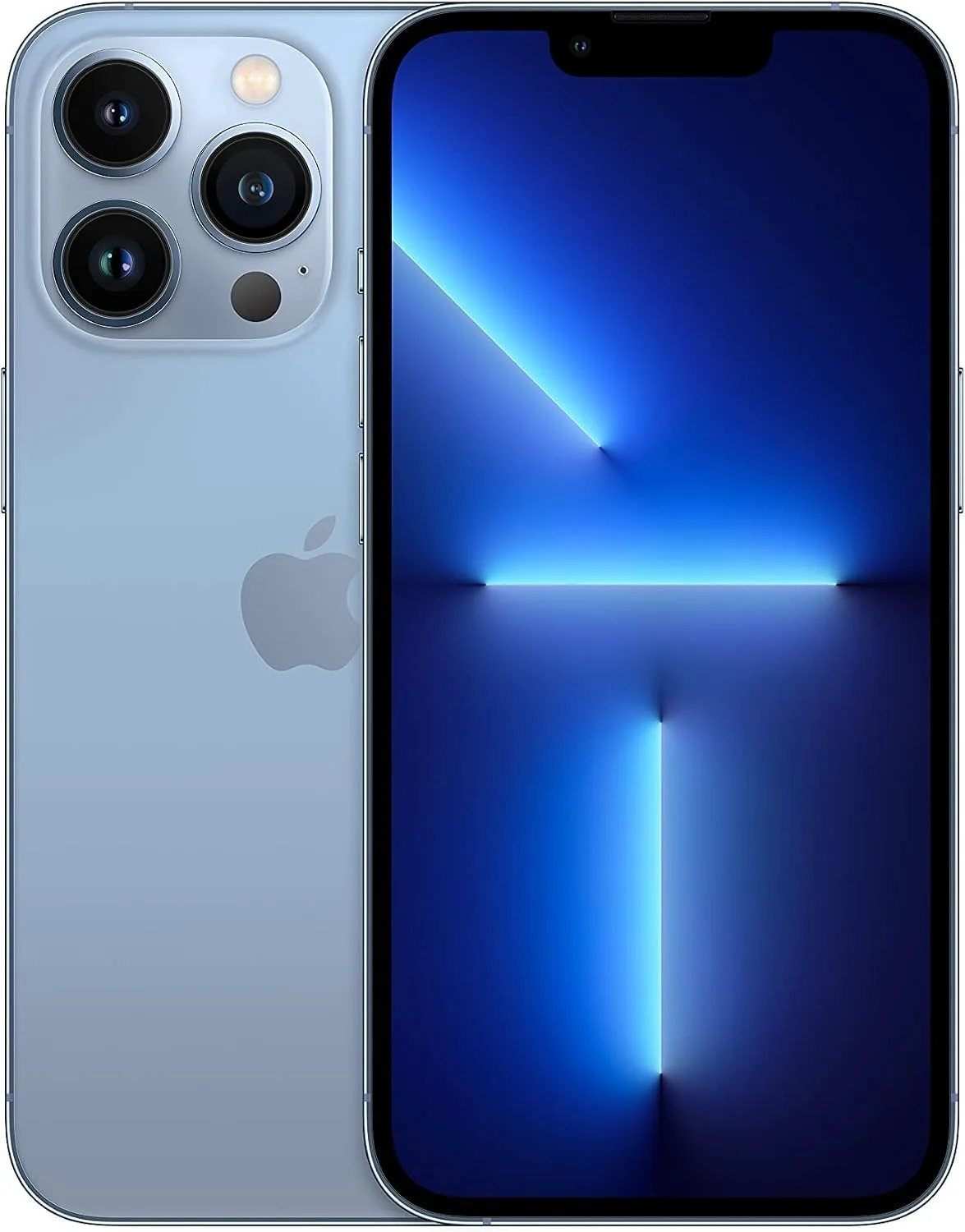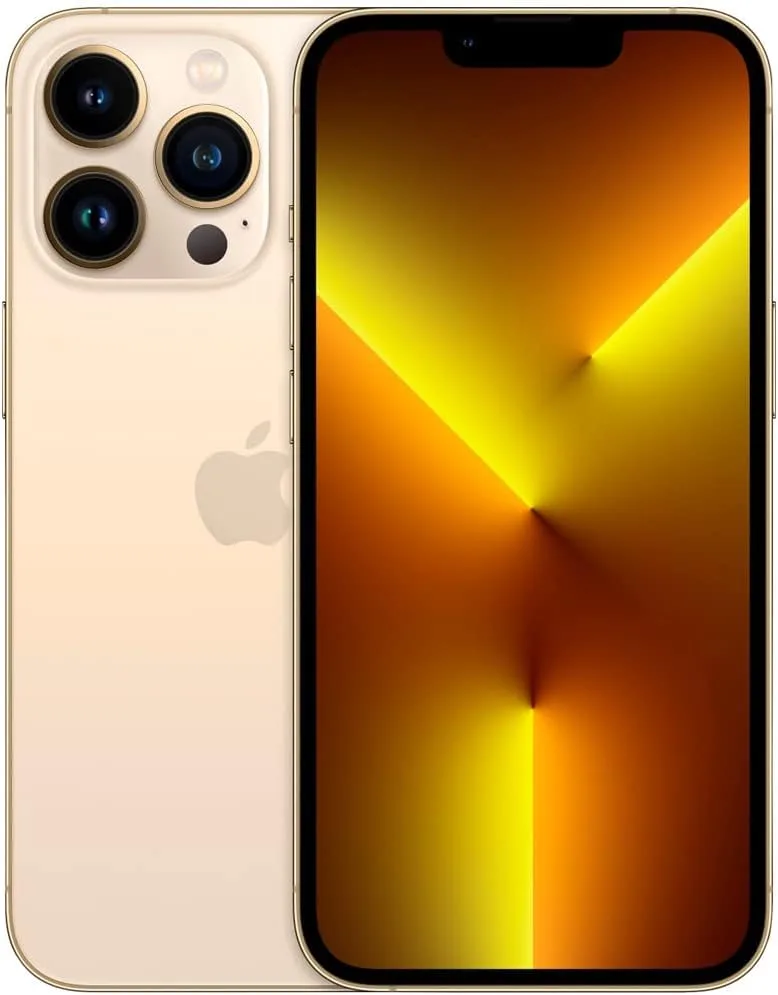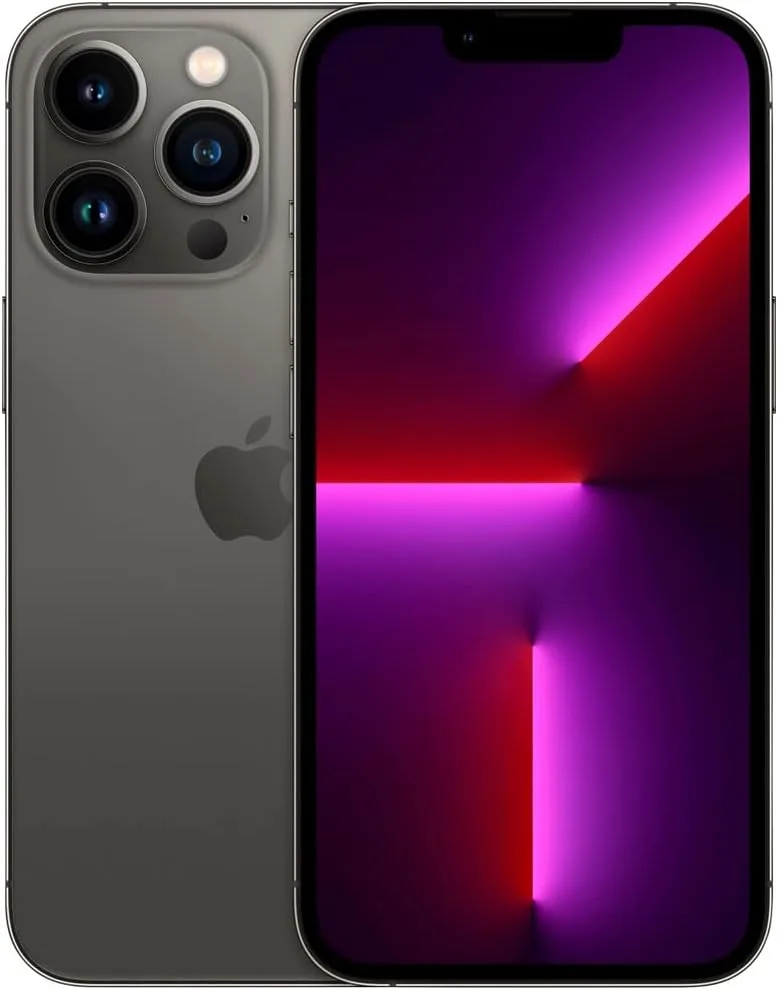
Every time Apple launches a new iPhone generation, the same pattern repeats in Kenya's electronics market: genuine excitement, genuine new stock arriving quickly — and, unfortunately, a genuine spike in dishonest sellers trying to profit from the hype. The iPhone 18 Pro and iPhone 18 Pro Max, having just launched globally on September 18, 2026, are exactly the kind of product where buyers in Nairobi need to be more careful than usual, not less.
This guide exists specifically to help you navigate the next few weeks and months of iPhone 18 buying in Kenya safely — what to check, what red flags to watch for, and how to confirm you're genuinely getting Apple's actual new flagship rather than something less than what you paid for.
Why the Launch Window Is Genuinely Riskier Than Normal
It's worth understanding why this specific period matters more than buying an established, months-old iPhone model. In the first weeks after any major launch, demand consistently outstrips genuine supply — official stock takes time to reach every market in the volumes buyers actually want, and that gap creates real opportunity for dishonest practices to flourish specifically because buyers are anxious to get their hands on the new phone quickly and are less likely to slow down and verify what they're actually being sold.
The specific risks worth knowing about during this window include: older iPhone models being relabelled or sold at inflated, current-generation prices by sellers hoping buyers won't check closely; genuinely used or previously-activated units being sold as brand new, since a phone that's been opened, briefly used, and resealed can be difficult to distinguish visually from unopened stock; and, less commonly but still worth guarding against, counterfeit devices built to superficially resemble a genuine iPhone, running modified Android software dressed up to look like iOS.
None of this should make you afraid to buy — genuine, honest sellers exist and are genuinely the majority of Nairobi's electronics market. But knowing what to check protects you regardless of who you're buying from.
Confirming the Model Name and Generation
This sounds obvious, but it's the single most common point of confusion during any launch window. Before handing over any money, confirm explicitly, in writing if possible, exactly which model you're being sold:
- iPhone 18 Pro — the standard-sized model with a 6.3-inch display
- iPhone 18 Pro Max — the larger model with a 6.9-inch display
Ask the seller to show you the model name printed on the retail box itself, and cross-reference it against the model number visible in the phone's Settings app under General, then About. Genuine iPhone 18 Pro and Pro Max units will display the correct model identifier here — a detail that's genuinely difficult to fake convincingly, unlike a repackaged box.
A specific warning worth flagging directly: because the iPhone 17 Pro and iPhone 18 Pro share a broadly similar design language this year (Apple made few external changes beyond the smaller Dynamic Island and new colours), it is genuinely easier than in past years for a seller — whether dishonestly or simply through their own confusion about aging stock — to represent an iPhone 17 Pro as the new iPhone 18 Pro to a buyer who isn't looking closely. Don't rely on visual impression alone; check the Settings app model information every time.
Checking the IMEI Before You Pay
This is genuinely the single most important verification step, and it takes only a couple of minutes. Every iPhone has a unique IMEI (International Mobile Equipment Identity) number, printed on the SIM tray area or box, and viewable in Settings under General, then About.
Before completing any purchase, ask the seller for the IMEI and check it against Apple's own coverage checker at checkcoverage.apple.com — a free, official Apple tool that tells you the device's model, whether it's genuinely eligible for service and support, and critically, whether the phone has been reported lost or stolen anywhere in the world. A genuine, honestly-sourced iPhone 18 Pro will check out cleanly here. A seller who resists letting you check this, or becomes noticeably uncomfortable when you ask, is a clear warning sign worth walking away from, regardless of how good the price looks.
Understanding the eSIM-Only Configuration
Current iPhone 18 Pro and Pro Max stock reaching Kenya is genuinely eSIM only, with no physical SIM card tray at all. This is worth understanding clearly for two reasons.
First, practically: you'll need to activate your Safaricom, Airtel, or Telkom Kenya line through a digital eSIM profile rather than inserting a physical SIM card — a straightforward process most carrier shops can complete quickly, but genuinely different from what you may be used to if you're upgrading from an older iPhone.
Second, and more importantly for buying safely: this eSIM-only configuration is a specific, checkable detail. If a seller tells you their iPhone 18 Pro stock has a physical SIM tray, that's worth questioning directly — it may indicate the unit isn't genuinely the current eSIM-only launch configuration being sold in most markets, or the seller may be confused about what they're actually offering. Ask directly and confirm before paying.
Checking for Signs of Prior Use
Even brand-new, factory-sealed phones deserve a quick physical inspection before you commit. Genuine unopened iPhone stock arrives with intact factory sealing tape or shrink wrap around the box, with no signs of the box having been opened and resealed. Once you're allowed to inspect the phone itself, check that the protective plastic film is still present on the screen and back (if applicable), that there are no scuffs, scratches, or fingerprints on the display or camera lenses, and that Settings shows the device as never having been activated — a phone that's genuinely brand new will walk you through Apple's full first-time setup process from the very beginning, including the initial "Hello" screen, rather than dropping you straight to a home screen or lock screen that suggests someone has already configured it.
Verifying Battery Health as a Sanity Check
While this matters far more for refurbished or used phones, it's still worth a quick check on a brand-new device: navigate to Settings, then Battery, then Battery Health, and confirm the maximum capacity reads 100%. A genuinely new, unused iPhone should show full battery health. Anything meaningfully below 100% on a phone being sold as brand new is a legitimate reason to ask more questions before proceeding.
Understanding Warranty Coverage for Launch Stock
This is a genuinely important, often-overlooked consideration specifically during a launch window. Official Apple warranty coverage typically depends on where a device was originally purchased and activated, and brand-new iPhones arriving quickly into the Kenyan market during a global launch frequently come through parallel import channels — meaning the phone itself is completely genuine Apple hardware, but it may not automatically carry the same official regional warranty support you'd get from purchasing directly through Apple's own retail channels in that phone's country of origin.
This isn't automatically a red flag — plenty of genuinely excellent, honest retailers in Nairobi source real Apple stock this way, and it's often the only realistic route to getting brand-new stock into Kenya quickly after a global launch. But it does mean you should ask your seller directly and clearly: what warranty do you personally provide on this device, and for how long? A reputable retailer will have a clear, specific answer — a defined warranty period, backed by their own business, that they'll honour if something goes wrong. Get this in writing or via a receipt that clearly states the terms, rather than accepting a vague verbal assurance.
Red Flags Worth Taking Seriously
A few patterns are worth treating as genuine warning signs, regardless of how attractive the surrounding offer looks:
A price dramatically below other sellers' listings for the same model and storage, with no clear explanation. Genuine new iPhone 18 Pro stock has a real, fairly consistent cost basis across honest sellers during a launch window — a price that's dramatically lower than everyone else's is either a mistake in your favour (rare) or a sign something is wrong with what you're actually being sold.
Reluctance to let you check the IMEI or Settings information before payment. Any seller confident in what they're selling will have no issue with this.
Pressure to pay immediately without time to inspect, particularly common during high-demand launch periods when sellers may lean on urgency ("only one left, someone else is coming to buy it") to discourage careful verification.
No clear physical business address or established presence, particularly relevant if you're buying from an online listing or social media rather than a shop you can visit.
Insistence on cash-only payment with no receipt, which leaves you with no documentation if something goes wrong later.
Why Buying From an Established Nairobi Retailer Matters More Than Ever
During a launch window specifically, the value of buying from a genuinely established, accountable business — rather than the cheapest listing you can find on social media — is worth its weight. An established retailer has a real reputation to protect, a physical location you can return to, and a genuine incentive to source honestly and disclose clearly, since their business depends on repeat customers rather than a single transaction.
At City Gadgets Kenya, every iPhone 18 Pro and Pro Max unit we stock is verified before it reaches you — genuine current-generation hardware, confirmed model and IMEI, and full transparency about the eSIM-only configuration and our own warranty terms, stated clearly rather than left ambiguous. We'd rather you ask every question in this guide and leave satisfied than rush you into a purchase you're uncertain about.
What To Do If You've Already Bought and Have Doubts
If you've recently purchased an iPhone 18 Pro or Pro Max elsewhere in Nairobi and are now unsure whether it's genuine, don't panic — most of the checks in this guide can still be run after purchase. Check the IMEI at checkcoverage.apple.com, confirm the model name in Settings matches what you were told, and verify battery health if the phone was sold as brand new. If something doesn't check out, contact the seller directly with your specific findings and ask for clarification or a resolution — a legitimate business will engage with this constructively. If you're met with resistance or the seller becomes unreachable, this is unfortunately a signal worth taking seriously for any future purchases from that source.
A Closer Look at How Counterfeit Devices Try to Pass as Genuine
It's worth understanding, at a general level, what makes a counterfeit device convincing enough to fool a buyer who isn't checking carefully, so you know exactly why the verification steps above matter. Counterfeit phones dressed up to resemble an iPhone typically run a modified version of Android's operating system, skinned with icons, fonts, and animations designed to superficially mimic iOS at a glance. From across a shop counter, or in a quick demonstration, these can look surprisingly convincing.
Where they consistently fall apart under genuine scrutiny: the Settings app structure differs from genuine iOS in ways a counterfeit can't fully replicate, the About screen won't show a valid Apple model identifier or will show inconsistent information, genuine Apple services like the App Store, iMessage, and FaceTime either won't function correctly or won't be present at all, and critically, the IMEI check at checkcoverage.apple.com will either fail entirely or return information that doesn't match what you're being told. This is exactly why the checks in this guide focus on things that are genuinely difficult to fake convincingly, rather than surface appearance alone.
Comparing Prices Across Multiple Sellers Before You Commit
Given how fresh this launch is, it's genuinely worth taking the time to check pricing across two or three established sellers before finalising your purchase, rather than buying from the very first listing you encounter. This isn't about chasing the absolute lowest number — as covered above, a price that's suspiciously low is itself a warning sign — but about developing a realistic sense of what genuine, honestly-sourced stock is actually costing across the market right now. Once you have that baseline, you're in a much stronger position to recognise both overpriced opportunistic listings and suspiciously underpriced ones, and to negotiate or simply choose confidently from a position of real market knowledge rather than urgency alone.
Documenting Your Purchase Properly
Whichever retailer you ultimately buy from, insist on a proper receipt or invoice that clearly states the exact model, storage capacity, colour, IMEI number, purchase price, and date of sale, along with the seller's business name and contact details. This single document becomes genuinely valuable if you ever need to pursue a warranty claim, prove ownership, resolve a dispute, or even simply establish proof of purchase for insurance purposes down the line. A seller who resists providing this level of detail on a receipt, or only offers a handwritten note with minimal information, is worth treating with additional caution — legitimate businesses have no reason to avoid proper documentation.
Understanding What "Brand New" Genuinely Means This Generation
It's worth spending a moment on the specific new technology this generation carries, since understanding what's genuinely new helps you recognise when a seller's claims don't add up. The iPhone 18 Pro and Pro Max introduced Apple's first-ever variable aperture camera — a genuine six-blade mechanical system on the 48MP Fusion Main lens, adjusting across four physical settings from ƒ/1.48 to ƒ/4.0, something no previous iPhone has ever had. They also debuted the 2-nanometre A20 Pro chip and, significantly, Apple's own C2 cellular modem, fully replacing Qualcomm for the first time in iPhone history.
Why does this matter for buying safely? Because a seller trying to pass off an iPhone 17 Pro as this year's model may not know these specific details, or may hope you don't either. If you ask directly whether the camera has manual aperture control, and the demonstration doesn't show four distinct, physically-adjustable aperture settings in the Camera app, that's a genuine mismatch worth investigating further. Similarly, checking Settings, then General, then About for the chip name (A20 Pro, not A19 Pro) gives you another concrete, hard-to-fake data point.
Physically Inspecting the Camera System
Given how central the new variable aperture camera is to this generation, it's genuinely worth testing it directly in the shop before you commit to a purchase. Open the Camera app, and look for aperture controls — genuine iPhone 18 Pro and Pro Max units allow you to manually select between the four aperture settings, visibly changing the depth of field and brightness preview on screen as you adjust. This is a feature that's difficult to fake on an older device and gives you genuine, hands-on confirmation that you're looking at current-generation hardware rather than relying purely on box labelling or verbal assurance from the seller.
Checking the Dynamic Island Size
Another genuinely useful visual check specific to this generation: the iPhone 18 Pro and Pro Max feature a noticeably smaller, narrower Dynamic Island than the iPhone 17 Pro models, made possible by relocating Face ID components beneath the display. If you have access to a photo or a previous-generation iPhone for comparison, this is a visible, physical difference worth checking — a Dynamic Island that looks identical in size to last year's models on a phone being sold as the new iPhone 18 Pro is worth questioning further.
What Genuine Sellers Should Be Comfortable Disclosing
A genuinely trustworthy seller in Nairobi's electronics market should be comfortable and willing to discuss several things openly, without hesitation or vague deflection: exactly where their stock is sourced from (even if that's a parallel import channel — honesty about this is what matters, not the specific channel itself), what warranty they personally provide and for how long, whether they've personally tested the specific unit you're being offered, and what their process is if a fault is discovered shortly after purchase. Sellers who answer these questions clearly and specifically, rather than with generic reassurances, are demonstrating exactly the kind of accountability that protects you as a buyer.
A Simple Pre-Purchase Checklist
Given everything covered in this guide, here's a condensed checklist worth running through, in order, before you hand over payment for any iPhone 18 Pro or Pro Max in Nairobi:
- Confirm the exact model name — "iPhone 18 Pro" or "iPhone 18 Pro Max" — matches both the box and Settings, then General, then About.
- Check the chip name shows "A20 Pro," not an older chip generation.
- Request the IMEI and verify it at checkcoverage.apple.com before paying.
- Test the variable aperture camera directly, confirming four distinct, manually-adjustable aperture settings in the Camera app.
- Confirm the eSIM-only configuration matches what you're being told, with no physical SIM tray present.
- Check battery health reads 100% if the unit is being sold as brand new.
- Ask for the seller's specific warranty terms in writing, not a vague verbal assurance.
- Insist on a proper, detailed receipt listing the model, storage, colour, IMEI, price, and seller details.
Running through these eight checks takes perhaps ten minutes in total — a genuinely small investment of time relative to a purchase of this size, and one that protects you regardless of how trustworthy the seller ultimately turns out to be.
Frequently Asked Questions
How can I tell if my iPhone 18 Pro is genuinely new stock and not an older model? Check Settings, then General, then About — the model name will clearly state "iPhone 18 Pro" or "iPhone 18 Pro Max" if genuine. Cross-reference this against the box and don't rely on visual appearance alone, since this year's design is similar to the previous generation.
Is buying an eSIM-only iPhone 18 Pro in Kenya genuinely safe? Yes — eSIM-only is the standard configuration for current global launch stock, not a sign of anything wrong with the device. It simply means you'll activate your line digitally with your carrier rather than using a physical SIM card.
What's the fastest way to check if an iPhone is stolen before buying? Ask for the IMEI number and check it at checkcoverage.apple.com, Apple's own free official tool, before completing any purchase.
Should I be worried about buying during the launch hype window specifically? Not worried, but genuinely more careful than usual. Demand spikes during launch windows create more opportunity for dishonest sellers, so the verification steps in this guide matter more now than they would for an established, months-old model.
What warranty should I expect on a brand-new iPhone 18 Pro in Kenya? This varies by retailer, since launch stock often arrives through parallel import channels rather than official regional distribution. Always ask your specific seller for their own warranty terms in writing, rather than assuming a standard Apple regional warranty automatically applies.
Can I return a phone if I discover it's not what I was told after purchase? This depends entirely on the specific seller's return policy — ask about this explicitly before you buy, and get it in writing, so you know your options if something turns out to be different from what you were promised.
Are counterfeit iPhones a genuine risk in Nairobi, or is this overly cautious? It's a real, if less common, risk worth guarding against specifically through the checks in this guide — genuine iOS features, a valid IMEI, and the correct Settings model information are all things a counterfeit device consistently fails to replicate convincingly.
Why Prices Will Likely Shift in the Coming Months
It's worth setting realistic expectations about pricing as this launch window matures. Brand-new flagship phone pricing in any market, including Kenya, typically follows a predictable pattern: prices are often at their least negotiable and occasionally inflated by opportunistic sellers in the first few weeks after launch, when demand is at its peak and supply is still catching up. As more official and parallel-import stock reaches the market over the following one to three months, pricing generally stabilises and becomes more competitive across sellers.
This doesn't mean you should necessarily wait if you genuinely want the phone now — for many buyers, having the new iPhone at launch is worth a modest premium. But it does mean you shouldn't feel pressured into an unusually high price under the belief that "this is just what it costs everywhere," without checking a few sources first. It also means that if you do buy early, it's worth choosing a seller with a track record and physical presence, since fly-by-night operations hoping to profit from short-term launch hype are more common in this specific window than at any other point in a phone's lifecycle.
The Genuine Value of Buying From a Physical Shop You Can Return To
There is real, practical value in buying from a retailer with an actual physical location in Nairobi that you can walk back into if something goes wrong — a value that's easy to underestimate when a social media listing or online marketplace offers a slightly lower price. If your phone develops a fault, if you have a question about the eSIM activation, or if you simply want a professional to check something for you, being able to physically return to where you bought it is worth far more than a small price saving from an anonymous online seller with no fixed address. This is especially true during a launch window, when the volume of both genuine and dishonest sellers entering the market temporarily is naturally higher than usual.
Buy With Confidence
The iPhone 18 Pro and Pro Max are genuinely exciting devices, and there's no reason the launch hype window should be a stressful or risky time to buy one in Nairobi — as long as you know what to check and take the few minutes required to verify what you're actually being sold. Confirm the model, check the IMEI, understand the eSIM configuration, and get warranty terms in writing, and you can buy with genuine confidence.
Ready to buy from a retailer that welcomes every one of these checks? Browse verified, genuine iPhone 18 Pro and Pro Max stock at City Gadgets Kenya, or reach out on WhatsApp with any questions before you commit.