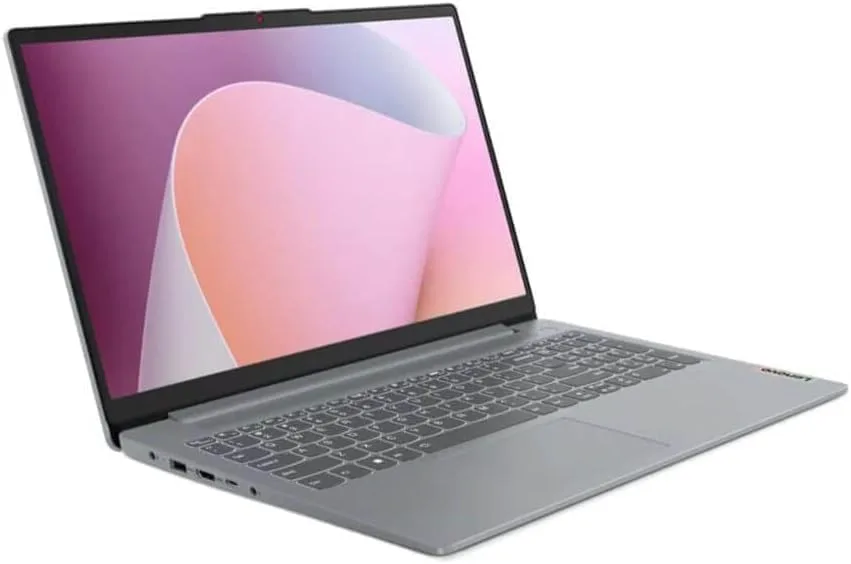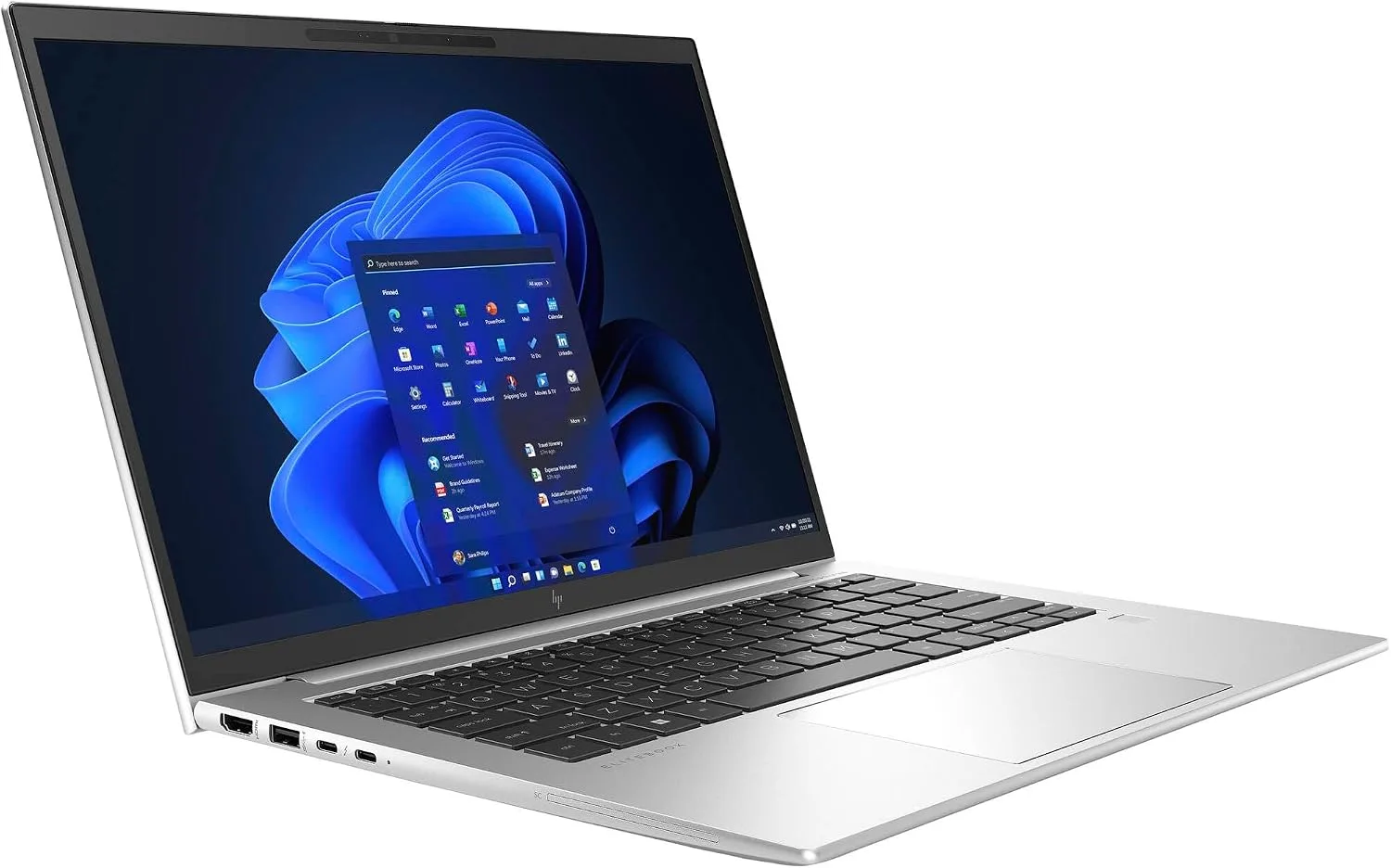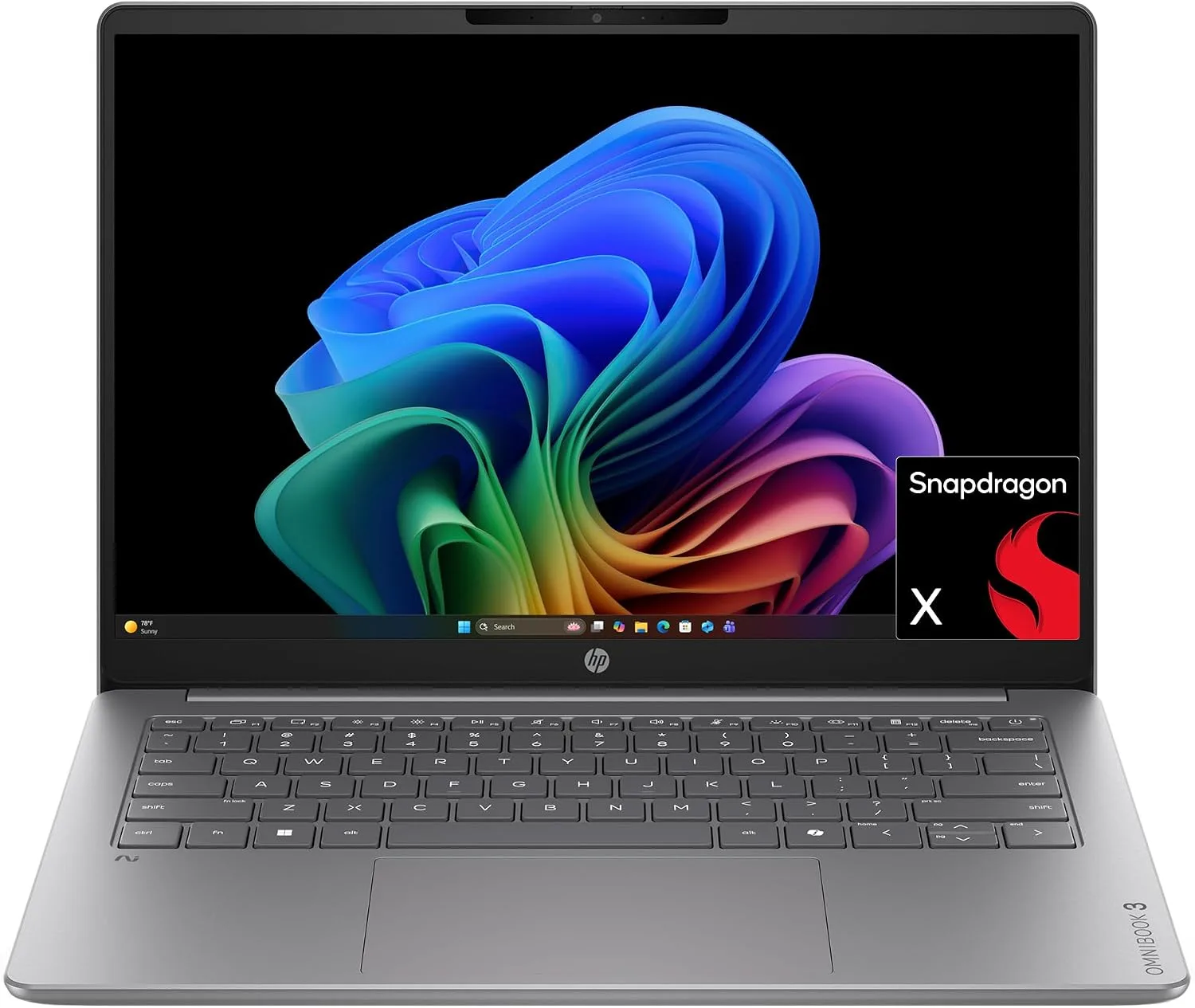
Our earlier piece explained why ex-UK laptops aren't inferior hardware. This piece goes further into the actual mechanics of sourcing itself — the specific grading systems used to classify units, how the physical import process genuinely works, and practical ways Kenyan buyers can verify sourcing claims rather than taking them on faith. This is the operational detail behind the trust City Gadgets Kenya asks buyers to place in every unit we sell.
The Grading System: What "Grade A," "Grade B," and "Grade C" Actually Mean
This is genuinely important vocabulary for any refurbished laptop buyer to understand, since grading terminology appears frequently in listings but isn't always explained clearly. The refurbished electronics industry broadly uses a standardised, though not perfectly universal, grading system to classify cosmetic condition:
Grade A typically describes units with minimal to no visible cosmetic wear — perhaps very light signs of use under close inspection, but nothing immediately noticeable in normal handling. These represent the best-condition units within any given batch, often units that were more gently used or had shorter original service periods.
Grade B describes units with moderate, genuinely normal cosmetic wear — visible but not significant scratches, some fading on frequently-touched surfaces like the palm rest, perhaps minor scuffing on the lid. These remain fully functional but show honest signs of their prior service life.
Grade C describes units with more noticeable cosmetic wear — deeper scratches, more visible fading, sometimes minor cosmetic damage like small dents that don't affect function. These units are still genuinely tested and functional, simply carrying more visible evidence of their working history.
Critical point worth emphasising: this grading system describes cosmetic condition specifically, not functional condition. A genuine refurbishment process tests all core functional components (as detailed in our buying checklist guide) regardless of cosmetic grade — a Grade C unit that passed full functional testing is just as reliable for daily use as a Grade A unit, simply showing more visible signs of its prior working life. Buyers prioritising budget over pristine appearance can often find genuine value specifically in Grade B or C units carrying identical functional reliability at a lower price than Grade A equivalents.
The Physical Supply Chain: Tracing a Genuine Shipment's Journey
It's worth walking through the actual logistics involved, since understanding this concretely helps buyers appreciate why the process takes the time and involves the steps it does.
Collection from the original corporate site. When a UK organisation's IT refresh cycle triggers a fleet retirement, contracted ITAD logistics teams collect the physical units directly from the corporate site, often using secure transport specifically because of the data security requirements discussed in our original ex-UK piece.
Centralised processing at ITAD facilities. Collected units arrive at specialised processing facilities where the data wiping, testing, and grading process discussed throughout our catalog actually takes place, typically using specialised diagnostic software capable of running dozens of hardware checks systematically across each unit.
Bulk consolidation for export. Units destined for international secondary markets, including Kenya, are typically consolidated into bulk shipments — palletised and prepared for either sea freight (more common for large-volume shipments given lower cost) or air freight (faster but more expensive, sometimes used for smaller or more time-sensitive shipments).
Import and customs clearance in Kenya. Shipments entering Kenya go through standard customs clearance procedures like any imported goods, including relevant duty and tax obligations — a legitimate, documented import process rather than any informal or undocumented movement of goods.
Distribution to Kenyan retailers. From the point of customs clearance, units are distributed to retailers across Kenya's refurbished laptop market, including reputable sellers like City Gadgets Kenya, who then apply their own additional verification testing before listing units for sale to individual buyers.
Why Reputable Kenyan Retailers Add Their Own Verification Layer
It's worth explaining why a genuinely reputable retailer doesn't simply resell units exactly as received from the import pipeline, but conducts additional, independent testing before listing. Even with rigorous UK-side ITAD testing, the shipping process itself — handling, transport conditions, temperature and humidity changes during transit — can occasionally introduce new issues not present when a unit was originally tested and graded in the UK. A reputable Kenyan retailer's own verification testing, checking the specific functional items detailed in our buying checklist guide, catches any such issues before a unit reaches an individual buyer, effectively adding a genuine second layer of quality assurance beyond the original UK-side ITAD process.
How to Genuinely Verify a Seller's Sourcing Claims
Given how much trust buyers place in sourcing claims, it's worth offering practical, actionable verification approaches rather than simply asking buyers to trust marketing language.
Ask specifically about the retailer's own testing process, not just the general "ex-UK" origin claim — a reputable seller should be able to describe concretely what checks they personally perform before listing a unit, beyond simply relaying whatever grading the original ITAD process assigned.
Request to see the specific grade assigned to a unit, and confirm what that grade means for cosmetic versus functional condition, as detailed above — a seller unfamiliar with or unwilling to discuss grading terminology specifically may not be sourcing through the more established, professional ITAD channels this piece describes.
Consider the retailer's overall business transparency — a genuine physical presence, consistent online reviews and reputation over time, and willingness to answer detailed questions all indicate a business operating within the legitimate supply chain described throughout this piece, rather than an informal reseller with less rigorous sourcing practices.
Sea Freight vs Air Freight: Why This Logistics Choice Affects Pricing
It's worth explaining a genuinely practical detail affecting the prices Kenyan buyers eventually see, since logistics choices earlier in the supply chain have real downstream cost implications. Sea freight, while considerably slower — often several weeks in transit compared to days for air freight — is dramatically more cost-effective per unit for large-volume shipments, which is why the majority of bulk ex-UK laptop shipments feeding Kenya's refurbished market travel this way. This cost efficiency is a genuine, direct contributor to the affordable pricing discussed throughout our economics-focused buying guides — choosing the slower but more economical shipping method is precisely the kind of supply chain decision that keeps refurbished laptop prices in Kenya as accessible as they are, since air freight's speed premium would meaningfully increase the final retail price for comparatively little practical benefit to individual buyers who aren't typically working against urgent shipment deadlines the way, say, a time-sensitive spare parts shipment might require.
Import Duties and Taxes: A Brief, Honest Explanation
It's worth briefly addressing a detail some buyers wonder about but rarely see explained clearly: imported refurbished laptops entering Kenya are subject to standard import duties and taxes like any imported goods, calculated according to Kenya Revenue Authority's published rates and valuation methods for electronics. This is a legitimate, documented cost genuinely factored into final retail pricing by reputable importers and retailers — not an informal or avoided obligation, and precisely the kind of proper documentation that distinguishes the legitimate supply chain described throughout this piece from any less formal, less accountable alternative. Buyers benefit indirectly from this proper documentation, since it reflects a business operating transparently and sustainably within Kenya's regulatory framework, rather than cutting corners that could eventually create supply disruptions or legal complications affecting the broader market's reliability.
A Note on Terminology Variation Across Sellers
It's worth acknowledging honestly that grading terminology isn't perfectly standardised industry-wide — some sellers use numerical grades, others use letter grades as described above, and some use entirely descriptive language ("excellent," "good," "fair") without formal grade labels at all. This variation isn't necessarily a red flag on its own, but it does mean buyers should always ask for a specific, concrete description of cosmetic condition and confirmed functional testing rather than relying on grade labels alone to carry meaning consistently across every seller in the market.
Frequently Asked Questions
Does a Grade B or C rating mean a laptop is less reliable than Grade A? No — as explained throughout this piece, grading describes cosmetic condition specifically; functional reliability depends on the seller's testing process, which should be applied consistently regardless of cosmetic grade.
How long does the full ex-UK sourcing and import process typically take, from original corporate retirement to reaching a Kenyan buyer? This varies by shipment and logistics arrangement, but typically spans several weeks to a few months across collection, processing, shipping, and customs clearance, before final retailer-side testing and listing.
Is it possible to trace a specific laptop's exact original corporate source? Generally not practical for individual buyers, since ITAD processing consolidates units from many different original corporate sources — the more practically useful verification is confirming your specific retailer's own testing and grading process, as discussed throughout this piece.
Why do some ex-UK laptops still have visible corporate asset tags or stickers on them? This is genuinely normal and simply reflects incomplete removal of cosmetic labelling during processing — it doesn't indicate any functional issue and is purely a cosmetic detail some buyers choose to remove themselves after purchase.
Should I be suspicious of a seller who can't explain their grading system clearly? Worth treating as a meaningful signal requiring more scrutiny — a seller genuinely sourcing through established channels and applying real testing should be able to discuss their process and terminology confidently, as discussed throughout this piece.
Does City Gadgets Kenya apply its own testing on top of ITAD-side testing? Yes — every unit undergoes our own independent verification testing before listing, exactly the additional quality assurance layer described throughout this piece, regardless of what grading or testing occurred earlier in the supply chain.
Why does sea freight dominate ex-UK laptop shipping despite being slower than air freight? Cost efficiency for bulk shipments, as explained above — this logistics choice is a genuine, direct contributor to keeping refurbished laptop prices accessible in Kenya, since the price difference between sea and air freight at scale is substantial relative to individual unit value.
Are import duties genuinely factored into the prices I see at Kenyan refurbished laptop retailers? Yes, for legitimate, properly documented importers — this is a standard, legally required cost of doing business that reputable retailers account for transparently in their final retail pricing.
Does a longer supply chain journey (collection, processing, shipping, customs, retailer testing) mean more risk of something going wrong? Each stage does introduce some genuine handling risk, which is precisely why the retailer-side verification testing discussed throughout this piece exists as a final quality checkpoint before any unit reaches an individual buyer — a well-run supply chain accounts for and mitigates this risk through testing rather than assuming zero risk exists.
Is it worth asking a seller directly which grade a specific unit received during original ITAD processing? Yes, worth asking, though remember the more practically important confirmation is the seller's own independent functional testing, as emphasised throughout this piece — original grading is useful context, but your seller's own verification is what genuinely protects your specific purchase.
Buy From a Transparent, Verified Source at City Gadgets Kenya
City Gadgets Kenya applies genuine, independent testing to every laptop before listing, with honest cosmetic grading and clear functional verification, backed by a real 6-month warranty. Browse our laptops category or message us on WhatsApp with any questions about our sourcing and testing process.