Nairobi has quietly become one of East Africa's most significant hubs for second-hand technology commerce — a genuine, substantial economy spanning CBD electronics arcades, dedicated online retailers, informal traders, and everything in between. This piece takes an honest, inside look at how this economy actually functions, who genuinely participates in it, and where it appears to be heading, grounded in the same market City Gadgets Kenya operates within daily.
Nairobi's Historical Role as a Regional Trade Hub
It's worth understanding why Nairobi specifically, rather than other East African cities, emerged as such a significant hub for this trade. Nairobi's position as Kenya's capital and East Africa's most established business and logistics centre gave it genuine early advantages — better port and airport connectivity through Mombasa and Jomo Kenyatta International Airport, a more developed banking and import infrastructure, and a substantial existing population of businesses, students, and professionals creating genuine demand for computing hardware across every budget tier discussed throughout our buying guide catalog. This combination of supply-chain infrastructure and genuine local demand created the conditions for Nairobi's second-hand tech economy to develop earlier and at greater scale than in many neighbouring markets.
The Physical Marketplace: CBD Electronics Arcades and Their Genuine Role
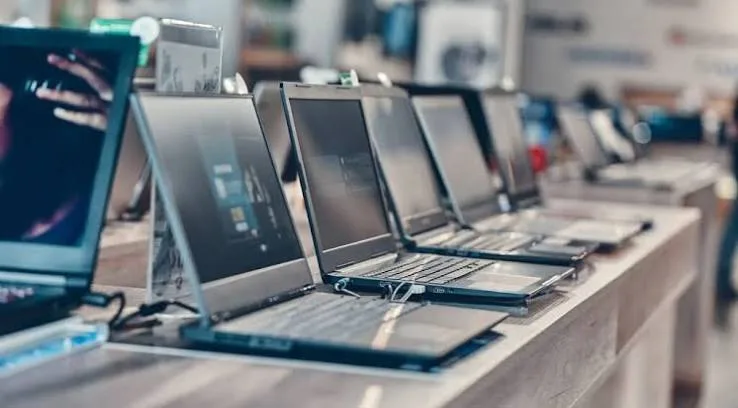
Nairobi's central business district hosts numerous electronics-focused shopping arcades and buildings genuinely dense with small, independent computer and phone dealers — a physical marketplace structure that predates, and continues to coexist alongside, the more recent shift toward online retail discussed throughout this piece. These physical markets serve a genuine, ongoing function: buyers who want to physically inspect a unit before purchase, negotiate in person, or simply prefer the immediacy of walking away with a device same-day continue to find genuine value in this traditional marketplace structure, even as online alternatives have grown substantially.
The genuine trade-offs of this physical marketplace structure: quality and reliability vary considerably between individual traders within these arcades, from genuinely reputable, established dealers to more informal, less accountable sellers — precisely the variance that makes the verification guidance throughout our buying checklist guide so directly relevant to anyone shopping this specific market segment.
The Shift Toward Online and Delivery-Based Retail
It's worth tracing the genuine, ongoing shift within this broader economy toward online-first retail models, of which City Gadgets Kenya is itself part. This shift reflects several converging factors: growing smartphone and mobile internet penetration across Kenya making online browsing and purchasing genuinely accessible to a broader population; the maturation of M-Pesa and other digital payment infrastructure making online transactions genuinely trustworthy and convenient; and delivery logistics networks across Nairobi and increasingly beyond, making it practical to serve customers without requiring in-person visits to a physical location.
Why this matters for buyers specifically: this shift has genuinely expanded consumer choice and price transparency, since online listings make it considerably easier to compare specifications and prices across multiple sellers simultaneously than physically visiting numerous CBD shops in sequence — a genuine consumer benefit, provided buyers apply the same seller verification diligence discussed throughout our buying checklist guide regardless of whether they're shopping online or in person.
Who Genuinely Participates in This Economy: A Broader Picture Than Often Assumed
It's worth correcting a common oversimplification about who buys refurbished technology in Nairobi and across Kenya more broadly. While budget-conscious students and small business owners, as discussed throughout our respective dedicated buying guides, do represent a substantial share of this market, the buyer base genuinely spans much further — established businesses making deliberate procurement decisions, as discussed in our business fleet piece; NGOs and development organisations managing donor-funded budgets, as discussed in our field work buying guide; and increasingly, buyers who've simply become evidence-based converts to the genuine value proposition discussed throughout this entire catalog, regardless of whether budget constraint was their original motivation.
The Informal Repair and Parts Economy Supporting This Market
It's worth acknowledging a less visible but genuinely important supporting layer within Nairobi's broader tech economy: a substantial informal and semi-formal repair and parts trade that keeps refurbished hardware functioning well beyond its original sale, connecting directly to the repairability discussion throughout our ThinkPad-focused piece and RAM upgrade guide. Independent repair technicians across Nairobi, often operating from small shops or even informally, provide genuinely valuable services — battery replacement, screen repair, keyboard replacement — extending refurbished laptops' useful lives further still, a genuine complementary economy supporting the primary refurbished sales market this piece discusses.
Employment and Skills Development Within This Economy
It's worth noting a genuine, broader economic dimension of this trade beyond the buyer-seller transaction itself: Nairobi's second-hand tech economy has created genuine employment and skills development opportunities across its various layers — technicians learning hardware diagnosis and repair skills, logistics and import specialists managing the supply chain discussed in our ex-UK sourcing piece, and retail and customer service roles across both physical and online selling channels. This employment dimension represents a genuine, if less commonly discussed, economic contribution this market makes to Nairobi and Kenya more broadly, beyond simply providing affordable access to computing hardware for buyers.
Where This Economy Appears to Be Heading
Based on the patterns discussed throughout this piece and connecting to our broader business fleet and environmental case pieces, it's worth offering an honest, grounded view of likely near-term direction rather than speculative prediction. Continued growth in online retail sophistication seems genuinely likely, following broader Kenyan e-commerce maturation trends. Growing corporate and institutional adoption, as discussed in our business fleet piece, appears to be shifting refurbished technology from a purely budget-driven consumer choice toward a genuinely mainstream procurement strategy across organisation sizes. And increasing buyer sophistication — more Kenyan consumers understanding the verification practices discussed throughout our buying checklist guide — seems likely to continue rewarding the more reputable, transparent sellers within this market while gradually squeezing out less accountable, informal operators unable to match this rising standard of buyer expectation.
Frequently Asked Questions
Is it safer to buy refurbished laptops from Nairobi's physical CBD markets or online sellers? Neither is inherently safer — as discussed throughout this piece, seller reputation and testing/warranty practices matter more than the specific sales channel, meaning the verification guidance throughout our buying checklist guide applies equally to both.
Why has Nairobi specifically become such a significant hub compared to other East African cities? Historical infrastructure and logistics advantages, combined with substantial genuine local demand, as detailed throughout this piece — a combination of factors rather than any single cause.
Does the growth of online retail mean physical CBD electronics markets are disappearing? Not entirely — these markets continue serving genuine buyer preferences for in-person inspection and immediate purchase, coexisting alongside rather than being fully replaced by online alternatives.
Is Kenya's second-hand tech economy regulated in any meaningful way? Legitimate businesses operate within standard Kenyan business registration, import, and consumer protection frameworks, similar to any other retail sector — the informal segment of this market carries less regulatory oversight, reinforcing the seller verification emphasis throughout our buying guides.
How does Nairobi's refurbished tech market compare to similar markets in other African cities? Broadly comparable dynamics exist across several major African urban centres, though Nairobi's specific combination of infrastructure and market maturity, as discussed throughout this piece, has made it a particularly significant regional hub.
Should I expect refurbished laptop prices in Nairobi to continue falling, rising, or staying stable? Pricing depends on numerous factors — global supply from the ex-UK and similar international pipelines discussed throughout our catalog, exchange rates, and local demand — making confident long-term price prediction genuinely difficult, though the fundamental value proposition discussed throughout our buying guides has remained consistent across recent years.
Be Part of Nairobi's Trusted Tech Economy at City Gadgets Kenya
City Gadgets Kenya represents the transparent, tested, warrantied side of this economy — every laptop fully tested and backed by a genuine 6-month warranty. Browse our laptops category or message us on WhatsApp to experience it directly.