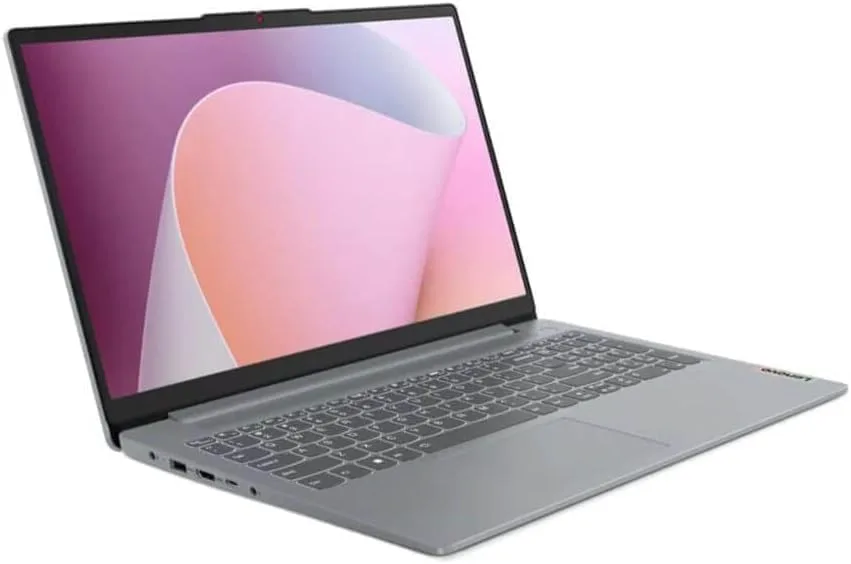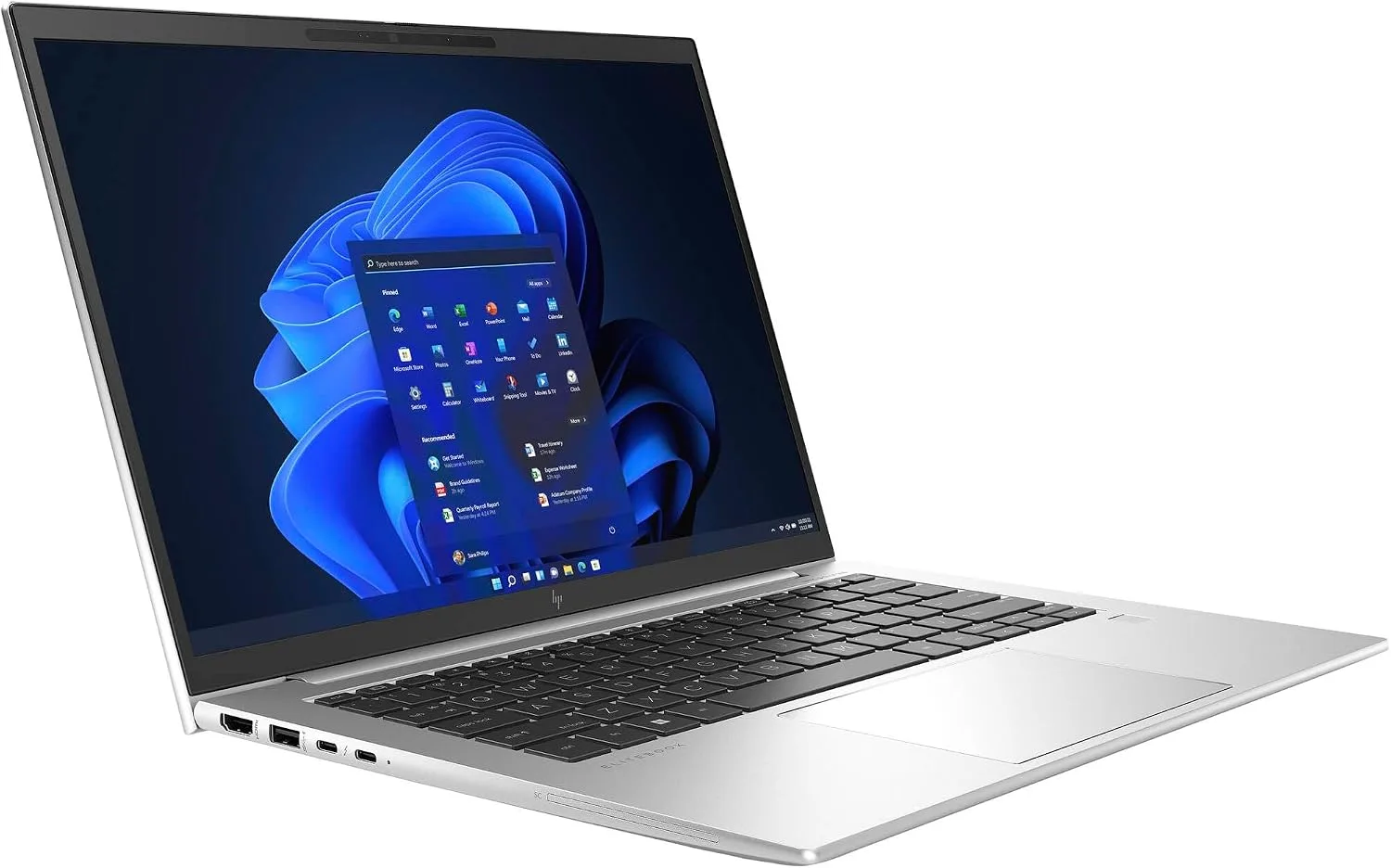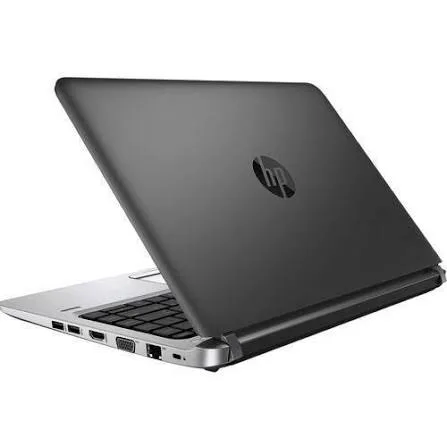
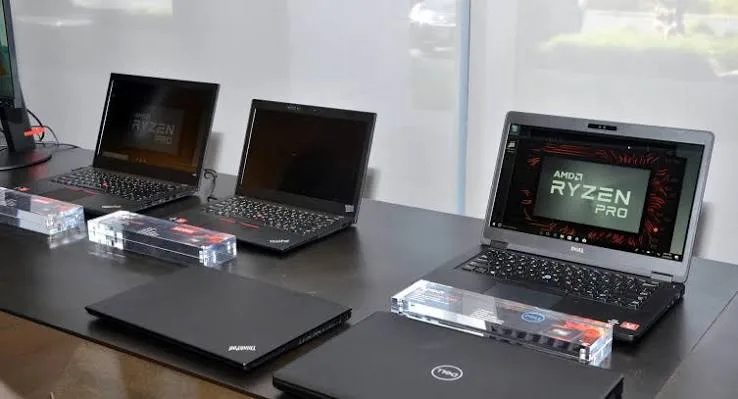
For the better part of two decades, "Intel Inside" was less a marketing slogan than a genuine statement of fact for anyone shopping business laptops — HP EliteBooks, Lenovo ThinkPads, and Dell Latitudes overwhelmingly ran Intel processors, with AMD relegated to a budget alternative rarely found in serious corporate fleets. That picture has genuinely changed. AMD's Ryzen processors, and specifically the Ryzen PRO line built for business use, now appear across configurations from HP's EliteBook 735 and 845 series and Lenovo's ThinkPad T495s and X395, available today at City Gadgets Kenya. This piece explains honestly what actually changed, why it matters, and what Kenyan buyers should genuinely know before choosing between an Intel and AMD-powered business laptop.
Understanding Why AMD Was Genuinely Behind for So Long
To appreciate what changed, it's worth understanding honestly why AMD trailed Intel in the business laptop space for so long in the first place. Through much of the 2000s and early 2010s, AMD's processor architecture genuinely lagged Intel's in per-core performance and, critically for laptops specifically, power efficiency — AMD chips of that era ran hotter and drained battery faster for comparable performance, a genuinely disqualifying weakness for business laptops where all-day battery life and thin, fanless-adjacent designs were increasingly the competitive battleground. Corporate IT departments, evaluating laptops for large-scale, multi-year deployments, had legitimate, evidence-based reasons to default to Intel during this period — it wasn't simply brand inertia or marketing bias.
The Ryzen Architecture: What Genuinely Changed Starting in 2017
AMD's 2017 launch of the original Ryzen architecture represented a genuine, fundamental redesign rather than an incremental improvement on its previous Bulldozer-era architecture, which had been the source of AMD's efficiency and performance struggles. Ryzen's "Zen" architecture introduced meaningfully improved instructions-per-clock performance, better power efficiency, and — critically for laptops — genuinely competitive multi-core performance at power levels suitable for thin, battery-powered devices rather than only desktop workstations.
Why this mattered specifically for business laptops: the efficiency gains meant AMD could finally compete on the exact battlefield business laptop buyers cared about — all-day battery life in a thin, professional chassis — rather than only competing on raw desktop performance where power draw was less constrained. This is precisely the shift that eventually made AMD Ryzen PRO chips a genuinely credible option for HP and Lenovo to build business configurations around, rather than a compromise buyers would need to accept for a lower price alone.
Ryzen PRO Specifically: AMD's Answer to Business-Specific Requirements
It's worth distinguishing Ryzen PRO from standard consumer Ryzen chips, since this distinction matters directly for the business laptops covered throughout our catalog. Ryzen PRO processors include specific features corporate IT departments genuinely require beyond raw performance:
Enhanced security features, including AMD's Secure Processor technology providing hardware-level security functions comparable to what Intel's vPro platform offers on the Intel side — a genuine, necessary parity feature for AMD to be taken seriously in business procurement conversations where security compliance is often a hard requirement, not a nice-to-have.
Extended availability commitments. Corporate IT departments deploying thousands of identical units across a multi-year rollout need assurance that the exact same chip will remain available for replacement units or expansion purchases throughout that deployment window — AMD's PRO line includes explicit longer availability commitments addressing this genuine procurement concern.
Manageability features allowing IT departments to remotely manage, update, and troubleshoot fleets of laptops at scale — a genuine requirement for any chip aiming to be taken seriously in the corporate laptop market, regardless of how strong its raw performance numbers look in isolation.
Real Configurations in Kenya's Market: What AMD-Powered Business Laptops Actually Offer
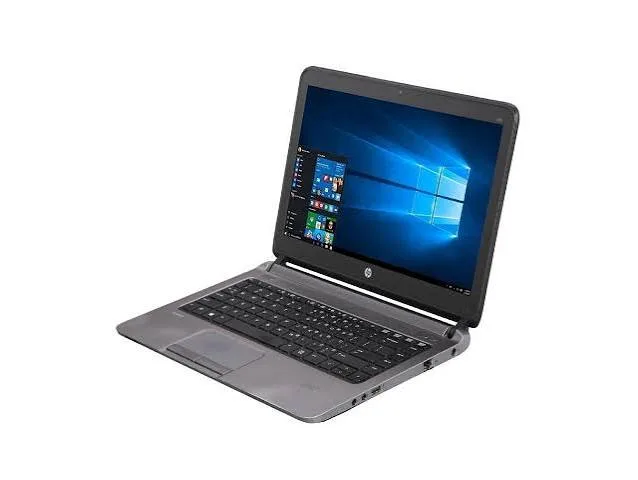
Looking at real, available configurations helps ground this discussion concretely rather than remaining purely theoretical. The HP EliteBook 845 line, spanning G7 through G10 generations, runs genuine Ryzen 5 and Ryzen 7 PRO processors, offering business-grade construction identical to HP's Intel-powered EliteBook 840 equivalent, simply with AMD silicon inside. Similarly, the HP EliteBook 735 G6 and Lenovo ThinkPad T495s/X395 demonstrate that both HP and Lenovo now build genuine, full business configurations around AMD silicon rather than treating it as a token, secondary option within their lineups.
Performance Comparison: Where Ryzen Genuinely Competes, and Where Intel Still Holds Advantages
It's worth an honest, balanced comparison rather than declaring an unambiguous winner, since the genuine picture is more nuanced than either brand's marketing suggests.
Multi-core performance and multitasking: Ryzen processors, particularly from the Ryzen 7 tier upward, often offer genuinely competitive or superior multi-core performance compared to equivalent Intel Core i7 chips of the same generation — relevant directly to the multitasking-heavy workloads discussed throughout our 16GB RAM and developers buying guides.
Single-core performance and certain specialised software: Intel has historically maintained a slight edge in some single-threaded workloads and certain professional software with deep, longstanding optimisation specifically for Intel's instruction set — a genuinely relevant consideration for buyers running specific legacy or specialised business software with a long history of Intel-specific optimisation.
Integrated graphics performance: AMD's integrated graphics (Radeon Vega, and later RDNA-based integrated graphics) have generally outperformed Intel's equivalent integrated graphics generation-for-generation, relevant to buyers doing light creative work or occasional gaming without a dedicated graphics card, as discussed in our graphic design and dedicated graphics buying guides.
Battery life: Modern Ryzen PRO chips offer genuinely competitive battery life compared to equivalent Intel configurations, closing what was once a clear Intel advantage, though real-world results vary by specific model and configuration rather than following an absolute, universal rule favouring either brand.
Software Compatibility: A Genuinely Settled Question Today
It's worth addressing a concern some buyers still carry from AMD's earlier, less competitive era: whether AMD-powered laptops run standard business software (Microsoft Office, common accounting packages, web browsers, video conferencing tools) as reliably as Intel equivalents. This concern, while historically more relevant during earlier AMD architecture generations with more significant performance gaps, is genuinely settled for modern Ryzen-based systems — standard Windows business software runs identically well regardless of whether the underlying processor is Intel or AMD, since Windows and virtually all mainstream business software is written to run on x86 architecture broadly, which both Intel and AMD chips implement.
Why This Matters for Kenyan Buyers Specifically
Bringing this back to practical relevance for the Kenyan refurbished laptop market discussed throughout our buying guide catalog: AMD Ryzen-powered business laptops, like the HP EliteBook 845 and Lenovo ThinkPad T495s/X395 configurations available at City Gadgets Kenya, offer a genuine, credible alternative to equivalent Intel configurations — not a compromise choice, but a legitimate option worth considering on its own merits, particularly if a specific unit's price-to-specification ratio is more favourable than an equivalent Intel configuration at the same budget point.
Practical buying guidance: rather than defaulting automatically to "Intel is safer," as older conventional wisdom might suggest, it's worth comparing the specific generation and configuration directly, similar to the generation-over-brand emphasis throughout our ThinkPad vs EliteBook comparison guide. A genuinely modern Ryzen 7 PRO configuration will often outperform an older Intel Core i5 at a similar price point, making brand-name assumptions less useful than direct specification comparison.
A More Detailed Timeline: How AMD Closed the Gap Generation by Generation
It's worth tracing this evolution in more specific detail, since the "AMD caught up" narrative sometimes gets flattened into a single moment when it was genuinely a multi-year, generation-by-generation process. The original 2017 Zen architecture closed much of the raw performance gap but still trailed Intel meaningfully in mobile power efficiency specifically. Zen 2, arriving in 2019, brought a genuinely significant efficiency improvement through a move to a smaller, more advanced manufacturing process, which is precisely when AMD-powered laptops began appearing in genuinely competitive thin-and-light form factors rather than only bulkier, compromise designs. Zen 3, from 2020 onward, brought further per-core performance gains that, for many workloads, matched or exceeded Intel's equivalent generation outright — this is roughly the point where major business laptop manufacturers like HP and Lenovo began treating AMD Ryzen PRO as a genuine first-class option worth building full configurations around, rather than a secondary, budget-focused variant of their main Intel-based lineup.
The Manufacturing Process Story: Why AMD's Efficiency Gains Weren't Just About Chip Design
It's worth explaining a genuinely important technical factor behind AMD's efficiency turnaround that's easy to overlook: AMD's partnership with TSMC (Taiwan Semiconductor Manufacturing Company) for chip fabrication gave it access to more advanced manufacturing processes earlier than Intel was able to transition to during this specific period, since Intel was experiencing its own well-documented internal manufacturing process delays during the late 2010s. A more advanced manufacturing process allows more transistors to be packed into the same physical space, generally improving both performance and power efficiency simultaneously. This manufacturing timing advantage, layered on top of AMD's genuine architectural redesign with Zen, compounded into the efficiency and performance turnaround discussed throughout this piece — a reminder that chip performance reflects the combination of architecture design and manufacturing capability together, not either factor in isolation.
How Corporate Procurement Teams Evaluate New Processor Options
It's worth understanding the genuine, methodical process large corporations follow before adopting a new processor platform at scale, since this explains why AMD's business laptop adoption, while now genuinely established, took years to build momentum even after the underlying Ryzen architecture became competitive. Corporate IT procurement teams typically run extended pilot deployments — testing a small batch of units across real employee workflows for months before committing to a full-scale rollout — evaluating not just raw performance benchmarks but genuine compatibility with the organisation's specific software stack, security infrastructure, and IT management tools. This cautious, methodical adoption pattern means genuine corporate confidence in AMD Ryzen PRO built gradually over several product generations, rather than shifting immediately once the underlying chip architecture became competitive on paper — directly explaining the multi-year lag between Ryzen's 2017 architectural turnaround and the substantial corporate-fleet AMD laptop supply now reaching Kenya's refurbished market through the ex-UK pipeline discussed in our dedicated piece on that topic.
Common Misconceptions About AMD Business Laptops, Addressed Honestly
"AMD laptops run hotter and have worse battery life." This was genuinely true of AMD's pre-Ryzen architecture, but doesn't accurately describe modern Ryzen PRO configurations, which have closed this gap substantially, as discussed above.
"AMD business laptops are always cheaper because they're inferior." Pricing differences in the refurbished market reflect broader supply and demand dynamics more than any inherent quality gap — as detailed throughout this piece, modern AMD business configurations are genuinely competitive, not discount compromises.
"Corporate IT departments don't trust AMD." This is decreasingly true — major corporations increasingly deploy AMD-powered business laptops at scale, reflected directly in the genuine corporate-fleet-sourced AMD configurations now appearing in Kenya's refurbished market through the exact ex-UK supply chain discussed in our dedicated piece on that topic.
"You can't run the same software on AMD as Intel." As explained above, this is genuinely not a concern for standard Windows business software, which runs identically regardless of the underlying x86 processor brand.
Frequently Asked Questions
Should I buy an AMD Ryzen or Intel Core business laptop in Kenya's refurbished market? Compare the specific generation, configuration, and price directly rather than defaulting to either brand — both are genuinely credible choices in the modern business laptop landscape, as detailed throughout this piece.
Is AMD Ryzen PRO genuinely as secure as Intel vPro for business use? Yes, broadly — AMD's Secure Processor technology provides comparable hardware-level security functionality, addressing the same corporate security requirements Intel's vPro platform targets.
Will I have trouble finding drivers or support for an AMD-powered refurbished laptop in Kenya? No — AMD Ryzen-powered business laptops from HP and Lenovo receive the same manufacturer driver support and update infrastructure as their Intel equivalents, since both companies treat AMD configurations as first-class product lines rather than afterthoughts.
Does AMD Ryzen offer better value than Intel in Kenya's refurbished market specifically? It depends on the specific units being compared at any given time — value comparisons should be made configuration-by-configuration, as detailed throughout our buying guides, rather than assuming either brand universally offers better value.
Are there any business software packages that genuinely don't work well on AMD processors? Extremely rare for modern Ryzen systems — virtually all mainstream Windows business software runs identically regardless of processor brand, with any historical exceptions largely resolved as AMD's market share and software compatibility testing have matured.
Why did it take so long for AMD business laptops to appear in significant numbers in Kenya's refurbished market? Given the corporate procurement caution and multi-year adoption timeline discussed above, AMD business laptop fleets only began deploying at meaningful scale within the last several years — meaning it takes the typical three-to-four-year corporate refresh cycle, discussed throughout our ex-UK laptop piece, before these units genuinely reach secondary markets like Kenya's in substantial volume.
Does AMD offer an equivalent to Intel's vPro remote management platform? Yes — AMD Ryzen PRO includes its own manageability suite offering comparable remote management, security, and deployment features that corporate IT departments require, addressing the same practical needs Intel vPro targets.
Is it worth specifically seeking out an AMD-powered refurbished laptop over an Intel one, or should I stay agnostic? Staying agnostic and comparing the specific configuration, generation, and price directly, as recommended throughout this piece, generally serves buyers better than developing a strong preference for either brand in isolation from the actual unit being considered.
Do AMD Ryzen laptops require different chargers or accessories compared to Intel equivalents? No — charging standards, ports, and most accessories are determined by the specific laptop model's design choices rather than the processor brand, meaning AMD and Intel configurations within the same model family (like the HP EliteBook line) typically share identical charging and accessory compatibility.
Explore Both Intel and AMD Business Laptops at City Gadgets Kenya
Every laptop at City Gadgets Kenya, whether Intel or genuine AMD Ryzen PRO-powered, is fully tested and backed by a real 6-month warranty. Browse our laptops category or message us on WhatsApp to compare specific Intel and AMD configurations directly for your needs.