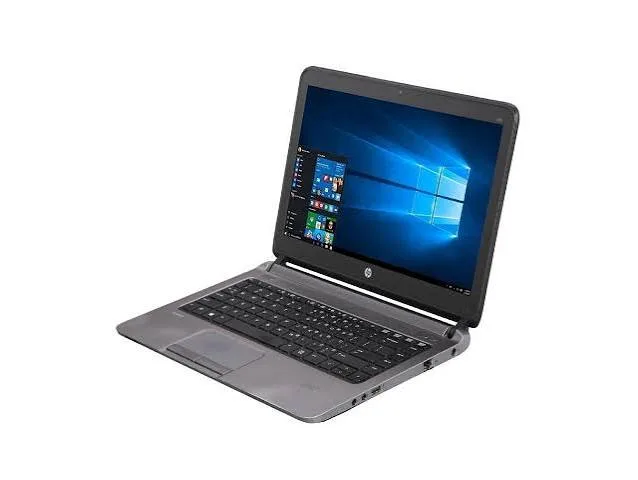

Most of our buying guides focus on price and specification — the genuinely compelling, practical reasons most Kenyan buyers choose refurbished laptops in the first place. This piece steps back to examine a different, complementary dimension worth understanding honestly: the environmental impact of laptop manufacturing, and what genuinely changes when a laptop gets a second working life rather than being replaced by a new unit, connecting directly to the ex-UK and refurbished market discussed throughout our catalog and available at City Gadgets Kenya.
The Genuine Environmental Cost of Manufacturing a New Laptop
It's worth being specific about where a laptop's environmental footprint actually comes from, since "manufacturing has an environmental cost" is true but too vague to be genuinely informative.
Raw material extraction for a laptop's components — including numerous rare earth elements and metals like lithium, cobalt, and various rare earth metals used in batteries, displays, and processors — involves mining processes that are frequently resource and energy-intensive, and in some cases associated with genuine environmental and labour concerns in the specific regions where this mining occurs.
Manufacturing energy consumption is substantial, since chip fabrication specifically requires extraordinarily precise, energy-intensive processes conducted in specialised facilities — the manufacturing phase of a laptop's life typically represents the single largest share of its total lifetime carbon footprint, frequently exceeding the emissions from years of subsequent daily use and charging combined.
Global shipping and logistics, given that the vast majority of laptop manufacturing is concentrated in a relatively small number of East Asian manufacturing hubs, adds a further, genuine carbon cost as finished laptops ship to markets worldwide, including the initial shipment to the UK before any laptop later enters the refurbished export pipeline discussed in our ex-UK laptop piece.
What Genuinely Changes When a Laptop Gets a Second Life
This is the core environmental argument worth understanding clearly: every ex-UK or refurbished laptop that finds a genuine second working life in Kenya represents one fewer new laptop that needed to be manufactured to meet that same computing need. Since manufacturing represents the dominant share of a laptop's total lifetime environmental footprint, as explained above, extending a laptop's useful life through refurbishment and resale — rather than that laptop being discarded and a new one manufactured to replace it — genuinely avoids a meaningful share of the total environmental cost that a brand-new purchase would have incurred.
This is a genuinely different, and arguably stronger, environmental case than simple recycling. Recycling a laptop's components at end-of-life is valuable, but it doesn't avoid the manufacturing footprint of whatever new device replaces it — refurbishment, by contrast, genuinely avoids that manufacturing footprint entirely for as many years as the refurbished laptop continues serving its new owner's needs.
E-Waste: The Problem Refurbishment Genuinely Helps Address
It's worth connecting this discussion to the broader, genuinely serious global e-waste problem, since responsible refurbishment sits as a genuine partial solution within this larger challenge. Electronic waste represents one of the fastest-growing waste categories globally, and improperly disposed electronics can leach genuinely harmful materials into soil and water systems when simply discarded rather than properly processed. The legitimate ITAD (IT Asset Disposition) industry discussed in our ex-UK laptop piece exists precisely to address this — properly testing, refurbishing, and reselling functional hardware, while responsibly recycling components from genuinely non-functional units, rather than allowing electronics to enter improper, environmentally harmful disposal channels.
Addressing a Common Misconception Directly
It's worth directly addressing a characterization sometimes applied to the ex-UK and refurbished laptop trade, also touched on in our dedicated piece on that topic: the concern that this represents wealthy nations "dumping" unwanted electronic waste on African markets. This characterization, while understandable given genuine historical concerns about irresponsible e-waste dumping in some contexts globally, doesn't accurately describe the legitimate, tested refurbished laptop trade specifically. A laptop genuinely tested and verified functional, sold with a real warranty by a reputable seller, represents a working product changing hands through a legitimate commercial transaction — conceptually similar to any other second-hand goods market, like Kenya's well-established used vehicle market, rather than waste disposal. The environmental case discussed throughout this piece specifically applies to this legitimate, tested refurbished trade — not to genuinely irresponsible dumping of non-functional electronic waste, which remains a real, separate problem worth distinguishing clearly from the legitimate refurbished market this piece and our broader catalog describes.
The Broader Circular Economy Concept, Applied to Laptops
It's worth situating this discussion within the broader "circular economy" concept increasingly discussed in sustainability and economic policy circles globally — the idea of designing economic systems to keep products, materials, and resources in use for as long as genuinely possible, rather than the traditional linear model of extract-manufacture-use-discard. The refurbished laptop trade represents a genuinely functional, market-driven example of circular economy principles in action: corporate laptop fleets get refreshed on a schedule serving legitimate business needs, but rather than the retired hardware being discarded, it continues serving genuine computing needs for new owners in Kenya and elsewhere, extending the resource investment already made in that hardware's original manufacturing across additional years of productive use.
Putting Numbers to the Claim: Illustrative Carbon Footprint Figures
It's worth grounding this discussion in approximate, illustrative figures rather than only qualitative description, drawing on the kind of lifecycle analysis research that technology sustainability researchers have published in recent years. Independent studies of laptop manufacturing have estimated that producing a single new laptop can generate carbon emissions roughly equivalent to several hundred kilograms of CO2 — a figure that varies by specific model and component complexity, but consistently shows manufacturing as the dominant emissions source, frequently representing 70-80% or more of a laptop's total lifetime carbon footprint when compared against the emissions from years of subsequent charging and use. This means a refurbished laptop, having already "paid" this manufacturing carbon cost during its original production, adds only the comparatively modest emissions associated with continued use and eventual shipping when it finds a second owner — a genuinely favourable comparison against the full manufacturing-plus-use footprint a brand-new replacement laptop would incur instead.
How This Connects to Kenya's Own Growing Environmental Policy Conversation
It's worth briefly noting that this discussion connects to a broader, genuinely active conversation within Kenya's own environmental and waste management policy circles. Kenya has taken meaningful steps in recent years around e-waste management specifically, including regulatory frameworks aimed at ensuring electronic waste is handled responsibly rather than contributing to improper disposal and environmental contamination. The legitimate refurbished laptop trade discussed throughout this piece operates compatibly with, and arguably supports, these broader policy goals — by extending hardware lifespan and ensuring genuinely non-functional units enter proper recycling channels through established ITAD processes, rather than either scenario (extending life or proper recycling) being left to chance in a less formalised, less accountable secondary market.
A Balanced Perspective: This Isn't a Complete Environmental Solution
It's worth maintaining genuine balance here rather than overstating the case: buying a refurbished laptop is a meaningfully positive individual choice within the broader challenge of technology's environmental footprint, but it doesn't eliminate that footprint entirely, nor does it address every dimension of sustainable technology use. Genuine environmental responsibility around technology also involves the practices discussed briefly below — extending your own device's useful life once purchased, and ensuring proper end-of-life disposal — alongside broader systemic questions about manufacturing practices, labour conditions in raw material extraction, and global electronics policy that extend well beyond any single individual's purchasing decision. This piece makes a genuine, evidence-based case for refurbished purchasing as one meaningful, practical action within this larger picture — not a claim that this single choice resolves the technology industry's environmental challenges entirely.
Practical Environmental Considerations Beyond the Purchase Decision Itself
Beyond simply choosing refurbished over new, a few further practical habits genuinely extend this environmental benefit, similar to the maintenance guidance covered throughout our small business and battery health buying guides.
Extending your own refurbished laptop's working life through the basic maintenance habits discussed elsewhere in our catalog — avoiding heat exposure, proper cleaning, and timely battery replacement rather than full laptop replacement when only the battery has degraded — further extends the environmental benefit of your original refurbished purchase.
Responsible disposal when a laptop genuinely reaches true end-of-life matters too — seeking out proper e-waste recycling channels, rather than simply discarding a non-functional laptop in general waste, ensures materials genuinely re-enter appropriate recycling and material recovery processes rather than causing the environmental harm discussed above.
Frequently Asked Questions
Is buying refurbished genuinely better for the environment than buying new, or is this overstated? Genuinely better, for the reasons explained throughout this piece — manufacturing represents the dominant share of a laptop's lifetime environmental footprint, meaning extending an existing laptop's useful life through refurbishment avoids a meaningful share of that footprint compared to manufacturing an entirely new unit.
Does the shipping involved in exporting laptops from the UK to Kenya offset the environmental benefit of refurbishment? Shipping does carry a genuine carbon cost, though it's generally modest compared to the manufacturing footprint avoided by not producing an entirely new laptop, meaning the net environmental benefit of refurbishment remains genuinely positive even accounting for this shipping factor.
Is the ex-UK laptop trade genuinely different from e-waste dumping? Yes, meaningfully — as explained throughout this piece, legitimate, tested refurbished laptops represent functional products in a genuine commercial second-hand market, distinct from the separate, genuine problem of improperly disposed non-functional electronic waste.
What happens to laptops that genuinely fail testing and can't be refurbished? Legitimate ITAD companies recycle components and materials from non-functional units through proper e-waste recycling channels, rather than exporting genuinely non-functional hardware as if it were a working product.
Does buying refurbished mean sacrificing environmental benefit for lower cost, or do both align? Both genuinely align in this specific case — the same refurbished purchase that offers better specification-per-shilling value, as detailed throughout our buying guides, also carries a genuine environmental benefit, a rare case where cost-conscious and environmentally-conscious purchasing decisions point in the same direction.
Should I feel confident that my specific refurbished laptop purchase is part of this legitimate, environmentally beneficial trade? Buying from a reputable, transparent seller who genuinely tests units and offers a real warranty, as emphasised throughout our buying checklist guide, is the practical way to ensure your purchase supports the legitimate refurbishment trade discussed throughout this piece rather than any less responsible alternative.
Does manufacturing really account for more of a laptop's footprint than years of daily charging? Yes, generally — as detailed above, independent lifecycle analysis research consistently shows manufacturing as the dominant emissions source for laptops, frequently exceeding 70% of total lifetime footprint, since modern laptop charging itself is relatively energy-efficient compared to the resource-intensive chip fabrication and material extraction manufacturing requires.
Is there a meaningful environmental difference between buying a business laptop versus a consumer laptop, refurbished or new? The core environmental calculus discussed throughout this piece applies similarly to both categories, though business laptops' generally greater durability and repairability, discussed in our ThinkPad-focused piece, can mean a longer genuine second (and sometimes third) working life, extending the environmental benefit further than a less durable consumer laptop might allow.
Does Kenya have its own e-waste recycling infrastructure for laptops that genuinely reach end-of-life? Kenya has been developing its e-waste management policy and infrastructure in recent years, as noted above — worth researching current local e-waste recycling options specifically when your own laptop eventually reaches genuine end-of-life, rather than simply discarding it in general waste.
Choose Genuinely Tested Refurbished Laptops at City Gadgets Kenya
Every laptop at City Gadgets Kenya represents a genuine second working life for well-built hardware — fully tested and backed by a real 6-month warranty. Browse our laptops category or message us on WhatsApp to make a purchase that's both practically and environmentally sound.