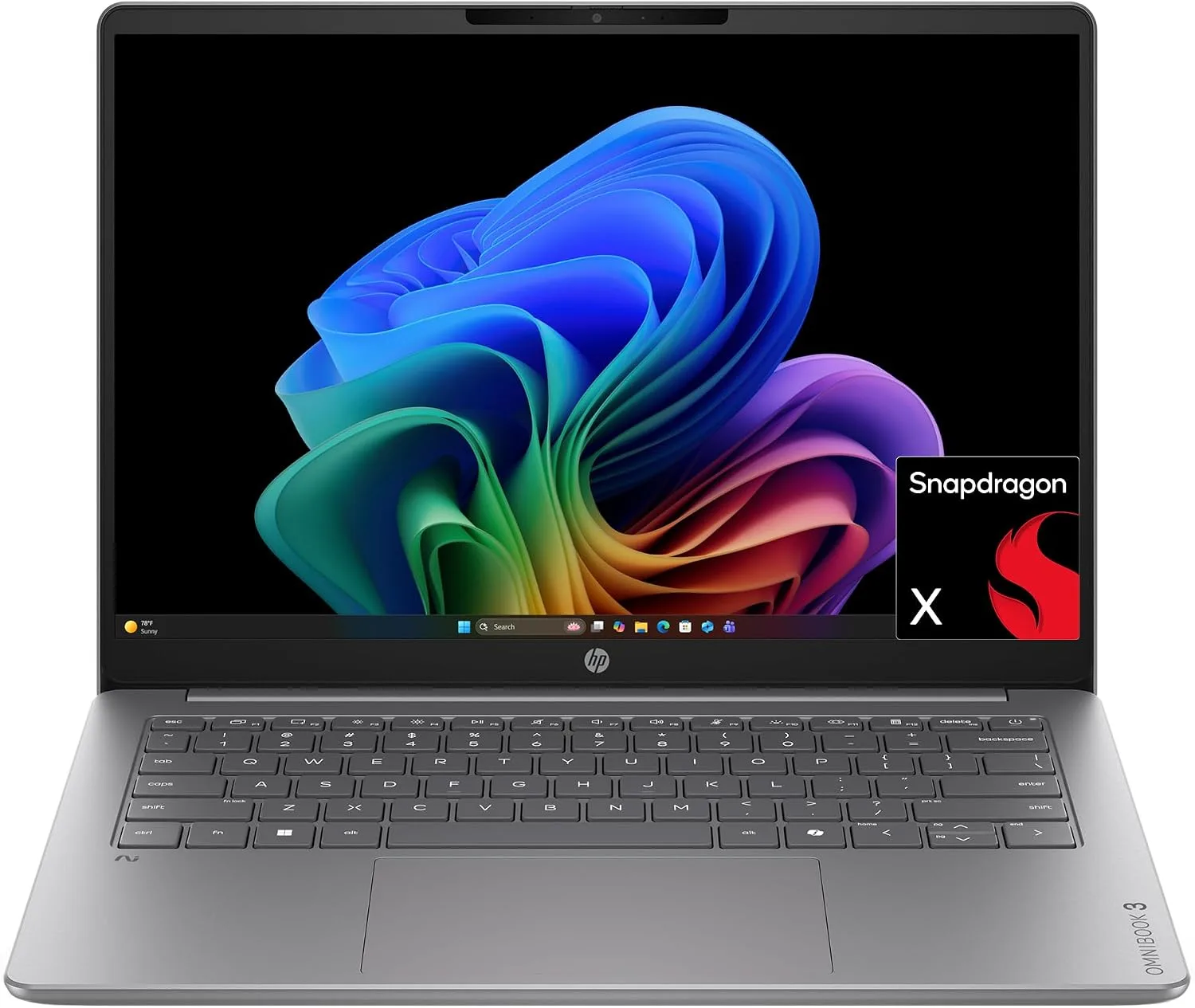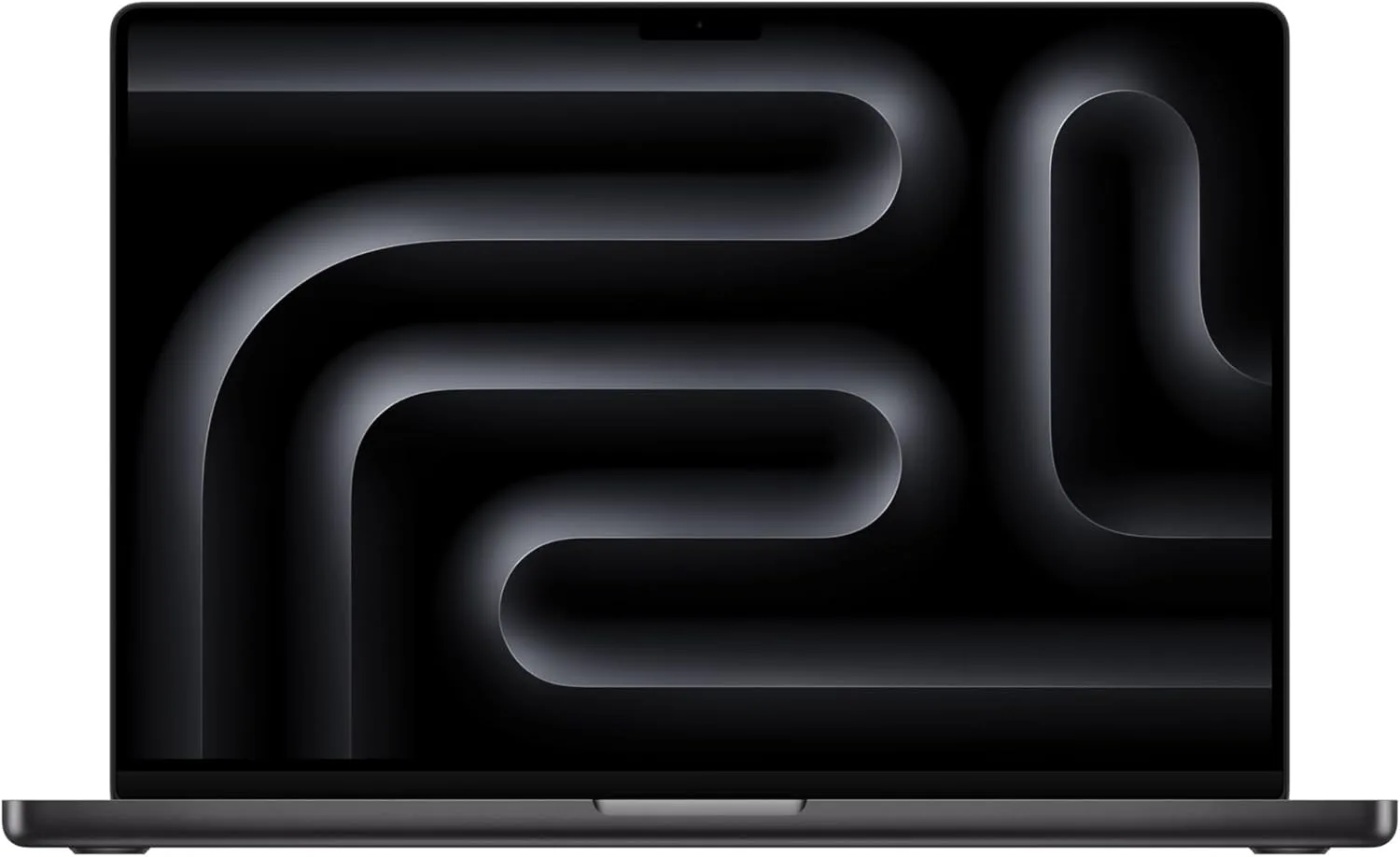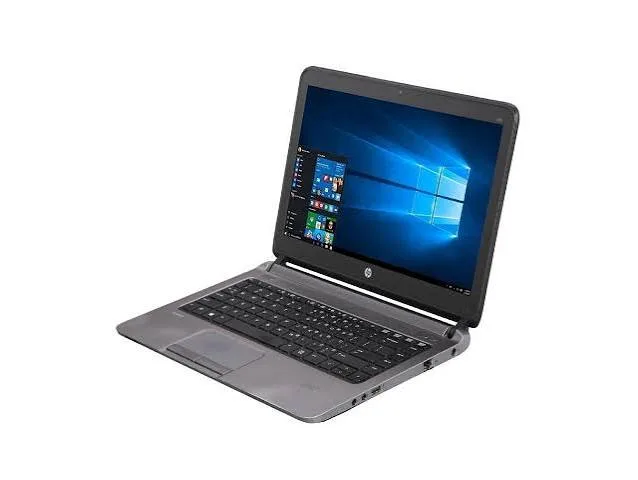
Our earlier pieces have covered ThinkPad's engineering heritage and the detachable-versus-hinge convertible mechanics behind Microsoft's Surface line. This piece takes a different angle entirely — examining Surface and ThinkPad as two genuinely distinct philosophies of what premium computing should be, not simply two competing product specifications, connecting to real configurations of both available at City Gadgets Kenya.
ThinkPad's Philosophy: The Laptop as a Serious Working Tool
As detailed throughout our ThinkPad-focused durability piece, Lenovo's entire design philosophy for this line centres on one core idea: the laptop exists to support serious, sustained work, and every design decision should serve that purpose above visual novelty or category-blurring flexibility. This philosophy manifests concretely in choices discussed throughout our catalog — the keyboard-first engineering priority, the understated, function-over-form black design language largely unchanged across decades, and the military-grade durability testing ensuring the laptop survives whatever demanding conditions serious daily work throws at it.
The genuine, underlying assumption: a ThinkPad's design assumes its user already knows what a laptop is for and wants it to execute that purpose as reliably and comfortably as possible, without the device trying to become something else entirely.
Surface's Philosophy: Reimagining What a Personal Computer Could Be
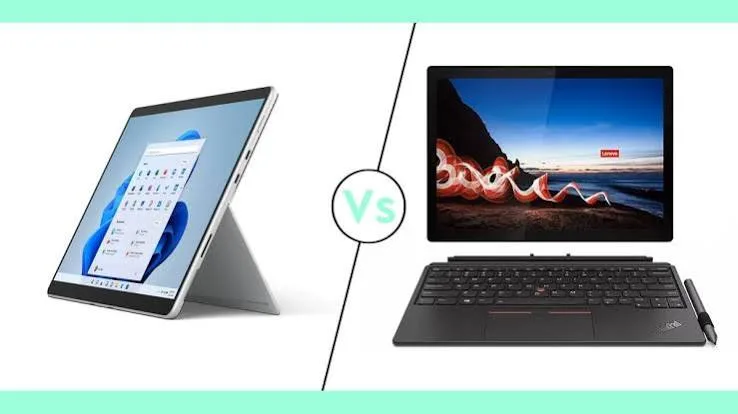
Microsoft's Surface line, by genuine contrast, was conceived from a fundamentally different starting question — not "how do we build the best possible traditional laptop" but "what if personal computing didn't need to be constrained by the traditional laptop form factor at all." This is a genuinely different, more experimental philosophical starting point, reflected concretely in the Surface Pro's detachable design discussed in our convertible mechanics piece — a device that questions whether "laptop" and "tablet" need to be separate categories at all, rather than accepting that division as a given and optimising within it the way ThinkPad's philosophy does.
The genuine, underlying assumption: Surface's design assumes computing itself is still evolving, and that questioning fundamental form-factor assumptions — does a computer need a permanently attached keyboard? does it need to look like every other laptop? — might reveal genuinely better ways of working that traditional laptop design, however well-executed, wouldn't discover by refining within its existing constraints.
How These Philosophies Manifest in Concrete Design Choices
It's worth tracing these abstract philosophical differences into specific, tangible product decisions across both lines.
Keyboard philosophy. ThinkPad's keyboard, as detailed throughout our dedicated piece, represents decades of iterative refinement toward the single best possible typing experience within a traditional laptop form factor — deep key travel, the TrackPoint, consistent layout across generations. Surface's keyboard (the detachable Type Cover) represents a genuinely different design problem: creating an acceptable, portable typing experience within the physical constraints of a thin, detachable accessory that also needs to double as a protective cover — a fundamentally different engineering brief than ThinkPad's uncompromising keyboard-first approach.
Material and construction philosophy. ThinkPad's carbon fibre construction, discussed in our materials science piece, serves the goal of making a traditional laptop form factor as light and durable as engineeringly possible. Surface's aluminium unibody tablet construction serves a different goal — creating a device that feels genuinely premium and solid as a standalone tablet first, with the keyboard treated as a valuable but secondary accessory rather than an integral structural component.
Display philosophy. Surface devices have historically pushed toward higher pixel density and more vivid, tablet-optimised display characteristics, reflecting genuine tablet-first design priorities. ThinkPad displays, while genuinely capable, have historically prioritised practical business readability and durability over the more consumer-tablet-influenced display characteristics Surface pursues.
Neither Philosophy Is Objectively Superior — They Serve Different Genuine Needs
It's worth stating this directly rather than declaring a winner, since the honest conclusion here is genuinely that both philosophies serve real, different computing needs well.
ThinkPad's philosophy genuinely serves buyers whose work is fundamentally, unambiguously laptop-shaped — extensive typing, sustained processing work, the durability-focused daily use discussed throughout our business laptop pieces — better than a philosophy questioning whether that form factor is even correct in the first place.
Surface's philosophy genuinely serves buyers whose work genuinely benefits from device flexibility — presentations, sketching, note-taking, and genuine tablet-mode use discussed throughout our convertible and touchscreen pieces — in ways a traditionally-optimised laptop, however excellent within its own category, simply isn't designed to address.
What This Means for Kenyan Buyers Choosing Between Them
Connecting this philosophical framing back to practical buying guidance throughout our catalog: the ThinkPad-versus-Surface decision is genuinely less about comparing specifications side by side, and more about honestly identifying which philosophical starting point matches your actual computing needs, similar to the self-assessment framework in our 2-in-1-versus-traditional piece. If you've read that piece and concluded your needs are genuinely laptop-shaped — sustained typing, consistent daily work, durability under demanding conditions — ThinkPad's philosophy, and the specific engineering choices flowing from it, likely serves you better. If you concluded your needs genuinely benefit from device flexibility and question the traditional laptop form factor's constraints, Surface's philosophy, and its specific detachable design, likely serves you better.
Why Corporate IT Departments Have Historically Favoured ThinkPad's Philosophy More Consistently
It's worth explaining a genuine pattern connecting to our ex-UK laptop sourcing piece: the same corporate fleet procurement decisions that make ThinkPads so abundant in Kenya's refurbished market reflect corporate IT departments' genuine, longstanding preference for ThinkPad's philosophy specifically — predictable, standardised, durability-focused hardware suits large-scale corporate deployment better than Surface's more experimental, flexibility-first approach, which tends to appeal more to individual buyers and smaller organisations willing to embrace its genuinely different working model. This is precisely why Surface units, while genuinely available in Kenya's refurbished market, appear in smaller volumes than ThinkPad configurations — a direct, traceable consequence of which philosophy large corporate fleets have more consistently gravitated toward over the past decade.
Frequently Asked Questions
Is Surface genuinely less durable than ThinkPad, or just designed differently? Designed differently, primarily — Surface applies its own genuine durability engineering appropriate to a detachable tablet form factor, though it doesn't carry the same specific MIL-STD-810G certification emphasis that defines ThinkPad's philosophy, as discussed in our dedicated ThinkPad piece.
Can Surface devices handle sustained, demanding work as well as ThinkPads? Depends on the specific configuration and workload — Surface Pro configurations are genuinely capable computers, though ThinkPad's philosophy specifically optimises for sustained, demanding daily use in a way Surface's tablet-first design doesn't prioritise to the same degree.
Is one of these philosophies genuinely more "innovative" than the other? Both represent genuine, deliberate engineering philosophy rather than one being more innovative in an absolute sense — ThinkPad's innovation lies in relentless refinement within an established form factor, while Surface's innovation lies in questioning that form factor's fundamental assumptions.
Should a business specifically standardise on one philosophy across its entire fleet? Often sensible for the standardisation reasons discussed in our business fleet buying guide, though some organisations genuinely benefit from offering both options to different roles with genuinely different work patterns, rather than forcing a single philosophy across every employee.
Is it fair to compare these two products directly, given how differently they're designed? This piece argues the more useful comparison is philosophical rather than spec-by-spec — understanding which underlying approach to computing matches your genuine needs, rather than a direct feature checklist comparison that treats them as interchangeable competitors within the same category.
Does City Gadgets Kenya stock both ThinkPad and Surface configurations? Yes — both product lines are available in our catalog, fully tested and backed by our genuine 6-month warranty, letting you compare both philosophies directly against your own needs.
Explore Both Philosophies at City Gadgets Kenya
Whether ThinkPad's refined, work-focused philosophy or Surface's flexible, boundary-questioning approach fits your needs, every unit at City Gadgets Kenya is fully tested and backed by a genuine 6-month warranty. Browse our laptops category or message us on WhatsApp to discuss which philosophy genuinely fits how you work.