
Should You Get Your Child a Gaming Console? A Kenyan Parent's Guide
There's a moment almost every Kenyan parent eventually faces: your child is old enough to really want their own gaming console, their friends already have one, and you're left weighing genuine excitement for them against a nagging worry — is this actually good for my child, or am I about to hand over a screen that swallows their evenings and exposes them to things they're not ready for? It's a fair question, and it deserves a fair answer rather than either extreme: gaming isn't the mind-rotting menace some parents fear, but it also isn't automatically harmless just because "everyone's kid has one." This guide walks through both sides honestly — the real concerns, the genuine benefits backed by research, and a practical framework for choosing the right console and settings for your specific child.
The Concerns Are Real — Let's Address Them Directly
Before getting to the good news, it's worth taking parental concerns seriously rather than brushing past them, because they're not unfounded.
Addiction and time management. Modern games are genuinely designed to be engaging — that's the whole point of good game design — and for some children, that engagement can tip into difficulty self-regulating without adult structure. This is a real pattern worth watching for, not a myth.
Age-inappropriate content. Many popular, heavily-marketed titles carry mature ratings for a reason — violence, intense themes, or language that simply isn't appropriate for a young child, even if the game looks colorful or cartoonish in trailers and thumbnails. A title being popular among a child's older cousins or classmates doesn't make it age-appropriate for your own child.
Online interactions with strangers. Voice chat, multiplayer lobbies, and messaging features mean some games connect your child to other players — including adults — you have no way of vetting, which is a genuinely different risk category from a single-player game played entirely offline.
Spending. In-game purchases, loot boxes, and digital store convenience mean a console linked to a payment method can rack up real costs quickly if spending controls aren't set up properly.
These concerns are legitimate, and a good parenting approach doesn't dismiss them — it manages them deliberately, which is exactly what the rest of this guide is built around.
What the Research Actually Says About Gaming and the Brain
Here's the part that tends to surprise worried parents: a meaningful and growing body of research suggests that, in the right doses and with the right games, video gaming isn't just "not harmful" — it appears to genuinely support certain aspects of cognitive development.
A large 2022 study from Sweden's Karolinska Institute, following thousands of American children over two years, found that kids who spent more time than average playing video games showed IQ gains of roughly 2.5 points above average — while time spent on TV or social media showed no similar effect either way. The researchers, backed by the study's neuroscientist lead, concluded that screen time in itself doesn't appear to impair children's cognitive abilities, and that gaming specifically may help boost intelligence.
A separate study of nearly 2,000 children, published with backing from the US National Institute on Drug Abuse, found that children who played video games for three or more hours a day performed better on tests of impulse control and working memory than children who had never played video games at all — genuinely notable findings that ran counter to the standard "screens are automatically bad" assumption.
Research reviewed by the American Psychological Association points to specific, documented cognitive benefits tied to gaming, including improved problem-solving skills, enhanced creativity (games like open-world adventure and puzzle titles specifically require children to think through obstacles creatively), and measurable memory improvements that persist even after children stop playing regularly.
A study of fifth graders, published in the Journal of Media Psychology, found no meaningful negative link between hours of video game play and children's cognitive ability — directly challenging the long-held fear that heavy gaming time slows a child's learning pace.
It's worth being precise about what this research does and doesn't say: it doesn't mean unlimited, unsupervised gaming on any title is automatically good for your child. Researchers themselves are careful to note that outcomes depend heavily on the type of game, the amount of balance with other activities, and — importantly — that finding correlation between gaming and cognitive skill doesn't always prove gaming caused the improvement rather than reflecting it. But it does mean the blanket fear that gaming simply damages young minds isn't supported by the evidence. The real variable that matters is which games, how much, and with what structure around it — not whether gaming happens at all.
The Specific Skills Gaming Can Help Build
Beyond the broad cognitive research, specific genres of games map onto specific, genuinely useful skills:
- Puzzle and strategy games (think Tetris-style or strategy titles) build problem-solving ability and spatial reasoning.
- Open-world adventure games like Zelda-style titles encourage creative thinking as children work out how to navigate obstacles in multiple possible ways.
- Action and reflex-based games have been linked in research to improved attention control and faster visual processing.
- Cooperative multiplayer games, played with siblings, friends, or supervised family members, build teamwork, communication, and turn-taking skills in a genuinely social context — echoing the same communal spirit that's always defined Kenyan gaming culture, from neighborhood arcade queues to today's living rooms.
- Sports and simulation games (FIFA/EAFC being hugely popular in Kenya specifically) can reinforce real-world sports knowledge, strategic thinking, and — for many Kenyan kids — a genuine on-ramp into organized esports and competitive gaming later on.
How to Choose the Right Console for Your Child
This is where most of the actual risk management happens — not in whether to allow gaming at all, but in choosing the right platform and setting it up properly from day one.
Nintendo Switch — the strongest starting point for most families, especially younger children. Nintendo's own library skews heavily toward "E for Everyone" titles, and its dedicated companion app is widely considered the easiest parental control system of the three major platforms to actually use — set age ratings, daily time limits, and a bedtime alarm that can automatically suspend gameplay when time is up. Its main limitation is that individual restrictions apply to the whole console rather than separate child profiles, so if you have kids of very different ages sharing one Switch, you'll need to manually adjust settings between sessions.
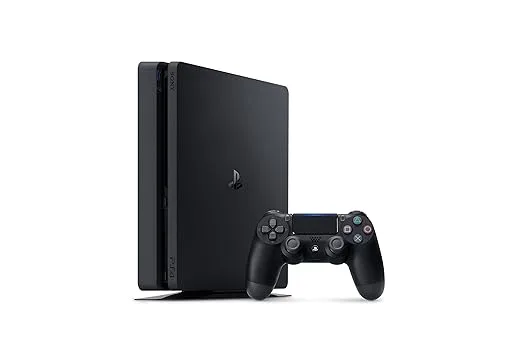
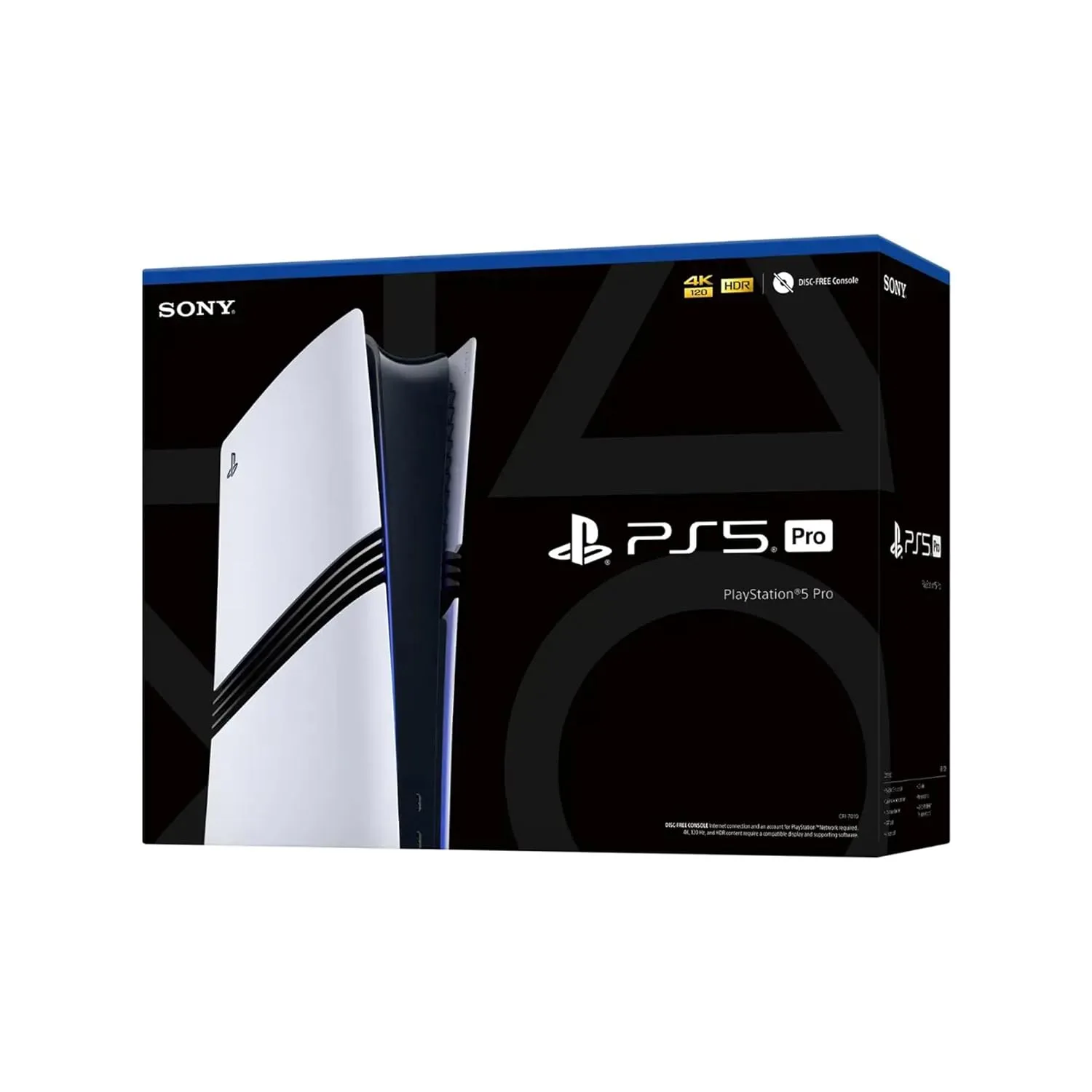
PlayStation 5 — better suited to older children and teens. PS5's game library skews toward more mature content overall, and while its family management settings are genuinely robust — spending limits, age-rating restrictions, communication controls, all manageable remotely through the PlayStation App — the setup process is less intuitive than Nintendo's, and its exclusive titles (Spider-Man, God of War, and similar) often carry Teen or Mature ratings worth checking individually before assuming they're fine for a younger child just because they look impressive.
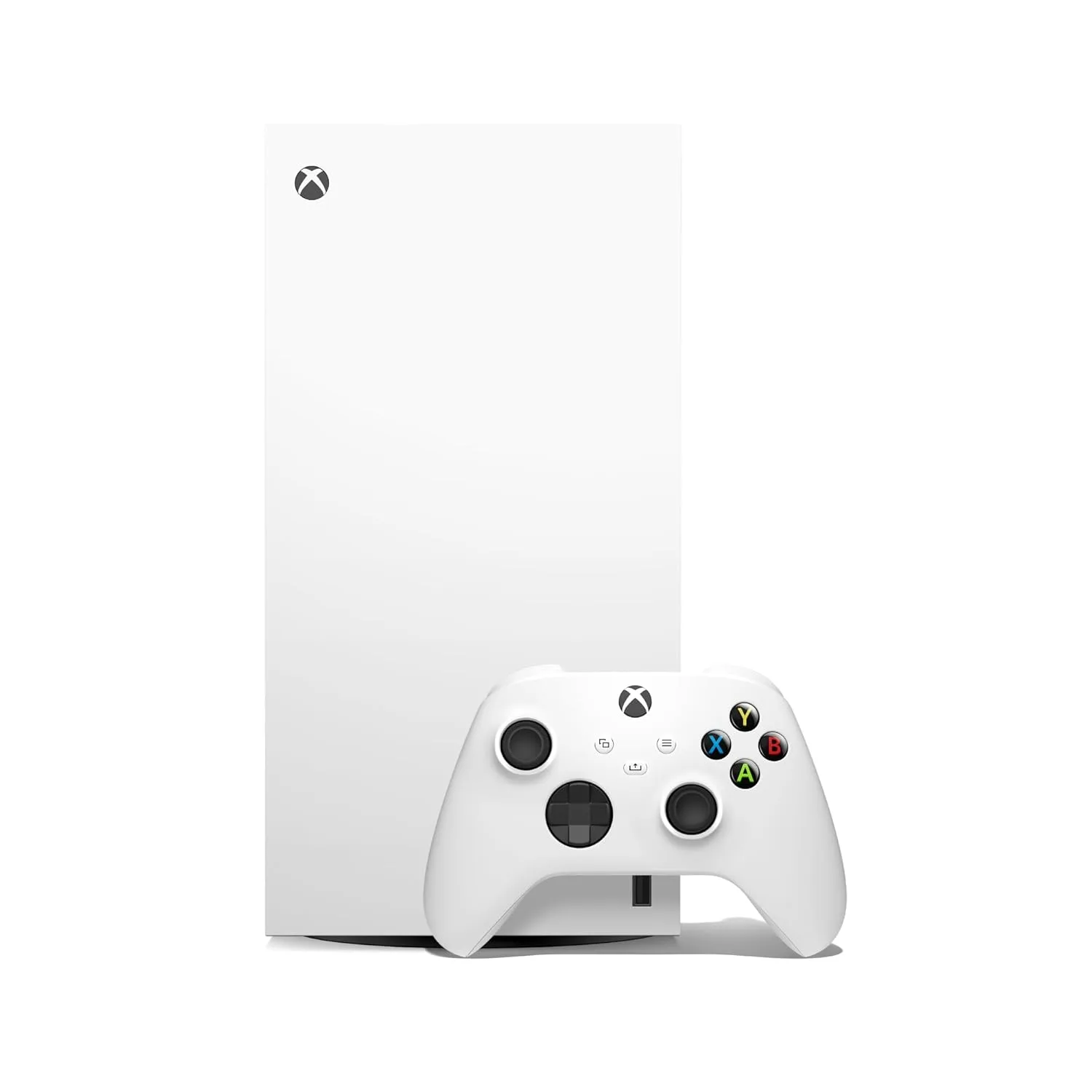
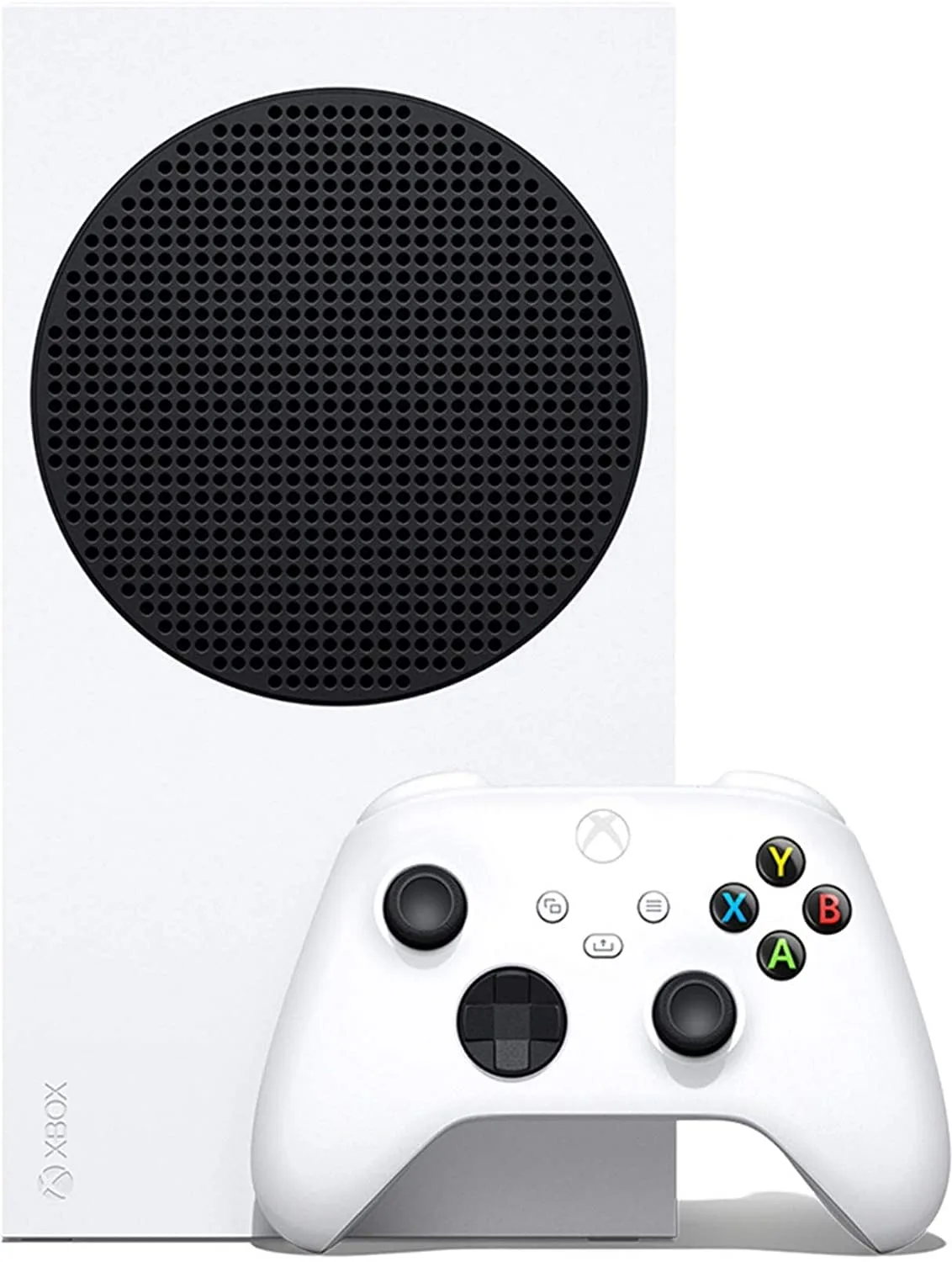
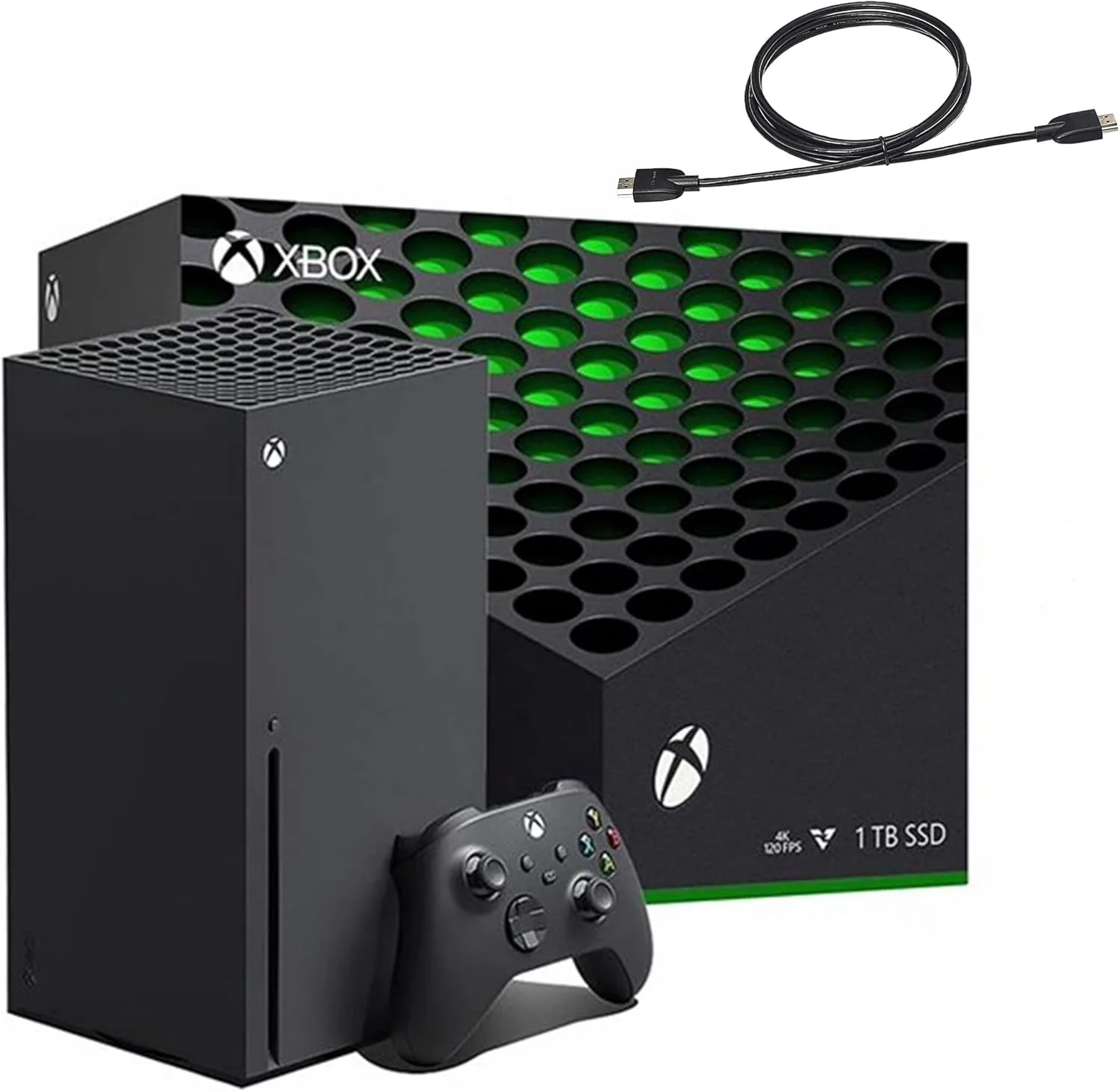
Xbox Series X/S — the most detailed and comprehensive controls, best for tech-comfortable parents. Microsoft's Family Safety app is widely regarded as the most thorough parental control system available across consoles — detailed activity reports, granular content filters based on age ratings, spending approval requirements, and controls that extend across Xbox, Windows PCs, and mobile if your household uses Microsoft accounts elsewhere too. The trade-off is a steeper initial learning curve to configure everything properly.
A practical age-based rule of thumb:
- Ages 5–8: Nintendo Switch, with online features either disabled entirely or very tightly restricted.
- Ages 9–12: Nintendo Switch remains a strong choice, though this is often when children start asking for PS5 or Xbox to play what their friends play — a reasonable point to introduce either with strict parental controls configured from day one.
- Ages 13+: PS5 or Xbox become more reasonable choices as content maturity and social gaming become a bigger part of how teens actually want to play, provided controls, communication restrictions, and spending limits are properly set up and periodically reviewed.
Setting Up Parental Controls: What Actually Works
Regardless of which console you choose, a few concrete steps make the single biggest difference:
- Create a family group with a separate child account on every platform — never let your child play under your own adult account, since restrictions apply per-account.
- Set age-rating restrictions matching your child's actual age, not the age they'd like to be treated as — content filters only work if configured honestly.
- Set daily or weekly time limits with an automatic cutoff, rather than relying on verbal reminders alone — every major console supports a hard time limit that ends the session automatically.
- Restrict communication features — set voice chat and messaging to "friends only" at minimum, and "no one" for younger children, since this is the single biggest lever against unwanted contact from strangers.
- Require approval for all purchases, or disable in-game spending entirely if your child doesn't yet need to make purchase decisions independently.
- Review activity reports periodically. Most platforms offer a summary of what was played and for how long — a useful, low-friction way to stay informed without hovering over every session.
Building Healthy Gaming Habits as a Family
Beyond console settings and technical controls, some of the most effective safeguards are simply good household habits that work alongside whatever restrictions you set:
Keep the console in a shared space rather than a bedroom, especially for younger children. This alone naturally limits both excessive time and unsupervised exposure to inappropriate content, without needing to rely purely on settings menus.
Play together sometimes. Cooperative and family-friendly titles are genuinely more fun shared, and playing alongside your child gives you a much better sense of what a game actually involves than reading a rating on a box ever could.
Treat gaming as one part of a balanced routine, not a replacement for physical activity, homework, or family time — the same principle that applies to any engaging activity, not something unique to games specifically.
Revisit settings as your child gets older. A restriction that made sense at age 8 may be unnecessarily strict — or, just as often, not strict enough — by age 13. Parental controls work best as an ongoing conversation rather than a one-time setup you configure and forget.
Talk openly about what they're playing, rather than only intervening when something goes wrong. Kids who feel comfortable telling a parent "someone said something weird in chat" or "this game feels different from what I expected" are far better protected than kids managed purely through silent, invisible restrictions.
Frequently Asked Questions
Is gaming actually addictive for children, or is that overstated? Some children do struggle with self-regulation around gaming, similar to how some struggle with any highly engaging activity — this is a real pattern, not a myth, though it's not universal or inevitable.
Solution: Set firm, consistently enforced time limits using the console's built-in tools from the very first day of ownership, rather than introducing limits only after a problem develops. Consistency matters more than the specific number of hours chosen.
Will video games make my child more violent or aggressive? The research here is genuinely mixed and depends heavily on the specific game and the child. Titles built around highly graphic or repeated violent themes carry real content concerns worth taking seriously, particularly for younger children — but the broad claim that "video games cause violence" isn't well supported by current evidence when age-appropriate titles are chosen.
Solution: Match the game's official age rating (ESRB/PEGI) to your child's actual age rather than their stated maturity, and review a game's content descriptors — not just its overall rating — before allowing a borderline title.
Do video games actually help my child's brain, or is that just marketing? Multiple independent, peer-reviewed studies — including large-scale research from Sweden's Karolinska Institute and US-based cognitive studies — have found associations between gaming and improved working memory, impulse control, problem-solving, and even modest IQ gains in children who game moderately to heavily, compared to those who don't game at all.
Solution: Lean toward genres with documented cognitive benefits — puzzle, strategy, open-world adventure, and well-designed sports simulations — rather than assuming all games or all screen time offer equal value.
How do I stop my child from talking to strangers online while gaming? Every major console lets you restrict who can message or voice-chat with your child, typically defaulting to "everyone" until you change it.
Solution: Go into family/parental settings on day one and restrict communication to "friends only" or "no one," and periodically review your child's actual friends list rather than assuming it stays accurate over time.
How do I stop unexpected spending on my child's console? Digital storefronts make impulse purchases genuinely easy, and children don't always grasp real-money cost the way adults do.
Solution: Set up spending limits or require purchase approval through the console's family management settings, and consider linking a prepaid or capped payment method rather than a card with open access to your full balance.
Which console is genuinely the safest starting point for a first-time young gamer in Kenya? For most families with younger children, the Nintendo Switch remains the easiest and most age-appropriate starting point, thanks to its family-friendly library and genuinely simple parental control app.
Solution: Start with a Nintendo Switch for children under roughly 10, and reassess as they get older and their social circle's gaming habits shift toward PS5 or Xbox — you can always add a second console later rather than starting with one that's harder to control from day one.
Where can I buy a genuine, warrantied console suited to my child's age in Kenya? City Gadgets Kenya's Gaming category stocks the full range — Nintendo Switch, PS5, and Xbox, new and refurbished — with genuine warranty, so you can choose confidently based on your child's age rather than settling for whatever's available from an unverified seller.
Solution: Reach out via WhatsApp and describe your child's age and interests — our team can help match the right console and point you toward age-appropriate titles rather than just selling whatever's in stock.
Final Word
The honest answer to "should I get my child a gaming console" isn't a simple yes or no — it's "yes, with the right console, the right settings, and the right games for their age." The research increasingly suggests moderate, well-chosen gaming genuinely supports cognitive development rather than harming it, but that benefit depends entirely on parents doing the upfront work of choosing appropriately and setting real boundaries — not on gaming being inherently good or bad in isolation. Kenyan gaming culture has always had a strong communal, family-oriented thread running through it, from neighborhood console parlours to living rooms today, and a console chosen and configured thoughtfully can be a genuine source of connection, skill-building, and fun for your family rather than a source of worry.
Browse genuine, warrantied consoles suited to every age at City Gadgets Kenya's Gaming category, or reach out on WhatsApp if you'd like personalized guidance on choosing the right console and games for your child.