Mi Box S 4K vs Mi TV Stick 4K: Which One Is Actually Better?
Quick answer up front: it's genuinely close, and the honest answer is "it depends on two things" — your storage needs and whether you want a box or a stick. These two devices, the Xiaomi Mi Box S 3rd Gen and the Xiaomi Mi TV Stick 4K 2nd Gen, run virtually identical internal hardware and the same Google TV 14 software, priced within Ksh 100 of each other in Kenya. This isn't a case of one device being clearly superior — it's a case of two very similar devices making different trade-offs. Here's the full breakdown, so you can pick the right one for your specific situation rather than just going with whichever name sounds more premium.
Which "4K" Devices Are We Actually Comparing?
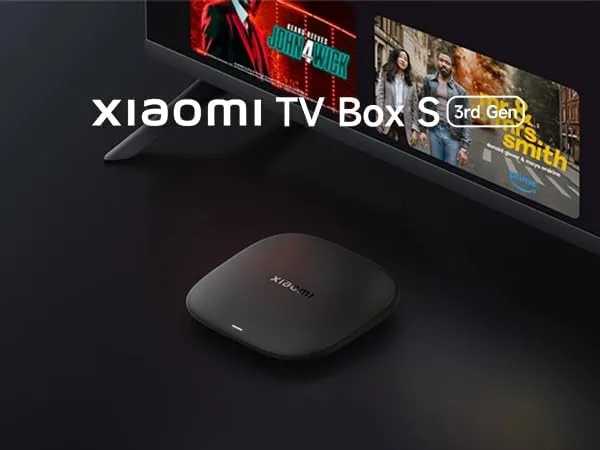
Worth clearing this up first, since Xiaomi's naming can get confusing. The current genuine 4K Mi Box S in Kenya is the 3rd Gen, priced at Ksh 8,400. On the stick side, Xiaomi sells two 4K sticks — the more basic Mi TV Stick 4K 1st Gen (Ksh 6,720, running older Android TV) and the considerably more capable Mi TV Stick 4K 2nd Gen (Ksh 8,500, running Google TV 14). Since the Mi Box S 3rd Gen and the Mi TV Stick 4K 2nd Gen are priced almost identically and share nearly the same internals, that's the genuinely meaningful head-to-head, and it's what the rest of this guide focuses on. (If you're actually deciding between the Mi Box S 3rd Gen and the cheaper 1st Gen stick, skip to the short note near the end — that comparison has a much clearer winner.)
Full Spec Comparison: Mi Box S 3rd Gen vs Mi TV Stick 4K 2nd Gen
| Spec | Mi Box S 3rd Gen | Mi TV Stick 4K 2nd Gen |
|---|---|---|
| Price in Kenya | Ksh 8,400 | Ksh 8,500 |
| Form Factor | Set-top box | Stick |
| Chip | Cortex-A55, 2.5GHz (6nm) | Cortex-A55, 2.5GHz + Mali-G310 V2 GPU |
| RAM | 2GB | 2GB |
| Storage | 32GB | 8GB |
| Operating System | Google TV 14 | Google TV 14 |
| Resolution | 4K Ultra HD | 4K Ultra HD |
| HDR | Dolby Vision, HDR10+ | Dolby Vision, HDR10+ |
| Audio | Dolby Atmos, DTS:X | Dolby Atmos, DTS:X |
| Wi-Fi | Wi-Fi 6 | Wi-Fi 6 |
| Bluetooth | Bluetooth 5.2 | Bluetooth 5.2 |
| HDMI | HDMI 2.1a | Standard HDMI |
| Remote | Voice remote, Google Assistant | Bluetooth voice remote, Google Assistant |
| Warranty | 12 months official | 12 months official |
Look at that table closely and you'll notice something important: these two devices are almost the same product wearing two different shapes. Same chip family, same clock speed, same software, same Wi-Fi standard, same audio formats, same warranty. There are genuinely only three differences that matter, and the whole decision comes down to them.
Difference 1: Storage — 32GB vs 8GB
This is the single biggest practical gap between the two, and it's not close. The Mi Box S 3rd Gen's 32GB of storage is four times the Mi TV Stick 4K 2nd Gen's 8GB. In everyday terms: 8GB comfortably fits a solid lineup of streaming apps — Netflix, Prime Video, YouTube, Showmax, DStv Stream, a couple of games — but starts to feel tight if you're the kind of household that installs apps freely and rarely deletes anything. 32GB gives you real breathing room, particularly if gaming apps, multiple kids' apps, or several regional streaming services are part of your plan.
If you tend to install a lot and never clean up, the Mi Box S 3rd Gen wins this one outright.
Difference 2: HDMI Standard — HDMI 2.1a vs Standard HDMI
The Mi Box S 3rd Gen ships with the newer HDMI 2.1a standard, which offers better bandwidth and compatibility with the latest televisions and AV receivers. The Mi TV Stick 4K 2nd Gen uses a more standard HDMI implementation. For most mid-range Kenyan households and televisions, this difference is genuinely unlikely to be noticeable day to day. It matters more if you own, or plan to own, a newer high-end TV or AV receiver that specifically takes advantage of HDMI 2.1's extra features.
If you have a newer, higher-end TV and AV setup, the Mi Box S 3rd Gen has the technical edge.
Difference 3: Form Factor — Box vs Stick
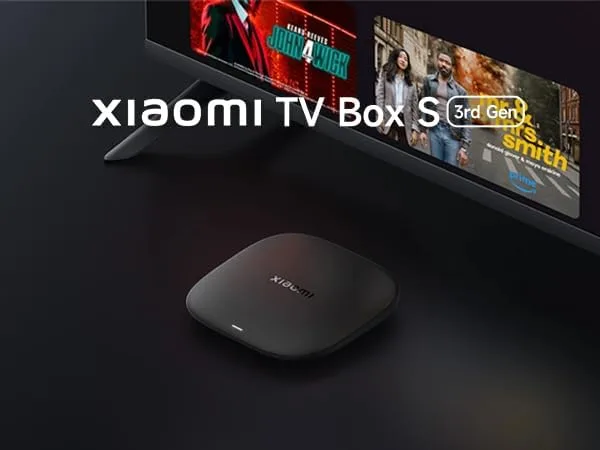
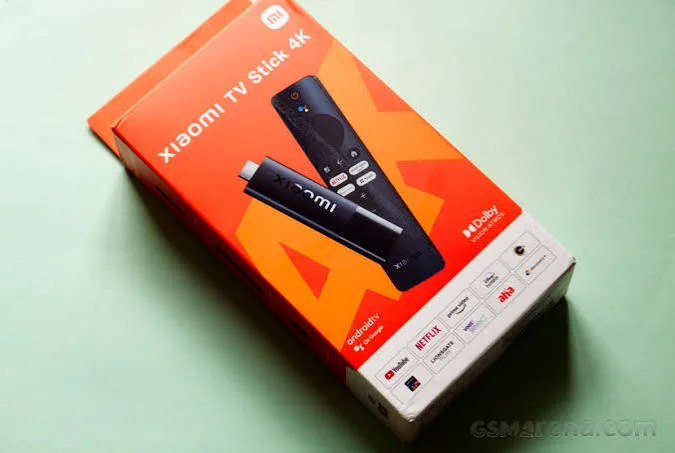
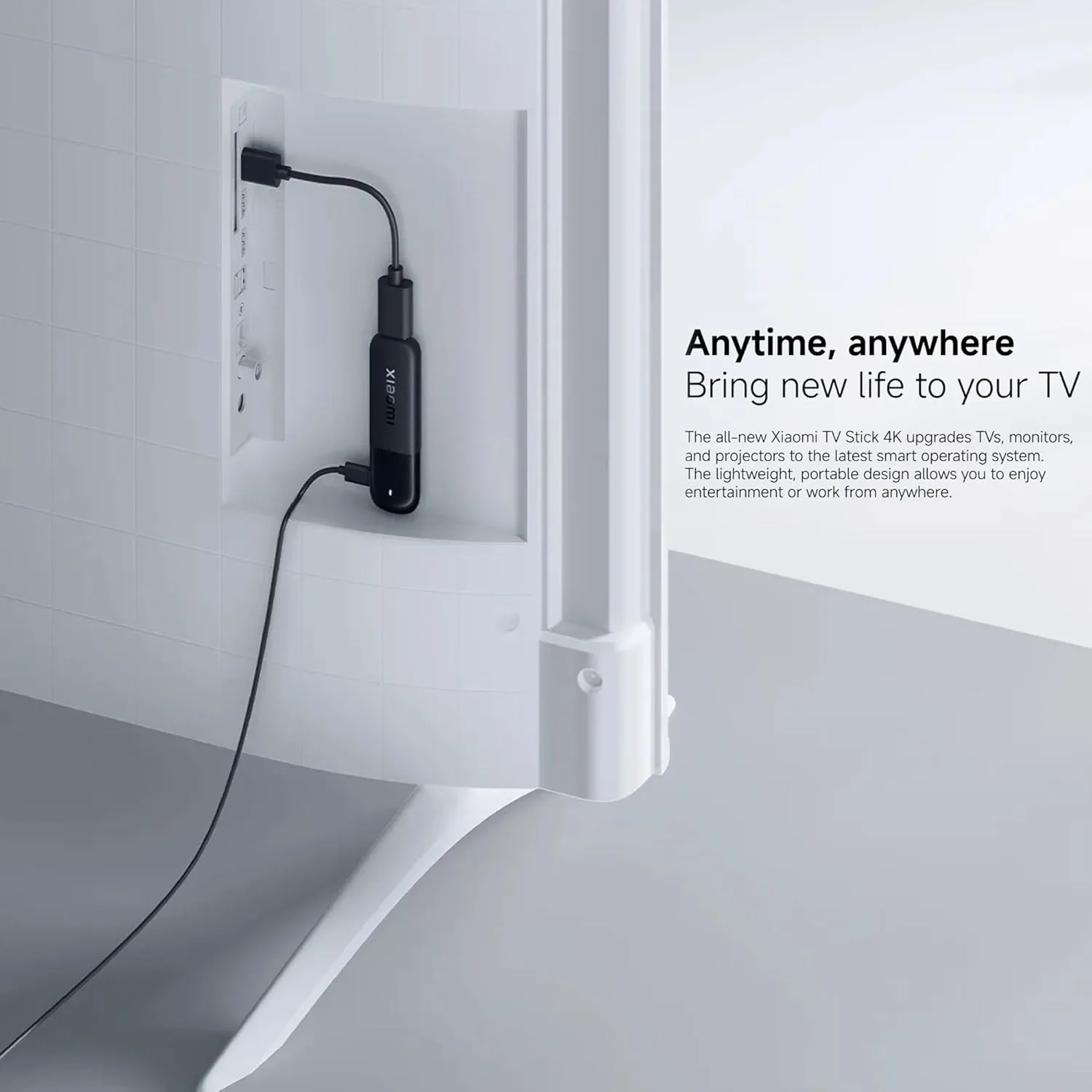
This is less about performance and more about how it fits into your living room. The Mi Box S 3rd Gen is a small box that sits beside or beneath your TV, connected by a short HDMI cable — better cable management for some setups, slightly better heat dissipation over long sessions, and no strain on your TV's HDMI port. The Mi TV Stick 4K 2nd Gen plugs directly into the HDMI port and disappears behind the TV entirely — more compact, more portable, easier to pack if you travel or move between rooms, and nothing extra sitting on your TV stand.
Neither wins here — it's purely personal preference. If your TV is wall-mounted with limited clearance behind it, the stick's ability to tuck away completely is a genuine convenience. If you'd rather avoid anything crammed against the back of a warm TV panel, the box is the more comfortable pick.
What's Identical Between Them (and Why That Matters)
It's worth stressing what doesn't change, because it means neither device is a "worse" buy overall — you're not sacrificing speed, picture quality, or software by choosing either one. Both run the same Cortex-A55 chip at 2.5GHz, so day-to-day speed and app responsiveness feel the same. Both run Google TV 14, so you get the identical modern, personalized interface with the full Google Play Store either way. Both support the same Dolby Vision, HDR10+ picture and Dolby Atmos, DTS:X audio formats, so picture and sound quality on a capable TV and system are indistinguishable. Both use Wi-Fi 6, so streaming stability in a busy Kenyan household is equally strong. And both come with the same genuine 12-month official warranty when bought properly.
In other words: this isn't a "which one performs better" question. Performance is a tie. It's a "which trade-off suits your home" question.
So, Which One Is Actually Better? The Verdict
Choose the Mi Box S 3rd Gen (Ksh 8,400) if: you want more storage headroom for apps and games, you have a newer TV or AV setup where HDMI 2.1a genuinely matters, or you simply prefer a box sitting on a shelf rather than a stick behind the screen.
Choose the Mi TV Stick 4K 2nd Gen (Ksh 8,500) if: you want the most compact, discreet setup with nothing visible near your TV, you plan to move the device between rooms or take it with you occasionally, or 8GB of storage is genuinely enough for the handful of apps you actually use.
If you're still torn and have no strong preference either way, lean toward the Mi Box S 3rd Gen — the 32GB of storage is the one difference here with real, lasting practical impact (running low on space is a genuine daily annoyance; a box sitting on a shelf is not), and it's marginally cheaper too.
Quick Note: What If You're Actually Comparing Against the Cheaper 1st Gen Stick?
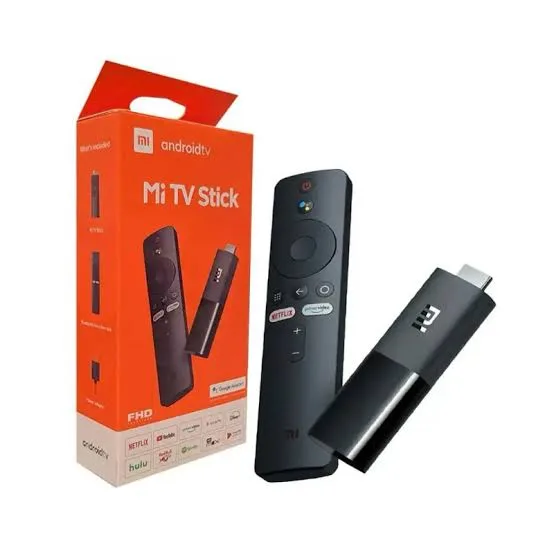
If your real choice is between the Mi Box S 3rd Gen (Ksh 8,400) and the more basic Mi TV Stick 4K 1st Gen (Ksh 6,720), this isn't a close call at all. The 1st Gen stick runs the older Android TV interface rather than Google TV 14, has no specified RAM/storage advantage to speak of, uses HDR10 only rather than Dolby Vision and HDR10+, and Dolby Audio rather than Dolby Atmos and DTS:X. It's a genuinely capable budget device, but the Mi Box S 3rd Gen is a clear step up in software, audio, and storage for roughly Ksh 1,700 more — worth paying if your budget stretches that far.
Why Buy Either One From City Gadgets Kenya
Since both devices are genuinely excellent and the decision comes down to personal fit rather than one being objectively better, what matters most afterward is buying a genuine, properly warrantied unit. City Gadgets Kenya stocks both the Mi Box S 3rd Gen and the full Mi TV Stick 4K range, each listed with its exact chip, RAM, storage, and software platform stated clearly upfront, backed by a 12-month official brand warranty, brand new and sealed, with same-day delivery within Nairobi and countrywide shipping across Kenya. Payment options include M-Pesa, card, or cash on delivery.
Reach out via WhatsApp to confirm current stock and pricing, or browse the listings directly: Mi Box S 3rd Gen and Mi TV Stick 4K 2nd Gen.
Frequently Asked Questions
Is the Mi Box S better than the Mi TV Stick 4K? Not objectively — they share the same chip, software, HDR, and audio support. The Mi Box S 3rd Gen has more storage (32GB vs 8GB) and a newer HDMI 2.1a port; the Mi TV Stick 4K 2nd Gen is more compact and portable. Neither wins on raw performance.
Which has better picture and sound quality, Mi Box S or Mi TV Stick 4K? Identical — both support Dolby Vision, HDR10+, Dolby Atmos, and DTS:X, and both run on the same processor.
Which is cheaper, Mi Box S 3rd Gen or Mi TV Stick 4K 2nd Gen? They're priced almost identically in Kenya — Ksh 8,400 for the Mi Box S 3rd Gen versus Ksh 8,500 for the Mi TV Stick 4K 2nd Gen.
How much storage does each have? The Mi Box S 3rd Gen has 32GB; the Mi TV Stick 4K 2nd Gen has 8GB. This is the single biggest practical difference between them.
Should I get a box or a stick? A box (Mi Box S 3rd Gen) suits households that want more storage and don't mind a small unit on the TV stand. A stick (Mi TV Stick 4K 2nd Gen) suits households that want everything tucked completely out of sight or want something portable.
Where can I buy a genuine Mi Box S or Mi TV Stick 4K in Nairobi? City Gadgets Kenya stocks both, genuine and warrantied, with same-day Nairobi delivery. Reach out via WhatsApp to confirm stock and pricing.
Final Word
There's no clear loser here — the Mi Box S 3rd Gen and Mi TV Stick 4K 2nd Gen are genuinely two versions of the same excellent Google TV 14 experience, wearing different shapes and making one meaningful trade-off in storage. If storage headroom or HDMI 2.1a matter to you, take the box. If a fully hidden, portable setup matters more, take the stick. Either way, you're getting the same speed, the same picture quality, and the same software — just in the form factor that suits your living room.
Browse both at City Gadgets Kenya, or reach out on WhatsApp to help decide which fits your setup.