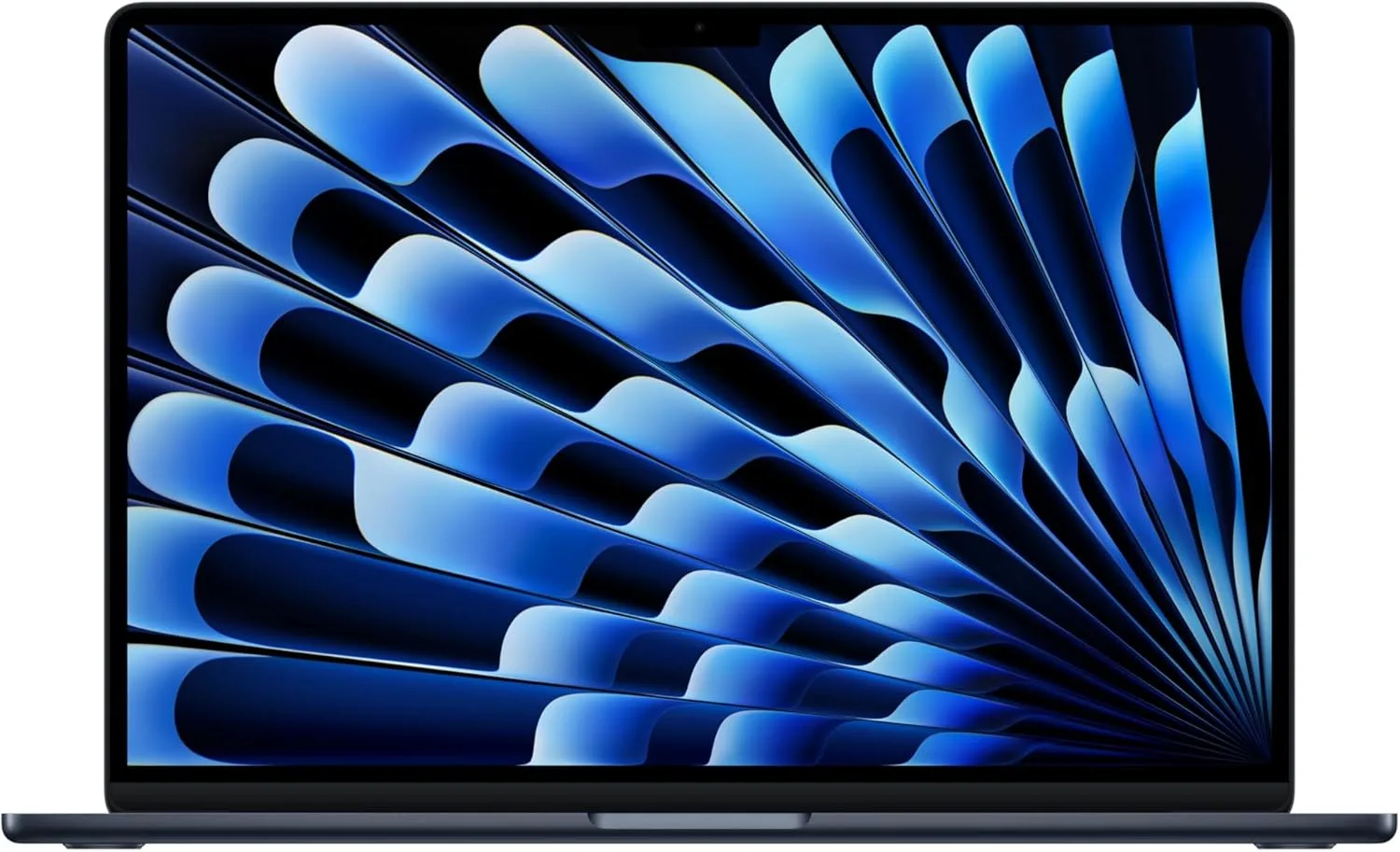
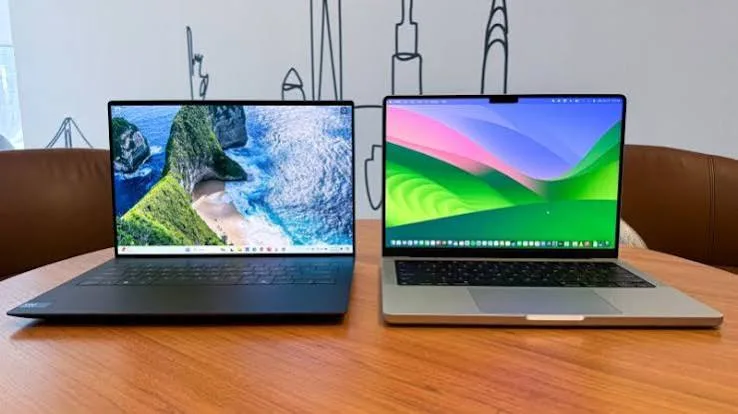
MacBook vs Windows Laptop in Kenya 2026: Which Is Worth Buying?
Few laptop-buying questions in Kenya generate as much genuine debate as MacBook versus Windows laptop — and for good reason, since the two ecosystems differ meaningfully in price, software compatibility, and day-to-day experience in ways that matter specifically for the Kenyan market. Whether you're searching for the best laptop in Kenya for students, comparing MacBook Air prices in Nairobi against an equivalent Windows business laptop, or simply trying to decide which platform genuinely suits how you work, this guide gives you an honest, detailed comparison grounded in real configurations available at City Gadgets Kenya.
The Honest Starting Point: Price Realities in Kenya's Laptop Market
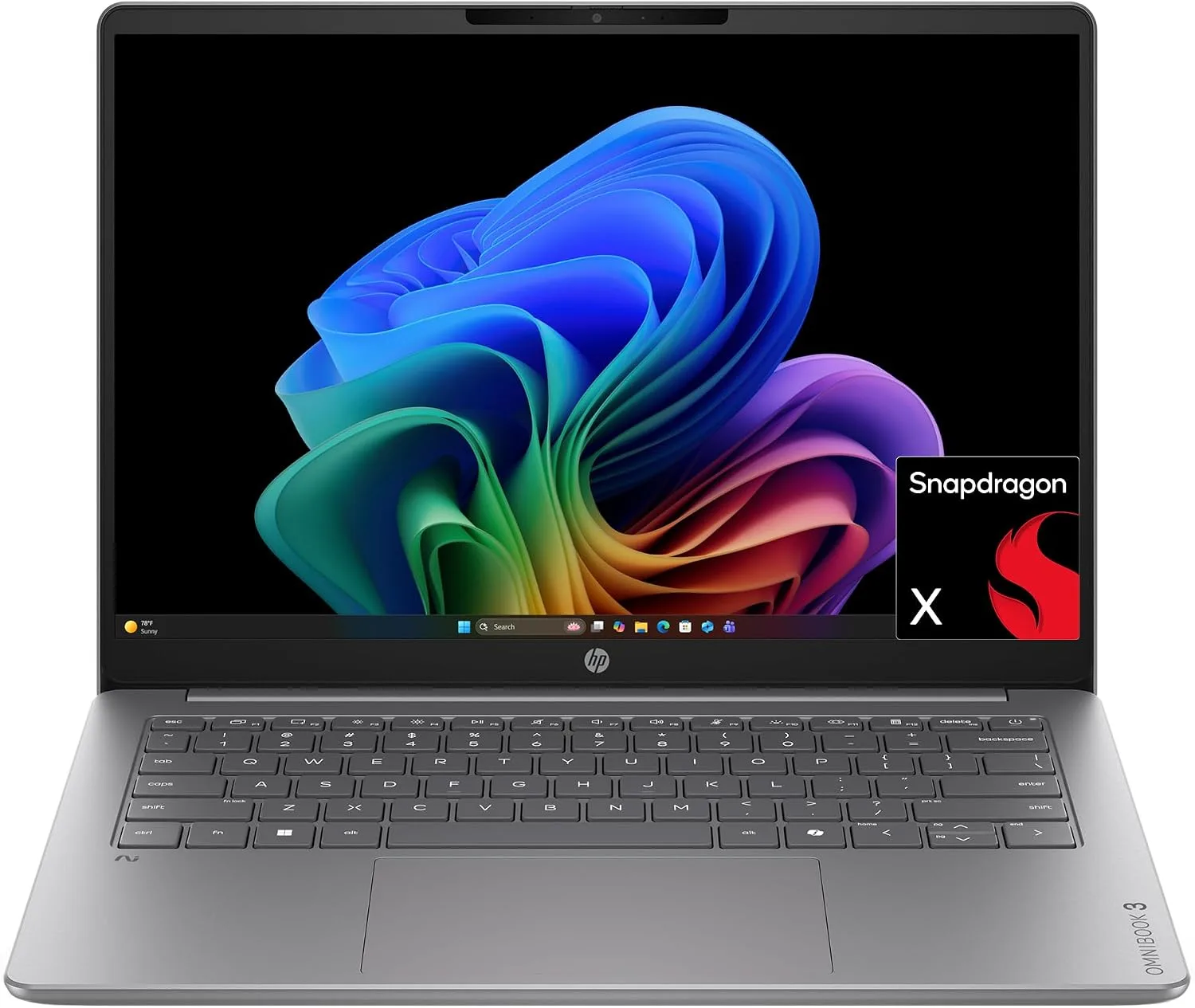
It's worth being direct about this before anything else, since price is genuinely the first consideration for most Kenyan buyers. A refurbished MacBook — even an older Intel-based model — typically costs meaningfully more than an equivalent-generation Windows business laptop (ThinkPad, EliteBook, Latitude) with comparable specifications, in Kenya's refurbished and second-hand laptop market. This isn't a Kenya-specific quirk — it reflects Apple's global pricing and resale value patterns, where MacBooks depreciate more slowly than most Windows laptops, meaning even used and refurbished units command a genuine price premium.
What this means practically for budget-conscious buyers: if your absolute priority is maximum specification (RAM, processor generation, storage) for your available budget, a Windows business laptop from HP, Dell, or Lenovo will almost always out-spec an equivalent-priced MacBook. If you specifically want Apple's ecosystem, macOS, or Apple silicon's genuine efficiency advantages, that premium is a real, known cost worth budgeting for deliberately rather than being surprised by later.
What Genuinely Differs Between macOS and Windows
Beyond price, it's worth explaining the practical, day-to-day differences that matter for how you'll actually use your laptop in Kenya.
Software compatibility is the single most practical consideration. Many Kenyan businesses, government platforms (including KRA's iTax and various banking portals), and specialised local software are built and tested primarily for Windows. While most also work on macOS through a web browser, some older or more specialised desktop software genuinely requires Windows specifically — worth confirming before committing to a MacBook if your work depends on particular software.
Apple silicon (M1 and later) offers genuinely excellent battery life and efficiency. This is one of the clearest, most measurable MacBook advantages — Apple's own chip architecture delivers meaningfully better performance-per-watt than most equivalent-generation Intel or AMD processors in Windows laptops, translating into real, noticeable battery life advantages for everyday use.
Windows offers dramatically broader hardware and software choice. Because Windows runs across laptops from dozens of manufacturers at every price point, Kenyan buyers genuinely have more configuration flexibility — more RAM options, more storage tiers, more form factors (convertibles, touchscreens, workstations) — than the comparatively narrower MacBook lineup offers.
File compatibility with international clients and collaborators matters for some professions. Certain industries (particularly creative fields — design, video editing, music production) have historically leaned toward Mac, meaning some Kenyan freelancers and creative professionals find smoother file compatibility and workflow alignment with international clients or collaborators who also use Macs.
Price Comparison Across Common Configurations
| Laptop Type | Typical Configuration | Approximate Price Range in Kenya's Refurbished Market |
|---|---|---|
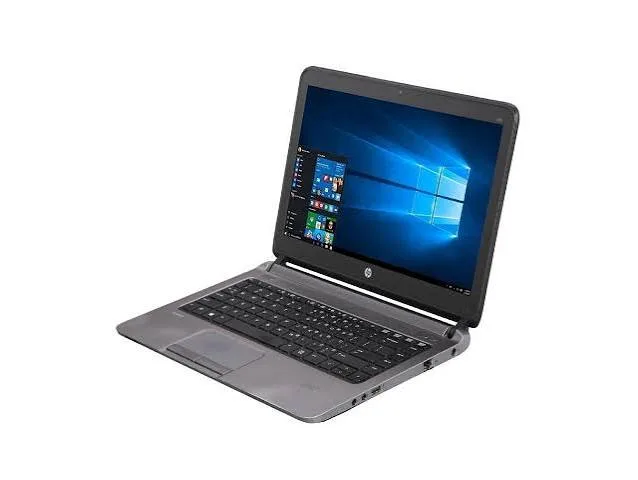
| Windows business laptop (ThinkPad/EliteBook/Latitude) | Core i5, 8GB RAM, SSD | KES 25,000–45,000 |
| Windows business laptop (premium) | Core i7, 16GB RAM, SSD | KES 40,000–70,000 |
| MacBook Air (Intel-based, older generation) | Core i5/i7, 8-16GB RAM | KES 45,000–70,000 |
| MacBook Air (Apple silicon, M1) | 8-16GB unified memory | KES 65,000–90,000+ |
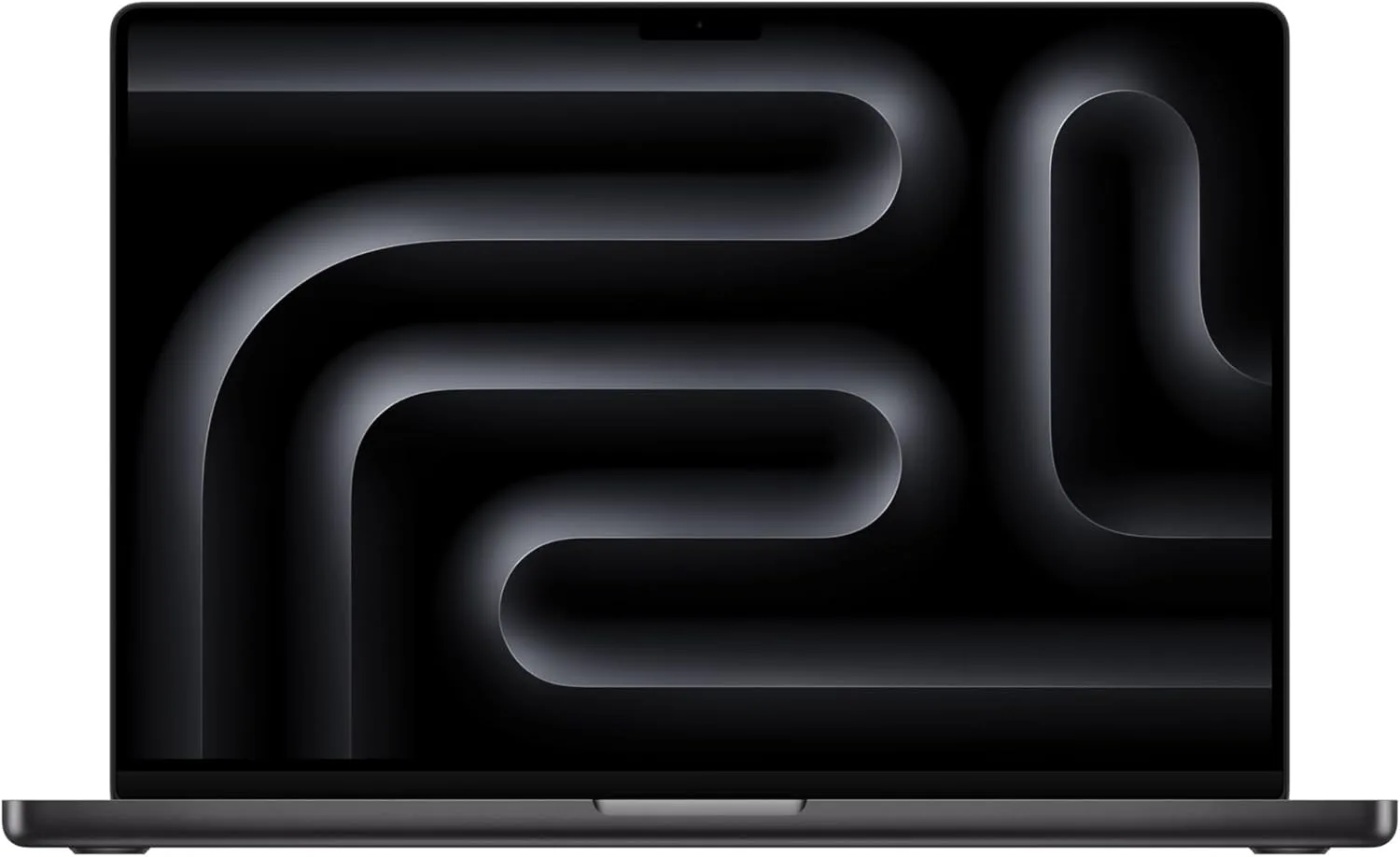
| MacBook Pro (Apple silicon, M1, 16-inch) | 16GB unified memory | KES 130,000+ |
Prices vary based on exact specification, condition, and generation — confirm current pricing directly with your seller.
Who Genuinely Benefits More From a MacBook in Kenya
Creative professionals working in design, video editing, or music production, particularly those collaborating with international clients or agencies who also work primarily on Mac, genuinely benefit from smoother file compatibility and workflow alignment.
Remote workers prioritising maximum battery life for long working days without reliable access to power, given Apple silicon's genuine efficiency advantage discussed above.
Buyers already invested in Apple's ecosystem — iPhone, iPad, or other Apple devices — who benefit from the seamless file-sharing, messaging, and continuity features Apple builds across its own product line specifically.
Anyone whose specific software or professional field has a strong historical preference for Mac (certain design, publishing, or audio production fields) where industry convention and file compatibility genuinely matter for professional collaboration.
Who Genuinely Benefits More From a Windows Laptop in Kenya
Anyone working with Kenyan business software, government platforms, or specialised local industry tools that are built and tested primarily for Windows, avoiding potential compatibility friction.
Budget-conscious buyers wanting maximum specification for their money — as covered above, Windows business laptops consistently out-spec equivalent-priced MacBooks in Kenya's refurbished market.
Students and professionals needing specific convertible, touchscreen, or workstation-class configurations (CAD-certified graphics, X360 convertibles) that simply aren't available within Apple's narrower MacBook lineup.
Accountants and business users relying on Windows-specific accounting or ERP software common in Kenyan small and medium businesses, where Mac compatibility isn't guaranteed or requires workarounds.
Anyone whose employer or clients mandate Windows-specific tools — certain corporate VPN clients, security software, or remote desktop tools that some organisations require specifically.
Understanding Apple Silicon: Why the M1 Generation Changed the MacBook Value Proposition
This deserves specific explanation, since it's genuinely reshaped how MacBooks perform relative to comparable Windows laptops. Before 2020, MacBooks used the same Intel processors as Windows laptops, meaning the performance comparison was primarily about software ecosystem rather than raw hardware capability. Apple's shift to its own silicon (the M1 chip and its successors) represents a genuine architectural leap — these chips are designed specifically for Apple's own software, offering markedly better battery life and, for many creative applications, meaningfully faster performance than equivalent-generation Intel processors, at lower power draw and with less heat and fan noise.
Practical implication for Kenyan buyers: an older, Intel-based MacBook (pre-2020) doesn't carry this same efficiency advantage — it performs more comparably to an equivalent-generation Windows laptop, meaning the case for choosing it over a similarly-priced Windows business laptop rests more on software ecosystem preference than a genuine hardware efficiency gap. A newer, Apple silicon MacBook genuinely does offer a measurable, real-world advantage in efficiency and battery life that's worth the price premium if this specifically matters to your use case.
MacBook Air vs MacBook Pro: Which Should You Consider
For buyers who've decided a MacBook is the right choice, it's worth understanding this internal distinction too. The MacBook Air prioritises thin, light portability and silent, fanless operation, making it genuinely well-suited to everyday productivity, browsing, and moderate creative work. The MacBook Pro adds stronger sustained performance (with active cooling) and, on larger 16-inch configurations, more powerful M1 Pro or Max-class chips — genuinely worth the additional cost specifically for demanding video editing, music production, or 3D rendering work, but unnecessary specification for buyers whose needs are primarily everyday productivity and browsing.
Case Studies: Real Kenyan Buyers Weighing MacBook vs Windows
The Nairobi-based freelance video editor working with international clients. Regularly exchanging project files with editors and agencies abroad who work primarily in Final Cut Pro on Mac, this buyer genuinely benefits from a MacBook's smoother file compatibility and the Apple silicon efficiency covered above. A refurbished MacBook Pro with Apple silicon suits this specific international workflow.
The university student comparing a MacBook Air price in Kenya against a Windows ultrabook. Torn between wanting the MacBook's sleek design and battery life against a tighter student budget, this buyer often finds that a well-specified Dell XPS 13 or HP Spectre X360 delivers comparable everyday performance and a similarly premium feel at a more accessible price than an equivalent MacBook Air.
The small business owner using Windows-specific accounting software. Running QuickBooks Desktop or a Kenyan-specific ERP tool that lacks reliable native Mac support, this buyer genuinely needs to stay within the Windows ecosystem to avoid compatibility friction, making a Dell Latitude or HP EliteBook the safer, more practical choice regardless of MacBook's other appeals.
The graphic designer already invested in an iPhone and iPad. Wanting seamless file handoff between devices — starting a sketch on iPad, refining it on a laptop, reviewing on iPhone — this buyer gets genuine, tangible value from staying within Apple's ecosystem that a Windows laptop simply can't replicate, making the MacBook price premium a reasonable trade for this specific workflow benefit.
The IT support technician managing a mixed office fleet. Responsible for maintaining and troubleshooting a Kenyan office's computer fleet, this buyer often prefers standardising on Windows laptops specifically because troubleshooting tools, remote management software, and spare parts availability are generally more accessible and familiar within the Windows business laptop ecosystem (ThinkPad, EliteBook, Latitude) than for a smaller number of MacBooks mixed into the same fleet.
Buying a Refurbished MacBook in Kenya: What to Check Specifically
Beyond the general refurbished laptop checks covered throughout our buying guides, a few considerations are genuinely specific to MacBooks:
Battery cycle count — accessible through macOS system information — gives a more precise picture of battery wear than simply asking about "battery health" in general terms, since Apple's own diagnostic tools report this figure directly.
Confirm whether the unit is Intel-based or Apple silicon, since as covered throughout this guide, this distinction genuinely affects performance and efficiency — some older listings may not make this immediately clear, so confirm directly.
Check for iCloud lock or Activation Lock status before purchasing, a security feature specific to Apple devices that can render a MacBook unusable if the previous owner's Apple ID wasn't properly removed — a reputable seller will confirm this has been cleared before sale.
Confirm keyboard generation, since certain MacBook keyboard generations (particularly some 2016-2019 "butterfly mechanism" keyboards) had documented reliability concerns that Apple later redesigned — worth asking your seller directly if buying an older Intel-based unit from this specific era.
Setting Up Windows-Specific Software on a Mac: Genuine Options and Limitations
For buyers who've chosen a MacBook but occasionally need specific Windows software, it's worth understanding the realistic options rather than assuming an easy universal fix. Boot Camp (available on Intel-based MacBooks, though not supported on Apple silicon models) allows installing a full, separate Windows installation that you switch to on startup — a genuine, functional solution but one that requires a valid Windows license and dedicated storage space. Virtualisation software (like Parallels Desktop) lets you run Windows within macOS simultaneously, though this comes with a licensing cost and some performance overhead compared to running software natively. For most Kenyan buyers whose work depends heavily and consistently on Windows-specific software, it's genuinely more practical to choose a Windows laptop directly rather than working around the limitation on a Mac — reserve MacBook consideration for cases where Windows-specific software need is occasional rather than central to your daily work.
Common Myths About MacBooks and Windows Laptops in Kenya, Addressed Honestly
"MacBooks never get viruses." This is an oversimplification — macOS does have a smaller share of malware targeting it compared to Windows, partly due to smaller market share making it a less attractive target, but it isn't genuinely immune, and basic security practices remain worthwhile regardless of platform.
"Windows laptops are always cheaper than MacBooks." Generally true at equivalent specification levels in Kenya's refurbished market, as covered in our price comparison table above, though the specific gap varies by exact configuration and generation being compared.
"You can't run Windows software on a Mac at all." Not entirely accurate — certain virtualisation or compatibility tools exist for running some Windows software on a Mac, though this adds complexity and isn't a seamless, guaranteed solution for all software, making it a genuine consideration rather than a simple workaround for buyers whose work depends heavily on Windows-specific tools.
"A refurbished MacBook isn't worth buying because Apple stops supporting old models quickly." Apple actually provides multi-year software update support for its models, and older MacBooks remain functional well beyond their official support window for everyday, non-security-critical use — though buyers should factor in eventual software support end-of-life when planning a long-term purchase.
Frequently Asked Questions
Is a MacBook genuinely worth the extra cost compared to a Windows laptop in Kenya? It depends entirely on your specific needs — if Apple silicon's battery efficiency, macOS-specific software, or ecosystem integration with other Apple devices genuinely matters to your work, yes. If your priority is maximum specification per shilling spent, a Windows business laptop typically offers better raw value.
Can I run Microsoft Office and other business software on a MacBook? Yes — Microsoft Office has full native macOS versions, and most standard business software (browsers, email clients, video conferencing tools) work identically well on both platforms.
Is it harder to find genuine, warrantied refurbished MacBooks in Kenya compared to Windows laptops? MacBooks are somewhat less common in Kenya's refurbished laptop market than Windows business laptops overall, given the smaller global supply compared to corporate Windows laptop fleets, though reputable sellers like City Gadgets Kenya do stock genuine, tested MacBook configurations.
Should I buy an older Intel-based MacBook or wait/save for an Apple silicon model? If budget allows, an Apple silicon (M1 or later) MacBook offers a genuinely more current architecture with meaningfully better efficiency; an older Intel-based MacBook remains functional and more accessible in price, but doesn't carry the same efficiency advantage discussed throughout this guide.
Do MacBooks hold their resale value better than Windows laptops in Kenya? Generally yes — this pattern holds globally and in Kenya's second-hand market specifically, partly explaining why even older, used MacBooks command a genuine price premium over equivalent-age Windows laptops.
Is a Windows laptop or MacBook better for a Kenyan student? This depends on your course, as covered in our dedicated student laptop guide — most Kenyan university coursework and software is genuinely Windows-first, making a well-specified Windows business laptop the safer, more broadly compatible default choice for most students, with MacBooks worth considering specifically for design, media, or creative-focused programmes.
Can I get after-sales support and repairs for a refurbished MacBook in Kenya? Reputable sellers, including City Gadgets Kenya, can advise on support options for refurbished MacBooks — worth confirming directly what support looks like before purchase, since Apple's own official service network in Kenya may have different access and cost considerations than Windows laptop repairs.
Is it worth buying a MacBook secondhand from an individual seller rather than a dealer in Kenya? This carries genuinely more risk than buying from a reputable refurbished laptop dealer — individual sellers rarely offer any warranty, may not disclose Activation Lock or iCloud lock status honestly, and provide no after-sales recourse if problems arise, unlike established sellers who test units and stand behind their sales.
Does a MacBook genuinely last longer than a Windows laptop in Kenya's climate and conditions? Both platforms use similar underlying hardware components (screens, batteries, storage) subject to the same environmental factors — the more relevant durability difference in this guide is business-grade Windows laptops' (ThinkPad, EliteBook, Latitude) military-grade testing standards discussed in our other buying guides, rather than a Mac-specific durability advantage.
Should I buy a MacBook Air or MacBook Pro if I'm not sure which I need? For most everyday productivity, browsing, and moderate creative work, the MacBook Air's lighter, fanless design is genuinely sufficient — reserve the MacBook Pro specifically for demanding video editing, music production, or 3D work where its stronger sustained performance under active cooling makes a real difference.
Are there genuine cost savings in choosing Windows over Mac if I don't have strong software preferences either way? Yes — as covered in our price comparison table, a well-specified Windows business laptop typically offers stronger raw specifications (RAM, processor generation, storage) for the same budget compared to an equivalent-priced MacBook, making Windows the more cost-effective default choice absent a specific reason to prefer macOS.
Compare MacBooks and Windows Laptops at City Gadgets Kenya
Every laptop at City Gadgets Kenya — MacBook and Windows business laptop alike — is fully tested and backed by a genuine 6-month warranty. Browse our full laptops category to compare specific MacBook and Windows configurations directly, or message us on WhatsApp and tell us your software needs and budget — we'll help you decide honestly which platform genuinely fits.