iPhone or Samsung? Here's How to Actually Decide
This might be the single most common phone question asked in Kenya, and the honest truth is there's no universally correct answer — only the answer that's correct for how you actually use a phone. Both ecosystems build genuinely excellent flagships in 2026, and anyone telling you one is simply, objectively better than the other is oversimplifying a decision that deserves more thought than brand loyalty alone. This guide walks through exactly how to think about the decision — not by picking a side, but by helping you figure out which side actually fits your life.
Start Here: The Question That Matters More Than Specs
Before comparing a single spec, ask yourself this: what other devices do you already own? This single question does more to determine the right answer than every camera megapixel count or benchmark score combined.
If you already own a MacBook, an iPad, or AirPods, an iPhone slots into that world with a level of seamlessness Android genuinely can't replicate — Handoff, Universal Control, AirDrop, and iMessage all work together in ways that meaningfully improve daily workflow once you're inside that ecosystem. If you already own a Galaxy Watch, Galaxy Buds, or use a Windows PC regularly, Samsung's ecosystem — SmartThings integration, Samsung DeX turning your phone into a desktop-style computer, Quick Share — offers the equivalent benefit on the Android side.
If you're starting completely fresh with no existing ecosystem investment, the decision genuinely comes down to how you actually use a phone day to day, which is exactly what the rest of this guide breaks down.
Camera: Consistency vs. Versatility
This is usually the first thing people ask about, and the honest answer is that both brands are excellent, but in different ways.
iPhone's strength is consistency. Across the iPhone 17 lineup, Apple's camera processing tends to produce reliably accurate colors and skin tones straight out of the camera, with minimal editing needed before you post. If you want to shoot and share quickly without fiddling with settings or filters, this consistency is genuinely valuable — what you shoot tends to look close to "done" immediately.
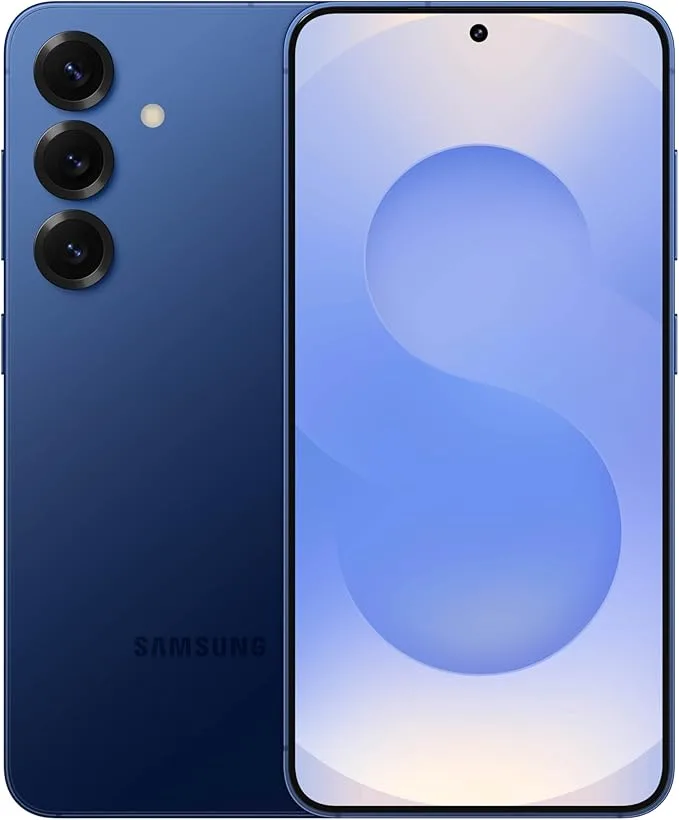
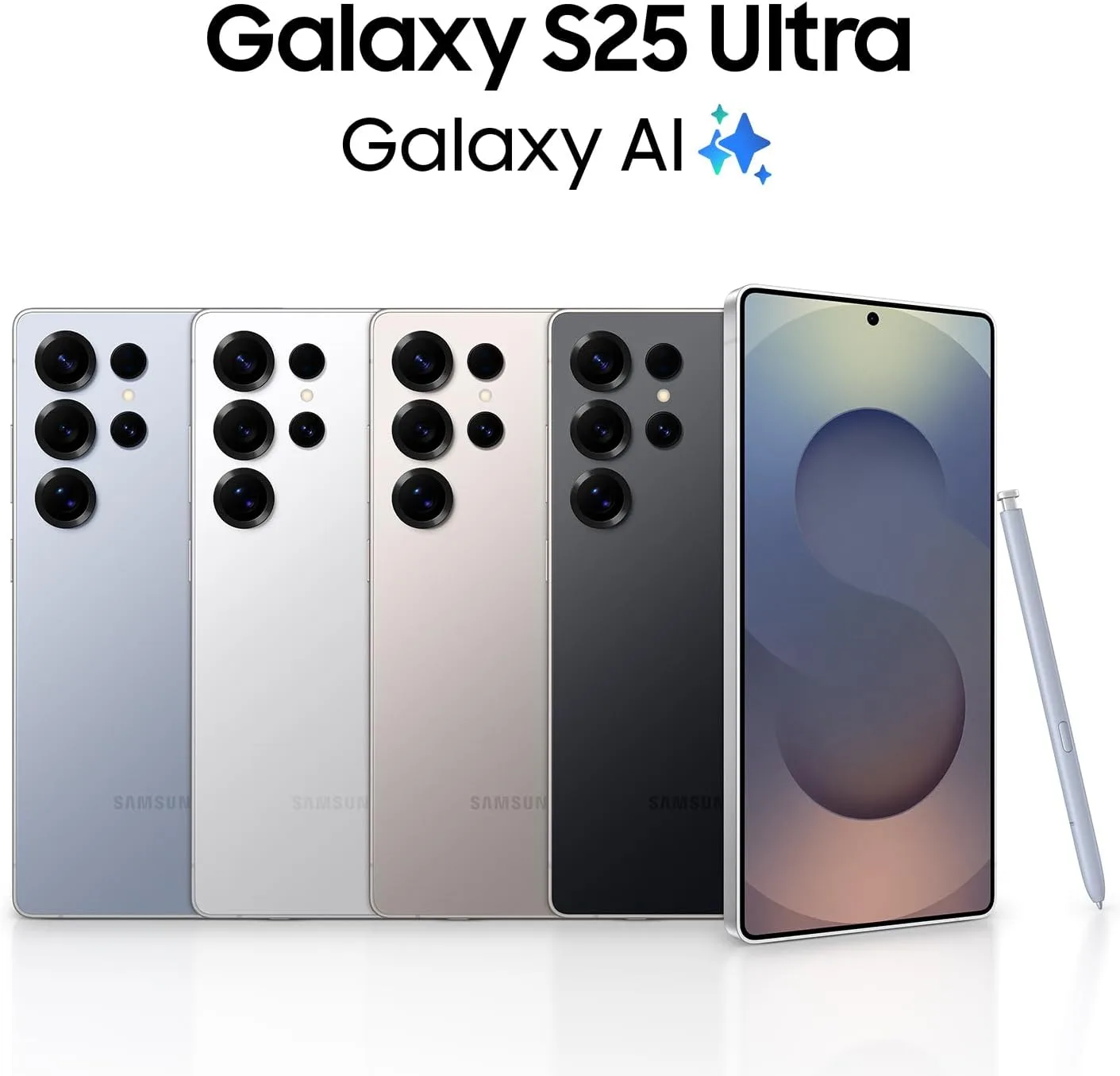
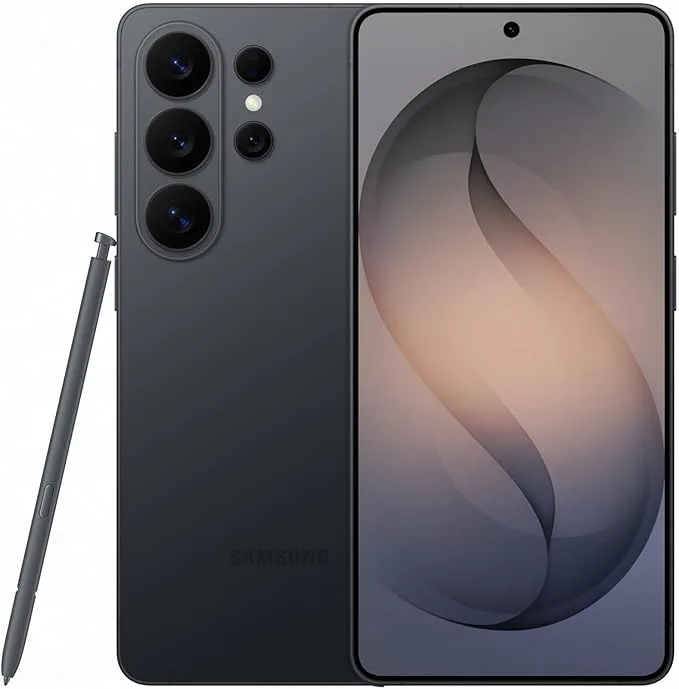
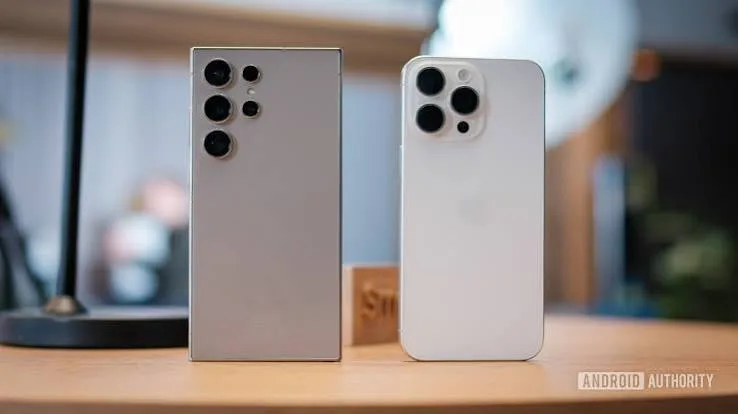
Samsung's strength is versatility and raw resolution. The Galaxy S26 Ultra's 200MP main sensor and quad-camera system, including dual telephoto lenses, gives you more creative flexibility — cropping into shots without losing much detail, and a wider practical zoom range than iPhone currently offers. Samsung's processing also tends to produce punchier, more vibrant images out of the box, which some people prefer and others find slightly over-processed compared to iPhone's more neutral rendering.
Neither is objectively "better." If you shoot casually and want reliably good results with zero fuss, lean iPhone. If you want more creative control, longer zoom range, and don't mind occasionally adjusting settings to get exactly the look you want, lean Samsung.
Software Experience: Restraint vs. Customization
iOS is intentionally more restrained and consistent. Apple controls both the hardware and software tightly, which means a more predictable, polished experience — but also less flexibility to customize how your phone looks and behaves. If you want a phone that simply works the same reliable way every day without much tinkering, this is a genuine strength, not a limitation.
Samsung's One UI, built on Android, is considerably more customizable. Widgets, default apps, home screen layout, split-screen multitasking, and Samsung DeX all offer a level of control iOS doesn't match. If you like tailoring your phone's behavior to your specific workflow, or you're someone who genuinely enjoys exploring settings and personalization, Samsung's flexibility is a real advantage.
Update longevity is now essentially equal. Both Samsung and Apple have converged on offering roughly seven years of software support on their current flagships — a genuine shift from a few years ago when this was a clearer point of difference in Apple's favor.
Build and Hardware Extras Worth Knowing About
The S Pen remains Samsung-exclusive. If stylus input — note-taking, sketching, precise document markup — matters to you, the Galaxy S26 Ultra is the only flagship option between the two brands that offers it. Apple has no equivalent in the iPhone lineup at all.
iPhone's build materials lean toward long-term durability. Titanium frames and Ceramic Shield glass across the Pro lineup are built to hold up well over years of daily use, and iPhones have historically retained resale value in Kenya's secondhand market better than comparable Android flagships — worth factoring in if you plan to upgrade again in a couple of years and want to recover some of your investment.
Samsung's Galaxy S26 Ultra includes a genuinely novel feature: Privacy Display, a hardware-level technology that narrows the screen's viewing angle on demand — genuinely useful if you handle sensitive information on public transport or in shared office spaces, and something no iPhone currently offers.
AI Features: Apple Intelligence vs. Galaxy AI
Both ecosystems have invested heavily in on-device AI, with different philosophies. Apple Intelligence leans conservative and privacy-focused, prioritizing tighter integration with core apps like Photos and Messages over raw feature breadth. Galaxy AI, layered into Samsung's One UI, tends to offer broader feature coverage — live translation and interpretation, generative photo editing, and smart writing assistance — sometimes at the cost of feeling like a collection of individual features rather than one seamless assistant. Neither is dramatically ahead of the other at this point; the difference is more about philosophy than raw capability.
Price in Kenya: Where the Real Trade-Off Often Sits
This is where the decision often gets genuinely practical rather than purely philosophical. Comparing equivalent tiers in Kenya:
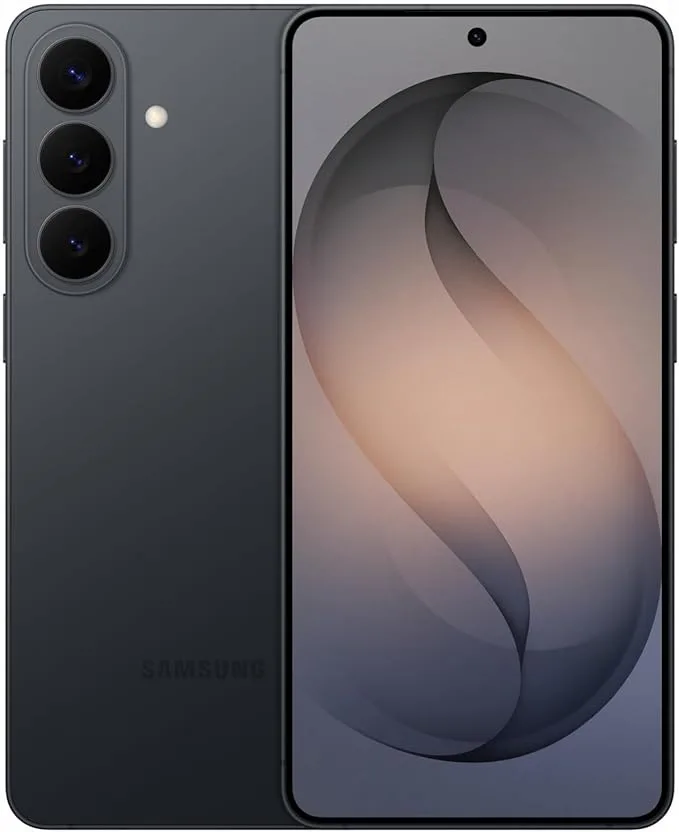
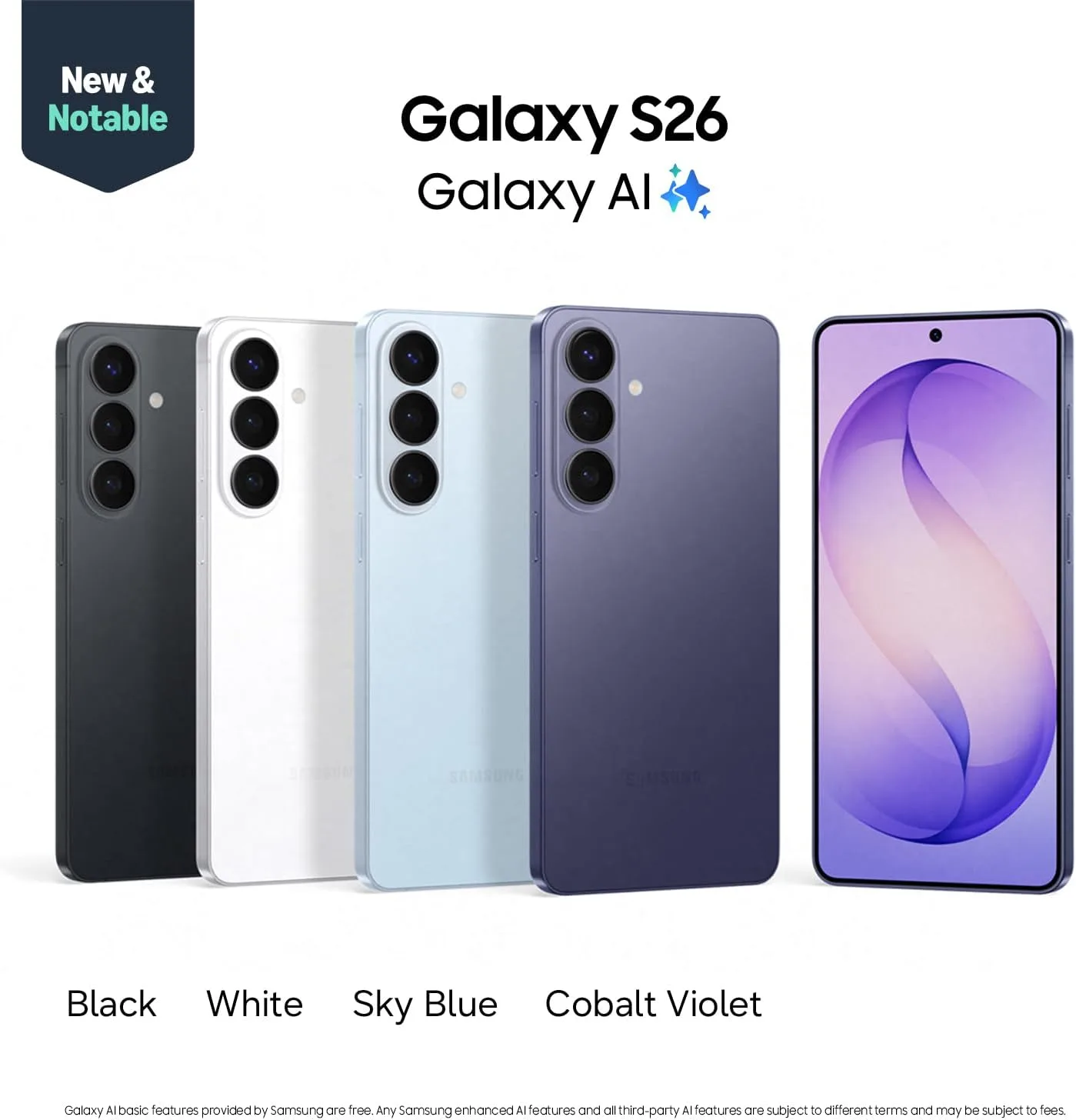
- Entry-level flagship: The Galaxy S26 (from roughly KES 95,000) tends to undercut the standard iPhone 17 (from roughly KES 106,500) at the entry tier, while offering comparable core performance.
- Top-tier flagship: The Galaxy S26 Ultra generally undercuts an equivalently-specced iPhone 17 Pro Max, particularly at higher storage tiers where Apple's pricing climbs steeply — while offering more camera versatility (four rear lenses versus three) and S Pen support Apple simply doesn't compete with.
If budget is a significant factor in your decision, Samsung's lineup generally offers more configuration and storage for your money at a comparable price point — though it's worth weighing that against iPhone's stronger resale value if you plan to sell or trade in within a few years.
A Simple Way to Actually Decide
Rather than agonizing over spec sheets, ask yourself these questions in order:
- Do I already own Apple or Samsung devices? If yes, that ecosystem is very likely your answer — the daily convenience of staying within one ecosystem usually outweighs any individual feature advantage the other brand offers.
- Do I need a stylus for work or creative use? If yes, Samsung's Galaxy S26 Ultra is your only option between the two.
- Do I want the most consistent, minimal-editing photo and video results? Lean iPhone.
- Do I want the most camera versatility, zoom range, and customization control? Lean Samsung.
- Is maximizing value for my budget the deciding factor? Samsung generally offers more configuration for less money at comparable tiers, though iPhone often holds resale value better over time.
- Do I care more about long-term resale value than day-one configuration? iPhone tends to win here in Kenya's secondhand market specifically.
If you land on genuinely mixed answers, that's a sign either brand will serve you well — at that point, the deciding factor can reasonably just be which one feels better in your hand, or which ecosystem your friends and family already use, since shared accessories and troubleshooting help matter more day to day than most people expect.
Buy Whichever You Choose, the Smart Way
Regardless of which brand you land on, how and where you buy matters just as much as the decision itself. Kenya's phone market — for both iPhone and Samsung flagships — includes a genuine risk worth taking seriously: as covered in our deeper look at the reactivated phone problem in Kenya, a meaningful share of "new, sealed" phones moving through informal import channels are actually units activated elsewhere, reset, and resold as new. This risk applies to flagship Samsung phones just as much as it does to iPhones, so whichever brand you choose, verification before you pay is non-negotiable.
Why City Gadgets Kenya Makes This Decision Easier
Here's the genuinely useful part: you don't have to choose your retailer separately from your brand decision. City Gadgets Kenya carries both ecosystems properly, which means you can compare real units side by side rather than getting locked into whichever brand a single-brand retailer happens to specialize in.
Every phone listed as new is genuinely new and non-activated — iPhone or Samsung, no exceptions, no reactivated Dubai or China imports disguised as fresh stock.
Refurbished units are honestly labeled and separately priced, backed by up to six months of store warranty, whichever brand you're leaning toward.
You're welcome to verify before you buy — a coverage or warranty check against the manufacturer's own systems, done before you pay, not after.
Genuine accessories and support for both ecosystems, so whichever way you decide, you're not left hunting elsewhere for cases, chargers, or expert advice.
Browse the full current lineup — iPhone and Samsung Galaxy alike — at City Gadgets Kenya's phones category, or reach out via WhatsApp if you'd like a straightforward, no-bias comparison based on how you actually plan to use your next phone.
Frequently Asked Questions
Is iPhone or Samsung objectively better in 2026? Neither — both build genuinely excellent flagships with different strengths. iPhone leans toward consistency, resale value, and tight ecosystem integration with other Apple devices. Samsung leans toward camera versatility, customization, S Pen productivity, and generally stronger value for money at comparable price tiers.
Which is cheaper in Kenya, iPhone or Samsung? At comparable tiers, Samsung's Galaxy S26 series generally undercuts the equivalent iPhone 17 series, particularly at higher storage configurations — though iPhones tend to hold resale value better over time in Kenya's secondhand market.
Does it matter which ecosystem I already use? Significantly, yes. If you already own other Apple or Samsung devices — a laptop, watch, or earbuds — staying within that same ecosystem usually delivers more day-to-day convenience than any individual camera or software feature the other brand might offer.
Is Samsung's S Pen a good enough reason to choose Samsung over iPhone? If you genuinely use stylus input for note-taking, sketching, or document work, yes — it's a real, unique capability iPhone doesn't offer at all, and worth weighing heavily if that fits how you actually work.
How do I make sure I'm buying a genuinely new phone, whichever brand I choose? Check the phone's serial number against the manufacturer's own coverage systems — Apple's checkcoverage.apple.com for iPhone, or Samsung's official warranty portal for Galaxy devices — before paying, regardless of how sealed the packaging looks.
Where can I compare and buy both iPhone and Samsung genuinely in Kenya? City Gadgets Kenya's phones category stocks genuine, clearly labeled new and refurbished stock across both ecosystems — reach out via WhatsApp for an honest comparison based on your actual needs.
Final Word
The iPhone-versus-Samsung debate has raged for years precisely because there's no single right answer — only the answer that's right for your existing devices, your creative habits, your budget, and what you actually value in a phone day to day. Work through the questions in this guide honestly, and you'll likely find the decision becomes considerably clearer than any online debate ever makes it feel. And whichever way you land, buy it from a source that treats the purchase with the seriousness it deserves.
Compare genuine iPhone and Samsung stock at City Gadgets Kenya's phones category, or reach out on WhatsApp for a straightforward, honest comparison based on how you actually plan to use your next phone.