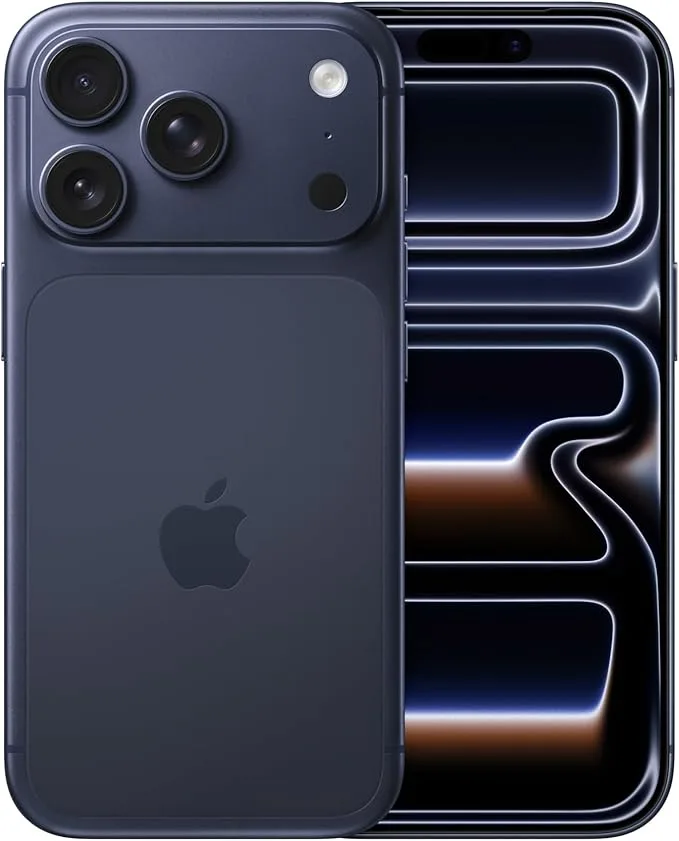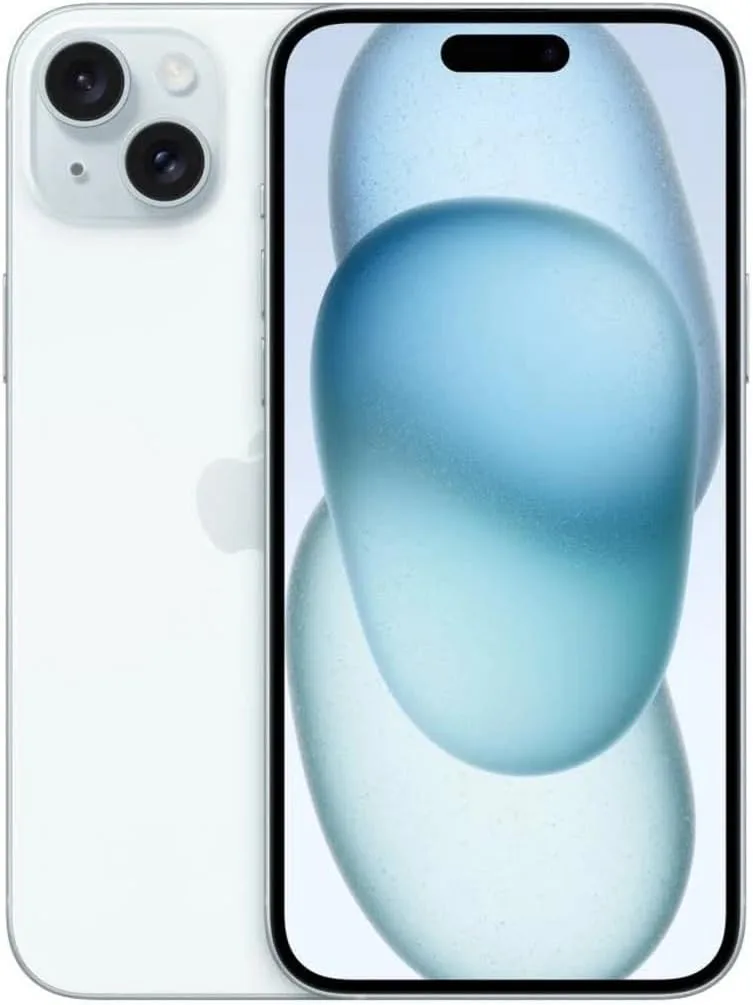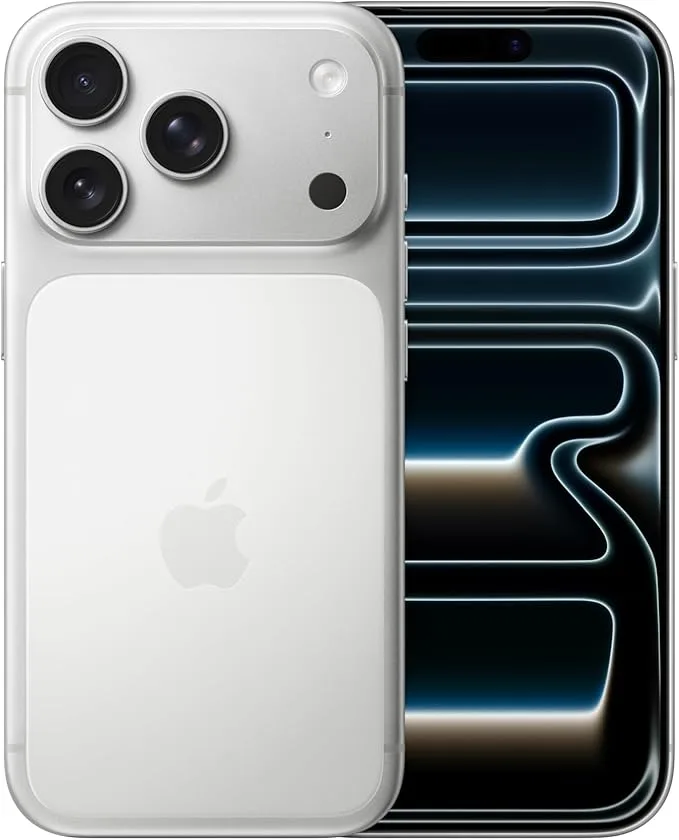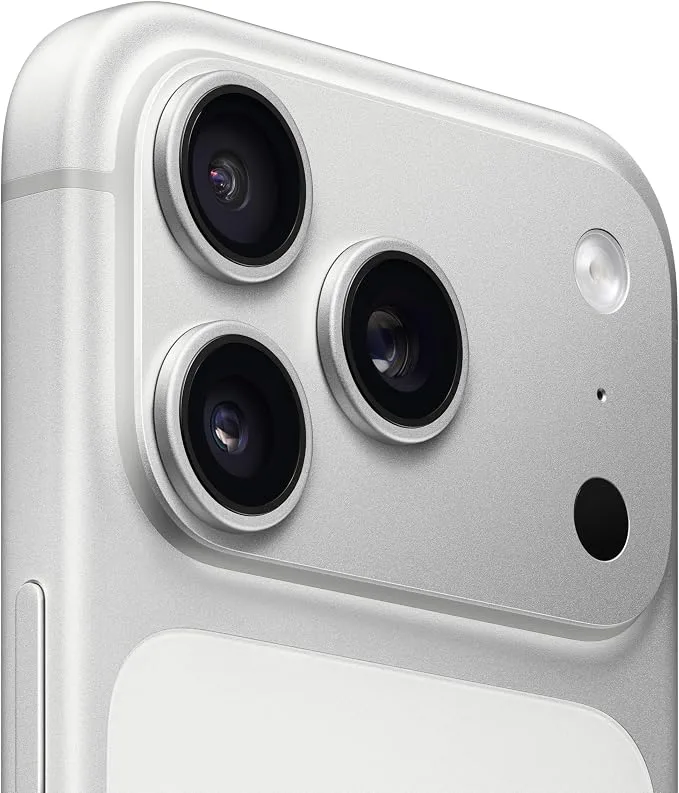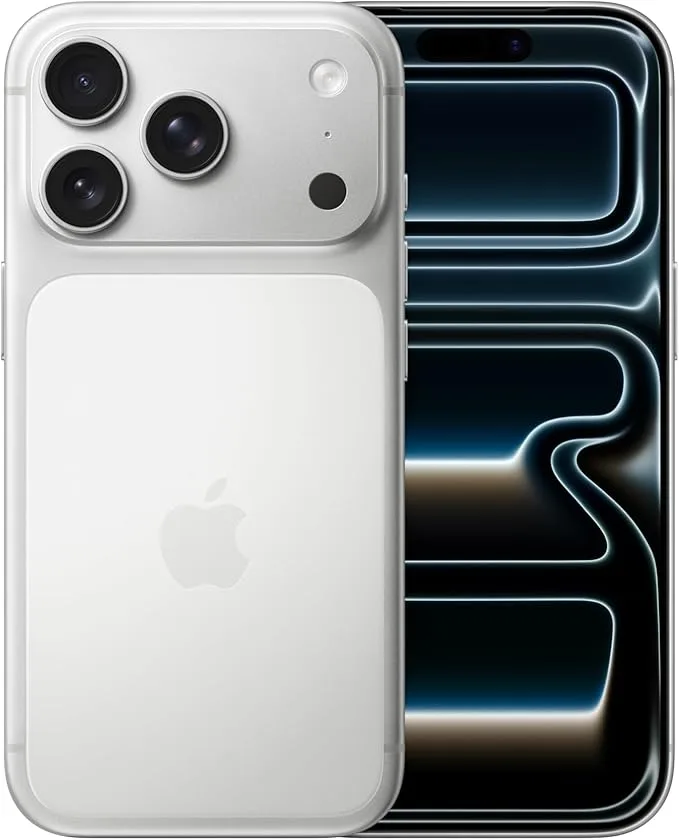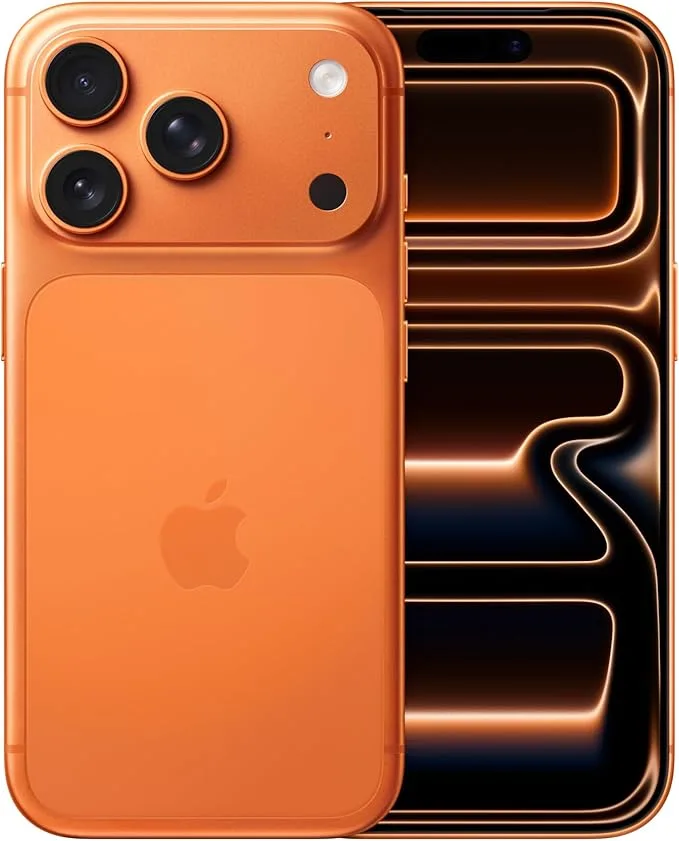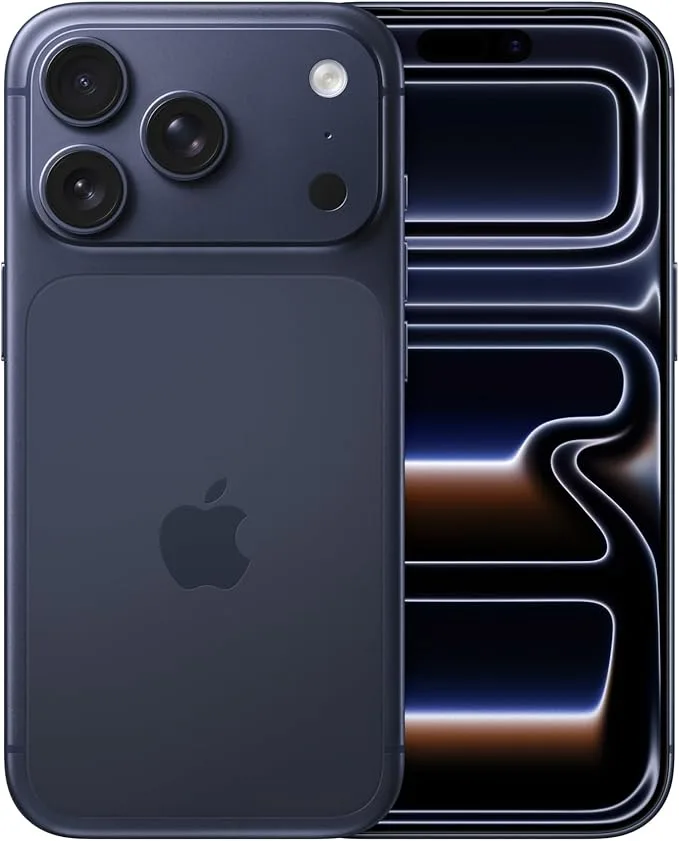
Apple's boldest design experiment in years has landed in Kenya, and if you're searching "iPhone 17 Air price in Kenya," you're looking at genuinely the most distinctive phone in Apple's current lineup — not a scaled-down flagship, but a deliberately different proposition built around one singular idea: making the thinnest iPhone Apple has ever shipped. This guide covers everything: exact genuine pricing across every storage tier, what you gain and give up compared to the standard iPhone 17 and the Pro line, and where to buy with real confidence in Nairobi, using genuine current pricing rather than estimates pieced together from older sources.
This is a long, deliberately thorough guide, because the iPhone Air asks a genuinely different question than every other phone in this year's lineup. It's not "how much power do I need" or "how good does the camera need to be" — it's "how much do I value a phone that disappears into your hand and pocket, and what am I willing to trade for that." Understanding that trade-off properly, rather than assuming the Air is simply a smaller or cheaper version of the standard model, is the whole point of this guide.
Trade-In and Upgrade Considerations
If you're upgrading from a previous iPhone generation specifically to experience the Air's ultra-thin design, it's worth factoring your existing device's trade-in or resale value into your total budget. As with every current iPhone, resale value holds up meaningfully better than most competing smartphone brands, meaning a well-maintained previous-generation iPhone can genuinely offset a good portion of the cost of stepping into the Air's distinctive new form factor. City Gadgets Kenya's trade-in service, accessible through the "Sell Your Device" option on their site, is worth exploring directly via WhatsApp before committing to a full-price purchase.
Quick Answer: iPhone Air Price in Kenya Today
Genuine, brand-new iPhone Air pricing in Kenya currently starts at Ksh 122,000 for 256GB and climbs to Ksh 175,000 for the top 1TB configuration, all backed by a 12-month official brand warranty.
The Complete iPhone Air Lineup and Pricing in Kenya
| Storage | Price in Kenya |
|---|---|
| iPhone Air 256GB | Ksh 122,000 |
| iPhone Air 512GB | Ksh 150,000 |
| iPhone Air 1TB | Ksh 175,000 |
Every configuration ships genuine, brand-new, and sealed, with a 12-month official brand warranty.
What Is the iPhone Air, Exactly?
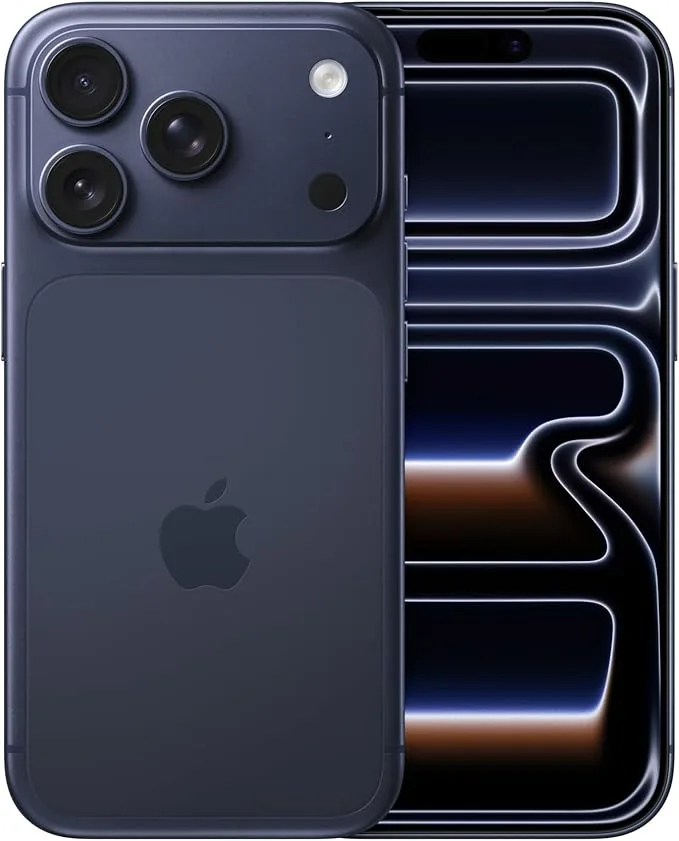
It's worth being clear about this since the iPhone Air's positioning genuinely confused a lot of buyers when Apple first introduced it. The iPhone Air isn't a cut-down budget phone, and it isn't simply a smaller version of the standard iPhone 17 — it's Apple's thinnest-ever iPhone, engineered from the ground up around a single-minded design goal: extreme slimness and lightness, without compromising on the core iOS experience, display quality, or 5G performance that defines a genuine current-generation iPhone.
iPhone Air Specifications
- Design: Apple's thinnest-ever iPhone, with a lightweight aluminium body
- Display: 6.5-inch OLED display, genuinely large despite the phone's slim profile
- Chip: A19, delivering fast, efficient performance for everyday use, multitasking, and Apple Intelligence features
- Camera: Single rear camera system, a deliberate trade-off for the ultra-thin design — distinct from the standard iPhone 17's dual-camera setup
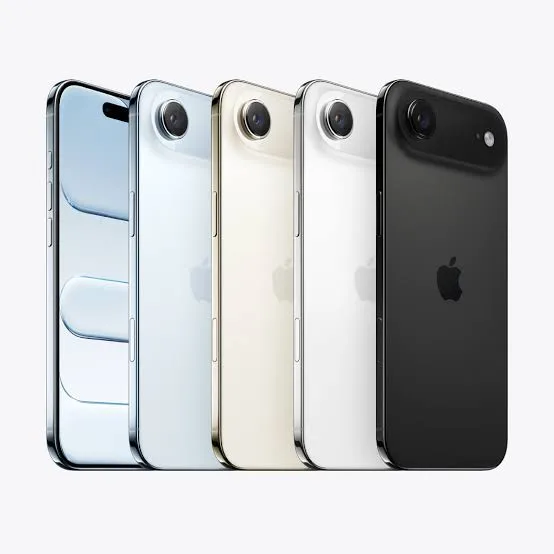
- Colours: Silver and Space Grey, a more understated palette than the standard iPhone 17's brighter options
- Storage Options: 256GB, 512GB, 1TB
- Connectivity: 5G, Wi-Fi, Bluetooth
- Operating System: iOS 26
The Single Biggest Trade-Off: One Camera, Not Two
This is the detail every prospective iPhone Air buyer needs to understand clearly before comparing prices, because it's easy to overlook when a phone is priced so close to the standard iPhone 17. The iPhone Air ships with a single rear camera, in contrast to the standard iPhone 17's dual 48MP wide and ultra-wide system. This means the iPhone Air genuinely cannot capture true ultra-wide shots the way the standard model or the Pro line can — a real functional limitation for landscape photography, group shots in tight spaces, or any composition that benefits from a wider field of view.
If wide-angle photography is something you use regularly — travel photos, real estate or interior shots, group photos in cramped venues — this is a genuine reason to choose the standard iPhone 17 over the Air, even at a near-identical price. If your photography is mostly standard framing, portraits, and everyday shots where a single capable lens is sufficient, the Air's camera limitation may never actually affect your day-to-day experience.
Why Choose the iPhone Air Over the Standard iPhone 17?
Given that camera trade-off, it's worth being specific about what you gain in return, since the Air's price sits almost identically to the standard iPhone 17.
Genuinely unmatched thinness and lightness. This is the entire point of the device, and it's a real, physical, immediately noticeable difference every time you pick up the phone, slide it into a pocket, or hold it for extended reading or browsing sessions. If you've ever found a standard flagship phone uncomfortably bulky or heavy, particularly during long usage sessions, the Air solves that specific frustration in a way no amount of software optimization on a thicker phone can replicate.
A larger display in a smaller overall footprint. At 6.5 inches, the Air's screen is actually larger than the standard iPhone 17's 6.3 inches, while the phone itself remains slimmer and lighter — a genuinely clever piece of industrial design that gives you more screen without more bulk.
A distinctive, understated design. The Air's Silver and Space Grey colourways lean toward a more premium, minimalist aesthetic compared to the standard iPhone 17's brighter, more playful colour options — worth considering if your personal style leans toward subtlety over vibrancy.
iPhone Air vs. iPhone 17: A Direct Comparison
| Aspect | iPhone Air | iPhone 17 |
|---|---|---|
| Starting Price (256GB) | Ksh 122,000 | Ksh 120,000 |
| Display | 6.5" OLED | 6.3" Super Retina XDR, ProMotion 120Hz |
| Rear Cameras | Single camera | Dual 48MP (Wide + Ultra Wide) |
| Chip | A19 | A19 |
| Design | Thinnest-ever iPhone | Standard flagship thickness |
| Colours | Silver, Space Grey | Black, White, Mist Blue, Sage, Lavender |
| Max Storage | 1TB | 512GB |
The most important line in that table for most buyers is the display refresh rate: the standard iPhone 17 includes 120Hz ProMotion and an Always-On Display, while the iPhone Air's display specifications, as currently listed, don't carry the same explicit ProMotion callout — worth confirming directly with the retailer if buttery-smooth scrolling is a priority for you specifically, since this is a genuine point of differentiation between the two phones despite their near-identical pricing.
iPhone Air vs. iPhone 17 Pro: Which Should You Buy?
For buyers considering the Air against the Pro rather than the standard model, the decision is more clear-cut. The iPhone 17 Pro, starting at Ksh 154,998, delivers a considerably more capable triple-camera system, the more powerful A19 Pro chip, and a titanium-reinforced build — a phone built specifically for buyers who prioritize camera capability and raw performance above all else. The iPhone Air, starting at Ksh 122,000, prioritizes physical design and portability over camera versatility and peak performance. These are genuinely different value propositions rather than a simple "better vs. worse" comparison — choose based on whether slimness or camera capability matters more to your actual daily use.
Who Should Actually Buy the iPhone Air?
Rather than treating this as an abstract spec comparison, here's who the iPhone Air genuinely suits. Buyers who prioritize how a phone physically feels in daily use — in the hand, in a pocket, during long reading or browsing sessions — over maximum camera versatility. Buyers upgrading from an older, bulkier phone who specifically want to feel a dramatic difference in weight and thickness, not just incremental spec improvements. Buyers who mostly shoot standard photos and portraits rather than relying heavily on ultra-wide shots for landscapes, architecture, or group photography. And buyers drawn to a more understated, premium aesthetic who find the Air's Silver and Space Grey options more appealing than the standard iPhone 17's broader, brighter colour palette.
Conversely, if wide-angle photography matters to your regular use, if you specifically want the smoothest possible 120Hz scrolling experience, or if raw camera versatility outweighs physical design preferences for you, the standard iPhone 17 or the Pro line are the more sensible choices.
Storage: How Much Do You Need on the iPhone Air?
256GB comfortably handles everyday photos, apps, messaging, and browsing for most users — the sensible default unless you have a specific reason to need more. 512GB is worth considering if you keep a large offline media library, download significant video content, or run a substantial number of storage-heavy apps and games. 1TB, the maximum available on the Air, suits buyers who want the absolute maximum headroom and don't want to think about storage management for years to come — though it's worth noting this represents a meaningful jump in price (from Ksh 122,000 to Ksh 175,000) for storage many users will genuinely never fill.
Why iPhone Air Prices Vary Across Kenyan Retailers
As with every model in the iPhone 17 series, quoted prices for the "same" iPhone Air can vary significantly across Nairobi's market. Storage tier ambiguity is the most common source of confusion — "iPhone Air price in Kenya" without specifying 256GB, 512GB, or 1TB leaves enormous room for misunderstanding. Grey-market and parallel-import units circulate at prices that may reflect the absence of local warranty backing rather than a genuine bargain. And because the iPhone Air is a genuinely new, distinctive product this generation, some sellers may not yet have settled into consistent, competitive pricing the way they have for more established iPhone model lines — worth keeping in mind if you see unusually wide price variation compared to the standard iPhone 17 or Pro models.
Buying Safely: What to Confirm Before You Pay
- Confirm the exact storage tier — 256GB, 512GB, or 1TB.
- Verify the IMEI is clean and genuinely registered to a new, unregistered device.
- Ask about warranty length and terms explicitly, and get this confirmed in writing.
- Check that the box is genuinely sealed, with intact Apple security seals.
- Confirm the colour — Silver or Space Grey — matches what you're actually being sold, since photos can sometimes misrepresent subtle finish differences.
- Be cautious of prices dramatically below the genuine ranges shown above, which can signal a counterfeit device, an undisclosed used unit, or a grey-market import.
Where to Buy a Genuine iPhone Air in Kenya: City Gadgets Kenya
City Gadgets Kenya stocks the complete genuine iPhone Air lineup across all three storage tiers, sourced and checked in Nairobi, with IMEI-clean hardware and no grey-market surprises.
Location: New Alnoor Exhibition, Shop 7, Second Floor, Taveta Road, Nairobi CBD.
Online: Browse the full Apple range at citygadgetskenya.co.ke for live pricing.
WhatsApp: 0745 575 931 for sales inquiries, or 0794 488 806 for customer relations.
What you get: 100% genuine, IMEI-clean stock, a real 12-month official brand warranty, same-day delivery within Nairobi, countrywide shipping across Kenya, and flexible payment via M-Pesa, card, cash on delivery, or Lipa Mdogo Mdogo installment plans on qualifying purchases.
The Engineering Story Behind the iPhone Air's Thinness
It's worth appreciating what actually goes into making a phone this thin without sacrificing battery life or structural durability, since it's a genuinely harder engineering problem than it might appear. Every millimetre saved in a phone's thickness has to come from somewhere — battery capacity, camera module depth, internal chip packaging, or structural reinforcement — and Apple's approach with the Air involved rethinking the internal layout of the device more fundamentally than a typical yearly refresh. The result is a phone that manages to remain a fully capable, 5G-connected, A19-powered iPhone despite its dramatically reduced thickness compared to every other phone in the current lineup, including the standard iPhone 17 and the Pro models. This is genuinely the kind of engineering achievement that's hard to appreciate from a spec sheet alone — it's the sort of thing that becomes obvious only once you've actually held the device.
Battery Life Considerations on an Ultra-Thin Phone
It's worth addressing this honestly, since it's a natural question for anyone considering a phone built around extreme thinness. Thinner phones inherently have less physical space for battery capacity compared to a standard-thickness device, and while Apple's efficiency improvements with the A19 chip help offset this, it's a genuine trade-off worth being aware of if you're a particularly heavy phone user — extensive gaming, continuous navigation use, or long video streaming sessions away from a charger. For typical daily use — messaging, browsing, social media, moderate camera use, and calls — the Air's battery life should comfortably cover a full day, but buyers with genuinely heavy usage patterns should weigh this specific trade-off against the standard iPhone 17 or Pro models' larger bodies and correspondingly larger batteries.
Comparing the iPhone Air to Android's Slim Phone Alternatives
The iPhone Air isn't the only ultra-thin flagship phone on the market this generation — Samsung and other Android manufacturers have pursued similar slim-design concepts. It's worth a brief note that if the core appeal driving your interest is specifically "the thinnest possible flagship phone" rather than iOS itself, it's worth comparing the iPhone Air against genuinely comparable ultra-thin Android alternatives available through City Gadgets Kenya's broader phone catalogue before committing, since the underlying design philosophy — trading some capability for extreme slimness — has become a genuine trend across the industry rather than an Apple-exclusive concept this year.
Accessories Worth Considering for the iPhone Air
Given the Air's distinctive thin profile, a few accessory considerations are worth flagging specifically. A slim, form-fitting case is worth prioritizing over a bulkier protective case that would defeat the entire purpose of choosing an ultra-thin phone in the first place — look specifically for cases marketed as compatible with the Air's exact dimensions rather than a generic iPhone case that might add unnecessary bulk. Apple's own AirPods 4 (Ksh 18,600) pair natively and make a genuinely sensible companion purchase, continuing the same lightweight, minimalist philosophy the Air itself represents. And as with every current iPhone, remember the box doesn't include a wall charger, so budget for a genuine USB-C fast charging adapter separately if you don't already own a compatible one from a previous Apple purchase.
Financing Your iPhone Air Purchase in Kenya
Given that even the entry 256GB configuration sits at Ksh 122,000, it's worth knowing you don't need to pay the full amount upfront. City Gadgets Kenya's Lipa Mdogo Mdogo installment option, available on qualifying purchases, lets you put down a deposit and take your iPhone Air home the same day, spreading the remaining cost over manageable payments. This is worth asking about directly on WhatsApp when you're ready to buy.
Why Genuine Sourcing Matters for a New, Distinctive Product Like the iPhone Air
It's worth being direct about why verification matters more for a genuinely new product category than for an established one. Because the iPhone Air is a distinctive new design this generation, without years of established market pricing and buyer familiarity behind it, it's exactly the kind of product where confusion between genuine stock and misrepresented alternatives can happen more easily. A buyer unfamiliar with what a "normal" iPhone Air price looks like in Kenya has less reference point to notice when a quoted price seems unusually low — precisely the scenario counterfeiters and grey-market sellers benefit from. Anchoring your expectations to the genuine Ksh 122,000 to Ksh 175,000 range covered in this guide, and insisting on IMEI verification regardless of how attractive an alternative price looks, protects you specifically against this kind of confusion.
Understanding Kenya's iPhone Pricing Landscape in 2026
It helps to understand the broader pricing environment shaping what you see quoted for the iPhone Air specifically. Import duties, VAT, and shipping costs from Apple's official regional distribution all get built into the final Kenyan retail price, which is why a straight dollar-to-shilling conversion of Apple's global pricing rarely matches what you'll pay locally. Exchange rate fluctuations between the Kenyan Shilling and the US Dollar shift local pricing over time even when Apple's own global pricing hasn't changed, which is precisely why checking current pricing directly with a retailer matters more than relying on a cached price from months earlier — particularly for a newer product line like the Air where pricing patterns are still settling into the market compared to more established iPhone models.
The Design Philosophy Behind the iPhone Air: Why Apple Built This Phone
It's worth understanding the broader context behind why Apple introduced a phone like the iPhone Air this generation, since it helps explain who it's genuinely built for. Smartphone design has increasingly bifurcated in recent years between phones optimized purely for maximum capability — more cameras, more zoom range, more raw processing power — and phones optimized for how they physically feel to use every single day. The iPhone Air represents Apple's clearest statement yet in the second category: a bet that a meaningful segment of buyers value physical comfort, portability, and understated design as much as, or more than, chasing every available camera or performance spec. This mirrors a broader trend across the smartphone industry toward ultra-thin flagship designs, suggesting Apple sees genuine sustained demand for this kind of device rather than treating it as a one-off experiment.
Who the iPhone Air Is Genuinely Not For
It's worth being equally direct about who should look elsewhere, since an honest buying guide should discourage a purchase as readily as it recommends one. If you regularly photograph landscapes, architecture, or group shots in tight indoor spaces, the missing ultra-wide lens will genuinely limit your results in ways no software processing can fully compensate for. If you're a heavy phone user who games extensively, streams video for hours, or relies on continuous GPS navigation throughout the day, the Air's smaller battery capacity relative to the standard iPhone 17 or Pro models is a genuine practical constraint worth weighing seriously before committing. And if raw camera versatility and the smoothest possible 120Hz ProMotion display are non-negotiable priorities for you, the standard iPhone 17 delivers both at a price within a few thousand shillings of the Air, making the Air's specific trade-offs harder to justify for that particular buyer profile. None of this makes the iPhone Air a worse phone in any absolute sense — it simply means it's a more specialized product than the standard iPhone 17, built for a genuinely specific set of priorities rather than trying to be the best all-round choice for every buyer.
What a Warranty Claim Actually Looks Like in Practice
It's worth being concrete about this rather than treating "12-month warranty" as an abstract reassurance. If a genuine fault develops within the covered period — a display issue, a battery not holding charge as expected given the phone's smaller capacity, or a camera module malfunction — the process with an accountable retailer like City Gadgets Kenya typically involves reaching out via WhatsApp or visiting the Nairobi CBD shop directly, having the fault assessed, and receiving either a repair or a replacement depending on the specific issue and the terms agreed at purchase. This is meaningfully different from the position you'd be in with an unwarrantied grey-market unit, where your only realistic options become an expensive out-of-pocket repair or absorbing the loss entirely on a device costing well over Ksh 120,000.
Understanding the Broader Kenyan Smartphone Retail Landscape
It's worth situating this purchase within Kenya's wider retail environment. Nairobi's electronics market has grown substantially more sophisticated in recent years, with genuine authorized resellers, dedicated online retailers, and physical CBD shops now competing alongside a persistent informal market of parallel imports. This growth is broadly positive for consumers — more competitive pricing, faster delivery, better warranty terms — but it also means the verification effort described throughout this guide remains genuinely necessary, particularly for a newer, less established product line like the iPhone Air where consistent market pricing hasn't yet had years to settle the way it has for the standard iPhone models.
5G Performance and Everyday Connectivity on the iPhone Air
Despite its dramatically reduced thickness, the iPhone Air retains full 5G connectivity alongside current Wi-Fi and Bluetooth standards — a genuine engineering achievement worth noting, since cellular antenna design typically benefits from more physical space than an ultra-thin phone naturally allows. For Kenyan buyers on Safaricom or Airtel's expanding 5G networks, this means the Air delivers the same fast data speeds and reliable connectivity as any other current iPhone, without the thinness compromising the practical, everyday performance that actually matters for browsing, streaming, and app use throughout a normal day.
Apple Intelligence and Software Features on the iPhone Air
Running iOS 26, the iPhone Air gains access to the same Apple Intelligence features available across the rest of the current iPhone lineup, powered by the A19 chip's Neural Engine. This includes personalized suggestions, real-time image enhancements, and the broader set of AI-driven capabilities Apple has been steadily expanding across recent iOS versions. It's worth noting that these software features are identical across the Air, the standard iPhone 17, and the Pro models — the hardware differences discussed throughout this guide affect camera capability and physical design, not the underlying software experience or AI feature set you'll have access to.
A Day in the Life With the iPhone Air: What Actually Changes
It's worth painting a concrete picture of what owning an iPhone Air actually feels like day to day, beyond the spec sheet comparisons. Slipping the phone into a trouser pocket, you'll notice it immediately — less bulk, less weight pulling at the fabric, a genuinely different physical presence than a standard flagship phone. Holding it for an extended reading session or a long video call, the reduced weight becomes noticeable within minutes, particularly for anyone who's ever experienced hand fatigue from holding a heavier phone for a prolonged period. Taking photos, you'll reach for the single camera without a second thought for most everyday shots — friends, food, casual portraits — and only notice the missing ultra-wide lens in the specific moments you'd actually want it, such as trying to fit an entire room or a wide landscape into frame. This is genuinely the trade-off in practice: invisible most of the time, noticeable only in the specific scenarios where the ultra-wide lens would have mattered.
Frequently Asked Questions
What is the iPhone Air price in Kenya? Genuine brand-new pricing starts at Ksh 122,000 for 256GB, rising to Ksh 175,000 for 1TB.
What's the difference between the iPhone Air and the standard iPhone 17? The Air is Apple's thinnest-ever iPhone with a single rear camera and a larger 6.5" display, while the standard iPhone 17 has a dual-camera system, 120Hz ProMotion, and a more conventional design, at a near-identical starting price.
Does the iPhone Air have two cameras? No — the iPhone Air has a single rear camera, unlike the standard iPhone 17's dual wide and ultra-wide setup. This is the phone's main functional trade-off for its ultra-thin design.
What colours does the iPhone Air come in? Silver and Space Grey.
Is the iPhone Air worth buying over the standard iPhone 17? It depends on your priorities — choose the Air specifically for its unmatched thinness and lightness; choose the standard iPhone 17 if wide-angle photography or the smoothest possible ProMotion display matters more to you.
How much storage do I need on the iPhone Air? 256GB suits most users; 512GB or 1TB are worth it only if you keep large offline media libraries or specifically want maximum long-term headroom.
Where can I buy a genuine iPhone Air in Nairobi? City Gadgets Kenya, located at New Alnoor Exhibition, Shop 7, Second Floor, Taveta Road, Nairobi CBD, stocks the full genuine lineup with a 12-month official brand warranty. Reach out via WhatsApp to confirm current stock and pricing.
Can I pay in installments for an iPhone Air in Kenya? Yes — City Gadgets Kenya's Lipa Mdogo Mdogo option lets you pay a deposit and take the phone home the same day.
Final Word
The iPhone Air's price in Kenya spans Ksh 122,000 to Ksh 175,000, positioning it almost identically to the standard iPhone 17 while offering a genuinely different value proposition built around extreme thinness and a larger display, at the cost of the standard model's dual-camera versatility. This isn't a phone for everyone, and it isn't trying to be — it's a deliberate, focused design statement for buyers who specifically value how a phone feels in daily use over maximum camera capability.
To recap the core decision points covered throughout this guide: choose the iPhone Air if physical design, weight, and slimness genuinely matter to your daily experience more than wide-angle photography or the smoothest possible display refresh rate; choose the standard iPhone 17 if you want that camera versatility and ProMotion smoothness at a near-identical price; and be honest with yourself about your battery usage patterns before committing, since the Air's smaller body carries real trade-offs for genuinely heavy users. Whichever you choose, insist on IMEI verification, confirm your exact storage and colour, and buy from a source backing every unit with a genuine warranty rather than chasing the lowest price you can find from an unverified seller.
Browse the complete genuine iPhone Air lineup at City Gadgets Kenya, or reach out on WhatsApp to confirm current stock and pricing.