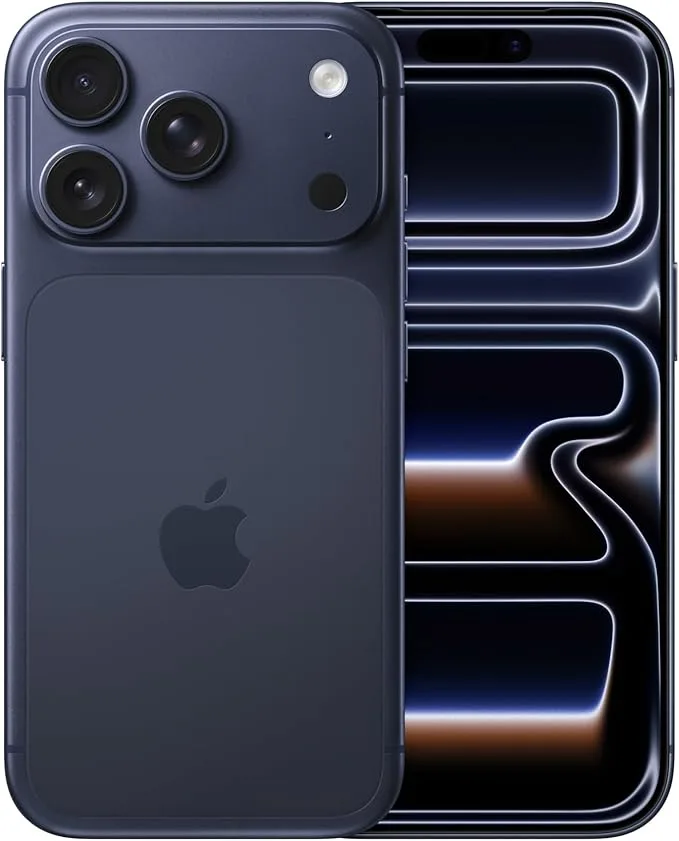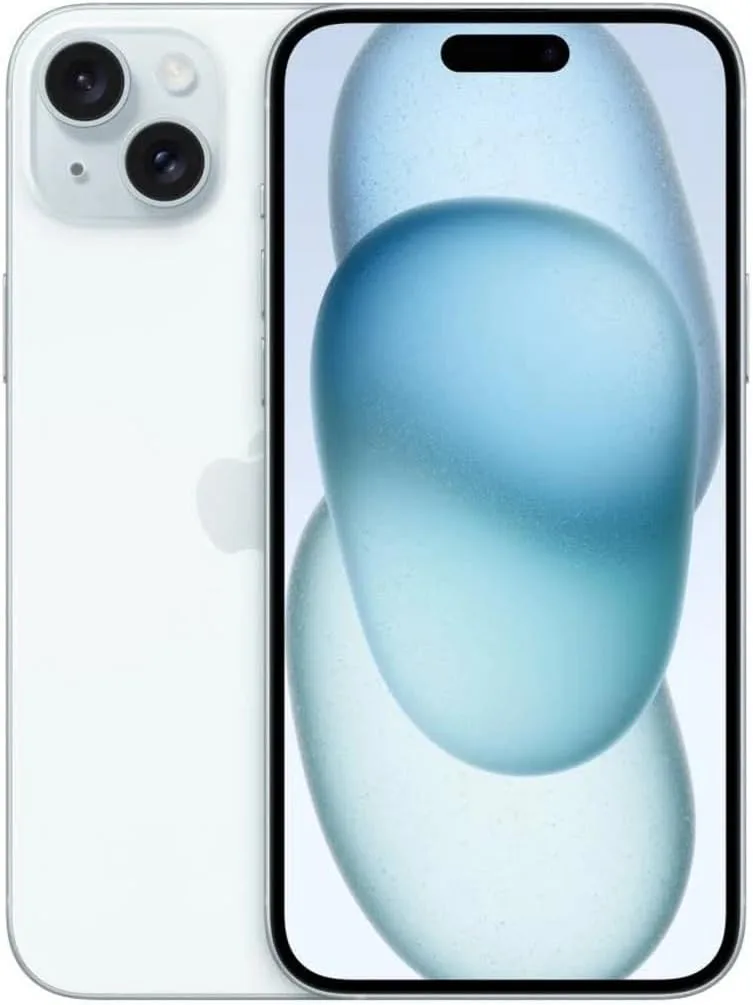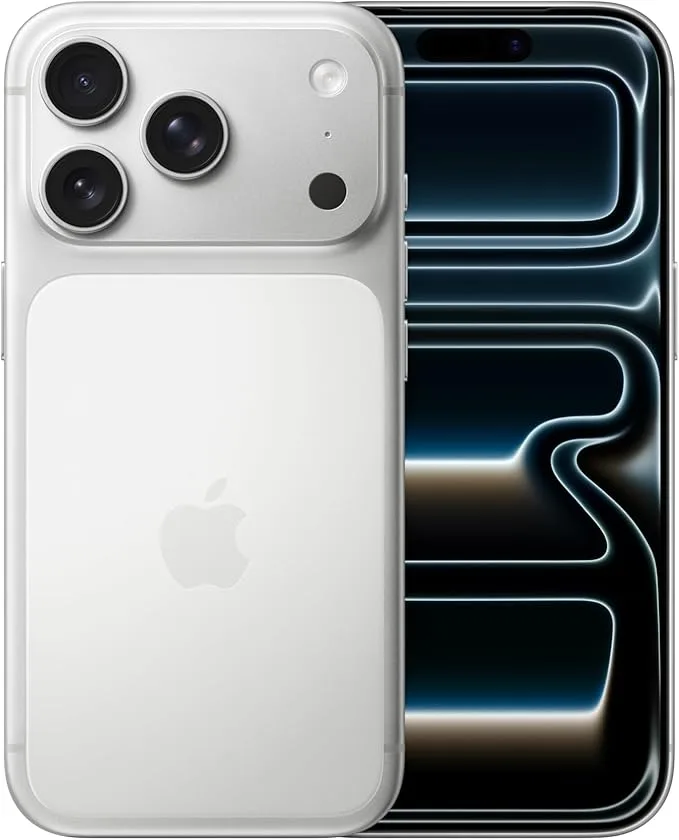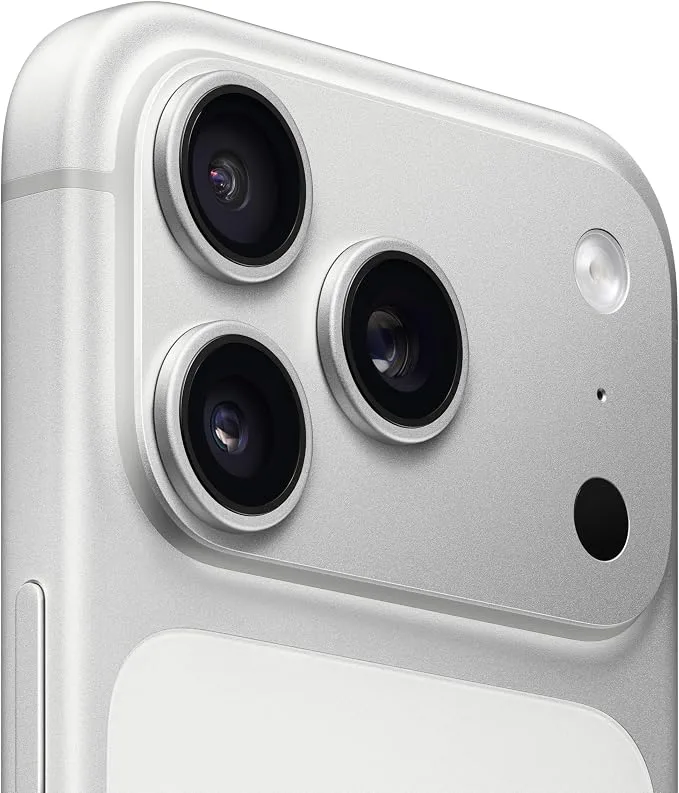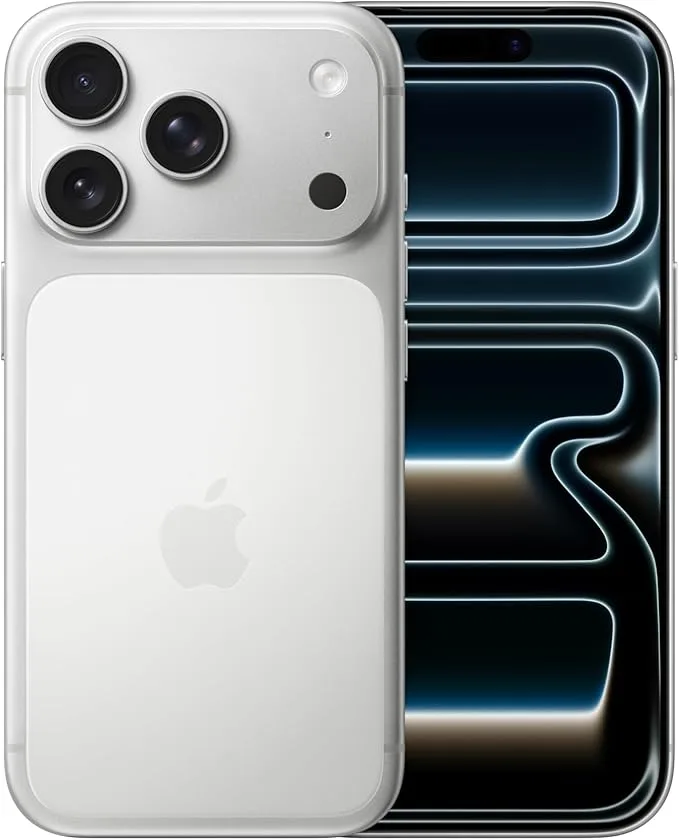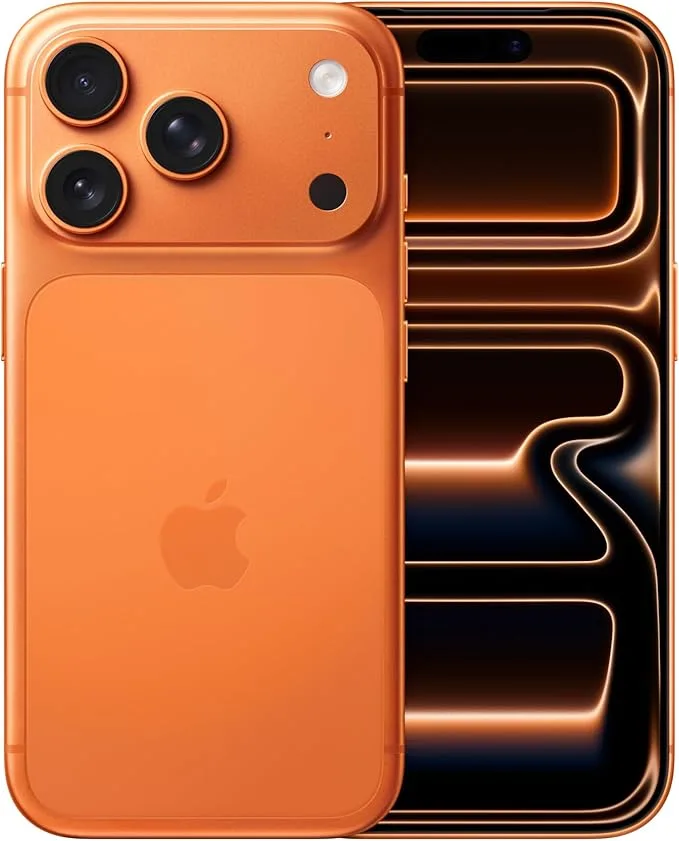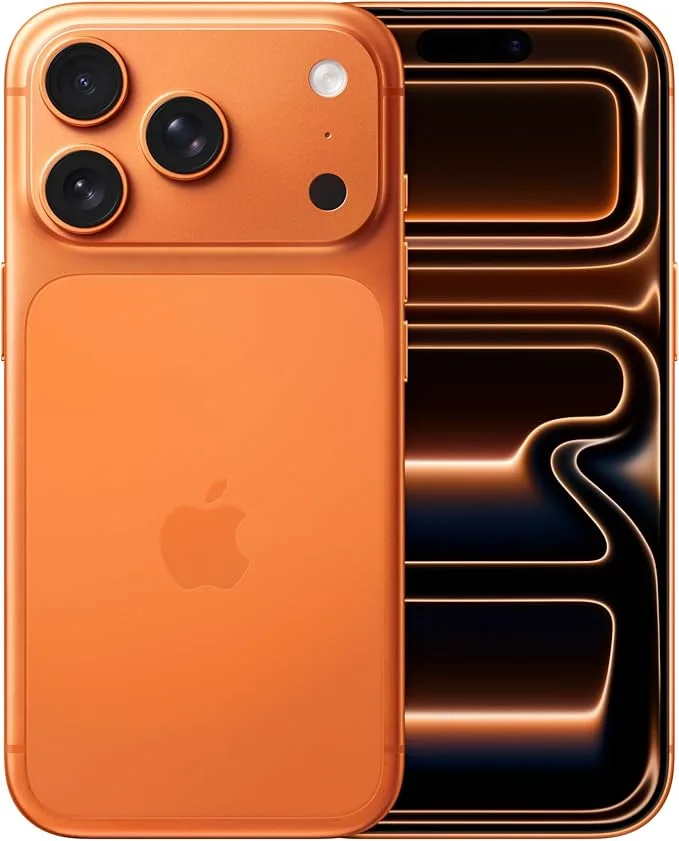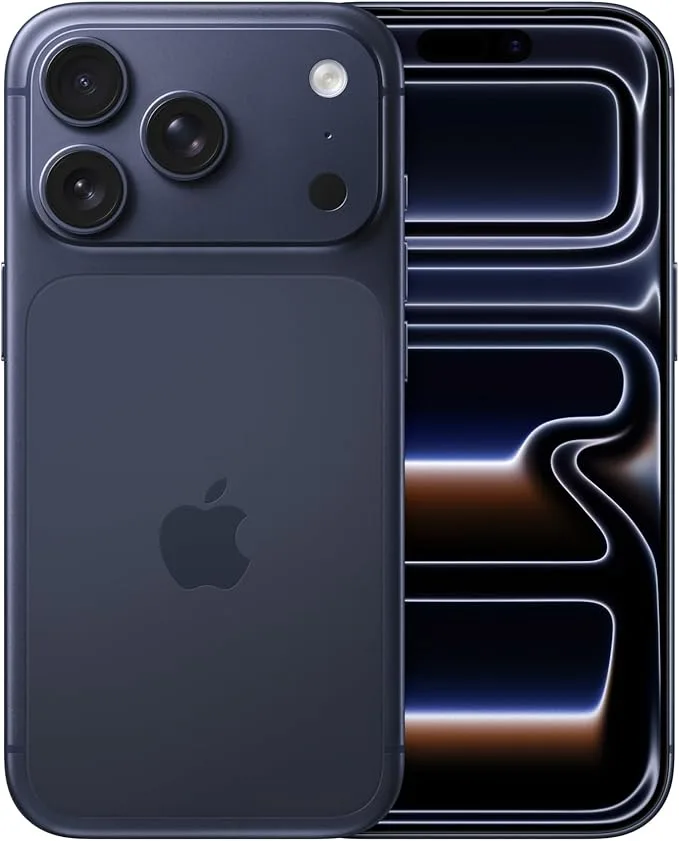
iPhone 18 Release Date in Kenya: Everything We Know So Far
Apple's next iPhone generation is genuinely unlike any launch in recent memory, and if you're trying to pin down exactly when it lands in Kenya, the honest answer is more nuanced than a single date. This guide lays out precisely what's confirmed, what's still rumored, and why this particular launch cycle is structured differently from every iPhone release in the last several years — plus what all of this means practically for anyone in Nairobi trying to time a purchase, whether that means buying today, waiting a few weeks, or holding out for a specific model that may not arrive until next year.
A note on honesty before we go further: this guide is being written and published close to Apple's own announcement window, and we're being deliberately careful to separate confirmed facts from widely reported expectations. Where something isn't yet officially confirmed by Apple, we say so clearly, and we'll keep this guide updated as real details emerge rather than presenting early leaks as settled fact — a standard we hold ourselves to across every guide on this site, and one that matters especially for a purchase decision involving this much money.
What's Actually Confirmed So Far
Apple has officially confirmed a special hardware event, reportedly under the name "Surprise and Shine," held at the Steve Jobs Theater in Cupertino in early-to-mid September 2026. This is the one piece of information in this entire guide that comes directly from Apple itself rather than analyst prediction or supply chain leaks. Beyond the event's existence and general timing, Apple has not, at the time of writing, publicly confirmed specific device names, prices, colours, or detailed specifications.
What's Widely Reported But Not Yet Officially Confirmed
Here's where it gets genuinely interesting, and worth understanding in detail, since it affects how you should think about "the iPhone 18" as a search term. Multiple technology outlets and industry analysts, drawing on supply chain sources, have reported that this year's launch may look meaningfully different from previous generations:
A split launch across two windows. Rather than releasing the entire iPhone lineup at once in September as Apple has done for over a decade, reports suggest Apple may launch only the iPhone 18 Pro and iPhone 18 Pro Max this September, while the standard iPhone 18 and a next-generation iPhone Air are pushed to a separate spring 2027 launch window, alongside a possible new iPhone 18e.
Apple's first foldable iPhone. Perhaps the most talked-about element of this cycle is the reported debut of Apple's first-ever foldable iPhone, sometimes referred to in reporting as the "iPhone Fold" or "iPhone Ultra," expected to be unveiled alongside the Pro models in September.
A new chip generation. The A20 Pro, reportedly built on a more advanced 2-nanometer manufacturing process, is widely expected to power the Pro-tier models, promising meaningful efficiency and performance gains over the current A19 Pro.
Possible price increases. Industry analysts have pointed to rising component and memory costs as a likely driver of higher prices this generation, though the exact scale of any increase remains genuinely unclear and disputed even among analysts.
It's worth repeating: none of the above is officially confirmed by Apple as of this guide's publication. Treat every one of these points as "widely and consistently reported," not "certain."
Why This Split Launch Matters for Kenyan Search Behaviour
This structural change genuinely matters for anyone searching "iPhone 18 price in Kenya" or similar terms right now, because it means a huge number of searchers will be looking for a standard iPhone 18 that, if these reports hold true, simply won't exist yet this September. If you've been assuming this year works exactly like previous years — announce everything, launch everything, buy whichever tier fits your budget — it's worth adjusting that assumption. This September's event, if the reporting is accurate, is shaping up to be a Pro-and-foldable-only event, with the more affordable standard model held back for months.
What This Means If You're Budget-Conscious
If the split launch reporting holds true, and you were hoping for a more affordable standard iPhone 18 this September, you have a few genuine options worth considering. Wait for spring 2027, when the standard model is reportedly expected, if you're not in urgent need of a new phone right now. Consider the current iPhone 17 lineup instead, which remains a genuinely excellent, fully current phone family with years of software support ahead of it, and is available today at established, verified pricing rather than speculative future pricing. Watch for iPhone 17 price adjustments, since a new Pro-tier launch sometimes brings modest price movement on the previous generation's standard and mid-tier models as retailers adjust their lineups.
The Foldable iPhone: A Genuinely New Category for Apple
It's worth dwelling on this specifically, since it represents something Apple has never shipped before. A foldable device would put Apple in direct competition with Samsung's long-established foldable lineup for the first time, and reporting suggests Apple has spent considerable time on the engineering challenges specific to a foldable design — crease minimization, hinge durability, and battery life across a larger unfolded display. If this device does launch as reported, it's likely to command a genuinely premium price, positioned above even the Pro Max, reflecting both the manufacturing complexity and the novelty of a first-generation Apple foldable.
For Kenyan buyers specifically, a first-generation foldable device is worth approaching with a degree of caution regardless of price, simply because first-generation hardware in any genuinely new category — foldables included — sometimes carries the kind of early-adopter risk (hinge longevity, software optimization for the new form factor) that a more mature, several-generations-in product line doesn't carry. This isn't a reason to avoid it if you're genuinely excited about the category, but it's worth factoring into your decision alongside the inevitably high price tag.
Timeline: What a Typical Post-Announcement Schedule Looks Like
Based on Apple's well-established pattern from recent years, once an announcement event occurs, the general shape of what follows typically looks like this: pre-orders open within a few days of the announcement, often the same week; general retail availability follows roughly a week to ten days after pre-orders open; and international markets, including Kenya, typically see genuine retail stock arrive through authorized distribution channels within the following weeks, though exact timing varies by market and by how aggressively individual retailers pursue early stock allocation.
It's worth being realistic about Kenya's position in Apple's global rollout: Kenya is not among Apple's first-wave launch markets (typically the US, UK, and a handful of others), meaning genuine, verified stock reaching Nairobi retailers reliably takes some additional weeks beyond the initial US/UK availability date, even in a best-case scenario.
How to Avoid Overpaying During the Early Hype Window
This is worth a dedicated section, since it's precisely the period where pricing confusion and inflated "import" pricing tend to be worst. In the weeks immediately following any major iPhone announcement, it's common to see informal sellers in Kenya's market quoting prices well above genuine expected retail levels, capitalizing on early hype and impatience before verified, properly imported stock becomes widely available. If you're not in a rush, waiting a few weeks past initial announcement for pricing to settle and genuine stock to become more widely available through accountable retailers is generally the financially smarter move, rather than paying a premium to be among the very first in Kenya to own a device.
What City Gadgets Kenya Is Doing to Prepare
City Gadgets Kenya is closely tracking Apple's official announcements and will update genuine stock listings the moment verified, properly sourced iPhone 18 series units become available in Kenya — with the same standards applied to every current product on the site: accurate model and configuration labelling, a real 12-month official brand warranty, and no grey-market guesswork.
In the meantime, the complete genuine iPhone 17 series remains fully available and represents a properly verified, current-generation option for anyone who needs a phone now rather than waiting through an uncertain multi-week window for iPhone 18 stock to settle in Kenya's market.
Location: New Alnoor Exhibition, Shop 7, Second Floor, Taveta Road, Nairobi CBD.
Online: Browse the current genuine Apple range at citygadgetskenya.co.ke.
WhatsApp: 0745 575 931 for sales inquiries — reach out to be notified the moment genuine iPhone 18 stock is confirmed and priced.
Should You Wait for the iPhone 18, or Buy an iPhone 17 Now?
This is a genuinely practical question worth answering honestly rather than assuming "wait for the newest thing" is always right. Buy an iPhone 17 now if: you need a phone today, you want confirmed, verified specifications and pricing rather than speculation, or you're specifically interested in the standard iPhone tier, which reports suggest won't see a successor until spring 2027 regardless of what happens this September. Wait for the iPhone 18 Pro/Pro Max if: you specifically want Apple's absolute latest chip and camera technology, your current phone can comfortably last a few more weeks or months, and you're comfortable paying a likely premium for a newly launched flagship, plus navigating the early-stock uncertainty covered above. Wait even longer for the standard iPhone 18 if: you specifically want the more affordable standard tier rather than Pro pricing, and reports of a spring 2027 window hold true.
Historical Context: How Apple's Launch Patterns Have Evolved
It's worth a brief note on why this year's reported split launch is genuinely unusual, for context. Apple has released its full iPhone lineup in a single September event every year since the modern iPhone naming convention began, with the notable exception of the budget "e" tier models, which have occasionally launched on a separate spring schedule in past years. Splitting the flagship-adjacent standard model away from the Pro tier, if the reporting holds true, would represent a genuinely new strategic shift — possibly reflecting supply chain constraints around advanced chip manufacturing capacity, component cost pressures, or a deliberate business decision to concentrate marketing attention on the higher-margin Pro tier and the entirely new foldable category during the critical September/holiday shopping window.
What Genuine Verification Will Look Like Once iPhone 18 Stock Arrives
Once iPhone 18 stock genuinely becomes available in Kenya, the same verification principles covered throughout this site's iPhone 17 guides will apply, and it's worth having them front of mind now rather than scrambling to learn them once you're mid-purchase. Confirm the exact model and configuration explicitly, since a new, high-demand launch is exactly when configuration confusion and misrepresentation tend to spike. Verify the IMEI before completing any purchase. Ask about warranty terms in writing. And be especially cautious of any seller claiming to have "early" or "pre-launch" stock significantly ahead of confirmed general availability dates, since this is a classic pattern associated with either inflated grey-market pricing or, in worse cases, outright misrepresentation.
Understanding Why Apple Stays Silent Until the Official Event
It's worth understanding Apple's communication strategy specifically, since it explains why so much of what you read online about the iPhone 18 carries qualifying language like "reportedly" or "expected." Apple maintains famously tight control over pre-announcement information, rarely if ever confirming specifics ahead of its own keynote presentations. This means the vast majority of detailed information circulating before an official event — chip names, camera specifications, exact pricing, colour options — originates from supply chain sources, component manufacturers, and industry analysts piecing together fragments of information, rather than from Apple itself. This isn't a criticism of that reporting, which is often genuinely accurate in broad strokes based on the historical track record of major outlets covering Apple's supply chain, but it does mean a healthy degree of caution is warranted until Apple's own presentation settles the specifics definitively.
How Kenyan Retailers Typically Respond to a Major Apple Announcement
It's worth walking through what typically happens in Kenya's electronics retail market in the days and weeks immediately following a major Apple announcement, since understanding this pattern helps set realistic expectations. In the first 24 to 48 hours after any Apple keynote, informal social media sellers and some marketplace listings often appear claiming to offer the newly announced device, frequently at prices significantly above what genuine, properly imported stock will eventually settle at once normal distribution channels catch up. This early window is precisely where the greatest pricing risk and misrepresentation risk concentrate, since genuine verified stock simply hasn't had time to arrive through proper channels yet. Accountable, established retailers typically take a more measured approach, waiting to confirm genuine sourcing, accurate specifications, and fair pricing before listing a new product, which sometimes means a slightly longer wait for stock to appear on a trustworthy retailer's site compared to the flood of early, higher-risk informal listings elsewhere.
What "Confirmed by Apple" Actually Means in Practice
It's worth being precise about this distinction, since it's easy to see a headline stating something is "confirmed" and assume it means confirmed by Apple specifically, when it may simply mean confirmed by a specific leaker or analyst's own sources. Genuinely Apple-confirmed information comes exclusively from Apple's own official channels: its newsroom, its own event livestreams, official press releases, and the Apple Store itself once products go live for ordering. Everything else — regardless of how confident or detailed the reporting sounds, and regardless of how frequently a specific claim gets repeated across multiple outlets — remains reporting and analysis until Apple's own channels confirm it. This distinction matters enormously for a buying decision, since acting on unconfirmed pricing or specification claims as though they were settled fact is precisely how buyers end up disappointed or misled.
The Business Logic Behind a Possible Split Launch
It's worth exploring why Apple might genuinely choose to split its lineup this way, since understanding the likely business reasoning helps evaluate how probable these reports actually are. Advanced chip manufacturing, particularly at the reported 2-nanometer process node for the A20 Pro, represents genuinely constrained global manufacturing capacity, shared among multiple major chip designers competing for the same limited advanced fabrication slots. If genuine capacity constraints exist, concentrating available advanced chips into the higher-margin Pro tier first, while delaying the standard tier until manufacturing capacity eases, is a genuinely sound business strategy from Apple's perspective — protecting profit margins on the models most likely to sell regardless of price, while giving supply chains additional time to scale production of the more price-sensitive standard tier. This kind of strategic sequencing has precedent in the broader technology industry during previous periods of chip supply constraint, lending some credibility to these reports beyond pure speculation.
What to Watch For in the Coming Days
If you're specifically trying to time a purchase decision around confirmed information rather than speculation, here's what's genuinely worth watching for in the immediate aftermath of Apple's event. Apple's own newsroom and official product pages going live with confirmed model names, specifications, and pricing is the single most reliable signal that speculation has become fact. Official pricing in major markets (the US and UK specifically) typically appears within minutes of the keynote's conclusion, giving an early, reliable anchor for what Kenyan pricing might eventually track toward once import costs and taxes are factored in. Kenyan authorized retailer announcements, including from City Gadgets Kenya directly, will follow once genuine import and distribution logistics are confirmed — this is the stage at which acting on pricing and availability information becomes genuinely safe rather than speculative.
Trade-In Timing: A Genuine Consideration Either Way
Regardless of whether you buy an iPhone 17 today or wait for confirmed iPhone 18 stock, it's worth thinking about trade-in timing for any existing device you're planning to upgrade from. Trade-in values for a given iPhone generation typically peak in the weeks immediately before a new generation's announcement, then gradually decline as the newer model becomes available and demand for the previous generation's resale value softens. If you're holding an older iPhone specifically earmarked for trade-in toward whichever new purchase you ultimately make, it's worth getting a trade-in valuation sooner rather than later, since waiting until well after the iPhone 18's actual availability is confirmed may mean a somewhat lower trade-in value than acting during this current transitional window. City Gadgets Kenya's trade-in service is available now via WhatsApp, regardless of which new device you're ultimately planning to purchase.
Learning From Previous iPhone Launch Cycles in Kenya
It's worth looking back at how previous iPhone launches have actually played out in Kenya's market, since history offers a genuinely useful guide for what to expect this time, split-launch reporting notwithstanding. Each major iPhone generation has followed a broadly similar pattern in Kenya: an initial rush of expensive, often unreliable early "import" stock in the days immediately following the US launch, followed by a gradual stabilization as verified retailers secure proper distribution channels and pricing settles into a more predictable, competitive range over the following four to eight weeks. Buyers who've waited through this stabilization period in previous years have consistently secured better pricing and more reliable sourcing than those who rushed to buy in the first week purely to be early, a pattern worth remembering regardless of how tempting immediate ownership feels in the excitement following an announcement.
Managing the Psychology of Launch-Day FOMO
It's worth addressing this directly, since the fear of missing out genuinely drives a lot of poor purchasing decisions during any major product launch window. The emotional pull to own the newest device immediately, before your friends or colleagues, is a genuinely powerful and completely normal reaction to a well-marketed product launch — but it's worth recognizing this pull for what it is before it drives a decision you'd make differently with a clearer head. A phone bought in week one at an inflated, unverified price, from a seller you can't be certain will still be reachable in month six of a warranty period, delivers exactly the same underlying phone as one bought a month later at a fair, verified price with genuine warranty backing — the marginal social value of being slightly earlier rarely justifies the real financial and warranty risk difference between those two purchasing paths.
What Genuine Excitement About This Launch Actually Looks Like
None of the caution in this guide is meant to dampen genuine enthusiasm for what does sound like a genuinely significant year for Apple's hardware lineup — a new chip generation, Apple's first foldable device, and real architectural change reportedly coming to how the company structures its annual release calendar. It's entirely reasonable to be excited about these developments while still exercising the patience and verification discipline that protects your money once you're actually ready to buy. Following confirmed Apple announcements directly through official channels, rather than getting swept up in the noisier, less reliable layer of pre-announcement leak coverage, is itself a genuinely satisfying way to engage with a major product launch — you get all the real excitement once Apple's own keynote delivers confirmed details, without having spent the preceding weeks anchored to speculation that may not match what's actually announced.
Frequently Asked Questions
When is the iPhone 18 releasing in Kenya? Apple has confirmed a September 2026 event, but genuine retail availability in Kenya typically follows initial US/UK availability by several weeks. No official Kenya-specific date has been confirmed.
Will there be a standard iPhone 18 this September? Multiple reports suggest only the iPhone 18 Pro, Pro Max, and a foldable iPhone will launch this September, with the standard iPhone 18 reportedly delayed to spring 2027. This is not yet officially confirmed by Apple.
Is Apple really launching a foldable iPhone? It's widely and consistently reported across multiple sources, but not yet officially confirmed by Apple at the time of this guide's publication.
Should I wait for the iPhone 18 or buy an iPhone 17 now? If you need a phone today, or specifically want the standard tier, the current iPhone 17 series is a fully verified, current option. If you specifically want the newest Pro-tier chip and camera technology and can wait through the early-stock uncertainty, waiting may make sense.
Will iPhone 18 prices be higher than the iPhone 17 series? Multiple analysts expect some increase due to rising component costs, but the exact scale is unconfirmed and disputed even within industry reporting.
Where can I get notified when genuine iPhone 18 stock arrives in Kenya? Reach out to City Gadgets Kenya on WhatsApp to be updated the moment verified stock and pricing are confirmed.
Where can I buy a genuine iPhone right now in Nairobi? City Gadgets Kenya stocks the complete genuine iPhone 17 series with a 12-month official brand warranty, available today rather than pending confirmation.
Final Word
The iPhone 18 story is genuinely more complicated this year than "new phone, same September as always" — a reported split launch, a first-ever Apple foldable, and real uncertainty around exactly which models actually ship this month all make patience and careful verification more valuable than usual. Rather than chasing early, inflated grey-market pricing on unconfirmed stock, the smarter move for most Kenyan buyers is either securing a fully verified iPhone 17 today, or waiting for City Gadgets Kenya to confirm genuine iPhone 18 stock and pricing once Apple's own announcement is complete.
Reach out on WhatsApp to be first notified when genuine iPhone 18 stock lands in Kenya, or browse the current, fully verified iPhone 17 series available today.