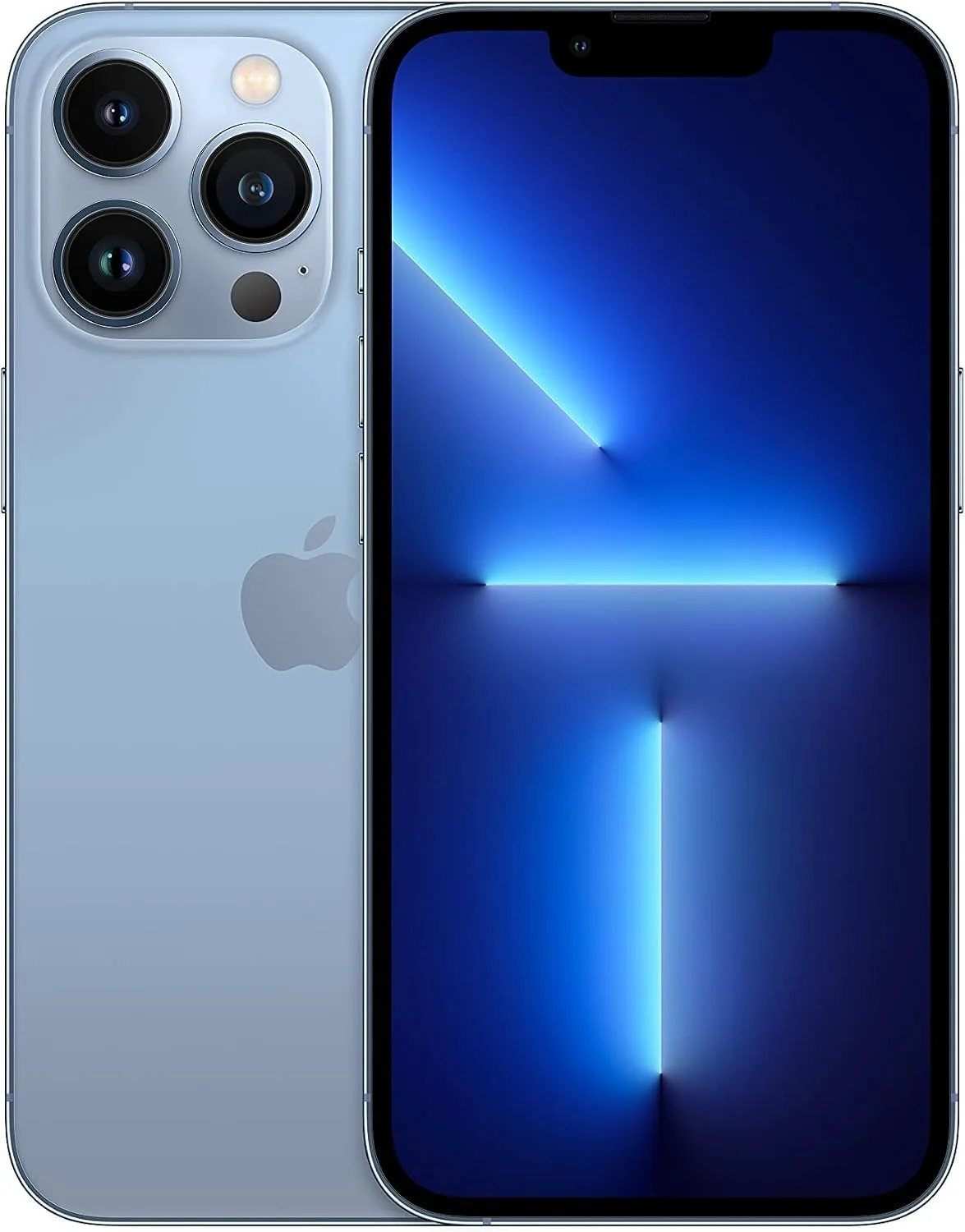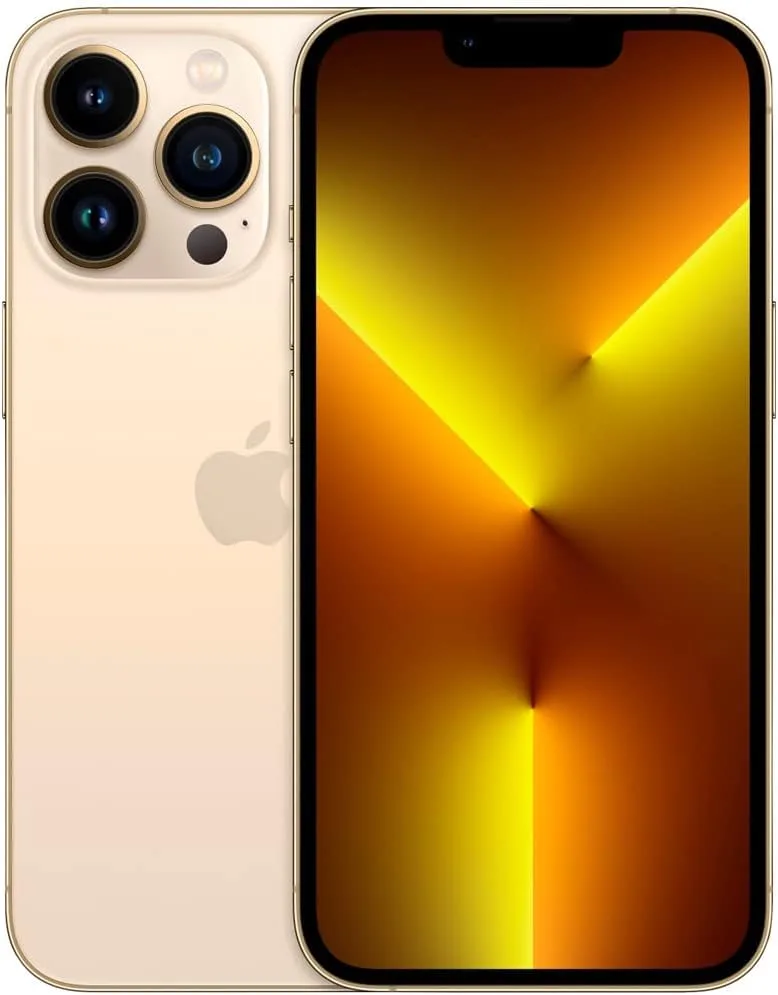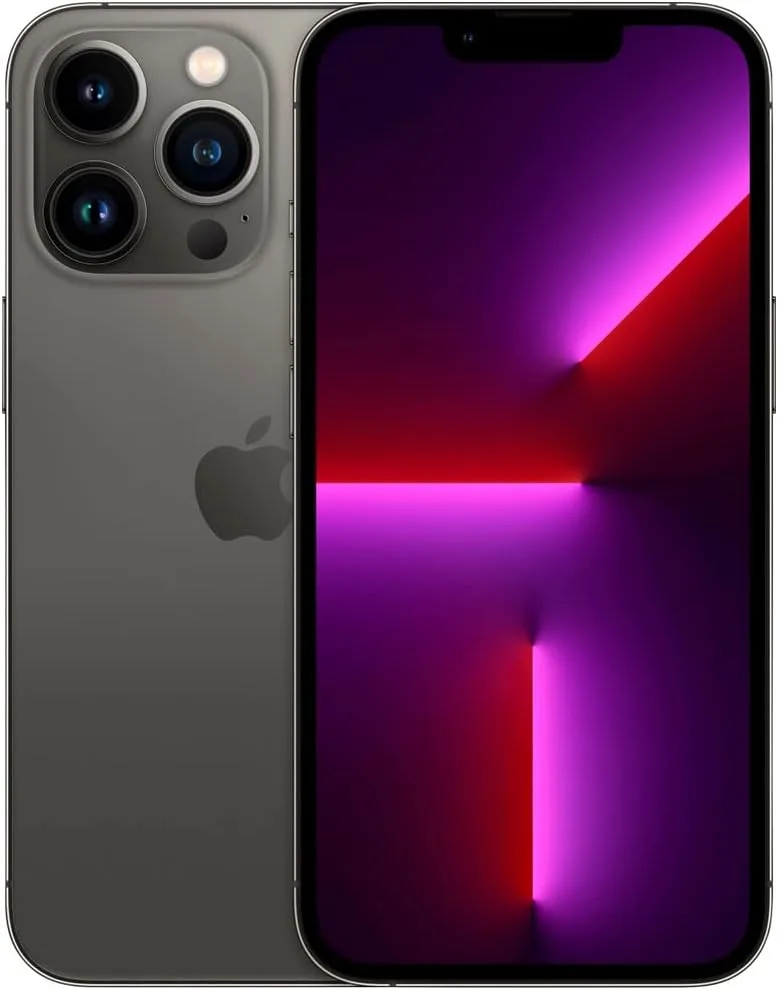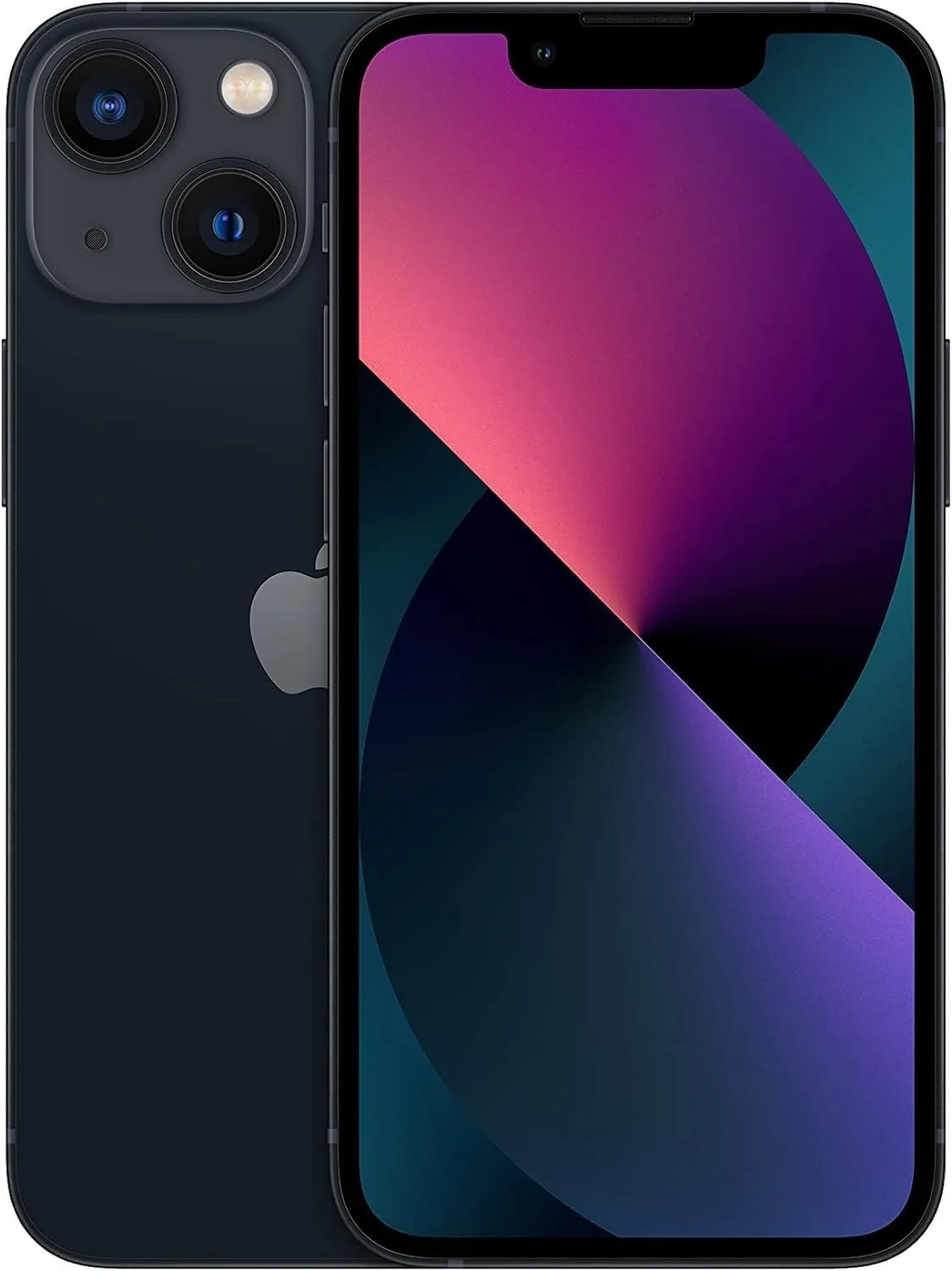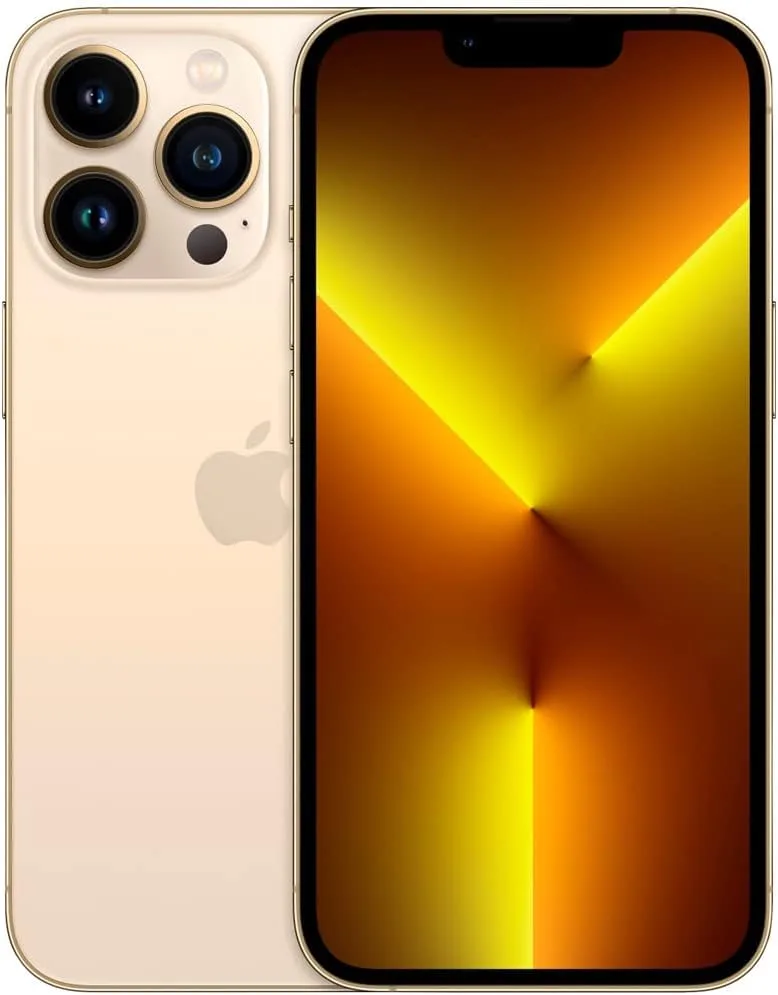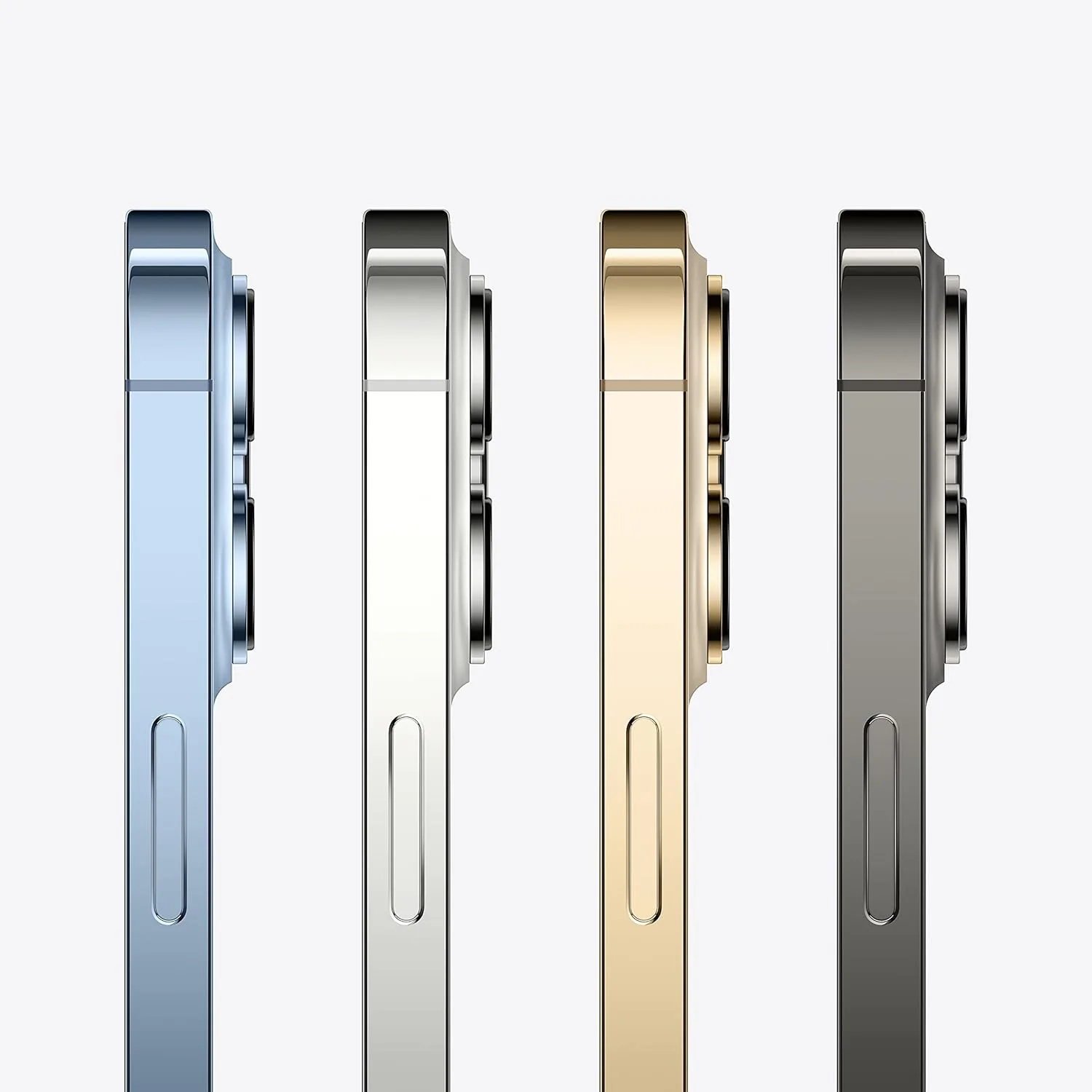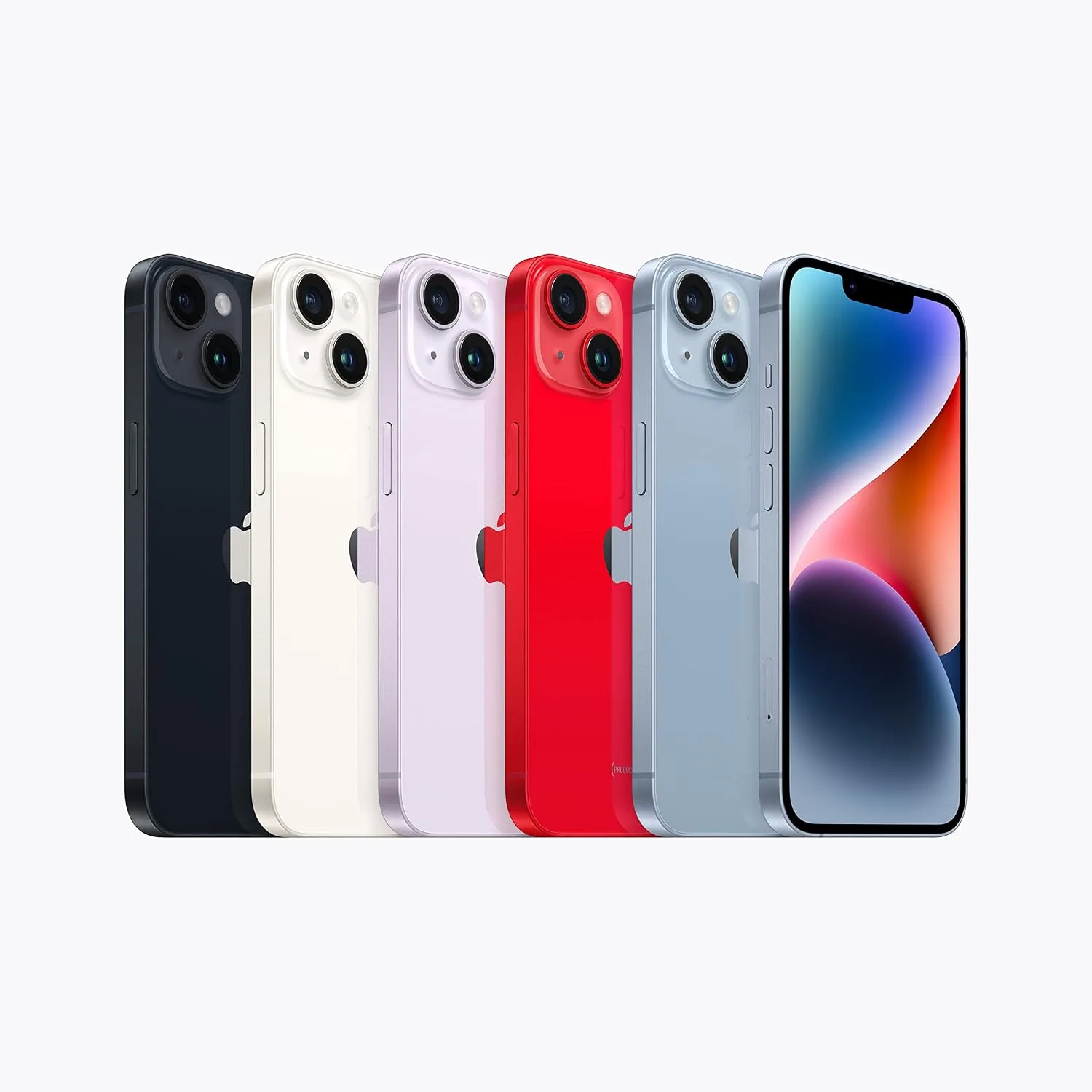
Apple's iPhone 18 Pro and iPhone 18 Pro Max landed on shelves globally on September 18, 2026, and they've already arrived in Nairobi — genuinely current-generation stock, not old inventory dressed up as new. If you've decided you're getting an iPhone 18 this year, you're now facing the one decision every Pro-series buyer eventually hits: Pro, or Pro Max?
This is a longer, more thorough guide than most comparison articles, deliberately so. The two phones share nearly everything under the hood this generation — identical chip, identical camera system, identical software — which means the decision genuinely comes down to a handful of real, practical differences rather than a long list of trade-offs. Getting clear on exactly what those differences are, and how they map onto how you actually use a phone day to day in Nairobi, will save you from second-guessing your choice for the next two or three years.
The Genuinely Important Thing to Understand First
Before getting into displays and batteries, it's worth stating plainly: the iPhone 18 Pro and iPhone 18 Pro Max are not "good" and "better" versions of the same phone. They run the identical Apple A20 Pro chip, built on the same 2-nanometre process. They carry the exact same triple 48MP Fusion camera system, including the genuinely new variable aperture main lens that lets you manually control depth of field and low-light performance for the first time on any iPhone. They run the same iOS 27, with the same Apple Intelligence features and the newly overhauled Siri.
This is different from how some past generations worked, where the larger model occasionally got a camera advantage the smaller one didn't. This year, if you buy the Pro, you are not sacrificing camera quality or raw processing power to save money or get a more pocketable phone. You're making a decision purely about physical size, screen real estate, and battery capacity — nothing else.
That reframing matters, because it means you can make this decision based entirely on how the phone will actually live in your hands, your pocket, and your daily routine — not on spec-sheet anxiety about "missing out" on a better camera.
Display Size: 6.3 Inches vs 6.9 Inches
The iPhone 18 Pro carries a 6.3-inch LTPO Super Retina XDR display. The iPhone 18 Pro Max steps up to 6.9 inches. On paper, that's a 0.6-inch difference — it doesn't sound like much until you hold both phones side by side.
In practice, the size difference genuinely changes how the phone feels to use. The 6.3-inch Pro is comfortably operable with one hand for most adult users — reaching the top corner of the screen while holding it naturally is realistic, and it slips into a trouser pocket or a small handbag without creating a visible bulge. The 6.9-inch Pro Max is a genuinely two-handed phone for most tasks beyond scrolling — typing a long WhatsApp message, reaching the notification shade, or holding it steady with one hand while doing anything else all become noticeably harder.
Where the Pro Max earns its size back is media consumption and any kind of visual work. If you spend real time each day watching YouTube, editing photos, reading long documents, or using split-screen multitasking, the extra display area is a genuine, felt improvement — not a marginal one. Text is more comfortable to read for longer stretches, video feels more immersive, and the extra vertical space when the keyboard is up means you can see more of what you're typing.
A practical Nairobi-specific consideration: if you spend a lot of time on matatus or boda bodas, a phone that fits comfortably and securely in a front pocket, rather than needing a bag, is a genuine, everyday safety and convenience factor. The Pro's more compact size is a real practical advantage here, not just an aesthetic preference.
Battery Life: The Single Biggest Practical Gap
This is where the two phones diverge most meaningfully in day-to-day use, and it's worth treating seriously rather than glossing over.
The iPhone 18 Pro Max delivers the longest battery life of any iPhone Apple has ever built — up to 45 hours of video playback in early testing, a genuine, measured improvement over every previous generation including last year's iPhone 17 Pro Max. The standard iPhone 18 Pro, while still carrying real efficiency gains from the A20 Pro chip, works with a physically smaller battery cell simply because there's less room inside the smaller body.
Here's why this matters more in Nairobi specifically than it might elsewhere. Kenya's electricity supply, while generally reliable in urban centres, still experiences the occasional unplanned outage — and if you're commuting for an hour or more each way, working a long shift away from a charger, or simply someone who forgets to plug in overnight, the margin the Pro Max's battery gives you is a genuinely practical buffer rather than a luxury. For anyone whose day regularly runs past 14-16 hours away from reliable charging access, the Pro Max's extended endurance removes a source of real daily anxiety.
If your day is more typical — home in the evening, access to a charger at your desk, a car charger for commutes — the standard Pro's battery, while smaller, is still genuinely capable thanks to the A20 Pro's efficiency improvements, and won't leave you stranded under normal use.
The Camera System: Genuinely Identical
This deserves its own section specifically because so many past "Pro vs Pro Max" comparisons have hinged partly on camera differences — and this year, there simply aren't any that matter. Both phones carry:
- A 48MP Fusion Main camera with genuine variable aperture (ƒ/1.48, ƒ/1.8, ƒ/2.8, ƒ/4.0) — Apple's first mechanical aperture system on any iPhone, letting you manually control how much light hits the sensor and how much background blur you get, rather than being locked to a single fixed setting.
- A 48MP Fusion Ultra Wide camera with a 120-degree field of view.
- A 48MP Fusion Telephoto camera using a tetraprism design, delivering genuine 4x optical zoom and up to 8x optical-quality zoom through sensor cropping, for a total 16x optical-quality zoom range.
- The same 18MP front camera with Center Stage.
If photography or videography is your primary reason for upgrading, you can choose purely based on size and battery preference without worrying that you're settling for a lesser camera on the smaller phone. This is a genuinely buyer-friendly decision structure — Apple isn't using the camera to upsell you into the larger, pricier model this year.
Price Gap in Real Nairobi Terms
Here's where the decision gets concrete. Looking at comparable storage tiers available in Kenya right now:
- iPhone 18 Pro, 256GB starts from roughly KES 235,000
- iPhone 18 Pro Max, 256GB starts from roughly KES 283,000–290,000 depending on colour
That's a genuine gap of roughly KES 48,000 to 55,000 between the two at matching storage — not a trivial amount by any measure. It's worth translating that into something concrete rather than an abstract number: that price difference alone could cover several months of a typical Nairobi household's electricity and water bills combined, a decent secondhand motorcycle's worth of value, or a meaningful chunk of a semester's school fees. This isn't said to talk you out of the Pro Max — plenty of buyers will find the extra battery life and screen size genuinely worth that premium — but it's worth being honest with yourself about whether the difference is funding something you'll use daily, or something you're buying because "Max" sounds like the better choice.
Who Should Genuinely Buy the Standard iPhone 18 Pro
Buyers who value one-handed usability — if you're constantly juggling a phone while carrying shopping, holding a matatu rail, or managing kids, the Pro's more compact size is a real, daily comfort advantage.
Anyone with a reliable charging routine — a desk charger at work, a car charger for commutes, or simply a habit of charging overnight consistently means the Pro's slightly shorter battery life won't meaningfully affect you.
Buyers who prioritise pocketability — if a visible phone bulge in your trouser pocket genuinely bothers you, or you carry a smaller bag, the Pro fits more discreetly.
Budget-conscious buyers who still want the full flagship experience — remember, you're not sacrificing chip performance or camera quality to save that KES 48,000+; you're purely trading screen size and battery capacity.
Who Should Genuinely Buy the iPhone 18 Pro Max
Anyone whose day regularly runs long without reliable charging access — field sales reps, drivers, anyone working extended shifts, or frequent travellers between towns will genuinely feel the difference in daily peace of mind.
Heavy media consumers — if streaming video, reading extensively, or gaming on your phone is a significant part of your daily use, the larger display is a genuine quality-of-life improvement, not a marginal one.
Content creators and photographers — while the camera hardware is identical, framing shots and reviewing footage on the larger screen is genuinely more comfortable for serious creative work.
Buyers who simply prefer a larger phone — some people just find bigger phones more satisfying to use, and that's a perfectly legitimate reason on its own.
A Simple Decision Framework
Ask yourself these questions in order:
1. Do I regularly go 14+ hours without reliable charging access? If yes, lean Pro Max. If no, either phone's battery will serve you well.
2. Do I use my phone mostly one-handed throughout the day? If yes, lean Pro. If you're usually seated or have both hands free when using your phone (at a desk, on a couch), the Pro Max's size matters less.
3. Is the roughly KES 50,000 price gap genuinely comfortable for me, or would it create financial strain? Be honest here — a phone that stresses your budget isn't a good purchase regardless of its specs.
4. Do I watch a lot of video, read extensively, or do visual creative work on my phone? If yes, the Pro Max's larger canvas is a real, felt benefit. If your phone use is mostly messaging, calls, and quick browsing, screen size matters less.
For the large majority of Kenyan buyers weighing this decision, the honest answer tends to land on the standard iPhone 18 Pro — it delivers the full new-generation experience, including the genuinely significant variable aperture camera and A20 Pro performance, at a meaningfully more accessible price, with a size that fits real daily life more comfortably for most people. The Pro Max earns its premium specifically for buyers with a genuine, identifiable need for maximum battery life or screen size — not simply as the "better" default choice.
The A20 Pro Chip: Why It Matters Equally to Both Phones
It's worth spending real time on the chip powering both models, since it's genuinely one of the biggest under-the-hood stories of this generation and applies identically whether you choose Pro or Pro Max. The A20 Pro is built on TSMC's cutting-edge 2-nanometre manufacturing process — a genuine leap in transistor density over the 3-nanometre process used in last year's A19 Pro, meaning more computing power packed into the same physical space, with meaningfully better power efficiency as a direct result.
The new 7-core GPU delivers a claimed 40% improvement in graphics processing over the A19 Pro, and independent benchmarks run after launch have largely confirmed Apple's numbers, with both the Pro and Pro Max measuring roughly 24 to 26 percent faster than their iPhone 17 Pro equivalents in sustained real-world testing. For anyone who games on their phone, edits video on the go, or runs demanding apps like advanced photo editors, this is a genuine, felt improvement rather than a marketing number that doesn't translate to daily use.
Just as significant is what Apple did with thermal management this generation. Both the Pro and Pro Max now use a redesigned vapor chamber cooling system with three times the surface area of the one found in the iPhone 17 Pro, combined with new silicon packaging inspired by Apple's own M-series Mac chips — physically connecting the processor and memory directly to the vapor chamber for far more efficient heat dissipation. In practice, this means both phones sustain their peak performance for longer during demanding tasks before throttling down to manage heat, a genuine improvement reviewers noticed immediately: both new Pro models run noticeably cooler under load than their predecessors, even during extended gaming sessions or 4K video export.
Apple's Own C2 Modem: A Genuine First for Both Models
This is a piece of technology most buyers won't think about day to day, but it represents one of the most significant infrastructure shifts Apple has made in years — and again, it applies equally to both the Pro and Pro Max. For the first time, every iPhone 18 Pro model uses Apple's own custom-designed C2 cellular modem, completely replacing the Qualcomm modems that have powered every previous iPhone generation.
Paired with Apple's own N1 chip handling Wi-Fi, Bluetooth, and Thread connectivity, this marks the point where Apple now designs and controls essentially every major radio component inside its flagship phones, rather than relying on a third-party supplier for the cellular connection. Early real-world testing in markets already running the new phones has shown strong network performance, and for buyers in Kenya, this means solid 5G and 4G connectivity on Safaricom and Airtel networks regardless of which model you choose. It's genuinely too early to say definitively whether Apple's own modem outperforms Qualcomm's in every scenario, but the transition itself is a meaningful milestone worth understanding as you consider either phone.
iOS 27 and Apple Intelligence: The Software Layer Both Phones Share
Whichever size you choose, you're getting the identical software experience. iOS 27 arrives with a significantly overhauled Siri architecture, leaning further into Apple Intelligence with genuinely more context-aware responses, improved on-device handling of personal data requests (meaning many AI features process directly on your phone rather than sending data to Apple's servers), and considerably tighter integration across Mail, Messages, and the Health app. For buyers weighing whether this generation is worth the investment purely on hardware terms, it's worth remembering that the software experience — arguably just as important to daily satisfaction as raw specs — is identical between the two models, so you're never trading away capability by choosing the smaller phone.
Weight and In-Hand Feel: A Detail Worth Taking Seriously
Beyond screen size, the physical weight difference between the two phones is worth its own mention, since it compounds with size to affect comfort over a full day of use. Both phones are slightly heavier than their iPhone 17 Pro predecessors, a direct consequence of the larger batteries and new cooling systems — but the Pro Max carries meaningfully more mass than the standard Pro simply due to its larger battery cell and bigger overall frame.
If you've ever held a phone up to your ear during a long call, propped it up in bed for video, or carried it in a shirt pocket, the weight difference between roughly 206 grams and well over 230 grams becomes genuinely noticeable over time, even if it doesn't seem like much when you first pick either phone up in a shop. This is worth experiencing in person rather than judging from a spec sheet — visit a shop, hold both, and pay attention to how your wrist feels after a minute or two of scrolling with each.
Resale Value and Long-Term Considerations in the Kenyan Market
Worth factoring into your decision: Kenya's secondhand and trade-in phone market has historically shown that Pro Max models, while more expensive upfront, tend to hold their value slightly better over a two-to-three-year ownership period, given consistent demand from buyers specifically seeking the larger screen size. That said, this isn't a dramatic enough difference to be the deciding factor on its own — the price premium you pay upfront for the Pro Max is rarely fully recovered through better resale value alone. Buy based on which phone genuinely fits your daily life now, not on a speculative resale calculation for a purchase you'll likely keep for several years regardless.
A Word on eSIM for Both Models
Worth noting regardless of which size you choose: current iPhone 18 Pro and Pro Max stock arriving in Kenya is eSIM only, with no physical SIM tray. This applies identically to both models. You'll activate your Safaricom, Airtel, or Telkom Kenya line through a digital eSIM profile rather than inserting a physical SIM card — a straightforward process most Kenyan carrier shops can handle in a few minutes. If you regularly swap SIM cards between phones, this is worth factoring into your decision, though it doesn't favour one size over the other.
Storage Considerations for Either Model
Whichever size you land on, storage is worth thinking through separately. With three 48MP cameras all capable of super-high-resolution 24MP and 48MP capture, and the new variable aperture encouraging more deliberate, creative shooting, photo and video files genuinely accumulate faster on this generation than on older iPhones. If you shoot extensively, edit video, or simply never want to think about storage again, stepping up from 256GB to 512GB is a worthwhile consideration on either model. For typical everyday use — messaging, social media, a healthy but not extreme amount of photography — 256GB remains genuinely comfortable, especially alongside iCloud backup.
Financing and Payment Considerations for Kenyan Buyers
At price points north of KES 230,000, how you pay matters almost as much as what you buy. Most established Nairobi electronics retailers, including City Gadgets Kenya, accept M-Pesa directly for the full purchase amount — genuinely the fastest, safest way to complete a transaction of this size without carrying cash. Card payments are typically also accepted for buyers who prefer that route.
If you're financing the purchase rather than paying outright, it's worth doing the maths on the Pro versus Pro Max decision through that lens too. A roughly KES 50,000 difference, spread across a financing plan, translates into a genuinely meaningful recurring monthly cost — often the difference between a payment that comfortably fits your budget and one that stretches it. Before committing to either phone through any instalment arrangement, calculate the full realistic monthly outlay including any interest or service charges, and weigh that honestly against what the Pro Max's extra battery and screen size are actually worth to your specific daily routine, rather than letting the "flagship" label alone justify the larger monthly commitment.
Trade-In Considerations if You're Upgrading
If you're moving up from an older iPhone, many Nairobi retailers — City Gadgets Kenya included — will consider your existing device as part of the purchase, genuinely reducing the effective cost of either the Pro or Pro Max. This is worth asking about directly rather than assuming it isn't available, since the value of a well-maintained older iPhone can meaningfully offset the price gap between the two new models, potentially making the Pro Max more attainable than the sticker price alone suggests. Bring your current phone along when you visit, have it factory reset and ready to hand over, and ask for an honest, itemised trade-in valuation before you commit to your final purchase.
Buying Safely in Nairobi Right Now
Given how fresh this launch is, a few things are worth confirming before you buy from any seller in Nairobi:
Confirm the unit is genuinely new-generation stock, not old iPhone 17 Pro inventory being sold at inflated prices during the hype window. Ask specifically for the model name printed on the box and confirm it matches "iPhone 18 Pro" or "iPhone 18 Pro Max."
Verify the eSIM-only configuration explicitly, so you're not surprised when there's no SIM tray.
Ask about warranty terms clearly, since brand-new launch stock arriving quickly into a market can sometimes come through parallel import channels rather than official regional distribution — this isn't necessarily a problem, but it's worth understanding what protection you have.
Check the IMEI before completing payment, confirming the device is unlocked and not reported lost or stolen.
Real-World Photography Scenarios Worth Thinking Through
Since the camera system is identical between both phones, it's worth spending a moment on how the new variable aperture genuinely changes photography for scenarios common among Kenyan buyers specifically, regardless of which size you choose.
Event and wedding photography is a genuinely significant part of Nairobi's creative economy, and the variable aperture's widest ƒ/1.48 setting is built exactly for the low-light reception halls, dimly lit venues, and evening outdoor ceremonies that make up much of this work — letting in up to 50% more light than the previous default aperture, meaning genuinely cleaner, brighter shots without needing external lighting in situations that would have challenged older iPhone cameras.
Safari and wildlife photography benefits specifically from the tetraprism telephoto system's 4x optical zoom and up to 8x optical-quality reach — genuinely useful for capturing distant wildlife from a safe distance without needing to carry separate camera equipment on a trip, a real practical advantage for both tourists and local content creators covering Kenya's parks and reserves.
Everyday Nairobi street and lifestyle content, a genuinely thriving creative niche on Instagram and TikTok, benefits from the narrower apertures (ƒ/2.8, ƒ/4.0) for sharp, deep-focus daytime shots of markets, streets, and group scenes where you want everything in focus rather than a shallow depth of field.
Because this camera system is identical across both phones, your choice of Pro versus Pro Max should never be driven by photography concerns alone — pick based on size and battery, and trust that either phone will deliver the same genuinely new creative capability.
Frequently Asked Questions
Is the camera genuinely identical between the Pro and Pro Max? Yes — both phones use the exact same triple 48MP Fusion camera system, including the new variable aperture main lens. There is no camera-quality reason to choose one over the other this generation.
How much longer does the Pro Max's battery genuinely last? Early testing shows the Pro Max reaching up to 45 hours of video playback, the longest of any iPhone Apple has produced — a meaningfully longer real-world battery life than the standard Pro, which still benefits from the A20 Pro's efficiency gains but works with a physically smaller battery cell.
Is the price difference between Pro and Pro Max justified? It depends entirely on your usage. If you have a genuine need for maximum battery life or screen size, yes. If your daily routine includes reliable charging access and you value a more compact phone, the standard Pro delivers the same core experience for meaningfully less.
Will both phones work well on Safaricom and Airtel networks in Kenya? Yes — both support full 5G and 4G connectivity via Apple's new C2 modem, with eSIM activation supported by all major Kenyan carriers.
Is 256GB enough storage for either model? For most typical users, yes, especially alongside cloud backup. If you shoot extensively in the camera's full resolution modes or keep large offline media libraries, consider stepping up to 512GB.
Which model is more popular among Nairobi buyers so far? Given the significant price gap and the identical camera and chip experience, the standard iPhone 18 Pro is shaping up to be the more commonly chosen option among value-conscious buyers, with the Pro Max drawing buyers who have a specific need for its larger battery and display.
Accessories Worth Budgeting For Either Way
Regardless of which model you choose, it's worth setting aside a small additional budget for genuine protection, given the investment involved. A quality case is arguably non-negotiable at this price point — while both phones carry Ceramic Shield 2 front glass and an IP68 rating, no phone is genuinely immune to a hard drop on Nairobi's pavements or matatu floors. A tempered glass screen protector, while the display itself is already durable, provides genuine peace of mind for a relatively small additional cost. And given the eSIM-only configuration, it's worth confirming with your carrier that your account and number are properly linked to the new device before you leave the shop, rather than discovering an activation issue later at home.
The Bottom Line
Both the iPhone 18 Pro and iPhone 18 Pro Max deliver the exact same generational leap this year — the genuinely new variable aperture camera, the 2-nanometre A20 Pro chip, and Apple's own cellular modem replacing Qualcomm for the first time. The decision between them isn't about settling for less; it's purely about matching the phone's physical size and battery capacity to how you actually live your day. Be honest about your charging habits, how you hold and carry your phone, and what the price gap genuinely means for your budget, and the right choice for you becomes clear.
Ready to see both models in person before deciding? Browse current iPhone 18 Pro and Pro Max stock at City Gadgets Kenya, or reach out on WhatsApp for honest, no-pressure guidance on which one genuinely fits your daily life.