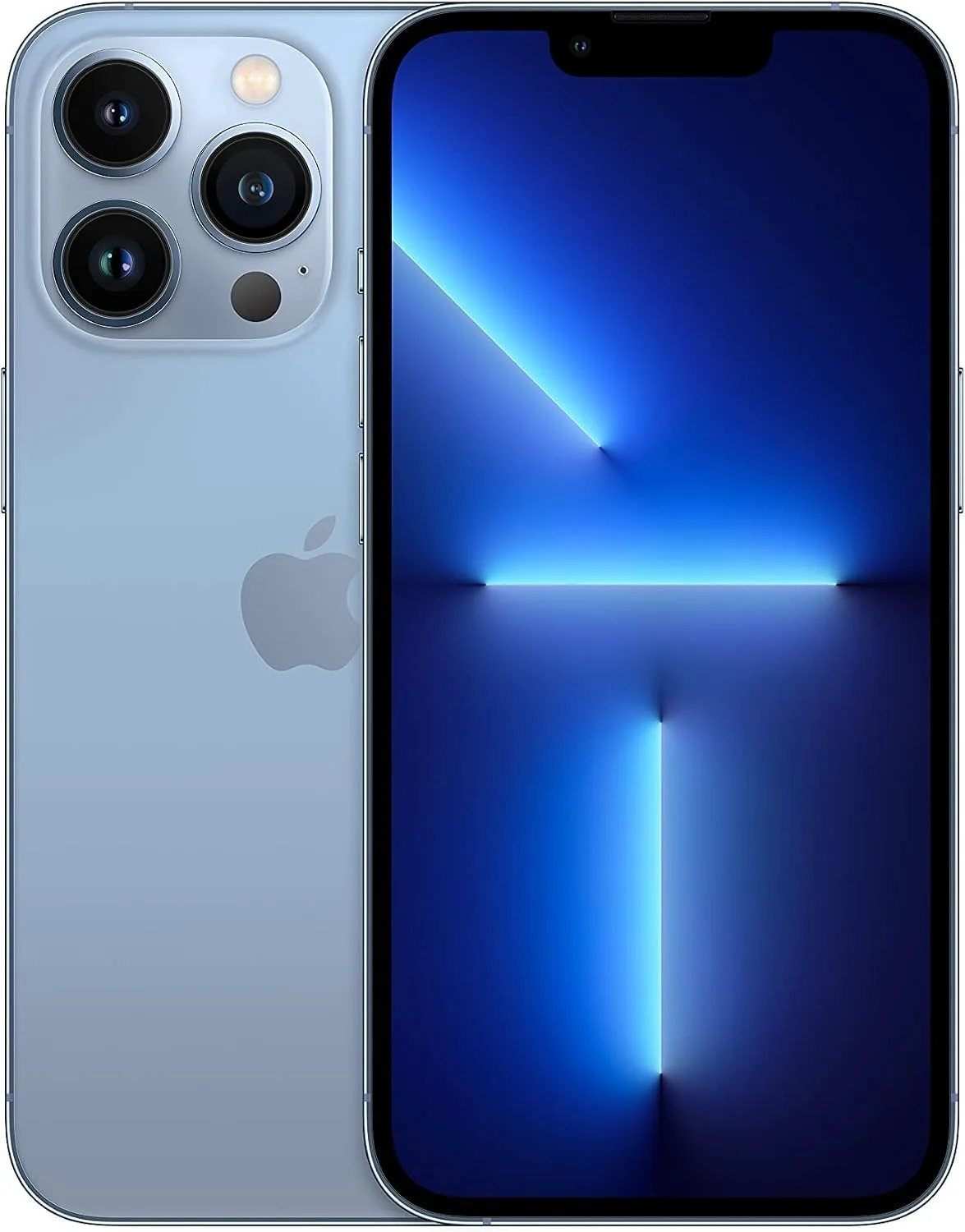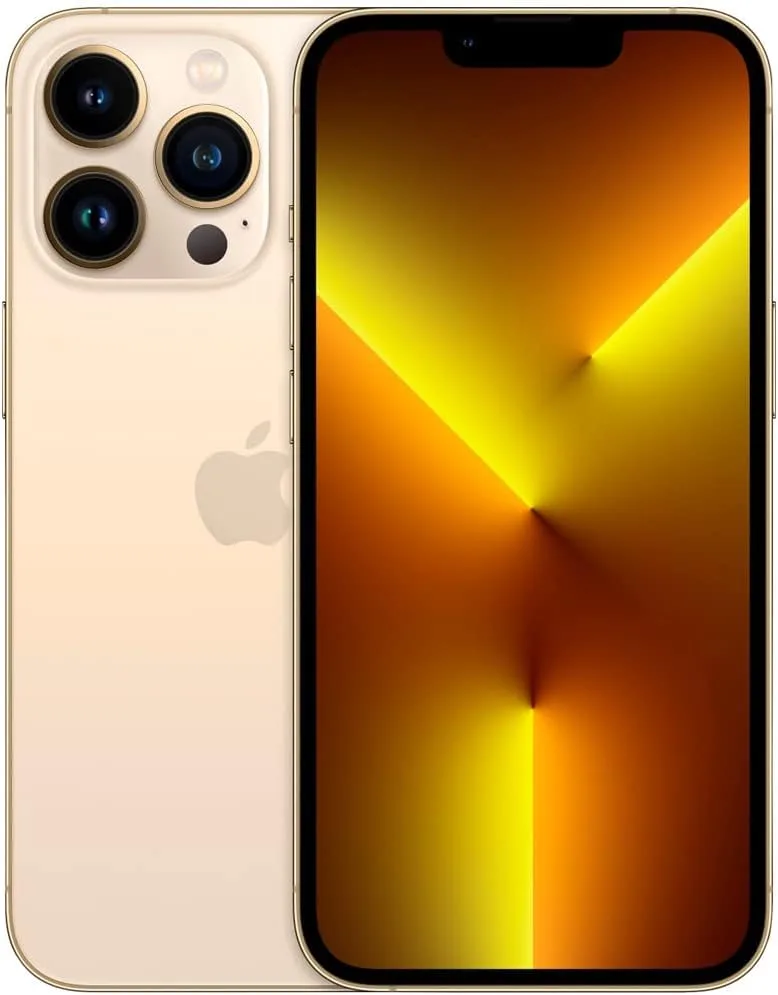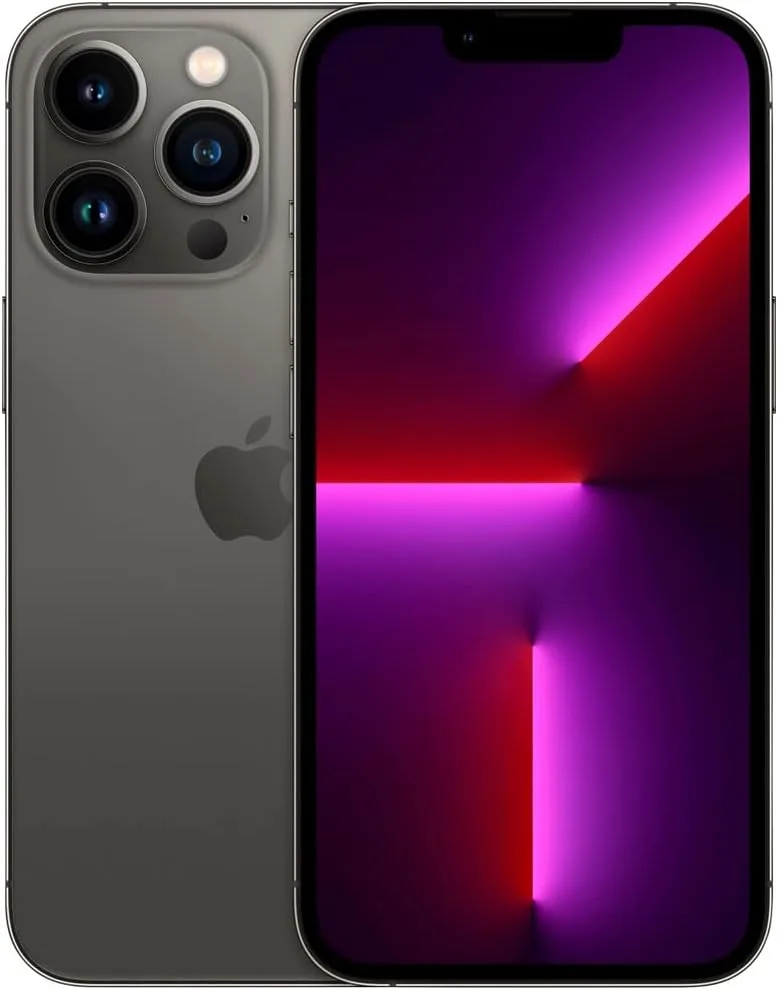
A deep technical breakdown of the iPhone 18 Pro and Pro Max — A20 Pro architecture, real Geekbench and AnTuTu benchmarks, display specs, camera engineering, and modem details.
iPhone 18 Pro & Pro Max: The Full Technical Review
This is the deep-dive iPhone 18 Pro and Pro Max coverage built specifically for people who actually care about die process nodes, GPU core counts, and real benchmark numbers rather than marketing adjectives. Apple's September 9, 2026 announcement covered the usual "faster, better, longer battery" ground in its keynote, but underneath that framing sits a genuinely significant generation from an engineering standpoint — the first mechanical variable aperture on any iPhone, the first fully in-house cellular modem, and the first 2-nanometre chip Apple has shipped at scale. This review pulls apart each of those claims with actual numbers.
The A20 Pro: Apple's First 2nm Silicon
Let's start where the enthusiast conversation always starts: the silicon. The A20 Pro is built on TSMC's second-generation 2-nanometre (N2) process, a genuine node shrink from the 3-nanometre process used for last year's A19 Pro. In practical transistor terms, this is Apple's most significant manufacturing process jump in several generations, and it shows up directly in both performance and efficiency numbers.
CPU architecture: The A20 Pro retains a six-core CPU configuration, but Apple's official claim is up to 20% faster CPU performance compared to the A19 Pro, achieved through architectural refinements to the performance cores alongside the node shrink itself, rather than simply adding cores. Both cores now run at approximately 4.93 GHz, based on early Geekbench listings that captured this clock speed directly from pre-release units.
GPU architecture: This is where the generational jump is most dramatic. The new 7-core GPU (up from 6 cores in the A19 Pro) delivers Apple's claimed 40% graphics performance improvement, and early Metal benchmark results in the Geekbench 6 database broadly corroborate this, showing the full 7-core configuration running roughly 38-40% ahead of the previous generation's 6-core GPU.
Neural Engine: The A20 Pro ships with two Neural Engines totalling 32 cores, doubling up the AI-processing hardware from previous single-Neural-Engine designs, alongside integrated Neural Accelerators distributed across the CPU cores themselves — a hybrid approach to on-device machine learning acceleration that Apple says delivers the memory bandwidth increase needed to run the more demanding Apple Intelligence models locally rather than in the cloud.
Memory bandwidth: Apple states a 50% increase in memory bandwidth over the A19 Pro — a genuinely significant figure for anyone doing on-device ML inference, video encoding, or other memory-bound workloads, since bandwidth (not just raw core count) is frequently the actual bottleneck in sustained heavy compute tasks on mobile silicon.
Real Benchmark Numbers: Geekbench and AnTuTu
Marketing percentages are one thing; independently observed benchmark data is another. Here's what's actually been recorded from pre-release and early retail units.
Geekbench 6, iPhone 18 Pro: single-core 4,719, multi-core 12,677 Geekbench 6, iPhone 18 Pro Max: single-core 4,725 (some listings show 4,741), multi-core 12,575–12,789 Geekbench 7, iPhone 18 Pro: single-core 4,022, multi-core 11,543 Geekbench 7, iPhone 18 Pro Max: single-core 4,025, multi-core 11,525
For reference, the outgoing generation scored: iPhone 17 Pro at Geekbench 6 3,834/9,988 and Geekbench 7 3,138/8,692; iPhone 17 Pro Max at Geekbench 6 3,871/9,968 and Geekbench 7 3,285/8,999. Averaging across both new Pro models against the previous generation works out to roughly a 21–23% single-core improvement and 27–28% multi-core improvement — broadly matching Apple's own stated figures, and independently significant given how mature and optimised the A-series architecture already was.
AnTuTu v11 (iOS): The iPhone 18 Pro Max has been recorded at scores ranging from approximately 2,998,000 to 3,551,000 across different test runs and units — AnTuTu's iOS and Android scoring methodologies aren't directly comparable, so treat this figure as a within-platform, generation-over-generation reference point rather than a cross-platform ranking claim.
Competitive context worth noting honestly: early Geekbench listings for the upcoming MediaTek Dimensity 9600 show a single-core score of 4,139 (behind the A20 Pro) but a multi-core score of 13,285 (ahead of the A20 Pro's ~12,248 average). Samsung's Galaxy S26 Ultra recorded Geekbench 6 scores of 3,785/11,563 and Geekbench 7 scores of 3,149/10,612 — meaning the A20 Pro holds a clear single-core lead over Samsung's current flagship chip, with the multi-core race against the very newest Android silicon genuinely closer than Apple's marketing slides might suggest. All of these figures come from pre-release or early units and should be treated as directional rather than final.
Thermal Engineering: The Vapor Chamber Redesign
Raw silicon performance is only half the story on a passively-cooled device — sustained performance under thermal load is where phones typically diverge from their benchmark-chart numbers in real use. Apple specifically re-engineered the iPhone 18 Pro's thermal system this generation, and the details are worth understanding.
The new vapor chamber carries three times the surface area of the one in the iPhone 17 Pro. More significantly, Apple redesigned the chip packaging itself, borrowing an approach from its M-series Mac silicon: the processor and memory package now connects directly to the vapor chamber, rather than dissipating heat through several intermediate material layers as in previous designs. Apple's own claim is up to 40% better sustained performance than the previous generation under prolonged heavy load — a genuinely meaningful figure for anyone running extended gaming sessions, 4K video export, or on-device ML inference where thermal throttling has historically been the limiting factor on iPhone performance, not the chip's peak capability.
The Variable Aperture Camera: Engineering the Mechanism
This is the single most novel piece of hardware engineering in the phone, and it deserves genuine technical scrutiny rather than surface-level description.
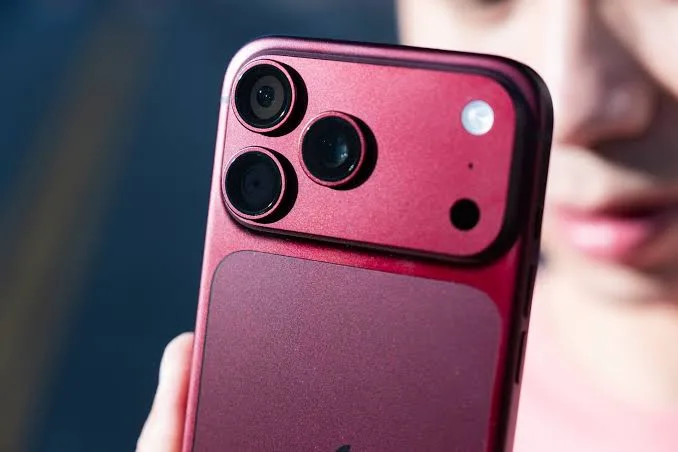
The 48MP Fusion Main camera uses a six-blade mechanical aperture mechanism, physically moving blades to alter the lens opening across four discrete stops: ƒ/1.48, ƒ/1.8 (default), ƒ/2.8, and ƒ/4.0. This is mechanically closer to what you'd find in a dedicated mirrorless camera lens than anything previously shipped in a smartphone, and it represents genuine miniaturisation engineering — fitting a moving mechanical aperture assembly into an iPhone's camera module, alongside the sensor, second-generation sensor-shift OIS, and all supporting optics, without meaningfully increasing the camera bump's physical footprint.
Why ƒ/1.48 specifically: at this widest opening, the lens admits up to 50% more light than the ƒ/1.8 default — a genuinely large jump in a single stop-equivalent adjustment, translating directly into either faster shutter speeds in low light (reducing motion blur) or lower ISO/noise at equivalent shutter speed. The 24mm focal length and second-generation sensor-shift OIS remain constant across all four aperture settings; only the physical light-gathering aperture and resulting depth-of-field characteristics change.
The full triple-camera specification:
- 48MP Fusion Main: 24mm equivalent, variable aperture (ƒ/1.48–ƒ/4.0), second-generation sensor-shift OIS, 100% Focus Pixels (on-sensor phase detection across the entire active area), super-high-resolution capture at 24MP and 48MP
- 48MP Fusion Ultra Wide: 13mm equivalent, fixed ƒ/2.2, 120° field of view, Hybrid Focus Pixels, also capable of 24MP/48MP super-high-resolution output
- 48MP Fusion Telephoto: 100mm equivalent (4x optical), fixed ƒ/2.8, genuine tetraprism folded-lens design, 3D sensor-shift OIS with autofocus, enabling 12MP optical-quality output at 8x through sensor-level cropping of the 48MP capture
- Total zoom range: 16x optical-quality (2x out via ultra-wide crop, to 8x in via telephoto crop), with further digital zoom beyond that range
- Front camera: 18MP, unchanged specification from the iPhone 17 Pro generation, still using Center Stage framing
Manual control implementation: the Camera app now exposes direct manual control over aperture, shutter speed, and white balance simultaneously, with a built-in real-time exposure histogram — a feature set that genuinely mirrors manual controls found in dedicated camera apps, now built natively into stock iOS rather than requiring third-party software.
Display: The LTPO Panel Specifications
Apple's press materials describe the display technology as carrying over "the same resolution, refresh rates and brightness as the outgoing models" — worth stating plainly for anyone expecting a display generational leap this year, since the panel technology itself is a continuation rather than a fresh design.
iPhone 18 Pro: 6.3-inch panel, 2622 × 1206 pixel resolution, 460 ppi iPhone 18 Pro Max: 6.9-inch panel, 2868 × 1320 pixel resolution, 460 ppi
Both use LTPO Super Retina XDR OLED technology with ProMotion adaptive refresh from 1Hz to 120Hz, Always-On display capability sustained at 1Hz, P3 wide colour gamut, a 2,000,000:1 contrast ratio (typical, inherent to OLED's per-pixel black levels), 1,000 nits typical max brightness, 1,600 nits peak HDR brightness, and 3,000 nits peak outdoor brightness — genuinely class-leading peak brightness figures for direct equatorial sunlight readability, relevant specifically for markets like Kenya with consistently strong daylight conditions.
The smaller Dynamic Island: achieved by relocating Face ID's structured-light and infrared components beneath the display panel itself, rather than housing them in the visible cutout. This is a genuine sensor-miniaturisation and under-display transmission engineering achievement, not simply a software crop of the existing cutout shape. The practical software benefit is support for three simultaneous Live Activities, up from two.
Connectivity: A Fully Vertically-Integrated Radio Stack
This generation completes a multi-year Apple strategy of bringing every major radio component in-house, and it's worth itemising exactly what that means at the component level.
Apple C2 modem: the first-ever fully Apple-designed cellular modem shipping across the Pro lineup, completely replacing the Qualcomm Snapdragon X-series modems used in every previous iPhone generation, including last year's Snapdragon X80 in the iPhone 17 Pro. Supports the full range of 5G NR and 5G-A bands alongside legacy 4G LTE, 3G UMTS/HSPA+, and 2G GSM/EDGE for global roaming compatibility.
Apple N1 chip: handles Wi-Fi, Bluetooth, and Thread from a single Apple-designed chip, carried forward from last generation's introduction. Confirmed specifications include Wi-Fi 7 tri-band support and Bluetooth 6.0 (A2DP, LE).
Additional radio hardware: Ultra-wideband (UWB) for precision spatial awareness (Find My, AirTag, and CarKey-style interactions), NFC in reader mode with Express Cards support, dual-frequency GPS (L1 and L5 bands, improving positioning accuracy particularly in urban canyon or dense-building environments), GLONASS, Galileo, QZSS, BeiDou, and NavIC satellite constellation support, and low-earth-orbit satellite connectivity via Globalstar for Emergency SOS, Messages, and Find My in areas without cellular coverage.
USB-C port specification: supports USB 10Gbps transfer speeds, alongside wired fast charging up to 60W with a compatible USB PD 3.1 adapter featuring Adjustable Voltage Supply (AVS), and MagSafe wireless charging.
Build Materials and Structural Engineering
The unibody design uses an aluminium frame extending across the sides, the camera plateau, and part of the rear panel — a continuation and refinement of the design language introduced with the iPhone 16 Pro generation, rather than a ground-up redesign. Front glass is Ceramic Shield 2, Apple's ceramic-infused glass formulation providing improved scratch and drop resistance over standard glass. The device carries an IP68 rating, tested to 6 metres submersion for 30 minutes under IEC standard 60529.
Dimensions and mass: both models are described as "slightly heavier than their predecessors" specifically due to the larger battery cells and the enlarged vapor chamber cooling assembly — a direct, honest trade-off Apple made in favour of thermal and battery performance over minimising mass, worth knowing if you're coming from an iPhone 17 Pro and expect an identical in-hand weight.
Battery: Capacity, Charging, and Real Endurance Claims
Apple's own marketing states these are the longest battery life models of any iPhone to date, and the underlying combination driving that claim is threefold: the A20 Pro's improved power efficiency from the 2nm process, the redesigned thermal system reducing power waste from heat management, and, on the Pro Max specifically, a physically larger cell enabled by the more space-efficient internal component layout.
Early testing has shown the iPhone 18 Pro Max reaching up to 45 hours of video playback, ahead of every previous Pro Max generation. Charging is rated for 60W wired fast charging with a compatible USB PD 3.1 AVS adapter and appropriate cable, alongside MagSafe wireless charging — notably, the retail box does not include a wall charger, consistent with Apple's practice since the iPhone 12 generation, meaning a compatible 20W-or-higher USB-C adapter is a required separate purchase for anyone without one already.
Software Stack: iOS 27 and Apple Intelligence
Both models ship with iOS 27, built around a substantially overhauled Siri architecture as the headline software story. The technical framing worth understanding: Apple Intelligence features now lean more heavily on on-device processing for personal data requests specifically, reducing round-trips to Apple's servers for tasks involving personal context (calendar, messages, health data), which has both privacy and latency implications — on-device inference is both more private and, when the local Neural Engine hardware is fast enough, frequently lower-latency than a network round-trip, which is precisely why the A20 Pro's doubled 32-core Neural Engine configuration matters directly to the software experience Apple is shipping this generation.
Full Specification Summary Table
| Component | iPhone 18 Pro | iPhone 18 Pro Max |
|---|---|---|
| Chip | A20 Pro, 2nm, 6-core CPU (~4.93GHz), 7-core GPU, dual 32-core Neural Engine | Identical |
| RAM | 12GB | 12GB |
| Display | 6.3", 2622×1206, 460ppi, LTPO OLED, 1–120Hz | 6.9", 2868×1320, 460ppi, LTPO OLED, 1–120Hz |
| Brightness | 1,000 typical / 1,600 HDR peak / 3,000 outdoor peak nits | Identical |
| Main camera | 48MP, variable aperture ƒ/1.48–ƒ/4.0 | Identical |
| Ultra-wide | 48MP, ƒ/2.2, 120° | Identical |
| Telephoto | 48MP, ƒ/2.8, tetraprism, 4x optical / 8x optical-quality | Identical |
| Front camera | 18MP | Identical |
| Modem | Apple C2 (in-house, first of its kind) | Identical |
| Wireless | Apple N1 — Wi-Fi 7 tri-band, Bluetooth 6.0, UWB, Thread | Identical |
| Charging | 60W wired (compatible adapter required), MagSafe | Identical, larger cell |
| Battery claim | Longest of any standard Pro to date | Up to 45 hours video playback |
| Build | Aluminium unibody, Ceramic Shield 2, IP68 | Identical |
| Geekbench 6 | 4,719 / 12,677 | 4,725–4,741 / 12,575–12,789 |
| Geekbench 7 | 4,022 / 11,543 | 4,025 / 11,525 |
Verdict for the Technically Minded
Strip away the marketing language and the iPhone 18 Pro generation holds up as a genuinely substantial engineering release, not an incremental refresh dressed up in new colours. The variable aperture is real mechanical innovation, not a computational photography trick — a physically moving six-blade assembly is a categorically different engineering achievement than software-simulated depth of field, and it's the kind of hardware feature that's genuinely difficult for competitors to replicate quickly given the miniaturisation and reliability engineering required. The A20 Pro's 2nm process delivers benchmark gains that are independently verified rather than marketing-only, with single-core performance that comfortably leads current Android competition and multi-core performance that's closer but still class-competitive. The move to a fully in-house C2 modem and N1 wireless chip completes a genuine vertical-integration strategy years in the making, and the redesigned thermal system's 40% sustained-performance claim addresses the real-world gap between peak benchmark numbers and actual extended usage that has historically separated iPhone marketing claims from enthusiast experience.
For enthusiasts specifically: this is a chip generation and camera system worth genuine excitement about, independent of whether you need to upgrade from last year's model on pure practical grounds.
Ready to get genuine, verified iPhone 18 Pro or Pro Max stock in Nairobi? Browse current inventory at City Gadgets Kenya or reach out on WhatsApp for detailed technical guidance before you buy.