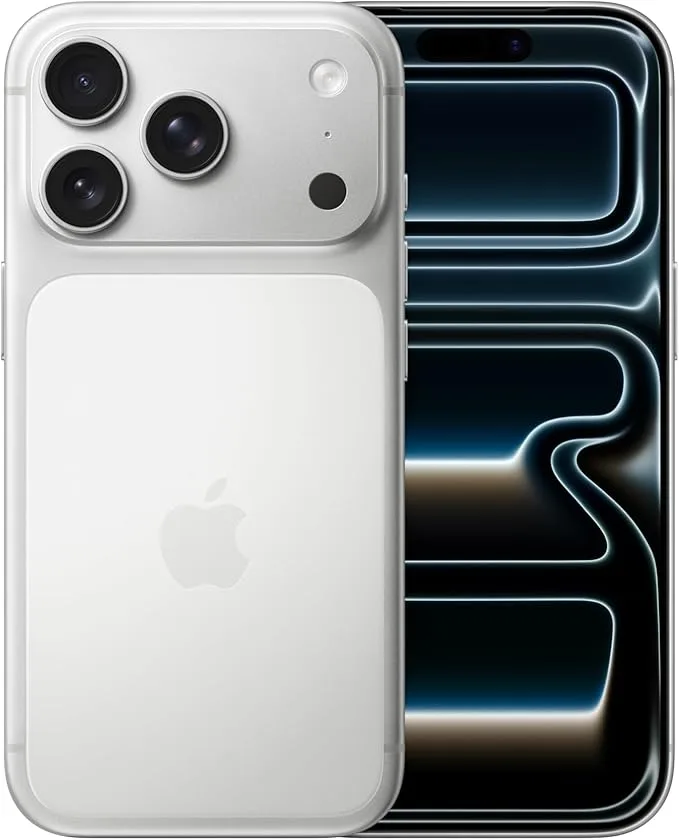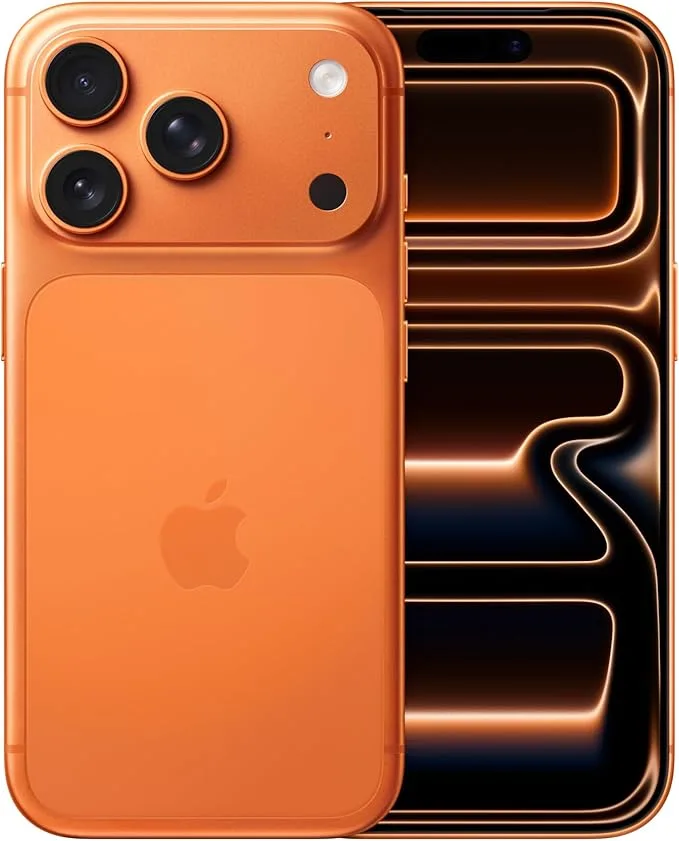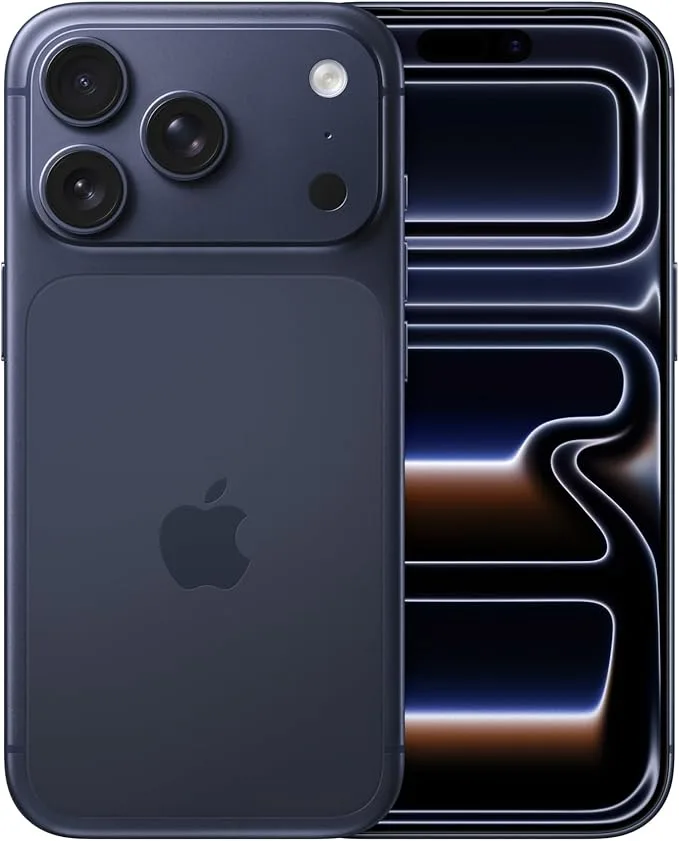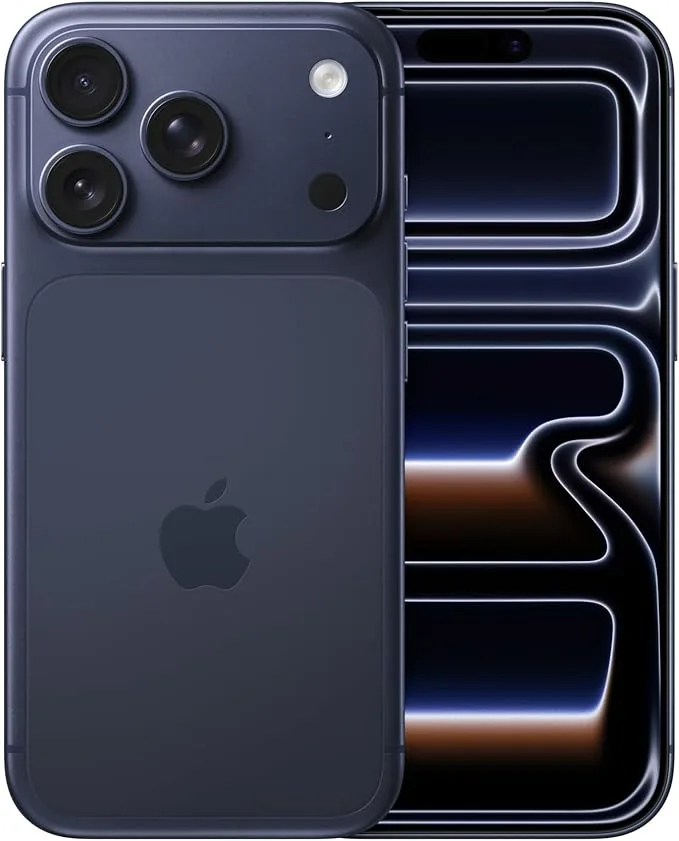
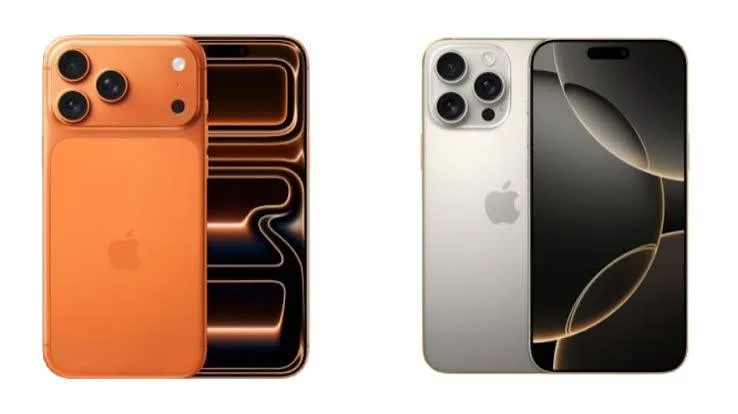
iPhone 17 vs iPhone 16 in Kenya: Is the Upgrade Genuinely Worth It?
If you're holding an iPhone 16 and wondering whether the iPhone 17 justifies the cost of upgrading, you're asking exactly the right question before spending money — and it deserves a genuinely honest answer, not a reflexive "yes, always upgrade" that ignores what actually changed. This guide compares the two phones directly, feature by feature, with real Kenyan pricing on both, so you can make this decision based on what you'll actually notice in daily use rather than a marketing headline or a general sense that newer must mean better.
This is a long, deliberately thorough guide, because "should I upgrade" is genuinely one of the most searched, most practically important questions any iPhone owner asks each September, and the honest answer changes depending on which specific iPhone 16 you currently own, how you actually use your phone, and what your budget realistically allows. Let's work through it properly, without assuming the answer before looking at the actual evidence.
Accessory Compatibility: What Carries Over, What Doesn't
If you're upgrading, it's worth checking which of your existing iPhone 16 accessories will carry over to the iPhone 17 versus which you'll need to replace. Cases generally won't transfer given the slightly different dimensions and camera module placement between generations, so budget for a new case as part of your upgrade cost. MagSafe chargers, wireless charging pads, and USB-C cables will all continue working exactly as before, since both phones share the same charging standards. If you use a specific screen protector brand, it's worth checking that brand's iPhone 17-specific version is available before assuming your current stock will fit, since display dimensions have changed slightly between the two generations.
Quick Answer: Is the iPhone 17 Worth Upgrading From the iPhone 16?
For most iPhone 16 owners, the honest answer is: yes, if you use your phone heavily and value display smoothness and camera quality, but it's a genuinely closer call than Apple's marketing suggests if you're mainly looking for reasons to spend money on something new. The single biggest, most universally noticeable upgrade is 120Hz ProMotion and Always-On Display arriving on the standard iPhone 17 for the first time — a feature previously exclusive to Pro models. If that alone doesn't excite you, the rest of the upgrade list, while genuine, is more incremental.
iPhone 17 vs. iPhone 16: Full Specification Comparison
| Spec | iPhone 16 | iPhone 17 |
|---|---|---|
| Display | 6.1" Super Retina XDR OLED | 6.3" Super Retina XDR OLED |
| Refresh Rate | 60Hz (standard, no ProMotion) | 120Hz ProMotion, Always-On Display |
| Peak Brightness | 2000 nits | 3000 nits |
| Chip | A18 | A19 (3nm) |
| Front Camera | TrueDepth, 12MP | Center Stage, 18MP |
| Rear Cameras | 48MP + 12MP (Wide + Ultra Wide) | 48MP + 48MP (Wide + Ultra Wide) |
| Storage Options | 128GB, 256GB, 512GB | 256GB, 512GB |
| Battery (Video Playback) | Up to 22 hours | Up to 30 hours |
| Price in Kenya (entry tier) | Lower than iPhone 17 | From Ksh 120,000 |
The Single Biggest Reason to Upgrade: ProMotion Finally Comes to the Standard iPhone
This is worth its own section because it's genuinely the headline change, and it's the kind of upgrade that affects literally every interaction you have with the phone, all day, every day. Every previous-generation standard iPhone, including the iPhone 16, was capped at a 60Hz refresh rate — smooth enough for most people, but noticeably less fluid than the 120Hz ProMotion displays Apple had, until now, reserved exclusively for Pro models. The iPhone 17 brings 120Hz ProMotion and an Always-On Display to the standard model for the first time ever.
If you've never used a 120Hz phone, this is genuinely hard to fully appreciate from a spec sheet — but the difference in how scrolling, swiping between apps, and general navigation feels is immediately obvious the moment you go back to a 60Hz phone after using one. For anyone upgrading from an iPhone 16 who spends significant time scrolling social media, browsing, or gaming, this single change is arguably worth the upgrade on its own.
Camera Upgrades: A Genuine, Measurable Improvement
The iPhone 17's ultra-wide camera jumps to 48MP, up from the iPhone 16's 12MP — a substantial, genuinely noticeable upgrade rather than a marginal spec bump. In practical terms, this means ultra-wide shots — landscapes, group photos, architecture — carry meaningfully more detail and perform better in lower light than the same shot taken on an iPhone 16. The front camera also jumps to an 18MP Center Stage sensor, up from the iPhone 16's 12MP TrueDepth camera, improving selfies and video call quality — genuinely useful if you rely heavily on video calls for work or staying connected with family.
Chip and Performance: A19 vs. A18
The new A19 chip, built on a 3nm process, delivers faster performance and better power efficiency than the iPhone 16's A18. For most everyday tasks — browsing, messaging, social media, standard photography — the practical difference between the two chips will be less noticeable than the display and camera changes, since the A18 remains a genuinely capable chip for typical use. Where the A19's extra headroom shows up more clearly is in sustained performance during demanding tasks — heavier gaming sessions, more intensive photo and video editing, and Apple Intelligence features that lean on the Neural Engine.
Battery Life: A Real, Meaningful Jump
Apple states up to 30 hours of video playback on the iPhone 17, up from 22 hours on the iPhone 16 — a genuinely substantial improvement, not a marginal one. Combined with the A19 chip's improved efficiency, this translates into a real, noticeable difference for anyone who's found their iPhone 16 running low by the end of a busy day. If battery anxiety has been a genuine frustration with your current phone, this is a concrete, measurable reason to consider upgrading.
Storage: A Notable Change Worth Understanding
It's worth flagging a genuine change in Apple's storage strategy this generation: the iPhone 16 was available starting at 128GB, while the iPhone 17 starts at 256GB — Apple has effectively discontinued the 128GB tier for the standard model. If you currently own a 128GB iPhone 16 and have managed comfortably within that space, moving to the iPhone 17 means starting with double the storage as your new baseline, which for most users translates into more breathing room without needing to actively manage storage the way a 128GB device sometimes requires.
Price Comparison: iPhone 17 vs. iPhone 16 in Kenya
Since the iPhone 16 is now the previous generation, it's typically available at a lower price than the current iPhone 17, particularly through certified refurbished channels — genuinely worth considering if budget is the deciding factor in your upgrade decision. The current genuine iPhone 17 pricing in Kenya starts at Ksh 120,000 for 256GB, rising to Ksh 160,000 for 512GB. If you're specifically budget-constrained, a well-maintained, certified iPhone 16 can offer excellent value for considerably less than the iPhone 17's starting price — worth discussing directly with City Gadgets Kenya via WhatsApp to compare current stock and pricing on both generations side by side.
Who Should Genuinely Upgrade from the iPhone 16 to the iPhone 17?
Upgrade if: you use your phone heavily throughout the day and would genuinely benefit from 120Hz ProMotion's smoother feel; you shoot a lot of ultra-wide photos (landscapes, group shots, architecture) and want the meaningfully improved 48MP ultra-wide camera; your iPhone 16's battery life has become a genuine daily frustration; or you rely heavily on video calls and want the upgraded 18MP front camera.
Consider waiting or buying a refurbished previous-generation Pro instead if: your iPhone 16 still meets your needs comfortably and none of the specific upgrades above genuinely excite you; budget is a significant constraint and a certified refurbished iPhone 16 or even iPhone 15 Pro would serve you just as well for considerably less money; or you're the type of buyer who upgrades every two to three generations rather than annually, in which case waiting for a future release with more accumulated improvements makes more financial sense.
iPhone 16 Trade-In: Offsetting Your Upgrade Cost
If you do decide to upgrade, it's worth factoring your existing iPhone 16's trade-in or resale value into your total cost calculation. As covered elsewhere on this site, iPhones genuinely hold resale value better than most competing smartphone brands, meaning a well-maintained iPhone 16 can meaningfully offset a significant portion of the iPhone 17's purchase price. City Gadgets Kenya's trade-in service, accessible through the "Sell Your Device" option, is worth exploring directly via WhatsApp before committing to a full-price purchase — this is often the single biggest lever for making an upgrade decision financially comfortable rather than a difficult stretch.
Should You Consider the iPhone 17 Pro Instead of the Standard iPhone 17?
If you're already committing to an upgrade from the iPhone 16, it's worth a brief detour to consider whether stepping all the way up to the iPhone 17 Pro, starting at Ksh 154,998, makes more sense than the standard iPhone 17. If you specifically want a telephoto lens (entirely absent from both the iPhone 16 and standard iPhone 17), professional video codecs, or the more powerful A19 Pro chip, the Pro's roughly Ksh 35,000 premium over the standard iPhone 17 buys genuinely substantial additional capability, rather than simply a mild spec bump. If none of those Pro-specific features matter to your use case, the standard iPhone 17 already delivers the display and camera improvements that matter most for a typical upgrade decision.
Buying Safely: What to Confirm Before You Pay for Either Phone
- Confirm the exact model and storage you're buying, since both generations come in multiple configurations.
- Verify the IMEI is clean, particularly important when comparing a new iPhone 17 against a certified refurbished iPhone 16.
- Ask about warranty length and terms explicitly, and get this confirmed in writing.
- For refurbished iPhone 16 units specifically, ask what testing and refurbishment process the unit went through, and confirm the battery health percentage, since battery condition is the single most common concern with a previous-generation refurbished phone.
- Be cautious of prices dramatically below genuine market ranges for either generation, which can signal a counterfeit device or an undisclosed issue.
Where to Buy a Genuine iPhone 17 or iPhone 16 in Kenya: City Gadgets Kenya
City Gadgets Kenya stocks the complete genuine iPhone 17 series alongside certified previous-generation Apple hardware, sourced and checked in Nairobi, with IMEI-clean hardware and no grey-market surprises.
Location: New Alnoor Exhibition, Shop 7, Second Floor, Taveta Road, Nairobi CBD.
Online: Browse the full Apple range at citygadgetskenya.co.ke for live pricing across both generations.
WhatsApp: 0745 575 931 for sales inquiries, or 0794 488 806 for customer relations.
What you get: 100% genuine, IMEI-clean stock, a real 12-month official brand warranty, same-day delivery within Nairobi, countrywide shipping across Kenya, and flexible payment via M-Pesa, card, cash on delivery, or Lipa Mdogo Mdogo installment plans on qualifying purchases.
A Practical Framework: How to Decide Without Overthinking It
Rather than agonizing over every spec difference, here's a simplified way to make this decision. Pick up your current iPhone 16 right now and ask yourself three questions: Does scrolling ever feel less smooth than you'd like? Have you ever wished a wide shot captured more detail or performed better in low light? Has your battery ever left you anxious by mid-afternoon? If you answered yes to any of these, the iPhone 17 directly addresses that specific frustration, and the upgrade is genuinely worth considering. If you answered no to all three, you're likely someone for whom the iPhone 16 remains a perfectly satisfying daily driver, and the smarter financial move is waiting for a generation with more accumulated improvements, or redirecting that budget elsewhere — perhaps toward accessories, a case that better protects your current investment, or simply saving the difference for a future purchase when the accumulated improvements make a stronger case.
Software Support: How Long Will Each Phone Remain Current?
It's worth addressing this directly, since software longevity is one of Apple's genuine, differentiated strengths in Kenya's market. Both the iPhone 16 and iPhone 17 will receive iOS updates for many years to come, given Apple's strong historical track record of extended software support compared to most Android competitors. This means the "should I upgrade" decision isn't really about avoiding an imminent software cutoff on the iPhone 16 — it remains a fully current, well-supported device for the foreseeable future. The decision genuinely comes down to whether the iPhone 17's specific hardware improvements (display, camera, battery) are worth the cost to you today, rather than any concern about the iPhone 16 becoming obsolete or unsupported in the near term.
Why Buying Genuine Matters Just as Much for a Previous-Generation Phone
It's worth stressing this point specifically because buyers considering a certified refurbished iPhone 16 sometimes assume verification matters less for an older, cheaper device than for a brand-new flagship. The opposite is often true. A refurbished phone's condition — battery health, screen integrity, whether internal components were genuinely tested and, where necessary, replaced with authentic parts — varies enormously between sellers, and a poorly refurbished unit can develop problems considerably sooner than a properly certified one. Buying your iPhone 16 through the same accountable, verified source you'd use for a brand-new iPhone 17 protects you from exactly this risk, regardless of which generation you ultimately choose.
Comparing the Total Cost of Ownership, Not Just the Sticker Price
It's worth thinking about this decision across the phone's realistic multi-year lifespan rather than purely the purchase price today. A genuinely well-specified iPhone 17, with its improved battery efficiency and newer chip, may deliver a longer comfortable useful life before you next feel the pull to upgrade, compared to squeezing an additional year or two out of an aging iPhone 16. Conversely, a certified refurbished iPhone 16 bought today, used for a further two to three years, and then traded in, can represent excellent value across that ownership window even without matching the iPhone 17's day-one specifications. Neither approach is objectively wrong — it depends on how you personally value spending more now for a longer runway versus spending less now and upgrading again sooner.
Design and Build: What Stays the Same, What's Different
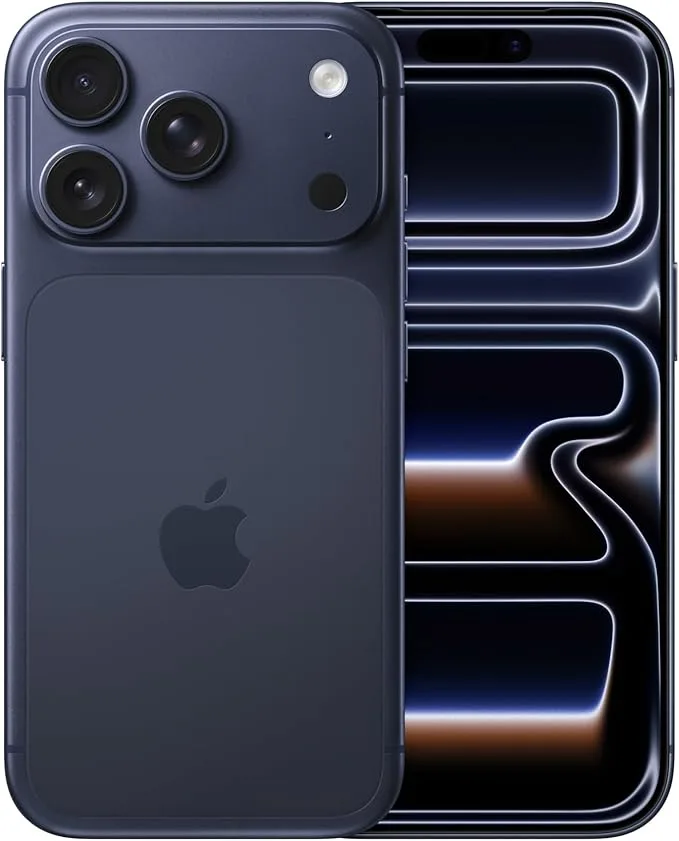
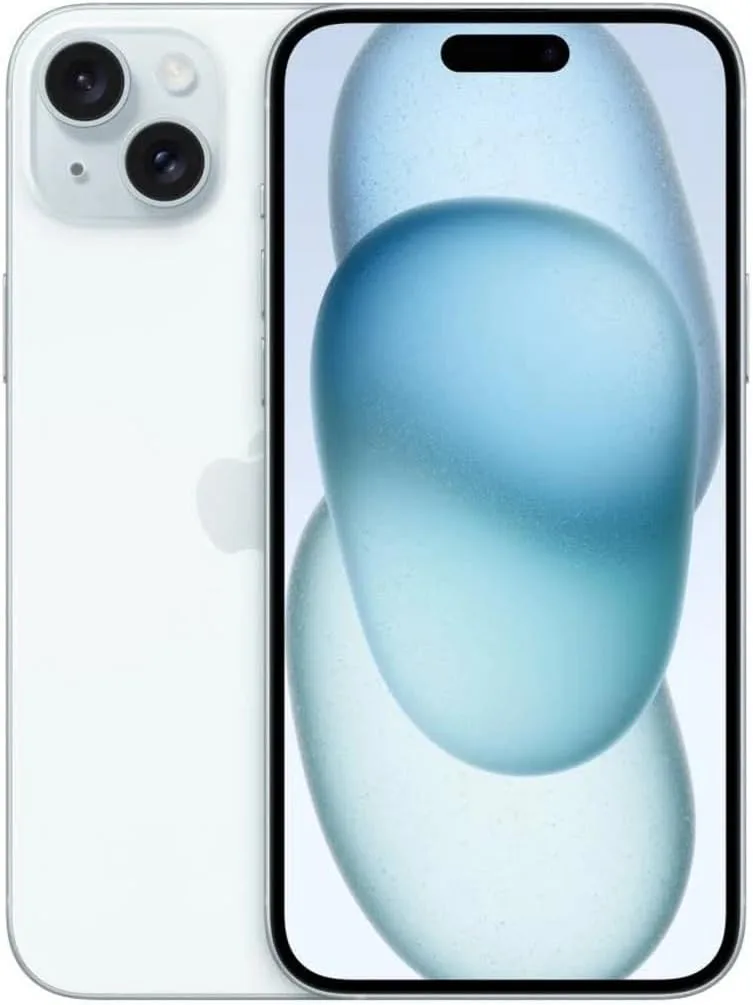
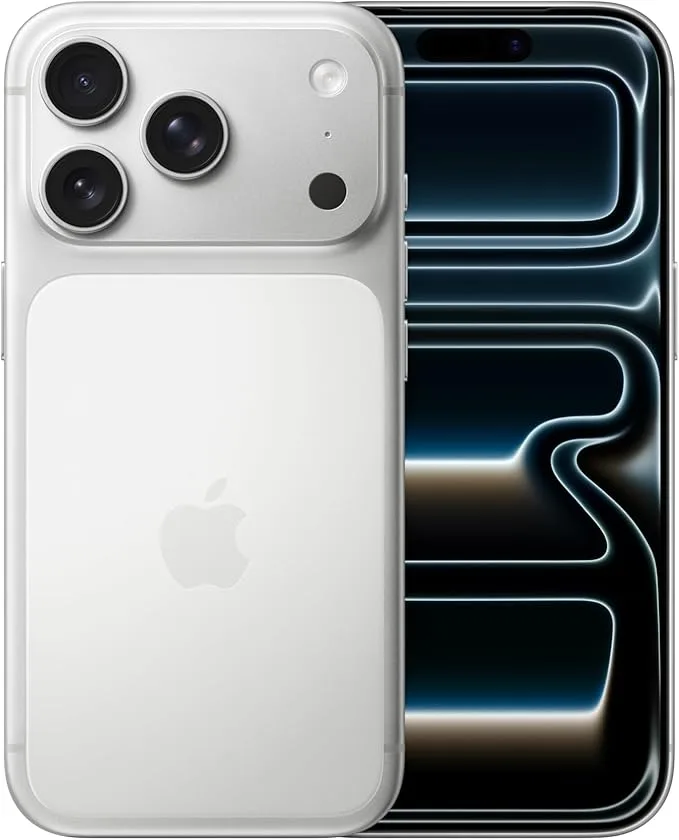
It's worth covering the physical design comparison too, since not every change is about internal specs. Both phones share Apple's now-familiar design language, but the iPhone 17 introduces a refreshed look with a matte glass back, an aluminium frame, and softly rounded edges for a more modern feel compared to the iPhone 16's design. Both phones retain USB-C charging and MagSafe/Qi2 wireless charging compatibility, so accessories from your current iPhone 16 setup — MagSafe chargers, wireless charging stands — will generally carry over to an iPhone 17 without needing replacement, a small but genuine cost saving worth factoring into your upgrade budget, particularly if you've already invested in a MagSafe-based charging ecosystem around your home, car, or office.
5G, Wi-Fi, and Connectivity: A Quiet But Real Upgrade
Connectivity improvements rarely make headlines the way camera or display upgrades do, but they're worth understanding since they affect daily performance in ways you might not immediately attribute to the phone itself. The iPhone 17 series introduces Apple's in-house C1 Wi-Fi and 5G modem in parts of the lineup, alongside support for Wi-Fi 7 — a genuine step up from the iPhone 16's connectivity standards. In practical terms, this can mean faster data speeds and more stable connections on Kenyan 5G networks, particularly in busier urban areas where network congestion affects real-world speeds more than a simple signal bar indicator suggests. This is a quieter upgrade than the display or camera changes, but genuinely worth knowing about if you frequently work with large file transfers, video calls, or heavy mobile data use throughout the day. Kenyan mobile networks have been steadily expanding 5G coverage across Nairobi and other major urban centres, meaning the iPhone 17's improved connectivity standards are increasingly likely to translate into a genuine, noticeable real-world speed improvement rather than a theoretical spec advantage that never actually gets exercised in daily use.
What Kenyan Reviewers and Early Buyers Have Noted
Since the iPhone 17 series launched in Kenya through authorized channels including Salute iWorld and other Apple resellers, early feedback from Kenyan buyers and reviewers has consistently highlighted the same handful of points echoed throughout this guide: the ProMotion display upgrade on the standard model is the single most talked-about change, the improved ultra-wide camera has been well received by the country's growing content creator and small business community relying on smartphone photography, and the extended battery life has been specifically welcomed by users who found the iPhone 16's battery life adequate but unremarkable. None of this is surprising given Apple's own marketing emphasis, but it's a useful confirmation that the improvements this guide highlights are genuinely the ones showing up in real-world Kenyan usage, not just Apple's press materials.
Should You Wait for Next Year's iPhone Instead?
This is worth addressing honestly for anyone tempted to skip the iPhone 17 entirely and wait for whatever comes next. Apple has launched a new flagship iPhone every September for well over a decade, and there's no indication that pattern will change. If you're the type of buyer who prefers waiting for the most current model at all times, the honest answer is that there will always be a "next iPhone" on the horizon, and waiting indefinitely means never actually upgrading. If your iPhone 16 is currently serving you well, there's no urgency — but if you've identified genuine frustrations (display smoothness, camera quality, battery anxiety) that the iPhone 17 specifically addresses, waiting a further year to save money on a phone you'll use daily in the meantime is rarely the more economical choice once you account for the value of that improved daily experience over the additional waiting period.
Financing Your Upgrade in Kenya
Given that upgrading from an iPhone 16 to an iPhone 17 represents a genuine financial decision rather than a trivial purchase, it's worth knowing you don't need to pay the full difference upfront, even after accounting for a trade-in. City Gadgets Kenya's Lipa Mdogo Mdogo installment option, available on qualifying purchases, lets you put down a deposit and take your new iPhone 17 home the same day, spreading the remaining cost over manageable payments. Combined with a trade-in valuation on your existing iPhone 16, this can make an upgrade that initially looks like a significant expense considerably more manageable month to month. This is worth discussing directly on WhatsApp when you're ready to move forward, since the team can walk through the combined trade-in and installment numbers specific to your situation.
What If You're Coming From an Even Older iPhone?
This guide has focused specifically on the iPhone 16 to iPhone 17 comparison, but it's worth a brief note for anyone reading this while actually holding an iPhone 14, iPhone 13, or older device and wondering if the same logic applies. The short answer is that the case for upgrading becomes considerably stronger the further back your current phone sits, since you'd be gaining not just this year's specific improvements but several generations' worth of accumulated camera, display, chip, and battery upgrades all at once. If you're coming from an iPhone 14 or earlier, the jump to an iPhone 17 will feel considerably more transformative than the incremental year-over-year comparison this guide has focused on, and the decision to upgrade is generally much less of a close call. The three-question framework above still applies, but you're likely to answer "yes" to all three given how much has changed across multiple generations rather than just one.
The Environmental and Practical Case for Not Upgrading Every Year
It's worth including a genuinely balanced perspective here, since a buying guide focused entirely on reasons to upgrade would be doing readers a disservice. There's a real, legitimate case for extending your phone's usable life beyond a single generation, both financially and environmentally. Skipping a generation or two between upgrades, and instead investing in a quality protective case, a screen protector, and reasonable care of your battery health, can meaningfully extend how long any given iPhone remains genuinely satisfying to use. Apple's own extended software support window for iPhones, one of the genuine ecosystem advantages covered elsewhere on this site, is specifically what makes this a viable strategy — a two or three-year-old iPhone remains a safe, current, well-supported daily driver in a way that's simply not true of many competing Android devices at the same age. If your iPhone 16 is still serving you well, there's no inherent virtue in upgrading simply because a new model exists.
Frequently Asked Questions
Is the iPhone 17 worth upgrading from the iPhone 16? For heavy phone users who'd benefit from 120Hz ProMotion, the improved 48MP ultra-wide camera, and meaningfully longer battery life, yes. If your iPhone 16 already satisfies you and none of these specific upgrades excite you, it's a genuinely optional upgrade rather than a necessary one.
What's the biggest difference between the iPhone 17 and iPhone 16? The arrival of 120Hz ProMotion and an Always-On Display on the standard iPhone 17 for the first time — previously exclusive to Pro models — is the single most universally noticeable change.
Does the iPhone 17 have a better camera than the iPhone 16? Yes — the ultra-wide camera jumps from 12MP to 48MP, and the front camera improves from a 12MP TrueDepth sensor to an 18MP Center Stage camera.
How much better is iPhone 17 battery life compared to the iPhone 16? Apple states up to 30 hours of video playback on the iPhone 17, versus up to 22 hours on the iPhone 16 — a genuinely substantial improvement.
Can I trade in my iPhone 16 toward an iPhone 17 in Kenya? Yes — City Gadgets Kenya offers a trade-in service that can meaningfully offset the cost of upgrading. Reach out via WhatsApp to get a valuation.
Should I buy a new iPhone 17 or a certified refurbished iPhone 16? If budget is the deciding factor, a certified refurbished iPhone 16 offers excellent value for considerably less money. If display smoothness, camera quality, or battery life are genuine priorities, the iPhone 17's improvements are worth the higher price.
Where can I buy a genuine iPhone 17 or iPhone 16 in Nairobi? City Gadgets Kenya, located at New Alnoor Exhibition, Shop 7, Second Floor, Taveta Road, Nairobi CBD, stocks both generations genuinely, with a 12-month official brand warranty. Reach out via WhatsApp to confirm current stock and pricing.
Final Word
The iPhone 17 vs. iPhone 16 decision genuinely comes down to whether 120Hz ProMotion, the improved ultra-wide camera, and meaningfully longer battery life matter enough to you to justify the upgrade cost — not a blanket "always upgrade" answer. For heavy daily users who'll notice and appreciate the smoother display and better camera every single day, the upgrade is genuinely worth it. For more casual users satisfied with their current iPhone 16, waiting is a perfectly sound financial decision, with Apple's strong software support ensuring the iPhone 16 remains a fully capable, current device for years to come regardless.
To recap the core decision framework covered throughout this guide: run through the three-question test above honestly before spending anything, since it cuts through marketing language and focuses on your actual lived experience with your current phone; factor a genuine trade-in valuation into your total cost if you do decide to upgrade, since this is often the single biggest lever for making the decision financially comfortable; consider whether the iPhone 17 Pro's additional telephoto lens and professional video features are worth the further premium if you're already committing to an upgrade; and whichever generation and condition you land on — brand new iPhone 17 or certified refurbished iPhone 16 — insist on the same IMEI verification and warranty confirmation, since a device this valuable deserves that diligence regardless of its price point or age.
There's no universally correct answer here, and any guide claiming otherwise isn't being honest with you. The right answer is the one that matches your actual usage patterns, budget, and how much you personally value incremental improvements in display smoothness, camera detail, and battery longevity against the cost of getting there.
Compare genuine iPhone 17 and iPhone 16 pricing at City Gadgets Kenya, or reach out on WhatsApp to talk through whether upgrading makes sense for you specifically.