iPhone 17 Pro Price in Kenya: The Complete Buying Guide
If you're searching "iPhone 17 Pro price in Kenya," you're likely choosing between two very close phones — the standard Pro and its larger Pro Max sibling — while also navigating storage tiers and a SIM configuration choice most previous iPhone generations didn't require. This guide covers the iPhone 17 Pro specifically in full detail: every genuine storage and SIM combination sold in Kenya, exactly what each costs, how it compares to the Pro Max, and where to buy with real confidence, using genuine, currently listed pricing rather than estimates.
This is a long, deliberately thorough guide, because the iPhone 17 Pro sits at a genuinely important decision point in Apple's current lineup — camera and chip performance identical to the Pro Max, but in a considerably more pocketable, one-handed-friendly body, at a meaningfully lower price. Getting this decision right means understanding exactly what you gain and give up compared to both the standard iPhone 17 below it and the Pro Max above it, rather than defaulting to whichever model happens to be more heavily marketed.
Quick Answer: iPhone 17 Pro Price in Kenya Today
Genuine, brand-new iPhone 17 Pro pricing in Kenya currently starts at Ksh 154,998 for the 256GB eSIM variant and climbs to Ksh 234,998 for the 1TB configuration, all backed by a 12-month official brand warranty.
The Complete iPhone 17 Pro Lineup and Pricing in Kenya
| Configuration | Price in Kenya |
|---|---|
| iPhone 17 Pro 256GB (eSIM Variant) | Ksh 154,998 |
| iPhone 17 Pro 256GB | Ksh 170,000 |
| iPhone 17 Pro 512GB (eSIM Variant) | Ksh 185,000 |
| iPhone 17 Pro 512GB | Ksh 199,993 |
| iPhone 17 Pro 1TB | Ksh 234,998 |
Every configuration ships genuine, brand-new, and sealed, with a 12-month official brand warranty.
iPhone 17 Pro Full Specifications
- Chip: A19 Pro — the most powerful and efficient processor Apple has built for iPhone, enabling advanced camera processing, next-level gaming, and enhanced Apple Intelligence features
- Display: 6.3-inch Super Retina XDR OLED with ProMotion (120Hz adaptive refresh), Always-On Display, up to 3000 nits peak outdoor brightness
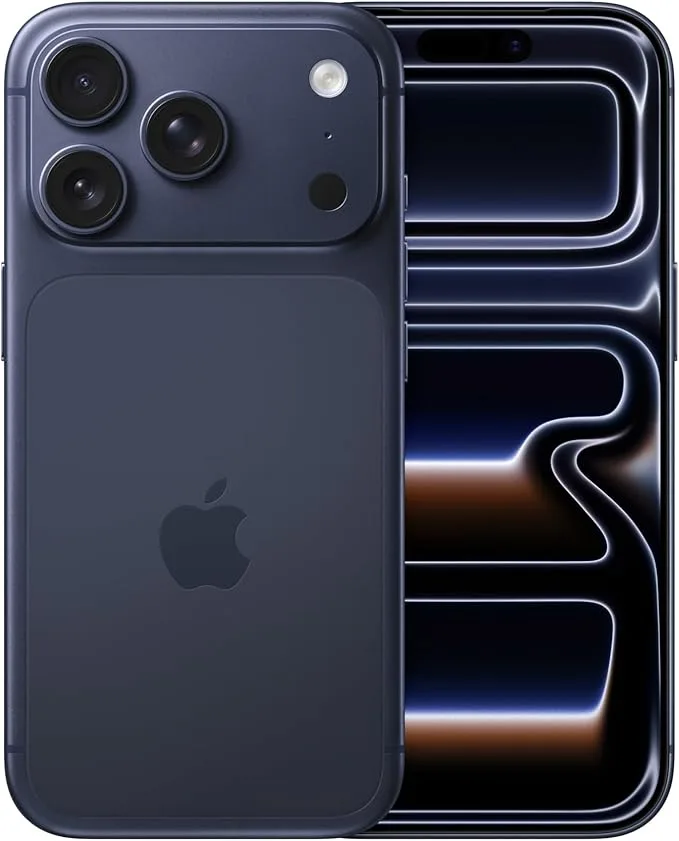
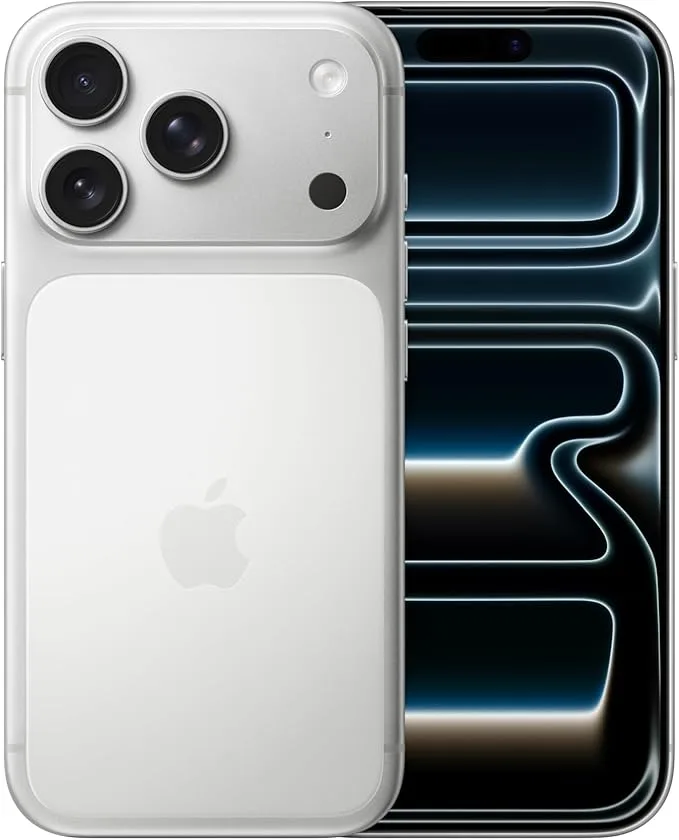
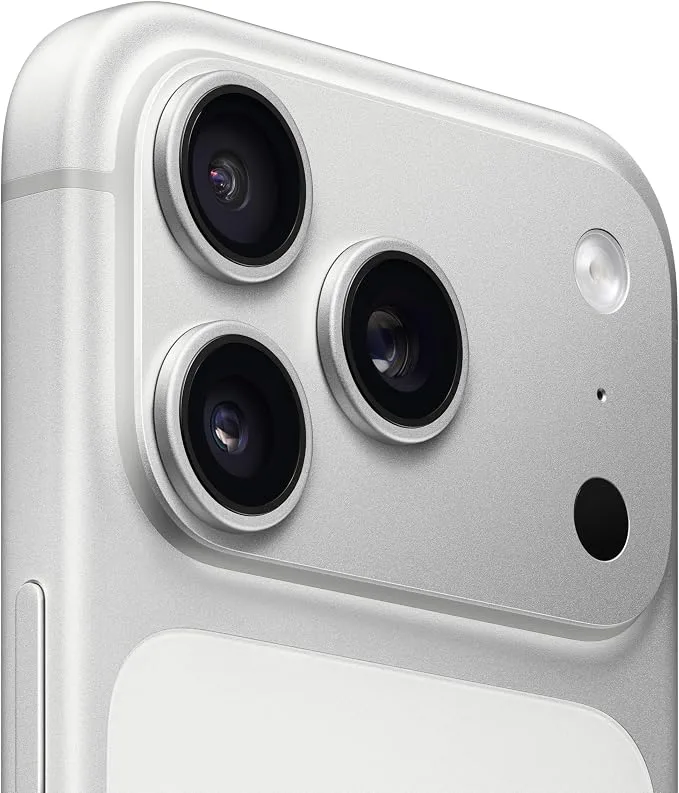
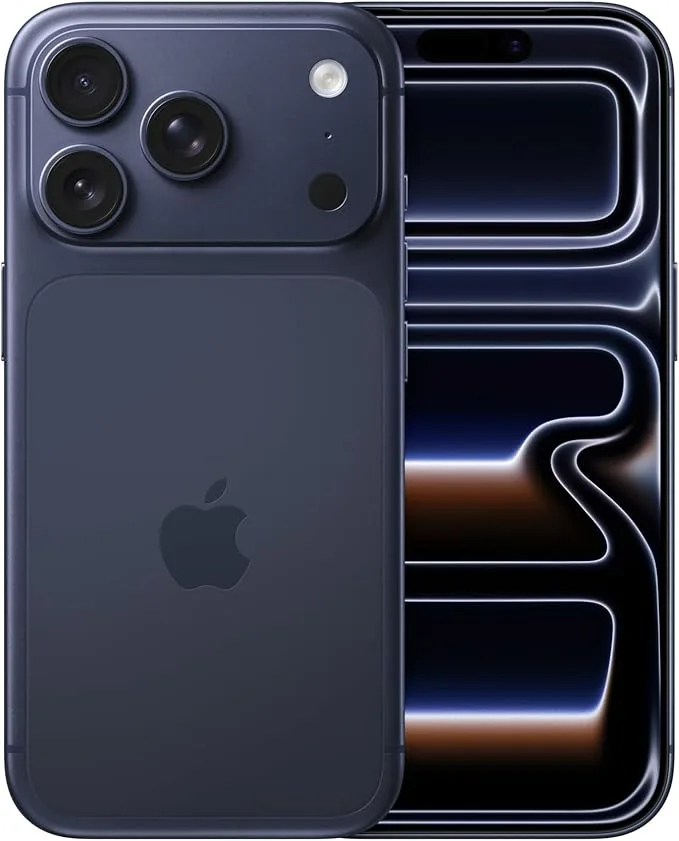
- Camera System: Triple 48MP Fusion cameras — Main, Ultra Wide, and an all-new Telephoto lens — offering the equivalent of eight lenses and the longest optical zoom ever on iPhone at 8x
- Front Camera: Industry-first 18MP Center Stage camera, elevating selfie and video call quality
- Build: Apple-designed vapour chamber integrated into a durable, lightweight aluminium unibody
- Durability: Ceramic Shield 2 front cover with three times better scratch resistance than the previous generation, plus Ceramic Shield protection extended to the back of the device for the first time
- Video: ProRes RAW, Apple Log 2, and genlock support for professional-grade filmmaking workflows
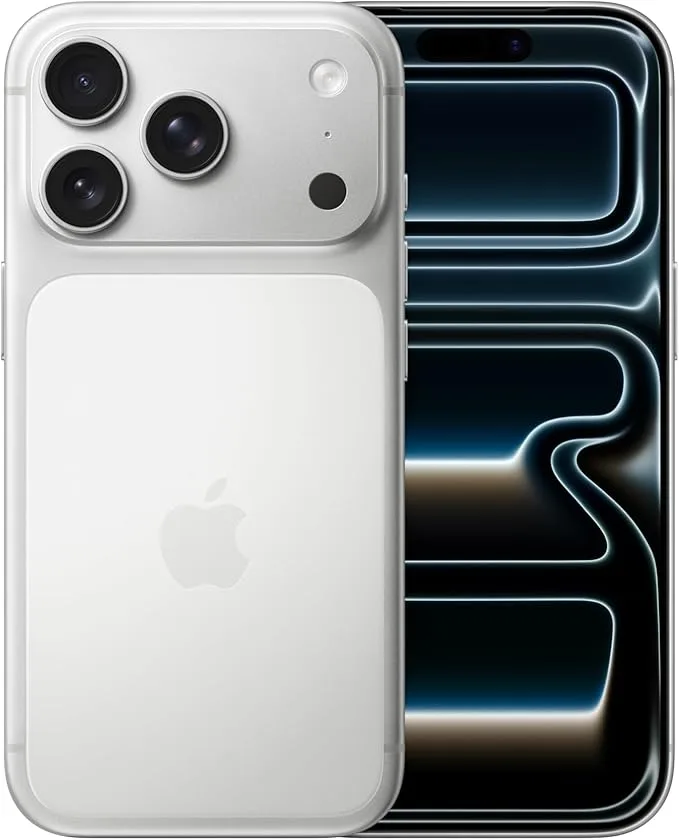
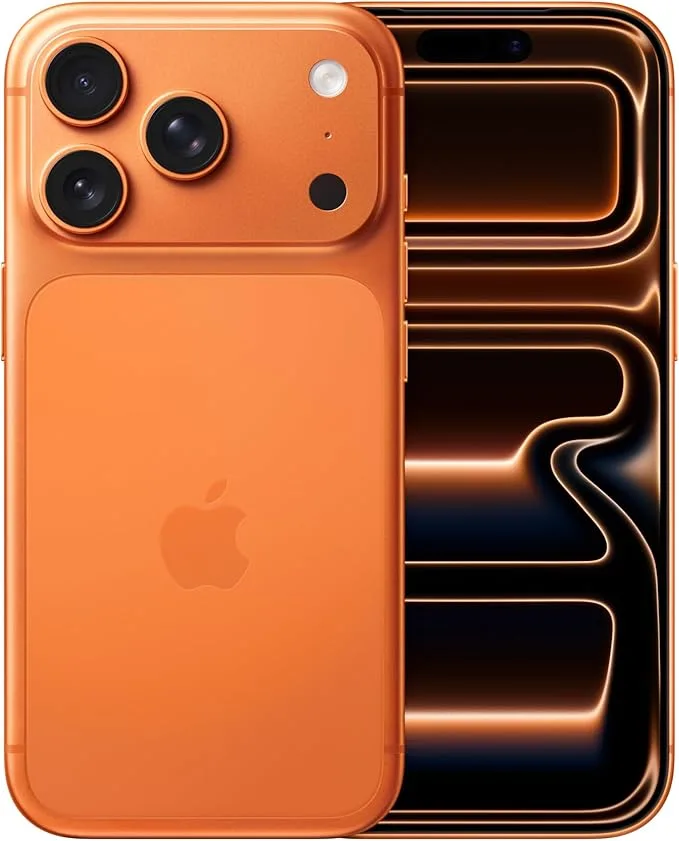
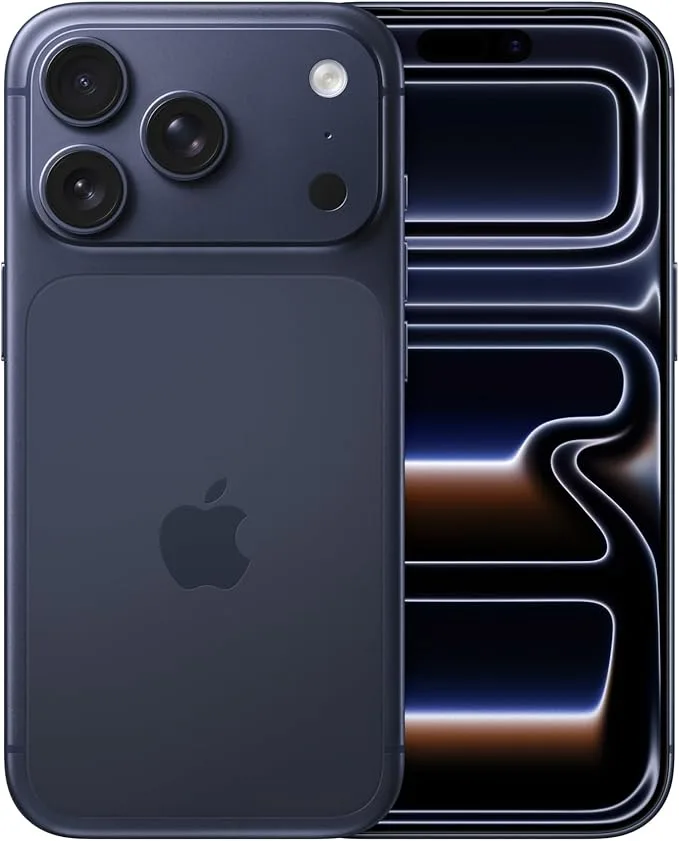
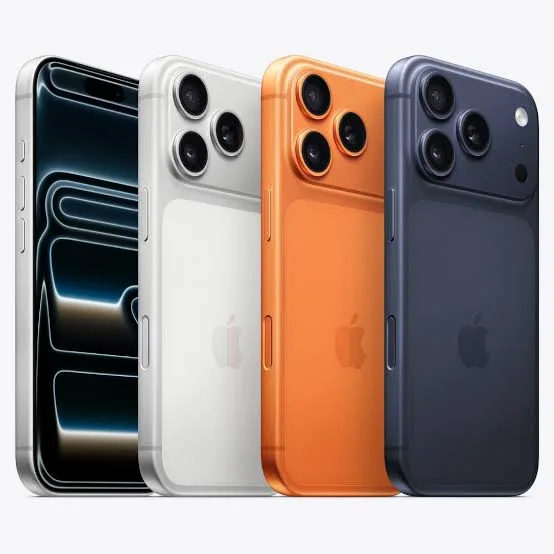
- Colours: Deep Blue, Cosmic Orange, and Silver
- Storage Options: 256GB, 512GB, 1TB
- Operating System: iOS 26
What Makes the iPhone 17 Pro a "Pro" Phone
It's worth being specific about what genuinely separates the Pro from the standard iPhone 17, since the naming alone doesn't fully convey the difference. The A19 Pro chip is a distinct, more powerful variant of this year's processor, built specifically to handle the Pro's more demanding camera processing, video codecs, and sustained performance under heavy workloads like gaming or long video recording sessions. The triple-camera system adds a dedicated telephoto lens entirely absent from the standard iPhone 17, unlocking genuine optical zoom rather than the digital cropping a dual-camera phone relies on at longer focal lengths. And the vapour chamber cooling system, new to this generation's Pro models, is specifically engineered to sustain peak performance for longer during demanding tasks — genuinely useful for anyone recording extended 4K or ProRes video, where heat management directly affects how long a phone can maintain full quality before throttling. Taken together, these three elements are what genuinely justify calling this a distinct tier of iPhone rather than simply a cosmetic upgrade over the standard model.
iPhone 17 Pro vs. iPhone 17 Pro Max: Which Should You Buy?
This is the single most common comparison for anyone specifically searching "iPhone 17 Pro price in Kenya," so it deserves a direct answer. The iPhone 17 Pro and iPhone 17 Pro Max share identical camera systems, chip performance, build materials, and software features. The differences are:
Display size: 6.3 inches on the Pro versus 6.9 inches on the Pro Max — a genuinely significant difference in hand feel, one-handed usability, and how much content fits on screen at once.
Battery life: The Pro Max's larger body houses a bigger battery, translating to genuinely longer battery life across a full day of heavy use — a meaningful consideration if you're frequently away from a charger.
Price: The Pro Max starts at Ksh 165,000 (256GB eSIM), roughly Ksh 10,000 more than the equivalent Pro configuration at Ksh 154,998.
Pocketability and one-handed use: The standard Pro's smaller footprint is genuinely easier to use one-handed and fits more comfortably in tighter pockets — a real, practical consideration many buyers underweight until they've lived with a 6.9-inch phone day to day.
If maximum screen size and battery life are worth the modest price premium and larger physical footprint to you, the Pro Max is the better choice. If you want identical camera and performance capability in a more manageable size, at a meaningfully lower price, the standard iPhone 17 Pro is genuinely the smarter buy for most people — you're not sacrificing any camera or chip capability to save money and gain pocketability.
iPhone 17 Pro vs. Standard iPhone 17: Is the Upgrade Worth It?
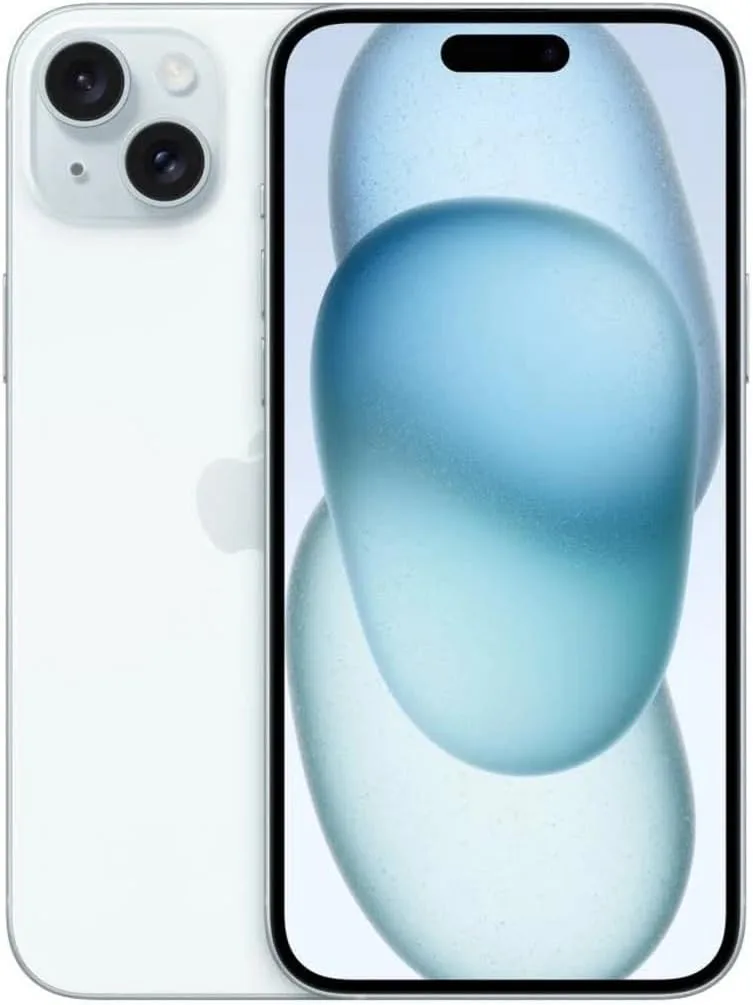
The price gap between the standard iPhone 17 (from Ksh 120,000) and the iPhone 17 Pro (from Ksh 154,998) is roughly Ksh 35,000 at the entry storage tier — worth understanding exactly what that buys you. Both phones share the same 6.3-inch display size and Always-On ProMotion capability this year, since Apple extended those features to the standard model for the first time. The genuine differences are the A19 Pro chip versus the standard A19, the third telephoto camera lens entirely absent from the standard model, the titanium-reinforced build with dual-sided Ceramic Shield 2, and support for professional video codecs like ProRes RAW and Apple Log 2.
If you don't shoot with a telephoto lens regularly, don't need professional-grade video codecs, and are satisfied with the standard model's dual-camera system, the regular iPhone 17 delivers the same display quality and largely similar day-to-day performance for considerably less money. The Pro's premium is genuinely justified specifically for photographers, videographers, and content creators who will actually use the telephoto lens and professional video features — less so for buyers who simply want "the better phone" without a specific use case for the Pro-exclusive capabilities.
Understanding the eSIM vs. Physical SIM Choice on the iPhone 17 Pro
This is worth dedicated attention, since it's a genuinely new consideration for many Kenyan buyers this generation. The iPhone 17 Pro is available in two hardware variants at each storage tier: an eSIM-only variant with no physical SIM tray at all, and a Physical SIM + eSIM variant retaining a traditional card slot. The eSIM-only variant is priced lower — for example, Ksh 154,998 versus Ksh 170,000 at the 256GB tier, a difference of roughly Ksh 15,000.
Before choosing the cheaper eSIM-only option purely on price, confirm two things: that your specific Kenyan mobile network fully and reliably supports eSIM activation and transfers, and that you're comfortable managing your line entirely digitally without a physical card as a fallback if you ever need to quickly move your number into a different device. If you travel frequently to regions where local physical SIMs remain the norm, or you like the flexibility of physically swapping a SIM between devices, the Physical SIM variant's premium is worth paying. If you're firmly within Safaricom or Airtel's well-established eSIM support and comfortable with digital-only SIM management, the eSIM-only variant is a genuine, risk-free way to save roughly Ksh 15,000 — money that's genuinely better spent on storage, accessories, or simply kept in your pocket rather than tied up in a physical SIM slot you may never actually need to use.
Storage: How Much Do You Actually Need on the iPhone 17 Pro?
256GB comfortably suits most users — everyday photography, a reasonable app library, and moderate 4K video without constantly managing storage. 512GB is worth the upgrade specifically if you shoot 4K or ProRes video regularly, since professional video codecs consume storage considerably faster than standard photos and casual video. 1TB is aimed squarely at professional content creators — filmmakers, photographers with large RAW libraries, or anyone who genuinely fills storage regularly and doesn't want to manage offloading files to external storage or cloud services on a tight schedule. It's worth being honest with yourself about which category you actually fall into before paying the storage premium, since the price gap between 256GB and 1TB on the iPhone 17 Pro is substantial enough to fund a genuine accessory upgrade or a meaningful head start on next year's device if the extra storage would otherwise sit unused.
Why iPhone 17 Pro Prices Vary Across Kenyan Retailers
It's worth understanding why quoted prices for the "same" iPhone 17 Pro can differ so much across Nairobi's market. eSIM vs. Physical SIM confusion is the single biggest factor specific to this model — a seller vague about which variant they're quoting can leave you comparing prices that aren't actually for the same product. Storage tier ambiguity is similarly common, since "iPhone 17 Pro price in Kenya" alone doesn't specify 256GB, 512GB, or 1TB. Grey-market and parallel-import units circulate at varying prices that may reflect the absence of local warranty backing rather than a genuine bargain. And exchange rate and import cost fluctuations shift genuine retail pricing over time independent of Apple's own global pricing.
Buying Safely: What to Confirm Before You Pay
- Confirm the exact storage tier and SIM configuration — 256GB, 512GB, or 1TB, and eSIM-only or Physical SIM + eSIM.
- Verify the IMEI is clean and genuinely registered to a new, unregistered device.
- Ask about warranty length and terms explicitly, and get this confirmed in writing.
- Check that the box is genuinely sealed, with intact Apple security seals.
- Be cautious of prices dramatically below the genuine ranges shown above, which can signal a counterfeit device, an undisclosed used unit, or a grey-market import.
Where to Buy a Genuine iPhone 17 Pro in Kenya: City Gadgets Kenya
City Gadgets Kenya stocks the complete genuine iPhone 17 Pro lineup — every storage tier, both SIM configurations — sourced and checked in Nairobi, with IMEI-clean hardware and no grey-market surprises.
Location: New Alnoor Exhibition, Shop 7, Second Floor, Taveta Road, Nairobi CBD.
Online: Browse the full Apple range at citygadgetskenya.co.ke for live pricing.
WhatsApp: 0745 575 931 for sales inquiries, or 0794 488 806 for customer relations.
What you get: 100% genuine, IMEI-clean stock, a real 12-month official brand warranty, same-day delivery within Nairobi, countrywide shipping across Kenya, and flexible payment via M-Pesa, card, cash on delivery, or Lipa Mdogo Mdogo installment plans on qualifying purchases.
The Camera System in Detail: What the Telephoto Lens Actually Adds
It's worth explaining the telephoto lens specifically, since it's the single biggest functional difference over the standard iPhone 17. The iPhone 17 Pro's new telephoto lens delivers 8x optical zoom, the longest ever offered on an iPhone, meaning distant subjects — wildlife, sports, architectural details, or candid shots where getting physically closer isn't practical — are captured with genuine optical clarity rather than the softer, more artifact-prone results of digital zoom cropping a wide-angle shot. Combined with the Main and Ultra Wide lenses, Apple's marketing description of "the equivalent of eight lenses" reflects the range of focal lengths achievable through the triple-camera system's various zoom levels and computational combinations. For anyone in Nairobi's creative or content-creation scene — photographers, travel vloggers, event shooters — this is genuinely the standout reason to choose Pro over the standard model.
Professional Video Features: ProRes RAW, Apple Log 2, and Genlock
For content creators and professional filmmakers specifically, the iPhone 17 Pro's video capabilities go considerably beyond what casual users typically need, and it's worth understanding whether these genuinely matter for your use case. ProRes RAW captures uncompressed sensor data, giving colorists maximum flexibility in post-production color grading — valuable for professional production pipelines but genuinely unnecessary for casual social media content. Apple Log 2 provides a flat, low-contrast color profile designed for grading flexibility, similar to log formats used on dedicated cinema cameras. Genlock support allows the iPhone 17 Pro to synchronize its video timing with external professional equipment, a feature relevant almost exclusively to multi-camera professional production setups. If none of this terminology means anything to your actual use case, it's a genuine signal that the standard iPhone 17's video capabilities will serve you just as well for considerably less money.
Battery Life and the Vapour Chamber Cooling System
Apple's new vapour chamber cooling system, integrated into the Pro's aluminium unibody, is specifically designed to sustain peak performance for longer during demanding tasks without the phone throttling down to manage heat. In practical terms, this means the iPhone 17 Pro can sustain high frame rates during intensive gaming sessions or maintain full-quality 4K/ProRes video recording for longer stretches than a phone without this cooling architecture would manage. Combined with the A19 Pro chip's improved power efficiency, Apple states meaningful battery life improvements over the previous generation — genuinely useful for a working day away from a charger, particularly for anyone using the Pro's camera and video features heavily throughout the day.
Financing Your iPhone 17 Pro Purchase in Kenya
Given that even the entry 256GB eSIM configuration sits at Ksh 154,998, it's worth knowing you don't need to pay the full amount upfront. City Gadgets Kenya's Lipa Mdogo Mdogo installment option, available on qualifying purchases, lets you put down a deposit and take your iPhone 17 Pro home the same day, spreading the remaining cost over manageable payments. This is worth asking about directly on WhatsApp when you're ready to buy.
Why Genuine Sourcing Matters More for the iPhone 17 Pro Specifically
It's worth being direct about why verification matters more here than for a budget phone. The iPhone 17 Pro sits at a price point — well over Ksh 150,000 at every configuration — where counterfeiting and misrepresentation are genuinely profitable for bad actors, and where the financial consequence of getting it wrong is severe. A counterfeit or cloned device built to resemble a Pro can pass a casual visual inspection while running dramatically inferior internal hardware, offering none of the A19 Pro's genuine performance, none of the triple-camera system's actual optical capability, and no path to genuine iOS updates or Apple support. A grey-market import, while genuinely Apple hardware, may carry a warranty that isn't recognized locally, meaning a fault within the first year leaves you with no real recourse. And a used or refurbished unit misrepresented as brand new carries hidden wear and a shortened remaining lifespan you can't assess from a listing photo alone. Given the price at stake, the extra few minutes spent verifying IMEI status, checking security seals, and confirming warranty terms in writing is a trivial cost against the risk of getting any of this wrong.
Understanding Kenya's iPhone Pricing Landscape in 2026
It helps to understand the broader pricing environment you're shopping in in Kenya, since it explains why "iPhone 17 Pro price in Kenya" returns such a wide spread of numbers across different sources. Import duties, VAT, and shipping costs from Apple's official regional distribution all get built into the final Kenyan retail price, which is why a straight dollar-to-shilling conversion of Apple's US pricing rarely matches what you'll actually pay locally. Exchange rate fluctuations between the Kenyan Shilling and the US Dollar shift local pricing over time even when Apple's own global pricing hasn't changed, which is precisely why checking current pricing directly with a retailer matters more than relying on a screenshot or cached price from months earlier. This is also why buying from a retailer that keeps its listings current, with live pricing reflecting the actual exchange rate and import cost environment, is more reliable than a static number floating around on social media or an outdated blog post.
iPhone 17 Pro for Content Creators: A Closer Look at the Value Proposition
Since the Pro's premium over the standard iPhone 17 is specifically justified by its camera and video capabilities, it's worth digging deeper into what this actually means for Kenya's growing content creator and small business community. Nairobi's creative economy — photographers, travel vloggers, small business owners shooting their own product photography, and social media content creators — increasingly relies on smartphone cameras as a primary, sometimes sole, production tool, given the cost of dedicated camera equipment. The iPhone 17 Pro's triple-camera system, combined with genuine 8x optical zoom and professional video codecs, represents a meaningful upgrade path for exactly this audience: someone building a business or personal brand around visual content, where the Pro's camera capability directly translates into better-looking product photos, more professional-feeling video content, and creative flexibility (like genuine background compression from optical zoom) that a standard smartphone camera simply can't replicate.
This is worth weighing specifically against the cost of alternative equipment: a genuine mirrorless camera system with a comparable zoom lens would typically cost considerably more than the price difference between a standard iPhone 17 and the iPhone 17 Pro, while also requiring separate audio equipment, a phone for social posting anyway, and considerably more bulk and complexity for anyone shooting content solo or on the move around Nairobi.
Comparing the iPhone 17 Pro to Flagship Android Alternatives in Kenya
It's worth a brief note on how the iPhone 17 Pro's pricing compares to competing Android flagships also available through City Gadgets, for anyone still deciding between ecosystems rather than which specific iPhone to buy. The Google Pixel 11 Pro at Ksh 160,000 sits close to the iPhone 17 Pro's entry price, offering Google's own computational photography approach and typically faster access to the latest Android updates directly from Google. The Samsung Galaxy Z Fold 8 starting at Ksh 223,000 offers a genuinely different foldable form factor at a price closer to the iPhone 17 Pro's higher storage tiers. Neither is a direct substitute — camera philosophy, software ecosystem, and long-term resale value all differ meaningfully — but they're worth knowing about if ecosystem choice, not just iPhone model choice, is still an open question.
What's in the Box: Managing Expectations
It's worth setting expectations correctly here, since Apple's current packaging approach surprises some buyers, particularly those upgrading from older iPhone generations or switching from Android. Current iPhone packaging is deliberately minimal — the phone itself and a USB-C cable, with no wall power adapter included in the box. If you don't already own a compatible USB-C fast charger from a previous Apple device, budget for one separately as part of your total purchase, rather than assuming it's included and being caught without a way to charge your new phone on day one.
What a Warranty Claim Actually Looks Like in Practice
It's worth being concrete about this rather than treating "12-month warranty" as an abstract reassurance, particularly for a device at this price point. If a genuine fault develops within the covered period — a camera module malfunction, a display defect, a battery not holding charge as expected, or a Face ID sensor issue — the process with an accountable retailer like City Gadgets Kenya typically involves reaching out via WhatsApp or visiting the Nairobi CBD shop directly, having the fault assessed, and receiving either a repair or a replacement depending on the specific issue and the terms agreed at purchase. This stands in sharp contrast to what happens with an unwarrantied unit, whether bought privately or through an unaccountable grey-market seller: your only realistic options become an expensive out-of-pocket repair, often using non-genuine replacement parts that can affect resale value and long-term reliability, or simply absorbing the loss entirely on a device that cost well over Ksh 150,000.
Trade-In and Upgrade Considerations
If you're upgrading from a previous iPhone generation, it's worth factoring your existing device's trade-in or resale value into your total budget calculation for an iPhone 17 Pro purchase. As covered in Apple's broader ecosystem advantages, iPhones genuinely hold resale value better than most competing smartphone brands, meaning a well-maintained iPhone 15 Pro or iPhone 16 Pro can meaningfully offset the cost of stepping up to this year's model. City Gadgets Kenya's trade-in service, accessible through the "Sell Your Device" option on their site, is worth exploring directly via WhatsApp before committing to a full-price purchase, particularly if you're holding onto an older Pro-tier iPhone that's still in good working condition.
Accessories Worth Considering Alongside Your iPhone 17 Pro
Beyond the phone itself, a few genuine accessories round out a complete iPhone 17 Pro setup. Given the phone's premium price and titanium-and-glass build, a protective case is worth prioritizing immediately rather than treating as an afterthought — the Ceramic Shield 2 back panel is genuinely tougher than previous generations, but a drop onto a hard surface remains a real risk worth insuring against. Apple's own AirPods lineup, available through City Gadgets' Audio & Mics category including the Apple AirPods 4 with ANC at Ksh 27,600, pair natively and seamlessly with any iPhone 17 Pro, taking full advantage of Apple's cross-device ecosystem integration. And since the phone ships without a wall charger, a genuine USB-C fast charging adapter, ideally rated to support the phone's fast-charging capability, is worth adding to your order rather than discovering the gap after your purchase arrives.
Understanding the Broader Kenyan Smartphone Retail Landscape
It's worth situating this purchase within Kenya's wider retail environment for a moment. Nairobi's electronics market has grown substantially more sophisticated in recent years, with genuine authorized resellers, dedicated online retailers, and physical CBD shops now competing alongside a persistent informal market of parallel imports and, less commonly, counterfeit devices. This growth is broadly positive for consumers — more competitive pricing, faster delivery, better warranty terms — but it also means the burden of verification described throughout this guide remains genuinely necessary rather than an outdated concern from years past. A device at the iPhone 17 Pro's price point is exactly the kind of purchase where that verification effort pays for itself many times over compared to the alternative of discovering, months after purchase, that a warranty doesn't apply or a unit isn't quite what it was represented to be.
Frequently Asked Questions
What is the iPhone 17 Pro price in Kenya? Genuine brand-new pricing starts at Ksh 154,998 for the 256GB eSIM variant, rising to Ksh 234,998 for 1TB.
What's the difference between the iPhone 17 Pro and iPhone 17 Pro Max? Identical camera system, chip, and build — the Pro Max offers a larger 6.9" display and longer battery life for roughly Ksh 10,000 more, while the standard Pro is more pocketable and easier to use one-handed.
Should I buy the iPhone 17 Pro or the standard iPhone 17? Choose the Pro if you specifically need the telephoto lens, professional video codecs (ProRes RAW, Apple Log 2), or the A19 Pro chip's extra performance headroom. Choose the standard iPhone 17 if you don't need these Pro-specific features, since it now shares the same display quality at meaningfully lower cost.
What's the difference between the eSIM and physical SIM iPhone 17 Pro? The eSIM-only variant has no physical SIM tray and costs roughly Ksh 15,000 less; the physical SIM + eSIM variant retains a traditional SIM slot for added flexibility.
How much storage do I need on the iPhone 17 Pro? 256GB suits most users; 512GB is worth it for regular 4K or ProRes video work; 1TB is aimed at professional content creators with heavy storage demands.
What colours does the iPhone 17 Pro come in? Deep Blue, Cosmic Orange, and Silver, all in a titanium-reinforced finish.
Where can I buy a genuine iPhone 17 Pro in Nairobi? City Gadgets Kenya, located at New Alnoor Exhibition, Shop 7, Second Floor, Taveta Road, Nairobi CBD, stocks the full genuine lineup with a 12-month official brand warranty. Reach out via WhatsApp to confirm current stock and pricing.
Can I pay in installments for an iPhone 17 Pro in Kenya? Yes — City Gadgets Kenya's Lipa Mdogo Mdogo option lets you pay a deposit and take the phone home the same day.
Final Word
The iPhone 17 Pro's price in Kenya spans Ksh 154,998 to Ksh 234,998, and it earns its position between the standard iPhone 17 and the Pro Max by delivering identical flagship camera and chip performance to the Pro Max in a considerably more pocketable body, at a meaningfully lower price. The genuine decision points are storage (matched honestly to whether you shoot professional video), SIM configuration (matched to your carrier and travel habits), and whether the Pro's telephoto lens and professional video features actually serve your use case over the standard model's lower price.
To recap the core decisions covered throughout this guide: confirm you'll genuinely use the Pro's telephoto lens and professional video codecs before paying the premium over the standard iPhone 17, since these are the features that actually justify the price gap rather than marginal display or build differences; weigh the eSIM-only variant's roughly Ksh 15,000 saving against your specific carrier's eSIM reliability and your own comfort with digital-only SIM management; and match storage to your actual shooting habits rather than defaulting to the largest tier out of caution. Whichever configuration you land on, insist on IMEI verification and a genuine warranty from a source that will still be there afterward — at this price point, that verification is not optional due diligence, it's the single most important part of the purchase.
Browse the complete genuine iPhone 17 Pro lineup at City Gadgets Kenya, or reach out on WhatsApp to confirm current stock and pricing.