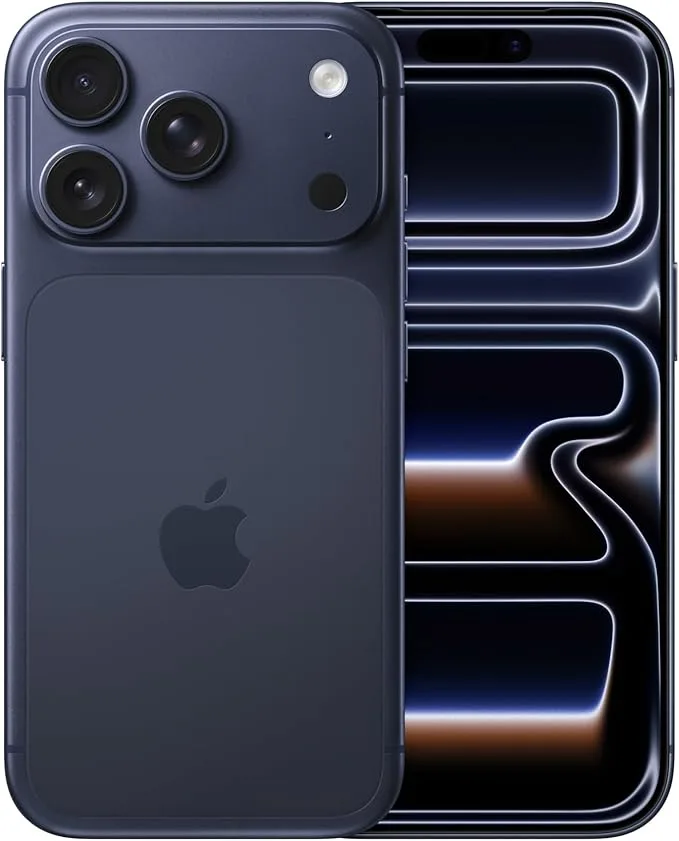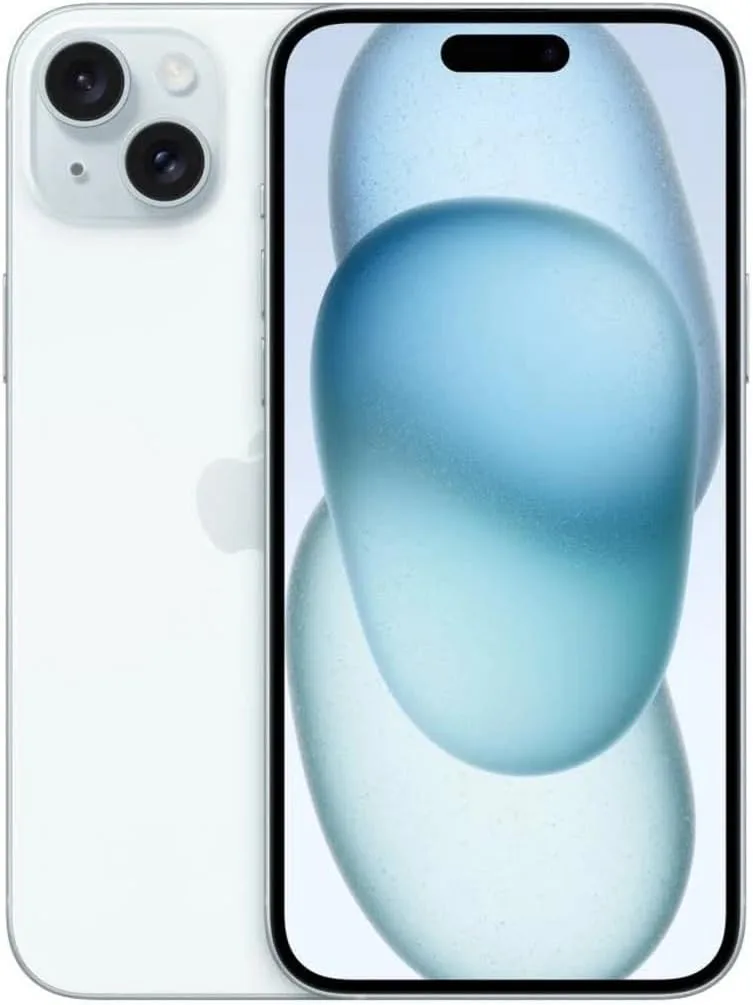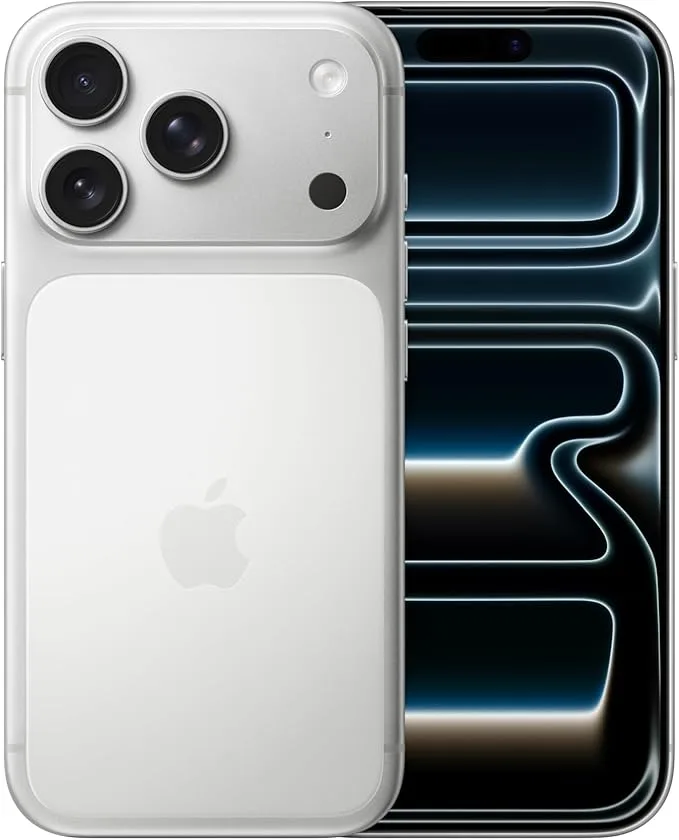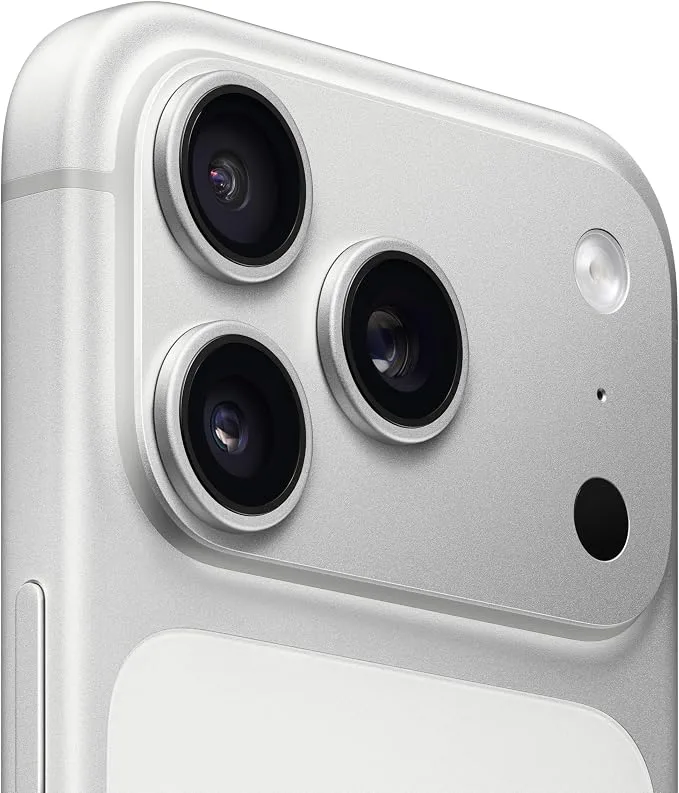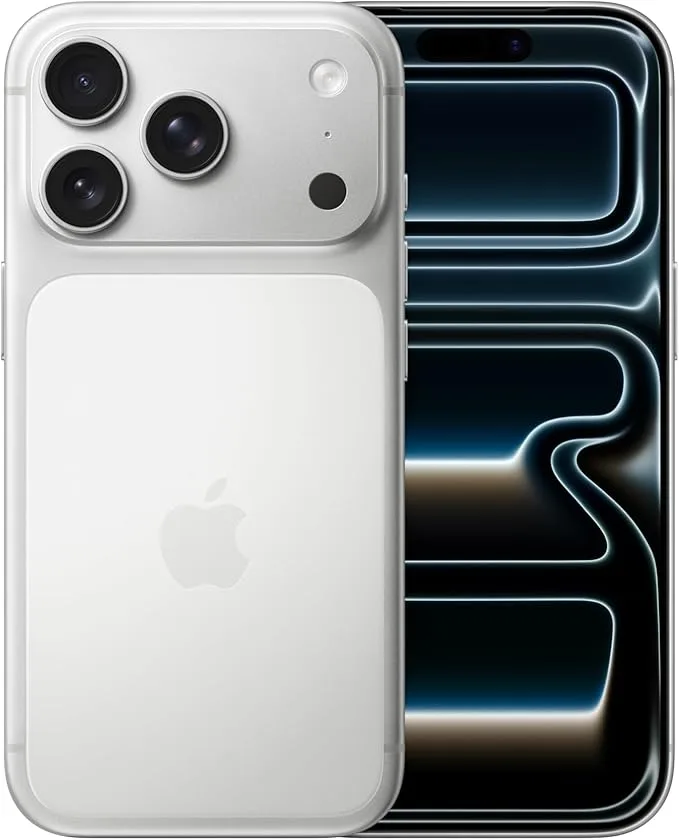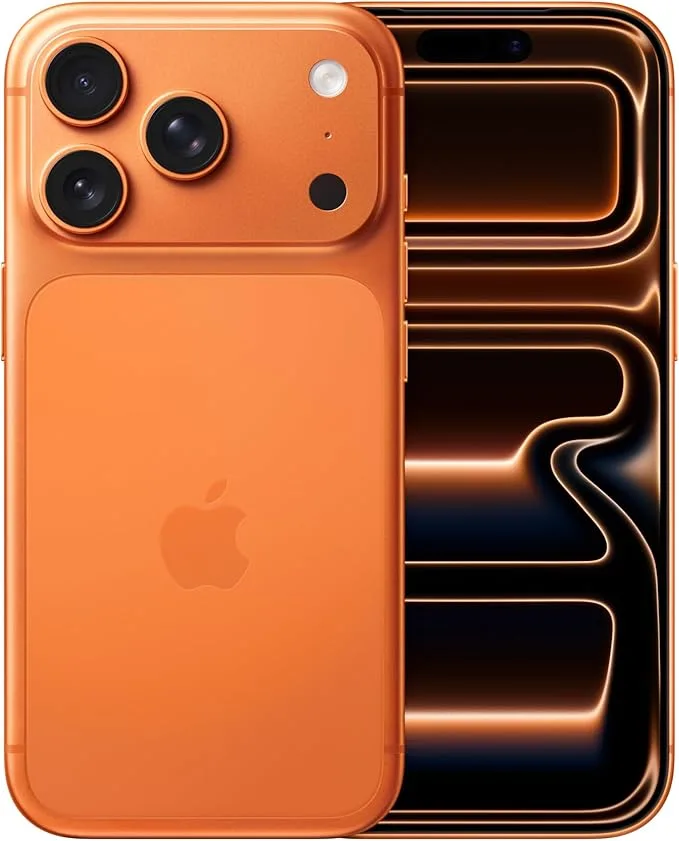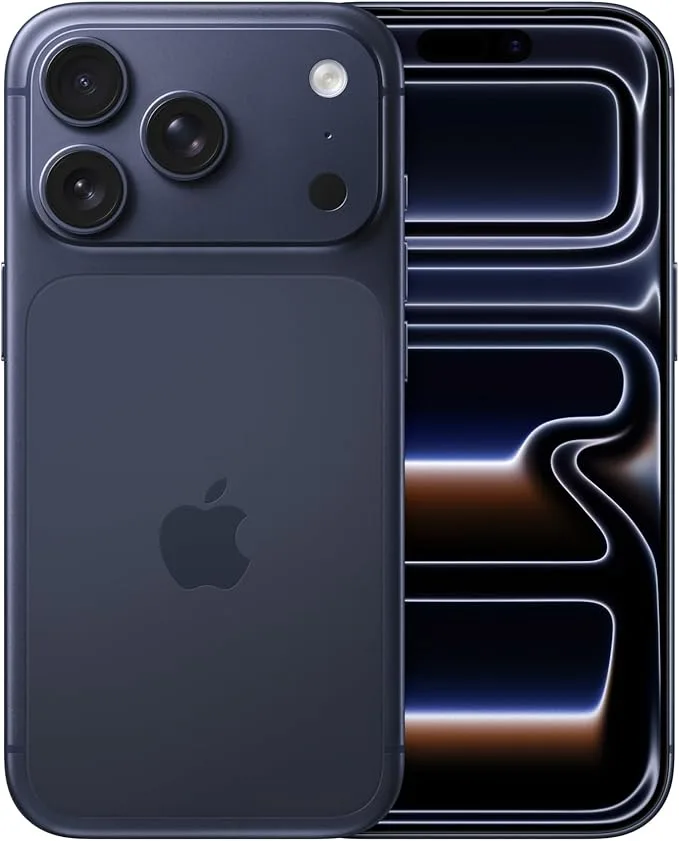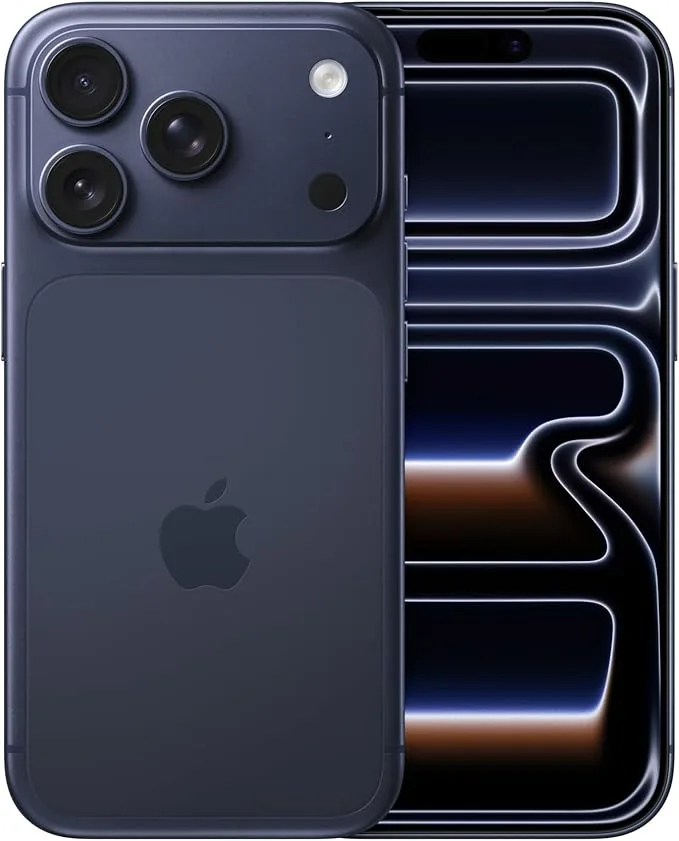
Searching "iPhone 17 Jumia Kenya" is one of the most common ways Kenyan buyers start their iPhone 17 shopping journey, and it makes sense — Jumia is the country's largest, most familiar online marketplace, and checking there first is a natural instinct. This guide isn't here to tell you marketplace shopping is wrong; it's here to explain exactly how marketplace listings for a product like the iPhone 17 actually work, what to check before trusting any specific listing, and how that compares to buying directly from an accountable, dedicated electronics retailer, using real examples and practical checks rather than vague general caution.
This is a long, deliberately thorough guide, because "buy on a marketplace" and "buy from a dedicated retailer" are genuinely different purchasing experiences with different risk profiles, and understanding that difference before you commit to either path protects a purchase that, for the iPhone 17 series, typically runs well over Ksh 100,000 — a sum worth genuine care and attention regardless of which channel ultimately earns your business.
How Online Marketplaces Actually Work for a Product Like the iPhone 17
It's worth understanding the underlying structure here, since it explains a lot about what you'll encounter when searching. A marketplace like Jumia is a platform that hosts listings from many different individual sellers and vendors, rather than being a single retailer stocking and selling its own inventory directly in every case. This means a search for "iPhone 17" on a marketplace can return listings from dozens of different sellers, each with their own sourcing, pricing, condition disclosure standards, and customer service quality — genuinely varying enormously from one listing to the next, even for what appears to be the identical product.
This structure has real advantages: broad selection, price competition between sellers, and the platform's own buyer protection policies in many cases. But it also means the burden of vetting an individual seller's honesty and stock quality falls more heavily on you as the buyer, since the marketplace itself is primarily providing the platform and payment infrastructure rather than personally sourcing and verifying every phone sold through it.
What to Check Before Buying an iPhone 17 Through Any Online Marketplace
If you do decide to shop for an iPhone 17 through a marketplace listing, here's what genuinely matters before you commit to a purchase.
Check the seller's rating and review history specifically, not just the listing's star rating. A product listing can show positive reviews aggregated from a seller's other, unrelated products. Look specifically at reviews mentioning phones, and ideally the iPhone 17 series specifically, rather than a seller's general reputation across an entire catalogue of different product types.
Read the exact listing description for model, storage, and SIM configuration. As covered in this site's other iPhone 17 guides, the series includes 18 distinct genuine configurations across four phone models. A vague listing title without these specifics is a signal to message the seller directly before ordering, rather than assuming.
Confirm warranty terms explicitly in writing through the platform's messaging system, not just a verbal or informal assurance, so you have a documented record if a dispute arises later.
Check the seller's return and refund policy specifically for electronics, since these terms sometimes differ from a marketplace's general policy and can be more restrictive for high-value items.
Be genuinely suspicious of prices significantly below the going market rate. As detailed in this site's main iPhone 17 pricing guide, genuine pricing spans roughly Ksh 89,000 to Ksh 330,000 across the series depending on model and storage. A listing dramatically undercutting this range for a claimed brand-new, genuine device is one of the clearest, most reliable red flags across any online marketplace.
Verify the listing includes recognizable, non-stock photography where possible, or at minimum matches Apple's genuine product imagery precisely — mismatched or clearly stock photography from an unrelated source is worth questioning.
Marketplace Pricing vs. Direct Retailer Pricing: What's the Real Difference?
It's worth being fair here rather than assuming one channel is always cheaper. Marketplace pricing can occasionally undercut a direct retailer's price, particularly when individual sellers are clearing stock or competing aggressively on price within the platform. However, this pricing advantage, where it exists, often comes with a corresponding reduction in warranty clarity, verified sourcing, and post-sale support compared to buying directly from a dedicated retailer whose entire business reputation depends on consistently delivering genuine, properly warrantied stock.
Direct retailers like City Gadgets Kenya typically price competitively against marketplace listings while offering something marketplaces structurally struggle to guarantee at scale: consistent, verified sourcing on every single unit, rather than variable quality depending on which individual seller happens to have the listing you clicked on that day.
The Genuine Advantages of Buying Directly From an Authorized Retailer
A single, accountable source for the entire transaction. When you buy from City Gadgets Kenya directly, there's no intermediary marketplace layer between you and the party responsible for your purchase — the retailer sources the device, verifies it, sells it to you, and stands behind the warranty, all as one continuous relationship.
Consistent verification standards across every unit, rather than the variable quality that comes from dozens of different individual marketplace sellers each with their own sourcing standards.
A physical location you can visit. City Gadgets Kenya's Nairobi CBD shop lets you inspect a device in person, verify the IMEI on the spot, and walk away with your purchase immediately if you prefer, rather than waiting for marketplace shipping and hoping the delivered item matches the listing.
Direct, responsive communication. A WhatsApp line to an actual sales team, rather than navigating a marketplace's messaging system and hoping an individual seller responds promptly to a pre-purchase question.
Warranty support that doesn't depend on a specific seller staying active on a platform. A marketplace seller can, in principle, stop operating or become unresponsive after your purchase, complicating any warranty claim. An established, physically located retailer with an ongoing business presence offers considerably more assurance that support will still be available in month eight or eleven of your warranty period.
When Marketplace Shopping Genuinely Makes Sense
It's worth being balanced rather than dismissive of marketplace shopping entirely. For lower-value accessories, cases, or items where the consequence of a minor misrepresentation is small, marketplace price competition can genuinely work in your favour with limited downside risk. The calculation changes considerably for a purchase in the iPhone 17's price range, where the gap between a genuine, warrantied device and a misrepresented or poorly sourced one represents a meaningful financial risk — precisely the kind of purchase where the extra assurance of a dedicated, accountable retailer earns its place.
Comparing the Full Purchase Experience: Marketplace vs. City Gadgets Kenya
| Factor | Online Marketplace (Multiple Sellers) | City Gadgets Kenya (Direct) |
|---|---|---|
| Sourcing Consistency | Varies by individual seller | Consistent, verified on every unit |
| Warranty Clarity | Varies, sometimes informal | Clear 12-month official warranty stated upfront |
| Physical Inspection | Usually not possible pre-purchase | Available at Nairobi CBD shop |
| Post-Sale Support | Depends on seller remaining active | Ongoing business with dedicated WhatsApp support |
| Configuration Accuracy | Requires careful listing verification | Clearly stated exact model, storage, SIM type |
| Payment Flexibility | Platform-dependent | M-Pesa, card, cash on delivery, Lipa Mdogo Mdogo |
Where to Buy a Genuine iPhone 17 Directly in Kenya: City Gadgets Kenya
City Gadgets Kenya stocks the complete genuine iPhone 17 series — iPhone 17e, iPhone 17, iPhone Air, iPhone 17 Pro, and iPhone 17 Pro Max, across every storage tier and SIM configuration — sourced and verified in Nairobi, with the same consistent standard applied to every single unit rather than variable quality across different sellers.
Location: New Alnoor Exhibition, Shop 7, Second Floor, Taveta Road, Nairobi CBD.
Online: Browse the full Apple range at citygadgetskenya.co.ke for live, transparent pricing across every configuration.
WhatsApp: 0745 575 931 for sales inquiries, or 0794 488 806 for customer relations — a direct line to an actual person, not a marketplace messaging queue.
What you get: 100% genuine, IMEI-clean stock, a real 12-month official brand warranty, same-day delivery within Nairobi, countrywide shipping across Kenya, and flexible payment via M-Pesa, card, cash on delivery, or Lipa Mdogo Mdogo installment plans on qualifying purchases.
A Practical Approach: Use Marketplaces for Research, Buy Direct for Confidence
Here's a genuinely practical middle-ground approach worth considering. Marketplaces are useful for price research — getting a general sense of the going rate across many sellers helps you calibrate expectations and spot outlier pricing, whether suspiciously low or unreasonably high. Once you have that general sense of the market, completing the actual purchase through a dedicated, accountable retailer gives you the benefit of that price awareness combined with the consistent sourcing and support standards a single verified retailer can offer. This approach lets you use marketplaces for what they're genuinely good at — broad price visibility — without exposing yourself to the seller-by-seller variability that comes with completing a high-value purchase through an unfamiliar individual marketplace vendor.
What Happens If a Marketplace Purchase Goes Wrong
It's worth walking through this scenario honestly, since it's the core risk this guide is built to help you avoid. If an iPhone 17 purchased through a marketplace listing turns out to be misrepresented — wrong storage, undisclosed used condition, or a device that develops a fault — your recourse typically depends entirely on the specific seller's responsiveness and the marketplace's own dispute resolution process, which can be slower and less certain than dealing directly with an accountable local business. Marketplace dispute processes often require documentation, waiting periods, and sometimes returning the item before a refund is processed, extending what could otherwise be a same-day resolution into a drawn-out process spanning days or weeks. This is precisely the friction a direct relationship with a physically located, accountable Nairobi retailer avoids — a documented warranty and a real shop you can walk into resolve most issues considerably faster than a multi-step marketplace dispute process.
Understanding Kenya's E-Commerce Landscape Beyond Jumia
It's worth noting that Jumia isn't the only online shopping destination Kenyan buyers consider when searching for an iPhone 17 — social media marketplaces, classifieds sites, and a growing number of dedicated electronics retailers with their own e-commerce sites all compete for the same search intent. Each of these channels carries a similar underlying dynamic to the one described above: the platform or site itself provides varying degrees of verification and buyer protection, while the actual sourcing and condition of any specific device depends heavily on the individual seller or retailer behind that particular listing. Understanding this pattern generally, rather than treating it as a Jumia-specific concern, helps you apply the same healthy scrutiny regardless of which specific online channel you're browsing on a given day.
Why Payment Method Matters as Much as the Listing Itself
It's worth a dedicated note on payment methods, since this is an often-overlooked part of purchase safety. Paying via a platform's own secure checkout, where your payment is held until you confirm receipt and satisfaction, offers meaningfully more protection than sending money directly to an individual seller's personal M-Pesa number or bank account before you've received and inspected the device. If a marketplace or retailer offers cash-on-delivery as an option, this is generally the safest arrangement for a high-value item like an iPhone 17, since it lets you inspect the device, verify the IMEI, and confirm the model and condition match what was advertised before any money changes hands. Be genuinely cautious of any seller, marketplace or otherwise, who insists on full upfront payment via a personal transfer with no secure escrow or cash-on-delivery option available, particularly for a first-time transaction with an unfamiliar seller.
Reading Between the Lines of a Marketplace Listing
Beyond the explicit checks already covered, it's worth developing a general sense for language patterns that warrant extra caution in any marketplace listing. Listings that use urgency language ("only one left," "price valid today only") to pressure a quick decision, listings with photos that appear to be stock images from Apple's own marketing materials rather than photos of the actual unit for sale, and listings with unusually terse or evasive responses to specific questions about IMEI, warranty, or condition are all worth treating as signals to slow down and verify more carefully, rather than reasons to rush a decision. A legitimate seller, whether an individual marketplace vendor or an established retailer, should welcome specific, detailed questions about the exact unit you're considering rather than deflecting them.
The Role of Customer Reviews: What They Can and Can't Tell You
Customer reviews on marketplace listings are genuinely useful, but it's worth understanding their limitations specifically for a product like the iPhone 17. Reviews accumulate over time, meaning a listing's overall review score might reflect experiences from months or years of sales, potentially including different actual sourcing batches or conditions than what's currently listed. A strong historical review score doesn't guarantee the specific unit available today matches the quality of units sold when those reviews were written. This is less of a concern with an established, ongoing retailer like City Gadgets Kenya, where sourcing and verification standards remain consistent across time, precisely because it's a single accountable business rather than a marketplace listing that can change hands or sourcing practices without necessarily being reflected immediately in the accumulated review history.
Delivery and Logistics: What to Expect From Each Channel
It's worth comparing the practical delivery experience between marketplace purchases and a direct retailer, since this affects how quickly and reliably you'll actually have your phone in hand. Marketplace deliveries typically depend on the individual seller's own fulfillment arrangements, which can vary considerably in speed and reliability from one seller to the next, even within the same platform. A dedicated retailer with its own established logistics, like City Gadgets Kenya's same-day Nairobi delivery and countrywide shipping network, offers more predictable timelines precisely because delivery is handled consistently by the same operation every time, rather than depending on whichever individual seller happened to list the specific unit you ordered. For a purchase where you may want to inspect and activate the device promptly — starting your warranty clock, transferring data from an old phone, or simply wanting to use your new purchase as soon as possible — this consistency in delivery timing is a genuine, practical advantage worth weighing alongside price.
How to Spot an Outright Counterfeit vs. a Genuine but Misrepresented Device
It's worth distinguishing between two different risk categories that both fall under the broad umbrella of "buying carefully," since they require slightly different verification approaches. A genuine but misrepresented device is authentic Apple hardware, but sold with inaccurate claims about its condition, storage, or history — a used phone sold as new, or a lower storage tier sold as a higher one through simple dishonesty rather than technical deception. An outright counterfeit or clone device is not genuine Apple hardware at all, running modified software designed to superficially resemble iOS while actually being built on entirely different, much cheaper internal components. The IMEI and Settings verification steps covered earlier in this guide catch both categories effectively, but it's worth understanding that counterfeits, while less common for a product as recognizable and security-conscious as an iPhone compared to some other electronics categories, do occasionally circulate in less-verified corners of Kenya's market, making the verification habit worth maintaining regardless of how legitimate a specific seller or listing appears on the surface.
Building a Long-Term Relationship With a Trusted Retailer
It's worth considering the value of an ongoing relationship with a single trusted electronics retailer, rather than treating each purchase as an entirely independent transaction with a new, unfamiliar seller every time. Once you've verified a retailer like City Gadgets Kenya delivers on genuine sourcing, honest condition disclosure, and responsive warranty support for one purchase, that trust carries forward to future purchases — accessories, a next-generation upgrade, or purchases for other family members — without needing to repeat the full verification process from scratch each time. This compounding trust is genuinely difficult to build through a marketplace, where your positive experience with one seller doesn't necessarily transfer to a different seller's listing the next time you're shopping, even on the same platform.
What Kenyan Consumer Protection Law Says About Your Purchase
It's worth a brief, general note on consumer protection, without substituting for actual legal advice. Kenya's Consumer Protection Act provides certain baseline protections around misrepresentation and defective goods regardless of which channel you purchase through, whether a marketplace, an individual seller, or a dedicated retailer. That said, exercising these protections in practice is considerably easier when you're dealing with an identifiable, physically located business with clear terms and an ongoing presence, compared to pursuing a claim against an anonymous or difficult-to-locate individual marketplace seller. This is a genuine, practical reason the accountability advantages discussed throughout this guide matter beyond simple convenience — they directly affect how realistic it is to actually exercise whatever legal protections technically apply to your purchase.
Financing Options: A Genuine Marketplace Limitation Worth Knowing
It's worth flagging a practical advantage of buying directly from a dedicated retailer that marketplaces often can't easily replicate: structured financing options. City Gadgets Kenya's Lipa Mdogo Mdogo installment plan lets you put down a deposit and take your iPhone 17 home the same day, spreading the remaining cost over manageable payments — a genuinely useful option given that even the most affordable iPhone 17e sits at Ksh 89,000, and flagship Pro Max configurations run well into six figures. Marketplace purchases typically require full payment upfront through the platform's checkout process, without the same kind of retailer-backed installment arrangement, which can make budgeting for a purchase this size considerably harder for buyers who'd prefer to spread the cost rather than paying the full amount in one transaction.
A Practical Decision Framework: Marketplace, Individual Seller, or Direct Retailer?
Rather than a blanket rule, here's a practical way to decide which channel suits your specific purchase. If you're buying a low-cost accessory where the consequence of a minor issue is small, marketplace price competition genuinely works in your favour with limited downside. If you're buying a mid-range device from a seller you already know and trust personally, an individual sale can work out fine provided you still verify the basics — IMEI, condition, and any informal warranty arrangement. If you're buying anything in the iPhone 17's price range from an unfamiliar seller, whether on a marketplace or through an informal channel, the verification burden becomes considerably more significant relative to the potential loss if something goes wrong — precisely the scenario where a dedicated, physically located, accountable retailer's consistent sourcing and warranty standards earn their place as the safer default choice.
Comparing Total Cost of Ownership, Not Just the Purchase Price
It's worth thinking about this decision across your phone's realistic multi-year ownership period rather than purely the moment of purchase. A slightly higher price paid to a dedicated retailer, in exchange for guaranteed genuine sourcing and a reliable warranty claims process, can represent better total value than a marginally cheaper marketplace purchase that later requires an expensive out-of-pocket repair because the warranty terms were unclear or unenforceable. Framing the decision this way — total cost of ownership across the phone's full useful life, rather than just the number on the initial invoice — tends to favour the accountable retailer path for a purchase in this price range, even when the headline price looks marginally less competitive at first glance.
What This Means for Your Next Purchase
The core lesson from this entire comparison isn't "never use a marketplace" — it's "match your verification effort to the value and risk of what you're buying." A phone case or screen protector purchased on a marketplace carries minimal risk if the listing turns out slightly inaccurate. An iPhone 17 Pro Max at Ksh 200,000 or more deserves the full verification process covered throughout this guide, or better yet, the consistent, built-in assurance of buying directly from a retailer that's already done that verification work on every single unit before it ever reaches a customer.
Frequently Asked Questions
Can I buy the iPhone 17 on Jumia Kenya? Marketplace listings for the iPhone 17 do appear from various sellers, but quality, sourcing, and warranty terms vary significantly by individual seller — verify each listing carefully before purchasing rather than assuming consistent quality across the platform.
Is it safe to buy an iPhone 17 through an online marketplace in Kenya? It can be, provided you carefully verify the specific seller's reviews, confirm exact model and storage details, get warranty terms in writing, and are cautious of prices significantly below genuine market ranges.
Is it cheaper to buy an iPhone 17 on a marketplace or directly from a retailer? Pricing can be competitive either way, but marketplace savings sometimes come at the cost of warranty clarity and verified sourcing — factor this trade-off into your decision, not just the headline price.
What's the advantage of buying directly from City Gadgets Kenya instead of a marketplace? Consistent verification on every unit, a clear 12-month warranty, a physical Nairobi CBD location for in-person inspection, direct WhatsApp support, and an ongoing business relationship that doesn't depend on an individual seller remaining active.
Where can I buy a genuine iPhone 17 directly in Nairobi? City Gadgets Kenya, located at New Alnoor Exhibition, Shop 7, Second Floor, Taveta Road, Nairobi CBD, stocks the complete genuine iPhone 17 series with a 12-month official brand warranty. Reach out via WhatsApp to confirm current stock and pricing.
Questions to Ask Any Seller, Regardless of Channel
It's worth consolidating the verification questions covered throughout this guide into a single practical checklist you can genuinely use in the moment, whether messaging a marketplace seller or standing in a physical shop. Ask for the exact model, storage capacity, and SIM configuration in writing. Ask whether the device is genuinely new, sealed stock, or used and refurbished, and request this be stated explicitly rather than inferred from a listing title. Ask for the warranty length and what specifically it covers, including whether the battery is included in that coverage. Ask whether you can verify the IMEI before completing payment, and treat any reluctance to allow this as a serious warning sign regardless of how reasonable the rest of the interaction seems. And ask what happens, step by step, if the device doesn't match what was described upon delivery or inspection — a seller with a clear, confident answer to this question is demonstrating exactly the kind of accountability this guide has been encouraging you to seek out.
Final Word
Searching "iPhone 17 Jumia Kenya" is a perfectly reasonable starting point for price research, but it's worth understanding that a marketplace search returns listings from many different individual sellers with genuinely varying sourcing and support standards, not a single verified source. For a purchase in the iPhone 17's price range, the consistency and accountability of buying directly from a dedicated, physically located retailer is worth serious consideration alongside any marketplace price comparison you do.
To recap the core theme running through this entire guide: the platform or marketplace name attached to a listing tells you less than you might assume about the specific unit you'd actually receive, since sourcing quality varies by individual seller rather than by platform as a whole. Apply the verification checklist above consistently, regardless of where you're shopping, and weigh the genuine convenience of a single accountable retailer's consistent standards against any marginal price difference you find elsewhere — particularly for a purchase running well into six figures.
Browse the complete genuine iPhone 17 series directly at City Gadgets Kenya, or reach out on WhatsApp to confirm current stock and pricing before you buy anywhere.