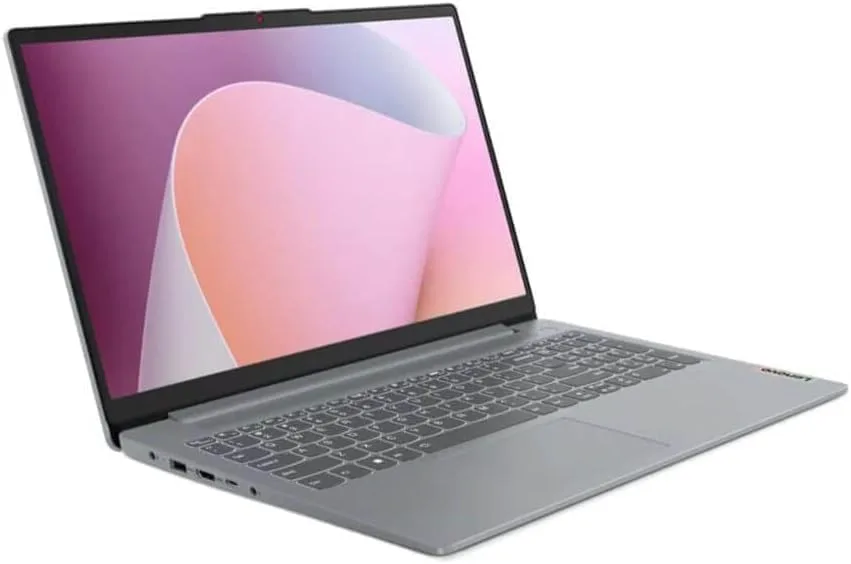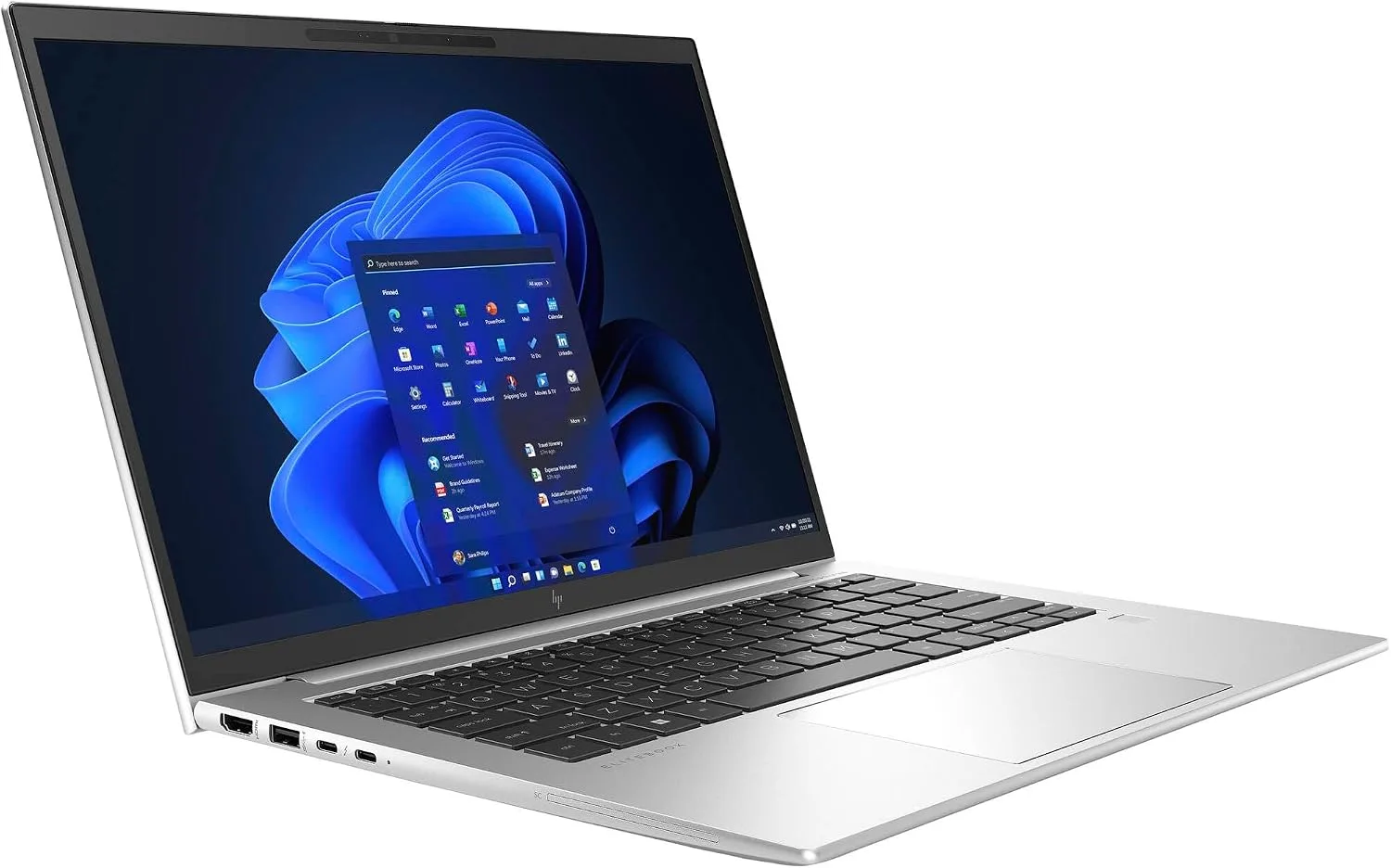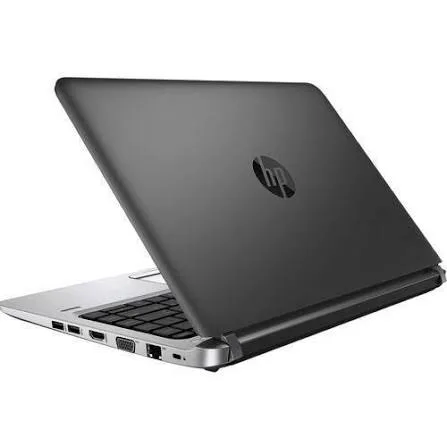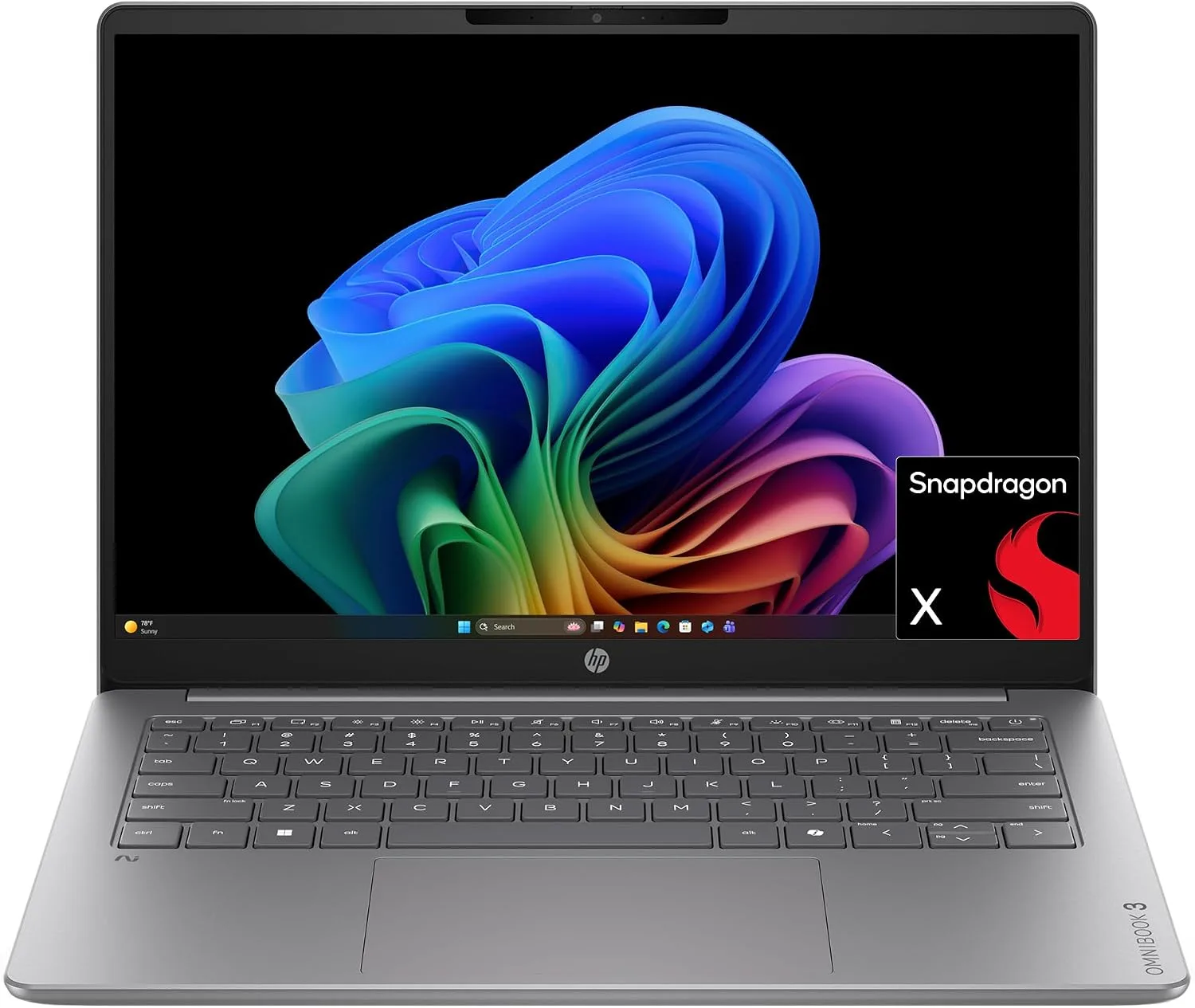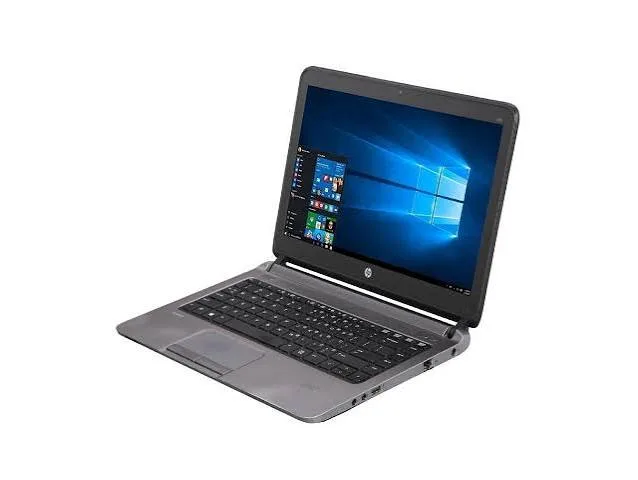
Pick up a five-year-old Lenovo ThinkPad and a five-year-old consumer laptop from the same era, side by side, and the difference in how they've aged is often genuinely striking — one still feels solid, its hinges tight, its keyboard responsive; the other frequently shows loose hinges, a flexing chassis, and keys that have lost their crispness. This isn't accidental, and it isn't simply a matter of how carefully each machine was treated. It reflects genuinely different engineering philosophies, different testing standards, and different business models between consumer and business laptop lines — and understanding this difference is precisely why business laptops dominate Kenya's refurbished market and why City Gadgets Kenya builds its entire catalog around them.
Two Fundamentally Different Design Philosophies
It's worth starting with the core distinction, since everything else in this piece flows from it. Consumer laptops are engineered to hit a specific retail price point while looking as attractive as possible on a shelf or in an online listing — manufacturers compete primarily on price and visual appeal, since most consumer buyers compare laptops side by side in a shop or on a website, rarely testing genuine long-term durability before purchase. Business laptops, by contrast, are engineered for organisations that buy hundreds or thousands of units at once, sign multi-year support contracts, and genuinely care about total cost of ownership across a three-to-five-year deployment — a fundamentally different set of buyer priorities that shapes every engineering decision differently.
The practical consequence: a business laptop manufacturer knows their buyer (a corporate IT department) will genuinely evaluate durability, repairability, and consistent performance over years of daily use — because that IT department will be the one fielding support calls and replacement requests if the hardware doesn't hold up. This creates a direct, powerful incentive to build genuinely durable hardware that consumer laptop manufacturers, selling to individual buyers who rarely return to complain about long-term durability years later, simply don't face in the same way.
MIL-STD-810G: What Military-Grade Testing Actually Means
This term gets thrown around in marketing frequently, so it's worth explaining precisely what it means and why it's genuinely meaningful rather than an empty buzzword, particularly as it applies to Lenovo's ThinkPad line specifically.
MIL-STD-810G is a genuine United States military standard originally developed to test equipment destined for military field use — equipment that needs to survive being dropped, exposed to dust and sand, operated across extreme temperature ranges, exposed to humidity and vibration, and generally subjected to conditions far harsher than a typical office environment. When a laptop manufacturer states their product is "tested to MIL-STD-810G," this means the laptop has undergone a specific battery of tests based on this standard — not that the military itself uses this specific consumer/business laptop, a common point of confusion.
The specific tests genuinely applied to ThinkPads include:
- Drop testing from various heights onto different surfaces, simulating the laptop being dropped from a desk, out of a bag, or during transport
- Dust and sand exposure testing, simulating operation in genuinely dusty environments — directly relevant to many Kenyan daily use conditions
- Temperature extreme testing, confirming functional operation across a wide range of hot and cold conditions
- Humidity testing, relevant to Kenya's coastal and tropical regions specifically
- Vibration testing, simulating transport in a vehicle over rough roads — genuinely relevant to Kenya's varied road conditions
- Altitude testing, relevant for both air travel and Kenya's own significant variation in elevation across different regions
Why this matters practically, beyond the technical description: this isn't abstract engineering theatre — it directly translates into a laptop that genuinely survives the bump from being knocked off a desk, the dust from a commute on Nairobi's less well-maintained roads, or the heat of being left briefly in a car under the equatorial sun, scenarios that a consumer laptop, engineered without this specific testing regime, is measurably more likely to suffer genuine damage from.
The Keyboard: Engineering Philosophy Made Tangible
Few components illustrate the business-versus-consumer design philosophy divide as clearly as the keyboard, and ThinkPad's keyboard reputation — discussed throughout our HP vs Dell vs Lenovo and ThinkPad vs EliteBook comparison guides — deserves a genuinely detailed explanation of why it's earned this reputation specifically.
Key travel distance. ThinkPad keyboards traditionally offer greater key travel (the distance a key depresses before registering) than most consumer ultrabooks, which often minimise key travel specifically to achieve thinner chassis designs prioritised for visual appeal over typing feel. Greater key travel genuinely reduces typing fatigue over long sessions and provides more tactile, confident feedback that a keystroke has registered.
Consistent key spacing and sizing. Lenovo's keyboard engineers have historically prioritised consistent, ergonomically-considered key layouts across generations, rather than redesigning the layout purely for aesthetic refresh cycles the way some consumer lines do more frequently.
The red TrackPoint. This distinctive feature — the small red nub in the keyboard's centre allowing cursor control without lifting your hands from the home row — represents a genuine, sustained engineering investment in typing efficiency that consumer laptop manufacturers have largely abandoned, since it doesn't photograph attractively for marketing and requires genuine engineering commitment to implement well rather than as a token gesture.
Spill resistance. Many ThinkPad keyboards include genuine drainage channels beneath the keys, designed to route accidental spills away from critical internal components — a functional engineering feature addressing a real, common laptop damage scenario, rather than a purely cosmetic design choice.
Chassis Construction: Why Business Laptops Feel More Solid
Pick up a ThinkPad and a typical consumer laptop of similar size, and the difference in structural rigidity is often immediately noticeable when you twist the chassis gently — the ThinkPad resists flexing meaningfully more, a difference that reflects genuine material and construction choices.
Magnesium alloy and carbon fibre reinforcement, discussed in detail in our lightweight and ultraportable laptop buying guide, appear far more consistently across business laptop lines than consumer equivalents, since these materials cost more to source and engineer with but deliver genuinely superior strength-to-weight performance that business buyers are willing to pay for and consumer buyers, comparing primarily on price, often aren't offered as an option at all.
Reinforced hinges engineered to survive tens of thousands of open-close cycles are a specific, tested requirement for business laptop certification, reflecting the genuine expectation that a business laptop will be opened and closed multiple times daily across years of service — a stress test consumer laptops are less consistently held to.
Internal frame construction, sometimes using a full internal roll cage design in premium business lines, distributes stress from drops or pressure across the chassis rather than concentrating it at vulnerable points — a genuine engineering investment that adds cost but meaningfully improves real-world survivability.
Repairability: A Genuinely Underrated Business Laptop Advantage
This deserves specific attention, since it's less discussed than durability testing but genuinely affects a laptop's long-term useful life, particularly relevant to the refurbished market this entire piece connects to.
Modular, accessible components. Many business laptops, particularly older ThinkPad and EliteBook generations, are designed with genuine serviceability in mind — accessible battery compartments, replaceable RAM (discussed in our dedicated 16GB RAM buying guide), and keyboards that can be replaced without disassembling the entire chassis. Consumer laptops increasingly trend toward sealed, non-serviceable designs that prioritise thinness over repairability.
Published service manuals. Lenovo and HP both publish detailed service manuals for their business lines, genuinely intended for IT departments and authorised repair technicians to perform component-level repairs rather than requiring full unit replacement for a single failed component — a genuine commitment to extending hardware lifespan that most consumer laptop manufacturers don't match with equivalent documentation.
Standardised parts across generations. Business laptop components are often more standardised across model years than consumer equivalents, making replacement parts genuinely easier to source even years after a specific model's original release — directly relevant to Kenya's own repair and parts market, where technicians can more readily source ThinkPad and EliteBook components than equivalents for many consumer laptop models.
Why This Matters Specifically for Kenya's Refurbished Market
Everything explained above converges into a direct, practical conclusion relevant to Kenyan buyers specifically: the genuine durability and repairability advantages of business laptops are precisely why they dominate the refurbished market discussed throughout our ex-UK laptop piece — these are the laptops that genuinely survive three to five years of corporate daily use with enough remaining useful life to serve a second owner well, whereas a consumer laptop subjected to the same multi-year corporate usage pattern would be far more likely to show serious wear or outright failure by the time it reached the secondary market.
This also explains a pattern many Kenyan buyers notice but don't always understand the reason for: why business laptops (ThinkPad, EliteBook, Latitude) so overwhelmingly dominate refurbished laptop listings compared to consumer laptop brands and models. It's not simply that corporations happen to buy these brands — it's that these specific lines were engineered to survive the corporate refresh cycle with enough remaining functional life to be worth refurbishing and reselling at all, a threshold many consumer laptops of the same age simply don't clear.
The Business Model Behind Sustained Quality Investment
It's worth explaining why manufacturers maintain this investment in durability engineering for business lines specifically, since understanding the underlying business logic clarifies why this quality difference is genuinely sustained across product generations rather than a one-off marketing claim.
Corporate buyers evaluate total cost of ownership, not just purchase price. An IT department buying 5,000 laptops genuinely calculates the cost of support tickets, replacement units, and lost productivity from hardware failures across the fleet's service life — creating direct financial pressure on manufacturers to minimise failure rates through genuine engineering investment, since a business laptop line with a poor reliability reputation loses corporate contracts to competitors.
Multi-year support contracts create direct accountability. Business laptop sales frequently come bundled with support agreements specifying response times and repair commitments — obligations that become genuinely expensive for the manufacturer if the underlying hardware isn't durable enough to keep failure rates low across a large, multi-year deployed fleet.
Brand reputation within IT procurement circles is a genuinely powerful, self-reinforcing market force. IT departments talk to each other, attend the same industry conferences, and read the same trade publications — a business laptop line with a poor reliability track record faces genuine, swift reputational consequences within this professional community in a way that consumer marketing, aimed at a much more fragmented, less interconnected buyer base, doesn't face in quite the same concentrated way.
A Brief History: How the ThinkPad Earned Its Reputation
It's worth understanding the ThinkPad's origin story briefly, since its current reputation didn't emerge from nowhere — it's the product of a specific, sustained engineering culture dating back decades. The ThinkPad line originated under IBM in the early 1990s, at a time when IBM's broader corporate reputation rested heavily on reliability and engineering rigor across its entire product range, from mainframe computers to typewriters. This corporate culture of taking durability and functional design seriously carried directly into the ThinkPad's original engineering, establishing design principles — the distinctive black design language, the TrackPoint, the keyboard feel — that have persisted through Lenovo's 2005 acquisition of IBM's PC division and continue to define the line today. This continuity matters: it means the ThinkPad's reputation isn't a recent marketing invention but reflects genuinely sustained engineering values across multiple decades and two different corporate owners, a rare consistency in an industry where product lines are frequently redesigned from scratch or discontinued entirely.
The Testing Process in More Detail: What Actually Happens Before a ThinkPad Ships
Beyond the MIL-STD-810G standard explained above, it's worth understanding that Lenovo's testing regime for ThinkPad units goes further than the minimum required for certification, reflecting a genuine engineering commitment beyond simply meeting a checklist. Reports from Lenovo's own testing facilities describe units being subjected to hinge cycling tests running into tens of thousands of open-close cycles, well beyond what a typical multi-year corporate deployment would realistically demand, effectively building in a genuine safety margin beyond minimum expected use. Similarly, thermal cycling tests — repeatedly heating and cooling units to simulate years of use — help identify potential component failures before they ever reach a customer, a genuinely proactive quality assurance approach rather than simply responding to field failures after the fact.
Why This Matters Even More in Kenya's Specific Conditions
It's worth connecting this engineering discussion directly back to genuinely Kenyan conditions, building on points raised throughout our NGO field work and small business buying guides. Kenya's climate variation — from Nairobi's moderate highland climate to the more extreme heat of northern counties, to coastal humidity around Mombasa — creates genuinely more variable operating conditions than the more climate-controlled office environments many consumer laptops are implicitly designed around. Similarly, road conditions affecting vehicle transport, more frequent power fluctuations affecting charging cycles, and dustier environments in many workplaces make the specific durability testing categories discussed throughout this piece — temperature extremes, vibration, dust resistance — genuinely more relevant to daily Kenyan use than they might be to a laptop's original UK corporate office environment, adding another layer of practical value to choosing genuinely durability-tested hardware for Kenyan daily use specifically.
Comparing ThinkPad's Approach to HP EliteBook and Dell Latitude
As detailed extensively in our HP vs Dell vs Lenovo and ThinkPad vs EliteBook comparison guides, HP's EliteBook and Dell's Latitude 7000-series apply broadly similar engineering philosophy and durability standards to their own business lines — genuine competitors to ThinkPad's approach rather than lesser alternatives. The specific implementation differs (HP's Sure View privacy screen technology, Dell's distinctive Latitude tier structure, Lenovo's TrackPoint and keyboard heritage), but the underlying commitment to business-grade durability testing, repairability, and sustained quality investment is genuinely shared across all three major business laptop lines that dominate Kenya's refurbished market, which is precisely why our buying guides consistently recommend comparing specific configurations across all three brands rather than treating any single one as objectively superior in every respect.
What This Means When You're Choosing a Refurbished Laptop in Kenya
Bringing this back to a practical, actionable takeaway for Kenyan buyers: when you're comparing refurbished laptop options, prioritising genuine business-grade lines (ThinkPad, EliteBook, Latitude) over consumer laptop brands, even at a similar price point or age, is a well-founded decision grounded in genuine engineering and durability differences — not simply marketing preference or brand loyalty without substance behind it. This is precisely why City Gadgets Kenya's entire catalog centres on these business lines specifically, rather than stocking a broader mix including less durable consumer equivalents that would be less likely to hold up well as refurbished units.
The Science of Carbon Fibre: Why the X1 Carbon Represents the Pinnacle of This Philosophy
It's worth a deeper technical explanation of the carbon fibre construction discussed briefly in our lightweight laptop buying guide, since it represents the most extreme, refined expression of the durability-and-weight engineering philosophy this entire piece describes. Carbon fibre is composed of thin, strong crystalline filaments of carbon, woven into a fabric and bonded with resin under heat and pressure to form a rigid composite material. The resulting structure offers a genuinely exceptional strength-to-weight ratio — significantly stronger than steel by weight, and meaningfully lighter and stiffer than aluminium at equivalent structural thickness. This is precisely why aerospace engineering and Formula 1 racing, industries where both weight and structural integrity are genuinely mission-critical, rely heavily on carbon fibre construction. Lenovo's application of this same material science to the ThinkPad X1 Carbon's chassis represents a genuine, non-trivial engineering investment — carbon fibre is considerably more expensive and complex to manufacture with precision than standard aluminium or plastic composite chassis construction, explaining why this specific technology remains concentrated in the flagship tier of Lenovo's lineup rather than applied across the entire ThinkPad range.
Battery Engineering and Longevity: An Often-Overlooked Durability Factor
Durability discussions often focus on physical chassis resilience, but it's worth addressing battery engineering specifically, since this is a genuine, practical factor in how well a laptop ages over years of service, directly relevant to the refurbished market this piece connects to. Business laptop battery systems are frequently engineered with more conservative charging curves and better thermal management around the battery compartment than budget consumer laptops, both of which genuinely slow the rate of capacity degradation over repeated charge cycles. This is one reason why, as discussed in our buying checklist guide, a several-year-old business laptop's battery often retains meaningfully more usable capacity than a consumer laptop of the same age subjected to similar usage patterns — the battery management engineering, not just the battery cell itself, genuinely differs between these product tiers.
Frequently Asked Questions
Does MIL-STD-810G testing mean a ThinkPad is genuinely indestructible? No — it means the laptop has been tested against a specific, rigorous battery of durability tests and passed, genuinely improving its resistance to drops, dust, temperature extremes, and vibration compared to untested consumer hardware, but it remains a laptop, not military-grade equipment immune to all possible damage.
Is HP EliteBook's durability testing genuinely comparable to ThinkPad's MIL-STD-810G certification? HP applies its own rigorous durability testing to the EliteBook line, though ThinkPad's specific MIL-STD-810G certification is more consistently and explicitly documented across generations, making it a slightly more concretely verifiable durability claim for buyers specifically comparing this factor.
Why don't all laptop manufacturers simply apply this same durability engineering to every product line, including consumer laptops? Cost — durability engineering (reinforced hinges, better materials, rigorous testing) genuinely adds manufacturing cost that would push consumer laptop prices higher than the market segment competing primarily on affordability can typically bear, creating a genuine trade-off manufacturers navigate by segmenting their product lines by durability tier alongside price.
Does buying a refurbished ThinkPad mean I'm getting a laptop that's already near the end of its durability testing lifespan? No — the durability testing and engineering discussed throughout this piece describes the laptop's fundamental construction and design resilience, not a countdown that depletes with use; a well-maintained refurbished ThinkPad genuinely retains years of further reliable service life beyond its corporate first-owner period.
Is it worth paying more for a ThinkPad over a similarly-specified consumer laptop, given everything explained in this piece? For most Kenyan buyers prioritising long-term reliability and daily durability, as detailed throughout our buying guides, yes — the specification-per-shilling advantage refurbished business laptops offer, combined with the genuine durability engineering explained throughout this piece, makes this a well-founded, evidence-based preference rather than simple brand loyalty.
Does the ThinkPad's distinctive black design serve any functional purpose, or is it purely aesthetic? Primarily a design heritage choice tracing back to the line's IBM origins discussed above, though the matte finish common across many ThinkPad generations does offer practical benefits in showing fewer visible fingerprints and smudges compared to glossy consumer laptop finishes.
Do newer ThinkPad generations maintain the same durability standards as older ones? Lenovo has generally maintained MIL-STD-810G testing and core durability engineering principles across ThinkPad generations, though it's always worth confirming the specific certification status of any particular generation you're considering, since specific implementation details can evolve across product refreshes.
Can I verify a specific refurbished ThinkPad's durability testing history before buying? Direct verification of an individual unit's original testing certificate isn't typically practical for a refurbished purchase, though the model line's general durability engineering and testing standard, as explained throughout this piece, applies to the design itself regardless of the specific individual unit's paperwork trail.
Does this durability engineering discussion apply equally to older and newer ThinkPad generations available in Kenya's refurbished market? Yes, broadly — the core engineering philosophy and MIL-STD-810G testing commitment discussed throughout this piece has been a consistent feature across ThinkPad generations for many years, meaning even older refurbished units in Kenya's market genuinely benefit from this design heritage, not just the newest models.
Experience Genuine Business-Grade Durability at City Gadgets Kenya
Every laptop at City Gadgets Kenya is a genuine business-grade ThinkPad, EliteBook, or Latitude — engineered to the durability standards explained throughout this piece — fully tested and backed by a real 6-month warranty. Browse our laptops category or message us on WhatsApp to feel the difference genuine business-grade engineering makes.