Across nearly every buying guide in our catalog referencing Dell hardware, the Latitude naming convention gets mentioned as "genuinely the clearest tier structure" among the major business laptop brands — but what does that tier structure actually mean in engineering terms, beyond simply a number? This piece goes deeper into what genuinely distinguishes Dell's 3000, 5000, and 7000-series Latitude configurations, using real examples from City Gadgets Kenya's extensive Dell catalog.
Why Dell Adopted This Specific Tier Numbering System
Dell's decision to structure its Latitude line around a clear, ascending numerical tier system reflects a deliberate business strategy: making it straightforward for corporate procurement teams, often managing technology budgets across many different employee roles and seniority levels within the same organisation, to quickly communicate and understand what construction and feature tier a given budget allocation buys, without needing to memorise subtler naming distinctions the way some competing lines require. This clarity, as noted throughout our Dell-focused buying guides, carries directly through to the refurbished market, making it genuinely easier for Kenyan buyers to understand what they're getting at a glance compared to some competing brands' less immediately legible naming conventions.
The 3000-Series: Dell's Genuine Entry-Level Tier
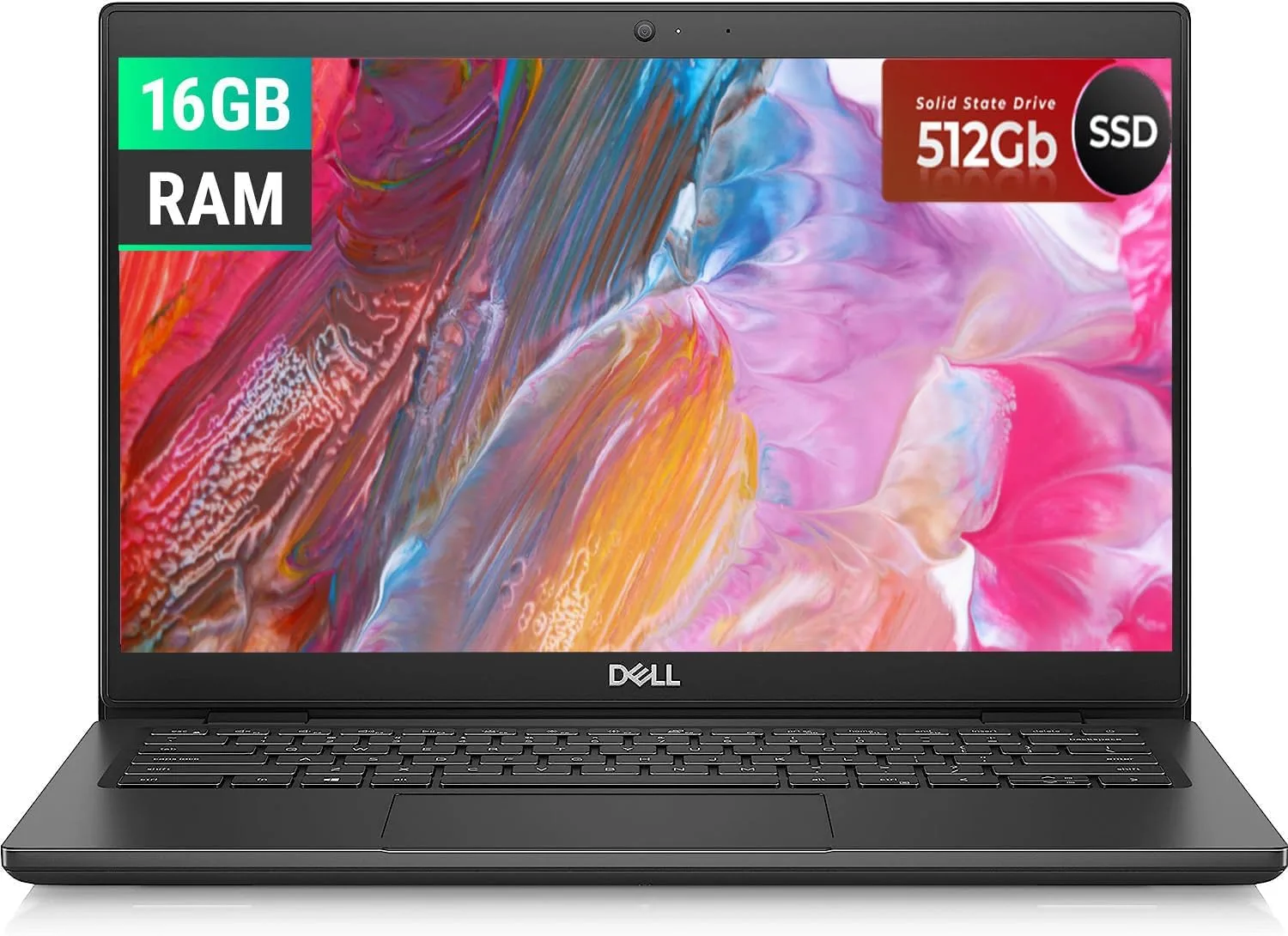
As detailed throughout our budget-focused buying guides, the Latitude 3000-series represents Dell's accessible entry point into genuine business-grade construction — not Dell's cheapest possible hardware in an absolute sense, but the entry point specifically within its dedicated business Latitude line, distinct from Dell's separate consumer-facing Inspiron range covered in our brand history content.
What genuinely defines the 3000-series: more basic chassis materials (typically more plastic composite construction compared to higher tiers), fewer premium features (less likely to include advanced security features or premium display options), but still built to Dell's core business durability standards rather than consumer-grade construction — a genuine, meaningful step up from consumer laptops even at this most accessible business tier.
The 5000-Series: Dell's Standard Business Reliability Tier
The 5000-series represents what most corporate IT departments would consider Dell's core, default business laptop tier — the configuration equipping the majority of standard office roles across a typical corporate deployment. As covered extensively throughout our Dell product content, this tier balances genuine durability and dependable performance with more moderate pricing than Dell's premium options.
What genuinely defines the 5000-series: more robust chassis construction than the 3000-series, typically including a broader range of port options and display configurations, and generally representing the volume workhorse of Dell's corporate Latitude deployments — the tier most likely to appear in the largest quantities within any given corporate refresh cycle feeding the ex-UK refurbished pipeline discussed throughout our catalog.
The 7000-Series: Dell's Premium Construction Tier
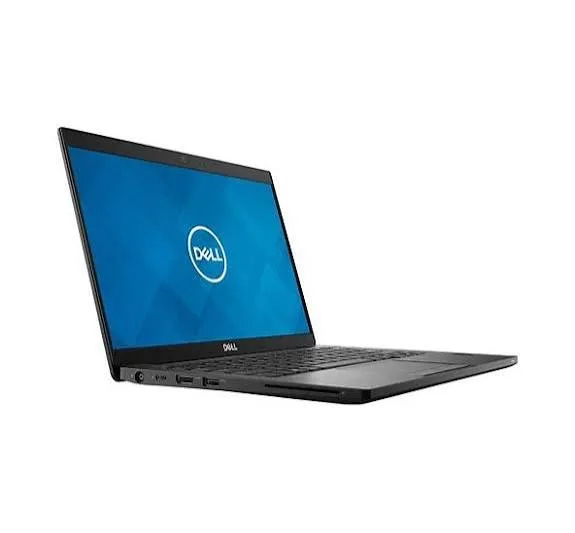
As emphasised throughout our HP vs Dell vs Lenovo and Latitude-focused buying guides, the 7000-series represents Dell's premium Latitude construction tier — more refined materials, generally lighter and more compact chassis options within the same screen size category, and typically the tier where Dell concentrates its more advanced features and finishes.
What genuinely defines the 7000-series: noticeably more premium materials and finish quality compared to the 5000-series, often including more compact chassis variants (like the 7270/7280 configurations covered throughout our catalog) prioritising portability alongside premium construction, and generally the tier reserved for more senior roles or client-facing positions within the original corporate deployment.
A Direct Comparison Table
| Factor | 3000-Series | 5000-Series | 7000-Series |
|---|---|---|---|
| Chassis materials | More plastic composite | Standard business-grade | Premium, more refined |
| Typical corporate role | Entry-level staff | Standard office roles | Senior/client-facing roles |
| Compact chassis options | Limited | Some | More extensive (7270/7280) |
| Typical refurbished price tier | Most accessible | Mid-range | Premium |
| Feature richness | Basic | Standard | Enhanced |
Why Understanding This Tier Structure Genuinely Helps Refurbished Buyers
Connecting this back to practical buying guidance throughout our catalog: understanding these genuine tier distinctions helps Kenyan buyers set accurate expectations and make informed trade-offs, similar to the specification-over-brand-name emphasis running throughout our entire buying guide catalog. A buyer prioritising absolute budget accessibility can confidently choose a 3000-series configuration knowing it still carries genuine Dell business-grade engineering, just without the 7000-series' more premium finish. A buyer prioritising the most refined possible construction and portability, as discussed in our lightweight laptop buying guide, knows specifically to look toward 7000-series configurations like the compact 7270/7280 models.
The Genuine Origin of This Numbering Convention Within Dell's History
It's worth briefly explaining how this specific tiering approach emerged within Dell's broader corporate history. Dell built its early reputation substantially on direct-to-business sales and customisable configurations sold directly to corporate procurement departments, rather than primarily through retail consumer channels — a business model genuinely different from many competitors' more retail-focused origins. This direct corporate sales relationship meant Dell's product naming needed to communicate clearly and efficiently to procurement professionals evaluating multiple configuration options simultaneously across large orders, favouring the straightforward, ascending numerical clarity discussed throughout this piece over more evocative or heritage-based naming approaches. This origin explains why Dell's tier structure feels distinctly more "spec-sheet efficient" compared to ThinkPad's more storied naming heritage or EliteBook's brand-positioning-driven naming — each reflects the different corporate sales cultures and historical business models that shaped these three major business laptop lines.
Cross-Referencing Specific Models Across Our Catalog
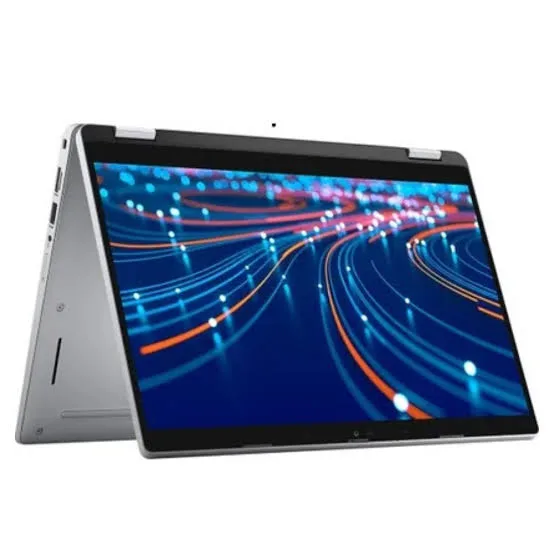
To make this tier structure genuinely concrete rather than abstract, it's worth cross-referencing specific real configurations covered throughout our broader Dell product content. Within the 3000-series, configurations like the Latitude 3190 and 3300 represent this entry tier's genuine accessibility. Within the 5000-series, the Latitude 5300, 5310, and 5320 configurations represent the standard workhorse tier discussed throughout this piece. Within the 7000-series, configurations spanning from the compact 7270/7280 models through to the 7390, 7480, and 7490 represent this premium tier's range, alongside the even more specialised Latitude 7389 convertible configuration blending 7000-series construction with genuine convertible functionality, as discussed in our dedicated convertible laptop piece. Understanding where any specific model number you encounter while shopping falls within this three-tier structure immediately tells you a great deal about its genuine construction quality and feature positioning, even before checking its specific processor and RAM specifications.
How This Tier Structure Compares to HP and Lenovo's Approaches
As detailed in our HP vs Dell vs Lenovo and ThinkPad vs EliteBook comparison guides, HP and Lenovo organise their own business laptop lines somewhat differently — HP's ProBook/EliteBook distinction and Lenovo's T-series/X-series/X1-series structure both convey genuine tier information, but arguably less immediately legible at a glance than Dell's straightforward ascending numerical system. This isn't necessarily a claim that Dell's approach is objectively superior — HP and Lenovo's naming conventions carry their own genuine heritage and meaning, as detailed in our dedicated brand history pieces — simply that Dell's specific numerical clarity offers a genuine, distinct advantage for buyers specifically wanting to quickly grasp tier positioning without deeper brand-specific research.
Frequently Asked Questions
Is the Latitude 3000-series genuinely still "business-grade," or is it closer to consumer quality? Genuinely business-grade, as detailed throughout this piece — it represents Dell's accessible entry point specifically within its dedicated business Latitude line, distinct from and generally more durable than Dell's separate consumer-facing Inspiron range.
Does the tier number affect processor options, or only construction quality? Primarily construction quality and feature richness, as detailed throughout this piece — processor and RAM options vary independently across generations within each tier, meaning a 5000-series unit isn't automatically weaker in raw specification than a 7000-series unit of the same generation.
Which Latitude tier is most common in Kenya's refurbished market? The 5000-series tends to be the most commonly available, reflecting its status as the volume workhorse tier in most corporate deployments, as discussed throughout this piece, though our catalog spans all three tiers across various generations.
Is it worth paying the premium for 7000-series construction if my budget could stretch to a 5000-series with a newer processor generation instead? Depends on your priorities — this exact trade-off is addressed throughout our various budget-tier buying guides, generally favouring prioritising processor generation and RAM for most everyday use cases, while premium construction matters more for buyers specifically valuing portability and refined finish.
Do all three tiers receive the same warranty coverage when bought refurbished? Warranty terms depend on your specific seller rather than the Latitude tier itself — City Gadgets Kenya applies the same genuine 6-month warranty standard across every Latitude tier in our catalog.
Does Dell apply this same three-tier structure to its Precision workstation line as well? Not identically, though a similar tiering logic applies — as detailed in our mobile workstation piece, Precision configurations like the 3541 represent a more accessible entry point, while the 5530/5540/5550 and flagship 5570 represent progressively more capable tiers, echoing the same general principle of numbered tiers signalling construction and capability level.
Is it worth specifically seeking out 7000-series configurations for a business equipping client-facing staff? Often yes, as discussed throughout our small business buying guide — the more refined construction and finish of 7000-series units genuinely supports a stronger professional impression for staff regularly meeting clients, worth the modest premium over 5000-series equivalents for these specific roles.
Can I identify a Latitude's tier just from its model number without additional research? Yes — as explained throughout this piece, the first digit of the model number directly indicates its tier (3, 5, or 7), making this one of the more immediately legible specification signals across the business laptop brands covered in our catalog.
Does a higher tier number always mean a newer laptop, or are tier and generation independent? Independent, as emphasised throughout this piece — tier indicates construction and feature quality, while generation (indicated by the specific model number's remaining digits and processor details) indicates age and processor capability; always check both separately rather than assuming one implies the other.
Explore All Three Latitude Tiers at City Gadgets Kenya
Every Dell Latitude at City Gadgets Kenya, across the 3000, 5000, and 7000-series tiers, is fully tested and backed by a genuine 6-month warranty. Browse our laptops category or message us on WhatsApp to find the right Latitude tier for your budget and needs.