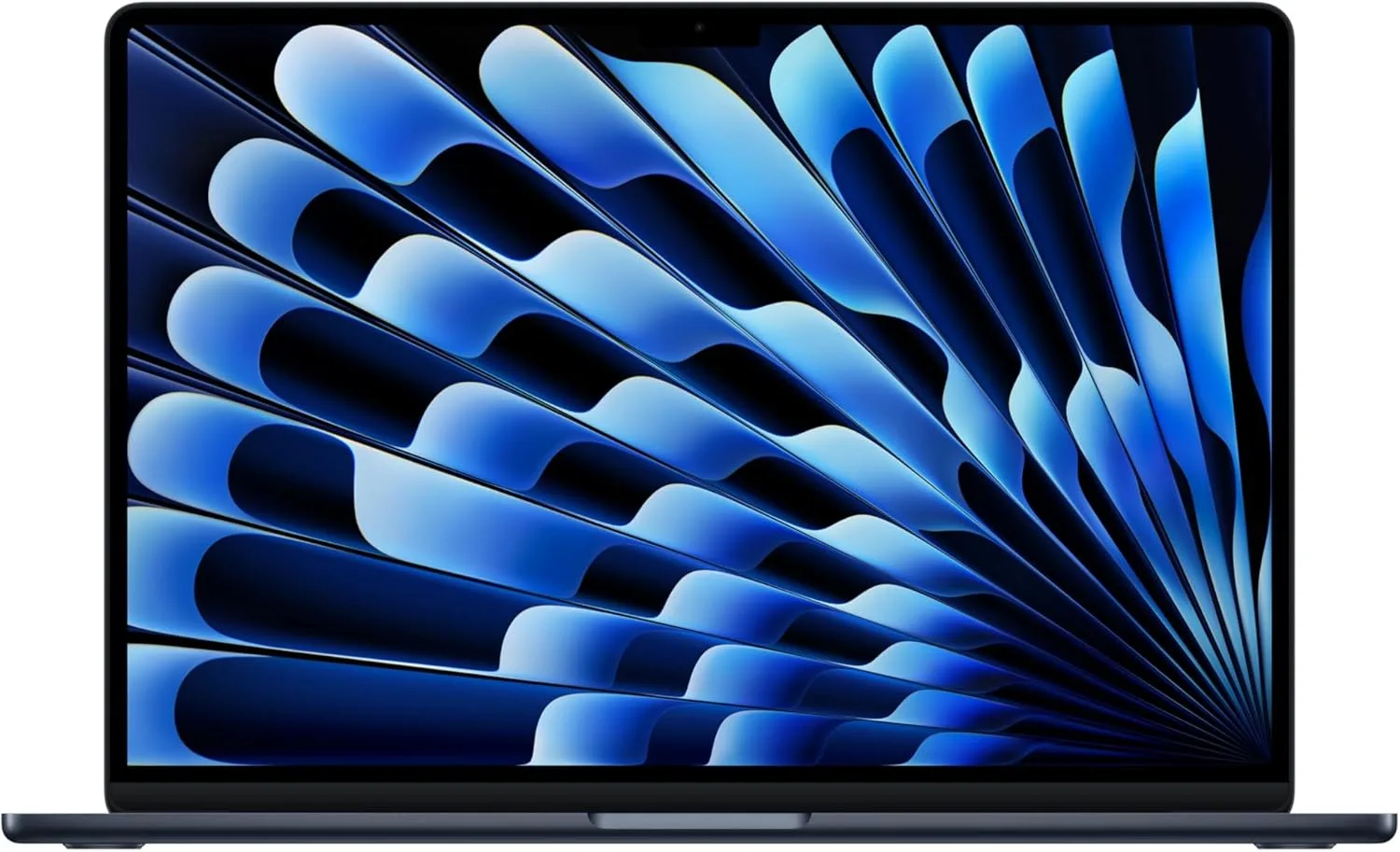
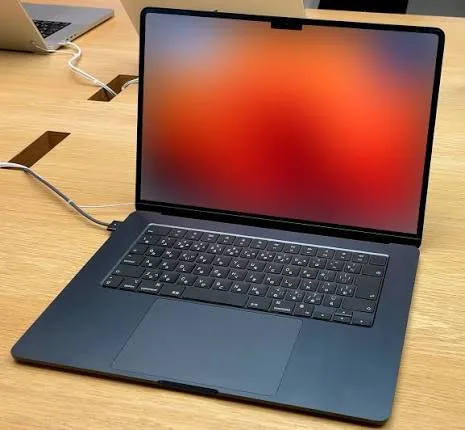
Few laptop product lines carry as distinctive a history as Apple's MacBook Air — a laptop that genuinely redefined what "thin and light" meant when it launched, and has continued evolving through several genuinely significant redesigns since. This piece traces that history, connecting directly to the Apple silicon discussion in our dedicated piece on that topic and the MacBook configurations available at City Gadgets Kenya.
2008: The Original MacBook Air's Dramatic Debut
The MacBook Air's introduction in January 2008 remains one of the more theatrical product launches in laptop history — Steve Jobs famously pulled the original MacBook Air out of a plain manila office envelope during its announcement presentation, a genuinely effective demonstration of just how thin this new laptop was compared to anything else available at the time. This wasn't simply a marketing stunt without substance behind it — the original MacBook Air genuinely represented meaningfully thinner, lighter laptop engineering than the market had previously seen at this performance tier, achieved through several genuine engineering compromises Apple made deliberately to achieve that thinness.
What those original compromises included: the first MacBook Air used a custom, smaller-than-standard hard drive (this was before SSDs became mainstream, discussed in our dedicated NVMe vs SATA piece), had a single USB port, omitted an optical drive entirely at a time when this was still a common laptop feature, and used a soldered, non-removable battery — genuinely controversial design choices at the time that have since become completely standard across the entire laptop industry, illustrating how far ahead of prevailing design norms this original model actually was.
2010-2017: The MacBook Air Becomes Apple's Mainstream Laptop
Following its dramatic but somewhat compromised debut, Apple refined the MacBook Air across subsequent generations into what became, for nearly a decade, Apple's genuine mainstream, most broadly recommended laptop — the model most commonly suggested for students and everyday users, while the MacBook Pro line served buyers with more demanding professional needs. This era saw the MacBook Air transition to solid-state storage as standard, refined its now-iconic wedge-shaped chassis design, and became genuinely one of the most recognisable and widely imitated laptop designs in the industry, with many Windows manufacturers producing visually similar ultra-thin designs clearly influenced by the Air's aesthetic and engineering approach.
2018: The Redesign That Modernised the Air for a New Era
By the mid-2010s, the MacBook Air's original 2010-era design had genuinely started to feel dated compared to newer ultrabooks, prompting Apple's 2018 redesign — introducing a Retina high-resolution display (the original Air had used a considerably lower-resolution screen for years after Apple's other products had moved to sharper Retina displays), slimmer bezels, and updated internal architecture. This redesign brought the MacBook Air's external design language and display quality into genuine parity with contemporary expectations, though it retained Intel processors, meaning it didn't yet benefit from the efficiency revolution discussed in our dedicated Apple silicon piece.
2020: The Apple Silicon Transition Changes Everything
As detailed extensively in our dedicated Apple silicon piece, the 2020 introduction of the M1 chip represented the single most significant change in the MacBook Air's entire history — arguably more significant than the original 2008 launch itself in terms of genuine, measurable performance and efficiency impact. The M1 MacBook Air achieved something the original 2008 model's design compromises couldn't: genuinely excellent performance and all-day battery life without any of the functional compromises (limited ports, weak processing power) that characterised the original thin-and-light approach. This is worth emphasising directly: the 2020 M1 MacBook Air solved the fundamental tension the original 2008 model had been forced to accept — that achieving genuine thinness required real performance and functionality sacrifices — through Apple's own silicon architecture rather than through chassis engineering alone.
What This History Means for Kenyan Refurbished Buyers Today
Connecting this historical arc back to practical relevance for buyers navigating our MacBook vs Windows and Apple silicon buying guides: Kenya's refurbished MacBook Air market spans genuinely distinct eras of this history, each with different practical implications.
Pre-2018 Intel-based MacBook Air models represent the earlier design era, functional for basic computing but genuinely showing their age against modern software demands, similar to the older Intel processor generation guidance discussed in our dedicated Intel generations piece.
2018-2020 redesigned Intel-based models offer the modernised Retina display and refined chassis design, but still without the efficiency benefits of Apple silicon, representing a reasonable middle ground for buyers specifically wanting the modern MacBook Air look and feel at a lower price than Apple silicon models command.
2020-onward Apple silicon models represent the genuinely current, most capable generation, carrying the real efficiency and performance advantages detailed extensively in our dedicated Apple silicon piece — the meaningfully superior choice for buyers prioritising battery life and modern performance, at the price premium this generation commands in Kenya's refurbished market.
Why the MacBook Air's Design Philosophy Genuinely Influenced the Broader Laptop Industry
It's worth noting, connecting to the lightweight and ultraportable design discussion throughout our catalog, that the original MacBook Air's willingness to sacrifice ports and traditional features in pursuit of genuine thinness directly influenced how the entire laptop industry subsequently approached ultraportable design — including the premium Windows ultrabooks discussed throughout our lightweight laptop buying guide, like the Dell XPS 13 and various ThinkPad and EliteBook ultraportable configurations. This is a genuine, traceable industry influence, not simply a coincidental parallel trend — the MacBook Air demonstrated commercially that buyers would genuinely accept certain functional trade-offs in exchange for meaningfully improved portability, a lesson competing manufacturers absorbed and applied to their own subsequent ultraportable product development.
The Broader Lesson: How One Product's Trade-offs Reshaped an Entire Category
It's worth reflecting more broadly on why the MacBook Air's specific history matters beyond simple product trivia. Few individual laptop models can genuinely claim to have shifted an entire industry's design priorities the way the original 2008 Air did — most product redesigns iterate incrementally on existing norms rather than establishing genuinely new ones. The Air's willingness to prioritise thinness so aggressively, even at real functional cost, forced the rest of the industry to seriously grapple with a question it hadn't previously prioritised: how thin and light could a genuinely capable laptop become before functionality suffered unacceptably. Every generation since, across both Apple's own MacBook Air line and the many competing ultrabooks it influenced, represents an ongoing, evolving answer to that same question — with Apple silicon's 2020 breakthrough representing perhaps the most complete resolution yet, achieving genuine thinness without the functional compromises the category's founding model had been forced to accept.
Frequently Asked Questions
Is an older, pre-2020 Intel-based MacBook Air still worth buying refurbished today? Functional for basic, everyday computing, though without the efficiency advantages of Apple silicon discussed in our dedicated piece — a reasonable choice specifically for buyers prioritising the lowest possible entry price into MacBook ownership over the latest performance and battery life.
What was genuinely different about the 2018 MacBook Air redesign compared to earlier models? Primarily display quality (introducing Retina resolution) and refined chassis design, though it retained Intel processors and didn't yet benefit from the Apple silicon efficiency revolution that arrived two years later in 2020.
Is the original 2008 MacBook Air's design philosophy still visible in today's Apple silicon models? Yes, genuinely — the core commitment to thinness and portability as a primary design priority has remained consistent throughout the MacBook Air's history, even as the specific engineering approach to achieving it has evolved substantially.
Did other laptop manufacturers genuinely copy the MacBook Air's design, or is this an exaggeration? Genuinely influential — numerous Windows ultrabooks throughout the 2010s adopted visually similar wedge-shaped, thin aluminium designs clearly drawing inspiration from the MacBook Air's commercially successful approach, a well-documented industry pattern rather than an exaggerated claim.
Should I prioritise finding an Apple silicon MacBook Air specifically, or is any MacBook Air genuinely fine? Depends on your priorities, as discussed throughout our Apple silicon piece — if battery life and modern performance genuinely matter most, prioritise Apple silicon specifically; if minimising cost matters more and your needs are genuinely light, an older Intel-based model remains functional.
How can I tell which MacBook Air generation and era a specific refurbished unit belongs to? Check the specific model identifier through macOS's About This Mac information, or ask your seller directly — this confirms exactly which era and chip generation, Intel or Apple silicon, a specific unit represents.
Explore MacBook Air Generations at City Gadgets Kenya
Every MacBook at City Gadgets Kenya, across every generation discussed in this piece, is fully tested and backed by a genuine 6-month warranty. Browse our laptops category or message us on WhatsApp to find the right MacBook Air generation for your needs and budget.