Galaxy S26 vs iPhone 17 vs Pixel 10: The Ultimate Flagship Showdown for Kenya
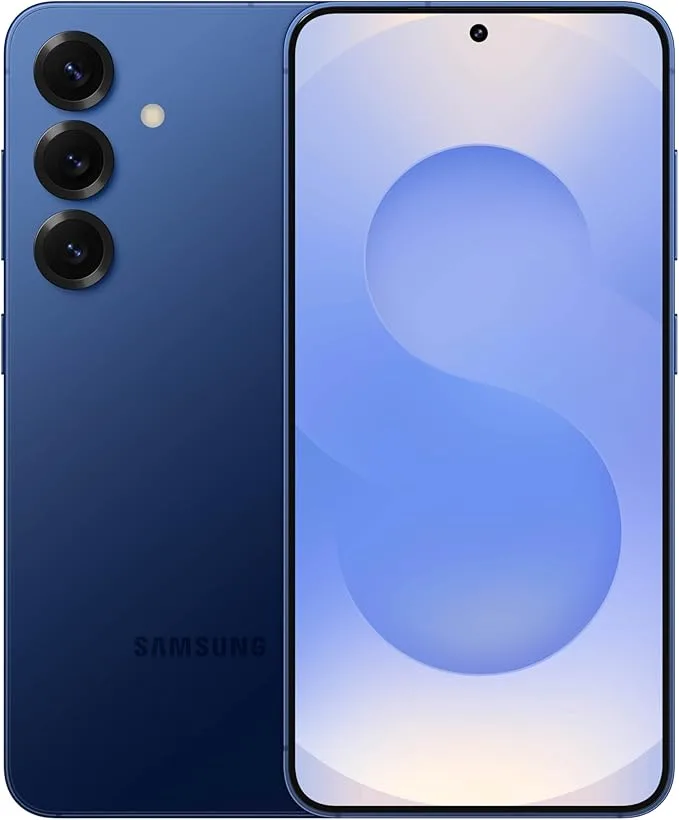
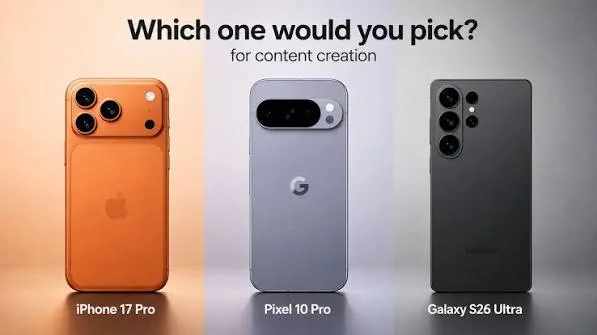
Three flagship ecosystems, three genuinely different philosophies, and three of the strongest phone lineups Kenya has ever had on shelves at the same time. Samsung's Galaxy S26 series leans on raw performance, camera versatility, and a mature ecosystem. Apple's iPhone 17 series leans on build quality, longevity, and a tightly controlled software experience. Google's Pixel 10 series leans on AI that actually feels useful, at a price that consistently undercuts the other two.
If you're standing in a shop in Nairobi trying to decide between them, this guide breaks the decision down where it actually matters — price, camera, performance, AI, battery, software support, and ecosystem — so you can pick based on how you'll really use the phone, not just brand loyalty.
Quick Overview: Three Different Philosophies
Before the spec-by-spec breakdown, here's the one-line summary of what each brand is actually optimizing for this generation:
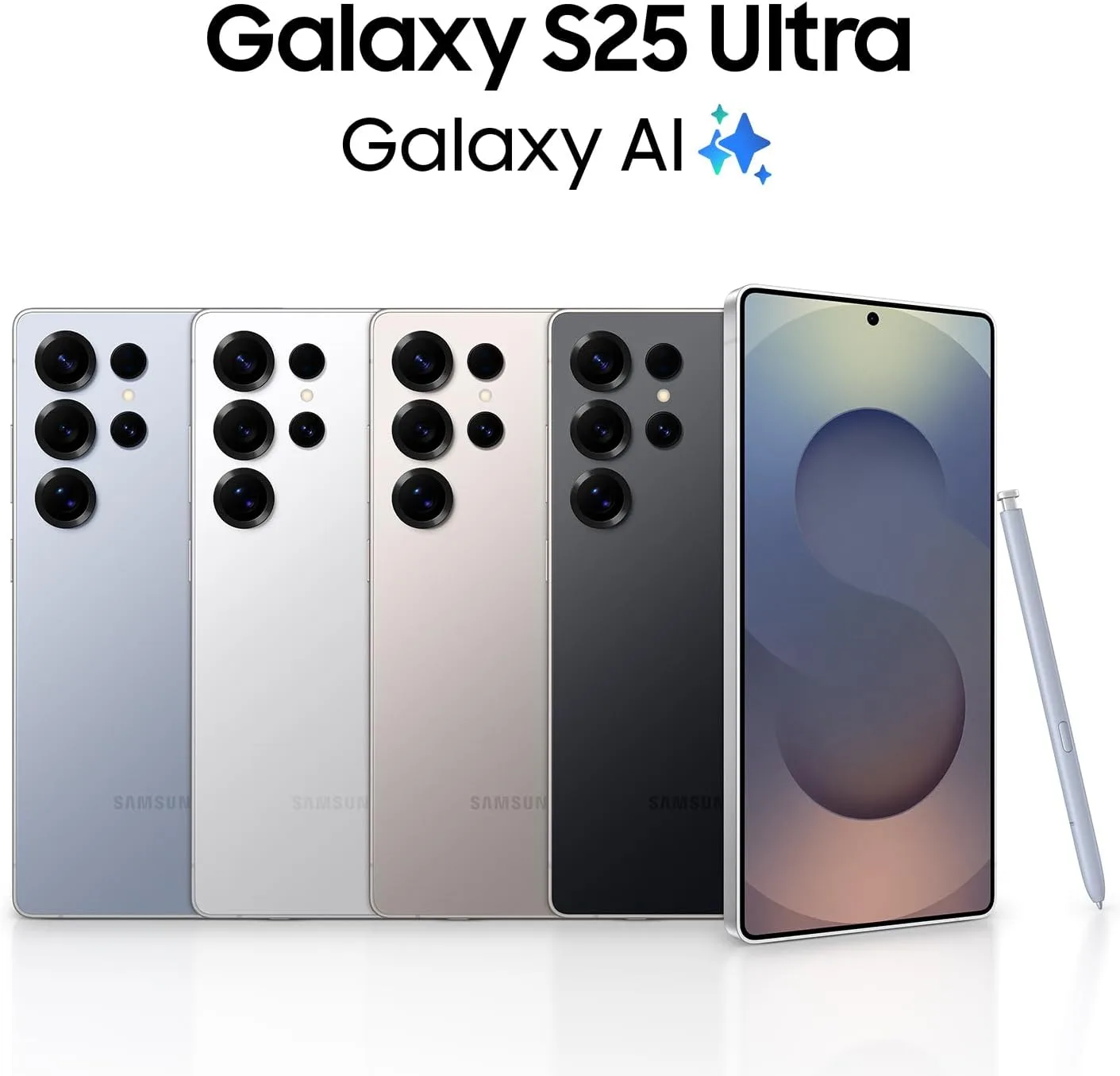
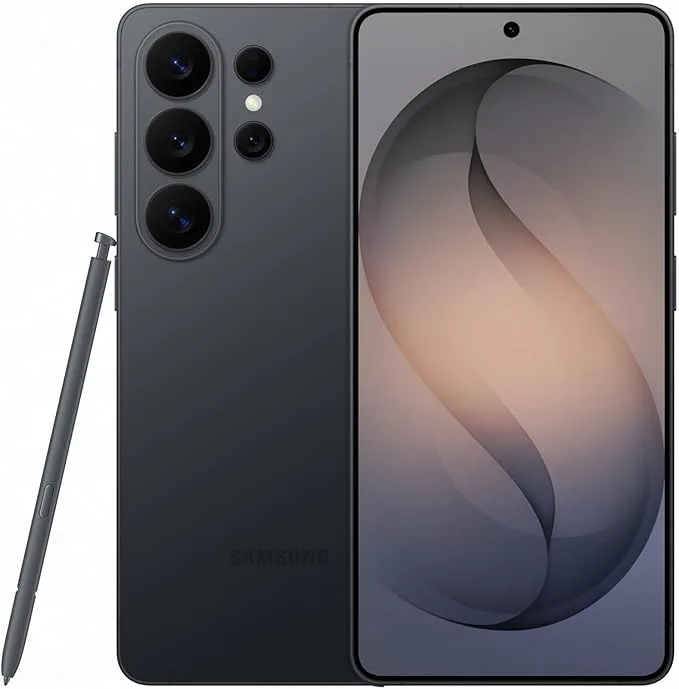
- Samsung Galaxy S26 — the most configurable and versatile lineup, with three models spanning compact to maximalist, an S Pen on the Ultra, and the industry's first Privacy Display.
- Apple iPhone 17 — the most consistent and polished experience, backed by the longest real-world resale value and the tightest hardware-software integration on the market.
- Google Pixel 10 — the best value-to-capability ratio, with Gemini AI baked more deeply into daily use than either rival currently offers, and pricing that consistently comes in lower for comparable specs.
Price in Kenya: The Real Starting Point for Most Buyers
For most Kenyan shoppers, price is where the decision actually begins. Here's how the entry-level and top-tier models compare directly:
| Entry-level model | Kenya price | Top-tier model | Kenya price | |
|---|---|---|---|---|
| Samsung | Galaxy S26 | ~KES 95,000 – 135,000 | Galaxy S26 Ultra | ~KES 120,000 – 211,000+ |
| Apple | iPhone 17 | ~KES 106,500 – 148,000 | iPhone 17 Pro Max | ~KES 158,000 – 350,000+ |
| Pixel 10 | ~KES 82,000 | Pixel 10 Pro XL | ~KES 110,000 – 163,000 |
The pattern is consistent across the board: Google is the value leader, Samsung sits in the middle, and Apple commands the highest ceiling, particularly at the top-spec storage tiers. If budget is your primary constraint, the standard Pixel 10 at around KES 82,000 is the most accessible genuine 2026 flagship available in Kenya, full stop.
Display: Three Strong Screens, Different Priorities
| Galaxy S26 Ultra | iPhone 17 Pro Max | Pixel 10 Pro XL | |
|---|---|---|---|
| Size | 6.9-inch | 6.9-inch | 6.8-inch |
| Peak brightness | 2,600 nits | 3,000 nits | 3,300 nits |
| Refresh rate | 120Hz LTPO | 120Hz ProMotion | 120Hz LTPO |
| Standout feature | Privacy Display | Ceramic Shield 2 | Highest peak brightness |
All three top-tier models land within a rounding error of each other on size and refresh rate. The genuine differentiator is Samsung's Privacy Display — a hardware feature neither Apple nor Google currently matches — while Google's Pixel 10 Pro XL edges out both rivals on raw peak brightness, useful for Nairobi's midday sun. Apple's Ceramic Shield 2 gives the iPhone 17 Pro Max a durability edge that matters more day-to-day than any brightness number.
Performance: Snapdragon vs A19 Pro vs Tensor G5
| Galaxy S26 Ultra | iPhone 17 Pro Max | Pixel 10 Pro XL | |
|---|---|---|---|
| Chip | Snapdragon 8 Elite Gen 5 for Galaxy | Apple A19 Pro | Google Tensor G5 |
| RAM | 12/16GB | Not user-facing (Apple doesn't publish RAM) | 16GB |
| Cooling | Standard | Vapor chamber | Standard |
Apple's A19 Pro, paired with a vapor chamber for sustained performance, consistently benchmarks as the fastest single-core chip of the three — a real advantage for gaming and demanding creative apps that need short bursts of maximum power. Samsung's Snapdragon 8 Elite Gen 5 for Galaxy is close behind and arguably better at sustained multitasking across Samsung's many split-screen and DeX features. Google's Tensor G5 is the outlier: it isn't chasing benchmark leadership at all — it's purpose-built to accelerate on-device AI tasks, which is where Gemini's speed and responsiveness actually come from.
Verdict: Apple wins raw performance benchmarks. Samsung wins multitasking flexibility. Google wins AI processing speed specifically.
Camera: Resolution vs Consistency vs Computational Smarts
| Galaxy S26 Ultra | iPhone 17 Pro Max | Pixel 10 Pro XL | |
|---|---|---|---|
| Main sensor | 200MP, f/1.4 | 48MP Fusion | 50MP wide |
| Telephoto | 10MP + 50MP (dual zoom) | 48MP, up to 8x optical-quality | 48MP, up to 100x Pro Res Zoom |
| Ultrawide | 50MP | 48MP | 48MP |
| Stylus for creative editing | Yes (S Pen) | No | No |
Samsung's 200MP main sensor gives the S26 Ultra the highest raw resolution of the three, useful for cropping into shots without losing detail, and its dual telephoto setup offers genuine flexibility across zoom ranges. Apple's approach favors consistency — the iPhone has long been known for producing reliably accurate colors and skin tones straight out of camera with minimal editing needed, and its 8x optical-quality zoom is the longest true zoom Apple has ever shipped. Google's Pixel 10 Pro XL leans hardest into computational photography, with Pro Res Zoom claiming up to 100x digital zoom and Google's Real Tone processing specifically tuned for accurate skin tone representation across a wide range of complexions — a genuinely useful feature for Kenyan buyers photographing family and friends.
Verdict: Samsung for raw resolution and zoom flexibility. Apple for consistent, low-effort photo quality. Google for computational tricks and skin-tone accuracy.
AI Features: Galaxy AI vs Apple Intelligence vs Gemini
This is arguably the most consequential category in 2026, and the one where the three brands differ most sharply in philosophy.
Samsung's Galaxy AI is broad and consumer-friendly — live translation and interpretation, generative photo editing, and smart writing assistance, all layered into One UI. It's polished but occasionally feels like a set of individual features rather than one cohesive assistant.
Apple Intelligence is the most conservative of the three, prioritizing on-device privacy and tighter integration with core apps like Photos and Messages via Clean Up and similar tools. It's dependable but generally trails both Samsung and Google in raw AI capability and speed.
Google's Gemini, running on the Pixel 10 series, is the most deeply integrated of the three — Gemini Live for real-time camera and screen sharing, Magic Cue for proactive suggestions, and Camera Coach guiding your shots in real time. Because Google builds both the hardware (Tensor G5) and the AI model, Pixel phones tend to get new Gemini features first, often months before they reach Samsung or stay Apple-exclusive-free entirely.
Verdict: Google currently leads on AI depth and speed. Samsung is a strong second with broader feature coverage. Apple prioritizes privacy and restraint over raw capability.
Battery & Charging
| Galaxy S26 Ultra | iPhone 17 Pro Max | Pixel 10 Pro XL | |
|---|---|---|---|
| Battery | 5,000mAh | Up to 39 hours video playback | 5,200mAh |
| Wired charging | Fast (exact wattage varies by market) | 40W (50% in 20 min) | 45W |
| Wireless charging | Qi2, 15W | MagSafe/Qi2, 25W | Qi2, 25W |
Google's Pixel 10 Pro XL carries the largest raw battery capacity of the three at 5,200mAh, and also offers the fastest wired charging speed. Apple doesn't publish raw mAh figures, instead quoting real-world video playback time — its claimed 39 hours is genuinely class-leading for sustained media use. Samsung sits comfortably in the middle on both fronts.
Verdict: Close across the board — Google edges ahead on raw charging speed, Apple on real-world endurance claims, and Samsung remains reliably competitive without leading either metric.
Software Support & Longevity
All three brands have converged on similar update promises this generation — Samsung and Google both commit to up to seven years of OS and security updates, while Apple typically supports iPhones with major iOS updates for roughly six or more years based on historical patterns, though Apple doesn't publish a fixed number the way Samsung and Google now do.
Where the three genuinely diverge is resale value: iPhones have historically held their resale value in Kenya's secondhand market better than either Android rival, which matters if you plan to sell or trade in every two to three years rather than keeping a phone for its full support lifespan.
Ecosystem: Where Your Other Devices Matter
If you already own other devices, ecosystem lock-in should weigh heavily on your decision:
- Already have AirPods, a Mac, or an iPad? The iPhone 17's tight integration with Apple's ecosystem — Handoff, Universal Control, iMessage, AirDrop — is difficult to replicate on Android and genuinely improves daily workflow if you're already inside Apple's world.
- Already have a Galaxy Watch or Galaxy Buds? The S26 series' SmartThings integration and Samsung DeX (turning your phone into a desktop-style computer when connected to a monitor) offer productivity options neither Apple nor Google currently match on Android.
- Starting fresh or platform-agnostic? The Pixel 10 series' cleaner stock Android experience and tighter Google Workspace integration (Gmail, Drive, Docs) make it the easiest phone to pick up with zero existing ecosystem investment — and its lower price removes some of the risk of switching.
Side-by-Side Summary
| Category | Winner |
|---|---|
| Lowest starting price | Google Pixel 10 |
| Raw chip performance | Apple iPhone 17 Pro Max |
| Camera resolution & zoom flexibility | Samsung Galaxy S26 Ultra |
| Photo consistency out of camera | Apple iPhone 17 Pro Max |
| AI depth and speed | Google Pixel 10 series |
| Stylus/productivity input | Samsung Galaxy S26 Ultra |
| Battery capacity | Google Pixel 10 Pro XL |
| Charging speed (wired) | Google Pixel 10 Pro XL |
| Build durability | Apple iPhone 17 Pro Max |
| Privacy hardware feature | Samsung Galaxy S26 Ultra |
| Resale value in Kenya | Apple iPhone 17 series |
| Best value for money | Google Pixel 10 series |
Which One Actually Suits You?
Choose the Galaxy S26 series if:
- You want maximum configurability across three genuinely different sizes and price points
- You use S Pen for note-taking, sketching, or document markup
- You want Samsung DeX for a desktop-style experience on the go
- You're already invested in Samsung's ecosystem — Galaxy Watch, Buds, or SmartThings
- You want the widest camera zoom range and highest raw resolution
Choose the iPhone 17 series if:
- You already own a Mac, iPad, or AirPods and want seamless integration
- You want the most consistent photo and video quality with minimal editing
- Resale value matters to you if you plan to upgrade again in two to three years
- You prefer Apple's more restrained, privacy-first approach to on-device AI
- You want proven build quality and the longest track record of software support
Choose the Pixel 10 series if:
- Price-to-performance is your top priority
- You want the newest, most deeply integrated AI assistant on the market
- You value accurate skin-tone photography and computational camera tricks over raw megapixels
- You're platform-agnostic and want the cleanest version of Android available
- You want genuine flagship specs without flagship pricing
Real-World Scenarios: Which Flagship Fits Your Life?
The small business owner juggling calls, invoices, and social media: Samsung's split-screen multitasking and Samsung DeX let you plug into a monitor at your shop or office and work like you're on a laptop — a genuinely practical edge if you run your business partly from your phone. The Galaxy S26 or S26+ covers this well without needing the Ultra's full price tag.
The content creator posting daily to Instagram and TikTok: Apple's consistent color science and video stabilization mean less time color-grading before you post, while Google's Magic Cue and Camera Coach features can speed up capturing the right shot in the first place. If your workflow is edit-heavy, iPhone 17 saves post-production time; if it's capture-heavy, Pixel 10 saves shooting time.
The student or first-time flagship buyer on a tight budget: The standard Pixel 10 gives you a genuine 2026 flagship experience — fast chip, great camera, seven years of updates — for meaningfully less than the cheapest Galaxy S26 or iPhone 17 configuration, making it the easiest recommendation for anyone prioritizing value above all else.
The professional who travels for work regularly: iPhone's ecosystem integration with AirPods, a MacBook, and iCloud keeps everything synced seamlessly across borders, while its strong resale value means less financial loss if you upgrade again in a year or two. This is the scenario where Apple's premium pricing is easiest to justify.
Frequently Asked Questions
Which is the cheapest flagship among the three in Kenya? The standard Google Pixel 10 is the most affordable genuine flagship of the three, currently listed around KES 82,000 — noticeably below the entry-level Galaxy S26 or iPhone 17.
Which has the best camera overall? It depends what you value. Samsung's S26 Ultra has the highest resolution and most flexible zoom range. Apple's iPhone 17 Pro Max produces the most consistent, least-editing-required results straight out of camera. Google's Pixel 10 Pro XL leads in computational features and skin-tone accuracy.
Which phone has the best AI features right now? Google's Gemini integration on the Pixel 10 series is currently the most deeply woven into the OS and generally receives new AI features first, ahead of Samsung's Galaxy AI and Apple Intelligence.
Which holds its resale value best in Kenya? Historically, iPhones have retained resale value in Kenya's secondhand market better than comparable Samsung or Google devices, which is worth factoring in if you plan to upgrade again within a few years.
Can I compare all three in person before deciding? Yes — City Gadgets Kenya's phones category stocks current Galaxy S26, iPhone 17, and Pixel 10 models, so you can compare them directly rather than deciding from spec sheets alone.
Final Verdict
There's no universally "best" flagship in 2026 — there's only the best flagship for how you actually use a phone. If you want maximum versatility, S Pen productivity, and the widest camera range, the Galaxy S26 series — especially the Ultra — is hard to beat. If you want the most polished, consistent experience with the strongest long-term resale value, the iPhone 17 series remains the safest bet, particularly if you're already in Apple's ecosystem. And if price-to-performance and genuinely useful AI matter most to you, the Pixel 10 series currently offers the sharpest value in the entire Kenyan flagship market.
Whichever direction you lean, you can compare current stock, colors, and pricing across all three brands at City Gadgets Kenya's phones category, or reach out on WhatsApp if you'd like help picking the right one for your budget and habits. And if you've got an older phone to hand down, don't forget you can trade it in toward whichever flagship you choose.