DJI vs Insta360 Action Cameras: Which Should You Actually Buy in Kenya?
DJI and Insta360 have become the two dominant names in serious action and 360-degree cameras, and Kenyan content creators increasingly find themselves choosing between them rather than defaulting to GoPro alone. The two brands take genuinely different approaches — DJI leans on brand ecosystem integration and typically sharper pricing, while Insta360 leans on a longer track record specifically in 360-degree capture, replaceable lenses, and a more mature accessory and software ecosystem. Here's how they actually compare, and which one fits your content.
Two Different Product Lines, Worth Separating First
Before comparing brands directly, it's worth being clear about what you're actually choosing between, since both companies sell more than one type of camera.
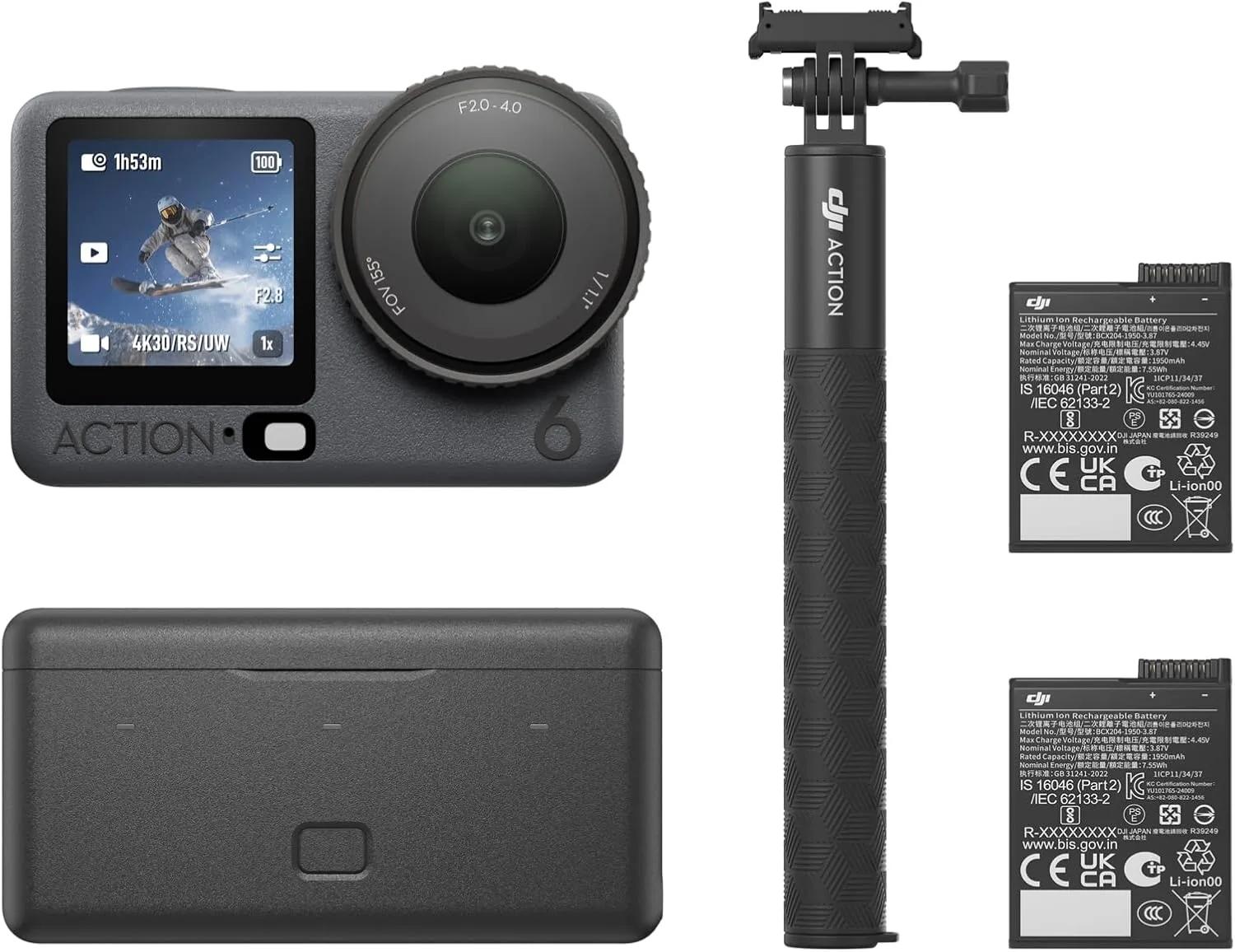
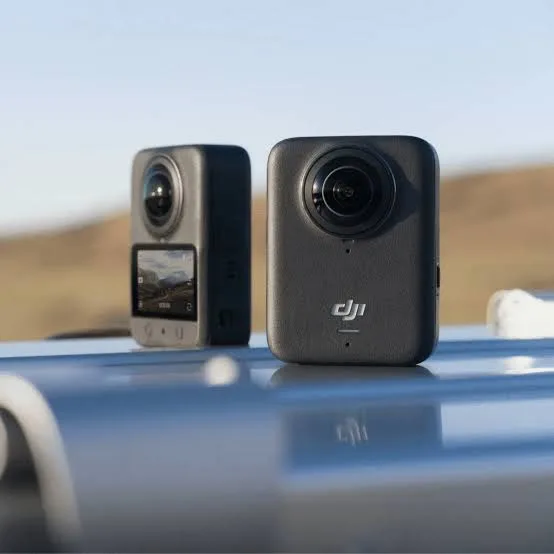
DJI's action camera lineup includes the traditional single-lens Osmo Action series (Action 5 Pro, Action 6) built for mounted, POV-style adventure footage, and the newer Osmo 360, DJI's first true 360-degree camera, entering a category Insta360 has dominated for years.
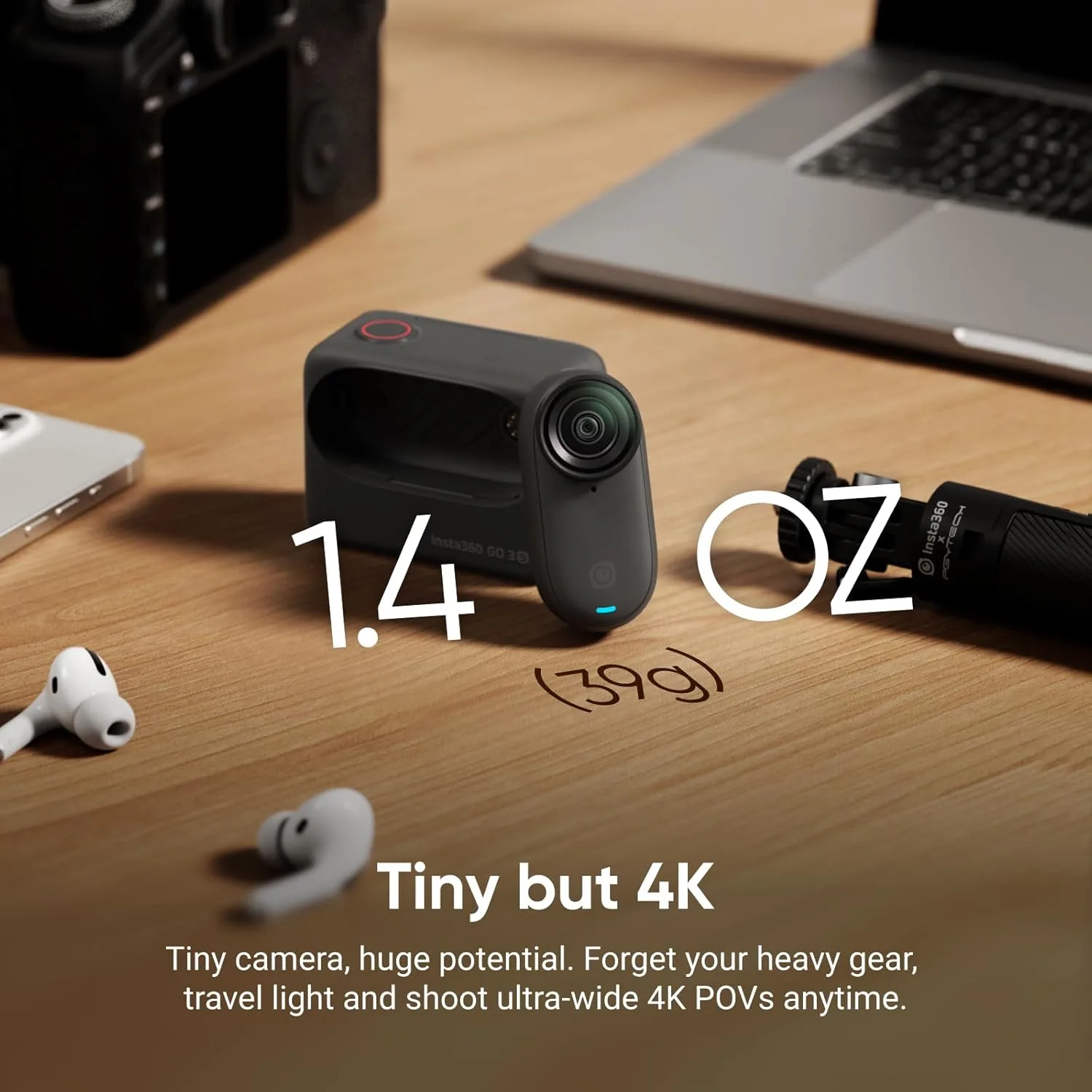
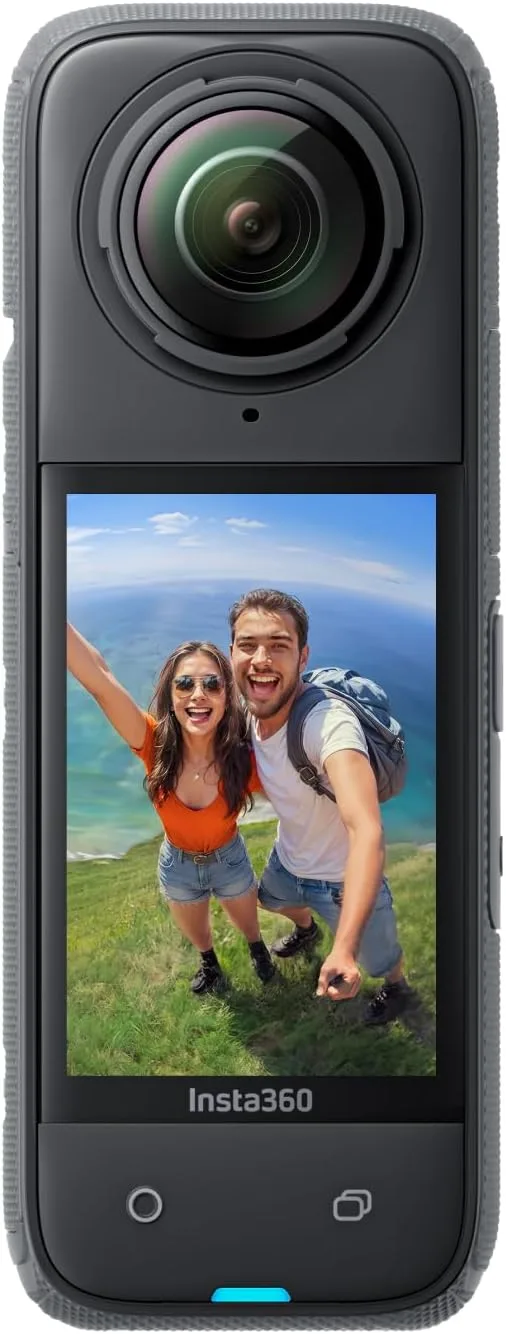
Insta360's lineup is built around 360-degree capture as its core specialty, with the X5 as its current flagship — alongside the Pocket-style Insta360 GO Ultra and other single-lens options. Insta360 has been building 360 cameras since long before DJI entered the category, and that experience shows in several areas covered below.
This guide focuses primarily on the head-to-head that Kenyan buyers actually search for and compare most: DJI Osmo 360 vs Insta360 X5 for 360-degree capture, with a note on single-lens Osmo Action cameras where relevant.
DJI Osmo 360: Specs and Positioning
- 1/1.1-inch dual sensors, capable of 8K video at up to 50fps — technically higher frame rate than the X5 at matching resolution
- Waterproof to 10m without a case
- Compact, square-ish body — 81 × 61 × 36.3mm, and lighter than the X5 at 183g
- Fixed, non-replaceable lenses
- Built specifically to integrate tightly with DJI's existing ecosystem and Mimo app workflow
- Notably more affordable than the Insta360 X5 at equivalent specification
Insta360 X5: Specs and Positioning
- Dual 1/1.28-inch sensors — DJI's own review sources note these are over 140% larger than the previous X4 generation, pulling in significantly more light
- 8K video at 30fps via 11K-to-8K supersampling, plus 5.7K at 60fps and 4K at 120fps
- Waterproof to 15m without a case — genuinely deeper than the Osmo 360's 10m rating
- Longer, narrower "candy bar" body — 124.5 × 46.0 × 38.2mm, slightly heavier at 200g
- User-replaceable lenses — a genuine, significant durability and repairability advantage covered in detail below
- Triple AI chip architecture with PureVideo mode, specifically targeting low-light 360 capture quality
- New steel-mesh wind guard for improved audio clarity in motion
The Single Biggest Difference: Repairable vs Fixed Lenses
This is the detail that shows up most consistently across independent reviews, and it's worth understanding in full because it has real practical consequences for adventure use specifically. On 360 cameras, the lenses physically protrude beyond the camera body — meaning they're genuinely exposed to scratches and impact in a way a flat-lens action camera isn't.
Insta360's X5 addresses this directly with user-replaceable lenses. Scratch or crack one, and you can swap it yourself in minutes using a repair kit costing around $29, getting back to shooting the same day.
DJI's Osmo 360 uses fixed lenses. Damage one, and the entire camera has to be sent back to DJI for repair — a process that costs money and, more importantly, takes time you don't get back. Reviewers testing both cameras side by side have flagged this repeatedly as a genuine, practical disadvantage for the Osmo 360, particularly for anyone using it in genuinely rough, high-impact adventure conditions like motorcycling, mountain biking, or watersports where lens contact is a real, not hypothetical, risk.
If you're buying specifically for rugged, high-impact use where lens damage is a realistic possibility over the camera's lifetime, this single difference is worth weighing heavily — it affects not just repair cost, but how much downtime you face when it happens.
Image Quality and Low-Light: A Close but Real Contest
On paper, the Osmo 360 should have an edge — DJI's own hardware specs suggest stronger image quality potential, and it does offer a slightly higher frame rate ceiling than the X5 at matching resolution. In practice, independent side-by-side testing has found the two cameras far more evenly matched than the spec sheets alone suggest, with both delivering genuinely strong, comparable results for most everyday shooting.
Where Insta360 pulls ahead is specifically in low-light 360 performance, thanks to the X5's larger sensors and dedicated Triple AI chip processing built around exactly this challenge — a meaningful consideration if you're shooting dusk safaris, evening events, or indoor content regularly, similar to the low-light gap that exists between GoPro and DJI's single-lens Action cameras.
Software, Ecosystem, and the "Copycat" Question
This is worth addressing honestly since it comes up repeatedly in independent reviews: Insta360 has been building 360 camera software and reframing tools for significantly longer than DJI, and it shows. Several reviewers have noted that DJI's menu systems and post-processing workflow for the Osmo 360 look strikingly similar to Insta360's own established interface — not necessarily a functional problem, but a signal that DJI is still catching up on software maturity in this specific category, even where its hardware is genuinely competitive.
Insta360's accessory ecosystem is also considerably more extensive at this point, reflecting the company's longer track record specifically in 360-degree capture, while DJI's core advantage remains its broader brand ecosystem — if you already own other DJI hardware (a drone, an Osmo Pocket), integration and workflow familiarity may matter more to you than software polish alone.
Price in Kenya: A Genuine Gap
This is where the decision often becomes practical rather than purely technical. Based on current Kenyan retail listings:
- Insta360 X5: Ranges widely from roughly KES 59,500 to 98,000, depending on retailer and whether you're buying the standalone camera or the Essential Bundle with additional accessories.
- DJI Osmo 360: Generally positioned as notably more affordable than the X5 at comparable specification, though direct Kenyan retail listings are still establishing themselves given how recently DJI entered this specific category — worth confirming current stock and pricing directly with retailers.
Given the X5's own pricing spread across Kenyan sellers, it's genuinely worth comparing a few sources before buying either camera, since bundle contents (extra batteries, cases, mounts) vary meaningfully and affect what looks like a straightforward price comparison.
Single-Lens Alternatives: Where GoPro and Osmo Action Still Fit
It's worth remembering that 360-degree capture isn't always what your content actually needs. If you want traditional, forward-facing POV footage rather than reframeable 360 video, DJI's own single-lens Osmo Action 6 or GoPro's Hero 13 Black remain strong, typically more affordable options — both covered in detail in our dedicated reviews of the Osmo Action 6 and GoPro Hero 13. 360 cameras genuinely excel at a specific kind of content — reframable, immersive, "capture everything and decide the angle later" shooting, particularly useful for motorsports, cycling, and adventure sports where you can't predict the best angle in advance. If your content is more deliberately framed and doesn't need that flexibility, a single-lens camera remains the simpler, often cheaper choice.
Side-by-Side Summary
| DJI Osmo 360 | Insta360 X5 | |
|---|---|---|
| Sensor size | 1/1.1-inch dual | 1/1.28-inch dual (larger overall light gathering) |
| Max resolution/frame rate | 8K/50fps | 8K/30fps (5.7K/60fps, 4K/120fps) |
| Waterproofing (no case) | 10m | 15m |
| Lens design | Fixed | User-replaceable |
| Low-light 360 performance | Good | Stronger (Triple AI chip, PureVideo) |
| Software maturity | Newer, still developing | Mature, more established |
| Price in Kenya | Generally more affordable | KES 59,500 – 98,000 |
| Best for | DJI ecosystem users, budget-conscious buyers | Rugged use, low-light shooters, repairability |
Which Should You Actually Buy?
Choose the Insta360 X5 if: you shoot in genuinely rugged, high-impact conditions where lens damage is a real risk, you regularly shoot in low light, you want the most mature 360 software and reframing tools available, or you value the ability to repair a damaged lens yourself in minutes rather than sending the whole camera away.
Choose the DJI Osmo 360 if: budget is a significant factor and you want strong 360 capability at a more accessible price point, you're already invested in DJI's ecosystem through a drone or Osmo Pocket, or you mainly shoot in good light and gentler conditions where the lens durability gap matters less.
Choose a single-lens Osmo Action 6 or GoPro Hero 13 instead if: you don't specifically need 360-degree reframing flexibility, and want a simpler, typically cheaper camera built around traditional forward-facing action footage.
Buying Safely in Kenya
- Compare bundle contents carefully, since Essential Bundles and standalone camera listings for both brands vary significantly in what's included.
- Verify genuine stock with proper local warranty support, particularly important for 360 cameras given their higher price point and the real cost of grey-market units with no repair path.
- Ask specifically about lens replacement availability and cost if buying the Insta360 X5, so you know the repair kit is genuinely accessible in Kenya before relying on that advantage.
- Confirm microSD card requirements — both cameras need fast, high-capacity cards (U3/V30 or higher, 256GB+) for stable 8K/360° capture.
You can browse genuine DJI and Insta360 action cameras at City Gadgets Kenya, or reach out via WhatsApp for help choosing between them based on your specific content and shooting conditions.
Frequently Asked Questions
Is DJI or Insta360 better for action cameras? It depends on your priorities — Insta360 currently leads on low-light performance, lens repairability, and software maturity, while DJI generally offers stronger value at a lower price point and deeper ecosystem integration if you already own other DJI hardware.
Why does lens repairability matter so much for 360 cameras specifically? Because 360 camera lenses protrude beyond the body, they're more exposed to scratches and impact than flat action camera lenses. Insta360's replaceable lens design lets you fix damage yourself in minutes; DJI's fixed-lens Osmo 360 requires sending the whole camera in for repair.
Is the Insta360 X5 worth the higher price over the DJI Osmo 360? If you shoot in genuinely rugged conditions or low light regularly, yes — the practical advantages are real. If you shoot mostly in good light and gentler conditions, the Osmo 360's lower price may represent better value for your needs.
Do I need a 360 camera, or would a regular action camera work? If you want to reframe and choose your best angle after shooting — useful for sports, cycling, or unpredictable action — a 360 camera adds real value. If you're comfortable framing shots deliberately in advance, a single-lens camera like the Osmo Action 6 or GoPro Hero 13 is simpler and typically cheaper.
How much does the Insta360 X5 cost in Kenya? Pricing ranges widely across Kenyan retailers, from roughly KES 59,500 to 98,000 depending on the seller and whether you're buying the standalone camera or a bundle with additional accessories.
Where can I buy a genuine DJI or Insta360 action camera in Kenya? City Gadgets Kenya stocks genuine action and 360-degree cameras with proper warranty support — reach out via WhatsApp to compare DJI and Insta360 options for your specific content needs.
Final Word
DJI and Insta360 are both genuinely strong choices in Kenya's growing action camera market, and neither is a clear universal winner — the right pick depends on how rugged your shooting conditions actually are, how much low-light performance matters to your content, and how much weight you put on Insta360's more mature software and repairable lens design against DJI's typically sharper pricing and ecosystem integration. Know your actual shooting conditions before you decide, rather than choosing on brand reputation alone.
Browse genuine DJI and Insta360 action cameras at City Gadgets Kenya, or reach out on WhatsApp for help choosing the right camera for your content and budget.