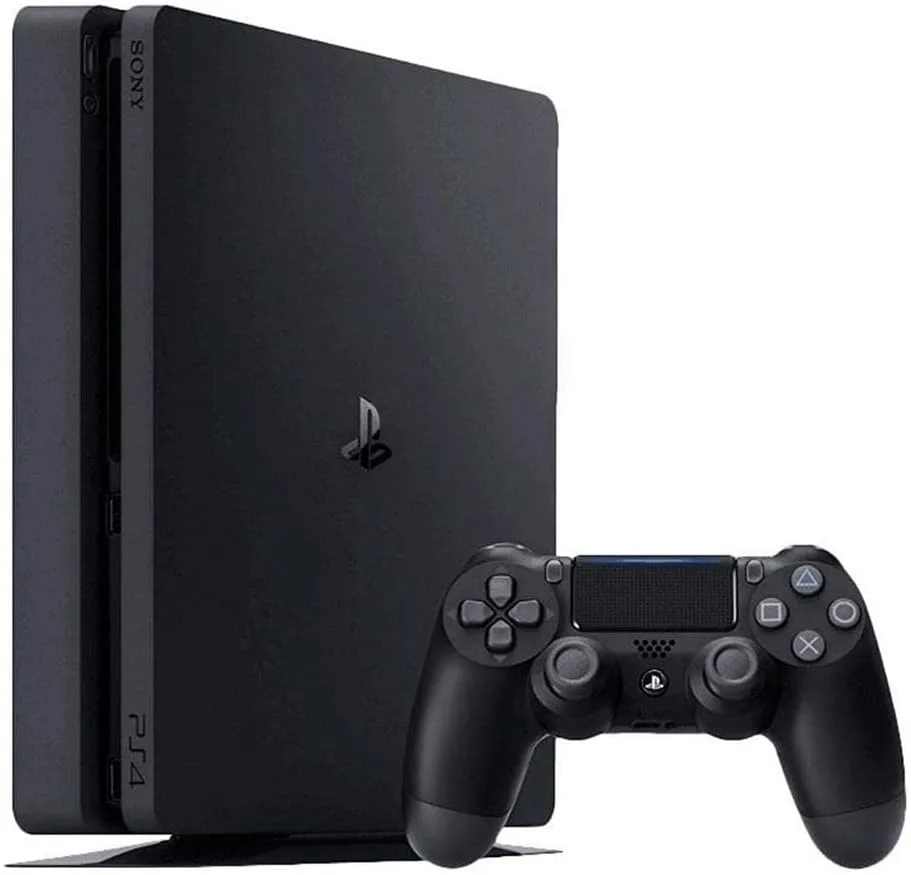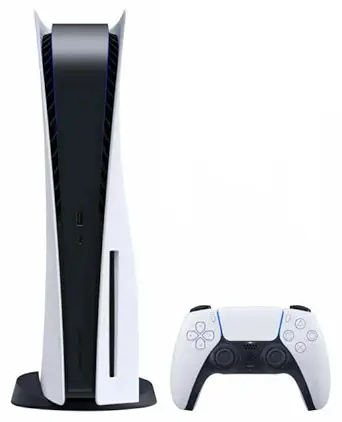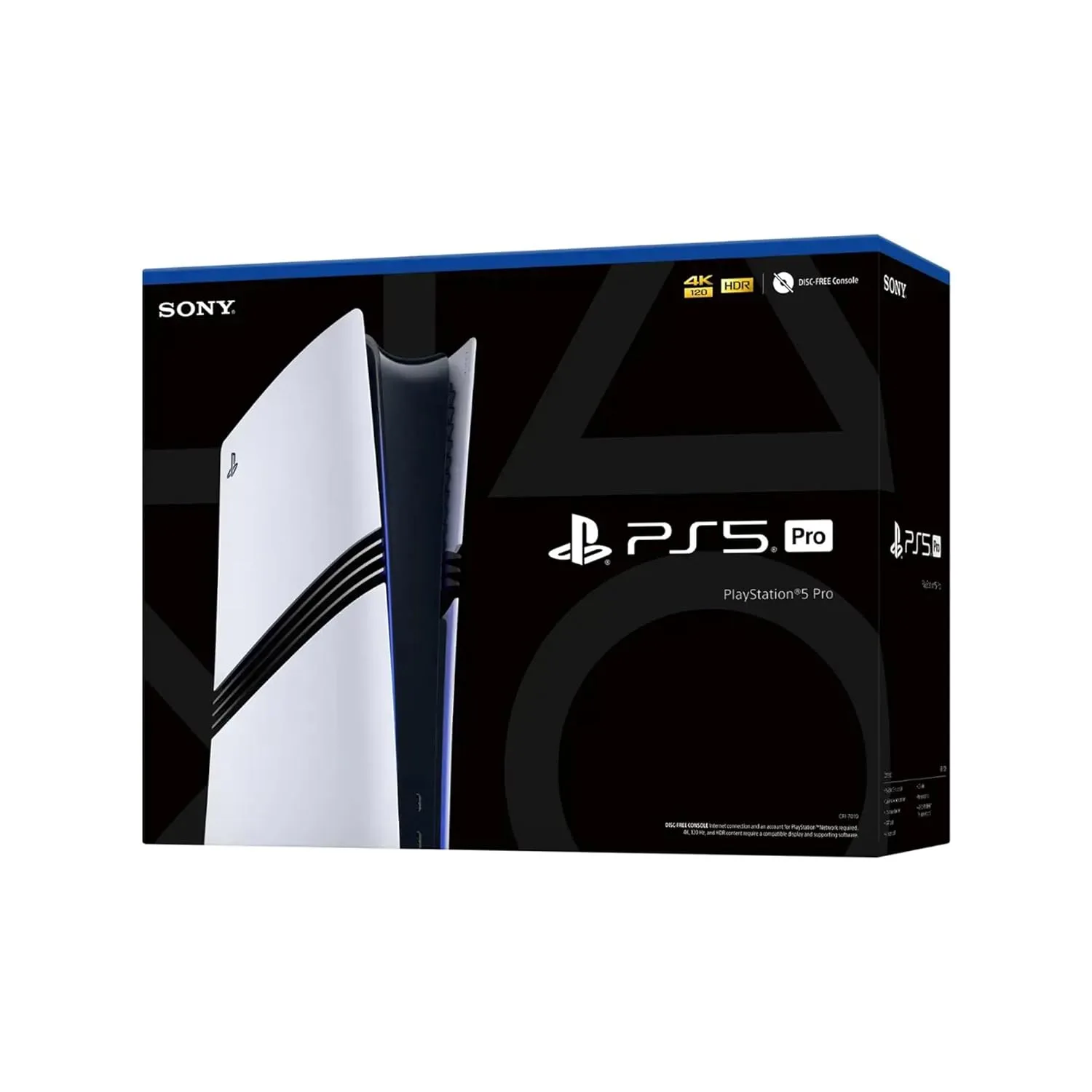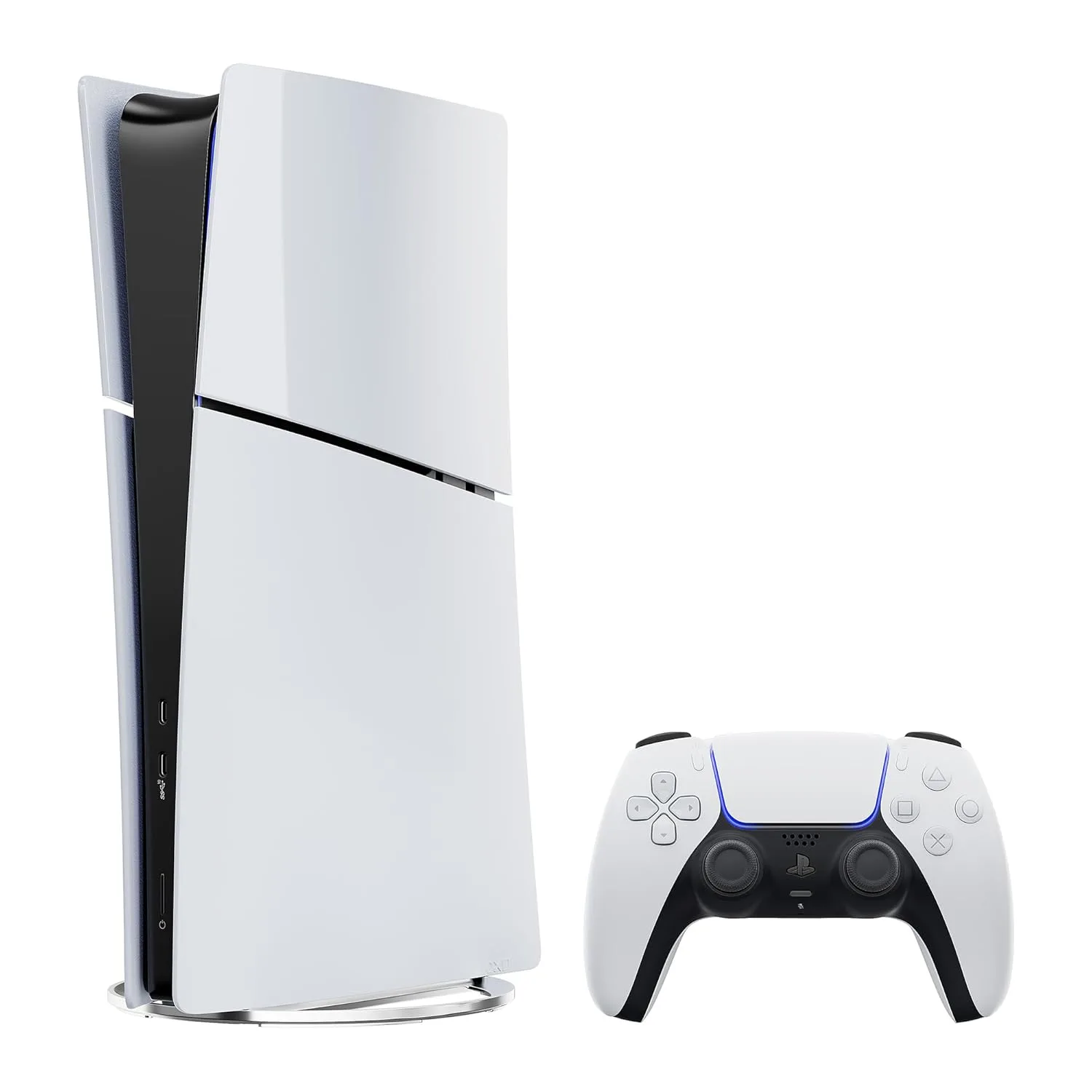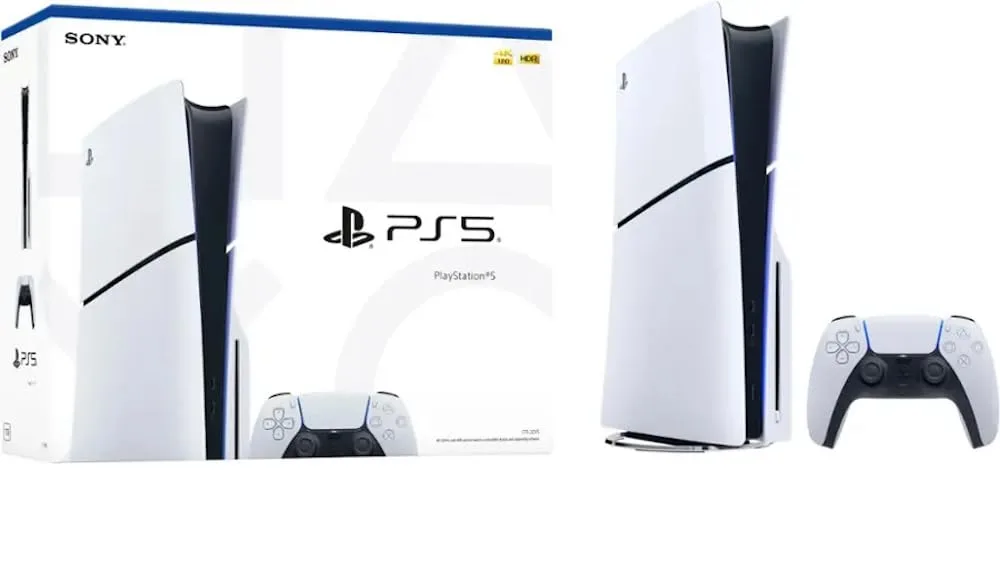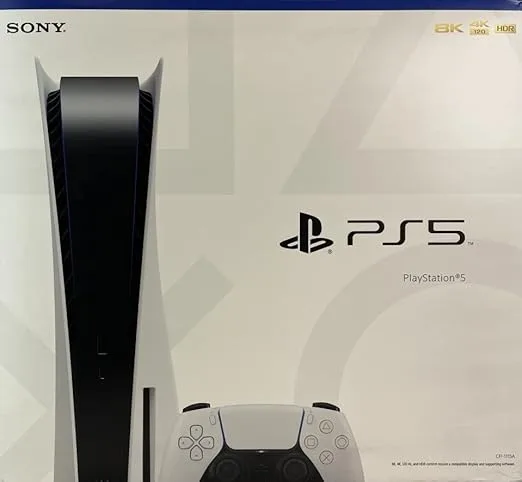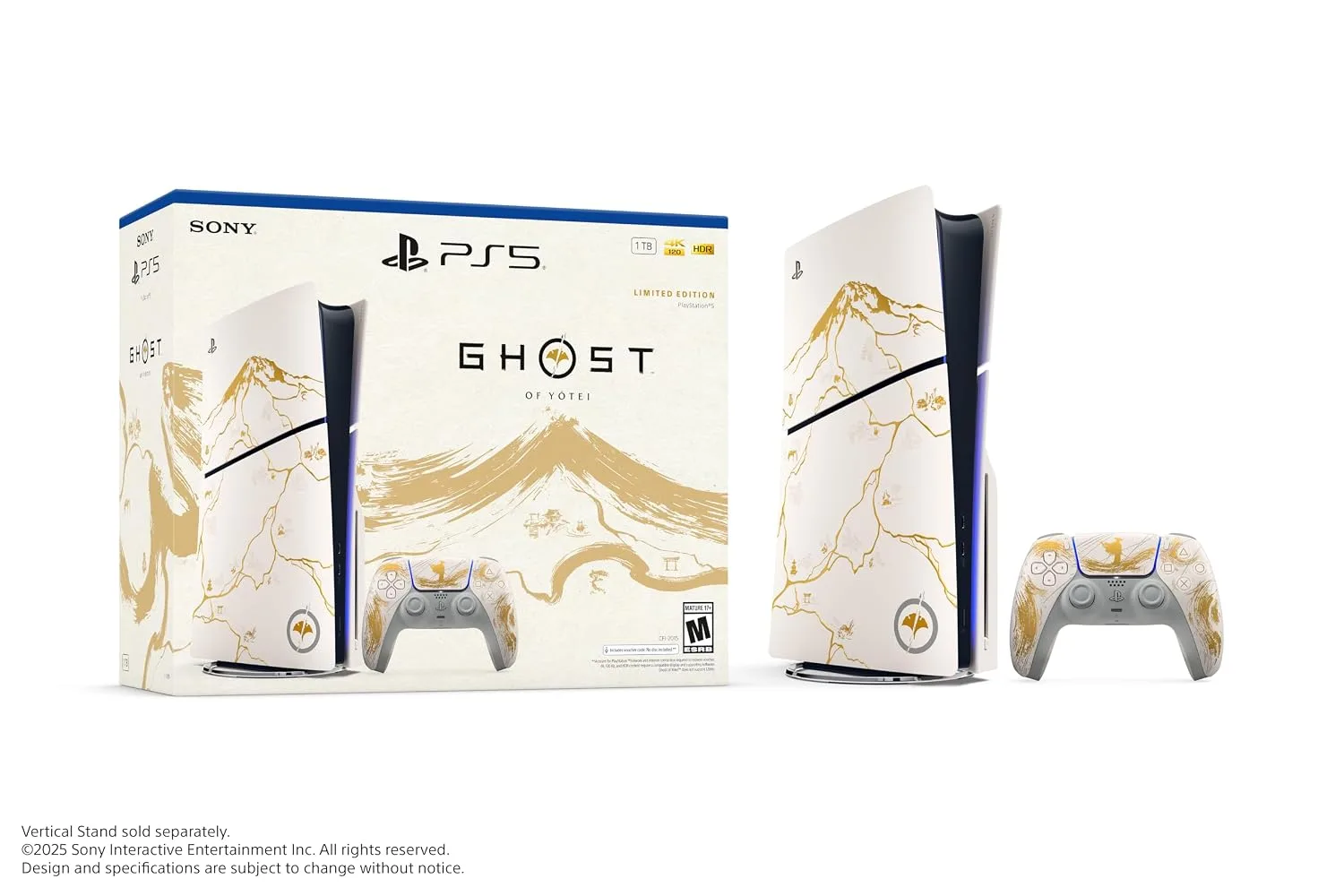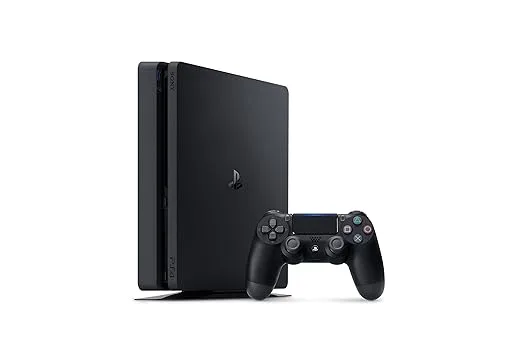
Walk through Nairobi's electronics markets or browse enough classifieds listings, and you'll eventually run into it — a PS4 or PS5 advertised as "chipped," "modded," or "jailbroken," usually at a noticeably lower price than a genuine console, often with the promise of free or discounted games loaded straight onto the hard drive. For a lot of Kenyan gamers on a tight budget, it's a genuinely tempting offer. But it's also a decision worth understanding fully before you commit — because what a chipped console actually trades away is considerably more than most buyers realize at the point of sale. This guide walks through exactly what console chipping involves, why it's become so common in Kenya's gaming market, the real risks involved, and why a genuine console remains the smarter buy even when the upfront price looks less appealing.
What "Chipped" or "Modded" Actually Means
When a PS4 or PS5 is described as chipped or modded, it means the console's internal software has been altered — through hardware modifications, custom firmware, or exploited security vulnerabilities — specifically to bypass the manufacturer's built-in protections. In practice, this is almost always done for one core purpose: to allow the console to play copied or downloaded games that haven't been legitimately purchased, rather than requiring genuine discs or store purchases through the official PlayStation Store.
It's worth being precise about the distinction here, because "modding" gets used loosely. Some console modification exists in genuinely legitimate territory — personal backups of games you already own, homebrew development, or restoring access to older delisted titles for preservation purposes. But the overwhelming majority of chipped consoles sold commercially in Kenya's market exist specifically to enable playing pirated games, which is the version of "chipping" this guide is primarily addressing, since it's what's actually being sold and bought at scale.
Why Chipped Consoles Are So Common in Kenya's Gaming Market
Understanding why this practice has taken hold helps explain the decision buyers are actually facing, rather than just dismissing it. Genuine PS5 games in Kenya typically cost several thousand shillings each — a real and recurring expense on top of an already significant console purchase. For many Kenyan gamers, particularly younger players or those supporting a household on a tight budget, the appeal of a one-time chipping cost that unlocks a large library of "free" games understandably feels like the more affordable path into gaming. Sellers of chipped consoles lean directly into this — advertising dozens or hundreds of pre-loaded games as the headline selling point, often without clearly explaining what's actually been done to the console to make that possible, or what it costs you in ways that aren't visible at the point of sale.
The Real Risks of a Chipped Console
This is the part sellers of chipped consoles rarely walk you through in full, and it's worth understanding every layer of it before deciding.
1. You Lose All Manufacturer Warranty, Permanently
The moment a console's firmware is modified, its manufacturer warranty is void — not partially, not temporarily, but completely and permanently. Sony's own terms of service are explicit about this. If your chipped PS5 develops a hardware fault — a failing disc drive, an overheating issue, a dead HDMI port — you have no path to a manufacturer repair or replacement, regardless of how new the console is or what the fault actually is. You're entirely dependent on whoever chipped it, or an unofficial repair source, for any future support.
2. You Risk a Permanent Ban From PlayStation Network
Sony treats jailbroken and chipped consoles as a direct threat to its entire platform, and its response is correspondingly severe. Connecting a modded console — or even the account previously used on one — to PlayStation Network carries a genuine risk of a permanent ban, cutting you off from online multiplayer, PlayStation Plus, cloud saves, and any digitally purchased content tied to that account. Once banned, PlayStation's blacklists are notoriously persistent and rarely reversed, meaning this isn't a risk you can simply apologize your way out of after the fact.
3. "Bricking" Is a Real and Common Outcome
Modifying a console's firmware is a technically risky process, and a failed attempt — an incorrect firmware flash, an interrupted update, a poorly executed exploit — can render the console completely non-functional, a state commonly called "bricking." Because this happens during the modification process itself, it's a risk baked into every chipped console you might buy secondhand, even if the specific unit you're looking at currently works fine — a botched update pushed automatically in the future can still break it.
4. It's a Genuine Criminal Offense Under Kenyan Law
This is worth stating plainly rather than glossing over: distributing, selling, and knowingly using pirated games — which is the entire purpose of the vast majority of commercially chipped consoles — is a criminal offense under Kenya's Copyright Act, Cap 130. Section 36(6) of the Act makes copyright infringement a criminal offense carrying a fine of up to KES 800,000, imprisonment of up to 10 years, or both. The Kenya Copyright Board (KECOBO), working with the Directorate of Criminal Investigations' Cybercrime Unit and the Anti-Counterfeit Agency, has significantly ramped up enforcement in recent years, with documented raids and arrests targeting piracy distribution specifically. While individual buyers of a chipped console are a lower enforcement priority than large-scale sellers and distributors, the legal exposure is real, not theoretical, and it sits on top of every other risk already covered here.
5. No Path to Future Updates or New Games
Because chipped consoles work by bypassing official verification systems, they typically can't safely receive genuine system software updates — doing so risks the very ban or bricking outcomes already covered. This means a chipped console gradually falls behind on system-level improvements, security patches, and compatibility with newer titles that assume current firmware, effectively freezing your console's capability at whatever point it was modified.
6. Security and Malware Risk
Firmware modification tools and pirated game files circulating in informal channels aren't subject to any quality or safety verification. There's a genuine, documented risk of malicious code being bundled into these tools or files — something that matters more than it might seem, given how many households now connect consoles to home networks alongside phones, laptops, and other devices.
7. Zero Resale Value and No Buyer Protection
A chipped console has essentially no legitimate resale market — any buyer knowledgeable enough to understand what they're purchasing knows they're buying a device with no warranty, no clean update path, and real legal exposure, which depresses resale value dramatically compared to a genuine console. And if the chipped console you buy today turns out to be poorly modified, unstable, or already partially bricked, you have no consumer protection recourse the way you would with a legitimate retailer.
What You're Actually Comparing: A Full Cost Picture
It's worth laying the real trade-off out plainly, since the upfront price difference is the only thing most chipped-console sellers want you focused on:
| Chipped Console | Genuine Console | |
|---|---|---|
| Upfront cost | Lower | Higher |
| Manufacturer warranty | None — void permanently | Full coverage |
| PSN access | High risk of permanent ban | Full, unrestricted access |
| System updates | Unsafe to install | Safe, regular updates |
| Legal exposure | Real, under Kenya's Copyright Act | None |
| Resale value | Minimal to none | Retains meaningful value |
| New game compatibility | Limited, frozen at mod point | Full, ongoing |
| Malware/security risk | Real, unverified sources | Minimal |
| Long-term cost | Often higher once repairs, re-chipping, and replacement are factored in | Predictable, protected by warranty |
When you account for the full picture — not just the day-one price tag — a genuine console is very often the actual cheaper option over the device's real lifespan, once you factor in the near-certainty of eventually needing a repair with no warranty to fall back on, or a ban that wipes out a purchased digital library.
Supporting the Games Industry Actually Matters
Beyond the personal risk to you as a buyer, it's worth acknowledging the wider cost of console and game piracy specifically. Kenya's creative and entertainment sector loses an estimated KES 92 billion annually to piracy across all media, and every pirated game played on a chipped console is, in a small but real way, part of that same pattern — revenue that doesn't reach developers, doesn't support future game production, and doesn't reinvest into the industry that made the games worth playing in the first place. Choosing genuine consoles and genuine games is a small individual choice, but it's one that collectively supports an industry — including Kenya's own growing local game development scene — that depends on legitimate purchases to keep producing new work.
Why a Genuine Console Is the Smarter Buy
Putting all of this together, the case for buying genuine is straightforward:
- You keep full manufacturer warranty protection, meaning a hardware fault is a covered repair, not an expense you're entirely on your own for.
- You keep unrestricted access to PlayStation Network, online multiplayer, PS Plus, and your full digital library, with zero risk of a sudden, irreversible ban.
- You stay current with every system update, new game release, and compatibility improvement, rather than freezing your console at whatever point it was modified.
- You avoid genuine legal exposure under Kenya's Copyright Act.
- You retain real resale value if you ever want to upgrade or sell.
- You support the games industry that continues to produce the titles you actually want to play.
A Real-World Scenario Worth Considering
Cases like this play out in Kenya's secondhand gaming market more often than buyers realize. Picture a chipped PS5 bought informally, loaded with a large library of games, working fine for the first several months. Then a routine background system check — sometimes triggered simply by connecting to the internet for something unrelated, like checking for a game update — flags the console's altered firmware. The account tied to it is suspended. Any genuinely purchased digital content on that account becomes inaccessible. And when the console later develops an unrelated hardware fault — a fan issue, a port failure — there's no warranty path to fall back on, because the modification voided it the moment it was installed, regardless of whether the eventual fault had anything to do with the mod itself. What looked like a one-time savings at the point of purchase becomes a console with no support, no online access, and no resale value, often well before it would have reached the end of its natural lifespan as a genuine unit.
This isn't a rare edge case — it's a well-documented, recurring pattern across chipped consoles generally, and it's exactly the scenario a lower upfront price doesn't protect you against.
What About Consoles That Are Chipped But "Just for Backups"?
It's worth addressing this directly, since it's a common argument used to soften the sales pitch around chipped consoles. Some modifications are marketed as being for personal backups of games you already legitimately own, rather than piracy. In principle, backing up games you've genuinely purchased sits in a legally murkier, more defensible space than downloading pirated copies outright. In practice, though, this distinction rarely holds up as sold in Kenya's informal market — a console advertised with "500+ games pre-installed" for a few thousand shillings is not, realistically, loaded exclusively with backups of titles the seller or buyer legitimately purchased individually at full retail price. Buyers should be skeptical of this framing when it's used to justify a chipped console's real selling point, which is almost always unrestricted access to games nobody involved has actually paid for.
Frequently Asked Questions
Is it illegal to own a chipped PS4 or PS5 in Kenya? Using a chipped console to play pirated games constitutes copyright infringement under Kenya's Copyright Act, which carries criminal penalties including fines up to KES 800,000 and imprisonment of up to 10 years for infringement offenses, enforced by the Kenya Copyright Board alongside police cybercrime units.
Will Sony really ban my account for using a chipped console? Yes — Sony treats modded and jailbroken consoles as a direct security and piracy risk, and connecting one to PlayStation Network carries a genuine risk of a permanent account ban, which is rarely, if ever, reversed once issued.
Can a chipped console be repaired if something breaks? Not through official Sony channels — modifying the firmware permanently voids the manufacturer warranty. You'd be relying entirely on informal repair sources, with no guarantee of quality or accountability.
Is buying a used chipped console riskier than buying one new? Genuinely, yes — you have no way of verifying how well the modification was done, whether it's stable long-term, or whether it's already showing early signs of the instability that leads to bricking, and no recourse if it fails shortly after purchase.
What should I do if I want cheaper access to games without buying a chipped console? Look into genuine cost-saving options instead — PlayStation Plus subscription tiers offering rotating game libraries, seasonal PlayStation Store sales, and buying secondhand physical discs through Kenya's active genuine resale market, all of which offer real savings without any of the risks covered in this guide.
Where can I buy a genuine, warrantied PS4 or PS5 in Kenya? City Gadgets Kenya's Gaming category stocks genuine new and refurbished PS4 and PS5 consoles with full manufacturer warranty — reach out via WhatsApp if you'd like help choosing the right genuine console for your budget.
Final Word
The appeal of a chipped console is easy to understand — a lower upfront price and a library of games that feels free. But what it actually costs you is considerably more than the sticker price suggests: your warranty, your access to PlayStation Network, your long-term game compatibility, real legal exposure under Kenyan law, and a device with essentially no resale value or protection if something goes wrong. A genuine console costs more on day one, but it's the version of this purchase that actually holds up over the years you'll own it — covered, supported, and free of the risks that come baked into every chipped unit on the market.
Browse genuine, warrantied PS4 and PS5 consoles at City Gadgets Kenya's Gaming category, or reach out on WhatsApp if you'd like help finding a genuine console that fits your budget without the risks that come with going chipped.