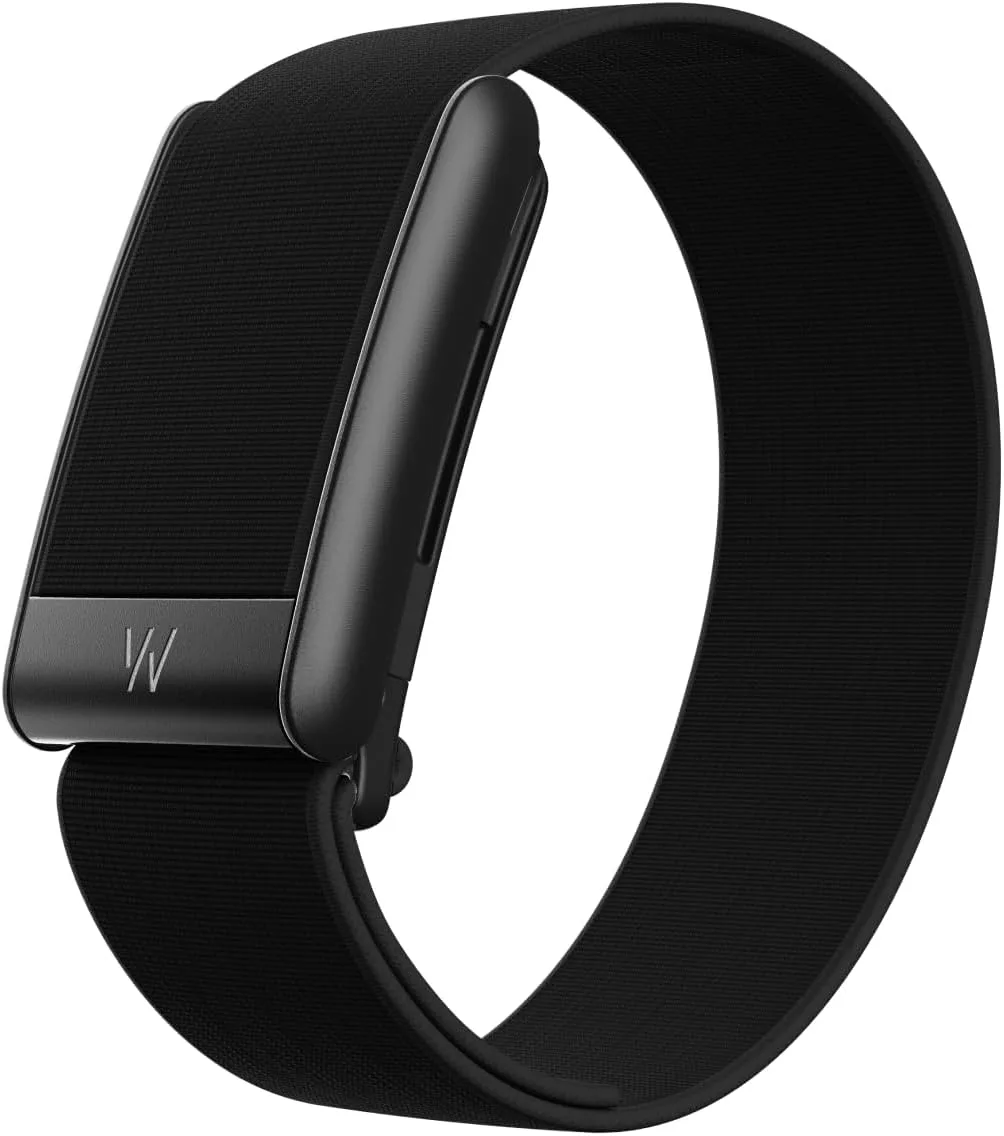
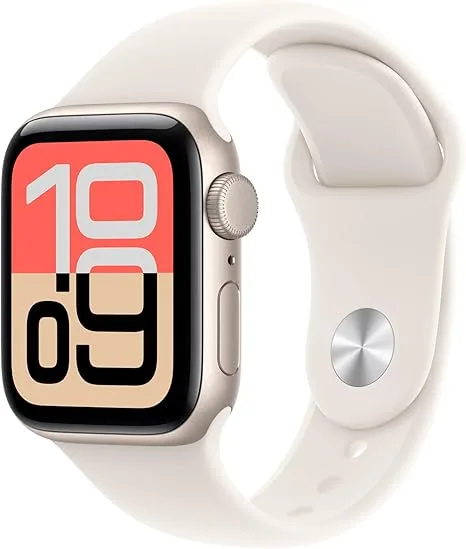
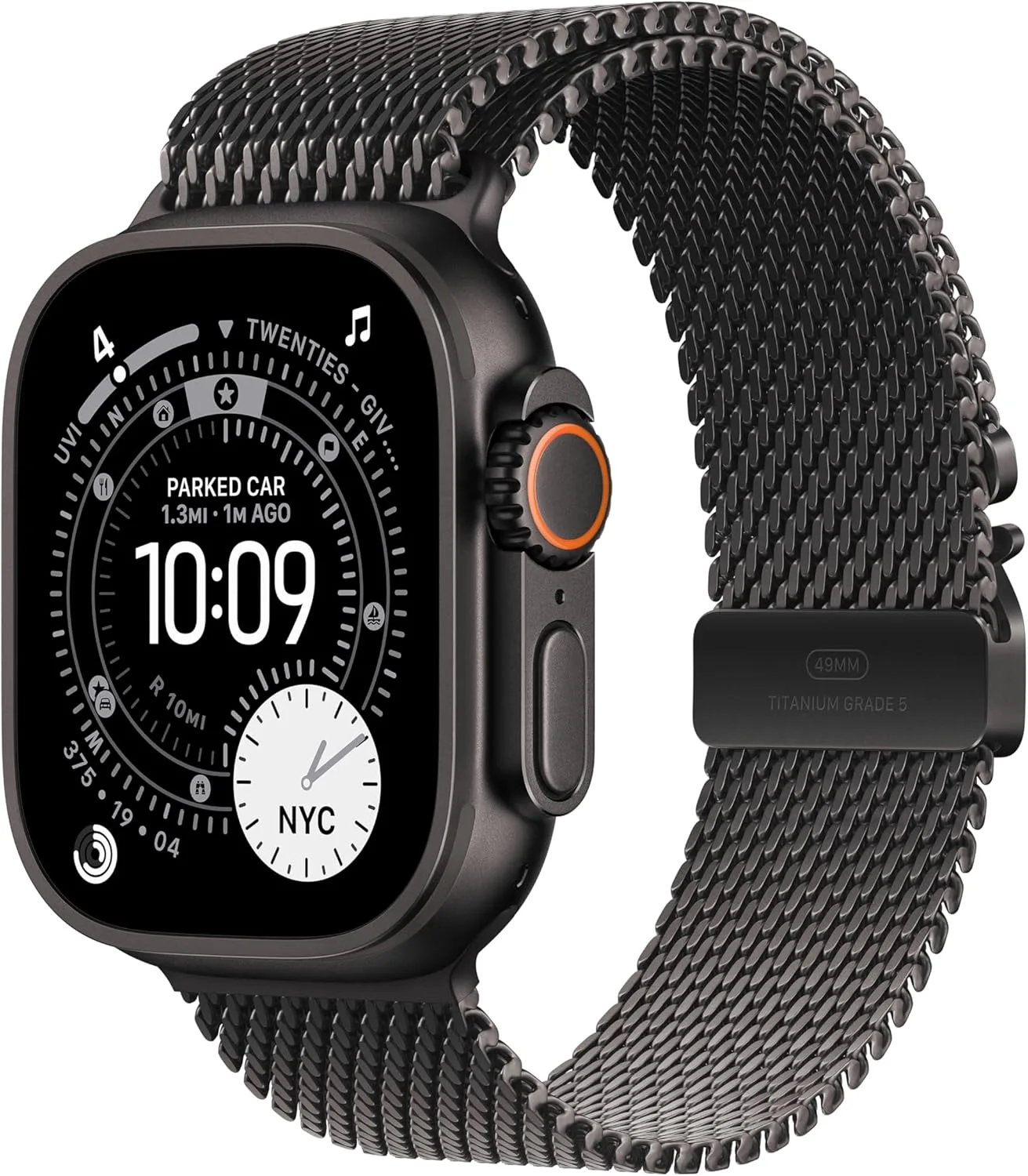
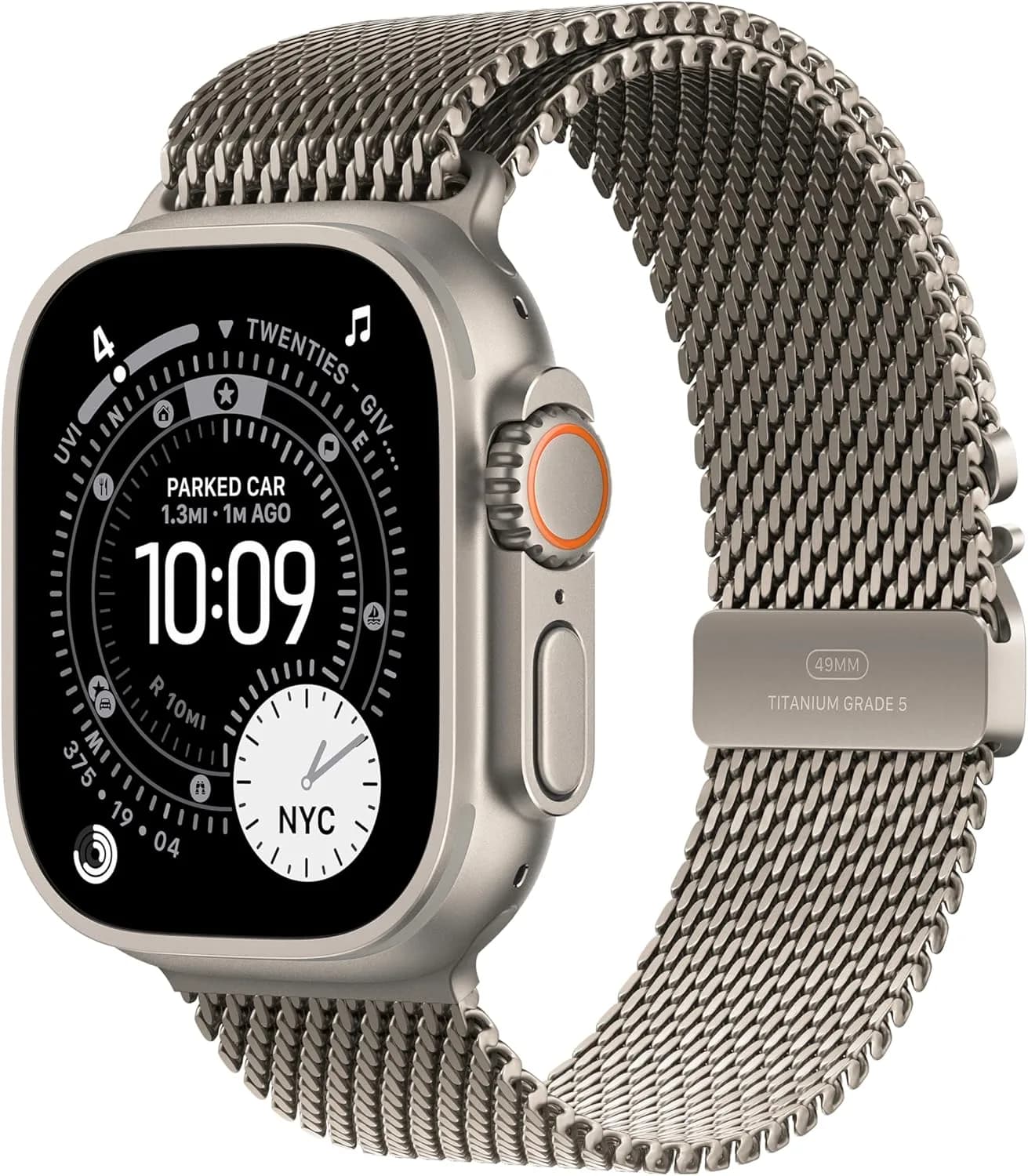
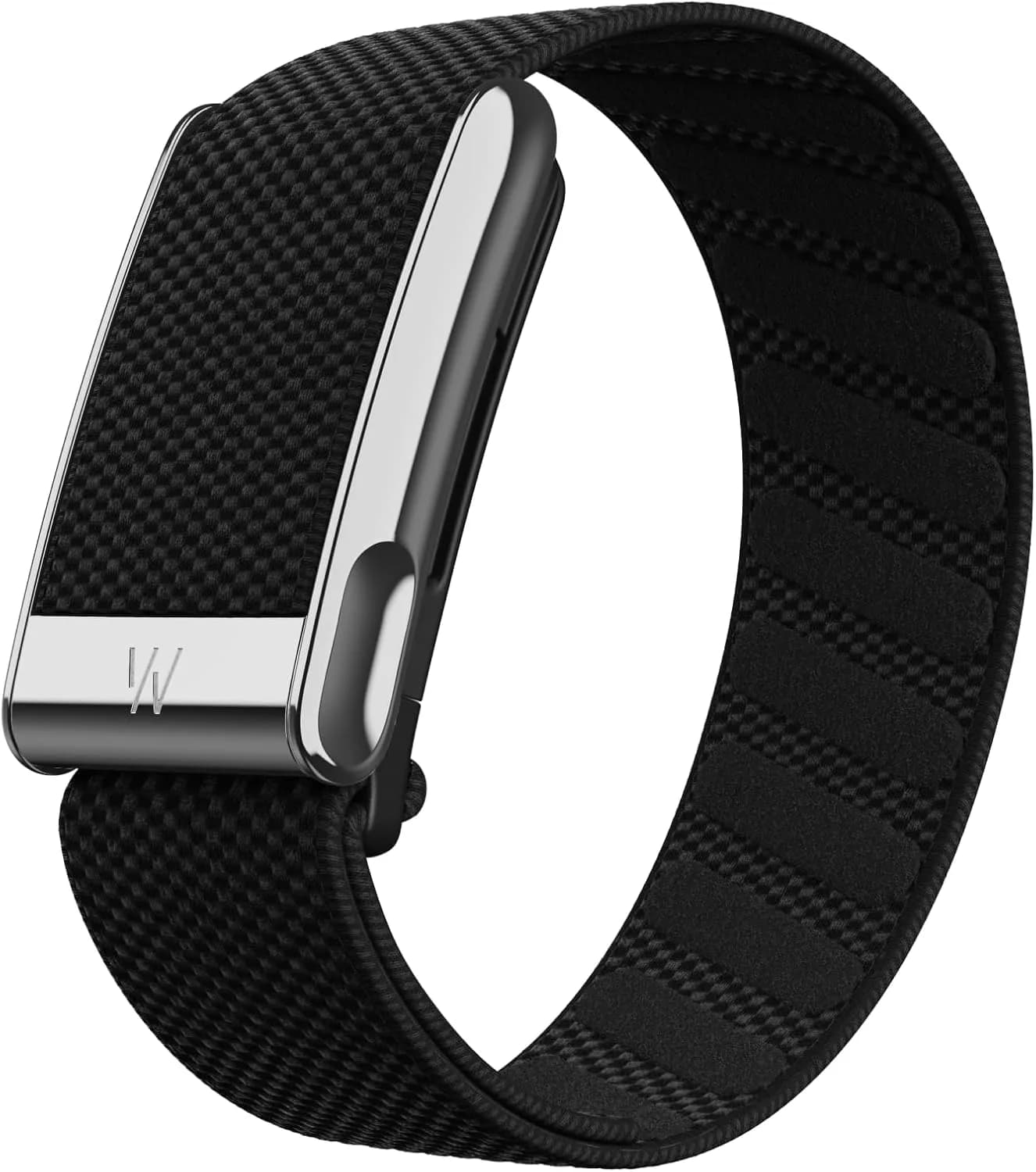
People buy a smartwatch for many reasons, but "I want to look after my health" is now one of the most common. You want to see your resting heart rate fall as you get fitter, understand why you wake up tired, notice if your breathing at night looks unusual, or simply move more. The trouble is that every maker lists dozens of health features, and the box does not tell you which ones you will actually use, which ones depend on the country you live in, and which ones are only a rough guide. This guide to the best smartwatch for health tracking Kenya buyers can choose from explains the sensors in plain language, compares the Apple, Samsung, Huawei and Amazfit watches we stock, and tells you honestly what a wrist device can and cannot do.
One thing first. A smartwatch is a wellness tool, not a doctor. It can show you trends, prompt you to move, and in some cases flag something worth discussing with a clinician. It cannot diagnose a condition. Where a feature depends on regional approval or on a particular model, we say "we confirm per unit" rather than promise it. If a number on your wrist worries you, speak to a health professional.
City Gadgets Kenya sells genuine smartwatches at New Alnoor Exhibition, Second Floor, Shop C7, Accra Road, Nairobi CBD, with same-day Nairobi delivery and next-day delivery outside Nairobi. Message us on WhatsApp for today's price and stock.
The short version
- Best overall for iPhone owners: Apple Watch Series 11 or Series 10, for polished sensors, ECG, irregular-rhythm alerts and sleep tracking that fit neatly into the Health app.
- Best overall for Android and Samsung owners: Samsung Galaxy Watch8 or Watch7, for a broad sensor set and body-composition readings.
- Best for battery and a slim body: Huawei Watch 6 and Watch Fit 5, with multi-day battery and strong sleep and training features.
- Best for weeks of battery on a budget: Amazfit Active 2, Balance and Bip 6, which suit people who want sleep tracking without charging daily.
- Best budget way to start: a fitness band such as the Huawei Band 10 or Samsung Galaxy Fit3, covered in our best fitness tracker guide.
- Phone matters: Apple Watch needs an iPhone. Galaxy Watch is built for Android and works best with Galaxy phones. Huawei and Amazfit work with Android and iPhone for core features.
| Watch | Best for | Phone | Health highlights (per maker, we confirm per unit) | Battery feel |
|---|---|---|---|---|
| Apple Watch Series 11 | iPhone users who want the most refined health suite | iPhone | Heart rate, ECG, irregular rhythm, sleep tracking, temperature sensing | About a day or more |
| Apple Watch Series 10 | Slim design, strong health features | iPhone | Heart rate, ECG, sleep tracking, sleep-apnoea notifications on supported regions | About a day |
| Apple Watch SE 3 | Lower cost, core tracking | iPhone | Heart rate, sleep, fitness tracking | About a day |
| Galaxy Watch8 / Watch7 | Android, body composition | Android | Heart rate, ECG, SpO2, body composition, sleep | One to two days |
| Huawei Watch 6 / Fit 5 | Battery, sleep, training | Android and iPhone | Heart rate, SpO2, sleep, stress, training load | Several days |
| Amazfit Active 2 / Balance | Long battery, value | Android and iPhone | Heart rate, SpO2, sleep, stress, readiness | One to two weeks on some |
Ask us for today's price on any model, and read our smartwatch for Android and smartwatch for iPhone guides if you are still choosing a platform.
What "health tracking" really means on a smartwatch
The phrase covers a handful of different jobs, and it helps to separate them.
Activity tracking. Steps, standing, active minutes, calories and workouts. This is the most reliable and the most useful for building habits. If your goal is to move more, this alone justifies a watch.
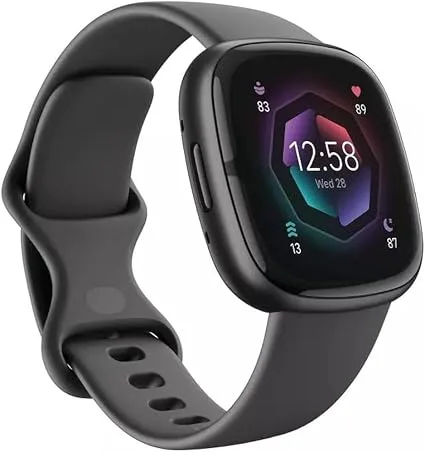
Heart-rate monitoring. The optical sensor on the back of the watch estimates your pulse all day, during exercise and while you sleep. Resting heart rate and heart-rate recovery after exercise are two of the most useful fitness markers over weeks and months.
Sleep tracking. The watch combines movement and heart-rate data to estimate when you slept and how much was light, deep and REM sleep. Treat stages as estimates. Total sleep time and consistency are the useful parts.
Blood-oxygen (SpO2). Estimates oxygen saturation using red and infrared light. It is an indicator for trends, not a clinical measurement, and it is less reliable when you are moving or when the watch is loose.
ECG and rhythm checks. Some watches can record a single-lead electrocardiogram when you touch the crown or button, and some can notify you of an irregular rhythm. Availability depends on the model, the app and regional approval. We confirm per unit what is enabled in Kenya.
Stress and recovery. Watches estimate stress from heart-rate variability and offer "readiness" or "recovery" scores. These are modelled estimates. They are interesting for patterns, not a verdict on how you feel.
Body composition and other newer sensors. Some Samsung watches estimate body composition using a small electrical signal through the wrist. Some watches also read skin temperature. These are best treated as trend indicators.
Knowing this stops you paying for a feature you will never use and helps you ignore marketing that implies a watch is a clinic.
How the sensors work, in plain language
The optical heart-rate sensor shines green light into your skin and measures how much is reflected. Blood absorbs green light, so the pulse of blood through the wrist creates a tiny rhythm the sensor reads. It works well at rest and during steady exercise. It struggles during sudden intense effort, on very cold skin, with heavy tattoos over the sensor, and if the watch slides around. A snug but comfortable fit, worn a finger-width above the wrist bone, improves readings.
The accelerometer and gyroscope detect motion. They drive step counts, workout recognition, fall detection on some models and sleep movement.
The ECG sensor uses electrodes on the back and on the crown or button. When you complete the circuit with a finger on the other hand, the watch records electrical activity of the heart for around thirty seconds. It is a single-lead recording, very different from a hospital 12-lead ECG, but useful for flagging an irregular pattern to discuss with a doctor.
The SpO2 sensor uses red and infrared light and compares how much passes through blood carrying oxygen.
The temperature sensor, where fitted, reads skin temperature changes overnight. It is best for spotting trends, such as a shift that may relate to illness or a cycle, rather than as a thermometer.
The bioimpedance sensor on some Samsung watches passes a tiny current through the wrist to estimate body composition. It is sensitive to hydration and how you hold your hand, so measure under the same conditions each time.
The Apple Watch route
Apple's watches suit iPhone owners because everything flows into the Health app, and the sensors and software are tightly integrated. Our full comparison is in the Apple Watch Series 10 vs 11 vs SE 3 guide.
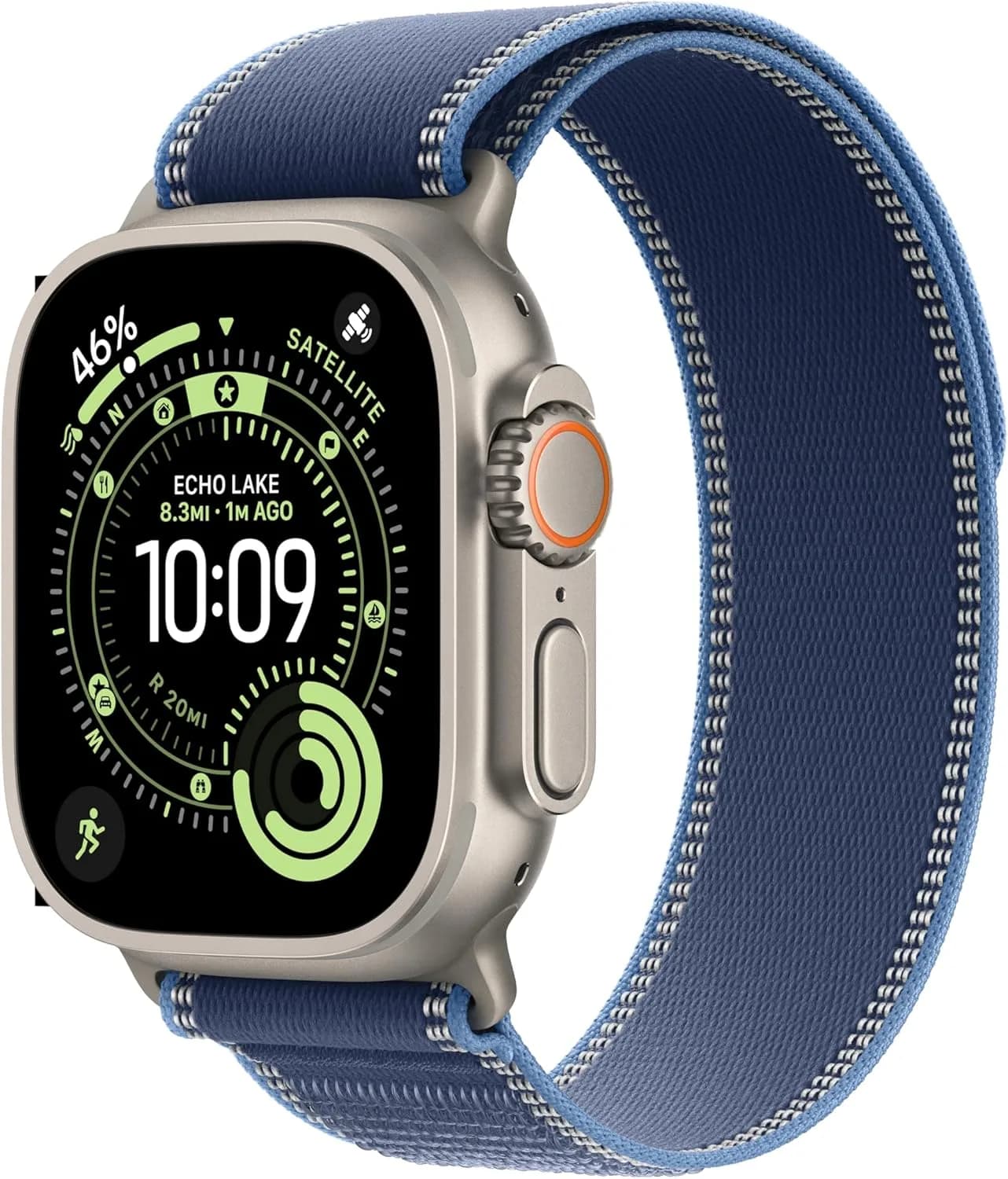
Apple Watch Series 11. The newest main series, with the most complete health suite Apple offers on the wrist. Per Apple, it records heart rate, supports ECG and irregular rhythm notifications where approved, offers sleep tracking with stages, and reads wrist temperature. Apple has also introduced newer wellness features around blood pressure trends and sleep scoring on recent models. Availability varies by region and by software, so we confirm per unit what you will see in Kenya. It is the choice for iPhone owners who want the most capable all-round health watch.
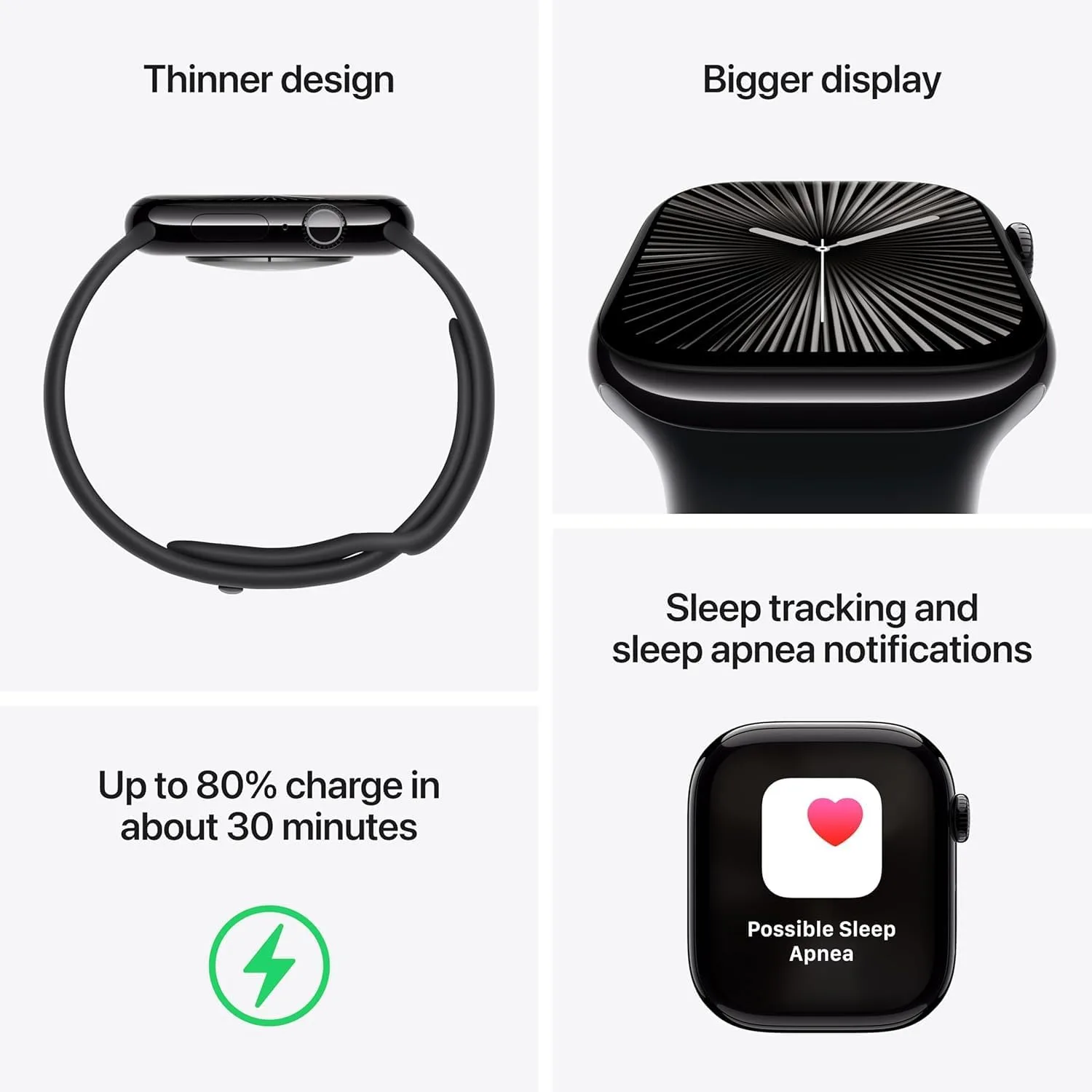
Apple Watch Series 10. Slimmer and lighter than earlier series with a large display. It records heart rate, supports ECG where approved, tracks sleep and, per Apple, offers sleep-apnoea notifications in supported regions. It is an excellent option if you do not need every newer feature of the Series 11.
Apple Watch SE 3. The lower-cost route. It covers heart-rate monitoring, activity rings, sleep tracking and workouts, and typically leaves out the most advanced sensors. If you mainly want to move more and sleep better, the SE is often enough.
Pros of the Apple route: the most polished app, excellent workout tracking, reliable notifications, strong accessory support. Cons: it needs an iPhone, battery is roughly a day for most people, and some health features depend on regional availability.
The Samsung Galaxy Watch route
Samsung's watches are the natural health choice for Android users, with a sensor package that covers a lot of ground. See the detailed Galaxy Watch7 vs Watch8 vs Ultra comparison.
Galaxy Watch8 and Watch8 Classic. Samsung's latest generation adds refined health insights on top of the BioActive sensor, including heart rate, ECG where available, SpO2, body composition and sleep tracking. Per Samsung, recent watches also include newer wellness scores. Some features, particularly those that rely on regional approval, may not be active in every country. We confirm per unit.
Galaxy Watch7. An excellent value choice that shares much of the sensor set, including body composition. If you do not need the newest features, it saves money.
Galaxy Watch Ultra. The big, rugged model with the largest battery and sports focus, ideal if you are outdoorsy. See our outdoor sports watch guide.
Pros: broad sensors, body-composition readings, good display, works well with Samsung Health. Cons: battery is one to two days, some features are best with Galaxy phones, and certain features (such as blood-pressure readings that need calibration with a cuff) depend on region.
The Huawei route
Huawei's watches lean on battery life and a strong focus on sleep, stress and training. The Huawei watch and band guide covers the range.
Huawei Watch 6 and Watch 6 Pro. Slim, premium-feeling watches with multi-day battery claims per Huawei, a wide set of health sensors and detailed sleep and stress tracking in the Huawei Health app. The Pro adds a more premium build. Health feature availability varies by region, so we confirm per unit.
Huawei Watch Fit 5. A slim rectangular watch with a large display and a sporty focus. Per the maker, it offers multi-day battery, dual-band GPS and sleep and heart-rate tracking, which suits gym and running users.
Huawei Band 10. A light band with long battery, a good entry point to health tracking.
Pros: strong battery, comfortable, good sleep data, works with Android and iPhone for core features. Cons: some advanced features work best with Huawei phones, and app-store access is different from Android watches.
The Amazfit route
Amazfit offers some of the best battery life per shilling. Our Amazfit smartwatch guide goes deeper.
Amazfit Active 2. A stylish, round-faced sports watch. Per Amazfit, it tracks heart rate, SpO2, sleep and stress, includes built-in GPS and offers battery that can last well over a week depending on use. We confirm per unit.
Amazfit Balance and Balance 2. More premium, with a focus on wellness scores such as readiness and recovery, combined with strong battery.
Amazfit Bip 6. A large, lightweight watch with GPS and long battery, ideal for budget-conscious buyers.
Pros: weeks of battery on some models, strong value, Zepp app is clear. Cons: fewer clinical-style features such as ECG on some models, and the app ecosystem is smaller.
Which health features matter most to you?
Think about what you want to change in your life, because that decides the watch.
If you want to be more active: any of the watches above works. Choose by comfort, phone compatibility and battery. Even the cheapest tracker will count steps well enough to motivate you.
If you want to understand your sleep: choose a watch you will actually wear to bed. That favours long-battery and comfortable options such as Huawei, Amazfit or a lighter Apple Watch if you charge during the day. A watch you charge in the evening cannot track your night.
If you have a family history of heart rhythm issues or simply want reassurance: an ECG-capable watch such as Apple Watch or Galaxy Watch can record a rhythm on demand. It does not replace medical advice, and a normal reading does not prove you are fine.
If you train seriously: look at heart-rate accuracy, built-in GPS and recovery guidance. Huawei Watch Fit 5, Amazfit Active 2 and the Apple Watch or Galaxy Watch Ultra are strong picks.
If you want to lose weight: a watch helps with consistency, not magic. Body-composition estimates on Samsung can show trends, but your diet is the main lever.
If you are managing stress: stress and breathing features can help you pause, but they are not therapy.
Heart-rate accuracy: what to expect
Optical heart-rate sensors are good enough for most people. Expect close agreement at rest and during steady exercise such as walking, jogging and cycling at constant effort. Expect larger errors during interval training, weightlifting where your wrist flexes, and activities with strong arm movement.
If accuracy matters to you for training, consider these habits. Wear the watch snugly above the wrist bone during workouts. Let it sit for a minute before you start. Keep the sensor clean. On very cold mornings, warm your wrist first. If you want exact figures for serious zones, a chest strap remains the gold standard, and most watches pair with one.
Sleep tracking: getting value from it
Sleep tracking is where a smartwatch quietly changes habits. Here is how to use it well.
- Wear it to bed for at least two weeks before judging anything. One night is noise.
- Focus on total sleep and consistency, not the exact minutes of deep sleep. Going to bed and waking at similar times matters more than any stage estimate.
- Notice patterns. Late caffeine, late meals, alcohol, screens in bed, heat and noise all show up in restless sleep.
- Use the morning score as a prompt, not a verdict. If you feel good, ignore a poor score.
- Charge at a sensible time. Charge while you shower or work at your desk so the battery is full for the night.
- Do not obsess. Some people sleep worse when they worry about the score.
If you snore loudly, wake gasping, or feel exhausted despite long sleep, do not rely on a watch. Speak to a doctor.
Stress, recovery and readiness scores
Many watches compute scores from heart-rate variability, resting heart rate, sleep and activity. These can be useful when they agree with how you feel and misleading when they do not. Use them for patterns. If your readiness is consistently low, that may suggest you are overtraining, under-sleeping or ill. If it jumps around randomly, the sensor fit may be the issue. No score is a diagnosis.
Battery: the hidden health feature
The best health watch is the one you wear all day and night. Battery shapes that more than any sensor.
- About a day: typical for Apple Watch. You can still track sleep if you charge in a short window each day.
- One to two days: typical for Galaxy Watch.
- Several days: Huawei Watch 6 and Watch Fit 5 per the maker.
- One to two weeks: Amazfit Active 2, Balance and Bip 6 on lighter use.
Always-on displays, GPS workouts and constant notifications shorten battery. We confirm realistic expectations per unit.
Comparison: which watch for which person?
| Person | Best match | Why |
|---|---|---|
| iPhone user, wants the best sensors | Apple Watch Series 11 | Most complete Apple health suite |
| iPhone user, wants value | Apple Watch SE 3 | Core tracking at lower cost |
| Android user, wants body composition | Galaxy Watch8 or Watch7 | BioActive sensor, body-composition |
| Wants battery and sleep tracking | Huawei Watch 6 or Watch Fit 5 | Multi-day battery, sleep tools |
| Wants weeks of battery, budget | Amazfit Active 2 or Bip 6 | Long battery, value |
| Just starting, simple needs | Huawei Band 10 or Galaxy Fit3 | Low cost, light, long battery |
| Serious outdoor training | Galaxy Watch Ultra or Amazfit | Rugged, GPS, battery |
A simple decision guide
Answer these five questions in order and you will land on the right watch.
- Which phone do you use? iPhone points to Apple Watch. A Samsung or other Android phone points to Galaxy Watch, Huawei or Amazfit. If you might switch phones, Huawei and Amazfit are the most flexible.
- Will you charge every night? If yes, Apple or Samsung is fine. If you hate charging, choose Huawei or Amazfit.
- Do you want ECG-style checks? If yes, look at Apple Watch or Galaxy Watch and ask us to confirm the feature on the unit.
- Do you train outdoors? If yes, built-in GPS matters. Huawei Watch Fit 5, Amazfit Active 2, Galaxy Watch Ultra and Apple Watch all offer it.
- What is your budget? Message us on WhatsApp and we will match the best option to it.
Using a health smartwatch well: a 30-day plan
A watch only helps if you use what it tells you. Try this for a month.
Week 1: Learn your baseline. Wear the watch all day and night. Do not change anything. Note your average steps, resting heart rate and sleep time.
Week 2: Fix one habit. Pick the easiest, such as a regular bedtime or a ten-minute walk after lunch.
Week 3: Add movement. Raise your daily step or active-minute target by a small amount. Use reminders to stand and move if you sit at a desk.
Week 4: Review. Look at the trends. Has your resting heart rate dropped a little? Is your sleep steadier? Keep the changes that worked and drop the rest.
After a month you will know which features you value and which you ignore.
Health tracking for different people
Office workers. The big risk is sitting for hours. Use stand reminders, short walks and a steady sleep schedule. A comfortable watch you wear all day matters more than advanced sensors.
Students. Sleep and stress matter most. A budget Amazfit or Huawei watch with long battery tracks nights without hassle. See our smartwatch for students and runners guide.
Runners. Built-in GPS, accurate pace and recovery advice matter. Look at Huawei Watch Fit 5, Amazfit Active 2 or Apple Watch.
Gym-goers. Heart-rate zones, workout modes and body-composition trends help. Galaxy Watch is strong here.
Older adults. Large, clear displays, fall detection on supported models, simple heart-rate and ECG checks and emergency features are valuable. Apple Watch and Galaxy Watch suit well. Make sure a family member understands the settings.
People managing a health condition. Use a watch as a companion to medical care, never a replacement. Ask your doctor what measurements are useful to share.
New parents and shift workers. Irregular sleep makes sleep scores unreliable. Use the watch for steps and general trends and ignore the nightly grade.
Common mistakes when buying a health smartwatch
- Buying for features you will not use. ECG, body composition and temperature are interesting but only useful if you will check them.
- Ignoring battery. A watch that is always on the charger cannot track your sleep.
- Choosing the wrong phone match. An Apple Watch will not work with Android.
- Treating readings as diagnoses. A watch is a guide. Always consult a professional for health concerns.
- Buying a loose strap. A strap that is too loose ruins heart-rate accuracy. Fit matters.
- Skipping the case size. A very big watch can be uncomfortable overnight. Try sizes if you can.
- Buying from unverified sellers. Fakes exist, especially for popular models.
Example scenarios
These are illustrative, not customer records.
Scenario 1: iPhone user who wants better sleep. She wants to understand her sleep and move more. An Apple Watch Series 10 or SE 3 fits her phone, tracks sleep, and she charges it for half an hour while she gets ready each morning.
Scenario 2: Android user who wants body composition trends. He is starting at the gym and wants to see progress beyond the scale. A Galaxy Watch7 or Watch8 gives heart-rate zones, workouts and body-composition trends, and pairs cleanly with his Samsung phone.
Scenario 3: Someone who hates charging. A traveller wants a watch that survives a long trip. An Amazfit Active 2 or Bip 6 lasts a week or more per the maker, and a Huawei Watch Fit 5 lasts several days.
Scenario 4: A parent buying for an older relative. She wants fall detection and simple heart checks. She chooses a watch with a large display and sets it up with emergency contacts, then shows her mother the one or two features that matter.
Health data and privacy
Your watch collects sensitive information. Protect it.
- Use a passcode on the watch and phone.
- Review permissions in the companion app and share only what you need.
- Be careful with third-party apps that ask for health data.
- Back up and sign out before you sell or pass the watch on.
- Do not share screenshots of health data publicly.
Water, sweat and Kenyan conditions
Kenya's heat, dust, sweat and rain affect watches. Most watches here are water-resistant for swimming and showers per the maker, but water resistance is not permanent and does not cover hot water or steam. Rinse the watch after heavy sweat, dry the strap, and clean the sensor area gently so readings stay accurate. Dust and sand can clog buttons, so wipe them. If you cycle on dusty roads, check the strap often.
Also remember practical details. Charging cables vary, so keep the original and buy a genuine spare. Power surges occur, so use a surge-protected socket. If a charger heats badly, stop using it.
Strap, fit and comfort
A health watch lives on your wrist for twelve to twenty-four hours a day. Comfort matters.
- Choose a soft silicone or fabric strap for sleep and workouts.
- Wear it snug but not tight so the sensor sits flat against the skin.
- Switch wrists occasionally if your skin gets irritated.
- Clean the strap weekly and let skin breathe.
- Buy a spare strap for work and a sportier one for the gym. Browse our accessories category.
Questions to ask any seller before you pay
- Is the watch brand new and sealed?
- Which exact model and size is it?
- Which health features are active in Kenya for this model?
- Does it pair with my phone and the official app?
- What is the return or exchange policy?
- Will I get a receipt?
- Where is your shop if something goes wrong?
Is a health smartwatch worth it?
For most people, yes, if they use it. The value is not the data but the nudges: stand up, walk more, go to bed on time, notice that a hard week has pushed your resting heart rate up. A watch you wear and glance at daily can change habits. A watch left in a drawer changes nothing. If you doubt you will wear one, start with an inexpensive band and upgrade later.
How to spot a fake smartwatch (health models)
Counterfeit watches imitate popular designs, and some "look-alike" watches use brand-like names. A fake health watch is more than a waste of money, because inaccurate readings can mislead you. Use these ten checks together.
- Pair it with the official app. Genuine watches pair with the Apple Watch app, Samsung Galaxy Wearable and Samsung Health, Huawei Health or Zepp. A fake needs an unknown app.
- Check the model and serial number. They should appear in settings and on the box and match each other. Apple lets you check details in the Watch app.
- Test the interface. A genuine watch has a smooth, polished interface. A fake looks generic or glitchy and often has watch faces that do not match the maker.
- Test the sensors. A heart-rate reading that never changes, or an ECG option that does nothing, is a red flag. Sleep data that looks random is another.
- Inspect the back. A genuine back has neat sensor windows and clear engravings. Rough plastic and sloppy printing suggest a fake.
- Inspect the packaging. Genuine boxes are clean, with accurate printing. Spelling errors and blurry logos are warning signs.
- Check the display. A genuine AMOLED display is bright and sharp. A fake looks dim or grainy.
- Check the weight and build. Genuine watches feel solid and balanced. Very light, creaky watches are suspicious.
- Check the charger. The genuine charger fits snugly. A loose or hot charger is a warning sign.
- Check the seller. An unrealistically low price, no shop address and no receipt are red flags.
If you are unsure, bring the watch to New Alnoor Exhibition, Second Floor, Shop C7, Accra Road, and we will help you check it.
Why buy your health smartwatch from City Gadgets Kenya
- Genuine products, checked before they reach you.
- A real shop at New Alnoor Exhibition, Second Floor, Shop C7, Accra Road, Nairobi CBD.
- Same-day delivery in Nairobi and next-day delivery outside Nairobi.
- M-Pesa payment and clear receipts. Lipa Mdogo Mdogo is available on iPhones, and you can ask about options for other products.
- Honest advice, including telling you when a simpler band is enough.
- Straps, chargers and screen protectors in our accessories category.
- Support and repairs through our repair service.
- Trade-ins through our sell page.
- WhatsApp help on +254745575931.
Quick checklist
- I know my phone and which watches are compatible.
- I decided which health features I will really use.
- I checked realistic battery expectations and when I will charge.
- I picked a comfortable size and strap.
- I asked which features are active in Kenya for this model.
- I checked the model, serial, packaging and app pairing.
- I have a receipt and know where to get support.
Frequently asked questions
What is the best smartwatch for health tracking in Kenya? For iPhone, Apple Watch Series 11 or Series 10. For Android, Galaxy Watch8 or Watch7. For battery, Huawei Watch 6 or Watch Fit 5, or Amazfit Active 2.
Can a smartwatch replace a doctor? No. It shows trends and may prompt you to seek advice. It cannot diagnose.
Is the ECG on a smartwatch accurate? It is a single-lead recording that can flag an irregular pattern. It is not a full hospital ECG, and availability depends on the model and region.
Is SpO2 reliable? It is a rough indicator, less reliable during movement.
Does a smartwatch track blood pressure? Some watches offer estimates or trend features, often needing calibration and regional approval. Treat them as guidance and use a proper cuff for real readings. We confirm per unit.
Which watch has the best battery for sleep tracking? Amazfit and Huawei models, with several days to over a week per the maker.
Does an Apple Watch work with Android? No, it needs an iPhone.
Does a Galaxy Watch work with iPhone? It is designed for Android.
Can I swim with a smartwatch? Many are water-resistant for swimming per the maker. Follow the maker's guidance.
How do I know it is genuine? Use the ten checks above, or visit our shop.
Where can I buy a smartwatch in Nairobi? At City Gadgets Kenya, Shop C7, Second Floor, New Alnoor Exhibition, Accra Road.
Ready to choose?
Message us on WhatsApp with your phone, your health goal and your budget, and we will recommend the right watch.
Related reading: Best smartwatch for Android · Best smartwatch for iPhone · Best fitness tracker · Best smartwatch for students and runners