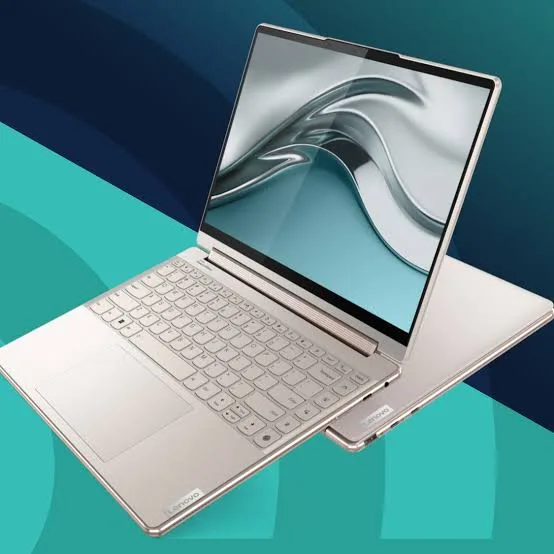
Best Lightweight and Ultraportable Laptops in Kenya 2026: A Complete Guide
For anyone who carries a laptop daily — across a Nairobi campus, between client meetings in the CBD, through matatu commutes, or through airports for regular travel — weight is a genuinely daily, physical consideration that compounds over months and years of carrying the same device. This guide walks through what "lightweight" and "ultraportable" genuinely mean in practical terms, which specific configurations at City Gadgets Kenya deliver real portability without unreasonable compromise, and how to think honestly about the trade-offs involved in prioritising weight above other specifications.
What "Lightweight" Genuinely Means in Practical Terms
It's worth grounding this in concrete numbers rather than vague marketing language. Standard 15-inch business laptops typically weigh between 1.8kg and 2.2kg. Compact 13-14 inch business laptops (like the ThinkPad X-series or EliteBook 830) typically weigh between 1.3kg and 1.5kg. Genuine flagship ultraportables — the ThinkPad X1 Carbon, HP Dragonfly, or Dell XPS 13 — push this down further, often to around 1.1-1.3kg, a difference that's genuinely noticeable when carried daily in a bag alongside books, chargers, and other daily essentials.
Why half a kilogram matters more than it sounds. A difference of 500-700 grams between a standard laptop and a genuine ultraportable might seem trivial in isolation, but multiplied across months of daily carrying — in a backpack on a long commute, held in one hand while navigating a busy street, or carried through a full day of client meetings — this weight difference becomes a genuinely felt, cumulative physical factor rather than an abstract specification.
Understanding the Genuine Trade-offs of Ultraportable Design
It's worth being honest about what lighter laptops sometimes sacrifice to achieve their reduced weight, since "lightest possible" isn't automatically the right choice for every buyer.
Port selection is often more limited. Ultra-thin, lightweight laptops frequently include fewer USB ports, sometimes requiring adapters or dongles for older peripherals (traditional USB-A devices, HDMI cables, SD cards) that a bulkier laptop might accommodate natively.
Battery capacity can be marginally reduced to save weight, though this varies significantly by model — some ultraportables genuinely maintain excellent battery life through efficient processors rather than sheer battery size, while others make a more noticeable trade-off.
Cooling and sustained performance under heavy load can be somewhat more constrained in the thinnest chassis designs, since less physical space is available for cooling components — a consideration if your work occasionally involves demanding tasks alongside typical lightweight portable use.
Price per specification is often higher for genuine ultraportables compared to bulkier laptops with identical internal processing power, since the engineering required to achieve minimal weight without sacrificing durability commands a genuine premium.
Who Genuinely Benefits Most From Prioritising Weight
Frequent flyers and business travellers who carry their laptop through airports, taxis, and multiple daily locations benefit enormously from every gram saved, particularly when combined with other travel essentials in a single bag.
Consultants and client-facing professionals who move between multiple meetings or client sites throughout a working day genuinely feel the cumulative weight difference more than someone who's primarily desk-based.
Students who carry their laptop across campus daily, often alongside textbooks and other coursework materials, benefit from every reduction in overall bag weight across a full day of classes.
Anyone with back, shoulder, or neck concerns related to bag weight has a genuine, health-related reason to prioritise a lighter laptop specifically, beyond simple convenience.
Conversely, if your laptop primarily stays at a fixed desk — home office, workplace desk — weight matters considerably less than other specifications (RAM, processor, storage), and prioritising it unnecessarily may mean paying a premium for portability you won't meaningfully benefit from.
Budget Tier Breakdown for Lightweight Laptops
Under KES 30,000: Compact But Not Flagship-Light
At this budget, genuinely compact 13-14 inch business laptops are realistic, though not the absolute lightest flagship ultraportables — still a meaningful weight reduction compared to standard 15-inch configurations.
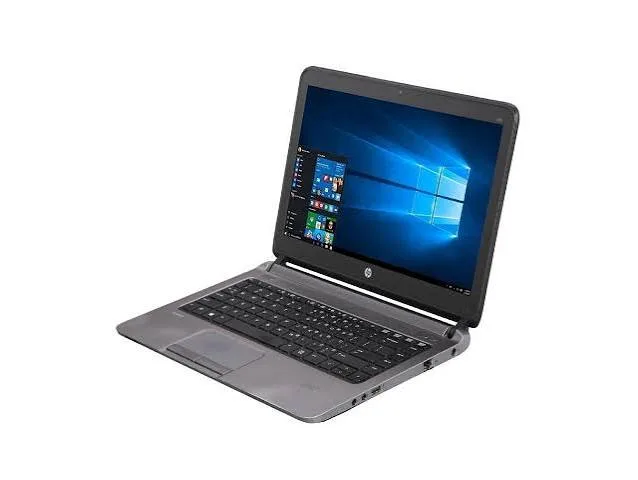
Recommended: Lenovo ThinkPad X250/X260 or Dell Latitude 7270/7280, both compact 12-inch chassis options genuinely well-suited to daily carrying.
KES 30,000–50,000: Comfortable Portability With Modern Specification
This range genuinely balances compact, lightweight chassis design with newer processor generations and comfortable RAM configurations.
Recommended: Lenovo ThinkPad X390 or HP EliteBook 830 G6/G7.
KES 50,000–90,000: Genuine Flagship Ultraportable Territory
At this tier, the lightest, most refined chassis designs in our catalog become realistic — genuine carbon fibre or magnesium construction, engineered specifically to minimise weight without sacrificing durability.
Recommended: Lenovo ThinkPad X1 Carbon, HP EliteBook Dragonfly, or Dell XPS 13.
Above KES 90,000: Maximum Portability, Newest Generations
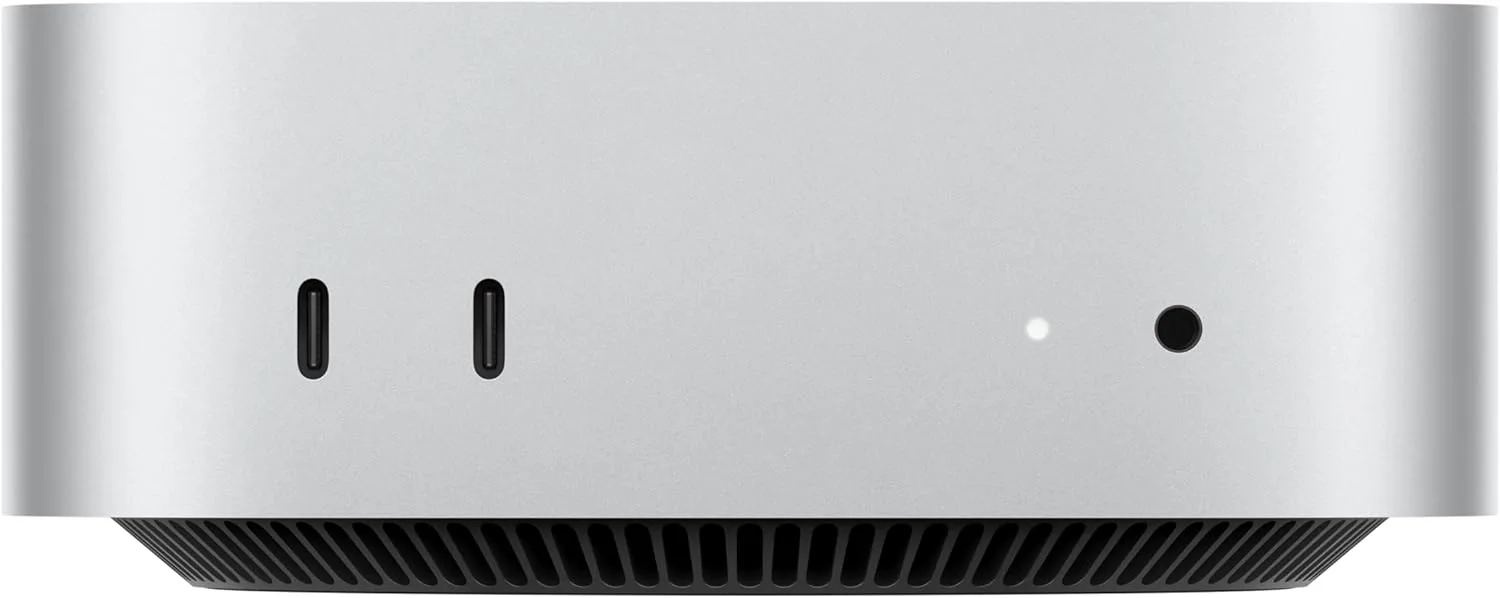
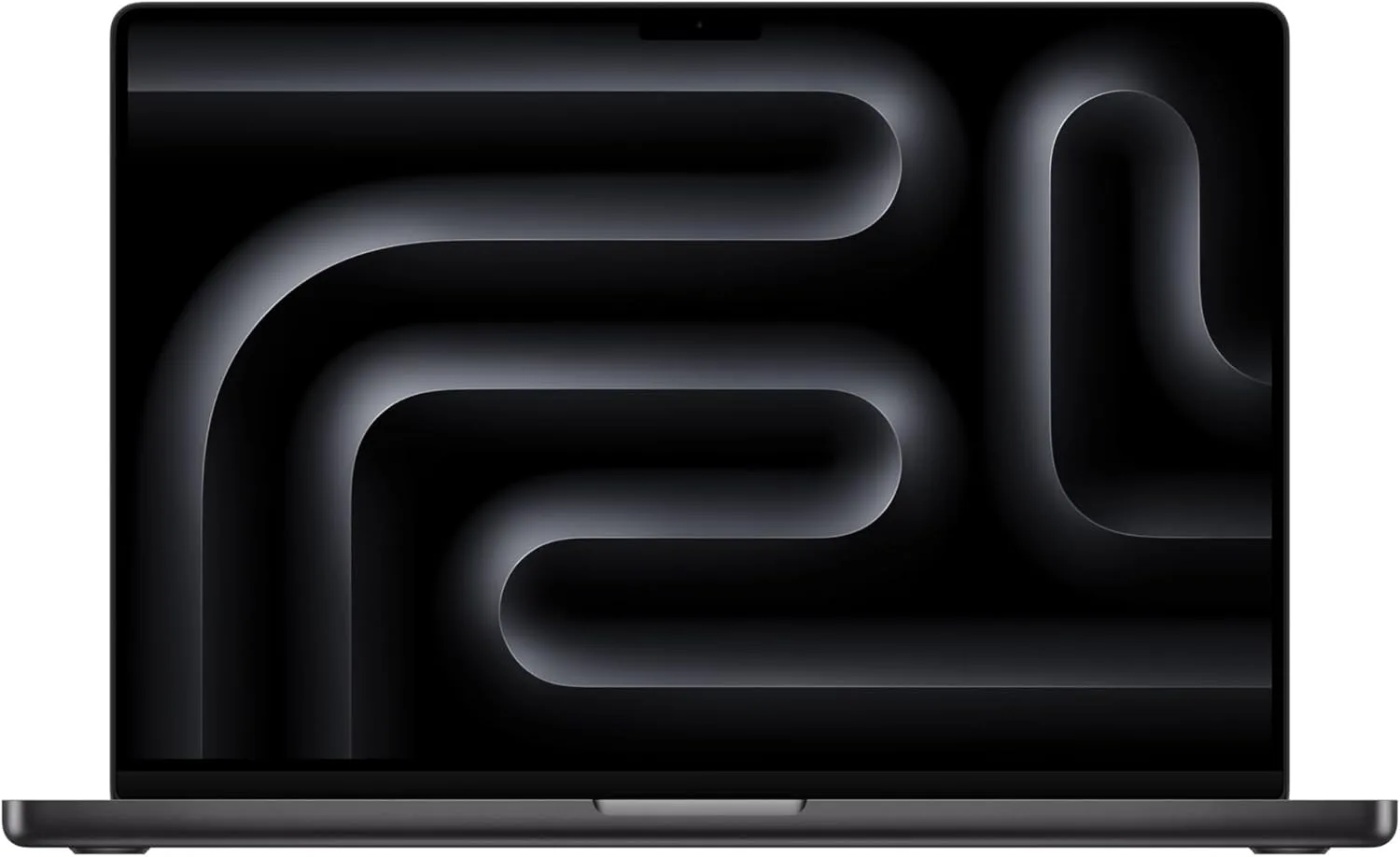
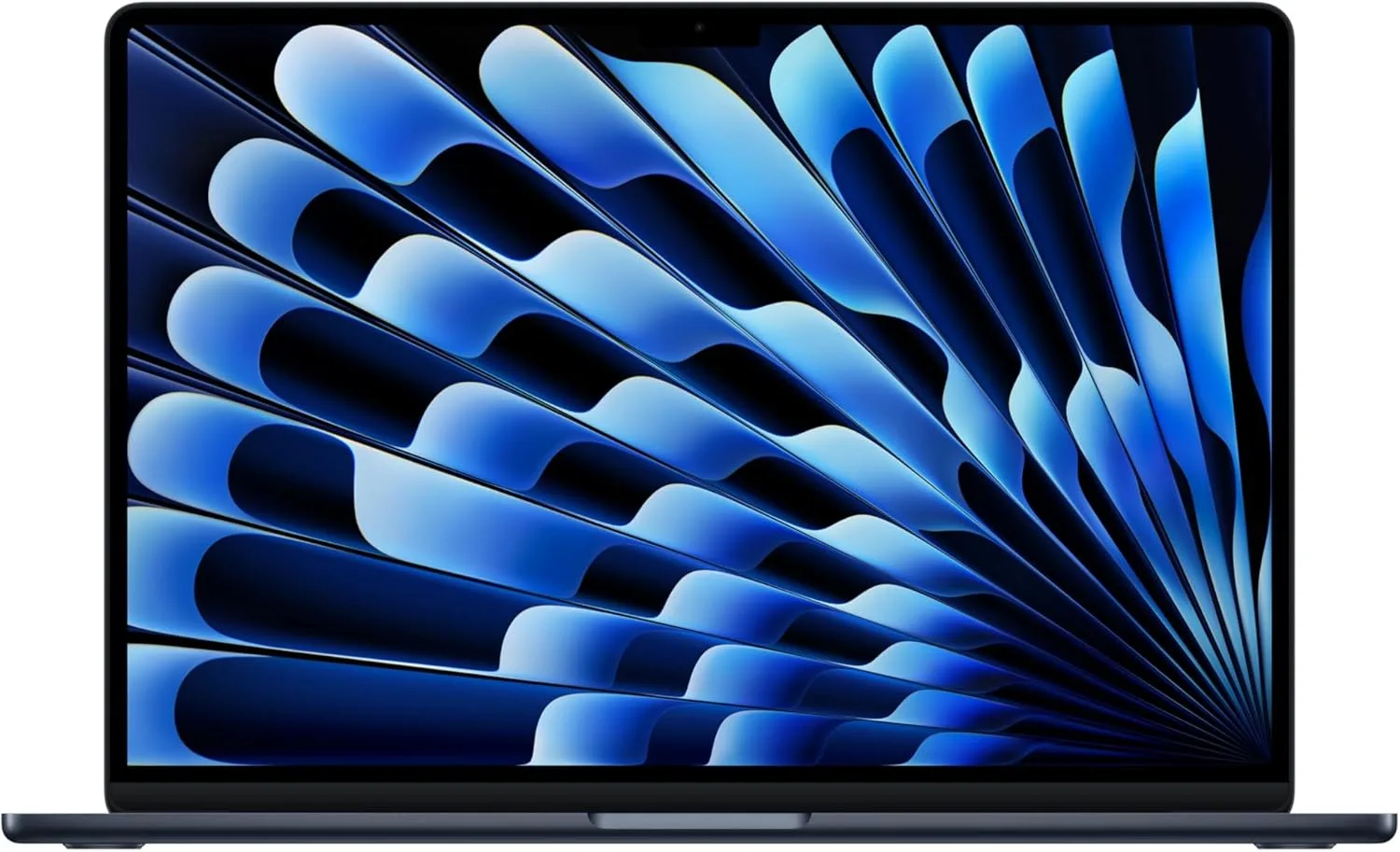
Genuinely worthwhile if you want the absolute lightest available configuration paired with the newest processor generations in our catalog — top-tier X1 Carbon or XPS 13 configurations, or a MacBook Air with Apple silicon, which is itself widely regarded as one of the lightest, most efficient ultraportables available anywhere.
Comparison Table: Genuine Weight and Portability Across Our Catalog
| Model Family | Approximate Weight | Chassis Material | Best For |
|---|---|---|---|
| Standard 15-inch business laptop (T-series, EliteBook 850) | 1.8–2.2kg | Standard aluminium/plastic composite | Desk-based use, occasional carrying |
| Compact 13-14 inch business laptop (X-series, EliteBook 830) | 1.3–1.5kg | Standard business-grade construction | Regular daily carrying, students |
| ThinkPad X1 Carbon | ~1.1–1.3kg | Genuine carbon fibre | Frequent travellers, maximum portability priority |
| HP EliteBook Dragonfly | ~1.0–1.2kg | Magnesium alloy | Ultra-premium, lightest HP option |
| Dell XPS 13 | ~1.2–1.3kg | Aluminium/carbon fibre composite | Premium consumer-facing portability |
| MacBook Air (Apple silicon) | ~1.24kg | Aluminium unibody | Maximum efficiency alongside genuine lightness |
The ThinkPad X1 Carbon: Understanding Genuine Carbon Fibre Construction
This deserves specific explanation, since "carbon fibre" is sometimes used loosely in marketing but represents something genuinely specific and meaningful in the X1 Carbon's case. Carbon fibre is a composite material that offers an exceptional strength-to-weight ratio — genuinely stronger than aluminium at a fraction of the weight for equivalent structural rigidity, which is precisely why it's used in aerospace and high-performance automotive applications. Lenovo's use of genuine carbon fibre in the X1 Carbon's chassis (as the name directly signals) is a real engineering choice, not just marketing language, resulting in a laptop that's both genuinely lighter and, in many respects, more structurally durable than an equivalent aluminium chassis of the same weight.
HP Dragonfly: HP's Answer to Ultra-Premium Portability
The HP EliteBook Dragonfly uses magnesium alloy construction to achieve similarly impressive weight reduction, offering a genuine alternative to the ThinkPad X1 Carbon for buyers who prefer HP's business ecosystem or specific feature set (including HP's Sure View privacy screen technology, discussed in our ThinkPad vs EliteBook comparison guide). Both approaches — carbon fibre and magnesium alloy — represent genuine premium engineering investments specifically targeting the ultraportable segment of the business laptop market.
Battery Life vs Weight: A Genuine Balancing Act
It's worth understanding this trade-off honestly rather than assuming lighter always means worse battery life, since the relationship is more nuanced than a simple inverse correlation. Modern efficient processors (particularly newer Intel generations and Apple silicon) can deliver genuinely excellent battery life even in the lightest chassis designs, because efficiency gains from newer chip architecture partially offset the reduced physical space available for battery capacity. This is precisely why a MacBook Air on Apple silicon manages both class-leading lightness and genuinely excellent battery life simultaneously — the efficiency of the underlying chip does much of the practical work that a larger battery would otherwise need to do.
Practical Portability Beyond Just Weight
Charger weight and size matter too, often overlooked. A genuinely lightweight laptop paired with a bulky, heavy charging brick partially undermines the portability benefit — worth checking charger size and weight specifically, since USB-C charging (increasingly common on premium ultraportables) often comes with smaller, lighter chargers than older proprietary charging connectors.
Bag and case choice affects real-world carrying comfort as much as the laptop's own weight — a well-padded, properly fitted laptop bag distributes weight more comfortably across your back or shoulder than an ill-fitting or unpadded case, regardless of how light the laptop itself is.
Durability under travel conditions matters alongside raw weight. A laptop that's genuinely light but fragile under the bumps and knocks of regular travel isn't a good trade — this is precisely why business-grade ultraportables (ThinkPad X1 Carbon, Dragonfly) that combine genuine lightness with military-grade or equivalent durability testing are worth prioritising over consumer-grade thin laptops that may sacrifice durability for weight savings alone.
Recommended Models by Portability Use Case
Frequent Business Travellers
Prioritising absolute minimum weight alongside genuine durability for regular travel through airports and multiple daily locations, the ThinkPad X1 Carbon or HP Dragonfly offers the best combination of lightness and genuine business-grade robustness in our catalog.
University Students Carrying Laptops Across Campus Daily
Balancing budget constraints with genuine daily portability, the Lenovo ThinkPad X250/X260/X270 compact X-series offers meaningful weight savings over standard 15-inch laptops at a genuinely accessible student price point.
Client-Facing Consultants and Sales Professionals
Needing both genuine portability and a premium, professional appearance for client meetings, the Dell XPS 13 or ThinkPad X1 Carbon balances both considerations well.
Buyers Wanting Maximum Efficiency Alongside Lightness
If battery life matters as much as raw weight, a refurbished MacBook Air with Apple silicon offers a genuinely exceptional combination of both, worth the consideration discussed in our MacBook vs Windows comparison guide.
Case Studies: Real Kenyan Buyers Prioritising Lightweight Laptops
The management consultant travelling between Nairobi and regional offices weekly. Regularly flying or driving between client sites across Kenya, carrying a laptop bag alongside other travel essentials for days at a time, this buyer's search for "lightest business laptop Kenya" or "best travel laptop Nairobi" should prioritise the flagship ultraportable tier. A ThinkPad X1 Carbon genuinely reduces daily physical strain across a demanding travel schedule.
The university student commuting long distances to campus. Carrying a laptop alongside textbooks, notebooks, and other coursework materials on a daily matatu or bus commute, often standing for portions of the journey, this profile genuinely benefits from every gram saved. A Lenovo ThinkPad X260/X270 offers meaningful weight relief at a genuinely student-accessible price point.
The insurance or sales agent visiting multiple client locations daily. Moving between appointments across Nairobi or other Kenyan towns throughout a working day, often carrying presentation materials alongside the laptop itself, this profile benefits from both genuine lightness and quick startup/wake times for moving efficiently between meetings. A Dell Latitude 7280 balances compact portability with dependable business construction.
The digital nomad or remote worker who works from multiple cafés and coworking spaces. Frequently relocating their entire workspace within a single day or week, sometimes carrying the laptop for extended walking periods between locations in Nairobi's CBD or Westlands, this profile benefits from combining the lightweight considerations here with the battery life and connectivity guidance covered in our remote work buying guide. A MacBook Air with Apple silicon suits this mobile lifestyle particularly well.
The architecture or design student carrying both a laptop and physical drawing materials. Already burdened with drawing boards, physical sketches, and reference materials on top of a laptop bag, this profile genuinely benefits from minimising laptop weight specifically to offset the unavoidable weight of other coursework materials. A compact HP EliteBook 830 offers a sensible middle ground between portability and the display quality design coursework benefits from, as covered in our graphic design buying guide.
How Kenyan Weather and Commuting Conditions Affect Portability Priorities
It's worth considering Kenya-specific practical factors beyond simple weight figures. Nairobi's rainy seasons mean laptop bags are sometimes carried through wet conditions, making water-resistant bag choice as practically relevant as the laptop's own weight — a genuinely light laptop offers little comfort if it's damaged by water exposure during a rainy commute. Similarly, dusty conditions common across many parts of Kenya make the durability testing standards discussed throughout our guides (particularly ThinkPad's military-grade certification) a meaningful complement to lightweight design, rather than a separate, unrelated consideration — the ideal lightweight laptop for genuine daily Kenyan commuting combines both lightness and demonstrated resilience to dust, humidity, and occasional physical knocks.
Balancing Lightweight Priorities With Screen Size Needs
A genuine trade-off worth acknowledging directly: the lightest laptops are also generally the most compact, meaning buyers who need a larger display for spreadsheet work, design, or extended reading (as covered in our accountant and graphic design guides) may find the very lightest 13-inch ultraportables less comfortable for these specific tasks than a slightly heavier 14-15 inch alternative. If your work involves both frequent carrying and extensive detailed screen work, it's worth weighing this trade-off honestly rather than assuming the lightest available option is automatically the best overall choice — sometimes a moderate compromise (a well-built 14-inch configuration) serves both needs better than an extreme optimisation for either weight or screen size alone.
Common Mistakes Buyers Make When Prioritising Lightweight Laptops
Prioritising weight above all else without considering genuine need. As discussed above, desk-based users gain relatively little practical benefit from the lightest available laptop and may be better served prioritising other specifications for the same budget.
Overlooking port limitations on the thinnest configurations. Confirm your specific peripheral needs (external drives, monitors, printers) are compatible with a given ultraportable's port selection before assuming adapters and dongles are a trivial afterthought.
Assuming all "lightweight" claims are equally meaningful. As covered throughout this guide, genuine flagship ultraportables (carbon fibre, magnesium construction) achieve meaningfully more weight reduction than simply choosing a compact 13-inch chassis over a 15-inch one — confirm actual weight figures rather than relying on relative marketing language alone.
Ignoring durability trade-offs in non-business-grade thin laptops. As discussed above, business-grade ultraportables that combine lightness with genuine durability testing are worth prioritising over consumer laptops that may achieve thinness through more fragile construction.
How to Verify Genuine Weight and Build Quality Before Buying
Given that weight is the central priority for this category of purchase, a few practical checks genuinely help confirm you're getting what's advertised:
- Ask your seller for the exact weight figure, ideally verified against official manufacturer specifications for that precise model, rather than a vague "lightweight" description.
- Hold the unit yourself before purchase if possible, since perceived weight can differ from the number on a spec sheet depending on chassis balance and where weight is distributed.
- Check the chassis material claim directly — genuine carbon fibre (ThinkPad X1 Carbon) or magnesium alloy (HP Dragonfly) construction should be verifiable against the specific model number, not simply a general marketing claim.
- Inspect the hinge and chassis for flex or creaking, since ultraportable designs sometimes reveal build quality issues more readily than bulkier chassis when handled — a well-maintained unit from a reputable seller should feel solid despite its light weight.
Frequently Asked Questions
What's the actual weight difference between a standard laptop and a genuine ultraportable? Typically 500-700 grams between a standard 15-inch business laptop (1.8-2.2kg) and a flagship ultraportable like the ThinkPad X1 Carbon (1.1-1.3kg) — a difference that's genuinely noticeable in daily carrying, even if it sounds modest in isolation.
Is carbon fibre construction genuinely more durable, or just lighter? Both — carbon fibre offers an exceptional strength-to-weight ratio, meaning the ThinkPad X1 Carbon achieves genuine weight reduction without sacrificing structural durability compared to standard aluminium chassis construction.
Do lightweight laptops genuinely have worse battery life? Not necessarily — modern efficient processors, particularly Apple silicon and newer Intel generations, can deliver excellent battery life even in the lightest chassis designs, partially offsetting reduced physical battery capacity through improved power efficiency.
Is it worth paying a premium for a genuine ultraportable if I only occasionally carry my laptop? Probably not — the weight premium is most valuable for buyers who carry their laptop daily or very frequently; occasional carriers may be better served prioritising other specifications (RAM, processor, storage) for the same budget.
Do ultraportable laptops have fewer ports than standard laptops? Often yes, to some degree — confirm your specific peripheral needs are compatible with a given model's port selection before purchase, since some ultraportables require adapters for traditional USB-A devices, HDMI, or SD cards.
Is the MacBook Air genuinely one of the lightest laptops available? Yes — at approximately 1.24kg with Apple silicon, it's genuinely competitive with the lightest Windows ultraportables in our catalog, combined with the battery efficiency advantages covered in our MacBook vs Windows comparison guide.
Can I find genuinely lightweight laptops at a student-friendly budget in Kenya? Yes — compact 13-inch business laptops like the ThinkPad X-series or Dell Latitude 7270/7280 offer meaningful weight savings over standard 15-inch configurations at genuinely accessible prices, even if they don't reach the absolute minimum weight of flagship ultraportables like the X1 Carbon.
Does a lighter laptop genuinely mean it's less durable? Not necessarily — as covered throughout this guide, genuine flagship ultraportables like the ThinkPad X1 Carbon use materials (carbon fibre) specifically chosen for their strength-to-weight ratio, meaning they can be both genuinely lighter and structurally comparable in durability to bulkier aluminium designs.
Is it worth buying a lightweight laptop if I mostly work from a fixed desk? Generally not a priority — desk-based users gain little practical daily benefit from minimising laptop weight and may be better served allocating the same budget toward stronger processor, RAM, or display specifications instead.
How do I know if a laptop's charger will add meaningful weight to my travel setup? Check whether the laptop uses USB-C charging, which typically comes with smaller, lighter chargers than older proprietary barrel-connector designs — worth confirming directly if minimising your total travel setup weight, not just the laptop itself, genuinely matters to you.
Shop Lightweight Laptops at City Gadgets Kenya
Every laptop at City Gadgets Kenya is fully tested and backed by a genuine 6-month warranty. Browse the full laptops category or message us directly on WhatsApp, and tell us how often you carry your laptop and where — we'll help you find a configuration with genuinely the right balance of weight, durability, and specification for your daily life.