Best Laptops for Video Editing in Kenya 2026: A Complete Guide
Video editing is genuinely the most hardware-demanding creative task covered across our buying guides — more demanding than photo editing, more demanding than standard graphic design, and in a different category entirely from business or student computing. Whether you're a wedding videographer in Nairobi, a content creator building a YouTube channel, or a small production house handling client commercial work, the right laptop directly determines whether your editing sessions are smooth and productive or a daily exercise in frustration waiting for previews and exports to catch up. This guide walks through exactly what genuinely matters, and which specific configurations at City Gadgets Kenya are worth considering.
Why Video Editing Demands More Than Almost Any Other Everyday Computing Task
It's worth being precise about why video editing sits in its own category of hardware demand, because it genuinely differs from photo editing or general design work in scale.
Video files are enormous compared to almost anything else you'll work with. A single minute of 4K footage can occupy several gigabytes, and a typical editing project involves dozens of such clips, layered together with transitions, colour grading, audio tracks, and effects — all of which your laptop needs to process, often in real time, as you scrub through the timeline.
Real-time preview during editing is genuinely processor and graphics-intensive. Unlike photo editing, where you're typically working with a single static image at a time, video editing software constantly decodes and renders multiple video streams simultaneously as you preview your timeline — a fundamentally heavier, continuous computational load.
Export and rendering times compound across a project. Exporting a finished video, especially at higher resolutions or with colour grading and effects applied, can take anywhere from minutes to hours depending on hardware — and this is time that directly affects how many projects you can complete in a working week, making processing speed a genuine, quantifiable business factor for professional video editors.
Storage speed and capacity become genuinely critical, not just convenient. Video projects, especially with multiple 4K source files, routinely consume hundreds of gigabytes, and slow storage genuinely bottlenecks playback and export performance in ways that barely matter for document-based work.
The Core Specification Priorities for Video Editing
Given the realities above, here's the genuine priority order:
- Dedicated graphics with substantial VRAM (4GB minimum, 8GB+ preferred) — video editing software leans heavily on the GPU for both preview rendering and export acceleration.
- RAM — 16GB as an absolute minimum, 32GB genuinely preferred for serious 4K or multi-track editing work.
- Processor strength (Core i7 or i9) — directly affects both preview smoothness and export speed.
- Fast, generous storage (SSD, 512GB minimum, 1TB+ preferred) — video files accumulate quickly, and storage speed affects real-time playback performance.
- Display quality — while less critical than for colour-critical graphic design work, a reasonably accurate display still benefits colour grading decisions.
Understanding Codec Support and Why It Affects Real-World Performance
This is a genuinely technical point worth explaining plainly, because it directly affects why two laptops with seemingly similar specifications can perform very differently editing the same footage. Modern cameras and phones record video using specific compression formats (codecs) — H.264, H.265/HEVC, and increasingly formats like ProRes or camera-specific RAW formats. Some processors include dedicated hardware acceleration for decoding these specific codecs, which genuinely transforms editing smoothness — a laptop with proper hardware decoding for your camera's footage format will preview and scrub through your timeline far more smoothly than one without, even if the two laptops have similar general processing power on paper.
Practical implication: if you know which camera or phone you primarily shoot on, it's worth checking whether the laptop's processor generation supports hardware acceleration for that specific footage format — generally, more recent Intel processor generations (8th generation and later) offer broader and more efficient codec support than older generations, which is one reason processor generation matters more for video editing than it does for lighter tasks like document editing.
Budget Tier Breakdown for Video Editing
Under KES 50,000: Entry-Level and Short-Form Content Editing
At this budget, focus on genuine Core i7 processors with dedicated graphics and as much RAM as available — 16GB should be treated as close to essential rather than optional at this tier. This range suits short-form content editing (social media reels, basic YouTube content, 1080p footage) reasonably well, though 4K editing will feel noticeably more strained.
Recommended: HP Spectre X360 with dedicated NVIDIA graphics, or an entry-level MSI GS65 Stealth configuration if available within budget.
KES 50,000–90,000: Genuinely Capable Video Editing Territory
This range opens up real gaming-class or workstation-class dedicated graphics (8GB RTX configurations), which handle 4K editing, colour grading, and moderate effects work meaningfully better than entry-tier configurations.
Recommended: MSI GS66 Stealth configurations (10th-12th generation) with 8GB RTX graphics, or a Dell Precision 5540/5550 with dedicated NVIDIA graphics.
KES 90,000–130,000: Professional Video Editing Configurations
At this tier, the strongest available graphics configurations in our catalog become realistic — genuinely comfortable for demanding 4K multi-track editing, colour grading, and effects-heavy commercial or client work.
Recommended: Dell Precision 5570 with 8GB RTX A2000 graphics, or top-tier MSI GS66 Stealth 12UGS configurations.
Above KES 130,000: Maximum Capability
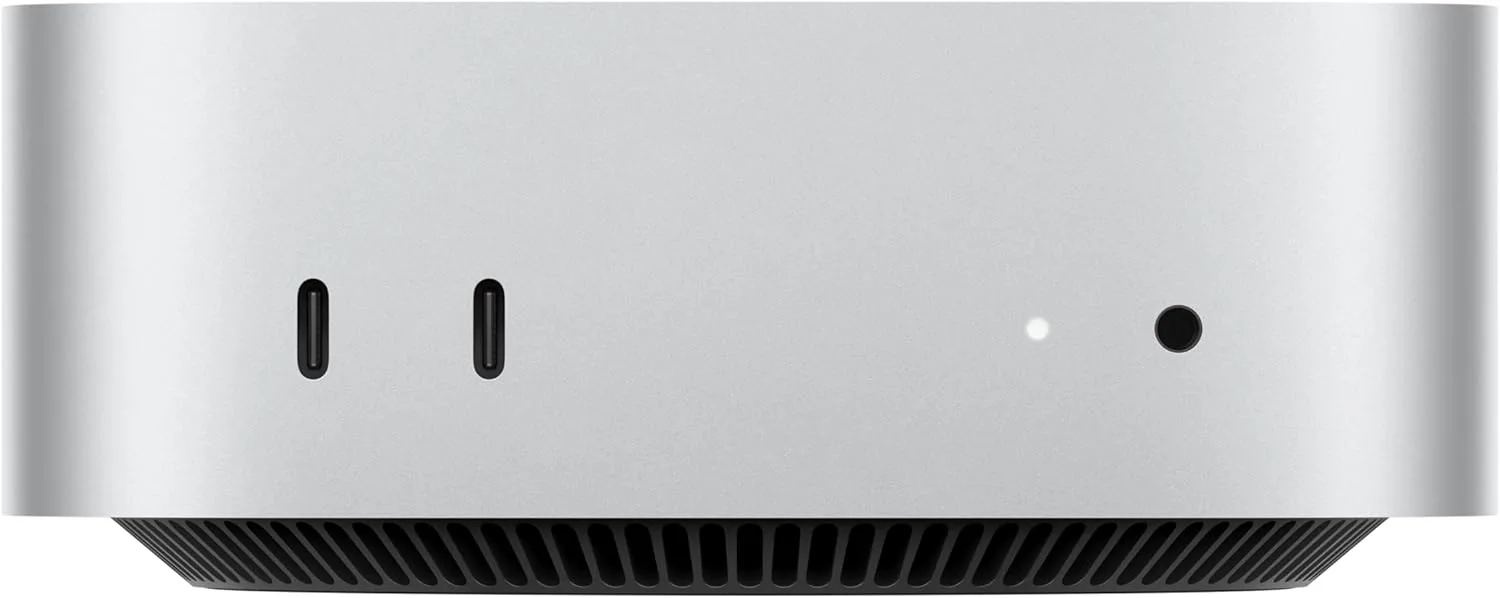
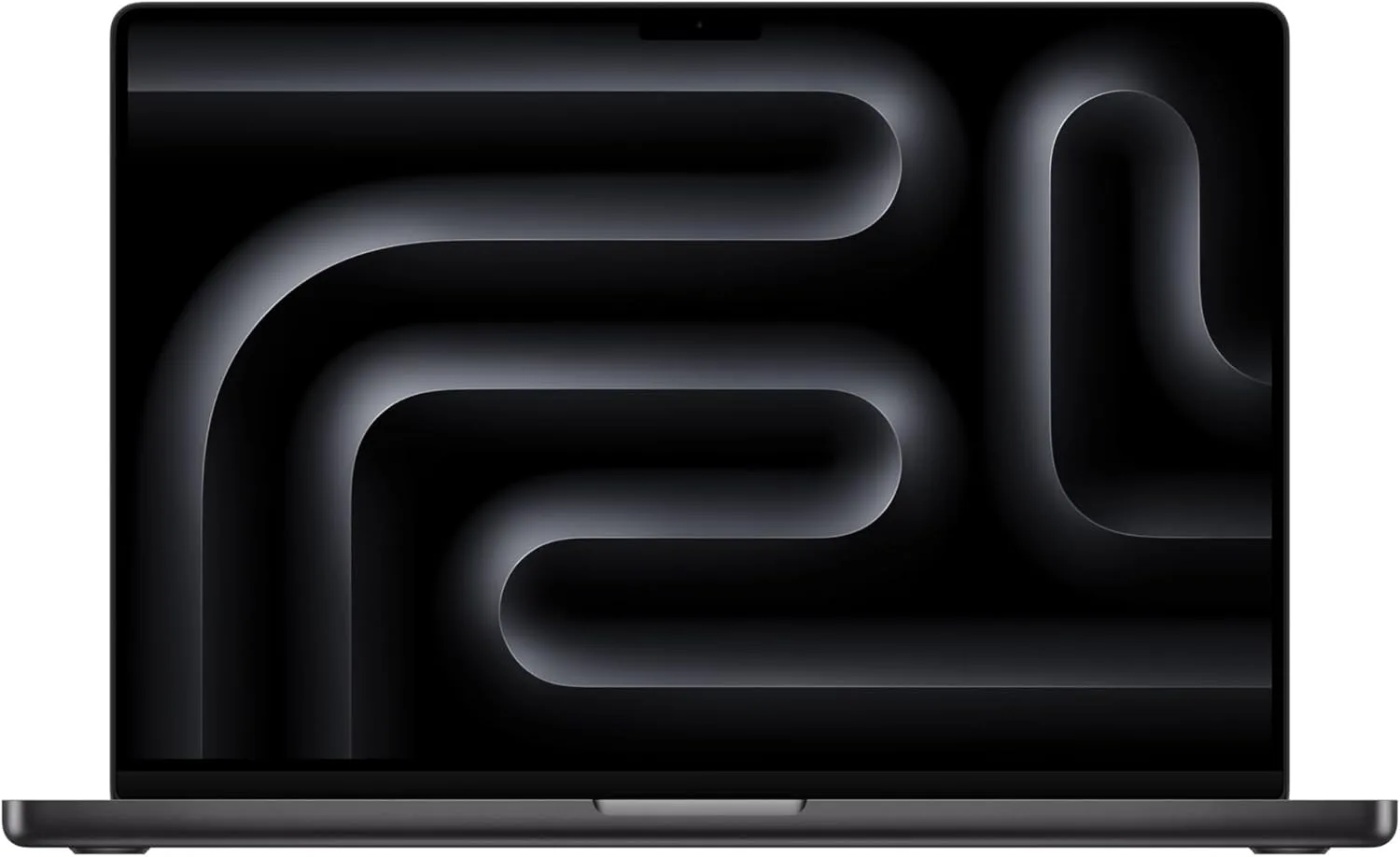
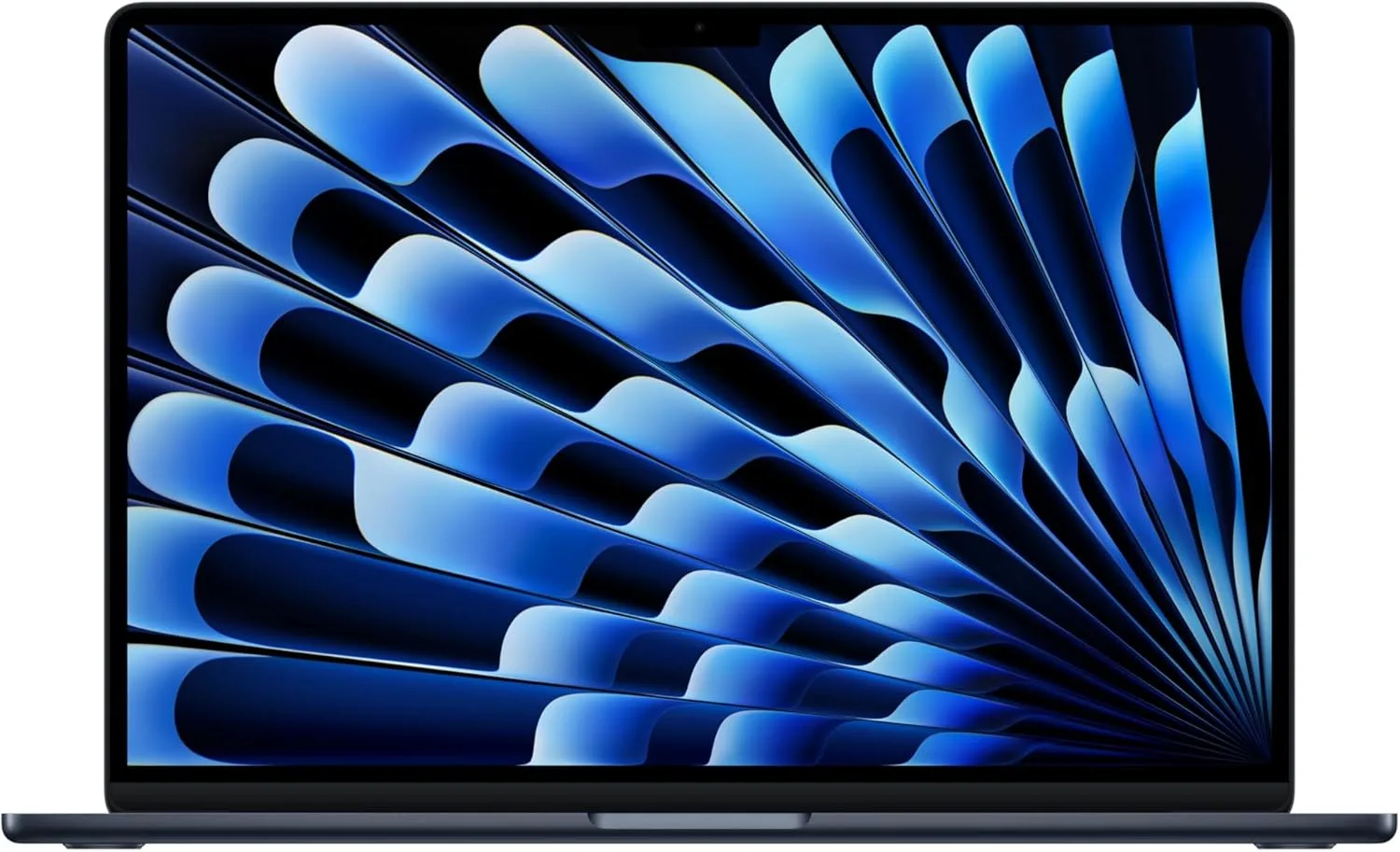
At the top of our catalog, an Apple silicon MacBook Pro (M1 and later) offers genuinely exceptional video editing performance-per-watt, particularly for editors working within Apple's ecosystem (Final Cut Pro) or heavily within Adobe Premiere Pro, which has strong Apple silicon optimisation.
Case Studies: Matching Real Kenyan Video Editing Profiles to Real Configurations
The Nairobi wedding videographer running a small studio. Handling multiple simultaneous client projects during peak wedding season, often with footage from two or three cameras per event, this profile genuinely benefits from the strongest realistic configuration a small business budget allows. A MSI GS66 Stealth with 32GB RAM handles multi-camera 4K editing and tight turnaround deadlines without becoming the bottleneck in an already time-pressured workflow.
The university student building a YouTube channel alongside coursework. Balancing occasional 1080p-4K content creation with regular academic demands, this profile benefits from a configuration that handles both reasonably well without requiring the highest-tier investment. A HP Spectre X360 offers genuine dedicated graphics for content creation alongside the everyday versatility needed for coursework.
The corporate communications officer producing internal and marketing video content. Working within an organisation's brand guidelines, often producing shorter promotional or training videos with moderate effects and colour grading, this role benefits from reliable, professional-grade graphics without necessarily needing the most extreme specification tier. A Dell Precision 5540 balances professional certification with a more moderate budget than flagship configurations.
The freelance social media content editor serving multiple small business clients. Producing short-form Instagram Reels and TikTok content for various clients, often working across several projects simultaneously with quick turnaround expectations, this profile benefits from solid mid-tier dedicated graphics and generous RAM more than the absolute highest-end specification. A MSI GS65 Stealth entry configuration offers genuinely capable performance at a more accessible price point.
The documentary or long-form content producer. Working with extensive raw footage libraries, longer edit timelines, and often more demanding colour grading for a polished final product, this profile represents the top end of realistic hardware demand covered in this guide. A Dell Precision 5570 with RTX A2000 graphics or an Apple silicon MacBook Pro provides the sustained performance this demanding, extended work genuinely requires.
Audio Considerations for Video Editing Work
While visual processing understandably dominates most video editing hardware discussions, audio quality is a genuinely underrated factor worth addressing directly. Built-in laptop speakers are rarely adequate for serious audio editing and mixing decisions within a video project — investing in a decent pair of studio headphones or reference monitor speakers is a low-cost addition that meaningfully improves your ability to make good audio decisions (background music levels, dialogue clarity, sound effect balance) independent of your laptop's own hardware. Additionally, if your work involves recording voiceovers or interview audio directly, checking whether your laptop has a genuine 3.5mm audio input (many modern ultrabooks have removed this in favour of USB-C only) is worth confirming if you plan to record audio directly into the laptop rather than through an external recorder.
Backup Strategy for Video Projects: A Genuinely Critical Consideration
Video project files represent significant time investment — hours or sometimes days of editing work — making backup strategy more critical here than for almost any other file type covered in our guides. A practical, three-part approach genuinely protects your work: your active project lives on your laptop's internal SSD for editing speed; a working backup exists on an external drive, updated regularly during active editing; and completed, delivered projects are archived to a third location (cloud storage or a separate archival drive) once client sign-off is complete. Losing a partially completed project to a hardware failure with no backup is a genuinely costly, avoidable mistake that a modest investment in backup discipline prevents entirely.
Comparison Table: Editing Workload vs Realistic Hardware Needs
| Editing Workload | Realistic RAM | Realistic Graphics | Realistic Processor | Notes |
|---|---|---|---|---|
| Short-form social media content (1080p) | 16GB | 4GB dedicated | Core i7 | Genuinely manageable on entry-tier configurations |
| Standard YouTube content (1080p-4K) | 16-32GB | 4-8GB dedicated | Core i7 | 4K footage benefits substantially from stronger graphics |
| Wedding/event videography (multi-camera, colour grading) | 32GB | 8GB dedicated | Core i7/i9 | Multi-track editing genuinely demands RAM headroom |
| Commercial/client video production | 32GB+ | 8GB+ dedicated | Core i9 | Treat as the top of realistic hardware demand |
| Motion graphics and animation-heavy editing | 32GB | 8GB+ dedicated | Core i9 | Often the most demanding category overall |
MSI and Gaming-Class Laptops for Video Editing: An Honest Assessment
It's worth explaining directly why gaming-oriented laptops like the MSI GS66/GS65 Stealth lines are genuinely well-suited to video editing, beyond their marketing as gaming hardware. Video editing and gaming share a genuine underlying hardware demand: both require strong, sustained graphics processing performance, fast storage, and processors capable of handling heavy sustained workloads without thermal throttling. MSI's Stealth line, in particular, is engineered with genuine attention to sustained performance under load — precisely the scenario a long video export or an extended colour grading session creates.
The trade-off worth understanding: gaming-class laptops are typically bulkier and heavier than standard business ultrabooks, and battery life is generally shorter under heavy creative workloads — reasonable compromises if your editing work happens primarily at a fixed desk rather than requiring all-day portable battery life.
Workstation-Class Graphics (Dell Precision) for Video Editing
The Dell Precision line, with genuine NVIDIA Quadro or RTX A-series professional graphics, offers a different but equally valid path to strong video editing performance. Professional-grade graphics cards carry certified drivers that many professional video and colour-grading software (DaVinci Resolve in particular) are specifically optimised to work with, sometimes offering more stable, predictable performance under sustained professional workloads than consumer gaming graphics, even at similar raw specifications. If your work leans toward colour-critical commercial or broadcast-standard video production, this professional certification is worth the consideration; for general content creation and social media video work, gaming-class graphics perform comparably well, often at a more accessible price.
Storage Strategy for Video Editing Work
Given how quickly video projects consume storage space, a genuine strategy matters more here than for almost any other use case covered in our guides:
Your laptop's internal SSD should hold your active project files — the footage, project files, and assets you're currently editing — since internal SSD speed directly affects playback smoothness and export speed in ways external storage often can't match.
Completed projects and raw footage archives belong on external storage, whether external hard drives, external SSDs, or cloud storage, keeping your internal drive's limited capacity focused on active work rather than accumulating months of completed project archives.
Consider your realistic monthly footage volume when choosing internal storage capacity. A wedding videographer shooting multiple 4K cameras per event will fill storage dramatically faster than a content creator editing occasional 1080p social media clips — match your internal storage tier (512GB vs 1TB) to your genuine, realistic monthly volume rather than a generic recommendation.
Cooling and Sustained Performance: An Underrated Factor
This deserves specific mention because it's a factor that doesn't show up in a spec sheet but genuinely affects real-world video editing performance. Video editing, especially exporting and rendering, pushes a laptop's processor and graphics card to sustained maximum load for extended periods — minutes or even hours at a time, unlike the brief bursts of demand typical in most other computing tasks. Laptops with genuinely inadequate cooling will "thermal throttle" — automatically reducing processing speed to manage heat — during these sustained loads, meaning the laptop performs notably worse during a long export than its specifications alone would suggest.
This is precisely why purpose-built creative and gaming laptops (MSI Stealth line, Dell Precision workstations) generally outperform standard business ultrabooks with seemingly similar specifications for sustained video editing work — their cooling systems are genuinely engineered for this kind of extended, heavy load in a way a standard business laptop's cooling, optimised for quieter, lighter everyday use, is not.
Recommended Models by Video Editing Specialisation
Content Creators and YouTubers
If your work is primarily solo content creation — talking-head videos, screen recordings, moderate editing with cuts, text overlays, and basic colour correction — the HP Spectre X360 with dedicated graphics offers genuinely capable performance with the bonus of a convertible touchscreen for annotation and thumbnail design work.
Wedding and Event Videographers
Handling multi-camera footage, extensive colour grading, and often tight turnaround deadlines for clients, this profile benefits from the strongest realistic graphics and RAM configuration your budget allows. A MSI GS66 Stealth or Dell Precision 5550 with 32GB RAM handles this demanding workflow well.
Commercial and Corporate Video Producers
Working on client deliverables where colour accuracy and reliability under deadline pressure genuinely matter, the Dell Precision 5570 with certified professional graphics offers the stability and colour accuracy this work demands.
Motion Graphics and Animation Editors
This is genuinely the most demanding specialisation covered here, benefiting from maximum available RAM and graphics configuration. A top-tier MSI GS66 Stealth 12UGS or Apple silicon MacBook Pro provides the sustained performance this work genuinely requires.
Full Comparison Table
| Model Family | Typical Budget Range | Best Suited For | Key Strength |
|---|---|---|---|
| HP Spectre X360 | KES 40,000–65,000 | Short-form content, talking-head videos | Dedicated graphics + touchscreen |
| MSI GS65 Stealth | KES 80,000–90,000 | Entry-level serious video editing | Gaming-class sustained performance |
| MSI GS66 Stealth (10th-12th Gen) | KES 110,000–130,000 | Wedding/event videography, YouTube production | Strong sustained graphics performance |
| Dell Precision 5540/5550 | KES 65,000–80,000 | Commercial video, colour-critical work | Certified professional graphics |
| Dell Precision 5570 (RTX A2000) | KES 115,000+ | Flagship commercial/broadcast work | Maximum graphics + newest architecture |
| MacBook Pro (Apple silicon) | KES 130,000+ | Cross-platform/Final Cut Pro editors | Performance-per-watt efficiency |
Software-Specific Considerations for Kenyan Video Editors
Adobe Premiere Pro is genuinely GPU-accelerated for many effects and export processes, making dedicated graphics with substantial VRAM a direct, measurable factor in export speed — this is precisely the software where the recommendations throughout this guide matter most tangibly.
DaVinci Resolve, increasingly popular among Kenyan editors partly due to its free tier, leans even more heavily on GPU performance than Premiere Pro for its colour grading tools specifically — a genuinely strong reason to prioritise dedicated graphics VRAM if this is your primary editing software.
CapCut and mobile-first editing tools, popular for quick social media content, are generally lighter on hardware demand than professional desktop software, making entry-tier configurations more viable if this is your primary editing tool rather than full desktop software.
Common Mistakes Video Editing Buyers Make
Buying a laptop specified for photo editing or general design work, assuming it will handle video editing equally well. As covered throughout this guide, video editing's sustained, real-time processing demands are genuinely heavier than photo or graphic design work — a laptop adequate for Photoshop may still struggle with 4K video timelines.
Underestimating storage needs and running out of space mid-project. Video files accumulate faster than almost any other file type covered in our guides — plan storage capacity around your realistic monthly footage volume, not a generic recommendation.
Ignoring cooling and sustained performance in favour of raw spec sheet numbers. As covered above, two laptops with identical on-paper specifications can perform very differently during a long export if one has genuinely better cooling engineering — this is harder to assess from a spec sheet alone, making seller reputation and honest testing more important for this category than most others.
Not checking codec compatibility with your primary camera or phone footage format. As explained above, hardware-accelerated codec decoding genuinely affects real-world editing smoothness in ways that aren't always obvious from general processor specifications alone.
Red Flags Specific to Buying a Video Editing Laptop
Beyond general refurbished laptop red flags, a few matter specifically for video editing purchases:
No mention of sustained performance or cooling system quality. Since thermal throttling genuinely affects real-world video editing performance in ways spec sheets don't reveal, a seller unable to speak to how a unit performs under extended load (or unwilling to demonstrate a longer test render) leaves you with less confidence than for other laptop categories.
Vague VRAM specification on the dedicated graphics card. As covered above, the amount of video memory genuinely affects how well a laptop handles complex, high-resolution footage — always confirm the exact figure rather than accepting "has a graphics card" as sufficient detail.
No clarity on whether cooling has been tested after refurbishment. Given how much video editing depends on sustained thermal performance, it's worth asking directly whether the refurbishment process included cleaning and verifying the cooling system, not just confirming the laptop powers on and functions.
How to Test a Laptop's Video Editing Performance Before Buying
If you can test a unit before purchase, a few practical checks genuinely help:
- Play back a 4K sample file (bring your own on a USB drive if possible) and observe whether playback is smooth or stutters, particularly during scrubbing through the timeline.
- Run a short test export of a sample project, timing how long it takes, to get a realistic sense of how the laptop will perform on your actual footage.
- Feel the underside of the laptop after 10-15 minutes of sustained use — while not a precise measurement, a laptop that becomes uncomfortably hot quickly may be more prone to thermal throttling during longer editing and export sessions.
- Check fan noise under load, since a laptop's cooling system working hard is normal, but excessive noise can indicate an inadequate cooling design straining to keep up with the workload.
Frequently Asked Questions
Is 16GB RAM genuinely enough for video editing, or do I need 32GB? 16GB is workable for 1080p and light 4K editing, but 32GB provides genuinely more comfortable headroom for serious 4K multi-track editing, colour grading, and effects-heavy work — treat 32GB as the realistic target for professional video editing rather than an unnecessary luxury.
Do I need a gaming laptop specifically for video editing, or will a workstation laptop serve just as well? Both are genuinely valid paths — gaming laptops (like the MSI Stealth line) offer strong sustained consumer-grade graphics performance, often at a more accessible price, while workstation laptops (Dell Precision) offer certified professional graphics drivers that some colour-grading software is specifically optimised for. Choose based on your specific software and whether professional certification matters for your client work.
Is a MacBook genuinely better for video editing than a Windows laptop? For editors working primarily in Final Cut Pro or heavily optimised Apple silicon versions of Premiere Pro, MacBooks offer genuinely excellent performance-per-watt. For DaVinci Resolve or other GPU-intensive Windows-native workflows, a well-specified Windows laptop with strong dedicated graphics is equally capable, often at a more accessible price in the refurbished market.
How much storage do I genuinely need for video editing? 512GB is a reasonable minimum for active project work, but if you shoot substantial 4K footage regularly, 1TB or more internal storage, supplemented by external storage for archived projects, is worth budgeting for to avoid running out of space mid-project.
Does screen size matter for video editing? A larger screen (15-16 inch) genuinely helps for seeing more of your timeline and toolbars simultaneously, though pairing a more portable laptop with an external monitor at your primary editing location is a common and effective compromise.
Can I edit video on a standard business laptop (ThinkPad, EliteBook) if I can't afford a dedicated-graphics configuration? Basic, short-form, 1080p editing is workable, though you should expect genuinely slower export times and more strain on longer or more complex projects compared to a laptop with dedicated graphics — treat this as a functional but limited starting point rather than a long-term professional solution.
Is it worth buying a refurbished gaming or workstation laptop rather than a new consumer laptop for video editing? Often yes — a refurbished gaming or workstation-class laptop typically offers substantially stronger graphics and sustained performance than a new consumer laptop at a similar price point, provided you're buying from a seller who genuinely tests units and offers a real warranty.
Get the Right Video Editing Laptop at City Gadgets Kenya
Every laptop at City Gadgets Kenya is fully tested — including dedicated graphics function — and backed by a genuine 6-month warranty. Browse the full laptops category or message us directly on WhatsApp, and tell us your typical footage resolution and editing software — we'll help you find a configuration with genuinely enough graphics power and RAM for your real editing workload.