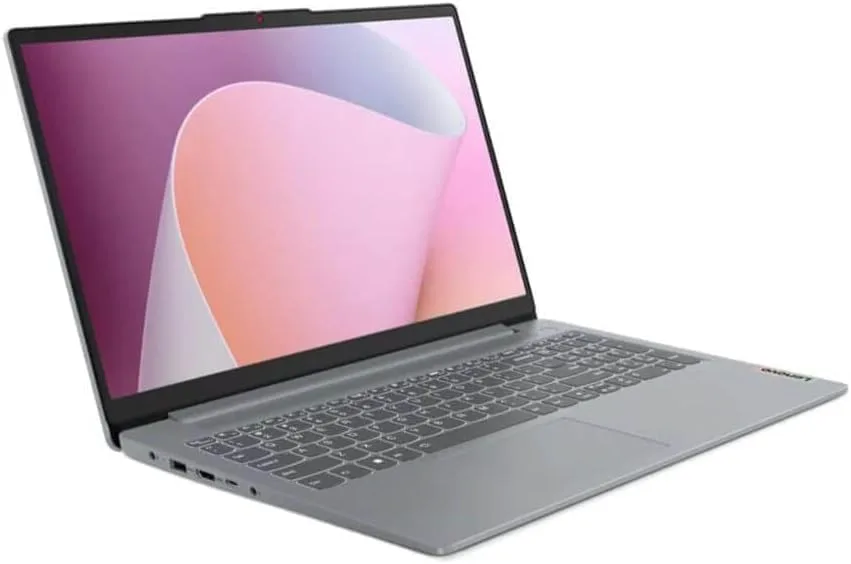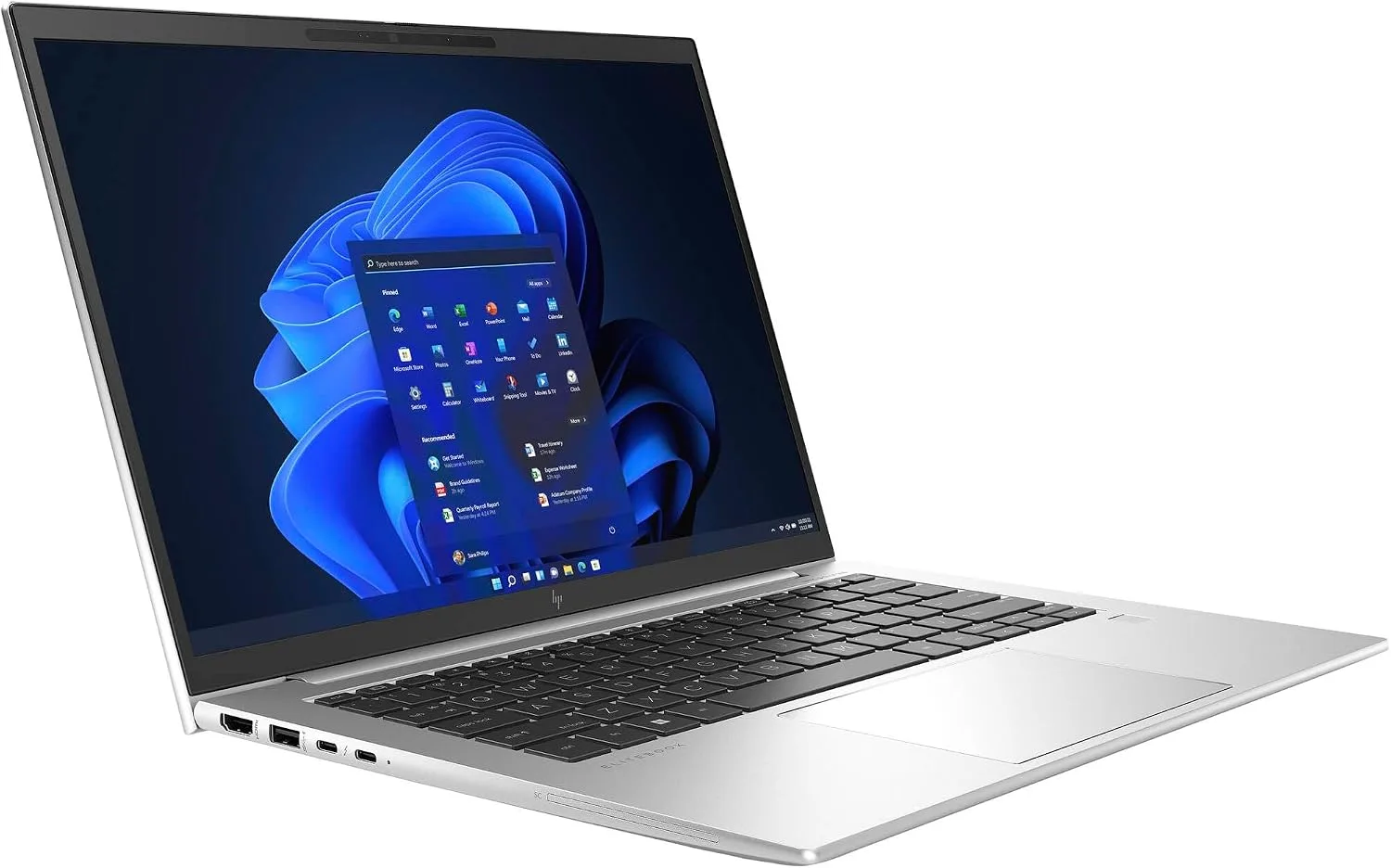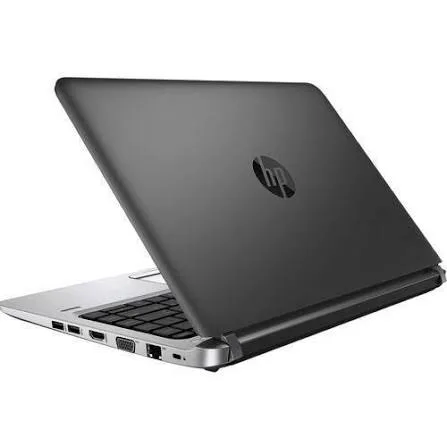
The complete 2026 guide to choosing a laptop for small business owners in Kenya — budget tiers, brand comparisons, software needs, and real refurbished picks from City Gadgets Kenya.
Best Laptops for Small Business Owners in Kenya 2026: A Complete Guide
Running a small business in Kenya today means your laptop is rarely just a laptop. It's your invoicing system, your point-of-sale terminal, your accounting ledger, your customer communication hub, and often the single most expensive piece of equipment your business owns outside of stock and premises. Get this purchase wrong, and you're not just inconvenienced — you're losing productive hours, risking data, and potentially paying twice when the "budget" option fails within a year.
This guide exists to walk small business owners in Kenya through exactly what to look for, what real specifications matter for genuine business use, and which specific configurations available at City Gadgets Kenya genuinely fit different business types and budgets. Everything here is grounded in real, testable specifications — not marketing language.
Why Small Business Owners Have Genuinely Different Needs Than Students or Casual Users
It's worth being explicit about this distinction, because a lot of generic "best laptop" advice online doesn't actually serve business owners well. A student's laptop mostly needs to survive four years of lectures, assignments, and casual browsing. A small business owner's laptop needs to:
- Run business software reliably, every single day, often for 8-10 hours at a stretch, without slowdown or crashes that cost you sales or client trust.
- Handle multiple applications open simultaneously — an accounting package, email, a browser with several tabs (supplier portals, banking, social media for marketing), and often a POS or inventory system.
- Survive Kenya's power realities. Load-shedding and voltage fluctuations are a genuine daily consideration for many small businesses, which makes battery health and build quality matter more than they would for someone who's always near a reliable power source.
- Protect your business data. A laptop that dies unexpectedly, or that's stolen without any security measures, can mean lost invoices, lost customer records, and lost trust.
- Look professional in front of clients and suppliers. Whether you're presenting a quote, doing a video call with a supplier, or simply working from a café while meeting a client, the laptop is part of your business's first impression.
None of this means you need to overspend. It means your spending needs to be directed at the right things — and that's precisely what this guide covers.
The Honest Case for Refurbished Business Laptops
Here's a reality that Kenyan small business owners increasingly understand, but that's worth stating plainly for anyone new to the idea: the refurbished laptop market in Kenya exists because large corporations in the UK, US, and Europe replace their entire laptop fleets every three to four years — not because those laptops stop working, but because corporate IT policies mandate hardware refresh cycles. This means a huge supply of genuinely well-built, well-maintained business laptops (ThinkPads, EliteBooks, Latitudes) enters the secondary market in excellent working condition, at a fraction of their original price.
For a small business owner working with limited capital, this is not a compromise — it's frequently the smarter purchase. A brand-new laptop at KES 45,000 typically gets you consumer-grade construction and a modest processor. A refurbished business laptop at the same price gets you a genuine Core i7, more RAM, and a chassis that was engineered to survive years of corporate daily use — which is exactly the kind of daily use your business will put it through.
The caveat, and it's an important one: this logic only holds when you buy from a seller who actually tests units and stands behind them with a real warranty. City Gadgets Kenya fully tests every unit before listing and backs every sale with a genuine 6-month warranty — precisely because a business owner cannot afford unpredictable downtime from an untested device.
Budget Tier Breakdown for Small Business Use
Rather than a single blanket recommendation, here's how your budget genuinely shapes what's realistic and sensible for business use.
Under KES 25,000: The Essentials Tier
At this budget, focus on genuine Core i5 processors (5th-7th generation) with SSD storage and 8GB RAM. This tier is entirely workable for invoicing, email, basic accounting software (like QuickBooks or Excel-based bookkeeping), and general administrative work. Avoid anything with a mechanical hard drive at this price — an SSD is non-negotiable even at the most accessible budget, because the difference in daily responsiveness is enormous.
Recommended: Lenovo ThinkPad X250/X260 or HP EliteBook 840 G2/G3 configurations.
KES 25,000–40,000: The Comfortable Working Tier
This is genuinely where most small business owners should aim if the budget allows. At this range, Core i5 and Core i7 processors from the 7th-10th generation era become realistic, often paired with 8GB RAM (sometimes 16GB), giving you comfortable headroom for running several business applications simultaneously without slowdown.
Recommended: HP EliteBook 830 G6/G7, Dell Latitude 5310/7390, or Lenovo ThinkPad T480s/T490s.
KES 40,000-65,000: The Premium Reliability Tier
If your business genuinely depends on your laptop being always-on and dependable — for example, if you run client presentations, manage significant inventory data, or do design/creative work alongside standard admin — this tier buys you genuine premium construction, often with touchscreen or convertible functionality, generous RAM (16GB configurations are common), and newer processor generations (10th-12th generation Intel).
Recommended: Dell Latitude 7000-series configurations, Lenovo ThinkPad X1 Carbon/X1 Yoga, or HP EliteBook X360 convertibles.
Above KES 65,000: Specialised Business Needs
This tier is genuinely only necessary if your business has specific demands — for instance, if you run design or CAD work alongside your business operations, or if you specifically need MacBook hardware for cross-platform compatibility with iOS-based point-of-sale or design tools. At this budget, mobile workstations (Dell Precision, HP ZBook) or Apple silicon MacBooks become realistic options.
What Actually Matters for Business Software
It's worth breaking down what your business software genuinely demands, because this directly shapes what specification tier you need.
| Business Software Type | Realistic RAM Need | Realistic Processor Need | Notes |
|---|---|---|---|
| Basic invoicing, Excel bookkeeping | 8GB | Core i5 | Very light on resources |
| QuickBooks, Sage, or similar accounting software | 8GB | Core i5/i7 | Runs comfortably even on older generations |
| POS systems (retail, restaurant) | 8GB | Core i5 | Usually lightweight, browser-based increasingly common |
| Multiple browser tabs + video calls + admin software | 16GB | Core i7 | The real multitasking test most business owners underestimate |
| Design or presentation-heavy work (Canva, PowerPoint with media) | 8-16GB | Core i5/i7 | Media-heavy files benefit from more RAM |
| Inventory management with barcode/scanning integration | 8GB | Core i5 | Peripheral compatibility (USB ports) matters more than raw power |
The pattern worth noticing here: very few small business software tools are genuinely demanding on hardware. The place business owners most commonly underestimate their needs is multitasking — running your accounting software, email, a browser with ten tabs open, and a video call simultaneously adds up faster than any single application would suggest. This is precisely why 16GB RAM configurations are worth the modest price premium if your business involves this kind of daily juggling.
Ports and Connectivity: An Underrated Business Consideration
Business owners frequently overlook connectivity requirements until they're standing in a client meeting unable to connect a projector, or unable to plug in a barcode scanner and a receipt printer simultaneously. Before buying, honestly assess:
- USB-A ports — still the standard for most peripherals (printers, scanners, external drives) in Kenyan small business settings. Aim for at least two.
- HDMI or VGA output — essential if you present to clients or use an external monitor at your business premises.
- USB-C — increasingly important for newer accessories and faster charging, but check whether your existing peripherals need adapters.
- SD card reader — genuinely useful if your business involves any photography (product photos for e-commerce, social media marketing).
- Ethernet port — worth having if your business location has unreliable WiFi and you need a stable wired connection for point-of-sale or online banking.
Security Considerations for Business Data
A business laptop carries genuinely sensitive information — customer records, financial data, supplier contracts. A few practical, low-cost steps matter enormously here:
- Enable a login password or PIN immediately. This sounds obvious, but many small business laptops in Kenya are left unprotected, which is a real risk if the device is lost or stolen.
- Look for a laptop with a fingerprint reader if handling especially sensitive data. Many EliteBook and ThinkPad business configurations include this as standard.
- Back up your data regularly, ideally to cloud storage rather than relying solely on the laptop's local drive. No laptop, refurbished or brand new, is immune to hardware failure.
- Ask about a Kensington lock slot if you work from a shared or public space (co-working spaces, cafés) — a genuine physical security measure many business laptops include.
Common Mistakes Small Business Owners Make When Buying
Buying based purely on price, without checking specifications. The cheapest laptop that meets a price target is not automatically the best value — a slightly higher-priced configuration with an SSD instead of an HDD, or 8GB RAM instead of 4GB, will save you real money in lost productivity over its lifespan.
Ignoring the warranty entirely. A business cannot afford unplanned downtime. Always confirm the warranty period and what it actually covers before purchasing — and be wary of sellers unwilling to commit to a clear warranty in writing.
Overbuying for imagined future needs. Some business owners buy a much more powerful (and expensive) configuration than their actual software demands, "just in case." This ties up capital that could be better used elsewhere in the business. Match the specification to your actual, current software needs, with modest headroom — not a dramatic overshoot.
Underestimating multitasking needs. As covered above, the realistic daily use of running several applications alongside each other is where 8GB RAM configurations start to feel tight. If your business involves genuinely juggling multiple programs, 16GB is worth the investment.
Not asking about after-sales support. A laptop is a long-term business tool. Confirm before buying: does the seller offer any support if something goes wrong after the sale? This is a genuine differentiator between reputable sellers and one-time transactions.
Recommended Models by Business Type
Retail and Small Shop Owners
If you're running a shop with a POS system, invoicing, and basic inventory tracking, prioritise reliability and USB port availability over raw processing power. The HP EliteBook 840 series or Dell Latitude 5300 configurations offer dependable, no-fuss performance at accessible prices.
Consultants and Service Providers
If you spend significant time in client meetings and need a laptop that presents well alongside genuine performance, the Lenovo ThinkPad X1 Carbon — Lenovo's flagship carbon fibre construction — offers a genuinely premium look and feel alongside strong everyday performance.
Businesses with Design or Marketing Needs
If your business handles its own social media content, basic graphic design (Canva, light Photoshop work), or video content for marketing, consider a configuration with dedicated graphics such as the HP Spectre X360 or a refurbished MacBook Air/Pro.
Businesses Needing Maximum Portability
If you're frequently on the move between client sites, suppliers, or markets, the compact Lenovo ThinkPad X-series or Dell Latitude 7000-series compact configurations (like the 7270/7280) offer genuine lightweight portability without sacrificing business-grade construction.
Full Comparison Table
| Model Family | Typical Budget Range | Best Suited For | Key Strength |
|---|---|---|---|
| HP EliteBook 840/830 | KES 25,000–45,000 | General business, retail | Reliable, widely available |
| Lenovo ThinkPad T-series | KES 25,000–50,000 | Multitasking, admin-heavy work | Best keyboard, durability |
| Lenovo ThinkPad X1 Carbon | KES 42,000–70,000 | Client-facing consultants | Premium construction, light weight |
| Dell Latitude 5000-series | KES 25,000–45,000 | Everyday business reliability | Solid mid-tier value |
| Dell Latitude 7000-series | KES 24,000–65,000 | Business owners wanting premium build | Refined materials, compact options |
| HP Spectre X360 / EliteBook X360 | KES 40,000–65,000 | Marketing, presentations | Genuine convertible touchscreen |
| MacBook Air/Pro (refurbished) | KES 45,000–90,000+ | Design/creative-adjacent business needs | Apple ecosystem, efficient performance |
Case Studies: Matching Real Kenyan Business Types to Real Configurations
Abstract advice is less useful than seeing how these principles play out for actual business types. Here are five common small business profiles in Kenya and how the reasoning above applies to each.
The Nairobi CBD retail shop owner. Running a shoe shop, electronics stall, or clothing boutique typically means a POS system (often browser-based or a lightweight desktop app), basic inventory tracking, and daily M-Pesa reconciliation. The processing demands here are genuinely modest — a Core i5 with 8GB RAM and an SSD handles this workload without any strain, for years. The bigger consideration is often physical: shop environments can be dusty and cramped, so a durable chassis (ThinkPad or EliteBook) that tolerates a less-than-ideal environment matters more than raw processing power. A Lenovo ThinkPad T460s or T470s is a genuinely sensible fit here.
The freelance consultant or accountant. This profile typically juggles client spreadsheets, email, video calls, and sometimes specialised software (tax filing platforms, accounting suites). The multitasking load here is real, and 16GB RAM configurations pay for themselves in reduced daily friction. Portability also matters if you visit client offices — a compact chassis like the Dell Latitude 7280 or HP EliteBook 830 balances performance with genuine carry-everywhere practicality.
The small logistics or delivery business owner. Route planning, WhatsApp Business communication with riders and customers, and basic spreadsheet-based tracking define this workflow. The genuine priority here is battery life and durability over raw specification — you need a laptop that survives being used in a vehicle, at a depot, and at home, without babying. A dependable HP EliteBook 840 configuration handles this comfortably.
The social media-driven small business (fashion, food, beauty). If your business runs substantially through Instagram, TikTok, and WhatsApp Business, with photo editing and light video work for marketing content, dedicated graphics genuinely start to matter. A HP Spectre X360 with NVIDIA graphics, or a refurbished MacBook Air, handles photo and video editing meaningfully better than a standard integrated-graphics business laptop.
The small NGO or community organisation administrator. Grant reporting, donor communication, and document-heavy work (often shared with international partners who may use Mac-native file formats) define this workflow. Reliability and battery life matter enormously here, particularly for organisations operating in areas with less predictable power — a Lenovo ThinkPad T480/T490 with genuine long battery life is a dependable choice.
New vs Refurbished: A Real Numbers Comparison
It's worth walking through an honest, concrete comparison rather than a vague claim that refurbished "offers better value." Consider a small business owner with a KES 45,000 budget in 2026.
Buying new at KES 45,000 typically gets an entry-level consumer laptop — often a Core i3 or entry Core i5, 8GB RAM (sometimes 4GB on the cheapest configurations), and a modest 256GB SSD, built with consumer-grade plastics rather than business-grade chassis materials. The manufacturer warranty is usually 12 months, which is a genuine advantage new laptops hold over refurbished units.
Buying refurbished at the same KES 45,000 typically gets a genuine Core i7 (8th-10th generation), 16GB RAM, a 512GB SSD, and business-grade construction (ThinkPad, EliteBook, or premium Latitude) that was engineered for years of corporate daily use. The trade-off is a shorter warranty window — commonly six months from a reputable seller — and a processor generation that, while genuinely capable, isn't the newest architecture on the market.
The honest calculation most Kenyan small business owners land on: the performance and build-quality gap in favour of refurbished is large enough, and the warranty gap small enough, that refurbished represents better value for the vast majority of small business use cases — provided the seller is reputable and genuinely tests units before sale.
Financing and Payment Considerations
Cash flow matters enormously for small businesses, and it's worth knowing what payment flexibility exists in Kenya's refurbished laptop market. Most reputable sellers, including City Gadgets Kenya, accept M-Pesa alongside card payments, which simplifies the purchase considerably compared to relying solely on bank transfers or cash. If you're purchasing multiple units for staff members, it's worth discussing the full requirement directly with the seller — bulk purchases sometimes open room for more favourable terms than buying units one at a time as needs arise.
Maintenance: Protecting Your Investment After Purchase
Once you've bought the right laptop, a few simple habits genuinely extend its working life and protect your business continuity:
- Keep it clean. Dust accumulation, especially in shop or workshop environments, is a genuine cause of overheating and reduced performance over time. A simple can of compressed air used periodically on vents makes a real difference.
- Avoid extreme heat exposure. Leaving a laptop in a car under the Nairobi sun, or near a window with direct sunlight for hours, degrades battery health measurably faster than normal use.
- Update software regularly, particularly security patches, since a business laptop handling financial data is a more attractive target for malware than a purely personal device.
- Back up before, not after, problems occur. Cloud backup (Google Drive, Dropbox, or a dedicated business backup service) should be treated as a genuine cost of doing business, not an optional extra.
- Get a proper laptop bag. This sounds minor, but a laptop bounced around loose in a car boot or backpack accumulates real physical stress over time that a padded, purpose-built bag genuinely prevents.
Accessories Worth Considering Alongside Your Laptop
A few accessories genuinely improve the daily business experience without adding significant cost:
- An external mouse — for anyone doing spreadsheet-heavy or design work, a proper mouse is faster and less fatiguing than a trackpad over an 8-hour day.
- A laptop stand or riser — if you spend long hours at a desk, raising your screen to eye level is a genuine, low-cost ergonomic improvement.
- A surge protector — given Kenya's occasional voltage fluctuations, a basic surge-protected power strip is cheap insurance against damage to your laptop's charging circuitry.
- An external hard drive or USB flash drive — for local backups alongside cloud storage, particularly useful if your internet connection isn't always reliable enough for constant cloud syncing.
Regional Availability and After-Sales Support in Kenya
One genuine consideration for business owners outside Nairobi: after-sales support and repair access can vary significantly by region. Before purchasing, it's worth confirming with your seller how support works if you're not based in Nairobi — whether repairs require shipping the unit back, whether remote troubleshooting is available, and how warranty claims are handled if you can't easily visit a physical store. City Gadgets Kenya can be reached directly on WhatsApp to clarify exactly how support works for your specific location before you commit to a purchase.
A Word on Total Cost of Ownership
It's worth thinking beyond the sticker price to what a laptop genuinely costs your business over its working life. A laptop that fails after eight months, forcing an emergency replacement purchase during a busy period, costs you far more than the price difference between it and a better-tested, warrantied configuration would have. Similarly, a laptop that's genuinely too slow for your workload costs you in lost time every single day — time that, multiplied across months and years, is worth far more than the price gap to a better-specified machine.
This is the core argument for buying from a seller who tests units properly and offers a genuine warranty, rather than chasing the absolute lowest price from an unverified source. City Gadgets Kenya tests every laptop before it's listed and backs every sale with six months of genuine warranty coverage — a meaningful safety net for a business owner who cannot afford unplanned downtime.
Red Flags to Watch For When Buying a Business Laptop in Kenya
Given how much a business depends on this purchase, it's worth being explicit about warning signs that should make you pause before buying, regardless of how attractive the price looks:
No willingness to specify exact processor generation, RAM, or storage type. A vague listing that simply says "Core i5, fast, good condition" without stating the generation, RAM capacity, and whether storage is SSD or HDD is a genuine red flag. Reputable sellers state exact specifications because they've genuinely tested the unit and know what it contains.
No warranty offered, or a warranty that isn't clearly defined. "We'll help you if something goes wrong" is not a warranty. A genuine warranty specifies a time period (commonly six months for refurbished units from reputable Kenyan sellers) and what it covers. If a seller can't articulate this clearly, that's worth treating as a warning sign.
Prices dramatically below the market range for the stated specification. If a listing claims a genuine Core i7 with 16GB RAM at a price that undercuts every other seller by a wide margin, be sceptical — either the specification claim is inflated, the unit has undisclosed problems, or it isn't genuinely tested before sale.
Reluctance to show the actual unit or provide clear photos before purchase. For online purchases specifically, a seller unwilling to provide real photos of the actual unit (not stock photography) is worth questioning, particularly for higher-value purchases.
No physical store or verifiable business presence. For a purchase this important to your business, buying from a seller with a genuine physical location and an established online presence — rather than an anonymous social media account — meaningfully reduces your risk.
How to Evaluate a Unit in Person Before Buying
If you're able to inspect a laptop before purchase, whether at a physical store or via video call, a short checklist genuinely protects you:
- Check the screen for dead pixels or discolouration by opening a plain white or black background and looking carefully across the entire display.
- Test every key on the keyboard, since a business laptop with an unreliable "E" or "A" key becomes a daily frustration almost immediately.
- Check the hinge for looseness or wobble, particularly on convertible or touchscreen models where the hinge does more work.
- Ask to see the battery health reading — most laptops can display this through built-in diagnostic tools, and a reputable seller will happily show you this before you commit.
- Plug in a USB device to confirm all ports function, since a port that looks fine but doesn't actually charge or transfer data is a common hidden issue.
- Boot the laptop from cold (fully powered off, not just from sleep) to confirm it starts up reliably, since some hidden issues only show up on a genuine cold boot.
Comparing Laptop Ownership to Alternatives: Desktop, Tablet, or Phone-Only
Some small business owners in Kenya wonder whether a full laptop is genuinely necessary, or whether a smartphone and mobile banking apps could suffice. It's worth being honest about this trade-off. A smartphone handles basic M-Pesa transactions, WhatsApp Business communication, and simple record-keeping well. But the moment your business involves spreadsheet-based bookkeeping, multi-page document creation (quotes, contracts, reports), or software that simply isn't designed for a small touchscreen, a proper laptop becomes genuinely necessary rather than a luxury. A desktop computer can be a cheaper alternative if your business is entirely location-fixed (a shop counter, a fixed office), but the portability of a laptop — for banking, supplier visits, or simply working from home occasionally — is worth the modest price premium for most small business owners who value flexibility.
Frequently Asked Questions
What's the single most important specification for a small business laptop? If forced to choose one, an SSD (solid-state drive) rather than a traditional hard drive makes the single biggest difference to daily usability — faster boot times, faster application loading, and a laptop that feels responsive years into ownership.
Is 8GB RAM genuinely enough for running a small business? For most single-application, sequential workflows (invoicing, then email, then browsing), yes. If you regularly run several applications simultaneously — accounting software, browser tabs, video calls — 16GB provides genuinely more comfortable headroom.
Should I buy a laptop with a fingerprint reader for my business? It's a worthwhile, low-cost security feature if your laptop holds sensitive customer or financial data, though not strictly essential if you're diligent about password protection and data backups.
How long should a business laptop realistically last? A well-specified, business-grade refurbished laptop (ThinkPad, EliteBook, Latitude) can realistically serve 3-5 years of daily business use if properly maintained, particularly if it wasn't already near end-of-life when refurbished.
Is it worth paying more for a touchscreen or convertible laptop for business use? Only if you genuinely use the functionality — for presentations, note-taking during meetings, or design work. If your work is purely typing and browsing, a standard non-touch configuration saves money without sacrificing anything you'd actually use.
Can I negotiate bulk pricing if I'm buying laptops for multiple staff members? Many refurbished sellers, including City Gadgets Kenya, are able to discuss bulk or multi-unit arrangements for businesses equipping several staff members — message directly on WhatsApp to discuss your specific requirements.
Do refurbished business laptops come with Windows already installed? Confirm this directly with your seller before purchase — reputable sellers, including City Gadgets Kenya, ensure units are ready to use with a genuine operating system installed and tested.
What happens if my business laptop develops a fault after the warranty period ends? This varies by seller, but many refurbished laptop retailers in Kenya, including City Gadgets Kenya, can still assist with paid repairs or advice even after the formal warranty window closes — it's worth asking directly what post-warranty support looks like before you buy, so you know what to expect.
Should I buy an extended warranty or insurance for a business laptop? For a laptop that's genuinely critical to daily operations, this is worth considering, particularly if you don't have a backup device. Weigh the cost of extended coverage against how quickly you could realistically source a replacement if something went wrong.
Is it better to buy one higher-specification laptop or two more basic ones if I'm equipping a small team? This depends entirely on how your team works. If each staff member has genuinely different software demands (for example, one person does bookkeeping while another handles social media content), it often makes more sense to match each laptop's specification to that individual's actual workload rather than buying identical units for everyone.
Get the Right Laptop for Your Business at City Gadgets Kenya
Every laptop at City Gadgets Kenya is fully tested — keyboard, display, battery, and storage all verified functional — and backed by a genuine 6-month warranty, because your business cannot afford unpredictable downtime. Browse the full laptops category or message us directly on WhatsApp with your specific business needs, and we'll help you find the configuration that genuinely fits both your workflow and your budget.