
Best Laptops for Programmers and Developers in Kenya 2026: A Complete Guide
Kenya's software development scene has grown substantially — from Nairobi's tech hubs and coworking spaces to the growing number of Kenyans working remotely for international tech companies, freelancing on global development platforms, or building their own startups. Across all of these paths, the laptop is genuinely the single most important tool a developer owns, and getting the specification right directly affects daily productivity in a way few other purchases do. This guide walks through exactly what genuinely matters for programming work, and which specific configurations available at City Gadgets Kenya are worth considering, whether you're searching for a laptop for coding in Kenya, the best laptop for software engineers, or simply trying to understand what specification actually matters before buying.
Why Programming Work Has Genuinely Distinct Hardware Demands
It's worth being precise about this, since "a good laptop for programming" means something genuinely different than "a good laptop for browsing and typing."
Running multiple applications simultaneously is the default, not the exception. A typical development workflow involves a code editor or IDE, a browser with documentation and testing tools open across many tabs, a terminal or command-line interface, and often a local server, database, or virtual machine running in the background — all open and active simultaneously, for hours at a stretch.
IDEs are genuinely resource-hungry applications in their own right. Modern integrated development environments (Visual Studio Code, IntelliJ IDEA, Android Studio, PyCharm) perform continuous background processes — syntax checking, code analysis, auto-completion indexing — that consume meaningfully more RAM and processing power than a simple text editor, even before you factor in the rest of your development stack.
Virtual machines, containers, and local servers multiply the demand further. Many development workflows, particularly web and backend development, involve running Docker containers, local databases, or full virtual machines to replicate production environments — each of these allocates its own dedicated chunk of RAM and processing power, on top of everything else running simultaneously.
Compilation and build times directly cost real, measurable daily time. For compiled languages or large codebases, a stronger processor genuinely reduces the minutes spent waiting for code to build or tests to run — time that adds up meaningfully across a working day and a working career.
The Core Specification Priorities for Software Development
Given these realities, here's the genuine priority order for anyone buying a laptop for coding, software engineering, or development work in Kenya:
- RAM — 16GB should be treated as the realistic minimum for serious development work, with 32GB genuinely worth considering if you regularly run virtual machines or multiple containers simultaneously.
- Processor strength (Core i7 preferred, Core i5 workable for lighter workloads) — directly affects IDE responsiveness, build times, and how many background processes you can run without slowdown.
- Fast SSD storage (512GB or more) — project files, dependencies, virtual machine images, and development tool installations accumulate quickly, and SSD speed directly affects how snappy your entire development environment feels.
- Keyboard quality and comfort — genuinely more important for developers than almost any other profession covered across our buying guides, given the sheer hours of daily typing involved.
- Screen size and resolution — more visible code and documentation on screen simultaneously reduces the friction of constant window-switching.
Why RAM Matters So Much for Developers Specifically
This deserves emphasis because it's the single specification most likely to be underestimated by programmers new to laptop shopping, especially those moving from lighter coursework to genuine professional or freelance development work. Consider a realistic, moderate development session: a code editor with several project files open, a browser with fifteen tabs (documentation, Stack Overflow, a testing environment, project management tools), a terminal running a local development server, and perhaps a Docker container or two for a database and caching service. Each of these consumes RAM independently, and the total can easily exceed 8GB before you've even started genuinely demanding work — this is precisely why 16GB is described throughout this guide as a realistic minimum rather than an optional upgrade, and why searching specifically for "16GB RAM laptop Kenya" or "laptop for software developers Nairobi" should treat this figure as close to non-negotiable.
Budget Tier Breakdown for Programmers and Developers
Under KES 35,000: Entry-Level Development Work
At this budget, prioritise 8GB RAM configurations (ideally upgradeable to 16GB) with genuine Core i5 processors from the 7th-8th generation era. This tier suits learning to code, lighter web development, and coursework-level programming reasonably well, though will show strain running multiple containers or virtual machines simultaneously.
Recommended: Lenovo ThinkPad T460s/T470 or HP EliteBook 840 G3/G4.
KES 35,000–55,000: The Genuine Working Developer's Tier
This range opens up 16GB RAM configurations paired with 8th-10th generation processors — genuinely comfortable for professional web development, mobile app development, and running moderate virtual machine or container workloads without daily frustration.
Recommended: Lenovo ThinkPad T480s/T490s, Dell Latitude 5310/7390, or HP EliteBook 830 G6/G7.
KES 55,000–90,000: Premium Development Configurations
At this tier, genuinely newer processor generations (10th-12th generation), premium build quality, and often 32GB RAM configurations become realistic — comfortable for heavier backend development, data science work, or running multiple simultaneous development environments.
Recommended: Lenovo ThinkPad X1 Carbon or Dell XPS 13 higher-RAM configurations.
Above KES 90,000: Maximum Development Capability
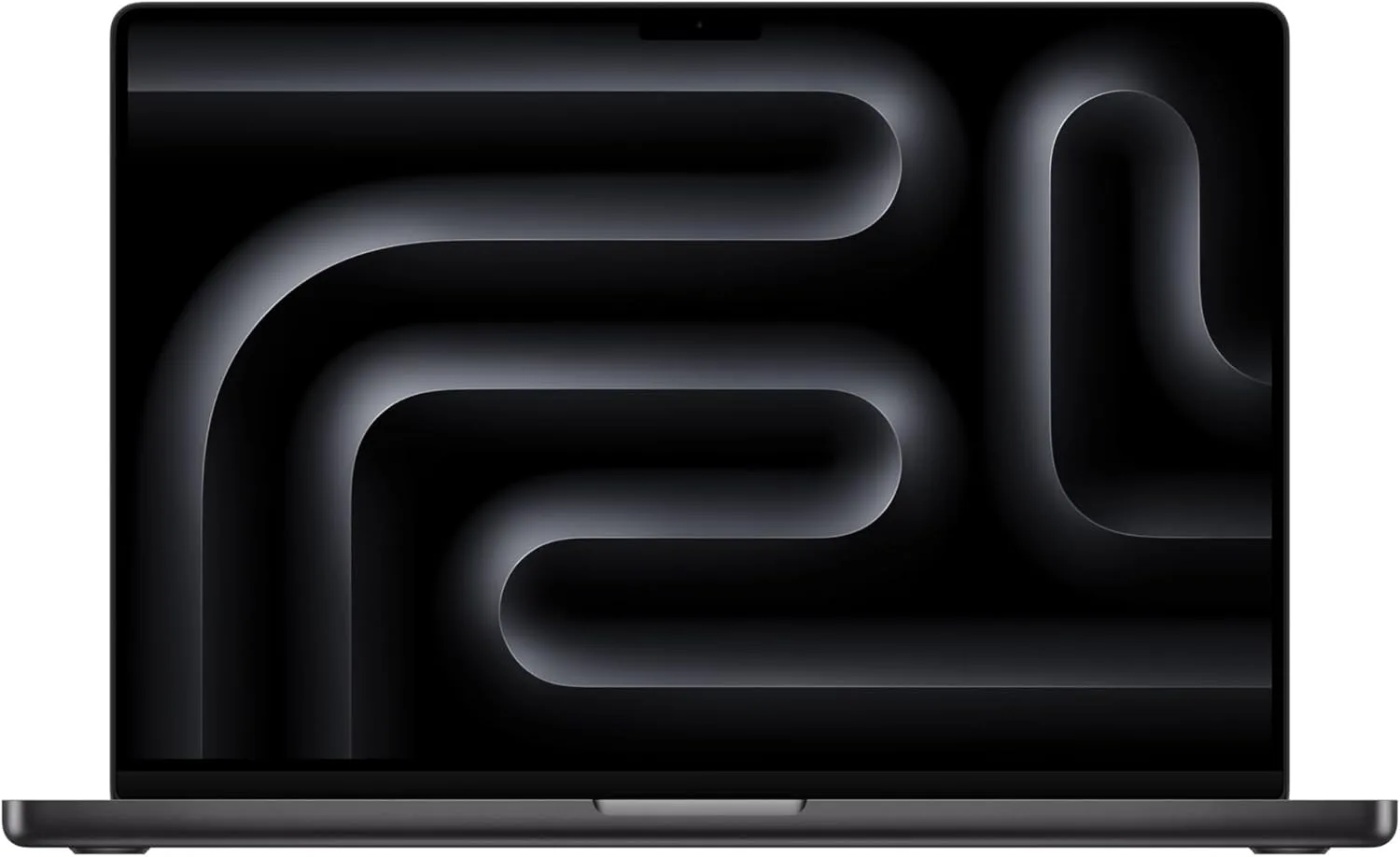
Genuinely worthwhile for mobile app developers running resource-heavy emulators (Android Studio's emulator is notoriously RAM-hungry), data scientists working with large datasets, or developers who simply want the strongest available configuration for maximum long-term headroom. A refurbished Apple silicon MacBook Pro is also genuinely worth considering here, given macOS's popularity among iOS developers specifically, who require a Mac to build for Apple's platform.
Comparison Table: Development Type vs Realistic Hardware Needs
| Development Type | Realistic RAM | Realistic Processor | Notes |
|---|---|---|---|
| Learning to code, basic coursework | 8GB | Core i5 | Genuinely manageable on entry-tier hardware |
| Web development (frontend/backend) | 16GB | Core i5/i7 | Local servers and browser tabs add up quickly |
| Mobile app development (Android Studio) | 16-32GB | Core i7 | Android emulator is genuinely RAM-intensive |
| Data science and machine learning | 16-32GB | Core i7/i9 | Large datasets and model training demand headroom |
| DevOps/backend with multiple containers | 32GB | Core i7/i9 | Running several services simultaneously is genuinely demanding |
| iOS development | 16GB+ (Mac required) | Apple silicon preferred | Xcode requires macOS specifically |
The Keyboard Question: Why It Matters More for Developers Than Almost Anyone Else
This is worth its own dedicated discussion, since it's a factor programmers specifically should weigh more heavily than most other professions covered across our buying guides. You will type — genuinely, continuously, for years — on this keyboard, and the cumulative comfort or discomfort compounds across a programming career in a way that's easy to underestimate when comparing laptops purely on processor and RAM specifications. This is precisely why our ThinkPad vs EliteBook comparison guide highlights the ThinkPad's widely-regarded keyboard reputation as a genuinely relevant factor for developers specifically — if you're searching for "best laptop keyboard for programmers Kenya" or "durable laptop for coding," the ThinkPad line deserves serious consideration on this basis alone, independent of raw specification comparisons.
Key travel and tactile feedback — how far a key depresses and how clearly it signals a registered keystroke — genuinely affects typing accuracy and comfort over long coding sessions, more than most buyers realise until they've spent a full day on a genuinely uncomfortable keyboard.
Case Studies: Real Kenyan Developers Choosing the Right Laptop
The Nairobi-based freelance web developer working on Upwork and similar platforms. Juggling multiple client projects simultaneously, often with different tech stacks and local development environments running side by side, this developer's search for "best laptop for freelance developers Kenya" or "laptop for web development Nairobi" should prioritise the 16GB RAM tier discussed throughout this guide. A Lenovo ThinkPad T490s handles this multi-client juggling comfortably while offering the keyboard comfort needed for long freelance working days.
The bootcamp graduate building a portfolio while job hunting. Fresh out of a coding bootcamp (increasingly common across Nairobi's tech training scene) and building portfolio projects while searching for their first developer role, this buyer typically works with a tighter budget but genuinely benefits from prioritising RAM over other specifications. An accessible HP EliteBook 840 G5/G6 with 16GB RAM, if available, offers a dependable, professional-looking laptop for both coding and job interviews.
The remote software engineer working for an international company from Kenya. Combining genuine development work with the video-call-heavy remote work considerations covered in our dedicated remote work guide, this profile needs both strong development specifications and dependable battery life. A Lenovo ThinkPad X1 Carbon balances both demands well, offering premium build quality alongside comfortable RAM headroom.
The university computer science student building course projects. Balancing academic coursework (often lighter, introductory programming assignments) with personal projects that grow more ambitious over time, this profile benefits from buying with some genuine headroom rather than the absolute minimum specification for first-year coursework alone, similar to the guidance in our CAD and engineering student guide. A Dell Latitude 5310 with 16GB RAM offers room to grow across a full degree programme.
The Kenyan startup founder building an MVP solo. Wearing multiple hats — coding, testing, presenting to investors, managing business admin — this profile benefits from a laptop that handles both genuine development work and professional client-facing presentation equally well. A Dell XPS 13 offers both the specification and the polished, professional appearance this dual role demands.
Setting Up a Genuine Development Environment on a Refurbished Laptop
Beyond the hardware specification itself, a few practical setup considerations genuinely matter for developers buying refurbished hardware specifically:
Confirm a genuine, licensed Windows installation before relying on the laptop for professional work, since some development tools and licensing terms may require a verified, legitimate operating system installation — reputable sellers like City Gadgets Kenya ensure this is confirmed before sale.
Check available storage headroom for development tool installations, since IDEs, SDKs, language runtimes, and dependency caches accumulate substantially over time — a 512GB SSD offers considerably more comfortable headroom than a 256GB configuration for developers specifically, given how quickly development tooling consumes storage compared to typical document-based work.
Test WiFi and Bluetooth compatibility if you rely on specific peripherals — external keyboards, mice, or development boards (Arduino, Raspberry Pi) that some developers use alongside their primary laptop — to confirm smooth compatibility before committing to daily reliance on the setup.
Battery Life Considerations for Developers Working From Cafés and Coworking Spaces
Given how common working from Nairobi's coworking spaces or cafés has become among Kenyan developers, particularly freelancers and remote workers, the same battery life considerations covered in our remote work guide apply directly here. Development work, especially running local servers, containers, or virtual machines, genuinely draws more power than lighter browsing or document work, meaning realistic battery life during active coding sessions will be shorter than manufacturer-advertised figures — worth factoring in in the same way covered in our remote work buying guide if you frequently work away from a reliable power source.
Operating System Considerations for Developers
Windows with WSL (Windows Subsystem for Linux) has genuinely narrowed the gap between Windows and Linux-native development environments, letting Windows-based developers run a genuine Linux environment alongside their standard Windows setup — a meaningful, relatively recent shift worth knowing about if you'd previously assumed Windows was a poor choice for serious backend or DevOps work.
macOS remains the required platform for iOS development specifically (Xcode doesn't run on Windows), making a MacBook a genuine, non-negotiable requirement if your work includes building for Apple's platforms, regardless of your feelings about the price premium discussed in our MacBook vs Windows comparison guide.
Linux distributions installed directly on a Windows-designed laptop are entirely viable for many developers, and business laptops (ThinkPad, EliteBook, Latitude) generally offer genuinely strong Linux compatibility given their standardised, widely-documented hardware — worth researching your specific model's Linux compatibility if this is your preferred development environment.
Multiple Monitors and External Display Considerations
Many developers genuinely benefit from pairing even a modest laptop with an external monitor at their primary workspace, since more visible screen real estate for code, documentation, and testing tools side by side reduces the friction of constant window-switching. When shopping for a development laptop, checking available video output (HDMI, USB-C with DisplayPort support) is worth confirming if you plan to use an external monitor regularly, particularly at a home office or coworking space setup in Nairobi or elsewhere in Kenya.
Recommended Models by Development Specialisation
Web Developers (Frontend and Backend)
Balancing browser-heavy frontend work with backend server and database work, this profile benefits from the 16GB RAM tier discussed throughout this guide. A Lenovo ThinkPad T490s offers genuinely comfortable performance alongside the keyboard comfort this role demands for extended daily coding sessions.
Mobile App Developers
Given Android Studio's notoriously heavy emulator demands, this profile genuinely benefits from as much RAM as budget allows. A Dell Latitude 7390 or ThinkPad X1 Carbon with 16GB or more RAM handles this demanding workload well; iOS developers should budget specifically for a Mac given Xcode's platform requirement.
Data Scientists and Machine Learning Engineers
Working with large datasets and computationally intensive model training, this profile benefits from maximum realistic RAM and a strong processor. A well-specified Dell XPS 13 with 32GB RAM, where available, or a workstation-class Dell Precision configuration, provides genuine headroom for this demanding work.
DevOps and Backend Engineers Running Multiple Services
Frequently running several containers, local databases, and services simultaneously to replicate production environments, this profile genuinely benefits from the 32GB RAM tier discussed above. A premium ThinkPad X1 Carbon configuration supports this demanding, multi-service workflow comfortably.
Full Comparison Table
| Model Family | Typical Budget Range | Best Suited For | Key Strength |
|---|---|---|---|
| Lenovo ThinkPad T-series (16GB) | KES 25,000–50,000 | General web/backend development | Best-in-class keyboard, dependable |
| Lenovo ThinkPad X1 Carbon | KES 42,000–90,000+ | Premium development, mobile app work | Strong RAM options, flagship keyboard |
| Dell Latitude 5000/7000-series | KES 25,000–65,000 | Business-focused development roles | Solid mid-tier to premium value |
| Dell XPS 13 | KES 47,000–122,000 | Data science, premium personal projects | Newest processor generations, high RAM ceilings |
| MacBook Pro/Air (Apple silicon) | KES 65,000–140,000+ | iOS development, cross-platform teams | Required for Xcode, strong efficiency |
Common Mistakes Developers Make When Buying a Laptop
Underestimating RAM needs because coursework or early projects felt manageable on 8GB. As your development work grows more complex — more services, more containers, heavier IDEs — 8GB that felt adequate early on will genuinely start to strain, making the 16GB recommendation throughout this guide worth prioritising even if your current projects seem modest.
Ignoring keyboard quality in favour of pure specification comparison. As covered above, this is a genuinely underrated factor specifically for developers given the sheer volume of daily typing involved.
Not considering whether iOS development requirements mandate a Mac. If your career path or current project involves building for Apple's platforms, this isn't a preference question — Xcode's macOS requirement makes this a genuine, non-negotiable specification consideration.
Buying based on gaming laptop marketing rather than genuine development-focused specification. While gaming laptops (like our MSI Stealth line) offer strong RAM and processing power, their design priorities (sustained graphics performance, often at the expense of battery life and portability) aren't always optimally matched to typical development workflows unless your work specifically involves GPU-accelerated tasks like machine learning model training.
Red Flags Specific to Buying a Development Laptop
Beyond general refurbished laptop red flags, a few matter specifically for developer-focused purchases:
Vague RAM specification without a specific figure. Given how central RAM is to genuine development performance, always confirm the exact capacity (8GB, 16GB, 32GB) rather than accepting "plenty of RAM" as a sufficient description.
No mention of storage type (SSD vs HDD). As emphasised throughout our guides, this distinction dramatically affects daily development workflow responsiveness — always confirm SSD specifically.
No opportunity to test the actual keyboard before buying, particularly for a significant purchase where keyboard comfort genuinely matters as much as raw specification for developers — a seller unwilling to let you type on the actual unit, or provide a clear video demonstration, deserves more scrutiny.
How to Test a Laptop's Development Readiness Before Buying
If you can test a unit before purchase, a few practical checks genuinely help:
- Open your actual IDE or code editor of choice (or ask the seller to demonstrate) and observe startup time and general responsiveness.
- Type a substantial paragraph of code or text to genuinely assess keyboard comfort, since this is a factor best judged by your own hands rather than relying solely on brand reputation.
- If possible, run a local development server or a Docker container to see how the laptop handles a realistic, if modest, simulation of your actual daily workload.
- Check available storage headroom by viewing current disk usage, confirming genuine free space for your development tools and projects rather than a nearly-full drive from the previous owner's use.
Frequently Asked Questions
Is 16GB RAM genuinely necessary for programming, or can I get by with 8GB? For learning to code or lighter coursework, 8GB is workable. For genuine professional development work — running local servers, multiple browser tabs, containers, or virtual machines — 16GB should be treated as the realistic minimum, with 32GB worth considering for heavier backend, DevOps, or data science work.
Do I need a laptop with dedicated graphics for programming? Generally no, unless your specific work involves machine learning model training, game development, or graphics-intensive application development, where dedicated graphics genuinely accelerates certain computational tasks.
Is a MacBook or Windows laptop better for software development in Kenya? Both are genuinely capable — Windows offers broader hardware choice and generally lower prices for equivalent specification in Kenya's refurbished market, while macOS is specifically required for iOS development and offers a Unix-based environment some developers prefer natively.
How important is the keyboard for a programming laptop? Genuinely more important than for most other professions covered in our buying guides, given the sheer volume of daily typing — this is precisely why ThinkPad's widely-regarded keyboard reputation is worth taking seriously as a real, practical factor rather than a minor preference.
Can I run Linux on a refurbished business laptop from Kenya's second-hand market? Generally yes — business laptops (ThinkPad, EliteBook, Latitude) typically offer strong Linux compatibility given their standardised, well-documented hardware, though it's worth researching your specific model before committing if Linux is your preferred development environment.
Is it worth buying a laptop with a larger screen specifically for coding? Genuinely helpful for seeing more code and documentation simultaneously, though pairing a more portable laptop with an external monitor at your primary workspace is a common, effective alternative if portability also matters to your workflow.
Does processor generation matter more than RAM for programming work? Both matter, but RAM tends to be the more common bottleneck for typical development workflows involving multiple simultaneous applications — a strong processor with insufficient RAM will still show noticeable slowdown when your total memory demand exceeds what's available.
Get the Right Development Laptop at City Gadgets Kenya
Every laptop at City Gadgets Kenya is fully tested and backed by a genuine 6-month warranty. Browse the full laptops category or message us directly on WhatsApp, and tell us what you're building — we'll help you find a configuration with genuinely enough RAM, processing power, and keyboard comfort for your real development workload.