
Best Laptops for NGO and Remote Field Work in Kenya 2026: A Complete Guide
Kenya hosts one of Africa's largest concentrations of international and local NGOs, development organisations, and humanitarian agencies, with staff regularly working from field locations across the country — from arid northern counties to rural community project sites — often under genuinely challenging conditions that a standard office laptop guide doesn't fully address. This guide walks through exactly what genuinely matters for NGO and field-based professionals, and which specific configurations at City Gadgets Kenya hold up under real field conditions.
Why Field Work Genuinely Demands Different Laptop Priorities
It's worth being explicit about how field-based NGO work differs from typical office-based professional use, since standard laptop buying advice often assumes reliable power, stable internet, and a controlled indoor environment that field work frequently doesn't offer.
Power access is often genuinely unreliable or entirely absent. Field locations, particularly in rural or remote parts of Kenya, may have limited or no grid electricity access, making genuine battery endurance and power efficiency a practical, sometimes mission-critical factor rather than a convenience.
Dust, heat, and physical conditions are genuinely harsher than a typical office environment. Vehicles travelling on unpaved roads, outdoor data collection, and exposure to dust and heat in the field place real physical stress on hardware that office-bound laptops rarely experience.
Internet connectivity ranges from limited to entirely absent in many field locations. Offline capability for data collection tools, and the ability to sync once connectivity is available, genuinely matters more for field-based NGO work than for almost any other profession covered across our buying guides.
Data collection and reporting software have specific, sometimes demanding requirements. Tools like KoBoToolbox, ODK (Open Data Kit), and various GIS or mapping software used in development and humanitarian work carry their own hardware considerations worth understanding specifically.
Security and data protection carry genuine, sometimes heightened stakes. Field data often includes sensitive information about vulnerable populations, program beneficiaries, or security-sensitive locations, making basic device security practices more than a routine consideration.
The Core Specification Priorities for NGO and Field Work
- Genuine battery endurance — the single most field-specific priority, given unreliable power access in many Kenyan field locations.
- Durability testing (military-grade preferred) — a laptop that survives dust, heat, and rough vehicle transport is genuinely essential rather than a nice-to-have.
- Reasonable weight and portability — field staff often carry equipment beyond just the laptop, making the lightweight considerations covered in our dedicated ultraportable guide genuinely relevant here too.
- Sufficient storage and RAM for data collection and reporting software — covered in more detail below.
- Security features — given the sensitivity of much field-collected data, discussed in more depth further in this guide.
Battery Life and Power Access: The Single Most Critical Field Work Factor
This deserves the most emphasis of any factor in this guide, since it's genuinely the difference between a laptop that supports field work effectively and one that becomes a liability in locations without reliable power access. Beyond simply choosing a laptop with strong advertised battery life, field-based NGO staff should consider:
Power bank and solar charging compatibility. Laptops with USB-C charging can often be charged from portable power banks or solar charging setups increasingly used by field teams operating in areas without grid electricity — worth confirming your laptop supports this charging method if working in genuinely off-grid locations.
Realistic battery degradation planning for refurbished units. As covered throughout our buying guides, refurbished laptop batteries carry more variability in remaining health than new units — for field work specifically, where battery reliability is mission-critical rather than a convenience, it's worth asking your seller directly and considering whether a battery replacement or backup power bank is a sensible additional investment.
Vehicle charging options for teams travelling by field vehicle. Many NGO field vehicles are equipped with inverters or USB charging ports — confirming your laptop's charging compatibility with available vehicle charging infrastructure is a practical, field-specific consideration worth thinking through before deployment.
Durability: Why Military-Grade Testing Genuinely Matters for Field Staff
As discussed throughout our other buying guides, Lenovo's ThinkPad line carries genuine MIL-STD-810G military-grade durability testing — certified resistance to drops, dust, vibration, humidity, and extreme temperatures. For NGO field staff specifically, this isn't an abstract engineering credential; it directly translates into practical resilience against the real conditions field work involves: dusty vehicle journeys on unpaved roads, exposure to Kenya's varied climate extremes (from coastal humidity to arid northern heat), and the general wear of frequent travel between field sites and base offices.
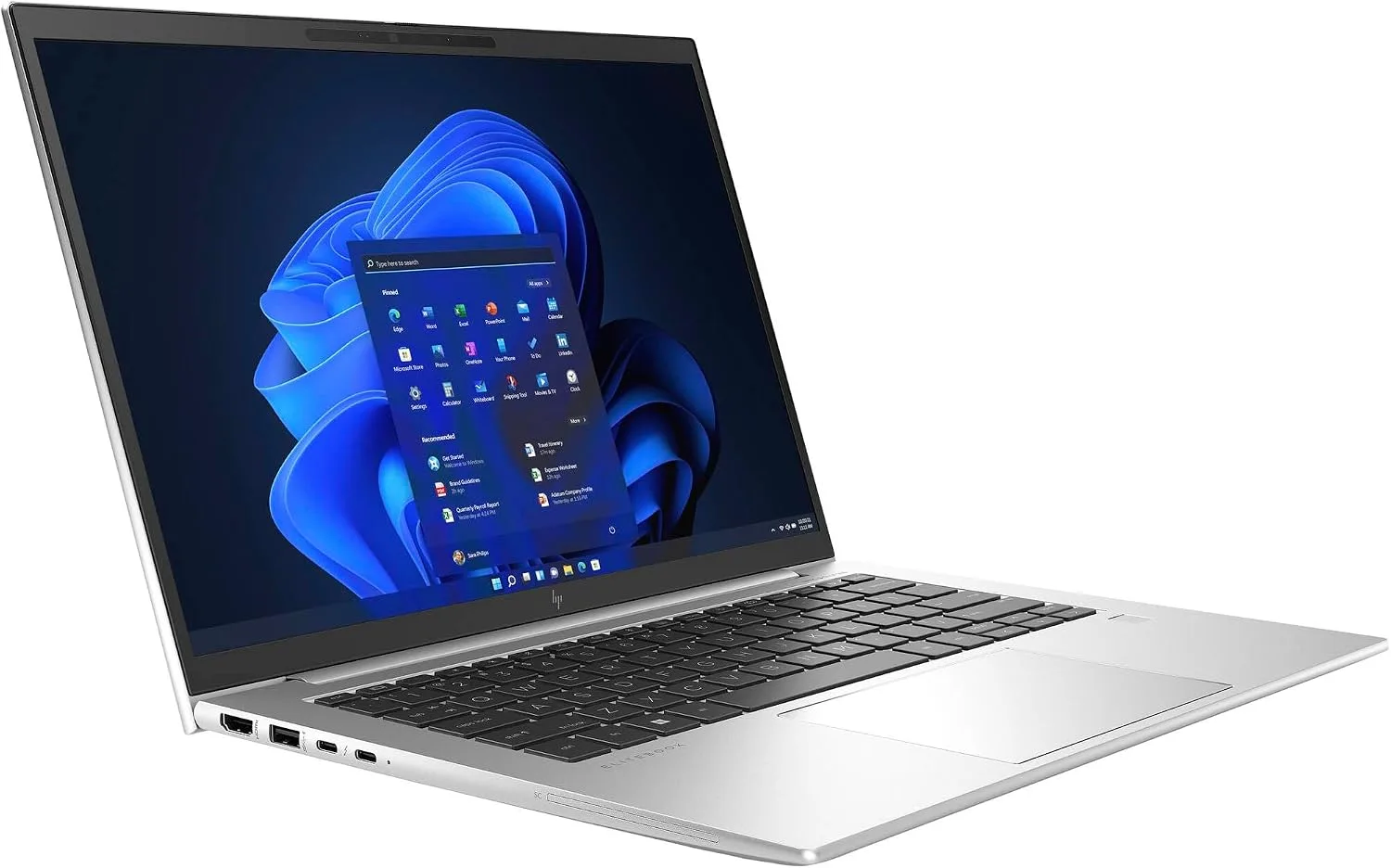
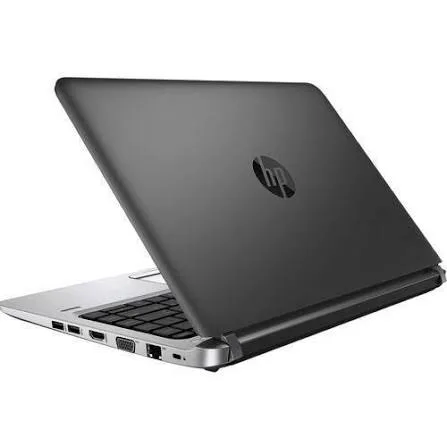
HP EliteBook and Dell Latitude business lines also offer genuinely robust construction, though ThinkPad's specific military-grade certification is worth prioritising if your field deployment involves genuinely harsh conditions rather than moderate office-adjacent field visits.
Data Collection Software: KoBoToolbox, ODK, and GIS Tools
Many Kenyan NGOs and development organisations rely on specific data collection platforms, and it's worth understanding their genuine hardware demands:
KoBoToolbox and ODK (Open Data Kit) are generally lightweight, browser or app-based tools primarily designed for mobile data collection, with the laptop typically used for form design, data review, and analysis rather than the primary collection device itself — genuinely modest hardware demands, comfortable on an 8GB RAM configuration.
GIS and mapping software (QGIS, ArcGIS) used in environmental, agricultural, or infrastructure-focused development work carries meaningfully heavier hardware demands, similar to the graphics and processing considerations covered in our CAD and engineering student guide — 16GB RAM and a dependable processor genuinely benefit this specific software category.
Statistical analysis software (SPSS, Stata, R) used for monitoring and evaluation (M&E) work follows similar guidance to our accountant buying guide's discussion of RAM-intensive spreadsheet and analysis work.
Budget Tier Breakdown for NGO and Field Work
Under KES 30,000: Genuinely Durable Field-Ready Basics
At this budget, prioritise genuine ThinkPad or EliteBook durability testing standards over raw processing power, since surviving field conditions matters more than marginal specification gains for most standard field data collection and reporting work.
Recommended: Lenovo ThinkPad T460/T470, leveraging genuine military-grade durability at an accessible price.
KES 30,000–50,000: Comfortable Field and Reporting Work
This range genuinely supports heavier data analysis, GIS work, and more demanding M&E reporting alongside dependable field durability.
Recommended: Lenovo ThinkPad T480/T490 with 16GB RAM configurations.
Above KES 50,000: Premium Configurations for Senior Field Staff and Technical Specialists
Genuinely worthwhile for GIS specialists, senior M&E officers, or country-level staff requiring both strong processing power and premium, durable construction for frequent field-to-office travel.
Recommended: Lenovo ThinkPad X1 Carbon, combining genuine lightweight portability (covered in our ultraportable guide) with flagship durability.
Comparison Table: Field Role vs Realistic Hardware Priorities
| Field Role | Primary Priority | Recommended Specification |
|---|---|---|
| Community mobiliser/field officer | Battery life, durability | Core i5, 8GB RAM, military-grade chassis |
| M&E (Monitoring and Evaluation) officer | RAM for data analysis | Core i5/i7, 16GB RAM |
| GIS/mapping specialist | Processing power for GIS software | Core i7, 16GB RAM |
| Programme manager (field-to-office travel) | Portability + durability balance | Core i7, lightweight premium chassis |
| Data enumerator/survey coordinator | Battery life, basic reliability | Core i5, 8GB RAM |
Case Studies: Real NGO and Field-Based Kenyan Professionals Choosing the Right Laptop
The community health worker coordinator based in a semi-arid northern county. Regularly travelling between remote community health posts with limited grid electricity access, this role genuinely depends on the battery endurance and durability priorities discussed throughout this guide. A Lenovo ThinkPad T460 with genuine military-grade durability testing handles dusty vehicle travel and unreliable power access dependably.
The M&E officer for an agricultural development programme. Balancing field data collection oversight with substantial data analysis and donor reporting requiring statistical software, this role sits at the more demanding end of the specification spectrum covered in this guide. A Lenovo ThinkPad T490 with 16GB RAM supports both the field durability and analytical processing this dual role requires.
The GIS specialist mapping infrastructure projects across multiple counties. Working extensively with QGIS or ArcGIS for infrastructure and environmental mapping work, this role's processing demands are genuinely closer to our CAD and engineering guide's guidance than typical field administrative work. A Lenovo ThinkPad X1 Carbon balances the processing power GIS software demands with the portability needed for frequent multi-county travel.
The programme manager splitting time between a Nairobi head office and rural project sites. Needing a laptop that performs well in both a standard office environment and genuinely challenging field conditions during site visits, this role benefits from the premium, durable-yet-portable configuration discussed in our higher budget tier. A ThinkPad X1 Carbon serves both environments without needing to maintain separate office and field devices.
The data enumerator working on a short-term survey contract. Often working with more constrained project budgets and a defined, shorter engagement period, this role is well-served by the accessible, durable entry-tier configurations discussed in this guide rather than needing premium specification for a limited-duration data collection assignment. A Lenovo ThinkPad T460/T470 offers genuine dependability at a project-budget-conscious price.
Working With Donor Reporting Requirements and Technology Procurement Policies
Many international NGOs and donor-funded programmes operating in Kenya have specific technology procurement policies or asset management requirements worth understanding before purchase. Some donor agreements specify minimum hardware standards, require asset tagging and tracking, or mandate specific security software installations for field devices handling programme data. It's worth confirming your organisation's specific procurement and IT policy requirements alongside the general hardware guidance in this guide, since compliance with donor requirements can be as practically important as the hardware specification itself for programme-funded laptop purchases.
Climate and Environmental Considerations Across Kenya's Diverse Field Regions
Kenya's genuinely diverse climate — from coastal humidity in Mombasa and the Coast region, to arid conditions in northern counties like Turkana and Marsabit, to cooler highland conditions in areas like the central and Rift Valley regions — means field laptop durability needs vary somewhat by deployment location. Coastal humidity can accelerate component wear over time if a laptop isn't well-sealed against moisture ingress, while arid, dusty northern regions place more emphasis on dust resistance during transport and use. Understanding your specific typical deployment region, alongside the general durability guidance throughout this guide, helps calibrate how much emphasis to place on the more rigorous end of business laptop durability testing standards.
Security Considerations for Sensitive Field Data
Given that NGO field work often involves genuinely sensitive information — beneficiary data, security-sensitive location information, or vulnerable population details — a few security practices deserve specific attention beyond standard business laptop security:
Full-disk encryption is worth enabling as standard practice, particularly for laptops that travel to field locations where physical loss or theft risk is genuinely higher than a controlled office environment.
Regular, disciplined backup to secure cloud storage protects against both hardware failure and the physical risks field deployment introduces — treat this as a genuine operational requirement rather than an optional best practice, particularly for irreplaceable field-collected data.
Physical security features like a Kensington lock slot are worth using when a laptop must be left briefly unattended in a shared field office or vehicle, a scenario field staff encounter more routinely than typical office workers.
Connectivity Solutions for Kenya's Field Locations
Given how variable internet connectivity is across Kenya's different regions, a few practical considerations complement your laptop choice:
Offline-first data collection tools (as discussed above with KoBoToolbox and ODK) allow field data collection to continue without live internet access, syncing once connectivity is available — worth confirming your specific organisation's tools support this offline capability if working in areas with limited connectivity.
Mobile data and portable WiFi routers remain the practical backbone of field connectivity across much of Kenya, worth budgeting for alongside your laptop purchase, similar to the connectivity redundancy discussion in our remote work buying guide.
Satellite connectivity options, while a more significant investment, are worth considering for organisations working in genuinely remote locations with no reliable mobile network coverage, though this extends beyond typical individual laptop-buying budget considerations into organisational infrastructure planning.
Common Mistakes NGO and Field Staff Make When Buying a Laptop
Prioritising processing power over durability and battery life for genuinely field-heavy roles. As emphasised throughout this guide, a powerful laptop that fails under dust or heat, or dies mid-day without power access, serves field work poorly regardless of its specification sheet.
Underestimating how differently refurbished battery health matters for field-critical work. Given how mission-critical reliable battery performance is for field deployment, this deserves more scrutiny than for a typical office-based purchase.
Not considering charging infrastructure compatibility with actual field conditions. As covered above, confirming USB-C or vehicle charging compatibility before deployment avoids discovering incompatibility once already in the field.
Frequently Asked Questions
Is ThinkPad genuinely the best choice for NGO field work in Kenya? Its military-grade durability testing standard makes it a genuinely strong choice for harsh field conditions specifically, though HP EliteBook and Dell Latitude business laptops are also robustly built and worth considering, particularly if budget or availability favours a specific brand.
How important is battery life compared to processing power for field-based NGO staff? Given the power access challenges common in Kenyan field locations, battery life and genuine efficiency should generally be prioritised above raw processing power for most field roles, except where specific software (GIS, statistical analysis) genuinely demands stronger processing capability.
Can data collection tools like KoBoToolbox run on a modest, budget-friendly laptop? Yes — these tools are generally lightweight in hardware demand, making them comfortable even on entry-tier configurations within this guide's accessible budget tier.
Is it worth buying a laptop with a solar charging accessory for field work? Worth considering for organisations or individual staff regularly working in genuinely off-grid locations — confirm your laptop's charging port (USB-C is generally most compatible with portable solar charging setups) before investing in this accessory.
Should NGOs bulk-purchase laptops for field teams from a single supplier? Often sensible for consistency in specification, support, and warranty management — many refurbished laptop sellers in Kenya, including City Gadgets Kenya, can discuss bulk arrangements for organisations equipping multiple field staff members.
Is a refurbished laptop genuinely reliable enough for critical field data collection work? Yes, when bought from a seller who tests units thoroughly and offers a genuine warranty — the same business-grade durability standards discussed throughout our buying guides apply directly to the reliability field-critical work demands.
Does Kenya's climate variability genuinely affect which laptop specification I should choose? To some degree, yes — as discussed above, coastal humidity, arid dust conditions, and highland climates each place somewhat different practical stresses on hardware, worth factoring in alongside the general durability guidance throughout this guide based on your specific typical deployment region.
Should NGO field laptops have asset tags or tracking software installed? Many organisations require this as part of standard asset management policy — worth confirming your specific organisation's requirements, since this is typically an IT policy consideration layered on top of, rather than a replacement for, the hardware specification guidance in this guide.
Is it worth carrying a spare battery or power bank specifically for laptop use in the field? Genuinely worthwhile for any role involving extended time in locations without reliable grid power access — a portable power bank capable of laptop charging via USB-C is a relatively low-cost addition that meaningfully reduces the risk of losing productive field time to a depleted battery.
Get the Right Field-Ready Laptop at City Gadgets Kenya
Every laptop at City Gadgets Kenya is fully tested and backed by a genuine 6-month warranty. Browse the full laptops category or message us directly on WhatsApp, and tell us about your field deployment conditions and typical software needs — we'll help you find a configuration that genuinely holds up in the field.