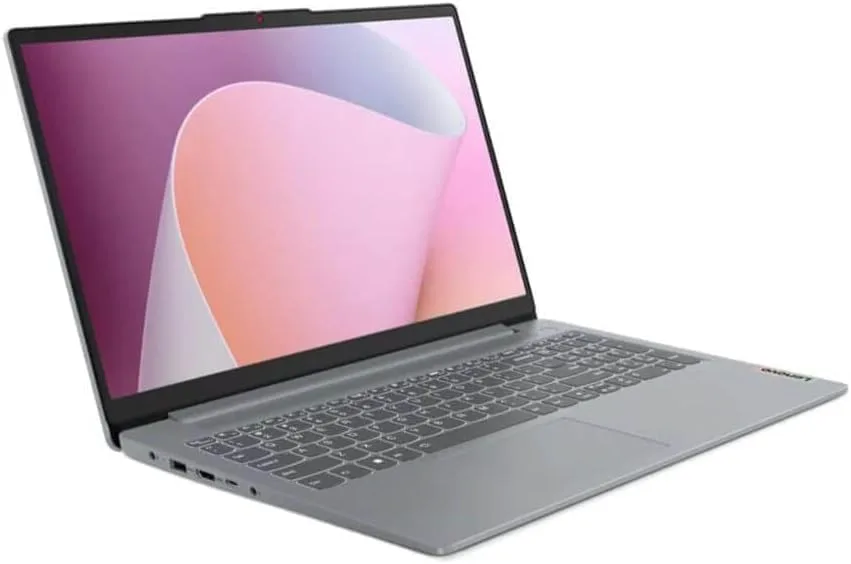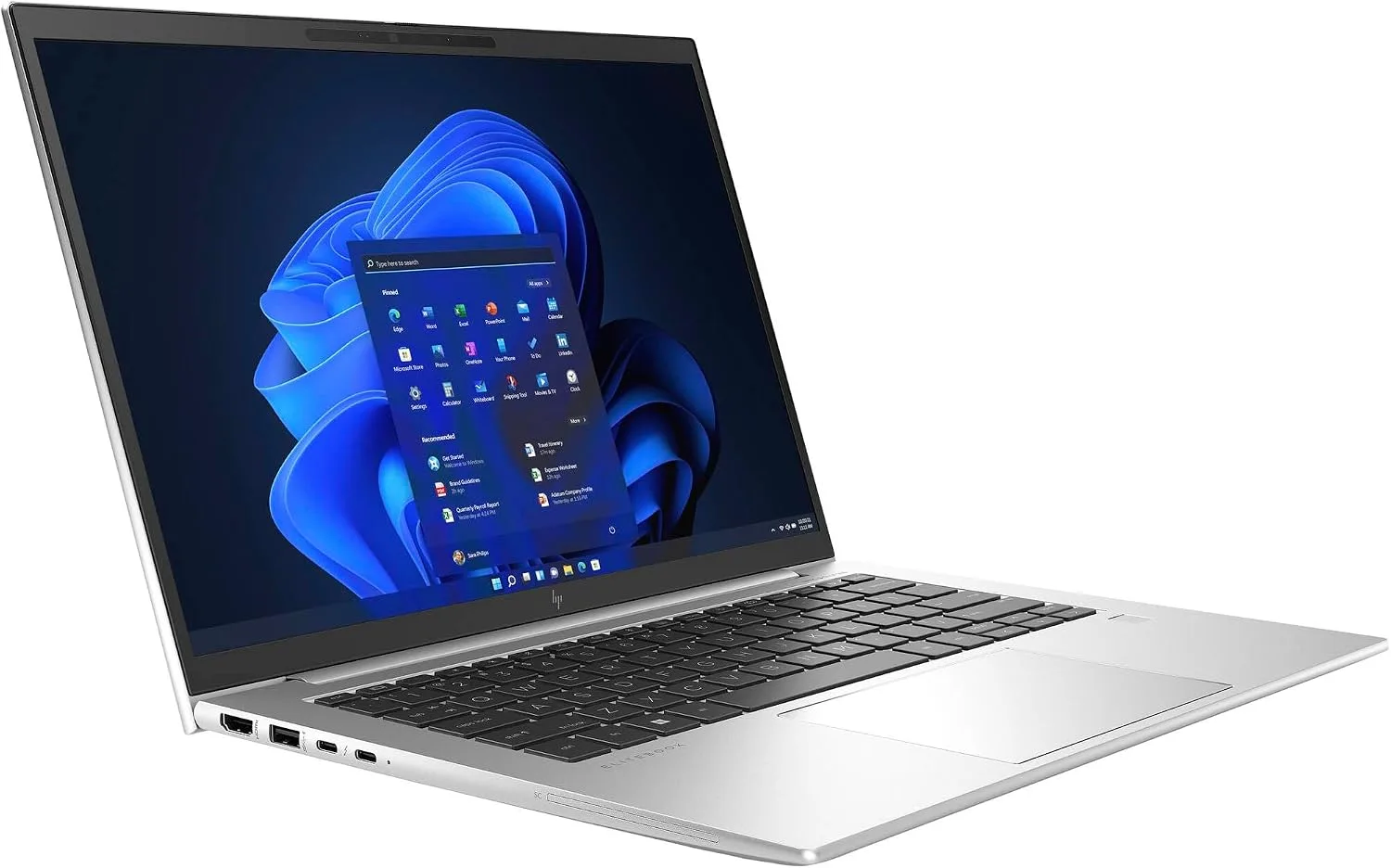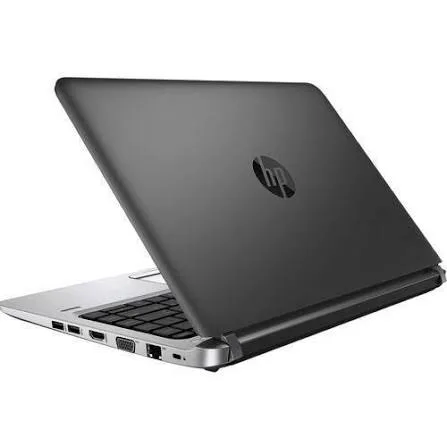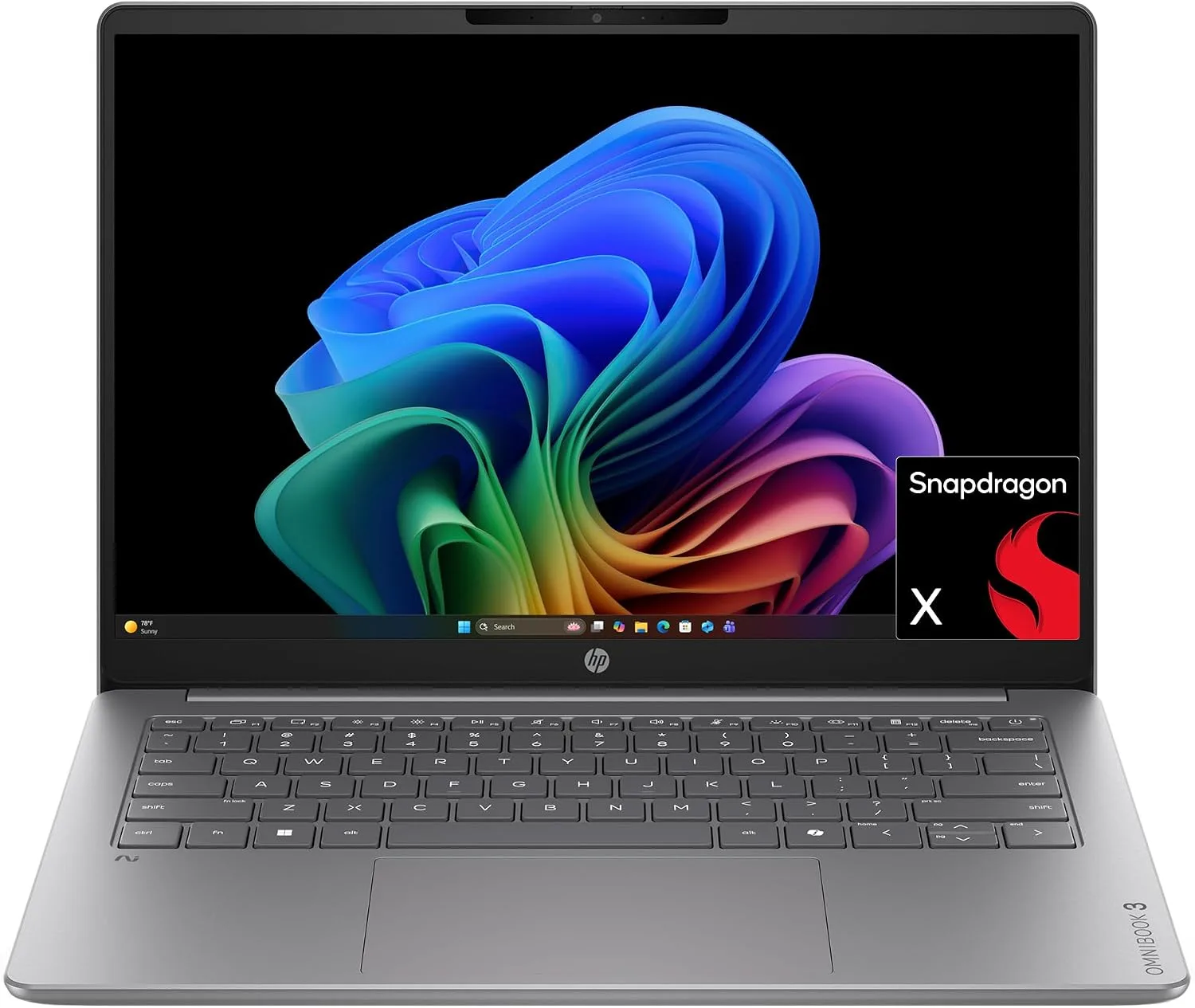
Law school in Kenya — whether at the University of Nairobi, Kenyatta University, Strathmore, Moi University, or any of the country's growing number of law programmes — is genuinely one of the most reading-intensive, document-heavy academic paths a student can pursue. This creates a distinct laptop-buying profile that differs meaningfully from the general student advice covered in our broader student buying guide. This guide walks through exactly what genuinely matters for Kenyan law students specifically, with real configurations available at City Gadgets Kenya.
Why Law School Genuinely Demands a Different Laptop Priority Than Other Courses
As detailed in our student buying guide, Business, Law, and Arts students share broadly similar hardware needs compared to Engineering or Design students. Within Law specifically, though, a few genuinely distinct patterns are worth understanding:
Extensive PDF reading and annotation is the defining daily activity. Case law, statutes, textbooks, and lecture materials in Kenyan law programmes are overwhelmingly consumed as PDF documents, often hundreds of pages at a time, making comfortable reading experience and reliable annotation capability genuinely central to daily coursework in a way that's less pronounced in other disciplines.
Moot court and legal research require genuine multitasking between multiple open documents simultaneously. Cross-referencing case law, statutes, and your own argument notes side by side is a common law school workflow, benefiting from either a larger screen or comfortable window-management alongside sufficient RAM.
Long-form essay and legal writing is central, making keyboard comfort — as emphasised throughout our developers and accountants buying guides for other typing-heavy professions — a genuinely relevant consideration for the substantial written output law coursework demands.
Battery life matters for genuinely long library and lecture days, often without predictable access to charging between back-to-back classes and research sessions.
The Core Specification Priorities for Law Students
- A comfortable, sharp display for extensive reading — genuinely more important for law students than for most other courses covered in our student buying guide.
- 8GB RAM as a comfortable baseline, with attention to how many documents you typically keep open simultaneously during research and moot preparation.
- A dependable keyboard for the substantial essay and legal writing law coursework demands.
- Reliable battery life for long, unpredictable library and lecture days.
- Touch input or a stylus-friendly configuration, genuinely useful for PDF annotation of case law and statutes, worth considering alongside our dedicated touchscreen laptop buying guide.
Budget Tier Breakdown for Law Students
Under KES 25,000: Genuine Reading and Writing Essentials
At this budget, a dependable Core i5 laptop with 8GB RAM and an SSD handles PDF-heavy reading, legal research, and essay writing comfortably.
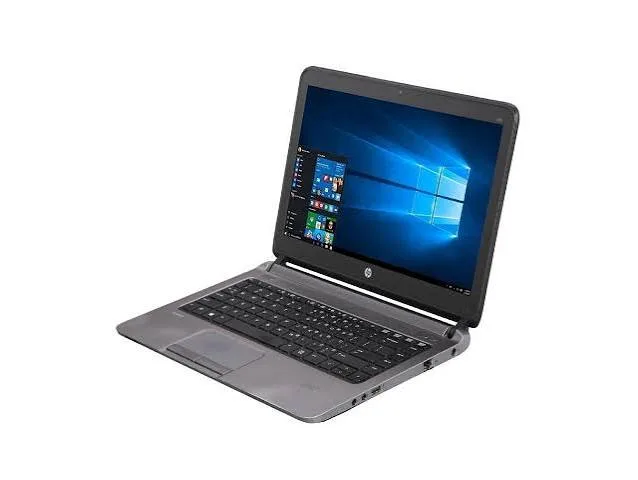
Recommended: HP EliteBook 830/840 or Lenovo ThinkPad X250/X260, both offering comfortable typing experiences for extensive legal writing.
KES 25,000–40,000: Comfortable Multitasking for Research and Moot Preparation
This range genuinely supports keeping multiple case law documents, statutes, and your own notes open simultaneously without the slowdown that frustrates focused legal research.
Recommended: Dell Latitude 5300/7390 or Lenovo ThinkPad T480s with 16GB RAM where available.
Above KES 40,000: Premium Configurations With Touch Annotation
Genuinely worthwhile if you specifically want touch-based PDF annotation for case law markup, similar to the annotation use case discussed in our dedicated touchscreen laptop buying guide.
Recommended: Dell Latitude 7390/7490 touch configurations or HP EliteBook X360.
Comparison Table: Law School Activity vs Recommended Specification
| Activity | Priority | Recommended Feature |
|---|---|---|
| Reading case law and statutes (PDF-heavy) | Display comfort, annotation | Sharp display, touchscreen optional |
| Moot court preparation | Multitasking across documents | 8-16GB RAM |
| Legal writing and essays | Keyboard comfort | ThinkPad or EliteBook keyboard quality |
| Long library/lecture days | Battery endurance | Business-grade battery life |
| Legal research databases (browser-based) | Reliable browsing | Standard business specification |
Building a Genuine Legal Research and Study Workflow
Beyond the laptop itself, a few complementary tools and habits genuinely enhance a Kenyan law student's study effectiveness, similar to the accessory guidance throughout our other buying guides:
A reliable cloud storage and backup habit matters enormously given how much time investment goes into case briefs, moot court preparation notes, and research project drafts — losing this work to a hardware failure without backup is a genuinely avoidable, costly setback during an already demanding academic path.
PDF annotation software choice matters as much as hardware. Beyond the built-in tools most operating systems offer, dedicated PDF annotation applications (some free, some subscription-based) often provide more sophisticated highlighting, tagging, and cross-referencing capability specifically useful for organising extensive case law libraries across a multi-year law programme.
An external mouse for extended research sessions reduces the physical fatigue of hours spent scrolling and selecting text across lengthy documents, similar to the ergonomic guidance in our accountants' buying guide.
A comfortable laptop stand or riser for long library study sessions helps maintain better posture during the extended reading periods law school genuinely demands, a small but meaningful comfort investment for a multi-year academic commitment.
Balancing Budget Constraints With Genuine Multi-Year Reliability
Given that a Kenyan law degree typically spans four years (or longer for combined programmes), it's worth applying the same reasoning covered in our university freshers buying guide specifically to law students: a laptop bought thoughtfully at the start of the programme, matched to law school's genuine reading and writing-heavy demands rather than a generic "any laptop will do" assumption, serves far better across the full degree than a hastily chosen budget option that shows strain by the demanding final years of legal research and thesis writing.
PDF Annotation Tools and Touch Input for Case Law Review
It's worth explaining this specifically, since it's a genuinely distinct workflow benefit for law students compared to most other courses covered in our buying guides. Highlighting key passages, underlining holdings, and adding margin notes directly on case law PDFs is a core Kenyan law school study technique, and touch input — as detailed in our dedicated touchscreen laptop buying guide — genuinely speeds up this specific annotation workflow compared to relying purely on trackpad-based highlighting tools. This doesn't require a full convertible (covered in our separate convertible laptop guide) — a fixed-form touchscreen laptop, at a typically lower price than a convertible, delivers this annotation convenience without needing tablet or tent mode functionality most law students won't otherwise use.
Legal Research Databases and Their Hardware Demands
Kenyan law students regularly use online legal research databases (Kenya Law's own portal, alongside international databases many university libraries provide access to) — these are genuinely lightweight, browser-based platforms similar to the KRA iTax discussion in our accountants' buying guide, placing modest demands on hardware beyond a stable internet connection and an updated browser.
Case Studies: Real Kenyan Law Students Choosing the Right Laptop
The first-year law student adjusting to the reading volume. Encountering the genuinely substantial PDF reading load of first-year coursework for the first time, this student benefits from prioritising display comfort and comfortable reading experience over raw processing power. A HP EliteBook 840 with a sharp display supports the extensive reading this year demands.
The student preparing for moot court competition. Cross-referencing case law, statutes, and argument notes simultaneously during intensive moot preparation, this student genuinely benefits from the 16GB RAM tier discussed throughout this guide. A Lenovo ThinkPad T480s handles this demanding multi-document workflow comfortably.
The final-year student writing an extensive research project or thesis. Combining substantial legal writing with extensive research across many sources, this student benefits from the keyboard comfort emphasised throughout this guide, given the sheer volume of writing a final-year legal research project demands. A Lenovo ThinkPad X1 Carbon, if budget allows, rewards the hours of typing with genuine comfort.
The student who prefers annotating case law directly with a stylus. Wanting a more natural, handwriting-like annotation experience for case law markup rather than relying solely on typed notes, this student benefits from the touchscreen and pen support discussed in our convertible laptop buying guide. A HP EliteBook X360 with pen support offers this workflow.
Common Mistakes Law Students Make When Buying a Laptop
Prioritising processing power over display quality and reading comfort. As emphasised throughout this guide, law school's genuine hardware demand centres on reading and writing comfort more than raw computational power — a mistake many students carry over from generic laptop-buying advice not specific to legal study.
Underestimating how many documents get opened simultaneously during moot preparation and research. As detailed above, this specific workflow benefits meaningfully from the 16GB RAM tier discussed in our dedicated RAM buying guide.
Overlooking keyboard comfort for a discipline involving substantial essay and legal writing output. As covered throughout our developers and accountants buying guides for other writing-heavy work, this deserves the same serious consideration for law students specifically.
Frequently Asked Questions
Is a touchscreen laptop genuinely worth it for law students specifically? Genuinely useful for case law annotation and highlighting, as detailed throughout this guide, though not essential — many law students work comfortably with typed notes and standard non-touch laptops instead.
How much RAM do law students genuinely need? 8GB comfortably handles most standard coursework; 16GB is worth prioritising if you regularly work with multiple case law documents and research sources open simultaneously, particularly during moot court preparation.
Is battery life more important for law students than other courses? Genuinely important given the long library and lecture days typical of Kenyan law programmes, similar to the mobility considerations covered in our university freshers buying guide.
Can I use a MacBook for law school in Kenya? Yes — most legal research databases and PDF reading/annotation tools work well on macOS, though confirm any specific software your law school mandates is Mac-compatible, similar to the software compatibility guidance in our MacBook vs Windows comparison guide.
Is it worth buying a laptop with a larger screen for law school reading? Genuinely helpful for extended reading comfort, though a 13-14 inch laptop paired with good PDF reading software remains entirely workable if portability matters more to your specific daily routine between classes.
Get the Right Law School Laptop at City Gadgets Kenya
Every laptop at City Gadgets Kenya is fully tested and backed by a genuine 6-month warranty. Browse the full laptops category or message us directly on WhatsApp, and we'll help you find a laptop genuinely suited to law school's reading and writing-heavy demands.