Best Laptops for Content Creators in Kenya 2026: A Complete Guide
Kenya's content creator economy has grown into a genuine career path — from YouTube channels covering everything from tech reviews to comedy skits, to TikTok and Instagram creators building substantial followings, to bloggers and podcasters building audiences across multiple platforms simultaneously. Each of these paths places genuinely different demands on a laptop, and this guide walks through exactly what matters for Kenyan content creators specifically, with real configurations available at City Gadgets Kenya.
Why Content Creation Doesn't Have One Single Hardware Answer
It's worth being upfront about this, since "best laptop for content creators" genuinely means different things depending on what kind of content you make. A blogger writing text-based content has dramatically lighter hardware needs than a YouTuber editing 4K video, who in turn has different needs than a live streamer needing genuinely strong sustained performance during broadcasts. This guide breaks down these distinct paths rather than offering one generic recommendation.
Text-Based Content Creators: Bloggers and Newsletter Writers
If your content is primarily written — blog posts, newsletters, or long-form social media captions and threads — your hardware needs are genuinely the lightest category covered in this guide. A dependable Core i5 processor, 8GB RAM, and an SSD handle this workload comfortably, with the main priorities being a comfortable keyboard for extended writing sessions and dependable battery life for writing on the go.
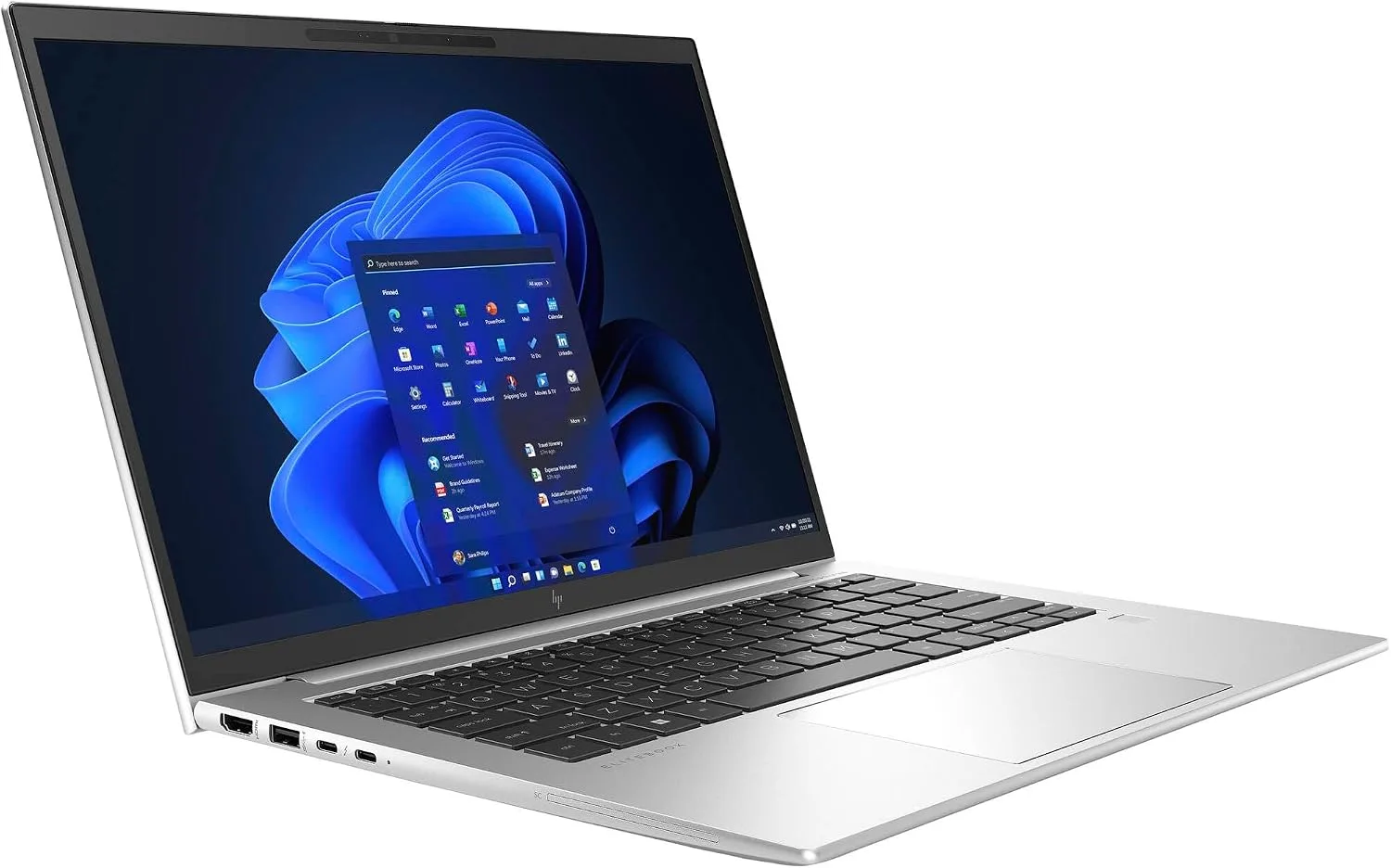
Recommended: HP EliteBook 830 or Dell Latitude 5300 configurations, both offering the comfortable typing experience extended writing genuinely benefits from.
Photo-Based Content Creators: Instagram and Photography-Focused Creators
If your content leans heavily on photo editing — Instagram, photography portfolios, or visual blogging — you genuinely benefit from the dedicated graphics and colour accuracy considerations covered in more depth in our dedicated graphic design buying guide, though typically at a lighter tier than serious professional design work demands.
Recommended: HP Spectre X360 with dedicated NVIDIA graphics offers a genuinely capable balance of photo editing performance and everyday versatility.
Video-Based Content Creators: YouTube and Long-Form Video
This is genuinely the most hardware-demanding category of content creation, and the detailed technical explanations in our dedicated video editing buying guide apply directly here — dedicated graphics, generous RAM (16GB minimum, 32GB preferred for serious 4K work), and fast storage all matter substantially for smooth editing and reasonable export times.
Recommended: MSI GS65/GS66 Stealth configurations or a Dell Precision 5540/5550 with dedicated graphics, matching the depth of recommendations in our video editing guide.
Short-Form Content Creators: TikTok and Instagram Reels
Short-form video content — TikTok, Instagram Reels, YouTube Shorts — is genuinely lighter on editing demands than long-form YouTube content, since clips are shorter and often edited using simpler cuts, text overlays, and trending audio rather than complex multi-layer effects. This means the hardware bar is genuinely more accessible than full YouTube production, though dedicated graphics still meaningfully improve responsiveness for effects and transitions.
Recommended: HP Spectre X360 or an entry-tier MSI GS65 Stealth configuration offers genuinely capable short-form editing performance without needing the heaviest available specification tier.
Podcasters and Audio-Focused Creators
Audio editing is genuinely one of the lightest content creation categories in terms of raw processing demand, though it benefits from a few specific, often overlooked considerations. Storage capacity matters more than raw processing power, since raw audio recordings — particularly multi-track recordings with several microphones — accumulate substantial file sizes over a podcast's run. A genuine 3.5mm audio input or reliable USB port compatibility for audio interfaces is worth confirming if you record directly into your laptop rather than through separate recording equipment.
Recommended: A dependable HP EliteBook 840 or Lenovo ThinkPad T480 with 16GB RAM and generous storage (512GB or more) handles podcast editing software (Audacity, Adobe Audition, Descript) comfortably.
Live Streamers: A Genuinely Distinct Hardware Category
Live streaming — increasingly popular among Kenyan gaming and lifestyle content creators — places genuinely unique demands on hardware, since it requires simultaneously running the content you're streaming (a game, a presentation, screen-shared content), streaming software (OBS or similar) encoding and uploading video in real time, and often a webcam overlay and chat monitoring, all without dropping frames or introducing lag. This combination genuinely benefits from the strongest realistic processor and dedicated graphics configuration within your budget, since encoding video in real time while running other demanding software simultaneously is a genuinely heavier sustained load than standard video editing alone.
Recommended: A MSI GS66 Stealth with strong dedicated graphics handles the simultaneous demands of live streaming meaningfully better than standard business or entry-tier creative laptops.
Comparison Table: Content Type vs Realistic Hardware Needs
| Content Type | Realistic RAM | Graphics Need | Realistic Processor | Notes |
|---|---|---|---|---|
| Blogging, newsletters, text content | 8GB | Integrated is fine | Core i5 | Genuinely lightest category |
| Instagram/photography editing | 8-16GB | Dedicated recommended | Core i5/i7 | Similar to lighter graphic design work |
| Short-form video (TikTok, Reels) | 16GB | Dedicated recommended | Core i7 | Lighter than full YouTube production |
| Long-form YouTube video editing | 16-32GB | Dedicated, 4-8GB VRAM | Core i7/i9 | Treat as full video editing workload |
| Podcasting/audio editing | 16GB | Integrated adequate | Core i5/i7 | Storage capacity matters more than graphics |
| Live streaming | 16-32GB | Strong dedicated graphics | Core i7/i9 | Simultaneous encoding + content is demanding |
Building a Content Creation Setup Beyond Just the Laptop
For Kenyan content creators serious about growing their channel or platform presence, a few complementary considerations genuinely matter alongside the laptop itself:
Internet connectivity and upload speed genuinely affect a creator's workflow more than for almost any other profession covered across our buying guides, given how frequently large video files need uploading to YouTube, cloud storage, or client delivery platforms. As covered in our remote work guide, considering a backup connectivity option is worth the modest cost if your income depends on reliably publishing content on schedule.
External storage for raw footage archives becomes genuinely necessary faster for content creators than most other laptop buyers, given how quickly video and photo libraries accumulate across an active content creation schedule — the storage strategy guidance in our video editing buying guide applies directly here.
A decent external microphone, even for creators who don't consider themselves "podcasters," genuinely improves content quality more cost-effectively than most laptop upgrades — viewers and listeners are often more forgiving of modest video quality than of poor audio, making this a worthwhile early investment for any serious Kenyan content creator.
Case Studies: Real Kenyan Content Creators Choosing the Right Laptop
The Nairobi-based tech reviewer building a YouTube channel. Producing regular long-form review videos with screen recordings, b-roll footage, and moderate colour grading, this creator's search for "best laptop for YouTube Kenya" or "video editing laptop Nairobi" should prioritise the dedicated graphics and 16GB+ RAM tier discussed throughout this guide. A MSI GS65 Stealth handles this workload comfortably while remaining more affordable than flagship workstation alternatives.
The lifestyle and fashion Instagram creator. Focused primarily on photo editing, carousel posts, and occasional short Reels content, this creator benefits from a lighter dedicated-graphics configuration than a full video-focused YouTuber needs. A HP Spectre X360 balances photo editing capability with the touchscreen convenience useful for content planning and Instagram Stories creation.
The comedy skit creator producing daily TikTok and Reels content. Working with a high content volume but relatively simple, fast-turnaround editing (cuts, captions, trending audio), this creator benefits from prioritising fast storage and reliable everyday performance over the heaviest available graphics tier, since daily output volume matters more than per-video polish for this content style. An accessible HP Spectre X360 entry configuration suits this high-frequency, lower-complexity workflow well.
The finance or business education podcaster and newsletter writer. Combining long-form written content with a weekly podcast, this creator's hardware needs sit at the lighter end of the spectrum covered in this guide, benefiting more from comfortable typing and generous storage for audio files than from dedicated graphics. A Lenovo ThinkPad T480 serves this dual writing-and-audio workflow dependably.
The gaming content creator building a live streaming presence. Streaming gameplay with real-time commentary and chat interaction, this creator faces the genuinely demanding simultaneous-processing requirements covered in the live streaming section above. A MSI GS66 Stealth with strong sustained graphics performance handles the combined load of gaming, encoding, and streaming software without the frame drops or lag that would undermine a live broadcast.
Monetisation Platforms and Their Practical Hardware Implications
Different content monetisation paths common among Kenyan creators carry some practical hardware implications worth understanding. Creators focused on YouTube ad revenue and sponsorships typically need to maintain a consistent, professional-quality upload schedule, making reliable export speed (covered in our video editing guide) a genuine, ongoing business factor rather than a one-off consideration. Creators building income through brand partnerships and sponsored content across Instagram and TikTok often need to turn around content quickly to meet brand deadlines, making the storage and processing reliability discussed throughout this guide directly tied to income reliability. Creators monetising through Patreon-style direct audience support or online courses often produce more varied content types (tutorials, behind-the-scenes, written guides) benefiting from the more balanced, moderate-specification laptops recommended for creators without one dominant content format.
Balancing Content Creation With a Day Job or Studies
Many Kenyan content creators build their channels or platforms alongside a full-time job, business, or studies rather than as a sole full-time pursuit. If this describes your situation, it's worth choosing a laptop that genuinely serves both your content creation needs and your primary daytime work or coursework, rather than buying two separate devices unnecessarily. A well-specified HP Spectre X360 or Dell XPS 13, for example, handles both everyday business or coursework tasks and moderate content editing well, avoiding the cost of maintaining two separate machines for what is, for many creators, still a part-time or growing pursuit.
Common Mistakes Content Creators Make When Buying a Laptop
Buying a standard business laptop for genuinely demanding video editing work, then discovering export times are frustratingly slow. As covered throughout this guide and our dedicated video editing guide, dedicated graphics genuinely matter for anything beyond the lightest content editing.
Underestimating storage needs as content libraries grow. Raw footage, project files, and exported deliverables accumulate faster than most new creators expect — plan for this growth rather than buying only for your current, early-stage content volume.
Overlooking audio quality considerations in favour of purely visual specifications. As mentioned above, audio quality often matters more to audience retention than visual polish, making microphone quality and compatible ports worth checking alongside laptop specification.
Not considering upload and storage workflow as part of the total content creation setup. A laptop alone doesn't solve slow uploads or storage bottlenecks — as covered above, these are genuine, separate considerations worth planning for alongside your hardware purchase.
Red Flags Specific to Buying a Content Creation Laptop
Beyond the general refurbished laptop red flags covered throughout our buying guides, a few matter specifically for content creator purchases:
No clarity on dedicated graphics specification for video-focused purchases. As with our video editing guide, always confirm exact GPU model and VRAM rather than accepting a vague "good for video" description from a seller.
No mention of storage capacity relative to your realistic content volume. Given how quickly footage and project files accumulate for active creators, confirm the seller understands and can speak to whether the storage tier genuinely fits an active daily or weekly content production schedule.
Overselling a standard business laptop as "great for content creation" without dedicated graphics. As covered throughout this guide, only text, audio, and the very lightest photo-editing content creation genuinely suits standard business laptop specifications — video-focused creators should be wary of this common overselling pattern.
Frequently Asked Questions
What's the single most important laptop specification for content creators? It depends entirely on your content type, as detailed throughout this guide — text and audio creators should prioritise comfortable keyboards and storage capacity, while video creators should prioritise dedicated graphics and generous RAM above almost everything else.
Do I need a gaming laptop specifically for content creation? Gaming-class laptops (like our MSI Stealth line) genuinely suit demanding video editing and live streaming well, given their strong sustained graphics performance, though lighter content creation (blogging, podcasting, short-form video) doesn't require this specification tier.
Is a MacBook or Windows laptop better for content creation in Kenya? Both are genuinely capable, as covered in more depth in our MacBook vs Windows comparison guide — MacBooks offer strong efficiency and are popular among video editors specifically, while Windows laptops (particularly gaming and workstation-class configurations) offer broader, often more affordable dedicated graphics options in Kenya's refurbished market.
How much should I budget for a content creator's laptop in Kenya? This varies enormously by content type — a blogger or podcaster can be well-served from around KES 30,000-40,000, while serious YouTube video editors or live streamers should budget KES 80,000 or more for genuinely capable dedicated graphics performance.
Is it worth buying a laptop with a touchscreen for content creation? Genuinely useful for photo editing, annotation, and some content planning tasks, though not essential for most content creation workflows — weigh this against the other specifications covered throughout this guide based on your specific content type.
Can I start content creation on a standard business laptop and upgrade later? Yes — this is a genuinely sensible approach for creators just starting out with text, audio, or lighter photo-based content, upgrading to a dedicated-graphics configuration once your content shifts toward more demanding video editing or your channel's growth justifies the investment.
What's the realistic lifespan of a laptop used for active content creation? Similar to the video editing guide's guidance — a well-specified, business or workstation-grade laptop can realistically serve 3-5 years of active content creation, though genuinely demanding video creators may want to reassess hardware needs as content resolution and complexity expectations rise over time.
Should I buy separate laptops for editing and everyday use, or one laptop for everything? For most Kenyan creators, particularly those balancing content creation with a day job or studies, one well-specified laptop covering both needs is more practical and cost-effective than maintaining two separate devices, unless your content volume and revenue genuinely justify a dedicated, higher-tier editing machine.
Does screen brightness matter for content creators who film and review footage outdoors? Genuinely useful if you regularly review footage or edit in bright outdoor conditions — worth checking a laptop's brightness specification if this matches your typical working environment, though most indoor-based creators won't find this a major limiting factor.
Is it worth learning basic video compression settings to reduce hardware strain? Yes, genuinely — working with slightly lower-resolution proxy files during editing (a common professional technique) and only rendering full resolution for final export can meaningfully ease the burden on more modest hardware, worth researching alongside your hardware purchase if budget constraints mean a lighter specification.
Get the Right Content Creation Laptop at City Gadgets Kenya
Every laptop at City Gadgets Kenya is fully tested and backed by a genuine 6-month warranty. Browse the full laptops category or message us directly on WhatsApp, and tell us what kind of content you create — we'll help you find a configuration with genuinely enough power for your specific platform and content type.