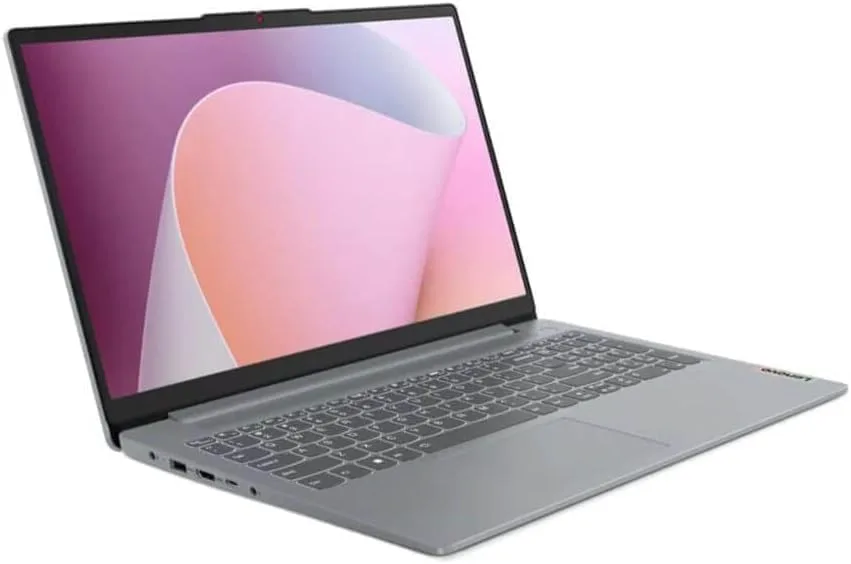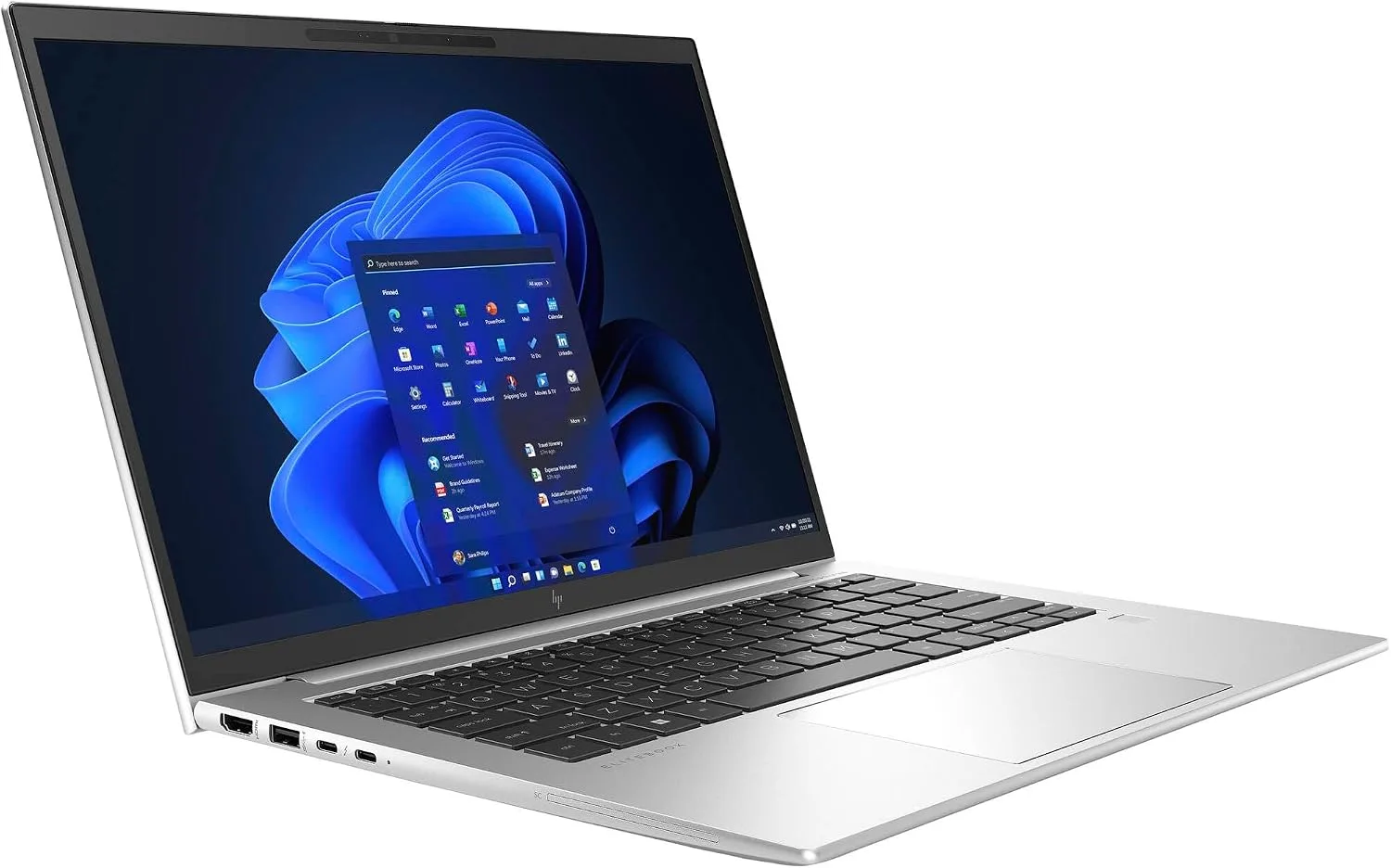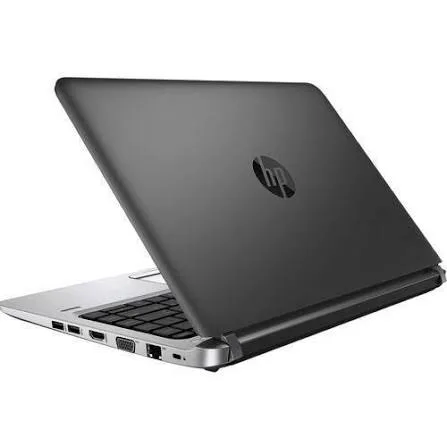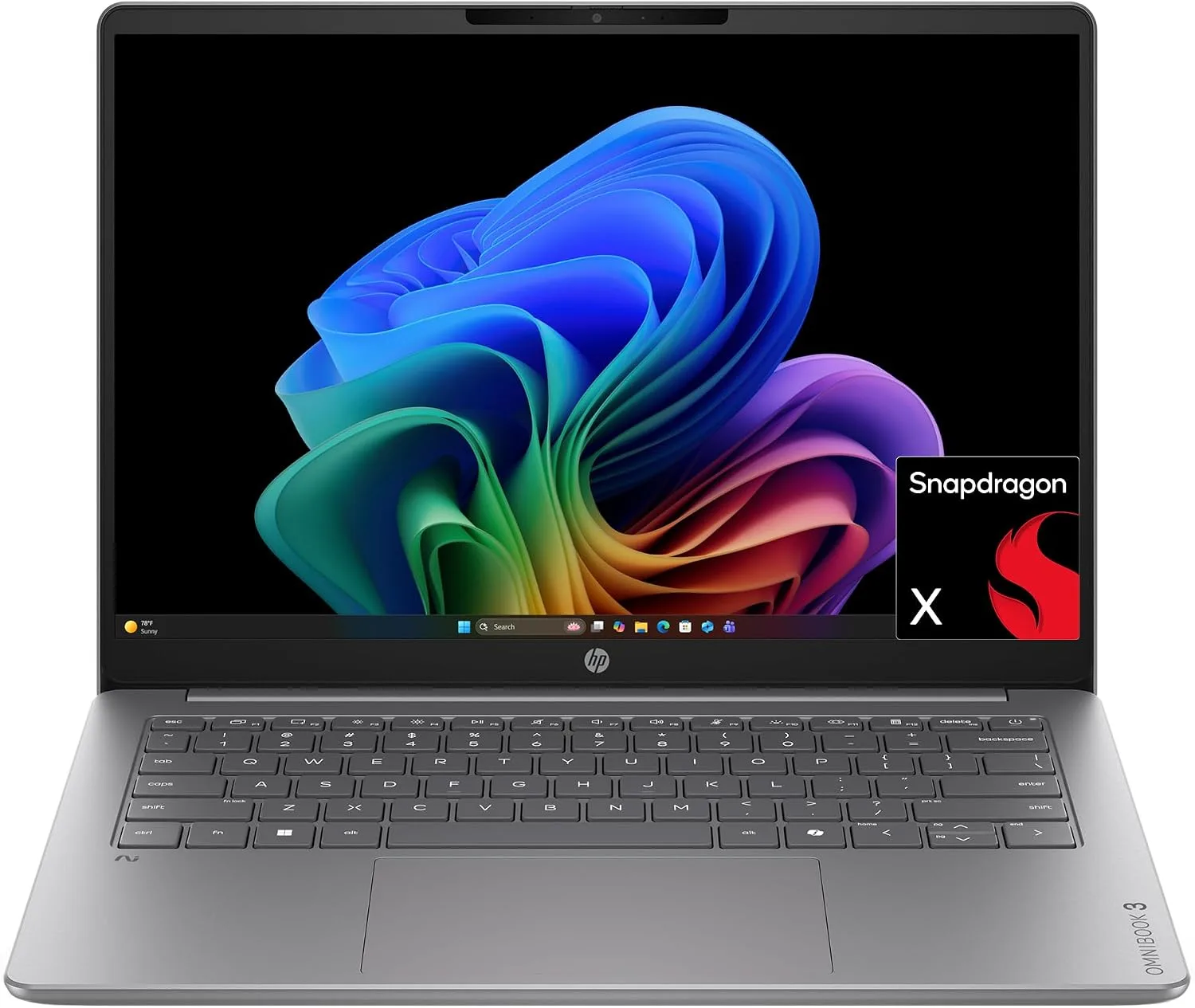
Accounting work looks unassuming on the surface — mostly spreadsheets, mostly typing, mostly numbers. But anyone who has spent a full day inside a 40,000-row Excel model with multiple pivot tables, live formulas referencing several other open workbooks, and a video call running in the background knows that accounting software can quietly demand more from a laptop than its reputation suggests. This guide walks Kenyan accountants — whether in practice, in industry, or running your own bookkeeping service — through exactly what genuinely matters when choosing a laptop, and which specific configurations at City Gadgets Kenya fit real accounting workloads.
Why Accounting Software Is More Demanding Than It Looks
It's worth being precise about this, because a lot of buying advice treats "office work" as a single undifferentiated category. Accounting work has a few genuinely distinct characteristics that shape what specification actually matters:
Large spreadsheets with complex formulas are genuinely processor-intensive. A simple spreadsheet with a few dozen rows runs on almost any hardware. A financial model with thousands of rows, multiple linked worksheets, VLOOKUPs or INDEX-MATCH formulas referencing other open files, and pivot tables recalculating on every change is a genuinely different computational load — one where a weak processor and insufficient RAM show up as real, frustrating lag every time you press Enter.
Multiple applications running simultaneously is the norm, not the exception. A typical accountant's workday involves Excel, an accounting package (QuickBooks, Sage, Pastel, or a KRA-facing platform like iTax), email, and often a browser with banking portals and reference material open — all at once, for hours at a stretch.
Audit and year-end periods create genuine peak load. Even if your day-to-day workload is modest, audit season or year-end closing periods often mean running multiple large files simultaneously, cross-referencing data, and working under time pressure where a slow, lagging laptop becomes a genuine source of stress rather than a minor inconvenience.
Data security matters more than in many other professions. Financial records, client data, and payroll information are genuinely sensitive, making basic security features (password protection, fingerprint readers where available) more than a nice-to-have for accounting professionals specifically.
The Core Specification Priorities for Accounting Work
Given the realities above, here's how to prioritise:
- RAM — genuinely the single most important specification for heavy spreadsheet work. 16GB is worth treating as close to a baseline requirement for serious accounting work, not a luxury upgrade.
- Processor strength (Core i5 or i7) — matters for formula recalculation speed, particularly in large, complex workbooks.
- Storage speed (SSD, non-negotiable) — opening and saving large files repeatedly throughout the day benefits enormously from SSD speed over a traditional hard drive.
- Screen size and quality — spreadsheet work genuinely benefits from more visible screen real estate; a larger display (14-15 inch) or comfort with reading dense data reduces daily eye strain.
- Security features — a password-protected login at minimum, with a fingerprint reader as a worthwhile bonus given the sensitivity of financial data.
Why RAM Matters More for Accountants Than Almost Any Other Profession Covered in Our Guides
This deserves emphasis because it's the single specification most likely to be underestimated by accountants shopping for a laptop. Excel and accounting software load entire workbooks and their calculation dependencies into memory. A workbook with multiple linked sheets, especially with volatile functions (formulas that recalculate on every change, like NOW(), OFFSET(), or complex array formulas) can consume genuinely significant RAM — and when RAM runs low, Windows begins using disk space as "virtual memory," which is dramatically slower and is precisely the moment your laptop starts to feel sluggish and unresponsive during exactly the tasks where speed matters most.
An 8GB configuration will handle modest spreadsheet work adequately, but any accountant regularly working with large, multi-sheet financial models, consolidated group accounts, or complex audit working papers should genuinely treat 16GB as the realistic minimum rather than an optional upgrade.
Budget Tier Breakdown for Accounting Professionals
Under KES 30,000: Entry-Level Bookkeeping and Basic Accounting
At this budget, focus on genuine Core i5 processors with 8GB RAM and SSD storage. This tier suits basic bookkeeping, invoicing, and modest-sized spreadsheet work comfortably, though it will show strain on genuinely large, complex financial models.
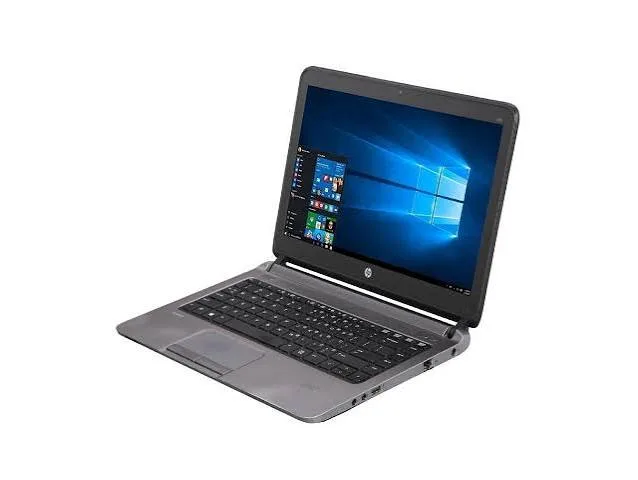
Recommended: HP EliteBook 840 G3/G4 or Lenovo ThinkPad T460/T470.
KES 30,000–50,000: The Practical Working Accountant's Tier
This range genuinely opens up 16GB RAM configurations, which as covered above, is close to essential for serious spreadsheet-heavy work. Processor generations from 8th-10th generation Intel become realistic here, offering genuinely faster formula recalculation than older configurations.
Recommended: Lenovo ThinkPad T480s/T490s, Dell Latitude 5310/7390, or HP EliteBook 830 G6/G7.
KES 50,000–75,000: Premium Configurations for Senior Accountants and Auditors
If you regularly handle the most demanding workbooks — consolidated multinational accounts, complex audit files, or financial modelling with significant historical data — this tier offers genuinely newer processor generations (10th-12th generation), often paired with premium build quality and larger, sharper displays.
Recommended: Dell Latitude 7000-series premium configurations or Lenovo ThinkPad X1 Carbon.
Above KES 75,000: Maximum Capability
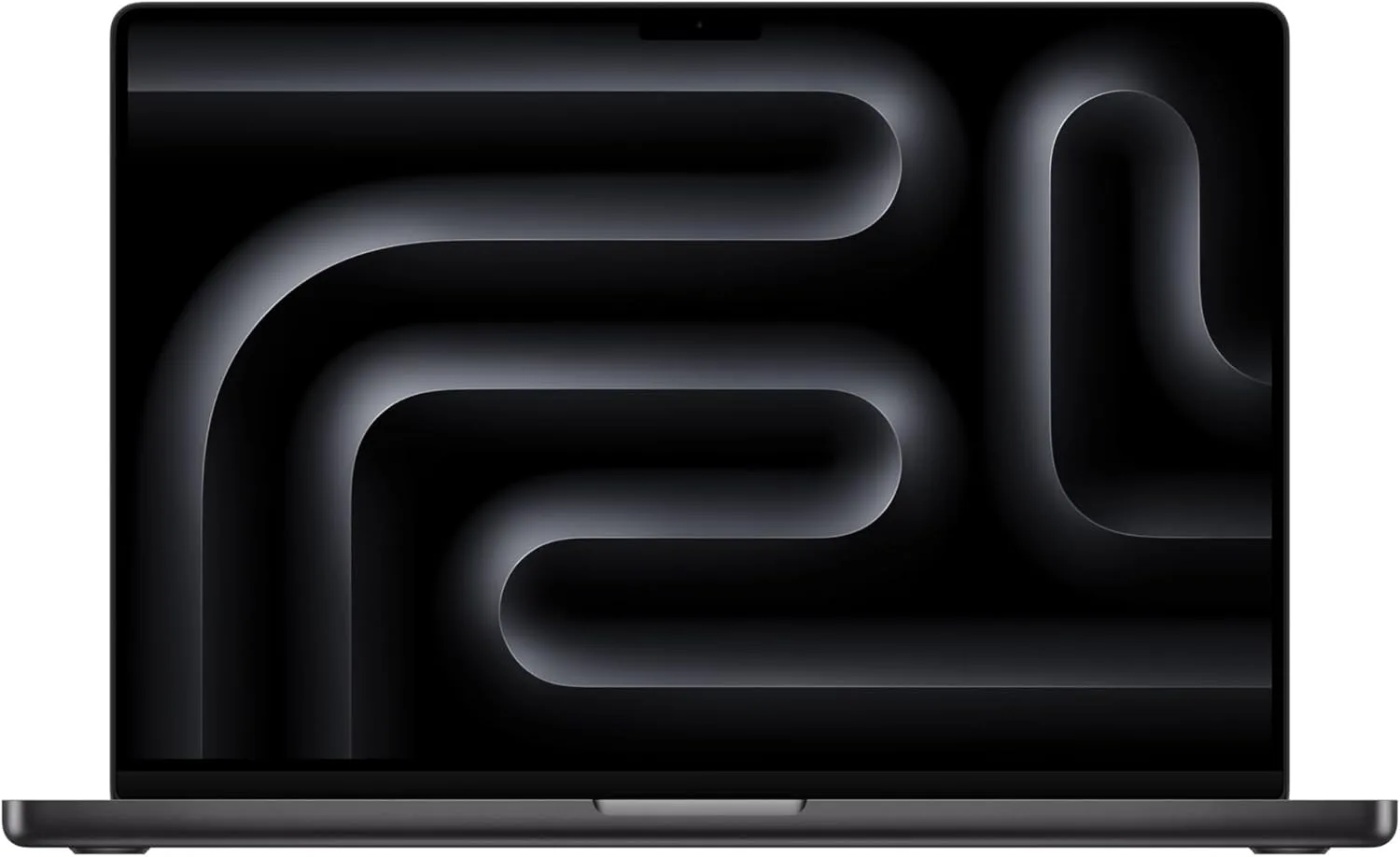
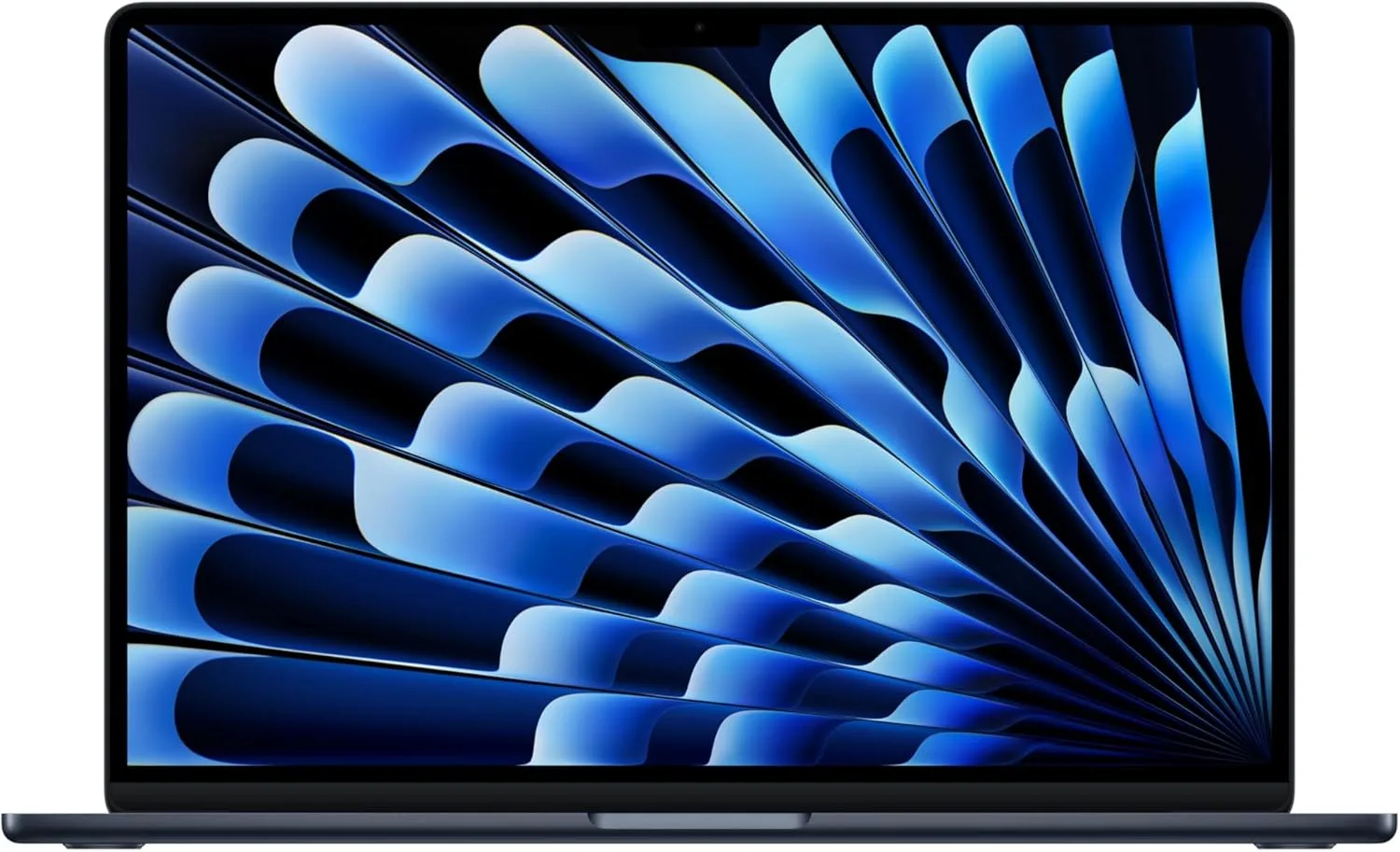
Genuinely necessary only if your work involves extremely large datasets, financial modelling software with heavy computational demands, or you simply want the newest available hardware generation for maximum longevity. A refurbished MacBook Pro with Apple silicon is also worth considering here if your firm's software stack is Mac-compatible, given the genuine efficiency of Apple's newer chips.
Comparison Table: Specification vs Real Accounting Workload
| Workload Type | Realistic RAM Need | Realistic Processor | Notes |
|---|---|---|---|
| Basic bookkeeping, small business invoicing | 8GB | Core i5 | Comfortable on modest hardware |
| Standard monthly management accounts | 8-16GB | Core i5/i7 | 16GB recommended if multiple files stay open |
| Multi-sheet financial models with complex formulas | 16GB | Core i7 | 8GB will show genuine lag |
| Audit working papers and consolidation files | 16GB | Core i7 | Peak season workload genuinely demands headroom |
| KRA iTax and other government portal filing | 8GB | Core i5 | Browser-based, genuinely lightweight |
| Payroll processing software | 8-16GB | Core i5/i7 | Depends on employee volume and software |
Software Considerations Specific to Kenyan Accountants
QuickBooks, Sage, and Pastel all run comfortably on genuine Core i5 processors with 8GB RAM for typical small-to-medium business use, though larger client files benefit from the 16GB tier discussed above.
KRA's iTax platform and other government portals are browser-based and genuinely lightweight in terms of hardware demand — the more important consideration here is a stable internet connection and a browser kept up to date, rather than raw processing power.
Excel-heavy audit and consolidation work is where hardware specification matters most, as detailed throughout this guide — this is genuinely the workload that separates an 8GB laptop's adequate performance from a 16GB laptop's comfortable performance.
Multi-currency and multi-entity accounting for accountants working with international clients or multinational subsidiaries often means larger, more complex files with currency conversion formulas running across multiple linked workbooks — another scenario where genuine RAM headroom pays for itself in daily time saved.
Screen Size and Display Quality for Spreadsheet Work
This is worth its own discussion because it's a factor accountants specifically should weigh more heavily than many other professions. Reading dense financial data — rows of figures, small fonts in wide spreadsheets, multiple columns that require scrolling — is genuinely easier on a larger, sharper display. While a compact 13-inch laptop offers better portability, a 14-15 inch display with a genuinely sharp resolution (Full HD or better) reduces the eye strain and scrolling fatigue that comes with hours of daily spreadsheet work. If portability isn't a major concern — for example, if you work primarily from a fixed desk — prioritising screen size over ultimate compactness is a genuinely sensible trade-off for accounting-specific work.
External monitor consideration: many accountants find that pairing even a compact laptop with an external monitor at their primary desk dramatically improves daily comfort, since you can view multiple spreadsheets or a spreadsheet alongside a reference document side by side. If your budget allows, this combination — a portable laptop for travel plus an external monitor at your desk — often serves accounting work better than chasing the largest possible built-in screen.
Security Considerations for Accounting Professionals
Financial data carries genuine sensitivity that makes basic security practices more than an afterthought:
- Enable full-disk encryption where your laptop supports it (BitLocker on Windows Pro editions), particularly if you handle client financial data that could constitute a serious breach if the laptop were lost or stolen.
- Use a fingerprint reader if available — many EliteBook and ThinkPad business configurations include this as standard, offering a genuinely convenient extra layer of protection beyond a typed password.
- Back up client files to secure cloud storage regularly, rather than relying solely on local storage, particularly during audit season when working files are at their most valuable and time-sensitive.
- Consider a laptop with a Kensington lock slot if you work from client offices or shared spaces, allowing genuine physical security when stepping away from your device.
Recommended Models by Accounting Role
Bookkeepers and Small Practice Accountants
If your work is primarily invoicing, basic monthly accounts, and modest-sized client files, the HP EliteBook 840 series or Dell Latitude 5300 configurations with 8GB RAM offer genuinely dependable, cost-effective performance.
Practice Accountants Handling Multiple Client Files
For accountants juggling several client engagements simultaneously, often with multiple large spreadsheets open across different clients, the Lenovo ThinkPad T490s with 16GB RAM offers genuinely comfortable multitasking headroom.
Corporate Finance and Management Accountants
Working within a single organisation's finance function often means deep, ongoing familiarity with one complex set of interlinked financial models. The Dell Latitude 7390 or Lenovo ThinkPad X1 Carbon offer genuine premium construction alongside strong processing power for this kind of sustained, detail-heavy work.
Auditors Working Across Multiple Client Sites
If your work involves travelling between client premises with sensitive working papers, prioritise a combination of portability, security features, and genuine battery life. The Lenovo ThinkPad X1 Carbon or X1 Yoga balances all three considerations well.
Full Comparison Table
| Model Family | Typical Budget Range | Best Suited For | Key Strength |
|---|---|---|---|
| HP EliteBook 840 | KES 25,000–45,000 | Bookkeepers, small practice | Reliable, widely available |
| Lenovo ThinkPad T-series (16GB configs) | KES 30,000–50,000 | Multi-client, spreadsheet-heavy work | RAM headroom, keyboard comfort |
| Dell Latitude 5000/7000-series | KES 25,000–65,000 | General accounting, corporate finance | Solid mid-tier to premium value |
| Lenovo ThinkPad X1 Carbon | KES 42,000–70,000 | Senior accountants, auditors | Premium build, light for travel |
| MacBook Pro (Apple silicon, refurbished) | KES 90,000+ | Mac-based accounting firms | Exceptional efficiency, longevity |
Common Mistakes Accountants Make When Buying a Laptop
Underestimating RAM needs because "it's just spreadsheets." As covered extensively above, spreadsheet work is genuinely one of the more RAM-hungry everyday computing tasks, not a lightweight one — this is the single most common miscalculation.
Prioritising screen size over specification, or vice versa, without considering your actual work pattern. If you're desk-bound most of the time, a larger screen genuinely helps; if you travel between client sites frequently, portability should take priority even if it means a slightly smaller display.
Ignoring security features entirely. Given the sensitivity of financial data, treating security as an afterthought rather than a genuine buying consideration is a mistake that can have real consequences if a device is lost or compromised.
Buying based on brand loyalty alone. As covered in our HP vs Dell vs Lenovo comparison guide, the specific configuration matters more than the brand name — a well-specified Dell will serve an accountant better than a poorly-specified Lenovo of the same price.
Not accounting for audit-season peak load when budgeting specification. A laptop that handles your typical monthly workload comfortably may still strain during audit season's genuinely heavier, more time-pressured workload — budget your specification for your peak demand, not just your average day.
Case Studies: Matching Real Kenyan Accounting Roles to Real Configurations
The independent bookkeeper serving multiple small businesses. Managing several clients' books, invoicing, and basic monthly reconciliation defines this role, typically with modest-sized files per client but genuine variety across them. A HP EliteBook 840 G4 with 8GB RAM handles this comfortably, though upgrading to a 16GB configuration like the ThinkPad T480s pays off once you're regularly juggling five or more client files simultaneously.
The audit associate at a mid-sized Nairobi firm. This role genuinely demands the most from a laptop among common accounting profiles — large audit working paper files, multiple client engagements running in parallel during busy season, and frequent travel between the firm's office and client premises. A Lenovo ThinkPad X1 Carbon with 16GB RAM balances the processing power audit work demands with the portability travel requires.
The finance manager at a mid-sized Kenyan company. Deep, ongoing familiarity with one organisation's complex financial models, budget forecasting, and management reporting defines this role. Since the laptop is typically desk-based with occasional travel, the Dell Latitude 7390 offers genuine premium construction and processing power without unnecessary portability compromises.
The KRA-focused tax consultant. Working primarily through iTax and similar government portals, alongside client communication and modest supporting spreadsheets, this role's hardware demands are genuinely lighter than other accounting profiles covered here. A dependable Dell Latitude 5300 with 8GB RAM serves this workload well without overspending on unnecessary specification.
The payroll administrator handling a large workforce. Processing payroll for dozens or hundreds of employees, often through specialised software alongside spreadsheet cross-checks, benefits from the 16GB RAM tier discussed throughout this guide, particularly during month-end processing when multiple large files are open simultaneously. A HP EliteBook 830 G7 handles this workload comfortably.
Understanding Excel's Calculation Modes and Why They Matter for Hardware Choice
It's worth a brief technical explanation here, since it directly affects how much your laptop's specification matters in practice. Excel offers "automatic" and "manual" calculation modes — in automatic mode (the default), every change to a cell triggers a recalculation of every dependent formula in the workbook, which is precisely where weaker processors and insufficient RAM show up as visible lag. Accountants working with genuinely large, complex models can switch to manual calculation mode (recalculating only when you choose to) as a practical workaround on less powerful hardware — but this introduces its own risk of working with outdated figures if you forget to recalculate before checking a result. A genuinely capable laptop removes this trade-off entirely, letting you work in automatic mode without penalty — one more reason the RAM and processor recommendations in this guide are worth taking seriously rather than treating as an unnecessary upgrade.
Backup and Version Control Practices for Accounting Work
Beyond hardware specification, a few practices genuinely protect your work and your clients' data:
Maintain versioned backups of critical financial files, ideally through both cloud storage and a local backup, since a single point of failure — whether hardware failure or accidental overwrite — can be genuinely costly when the file in question is a client's audited financial statements or a payroll run.
Use file naming conventions with dates or version numbers for working papers that go through multiple review rounds, a simple habit that prevents the genuine confusion and errors that come from working on an outdated version of a shared file.
Confirm your accounting software's own backup and cloud-sync capabilities — many modern platforms (QuickBooks Online, Xero) handle this automatically, reducing your dependency on the laptop itself as the sole location of critical financial data.
Working with International Clients and Multi-Currency Files
Kenyan accountants increasingly serve clients or work for firms with international operations, which introduces genuinely larger, more complex file structures — multi-currency conversion, consolidation across subsidiaries in different countries, and often larger historical datasets for trend analysis. This is precisely the workload profile where the 16GB RAM recommendation throughout this guide moves from "nice to have" to "genuinely necessary" — international consolidation work routinely involves multiple large workbooks open and cross-referencing simultaneously, exactly the scenario where insufficient RAM creates daily, measurable friction.
Red Flags Specific to Buying a Laptop for Accounting Work
Beyond the general red flags any refurbished laptop buyer should watch for, a few matter specifically for accounting professionals:
Sellers who can't confirm exact RAM capacity. Given how central RAM is to genuine accounting performance, a listing that's vague about whether a unit has 4GB, 8GB, or 16GB — or that describes RAM only as "enough for office work" without a specific figure — should be treated with caution.
No confirmation of whether storage is SSD or HDD. As covered throughout our guides, this distinction matters enormously for daily responsiveness, and it's a specific detail worth confirming directly if a listing doesn't state it clearly.
Unclear processor generation. "Core i5" alone doesn't tell you enough — a 4th generation Core i5 and a 10th generation Core i5 perform very differently on genuinely complex spreadsheet work, and a reputable seller should be able to confirm the exact generation.
How to Test a Laptop's Spreadsheet Performance Before Buying
If you're able to test a unit before purchase, either in person or by requesting a video demonstration from the seller, a practical check genuinely helps:
- Open a moderately large spreadsheet (or ask the seller to demonstrate with a sample file) and observe how quickly it opens and how responsive scrolling feels.
- Test with multiple applications open simultaneously — a spreadsheet, a browser, and an accounting package if possible — to see whether the laptop shows any lag under realistic multitasking conditions.
- Check the keyboard's numeric keypad (if present) for consistent responsiveness, since accounting work often involves rapid numeric data entry where a sticky or unresponsive key becomes a genuine daily frustration.
Peripherals Worth Pairing With Your Accounting Laptop
A handful of accessories genuinely improve daily accounting work beyond the laptop itself:
An external monitor, as discussed above, is arguably the single highest-value accessory for desk-based accounting work, letting you view a spreadsheet and a reference document, or two related workbooks, side by side without constant window-switching.
A full-size external keyboard with a numeric keypad, if your primary laptop is a compact 13-14 inch model without one built in — this can meaningfully speed up data entry for numbers-heavy work without needing a larger, less portable laptop.
A comfortable, ergonomic mouse, since accounting work involves extensive clicking, dragging to select cell ranges, and navigating between sheets — a proper mouse is faster and less fatiguing over an 8-hour day than a trackpad.
An external SSD or reliable cloud backup subscription, treated as a genuine cost of doing business given the sensitivity and value of the financial data you handle daily.
A privacy screen filter, if you frequently work with confidential client financial data in shared or public spaces, preventing onlookers from viewing sensitive figures at an angle.
Total Cost of Ownership for Accounting Professionals
It's worth thinking beyond the purchase price to what a laptop genuinely costs an accountant over its working life. A laptop with insufficient RAM doesn't just feel slower in the abstract — it costs genuine, measurable time every single day: extra seconds waiting for a formula to recalculate, extra seconds for a large file to open, extra frustration during time-pressured audit or month-end periods when every minute matters. Multiplied across a working year, these small delays add up to real, quantifiable lost productivity that easily outweighs the modest price difference between an 8GB and 16GB configuration.
This is why, more than in almost any other profession covered across our buying guides, it's worth treating the RAM upgrade specifically as a genuine investment rather than an optional extra — the payback period, in terms of time saved, is often measured in weeks rather than years for anyone doing serious spreadsheet-based accounting work daily.
Frequently Asked Questions
Is 16GB RAM genuinely necessary for accounting work, or is 8GB enough? For basic bookkeeping and modest spreadsheet work, 8GB is genuinely adequate. For anyone regularly working with large, multi-sheet financial models, consolidated accounts, or audit working papers, 16GB is close to essential rather than optional — this is the single most important upgrade for accounting-specific work.
Does processor speed matter more than RAM for Excel work? Both matter, but RAM tends to be the more common bottleneck for large, complex workbooks specifically. A strong processor with insufficient RAM will still show noticeable lag when a workbook's memory demands exceed what's available.
Is a MacBook a good choice for accounting work in Kenya? It depends entirely on your firm's or client's software compatibility. Excel runs well on macOS, but if your accounting package (many Kenyan-specific tools, or older desktop software) is Windows-only, a MacBook introduces genuine friction despite its hardware quality.
Should I get a laptop with a numeric keypad for accounting work? Many accountants genuinely prefer a numeric keypad for faster data entry — this is common on 15-inch laptop configurations but rarer on compact 13-14 inch models. Worth checking specifically if this matters to your daily workflow.
How important is battery life for accounting work? Less critical than for remote or field-based roles, since accounting work is often desk-based, but still worth considering if you travel between client sites or work from locations with less reliable power access.
Can I run KRA's iTax and other government portals on any refurbished laptop? Yes — these are browser-based platforms with genuinely modest hardware demands. The more important consideration is keeping your browser updated and having a stable internet connection, rather than laptop specification.
Is it worth buying a laptop with a larger screen specifically for spreadsheet work? Genuinely yes, if you're primarily desk-based — a 14-15 inch, sharp display reduces the eye strain and scrolling fatigue that comes with hours of daily dense spreadsheet reading, compared to a more compact 13-inch screen.
What's the realistic lifespan of a laptop used heavily for accounting work? A well-specified business laptop (ThinkPad, EliteBook, Latitude) with adequate RAM for your workload can realistically serve 4-5 years of daily accounting use, since the software demands of standard accounting work grow relatively slowly compared to, say, creative or gaming applications.
Should I prioritise a laptop with a dedicated numeric keypad over one with a larger trackpad? If your daily work involves substantial numeric data entry, a numeric keypad genuinely speeds up this specific task; if your work is more formula-and-analysis focused with less raw data entry, the trade-off matters less.
Does an external monitor genuinely help accounting work more than a bigger laptop screen? Often yes, if you're primarily desk-based — an external monitor paired with a more portable laptop gives you the best of both worlds: comfortable, spacious viewing at your desk, and genuine portability when you need to travel with just the laptop.
Is cloud-based accounting software (like Xero or QuickBooks Online) less demanding on hardware than desktop software? Generally yes, since much of the processing happens on the software provider's servers rather than your laptop — though you'll still want a stable internet connection and a capable browser, and desktop-installed software like older Sage or Pastel versions can still demand more from your local hardware.
Get the Right Accounting Laptop at City Gadgets Kenya
Every laptop at City Gadgets Kenya is fully tested and backed by a genuine 6-month warranty. Browse the full laptops category or message us directly on WhatsApp, and tell us about your typical workbook size and accounting software — we'll help you find a configuration with genuinely enough RAM and processing power for your real workload.