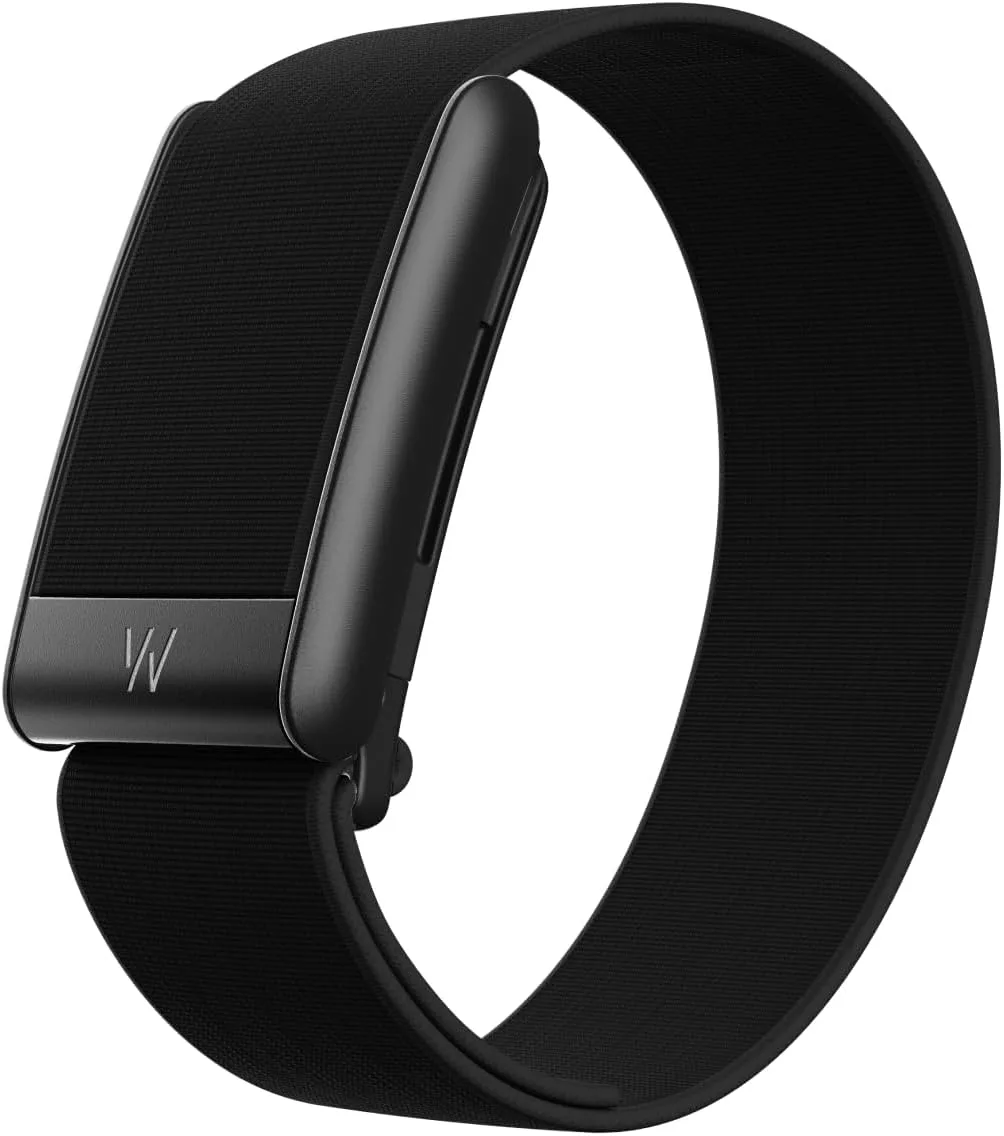
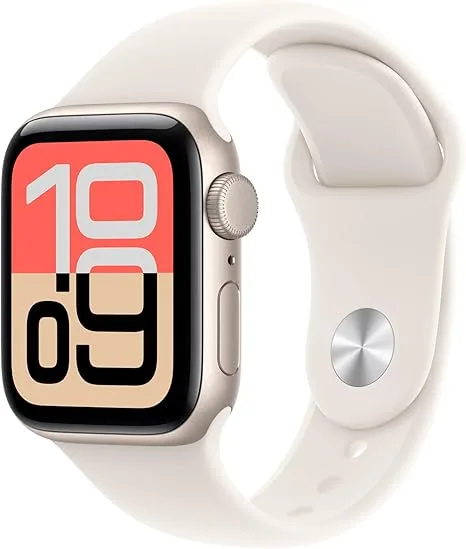
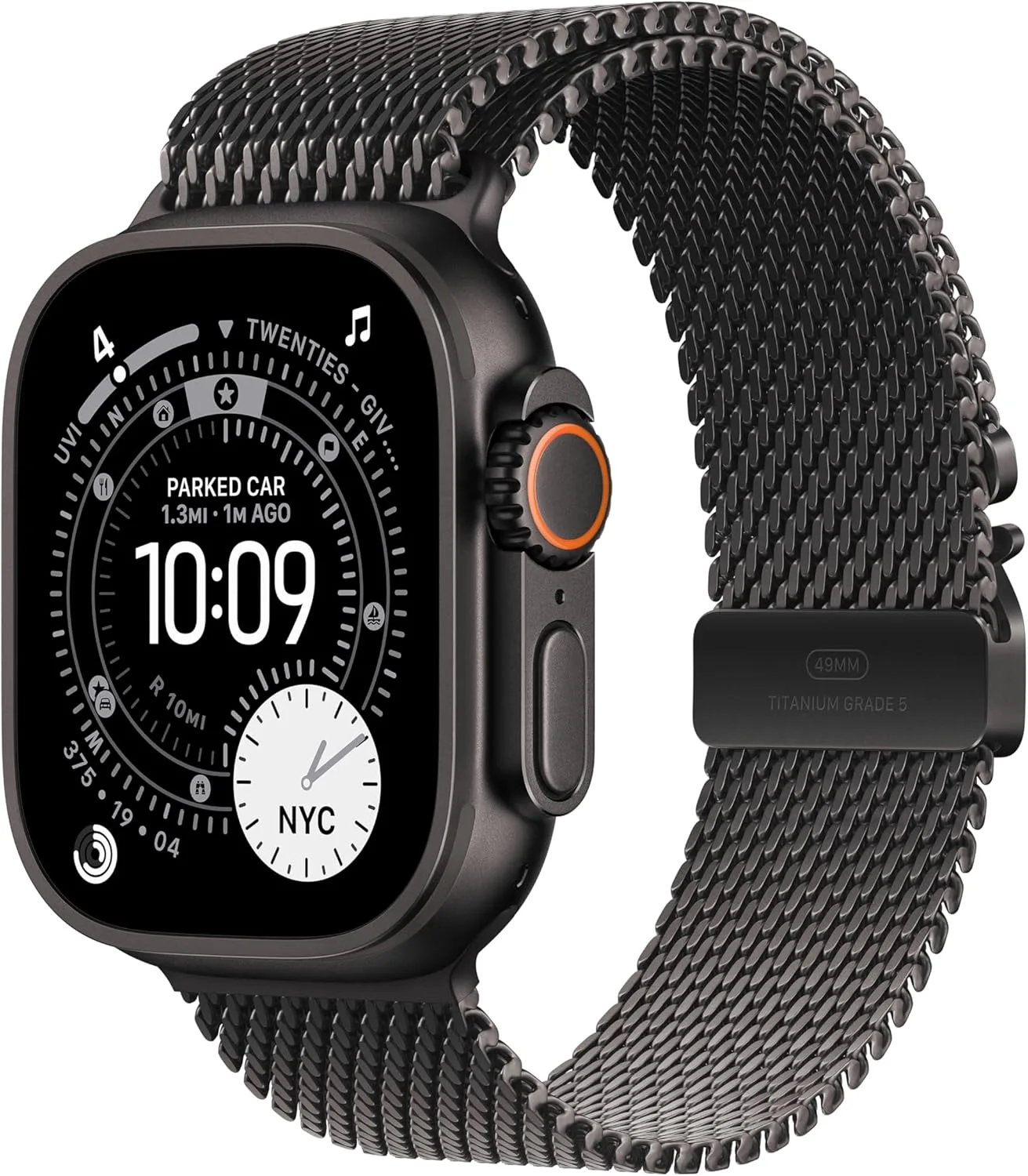
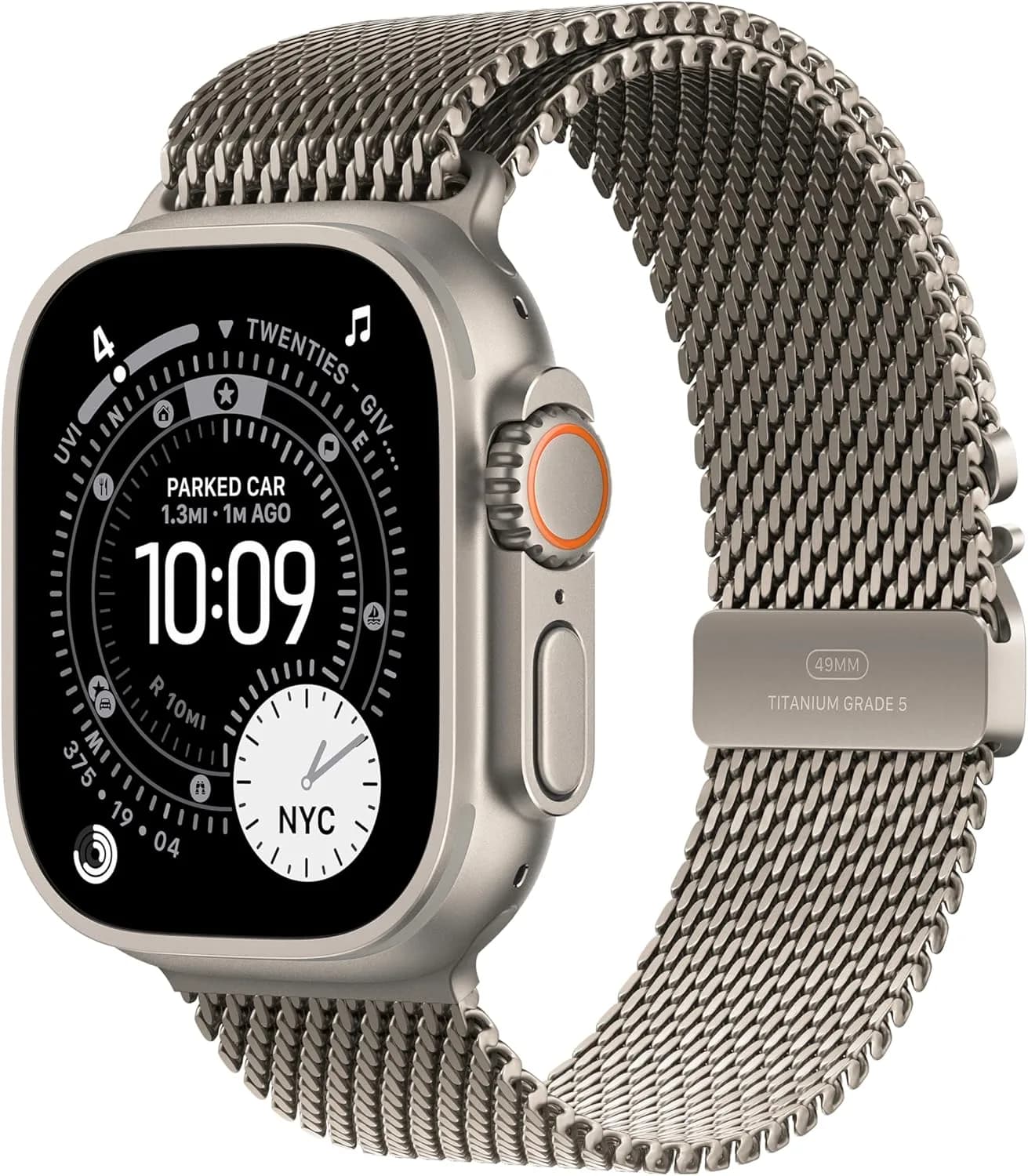
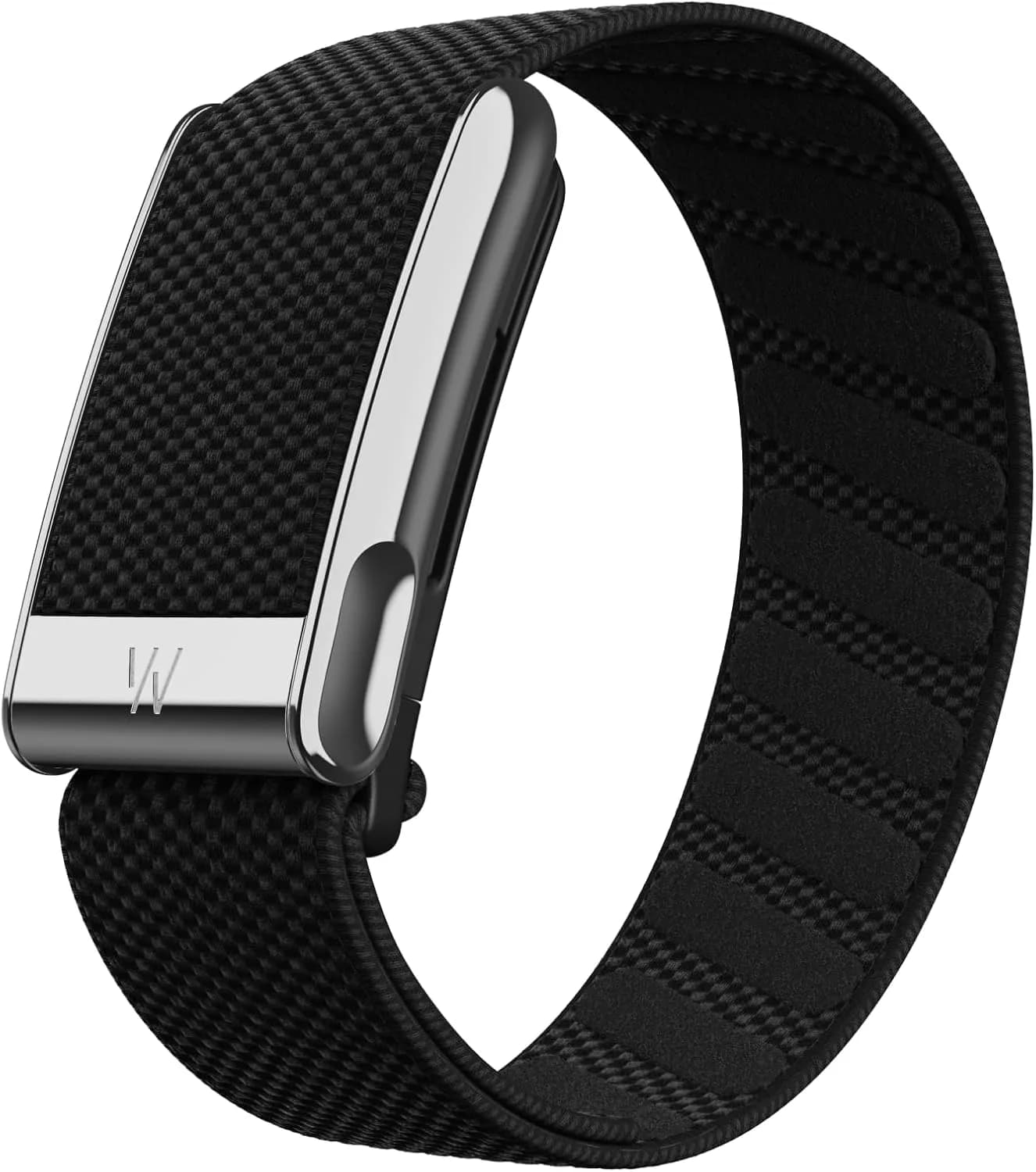
If you want to walk more, sleep better, lose weight or train for a race, a fitness tracker is one of the cheapest and most useful gadgets you can buy. The difficulty is choosing. Some trackers are slim bands with weeks of battery, others are small watches with built-in GPS, and the packaging claims all sound alike. This guide to the best fitness tracker Kenya has to offer explains what to look for, compares the bands and budget watches we stock, and helps you decide between a tracker and a full smartwatch. We hedge where specifications vary and say "we confirm per unit" for figures that should be checked on the actual device.
City Gadgets Kenya sells fitness trackers at New Alnoor Exhibition, Second Floor, Shop C7, Accra Road, Nairobi CBD, with same-day Nairobi delivery and next-day delivery outside Nairobi. Message us on WhatsApp for today's price.
The short version
- For simplicity and a very light feel: Huawei Band 10 or Samsung Galaxy Fit3.
- For built-in GPS on a budget: Amazfit Bip 6 or Amazfit Active 2.
- For the cheapest bright-screen start: Amazfit Pop 3R or Pop 3S.
- For a big screen and built-in dual-band GPS in a slim body: Huawei Watch Fit 5.
- Choose by what you will use: steps and sleep need only a band. Running without your phone needs built-in GPS.
- Battery: bands often last one to two weeks. Watches with GPS usually last a few days to a couple of weeks.
- Compatibility: Samsung Fit3 is designed for Android and best with Galaxy phones. Huawei and Amazfit work with Android and iPhone for core features.
| Tracker | Type | Built-in GPS | Battery claim (per maker) | Best for |
|---|---|---|---|---|
| Samsung Galaxy Fit3 | Band | No | Long, we confirm per unit | Samsung/Android users, simple tracking |
| Huawei Band 10 | Band | No | Up to about 14 days | Light, long-lasting, first tracker |
| Amazfit Pop 3R / 3S | Budget watch | We confirm per unit | Up to about 12 days | Cheapest AMOLED start |
| Amazfit Bip 6 | Budget watch | Yes | Up to about 14 days | Big screen, GPS, value |
| Amazfit Active 2 | Sports watch | Yes | We confirm per unit | Everyday GPS and workouts |
| Huawei Watch Fit 5 | Slim sports watch | Dual-band | Up to about 10 days | Gym, running, big screen |
Message us for today's price on any tracker. If you want a full smartwatch instead, read our best smartwatch for Android and best smartwatch for iPhone guides.
Fitness tracker or smartwatch?
This is the first decision, and it decides your budget.
| Fitness tracker (band) | Smartwatch | |
|---|---|---|
| Size | Slim, light | Larger |
| Battery | Often one to two weeks | A day to a few days (weeks on some Amazfit) |
| Display | Small | Larger |
| Apps | Few or none | Some to many |
| Calls and replies | Notifications mostly | Calls and sometimes replies |
| GPS | Often via phone | Often built-in |
| Price | Lower | Higher |
| Best for | Steps, sleep, light training | Fuller smartphone companion |
If you want to track steps, sleep and workouts with minimal fuss, a band is enough. If you want maps, calls, apps and a watch that looks smart, step up to a smartwatch. Many people in between choose a budget GPS watch such as the Bip 6 or Active 2.
What a fitness tracker actually measures
Most trackers use a small set of sensors, and understanding them helps you judge claims.
Accelerometer and gyroscope. These detect movement and drive step counts, activity recognition and sleep movement. They are the basis of every tracker.
Optical heart-rate sensor. Green LEDs and a light sensor on the back detect blood flow under your skin to estimate heart rate. Accuracy is good at rest and during steady exercise, and weaker during sudden, intense or irregular movement. A snug fit helps.
Blood-oxygen (SpO2) sensor. Estimates oxygen saturation using red and infrared light. Treat it as an indicator for trends, not a medical measurement.
GPS. Built-in GPS tracks distance, pace and routes without your phone. Bands without GPS borrow your phone's GPS.
Barometer, compass and others. Found on some watches, they help with elevation and navigation.
Skin temperature, HRV and stress estimates. Some models offer these for recovery and wellness insights. We confirm per unit what each model includes.
What matters when choosing
1. Your goal
- Walk more and sleep better: any band.
- Run and track routes: built-in GPS.
- Lift weights and do gym classes: heart-rate tracking and workout modes.
- Swim: water resistance rated for swimming.
- Lose weight: consistent tracking and an app you will actually open.
2. Battery life
Choose based on how you will live with the device. If you hate charging, choose a band or a long-battery Amazfit. If you do not mind charging every few days, a Huawei watch is fine. Always-on display and GPS shorten battery life on any model.
3. Display
AMOLED screens are bright and readable in Kenyan sun. A larger screen is easier for older eyes and for reading workout data. Smaller bands are lighter and discreet.
4. Comfort
A tracker you take off is a tracker that stops working. Weight, strap material and thickness matter, especially for sleep tracking.
5. Phone compatibility
Check that the tracker works with your phone. Samsung's Fit3 is designed for Android. Huawei and Amazfit work with Android and iPhone for core features. We confirm per unit.
6. The app
The companion app is where you view your data, so ask yourself whether you like using it. Samsung Health, Huawei Health and Zepp all show trends, sleep stages and workouts. A simple app you use daily beats a complex app you ignore.
7. Water resistance
Look for a rating suitable for showering and swimming, such as 5 ATM, and follow the maker's guidance.
8. Budget
Without quoting prices, think in tiers: entry bands, mid-range GPS watches and premium sports watches. Pay for the features you will use. Message us for today's price on each.
Samsung Galaxy Fit3
The Galaxy Fit3 is Samsung's slim, affordable fitness band with a bright AMOLED display. It tracks steps, heart rate, sleep and many exercise types, and shows notifications from your phone. It is light enough to wear through the night, and fitness bands like it generally last considerably longer between charges than full smartwatches. We confirm per unit the exact battery hours.
Strengths: slim, bright screen, simple, long battery compared with smartwatches, Samsung Health integration. Limits: no full app ecosystem, designed for Android and best with Galaxy phones, not aimed at iPhone users.
Best for: first-time tracker buyers on Android who want something simple and affordable.
Huawei Band 10
The Band 10 has a 1.47-inch AMOLED display, weighs about 15 g and is rated by Huawei's lab data for up to about 14 days maximum, about 8 days typical and about 3 days with always-on display. It offers 100 workout modes, tracks heart rate and blood oxygen, and works with Android 9 or later and iOS 13 or later. It has no built-in GPS and, per listings, no NFC.
Strengths: very light, bright screen, long battery, works with iPhone and Android. Limits: uses phone GPS, small screen.
Best for: people who want a light, low-maintenance tracker for daily activity and sleep.
Amazfit Pop 3R and Pop 3S
The Pop 3R and 3S are affordable AMOLED watches with Bluetooth calling and battery claims of up to about 12 days per our listing. They give a watch-like look with basic tracking at an entry-level price.
Strengths: price, bright screen, Bluetooth calling, long battery. Limits: simpler materials and a more basic tracking and GPS experience. We confirm per unit.
Best for: students, first-time buyers and gifts.
Amazfit Bip 6
The Bip 6 has a 1.97-inch AMOLED display, built-in GPS, Bluetooth calling and battery claimed at up to about 14 days per our listing. It is the budget pick for people who want a large screen and GPS without paying for a premium sports watch.
Strengths: big screen, built-in GPS, long battery, light weight, affordable. Limits: simpler build than premium watches; lighter app experience; real battery life is lower with GPS and always-on display.
Best for: walkers, casual runners and anyone who wants GPS at an entry price. See our Amazfit guide for the full range.
Amazfit Active 2
The Active 2 has a 1.32-inch AMOLED display and built-in GPS, positioned as an affordable everyday GPS watch. A Premium version offers a stainless steel build and a leather strap for a dressier look.
Strengths: GPS, bright screen, good fitness features, wearable with casual or smart clothes. Limits: battery is shorter than the longest-lasting Amazfit models, and we confirm per unit.
Best for: gym-goers and runners who want a stylish, everyday GPS watch.
Huawei Watch Fit 5
The Watch Fit 5 is a slim, square-faced watch with a 1.82-inch AMOLED display, built-in dual-band GPS, Bluetooth calling and battery up to about 10 days with light use, per Huawei's lab data. It weighs about 27 g and has 5 ATM water resistance. Read our Huawei guide for more.
Strengths: large screen, accurate dual-band GPS, slim, wireless charging, works with Android and iPhone. Limits: higher cost than a band; app selection smaller than a full smartwatch.
Best for: regular exercisers who want a big screen and GPS in a slim body.
Which tracker should you buy? A decision guide
- Do you need built-in GPS? If you run or cycle without your phone, yes. Choose the Bip 6, Active 2 or Watch Fit 5.
- Do you want the lightest, simplest option? Choose the Band 10 or Galaxy Fit3.
- Is budget the main issue? Choose the Pop 3R/3S or Band 10.
- Do you use Samsung? The Galaxy Fit3 integrates best.
- Do you use an iPhone? Choose Huawei or Amazfit for core features. Avoid the Fit3.
- Do you want a big screen? Choose the Bip 6 or Watch Fit 5.
- Do you want a stylish look for work? Choose the Active 2 Premium or Watch Fit 5.
| If you are... | Consider |
|---|---|
| A beginner who wants to walk more | Band 10, Galaxy Fit3 |
| A student on a budget | Pop 3R/3S |
| A casual runner who wants GPS | Bip 6, Active 2 |
| A gym-goer and runner | Watch Fit 5 |
| An older user wanting a big screen | Bip 6, Watch Fit 5 |
| A Samsung phone owner | Galaxy Fit3 |
| An iPhone owner | Huawei Band 10, Amazfit Bip 6 |
How accurate are fitness trackers?
Trackers are good at trends, less perfect at exact numbers. Typical behaviour:
- Steps: reasonably accurate for walking, less for pushing a pram or cycling. Arm movement can create false steps, and still arms can miss steps.
- Heart rate: good at rest and steady exercise, weaker in intervals or heavy lifting. A snug fit helps.
- Sleep: the tracker estimates stages from movement and heart rate. It is useful for consistency and trends, less reliable for exact stage durations.
- Calories: estimates based on your profile and activity. Treat as a rough guide.
- GPS distance: good with a clear sky. Dual-band GPS helps in cities. Standard GPS may wander between tall buildings.
- SpO2 and stress: wellness estimates. Not medical measurements.
The right way to use a tracker is to compare yourself with yourself over weeks, not to compare numbers with a friend's different device.
Getting started: a simple 30-day plan
- Week 1: Wear it and do nothing different. Learn your baseline steps and sleep.
- Week 2: Add 1,000 steps a day to your average, using walks after meals or a shorter commute on foot.
- Week 3: Fix your sleep schedule. Go to bed and wake at consistent times and watch the sleep score trend.
- Week 4: Add two workouts per week and track them. Increase gradually.
This is general wellness advice, not medical advice. If you have a health condition, talk to your doctor before starting a new exercise programme.
Using a tracker for weight loss
A tracker supports weight loss by making activity visible, not by burning calories magically. Use it to build habits: daily steps, regular workouts, consistent sleep. Pair it with sensible eating, and judge progress over weeks. Calorie burn estimates are rough, so do not eat back every calorie the watch claims. If you have a medical condition or a lot of weight to lose, ask a doctor or dietitian for guidance.
Using a tracker for running and gym work
For runs, built-in GPS gives you pace and distance without your phone. For gym sessions, heart-rate and workout modes record effort. Warm up before you start, give GPS a minute to lock and wear the tracker snugly. Review trends weekly in the app, and do not obsess over single sessions. For outdoor adventure watches, see our best outdoor sports watch guide.
Sleep tracking tips
- Wear the tracker snugly but comfortably on your non-dominant wrist.
- Charge at a time that does not interrupt sleep, for example while you shower.
- Keep a consistent schedule where you can.
- Look at weekly patterns, not single nights.
- Do not become anxious about the score. If you feel consistently unwell or tired, speak to a doctor.
Battery care and charging
Bands and watches use small lithium-ion batteries. Charge with the original cable and a safe adapter, avoid heat and keep the contacts clean. Our lithium-ion battery care guide and USB Power Delivery explained explain why.
Straps, comfort and skin
Strap material affects comfort. Silicone is durable and washable but can trap sweat. Nylon and woven straps are breathable. Metal and leather suit smart wear. If you notice redness or itching, loosen the strap, clean it and the sensor, let your skin breathe and try another material. Cheap third-party straps sometimes irritate skin. See our accessories category.
Common mistakes when buying a fitness tracker
- Buying features you will not use. A premium watch is wasted if you only count steps.
- Expecting GPS on a band that has none.
- Ignoring phone compatibility.
- Trusting the lowest price. Fakes exist.
- Buying by battery claim alone. Real life is shorter.
- Ignoring comfort. If it irritates you, you will stop wearing it.
- Obsessing over accuracy. Trends matter more than single numbers.
- Skipping the receipt and warranty.
Example scenarios
These scenarios are illustrative, not customer records.
A nurse working long shifts wants a light band that tracks steps and sleep with little charging. The Band 10 suits her.
A weekend runner in Karura Forest wants GPS, a bright screen and decent battery. The Bip 6 or Active 2 suits him.
A university student wants a first tracker on a tight budget. The Pop 3S or Band 10 fits.
A gym regular wants a big screen and accurate heart rate. The Watch Fit 5 fits.
A Samsung phone owner wants a simple band that works smoothly with Samsung Health. The Galaxy Fit3 fits.
Health data and privacy
A tracker records heart rate, sleep, activity and sometimes location. Use a strong phone passcode, review the permissions you grant the companion app and think before sharing data publicly. If you sell or give away your tracker, unpair and reset it first. If you buy second-hand, make sure it has been removed from the previous owner's account. Never treat tracker data as a medical diagnosis; speak to a doctor about any health concern.
Is a fitness tracker worth it?
For most people, yes, if you use it. The value of a tracker is not in the hardware but in the habit. A tracker that nudges you to walk after lunch, shows your sleep trend and records your gym sessions can change behaviour at a very low cost. A tracker that sits in a drawer is wasted money. If you are unsure, start with an entry-level band, see whether you use it for a month and upgrade later.
Fitness tracker vs your phone's built-in step counter
Phones count steps too, so why buy a tracker? A phone only counts when you carry it, and it cannot track sleep or heart rate. A tracker on your wrist records activity even when your phone is on a desk, measures heart rate through the day, tracks sleep stages and logs workouts with more context. If you carry your phone everywhere and only care about steps, a phone may be enough. If you want sleep, heart rate and workouts, a tracker adds real value.
Fitness tracker vs gym machine readouts
Gym machines estimate calories from generic assumptions. A tracker uses your own heart rate and profile, which is usually more personal. Neither is exact. Use whichever you are consistent with, and judge progress by trends in your fitness, such as lower resting heart rate, faster pace at the same effort and better sleep, not by a single calorie number.
Tracking different activities
Walking and everyday steps. Any tracker does this well. Aim for a gradual increase, not a sudden jump.
Running. Built-in GPS and a good heart-rate sensor help. Dual-band GPS improves accuracy in cities.
Cycling. GPS helps; wrist-based heart rate can be less reliable on rough roads because of vibration. Some riders prefer a chest strap for accuracy.
Swimming. Look for a swim mode and 5 ATM water resistance. Lap counting depends on the model.
Strength training. Wrist heart rate may lag and fluctuate, and rep counting varies by model. Use it to record duration and effort.
Yoga and low-impact exercise. Heart rate and time are the main metrics. Calorie estimates are rough.
Sports like football. Movement recognition and heart rate are useful, but GPS and sensors may not capture every stop and start precisely.
Making tracker data useful
Check your data once a day, not once an hour. Look at weekly trends in steps, resting heart rate and sleep. Set one or two goals, not ten. Use reminders sparingly, because too many buzzes make you ignore them. And remember that the tracker is a tool: the benefit comes from what you do with the insight.
Fitness trackers for different people
Beginners. Start simple. A Band 10 or Galaxy Fit3 shows steps, sleep and heart rate without overwhelming you. Do not worry about advanced metrics in the first month.
Older adults. Large, clear screens and easy charging matter. The Bip 6 and Watch Fit 5 have large displays, and the long battery of bands means fewer charging chores. Tell us about any special needs and we will suggest a suitable model. Health alerts should never replace medical advice.
Teenagers and students. Low cost, bright design and decent battery matter. The Pop 3R/3S and Band 10 suit them. Parents should talk with teenagers about healthy goals and not obsess over numbers.
Busy professionals. Look for a tracker that looks smart and needs little attention. The Active 2 Premium and Watch Fit 5 suit smart clothes better than a rubber band.
Runners. Built-in GPS and a comfortable fit matter most. Dual-band GPS helps in the city. See our outdoor sports watch guide if you run trails.
Gym-goers. A bright screen, workout modes and reliable heart-rate readings matter. The Watch Fit 5 is a strong fit.
People who dislike charging. A band with a week or two of battery is best.
Buying tips specific to Kenya
- Buy genuine from a seller with a physical shop.
- Confirm the model, size and region of the unit. We confirm per unit.
- Keep your receipt and ask what support covers.
- Pay safely with M-Pesa to verified accounts.
- Try the strap and size before you buy.
- Bring your phone so we can pair and test the tracker with you.
A final word on choosing
The best fitness tracker is the one you will wear every day. Choose the simplest device that does what you need, buy it genuine, give it a month and let the data nudge you toward better habits. If your needs grow, you can always step up to a GPS watch or a full smartwatch.
Water, sweat and Kenyan conditions
Trackers live on your wrist through rain, sweat, dust and sun, so build quality matters. Most trackers here are rated for showering and swimming, but water resistance is not permanent. Avoid hot showers and saunas, rinse after salt water at the coast and dry the sensor and charging contacts before charging. In dusty conditions, wipe the sensor and strap regularly. In strong sun, avoid leaving the device on a car dashboard, since heat shortens battery life. If your skin is sensitive, choose a soft silicone or nylon strap and clean it often.
Notifications: help or distraction?
A tracker that buzzes for every message can become a distraction and drain the battery. Decide which notifications truly matter, such as calls and messages from key people, and switch off the rest. Use do-not-disturb at night, and set a bedtime reminder if that helps. The goal is for the device to support your habits, not to demand attention.
Updating and maintaining your tracker
Keep the companion app and device firmware updated for bug fixes and new features. Charge before updating. Restart the device if it behaves strangely. If it loses pairing, remove it from the app and pair again. If the screen cracks, the battery swells or the device gets very hot while charging, stop using it and bring it to us. Our repair service can inspect it.
Questions to ask any seller before you pay
- Is it new, sealed and genuine?
- Which exact model is this, and does it have built-in GPS?
- Will it work with my phone?
- Can I see the serial number and check it matches the box?
- Is there a receipt and warranty, and who honours it?
- Where do I go if something goes wrong?
A seller who can answer clearly deserves your business. At City Gadgets Kenya, we answer these in the shop or on WhatsApp before you spend anything.
How to spot a fake fitness tracker
Counterfeit bands imitate popular designs and names, and unbranded trackers often use brand-like names. Use these ten checks together.
- Pair it with the official app. Genuine Samsung, Huawei and Amazfit devices pair with Samsung Health or Galaxy Wearable, Huawei Health and Zepp. A fake needs a different, unknown app.
- Check the interface. A genuine device has a smooth, polished interface and consistent watch faces. A fake looks glitchy or generic.
- Verify the model name and serial. They should appear in settings and on the box and should match.
- Inspect the packaging. Genuine boxes are clean and accurate. Spelling mistakes and poor print are red flags.
- Inspect the back. A genuine back has neat sensor windows and engravings. Fakes often have rough edges.
- Check the display. A genuine AMOLED screen is bright and sharp. A fake is often dim and low-resolution.
- Test the sensors. Heart-rate readings that never change, or sleep data that looks random, suggest a fake.
- Test the battery claim. A fake that claims weeks may die within a day or two.
- Check the charger. A genuine charger fits snugly. A loose or hot charger is a warning sign.
- Check the seller. An unrealistically low price, no shop address and no receipt are red flags.
If you are unsure, bring the tracker to us at New Alnoor Exhibition, Second Floor, Shop C7, Accra Road, and we will help you check it.
Why buy your fitness tracker from City Gadgets Kenya
- Genuine products, checked before they reach you.
- A real shop at New Alnoor Exhibition, Second Floor, Shop C7, Accra Road, Nairobi CBD.
- Same-day delivery in Nairobi and next-day delivery outside Nairobi.
- M-Pesa payment and clear receipts.
- Honest advice, including telling you when a simple band is all you need.
- Straps and chargers in our accessories category.
- Support and repairs through our repair service.
- Trade-ins through our sell page.
- WhatsApp help on +254745575931.
Quick checklist
- I know my main goal: steps, sleep, running, gym or weight loss.
- I decided whether I need built-in GPS.
- I checked phone compatibility.
- I chose a comfortable size and strap.
- I checked realistic battery expectations.
- I checked the model name, serial and packaging.
- I have a receipt and know where to get support.
Frequently asked questions
What is the best fitness tracker in Kenya? It depends on your goal. For simplicity, the Band 10 or Galaxy Fit3. For GPS on a budget, the Bip 6 or Active 2. For a big screen and dual-band GPS, the Watch Fit 5.
Do I need GPS? Only if you want to track runs or rides without your phone.
Does a fitness tracker work with iPhone? Huawei and Amazfit trackers do for core features. Samsung's Fit3 is designed for Android.
How long does the battery last? From several days to about two weeks depending on model and use, per maker figures. We confirm per unit.
Can I swim with it? Many are rated 5 ATM for swimming. Follow the maker's guidance.
Is the heart-rate reading accurate? Good at rest and steady exercise, weaker in intense or irregular movement.
Can a tracker help me lose weight? It helps build habits. Weight loss depends on diet and activity over time.
Is a tracker better than a smartwatch? Not better, simpler. Choose a smartwatch if you want apps and calls.
How do I know it is genuine? Use the ten checks above.
Where can I buy a fitness tracker in Nairobi? At City Gadgets Kenya, Shop C7, Second Floor, New Alnoor Exhibition, Accra Road.
Ready to choose?
Message us on WhatsApp with your phone, your goal and your budget, and we will recommend the right tracker.
Related reading: Huawei watch and band guide · Amazfit smartwatch guide · Best outdoor sports watch · Best smartwatch for health tracking