Apple's First Foldable iPhone: What Kenyans Should Know Before It Arrives
For years, Samsung has effectively owned the foldable smartphone conversation, while Apple stayed conspicuously quiet on the sidelines. That's reportedly about to change. Multiple technology outlets and supply chain analysts have consistently reported that Apple is preparing to launch its first-ever foldable iPhone, expected to debut alongside the iPhone 18 Pro lineup. This guide walks through everything genuinely worth knowing before this device arrives in Kenya — what's being reported, what a first-generation foldable typically means for buyers, and how to think clearly about a device this genuinely new, without getting swept up in hype before real details are confirmed.
As with every guide on this site covering unreleased or newly announced Apple hardware, we're committed to clearly separating confirmed information from widely reported expectations. At the time of writing, Apple has not officially confirmed the existence, name, specifications, or price of any foldable iPhone. Everything below reflects consistent, credible industry reporting, not official Apple confirmation — treat it accordingly.
What's Being Reported About Apple's Foldable iPhone
Industry coverage, drawing on supply chain sources across component manufacturers in Asia, has consistently pointed to the following details, though none carry official Apple confirmation:
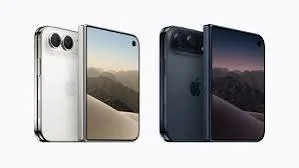
A book-style folding design, similar in general concept to Samsung's Galaxy Z Fold lineup, opening from a phone-sized form factor into a larger, tablet-like display.
A premium price position, reportedly sitting above even the iPhone Pro Max in Apple's lineup, reflecting both the manufacturing complexity of foldable display technology and Apple's typical approach of pricing genuinely new product categories at a premium during their first generation.
Advanced display engineering specifically focused on minimizing the visible crease that has been a persistent criticism of foldable phones across the industry, an area Apple is reported to have invested heavily in solving before bringing a foldable to market at all.
A name that remains genuinely unsettled in reporting — variously referred to as the "iPhone Fold," "iPhone Ultra," or simply as part of the broader iPhone 18 family, with no consistent naming convention having emerged across different reporting sources.
Why Apple Waited This Long to Enter the Foldable Category
It's worth understanding Apple's typical product strategy here, since it explains why this device, if real, has taken so long to materialize despite years of foldable competition from Samsung and other Android manufacturers. Apple has a well-documented pattern of entering established product categories later than competitors, but only once the company believes it can deliver a meaningfully refined, polished experience rather than a first-generation product with obvious compromises — the original iPhone itself arrived years after smartphones already existed, and the Apple Watch followed established smartwatch categories by a similar margin. If reporting about extensive engineering focus on crease reduction and hinge durability is accurate, it fits this exact pattern: Apple reportedly waiting until it believes the foldable form factor can meet its own quality bar, rather than rushing an early, more compromised version to market simply to compete on category presence alone.
What "First Generation" Genuinely Means for Buyers
This is worth a dedicated, honest section, since it applies regardless of how impressive Apple's eventual foldable turns out to be. Every genuinely new product category, across every manufacturer, tends to see its most significant refinements emerge across the first two to three generations rather than arriving fully mature on day one. This has been true of foldable phones generally across the industry — early Samsung foldables faced genuine durability and software optimization challenges that later generations meaningfully improved upon. There's no specific reason to assume Apple's first foldable will be immune to this general pattern, however much engineering effort has reportedly gone into it. This isn't a reason to avoid a first-generation Apple foldable if you're genuinely excited about the category, but it is a reason to go in with realistic expectations about potential early rough edges, rather than assuming Apple's famous attention to polish automatically means a flawless first attempt.
Software Considerations for a Foldable iPhone
It's worth thinking through the software side of this as well, since a foldable device isn't simply a bigger-screened iPhone — it requires genuine software adaptation to make good use of the larger, differently-shaped unfolded display. iOS has historically been more conservative than Android in adapting its interface for non-standard screen shapes and sizes, in contrast to Android's longer history of supporting foldable-specific app layouts through Samsung's own software work. Whether Apple's version of iOS designed for this device delivers a genuinely well-adapted multitasking and app experience on the unfolded display, or whether early software support lags behind the hardware's capability, is a genuinely open question worth watching for in early reviews once the device actually ships, rather than assuming based on Apple's general software reputation alone.
Should Kenyan Buyers Consider a First-Generation Apple Foldable?
Given everything above, here's a genuinely honest framework for thinking about this, once the device is actually confirmed and available.
Consider it if: you're a genuine early adopter who enjoys being among the first to experience a new product category, you have the budget to comfortably absorb a premium, first-generation price point, and you're comfortable with the possibility of some early rough edges being ironed out in future generations.
Wait for a second or third generation if: you want the most refined, mature version of this form factor, you're budget-conscious and want the best possible value rather than paying an early-adopter premium, or you specifically want to see genuine, independent, hands-on reviews confirming real-world hinge durability and software quality before committing this much money to a genuinely new kind of device.
Stick with a standard iPhone or the current iPhone 17 series if: the foldable form factor itself doesn't genuinely excite you beyond curiosity, since a standard-format phone remains the safer, more proven choice for most buyers regardless of how compelling Apple's marketing for a new foldable eventually turns out to be.
What a Foldable iPhone Might Cost in Kenya
Given the complete absence of official pricing at the time of writing, any specific number would be pure speculation and isn't something this guide will offer. What can be said with reasonable confidence, based on how Apple has historically priced genuinely new product categories relative to its existing flagship lineup, is that a first-generation foldable iPhone is very likely to be priced as Apple's most expensive phone, positioned above the Pro Max tier. Once genuine, Apple-confirmed pricing exists for major markets, Kenyan pricing typically follows within a reasonably predictable range once import duties, VAT, and standard retail margins are factored in — a calculation City Gadgets Kenya will apply the moment confirmed international pricing exists, rather than guessing ahead of that confirmation.
How This Compares to Samsung's Established Foldable Lineup
It's worth a brief, fair comparison to Samsung's Galaxy Z Fold and Z Flip lineups, since Samsung has had multiple generations to refine its foldable offering and Kenyan buyers genuinely interested in a foldable device have had access to Samsung's mature, several-generations-deep hardware for a while already. Samsung's current foldables benefit from years of accumulated hinge engineering refinement, established software adaptation across Android's ecosystem, and typically more competitive pricing than a first-generation Apple device is likely to command. If a foldable form factor genuinely appeals to you today, rather than specifically wanting an Apple foldable for ecosystem reasons, Samsung's current, mature foldable lineup — available today, with real, tested track records rather than speculation — is worth genuine consideration as an alternative, rather than waiting an uncertain amount of time for Apple's unconfirmed first attempt.
The Genuine Excitement Behind This Rumor, Fairly Stated
It's worth being fair to the excitement this reporting has generated, rather than framing this guide purely around caution. If Apple genuinely has solved the crease and hinge durability challenges that have limited foldable adoption industry-wide, and pairs that hardware achievement with the kind of software polish Apple is generally known for, a first Apple foldable could meaningfully reset expectations for what a foldable phone experience should feel like — much as the original iPhone reset expectations for what a smartphone should be, arriving years after competitors but setting a new bar once it did. This is a genuinely exciting possibility, and it's entirely reasonable to be excited about it while still exercising the patience to see confirmed details and genuine independent reviews before making a purchase decision.
Staying Updated on Genuine, Confirmed Details
Given how much genuine uncertainty still surrounds this device, here's the most reliable way to track real developments rather than getting lost in the noise of ongoing speculation. Apple's own newsroom and official event livestream remain the only fully authoritative source — everything else, however credible the outlet, remains reporting until Apple's own channels confirm it. City Gadgets Kenya's WhatsApp line is worth reaching out to directly for Kenya-specific updates once genuine, confirmed international pricing and specifications exist, since Kenyan-market specifics won't be meaningfully knowable until well after Apple's own announcement settles the global picture.
Why Buy Your Current Phone Needs From City Gadgets Kenya While You Wait
If you need a phone today and a first-generation foldable isn't something you're planning to chase regardless of timing, City Gadgets Kenya's current, fully genuine lineup remains available without any of the uncertainty covered throughout this guide.
Location: New Alnoor Exhibition, Shop 7, Second Floor, Taveta Road, Nairobi CBD.
Online: Browse the current genuine Apple range, including the full iPhone 17 series, at citygadgetskenya.co.ke.
WhatsApp: 0745 575 931 for sales inquiries, or to be notified once genuine foldable iPhone details and Kenyan pricing are confirmed.
Understanding Foldable Display Technology in Plain Terms
For buyers unfamiliar with how foldable displays actually work, it's worth a plain-language explanation, since the terminology can be genuinely confusing. Unlike a standard rigid smartphone screen, a foldable display uses a flexible OLED panel, typically protected by an ultra-thin, flexible layer of glass or specially engineered plastic rather than traditional rigid glass. This flexible layer is what allows the screen to physically fold without cracking, but it also introduces the genuine engineering challenges around crease visibility and long-term durability that every foldable manufacturer has had to address to varying degrees of success. The hinge mechanism itself — the physical component allowing the device to fold and unfold thousands of times over its lifespan without failure — represents one of the most mechanically complex parts of any foldable phone, and is precisely the component reporting suggests Apple has spent considerable engineering effort refining ahead of any eventual launch.
What Genuine Reviewers Will Be Looking For
Once a foldable Apple device does become available for independent review, it's worth knowing what genuinely matters in that early coverage, so you can evaluate real reviews critically rather than simply absorbing headline impressions. Crease visibility and feel under normal use and viewing angles, not just in a controlled studio photograph. Hinge durability under realistic, repeated folding over an extended review period, not just a single unboxing session. Software adaptation quality — whether apps and multitasking genuinely take advantage of the unfolded display's shape, or whether the experience feels like a standard iPhone interface simply stretched onto a larger canvas. Battery life across the larger unfolded display, which typically demands more power than a standard single-screen phone. And overall thickness and weight when folded, since foldable phones have historically been bulkier in their folded state than standard phones, a trade-off some buyers accept readily and others find genuinely bothersome in daily pocket carry.
A Balanced Closing Perspective
It's worth ending this guide the same way it began: with genuine enthusiasm for what this device could represent, balanced against genuine discipline about not acting on unconfirmed information. Apple entering the foldable category, if the reporting proves accurate, would be a genuinely significant moment for the broader smartphone industry, likely accelerating foldable adoption and driving further innovation across competing manufacturers as they respond to Apple's entry. Kenyan buyers who are genuinely excited about this possibility are right to be excited — just channel that excitement into watching for Apple's own confirmed announcement, rather than into premature purchasing decisions based on speculation that may not match what Apple actually ships.
How a Foldable Might Fit Into Apple's Ecosystem
It's worth considering how a foldable iPhone might integrate with the broader Apple ecosystem, since this is genuinely one of Apple's core competitive advantages regardless of form factor. If a foldable iPhone does launch, expect the same deep integration Apple applies across its current lineup — Continuity features allowing seamless handoff between devices, iCloud syncing, Face ID, and full compatibility with the App Store's existing catalogue rather than requiring a separate foldable-specific app ecosystem to be built from scratch. This is arguably one of Apple's genuine structural advantages over competitors entering the foldable space, since a new Apple device doesn't need to solve the "will my apps work properly" problem in the same way an entirely new manufacturer or platform would, given how mature and extensive the existing iOS app catalogue already is. Whether individual apps take specific advantage of the larger unfolded display, however, remains a genuinely separate question from basic compatibility, and is worth watching for in early developer response once real hardware exists for developers to build against.
What Kenyan Business and Professional Users Might Consider
It's worth a specific note for business and professional users in Kenya who might be considering a foldable device specifically for productivity reasons, since this is a genuinely different use case than the general consumer excitement driving most of the conversation around this device. A larger unfolded display could offer genuine productivity benefits for tasks like document review, spreadsheet work, or multitasking between two apps simultaneously — capabilities that have proven genuinely valuable on Samsung's mature foldable lineup for professional users who've adopted it specifically for this reason. If you're considering a first-generation Apple foldable primarily for professional productivity rather than general excitement about the category, it's worth weighing this specific use case against Samsung's already-proven track record in exactly this space, since a first-generation device's software may not yet match years of accumulated productivity-focused refinement on a more established platform.
Currency and Import Considerations Specific to Kenya
It's worth a practical note on how pricing typically translates once a device like this eventually reaches Kenya, since foldable devices carry genuinely higher shipping insurance and import complexity than standard phones, given their higher declared value and, in some cases, additional care required during shipping and handling. This can mean the gap between a device's US or UK price and its eventual Kenyan retail price is proportionally larger for a premium foldable than for a standard iPhone, once all these additional logistics costs are factored into a retailer's final pricing. This is worth keeping in mind when eventually comparing international pricing coverage against whatever genuine Kenyan pricing City Gadgets Kenya confirms once the device is actually available to import and sell.
Frequently Asked Questions
Is Apple really releasing a foldable iPhone? It's widely and consistently reported across multiple credible technology outlets and supply chain sources, but Apple has not officially confirmed this device's existence, name, or specifications at the time of writing.
What will Apple's foldable iPhone be called? Reporting is inconsistent, with "iPhone Fold" and "iPhone Ultra" both circulating as possible names. No official name has been confirmed.
How much will Apple's foldable iPhone cost? No official pricing exists yet. It's reasonably expected to be priced above the iPhone Pro Max, reflecting both manufacturing complexity and Apple's typical approach to pricing new product categories.
Should I buy Apple's first foldable iPhone, or wait for a later generation? This depends on your risk tolerance and budget — first-generation devices in any new category, across any manufacturer, often see their most significant refinements in the following one to two generations.
Is Samsung's foldable lineup a better choice right now? If a foldable form factor genuinely appeals to you today, Samsung's mature, several-generations-deep foldable lineup offers a proven track record that an unconfirmed first-generation Apple device can't yet match.
Where can I get updates on genuine foldable iPhone pricing in Kenya? Reach out to City Gadgets Kenya on WhatsApp to be notified once confirmed details exist.
Where can I buy a genuine iPhone in Kenya right now? City Gadgets Kenya stocks the complete genuine iPhone 17 series today, with a 12-month official brand warranty, without needing to wait on unconfirmed foldable details.
Final Word
Apple's rumored first foldable iPhone represents a genuinely exciting possibility — the company entering a mature product category with, reportedly, real engineering effort aimed at solving the durability and design compromises that have limited foldable adoption elsewhere. But "reportedly" is doing real work in that sentence, and nothing here is officially confirmed by Apple yet. Stay genuinely curious about this device, but make your actual purchase decisions based on confirmed information and, where relevant, genuine independent reviews once real hardware exists to review — not on pre-announcement speculation, however consistently and credibly reported.
Browse the current genuine iPhone lineup at City Gadgets Kenya, or reach out on WhatsApp to be first notified once genuine foldable iPhone details and Kenyan pricing are confirmed.