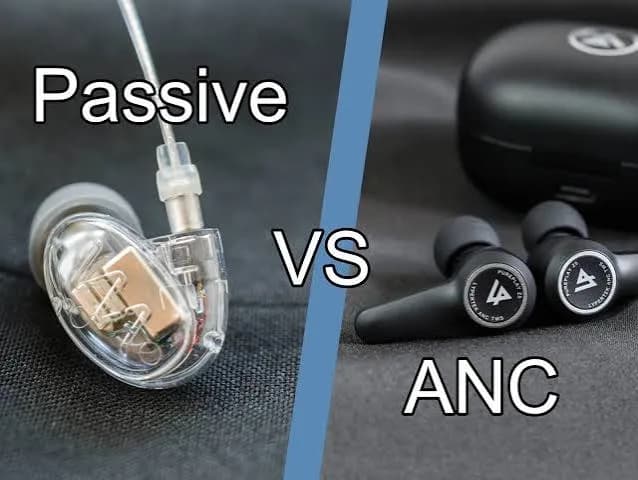
Most modern earbuds and headphones give you a small menu of listening modes: noise cancelling (ANC), transparency (also called ambient or awareness mode), and off. Behind those buttons sits a third idea that does not have a button: passive isolation, the physical blocking of sound by the fit of the product. Many owners leave their earbuds on one mode all day, or switch randomly, and miss out on battery life, comfort and safety. This guide is about ANC vs transparency mode in real life: what each mode does, what each is bad at, which to use on a matatu, in a lecture hall, at a bus stage, in the office, on a flight, while running and during a phone call, how to protect your hearing, and how to check that a pair you are considering really has these features rather than a fake switch. If you want the physics of how noise cancelling works, read our companion blog on how active noise cancelling works. This one is about using the modes well.
We use products from our own range as examples: the Sony WH-1000XM6, Samsung Galaxy Buds3 Pro, Apple AirPods 4 with ANC, Anker Soundcore Liberty 4 NC, Space One, Space Q45 and Life Q30, and the CMF Buds Pro 2.
The three things, in one paragraph each
Passive isolation is the physical barrier between your ear and the world: the cushions of an over-ear headphone, or the silicone tip that seals an earbud in your ear canal. It needs no battery and no electronics. It blocks mid and high frequencies well (chatter, hiss, clatter) and low frequencies poorly (rumble, engines).
Active noise cancelling (ANC) adds electronics: microphones listen to the surrounding noise and the speaker plays an opposing wave to cancel it. It is strongest on steady, low-pitched noise and weaker on voices and sudden sounds. It uses battery.
Transparency mode does the opposite of ANC. The outside microphones capture the world and play it into your ears so you can hear traffic, announcements and conversation naturally while wearing the product. It also uses battery.
In practice, the best-sounding, quietest experience is passive isolation plus ANC together. The best awareness experience is transparency. And the best battery experience is "off" when you do not need either.
Quick decision table
| Situation | Best mode | Why |
|---|---|---|
| Matatu or bus ride (you are a passenger) | ANC | Engine and road rumble is ideal ANC territory |
| Walking along a busy road | Transparency | You need to hear horns, boda bodas and shouts |
| Standing at a bus stage | Transparency or ANC off | You must hear your matatu and the conductor |
| Open-plan office | ANC | Cuts air conditioning, fans and hum |
| Quiet office, asking colleagues questions | Transparency | Talk without removing the earbuds |
| Lecture hall or exam hall (where allowed) | ANC low or off | Awareness and rules matter |
| Flight | ANC | Cabin drone is the classic target |
| Airport announcements, boarding calls | Transparency | Do not miss your gate |
| Gym or run on a safe path | Transparency | Awareness and a more natural feel |
| Running or cycling on roads | Transparency (or one earbud) | Safety first |
| Phone or video call in a noisy place | ANC on, good mic | You hear better; the mic does the rest |
| Studying or deep work at home | ANC, or off if it is already quiet | Saves battery |
| Cooking and chatting at home | Transparency or off | Conversation and kettle alerts |
| Sleep with earbuds (not recommended for all) | Off, or low ANC with comfortable earbuds | Comfort and battery |
The table is a starting point. Use your own judgement, especially around traffic.
Safety first: why transparency mode is not optional on Nairobi roads
Nairobi pedestrians face boda bodas, matatus reversing without warning, cyclists, hawkers and impatient drivers. ANC is designed to make the world quieter, and the sounds it removes most effectively (engines) are the same ones that warn you a vehicle is approaching. The sounds it removes least (sudden horns) are the ones you might still hear, but not reliably.
Our simple rule: if you are walking near moving traffic, use transparency mode or wear only one earbud, and keep the volume moderate. Many people do the opposite out of habit, putting ANC on at full strength, and the result is a close call that was entirely avoidable. This is not a scare story. Pedestrian and cyclist accidents involving headphones are widely reported, and ANC increases the risk when used carelessly.
For cyclists and runners, bone-conduction or open-ear products exist, but a sealed ANC earbud used with transparency mode on is also acceptable if you can still hear clearly. Test your transparency mode before you rely on it: stand on a safe street and see whether you can hear approaching vehicles at a natural level.
What transparency mode does well, and badly
Where it shines
- Short conversations: order a coffee, speak to a matatu conductor or a cashier without taking out your earbuds.
- Announcements: airport gates, bus terminals, school bells.
- Awareness: footsteps, bicycles and vehicles.
- Comfort: it can reduce the "plugged ear" feel of sealed earbuds.
Where it falls short
- Naturalness varies. Some products sound very natural; others sound tinny, hissy or boosted in the high frequencies. Sony and Apple are widely regarded as strong performers in transparency; test any product yourself.
- Wind noise. In a stiff breeze, microphones can create loud rushing noise. Better products reduce this with wind processing.
- Delay. Rare, but a poor implementation can have a tiny lag, making your own voice sound odd.
- It uses battery, typically less than ANC, but not nothing.
- It is not hearing protection. Transparency mode passes sound through; loud noise gets through as loud noise (some products limit peaks, but do not rely on it).
Many products also offer adjustable transparency: you can raise or lower the amount of ambient sound, or choose "voice focus", which boosts speech. The Soundcore Space One, for instance, lists five adjustable transparency levels.
What ANC does well, and badly
Where it shines
- Constant low-frequency noise: buses, trains, aircraft, air conditioners, fans, generators.
- Reducing listening volume: you can listen quietly because the background is lower.
- Focus and fatigue: a quieter background is less tiring over a long journey.
Where it falls short
- Voices and sudden sounds: partially reduced, not eliminated.
- Wind: can cause artefacts.
- Pressure feeling: some people dislike the sensation. Lower the level or take breaks.
- Awareness and safety: reduces your ability to hear traffic.
- Battery: shortens listening time. For example, the Soundcore Liberty 4 NC lists up to about 8 hours in the earbuds with ANC on versus about 10 with ANC off.
What passive isolation does well, and badly
Passive isolation is easy to overlook because there is no switch for it, yet it is the foundation. A well-fitted sealed earbud can reduce mid and high frequency noise significantly before any electronics do anything. A badly fitted one leaks, and no ANC can fully compensate.
Fit is the biggest controllable factor in earbuds. If your ANC "doesn't work well", try these steps before blaming the product:
- Try every ear tip size supplied. Many people need a bigger size than they expect, and the two ears may need different sizes.
- Twist the earbud gently as you insert it for a firm seal.
- Use the app's fit test, if available.
- Replace worn silicone tips.
- Consider foam tips, which seal well and are comfortable for many people.
- Clean the microphone ports.
Open-fit earbuds like the AirPods 4 do not seal at all. Their ANC reduces steady background noise, but they cannot isolate the way sealed earbuds do. That is a design choice that trades isolation for comfort and awareness. If you are choosing between sealed and open designs, see our guide to the best wireless earbuds in Kenya.
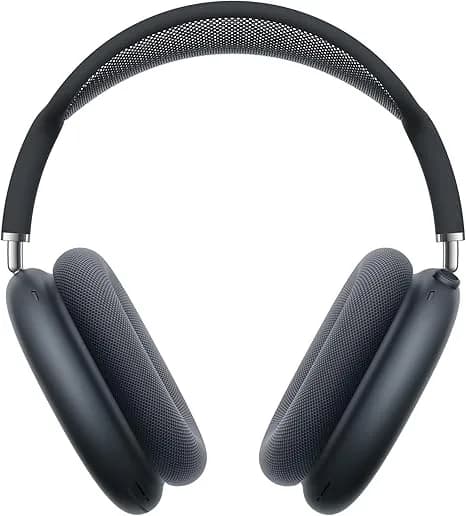
Over-ear headphones isolate passively through their cushions, which is why they often beat earbuds on ANC. A cracked cushion or an awkward fit with glasses breaks the seal. Glasses arms, in particular, create small leaks; soft cushions and a light touch help.
Side-by-side comparison
| Feature | Passive isolation | ANC | Transparency |
|---|---|---|---|
| Needs battery | No | Yes | Yes |
| Best frequencies | Mid and high | Low | Full range pass-through |
| Safety awareness | Poor | Poor | Good |
| Effect on listening volume | Lets you lower volume somewhat | Lets you lower it most | Raises ambient noise |
| Adjustable | No (depends on fit) | Often yes | Often yes |
| Weak point | Rumble | Voices and sudden noise | Wind noise, naturalness |
| Typical use | Always there | Commute, flights, office | Roads, conversations, announcements |
Smart modes: adaptive, automatic and conversation-aware
Modern products add layers of intelligence on top of the three basic modes. Names vary by brand, but the ideas are consistent.
Adaptive ANC. The product measures the noise around you and the fit of the earbud or headphone, and adjusts the cancellation continuously. Sony's WH-1000 series is known for this approach, and Anker's Soundcore Liberty 4 NC (Adaptive ANC 2.0) and Space range also use adaptive approaches. In a city like Nairobi, where you move from a quiet shop into a roaring street within seconds, adaptive modes feel smoother than fixed ones.
Automatic switching. Some products switch to transparency when they detect your voice (so you can talk), or when you take one earbud out, or pause the music when you remove them. This is often called conversation awareness, speak-to-chat or auto pause. It is convenient but occasionally triggers when you hum or sing, so most apps let you turn it off.
Adjustable levels. The Soundcore Space Q45 is listed with five ANC levels in the app. A lower level reduces the pressure feeling, saves a little battery and is better when you want some awareness.
Wind-noise reduction. Higher-end products process the microphone signal to cut wind rush in transparency mode. Cheaper products often skip this.
Scenario presets. Soundcore, Sony and others offer presets such as "Commute", "Indoor" and "Outdoor" with different ANC strengths, which you can switch from the app.
Personalisation. Some systems measure the way sound travels in your ear and tune the cancellation to it. It is a small but real improvement for those who wear glasses or have unusual ear shapes.
These features live in companion apps (Sony Sound Connect, Galaxy Wearable, Soundcore, Nothing X, Apple's system settings), so make sure you install the right app and keep firmware current.
Mode controls: how to switch quickly
If switching modes takes four taps through an app, you will not do it. Set up a fast shortcut on day one.
- Earbuds: most allow a long-press on the stem or touch surface to cycle through ANC, transparency and off. In the app, choose which modes are in the cycle (most people exclude "off" to avoid accidental switching).
- Over-ear headphones: usually a dedicated button cycles modes. Learn it by touch.
- Phone shortcuts: iPhone users can add the noise control option to Control Center. Android users can pin quick settings from the earbuds' app or notification shade.
- Voice assistants: some products let you say "transparency on" via the phone's assistant.
- Automations: advanced users can use routines, such as turning on ANC at a specific location or time, in apps that support them.
A good habit: put the earbuds in, then glance at the mode before you step onto a road.
Hearing health: using the modes to protect your ears
Hearing damage depends on loudness and duration. As a rough guide used by many health authorities, listening at around 85 decibels for more than about eight hours a day risks harm, and louder levels reduce the safe time rapidly.
The relationship with modes is simple:
- ANC helps because with less background noise you can listen at lower volumes. If you commute in a matatu and turn your music up to compete with the engine, ANC lets you turn it down.
- Transparency requires care because your music plays on top of the ambient sound, so you may be tempted to turn the volume up.
- Passive isolation helps with mid and high frequencies.
- None of them replaces ear protection in genuinely loud environments such as construction, generators or concerts. Use proper ear protection there.
Practical tips: keep volume at or below about 60% of the maximum for long listening sessions, use your phone's headphone safety or "reduce loud sounds" settings, take breaks, and see a doctor if you notice ringing, muffled hearing or ear pain after listening.
Battery strategy: use the right mode, save the charge
ANC and transparency both use power. Here is how to stretch a charge.
| Habit | Effect |
|---|---|
| Use ANC only when noise is present | Saves a lot of battery on quiet days |
| Use transparency for short interactions, then return to ANC | Avoids removing the earbuds and re-pairing |
| Drop to a lower ANC level in moderate noise | Saves a little power and reduces pressure |
| Charge the case regularly | Earbuds top up from the case several times |
| Use quick-charge when in a hurry | Many products give a few hours from a few minutes of charging; the Liberty 4 NC lists about 4 hours from 10 minutes |
| Avoid heat | Hot environments reduce battery performance and life |
Battery figures given by manufacturers are tested in laboratory conditions. Expect slightly less in daily use, and less again after a couple of years.
Mode choices for specific people
The daily commuter
Use ANC on the matatu or bus, then transparency when you step off. Leave your earbuds in a mode cycle that only includes ANC and transparency. If you sit near the front where the engine is loudest, ANC makes a big difference. If your stop is announced by the conductor, set transparency or take one earbud out.
The office worker
ANC at a medium level for concentration, transparency when someone approaches. If your employer expects you to be reachable, avoid full isolation. Over-ear headphones signal "I'm in the zone" in a way earbuds do not.
The student
ANC in the hostel or library to focus, transparency for lectures where you must hear the lecturer and announcements. Check the rules in exam rooms: devices are generally not allowed.
The traveller
ANC for the flight, transparency for airport announcements and the boarding queue. Remember to switch ANC off while waiting for important calls. A product with a good case and long battery life helps on long trips.
The runner and gym user
Transparency for outdoor running, ANC off in the gym unless the music system is overwhelming. Choose a product with a secure fit and sweat resistance. See our blog on IP ratings.
The parent
Transparency mode (or one earbud) at home so you can hear a child calling. ANC only when someone else is watching the children.
The remote worker
ANC for heads-down work, transparency for household interruptions, and a headset with good microphones for calls. Our guide to the best headsets for Zoom, Teams and online classes covers this.
Someone with sensitive ears
If ANC gives you a pressure feeling, choose a product with adjustable levels, use the lowest comfortable setting, or rely mainly on good passive isolation. Over-ear headphones with soft cushions often feel more comfortable than sealed earbuds for people with this sensitivity.
Common mistakes
Leaving ANC on all day. It drains the battery and isolates you needlessly.
Using ANC in traffic. Dangerous. Use transparency.
Ignoring fit. The best ANC in the world fails with a poor seal.
Blaming the product for voices getting through. That is physics, not a fault.
Never updating firmware. Manufacturers improve ANC and transparency through updates.
Cleaning microphones with liquid. Use a dry soft brush.
Expecting transparency to sound like no earbuds. It is a good simulation, not identical to bare ears.
Wearing the same tips for years. Replace silicone tips when they stretch or harden.
How the products in our range handle these modes
The specifics below come from manufacturer and retailer listings. Features can change with firmware updates, so ask us to confirm the details of the unit you order.
Sony WH-1000XM6. Sony's flagship over-ear line is known for adaptive noise cancelling and a strong ambient mode, with beamforming microphones aimed at clear calls. It is the product we point to for people who want the strongest cancellation and the most refined transparency in headphone form.
Samsung Galaxy Buds3 Pro. Samsung's flagship earbuds offer active noise cancellation and an ambient mode, tuned to work best with a Galaxy phone through the Galaxy Wearable app. As sealed earbuds, they depend on a good tip fit.
Apple AirPods 4 with Active Noise Cancellation. An open-fit design with ANC and transparency modes. Good for comfort and awareness, with more modest isolation than sealed earbuds. Controls integrate tightly with iPhone.
Anker Soundcore Liberty 4 NC. Adaptive ANC 2.0 with a claimed noise reduction of up to 98.5% in lab tests, Bluetooth 5.3 with multipoint, LDAC support and about 8 hours of listening with ANC on. A strong value choice for Android users.
Anker Soundcore Space One and Space Q45. Over-ear headphones with adaptive ANC. The Space One lists five adjustable transparency levels and up to 40 hours with ANC on; the Space Q45 lists five ANC levels in the app, up to 50 hours with ANC on and LDAC support.
Anker Soundcore Life Q30. An older, still popular over-ear model with hybrid ANC (microphones inside and outside the ear cups) and multiple modes, with up to 40 hours with ANC on.
CMF Buds Pro 2. A value-oriented ANC earbud from Nothing's CMF sub-brand, with app control through the Nothing X app. Ask us for current specifications for the unit in stock.
If you want a direct comparison of similar products, see our guides: Samsung Galaxy Buds compared, CMF Buds compared, Soundcore earbuds compared.
Practical fit tips for glasses, hair, headscarves and earrings
Passive isolation is only as good as the seal, and everyday items interfere with it.
Glasses. The arms of glasses break the seal of over-ear cushions and create leaks. Soft, thick memory-foam cushions help. Thin-framed glasses with thin arms leak less. Sealed earbuds are not affected.
Hair and headscarves. Thick hair or a headscarf under over-ear cushions can lift the seal. Position the cushion carefully, and consider earbuds if you wear a headscarf daily. Take care that fabric does not cover earbud microphones.
Earrings. Large or dangling earrings can poke the cushions and cause discomfort or leaks. Small studs are usually fine.
Earwax. Wax builds up on ear tips and microphone ports and reduces both comfort and ANC. Clean tips weekly, and see a doctor if you have blocked ears.
Sweat and humidity. Wipe earbuds after exercise and dry them before charging.
A one-week experiment to find your best settings
If you have just bought a pair, spend a week finding your ideal modes. It is time well spent.
- Day one: run the fit test, try every tip size, and set the shortcut to cycle modes.
- Day two: commute with ANC on, and note how it feels. Reduce the level if you feel pressure.
- Day three: commute with transparency on, and note whether you hear the environment naturally.
- Day four: try adaptive or automatic modes, if available.
- Day five: use the product for a long call and ask the other person how you sound.
- Day six: check battery in your real routine, not the lab figure.
- Day seven: decide your standard setups: one for commuting, one for the office, one for walking.
By the end of the week you should know exactly which mode to reach for, and what you want from your next product.
When to take the earbuds out entirely
No mode replaces common sense. Remove your earbuds or headphones when you cross busy roads in complicated traffic, when someone is speaking to you at length, when you are in a place that needs your full attention (security checks, emergency situations, bank queues) or when your ears feel sore. Ears also benefit from rest. Plan a break every hour or so during long listening sessions.
A day in Nairobi: putting the modes together
To make this concrete, here is how one office worker, Njeri, might use the modes in a normal day.
6:45 am. Walking to the stage, she puts her earbuds in transparency mode. She can hear boda bodas and her matatu being called.
7:00 am. On the matatu, she switches to ANC. The engine rumble fades, and she listens to a podcast at a low volume.
8:15 am. At the office door, she taps to transparency and greets the guard without removing anything.
8:30 am to noon. At her desk, ANC at a medium level cuts the air conditioning hum. When a colleague approaches, she switches to transparency by holding the stem.
1:00 pm. Lunch with friends: earbuds in the case, saving battery.
3:00 pm. A video call from a quiet meeting room: ANC off, since the room is quiet, and she saves battery.
5:30 pm. Walking to the stage: back to transparency.
6:00 pm. Home in traffic, ANC again.
9:30 pm. Earbuds back in the case, charged by the time she sleeps.
She changed modes six times, never took the earbuds out for conversation, and the battery lasted the whole day. That is the real benefit of understanding ANC, transparency and passive isolation: not buying more features, but using the features you have at the right moment.
How to tell whether the modes are genuine (and not a fake)
Fake earbuds and headphones copy the labels "ANC" and "Transparency" and, in many cases, the button animations, without any working electronics. Here is how to tell.
1. Test ANC on and off near a constant noise such as a fan, air conditioner or generator. Real ANC makes a clear, immediate difference. A fake makes little or none, or just changes the volume.
2. Test transparency by speaking to someone. Real transparency lets you hear their voice clearly and naturally while music is paused. A fake makes little difference or sounds muffled.
3. Check the app. Genuine products have an official app showing ANC and transparency settings, levels, firmware version and the correct model name. If the app cannot find the product, or shows a different model, the product is suspect.
4. Check the serial number with the brand. Apple serial numbers can be verified on Apple's coverage-check page; Samsung, Sony and Anker devices register in their own apps.
5. Check the specifications on the box against the official manufacturer page. Fakes often claim features that the real model does not have.
6. Check the price and the seller. A premium ANC product at a low price from a seller who will not let you test it is a warning sign.
7. Check the build. Genuine cases close with a crisp click, hinges are firm, tips are neatly moulded, and logos are sharp.
8. Look for the microphones. Real ANC earbuds have visible microphone ports (several on premium models). Smooth plastic with no ports in sight is a sign of a fake.
9. Check call quality. Fakes often have terrible microphones. Make a test call.
10. Check the warranty. Genuine sellers can tell you what warranty applies and how to claim.
The bottom line
If you remember only three things from this guide, make them these. First, passive isolation is the foundation, so get the fit right before you judge any product. Second, ANC is a tool for steady noise, not a blanket for every situation, and it should be switched off or replaced with transparency whenever you are near traffic or need to talk. Third, a product is only as good as its real behaviour, so test the modes in a noisy place before you pay, and buy from someone who lets you. Message us on WhatsApp if you would like help choosing.
Why buy from City Gadgets Kenya
- Genuine products from Sony, Samsung, Apple, Anker Soundcore and CMF with specifications confirmed for the exact unit.
- Test before you buy. Visit our shop at New Alnoor Exhibition, Second Floor, Shop C7, Accra Road, Nairobi CBD, and try ANC, transparency and fit in person.
- Honest guidance. We will say if a cheaper product suits you, or if an open-fit earbud will not give you the isolation you want.
- Same-day delivery in Nairobi, next-day outside Nairobi, through reputable couriers, with M-Pesa payment.
- After-sales support for app setup, firmware and fit.
Browse our accessories category, and read our guide to the best noise-cancelling headphones.
Frequently asked questions
What is the difference between ANC and transparency mode? ANC reduces outside noise; transparency lets outside sound in so you stay aware of your surroundings.
Is passive isolation the same as noise cancelling? No. Passive isolation is physical blocking by the fit; noise cancelling is electronic.
Should I use ANC while walking in Nairobi? Use transparency or one earbud near traffic. ANC is for when you are not exposed to moving vehicles.
Does transparency mode protect my hearing? No. It passes sound through, so loud noise stays loud.
Why can I hear people talking with ANC on? Voices are varied and contain frequencies ANC handles less well. That is normal.
Does ANC use more battery than transparency? Usually ANC uses more, but both use power compared with having them off.
Can open-fit earbuds like AirPods 4 give strong isolation? They reduce steady background noise but cannot seal the ear, so isolation is limited by design.
How do I improve ANC on my earbuds? Check the fit first, try other tip sizes, clean the microphones, update firmware and adjust the level in the app.
Can I use ANC in an exam? Devices are generally not allowed in exam rooms. Follow your institution's rules.
How do I know if my ANC earbuds are fake? Test ANC near a constant noise, check the official app and serial number, and buy from a seller you trust.
Ready to choose?
Tell us how and where you listen, and whether you want sealed or open earbuds or over-ear headphones, and we will recommend the right product and settings.
WhatsApp: wa.me/254745575931 Visit: New Alnoor Exhibition, Second Floor, Shop C7, Accra Road, Nairobi CBD. Same-day delivery in Nairobi; next-day outside Nairobi.
Related reading: how active noise cancelling works, Bluetooth codecs explained, earbuds battery life explained.