Amazon vs Xiaomi Streaming Devices in Kenya: The Complete Comparison Guide
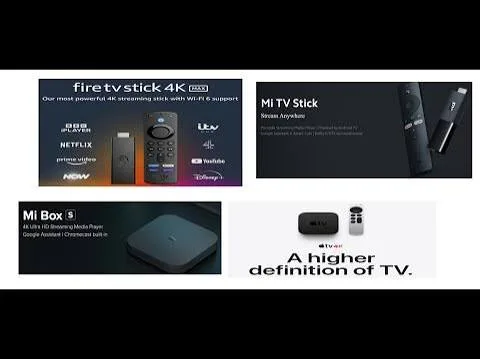
Kenya's streaming device market has quietly become a genuine two-horse race between two brands that actually deserve your trust: Amazon's Fire TV Stick lineup and Xiaomi's Mi TV Stick and Mi Box S lineup. Between them, these two manufacturers offer eight distinct genuine, officially licensed streaming devices sold in Nairobi right now, spanning from budget Full HD sticks under Ksh 6,000 to flagship 4K devices approaching Ksh 8,500. If you've been going back and forth trying to decide whether to buy Amazon or Xiaomi, at what tier, and why, this is the guide built specifically to answer that.
This is a long, deliberately thorough comparison, because "Amazon or Xiaomi" isn't really one decision — it's a decision about software ecosystem, price tier, and what your specific television and household actually need, layered on top of each other. Rather than a shallow spec-sheet skim, this guide walks through the philosophy behind each brand's approach, a tier-by-tier price matchup, direct head-to-head comparisons at every price point, and a practical decision framework so you can buy the right device the first time.
The Core Difference: Fire OS vs. Genuine Android TV / Google TV
Before comparing individual devices, it's worth understanding the single biggest difference that runs through this entire comparison. Every Amazon Fire TV Stick — HD, 4K, 4K 2nd Gen, and 4K Max — runs Fire OS, Amazon's own operating system built on top of Android but restyled entirely as Amazon's experience, with Amazon's own app store as the primary installation route and Alexa as the built-in voice assistant.
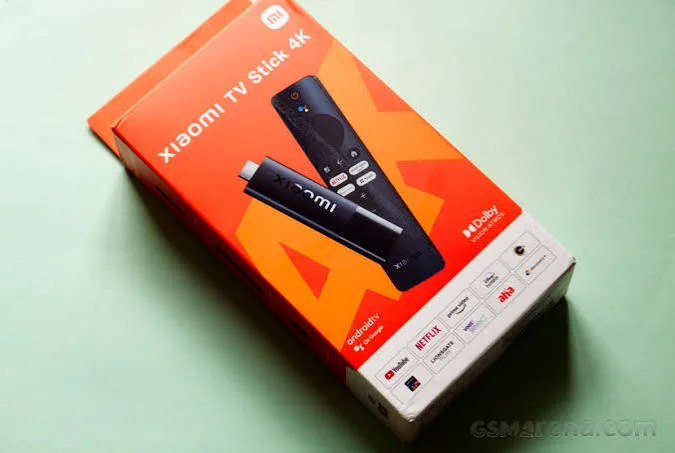
Every Xiaomi streaming device — the Mi TV Stick HD, Mi TV Stick 4K (1st Gen), Mi TV Stick 4K 2nd Gen, and Mi Box S 3rd Gen — runs genuine, officially licensed Android TV (with Chromecast built in on the entry-level models) or the newer Google TV 14 platform, with the real Google Play Store and Google Assistant built in from the ground up.
Neither approach is objectively superior — they represent two different, equally legitimate ecosystem philosophies from two of the largest technology companies in the world. The right choice for you depends heavily on which ecosystem your household already lives in, which is exactly why this guide spends real time on that question rather than just declaring a winner.
Full Lineup at a Glance: Every Device, Both Brands
| Device | Brand | Price in Kenya | Resolution | OS | RAM/Storage | Wi-Fi | Audio |
|---|---|---|---|---|---|---|---|
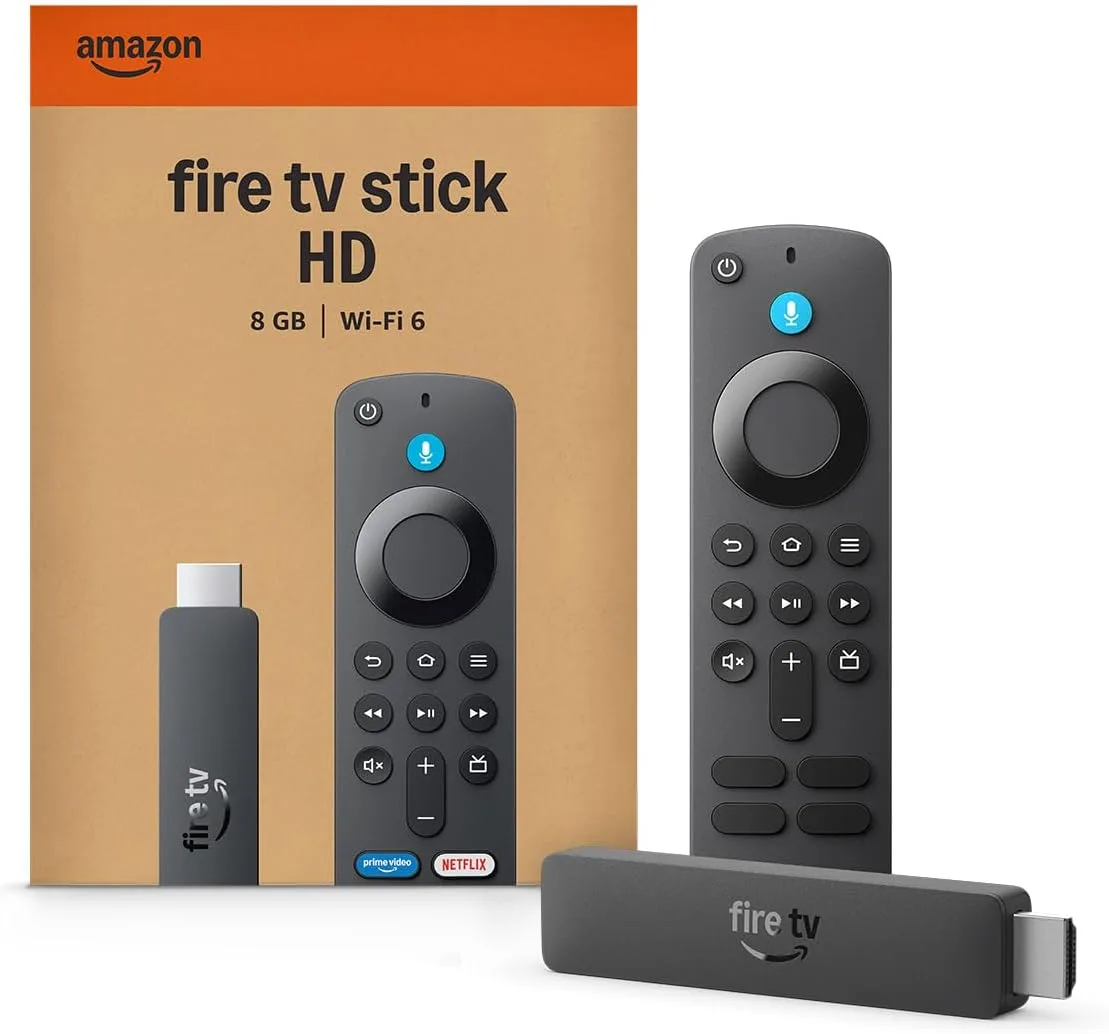
| Fire TV Stick HD | Amazon | Ksh 5,500 | Full HD | Fire OS | 1GB/8GB | Wi-Fi 5 | Standard |
| Mi TV Stick HD | Xiaomi | Ksh 6,600 | Full HD | Android TV | Not specified | Wi-Fi | Standard |
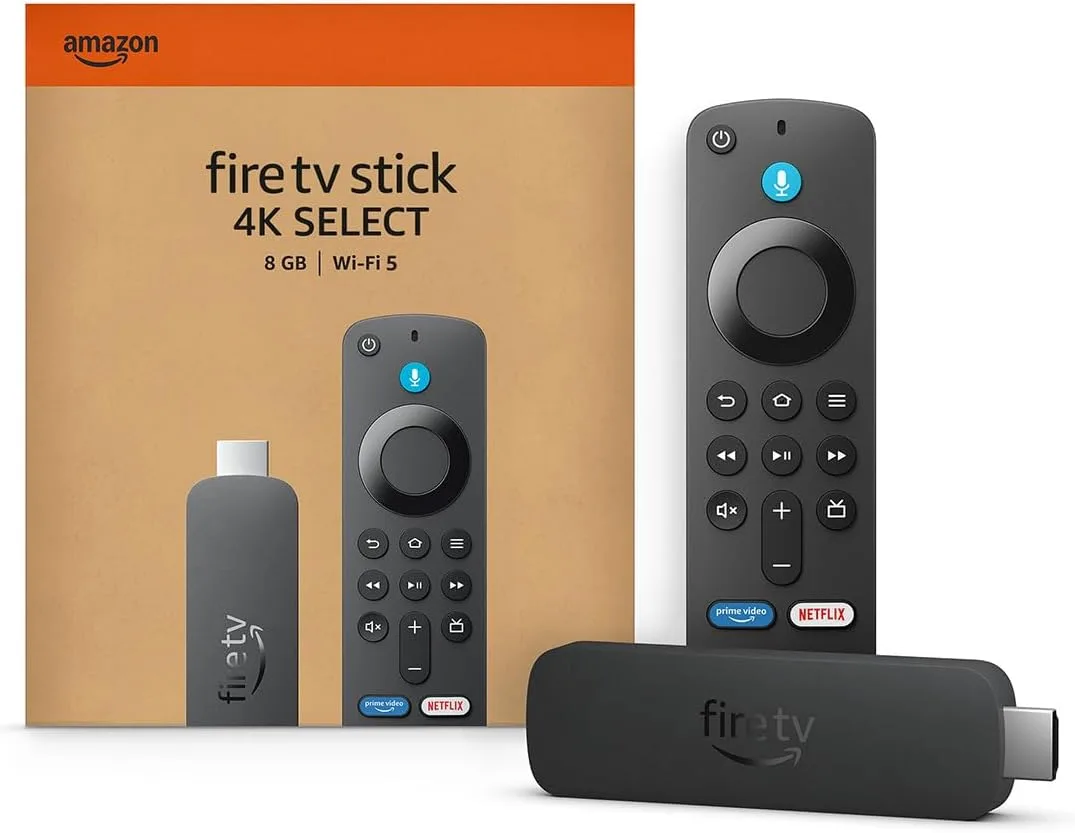
| Fire TV Stick 4K | Amazon | Ksh 6,500 | 4K, Dolby Vision, HDR10+, HLG | Fire OS | 1.5GB/8GB | Wi-Fi 5 | Dolby Atmos |
| Mi TV Stick 4K (1st Gen) | Xiaomi | Ksh 6,720 | 4K, HDR10 | Android TV | Not specified | Wi-Fi (dual-band) | Dolby Audio |
| Fire TV Stick 4K 2nd Gen | Amazon | Ksh 6,999 | 4K, Dolby Vision, HDR10+, HLG | Fire OS | 2GB/8GB | Wi-Fi 6 | Dolby Atmos |
| Mi TV Stick 4K 2nd Gen | Xiaomi | Ksh 8,500 | 4K, Dolby Vision, HDR10+ | Google TV 14 | 2GB/8GB | Wi-Fi 6 | Dolby Atmos, DTS:X |
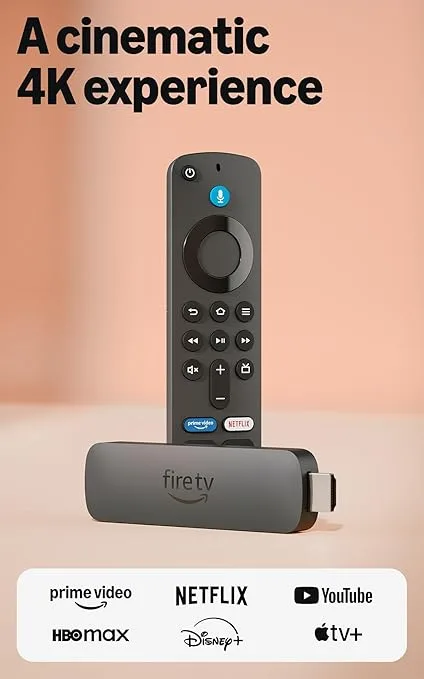
| Fire TV Stick 4K Max | Amazon | Ksh 8,500 | 4K, Dolby Vision, HDR10+, HLG | Fire OS | 2GB/16GB | Wi-Fi 6E | Dolby Atmos |
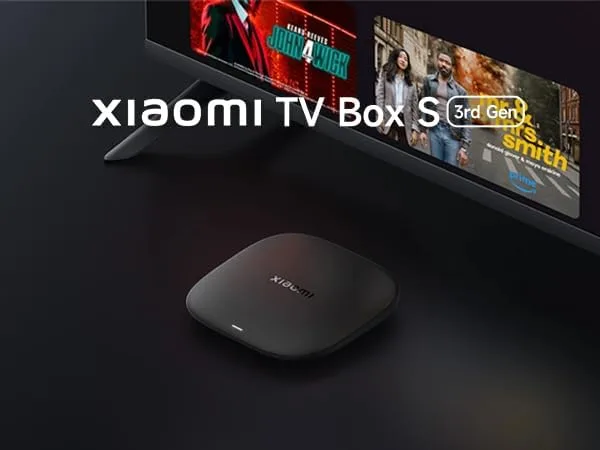
| Mi Box S 3rd Gen | Xiaomi | Ksh 8,400 | 4K, Dolby Vision, HDR10+ | Google TV 14 | 2GB/32GB | Wi-Fi 6 | Dolby Atmos, DTS:X |
With the complete picture laid out, let's work through what actually matters at each price tier.
Tier 1: Entry-Level Full HD — Fire TV Stick HD vs. Mi TV Stick HD
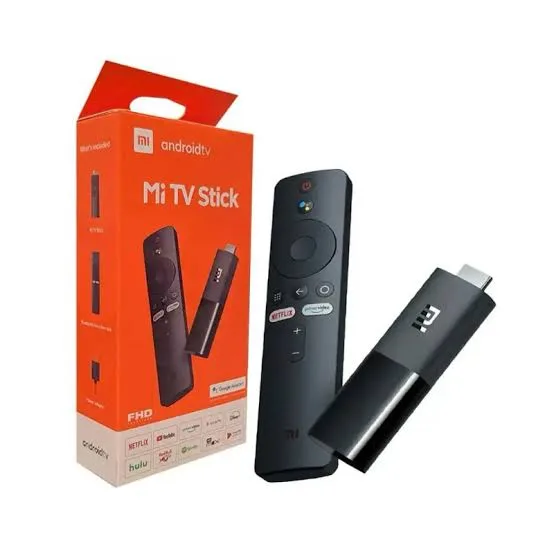
At the very bottom of both lineups sit two Full HD sticks built for the same job: bringing genuine smart streaming to a television that isn't 4K. The Fire TV Stick HD (Ksh 5,500) is genuinely the more affordable of the two, running Fire OS with 1GB of RAM and 8GB of storage on Wi-Fi 5, with the Alexa Voice Remote. The Mi TV Stick HD (Ksh 6,600) costs roughly Ksh 1,100 more, but delivers genuine Android TV with Chromecast built in, alongside the same Bluetooth voice remote with Google Assistant found across Xiaomi's entire range.
For a straightforward budget pick with no particular ecosystem preference, the Fire TV Stick HD is the more affordable entry point in Kenya's market. If your household already leans on Google services — an Android phone, a habit of casting from your phone to the TV — the extra cost of the Mi TV Stick HD buys you native Chromecast support and Google's own software from day one.
Tier 2: Base 4K — Fire TV Stick 4K vs. Mi TV Stick 4K (1st Gen)
Here the two brands land within Ksh 220 of each other. The Fire TV Stick 4K (Ksh 6,500) offers genuine 4K Ultra HD with Dolby Vision, HDR10+, and HLG — a notably complete HDR format list — plus Dolby Atmos audio, 1.5GB of RAM, and 8GB of storage on Wi-Fi 5. The Mi TV Stick 4K (1st Gen) (Ksh 6,720) offers 4K with HDR10 only (a narrower HDR format list than the Fire TV Stick 4K), Dolby Audio rather than Dolby Atmos, but dual-band Wi-Fi.
This is genuinely one of the closer fights in the entire comparison, and it comes down to what you value more: the Fire TV Stick 4K's broader HDR format support and Dolby Atmos audio make it the stronger pick for picture and sound quality specifically, at a marginally lower price. The Mi TV Stick 4K (1st Gen) counters with genuine Android TV and Chromecast, which some households will prefer regardless of the HDR and audio gap. On pure entry-level 4K specs, the Fire TV Stick 4K has a slight edge.
Tier 3: Mid-Tier 4K with Wi-Fi 6 — Fire TV Stick 4K 2nd Gen vs. Mi TV Stick 4K 2nd Gen
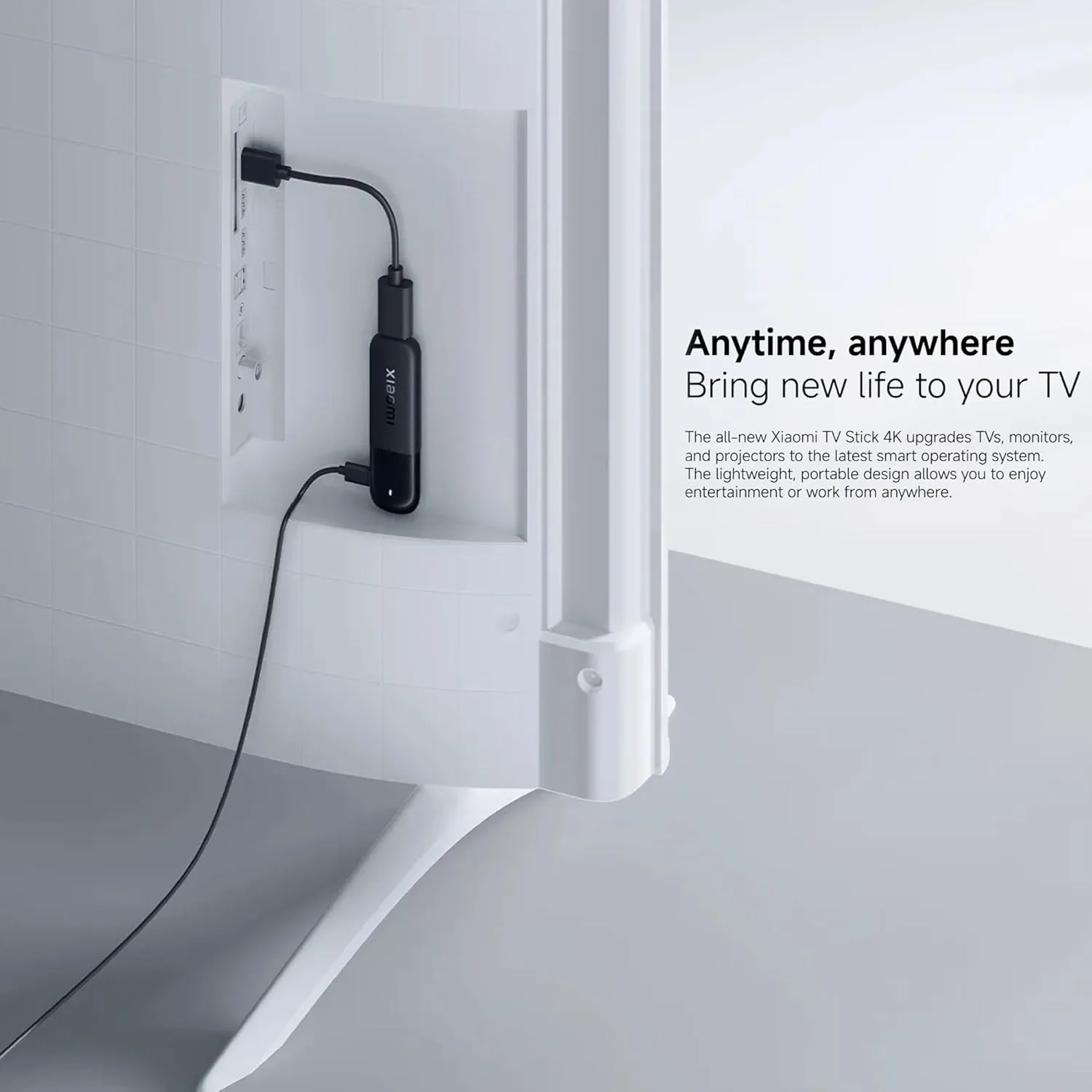
This is where the price gap widens meaningfully, and it's worth understanding exactly why. The Fire TV Stick 4K 2nd Gen (Ksh 6,999) delivers 4K with Dolby Vision, HDR10+, and HLG, Dolby Atmos audio, 2GB of RAM, 8GB of storage, and genuine Wi-Fi 6 — a strong, well-rounded mid-tier package at under Ksh 7,000. The Mi TV Stick 4K 2nd Gen (Ksh 8,500) costs roughly Ksh 1,500 more, but adds DTS:X audio support on top of Dolby Atmos, moves to the newer Google TV 14 software (versus the 1st Gen's older Android TV, in Xiaomi's own lineup) with genuinely faster internal hardware (Xiaomi states an 80% CPU and 150% graphics improvement over its own predecessor), and includes Bluetooth 5.2.
For pure value at this tier, the Fire TV Stick 4K 2nd Gen is genuinely hard to beat — it matches the Xiaomi stick's Wi-Fi 6 and RAM at a meaningfully lower price. The Xiaomi stick's case rests on its additional DTS:X audio format, its Google TV 14 software (a genuinely more modern, content-first interface than Fire OS or older Android TV), and its ecosystem fit for Google-centric households rather than any single dominant hardware advantage.
Tier 4: Flagship — Fire TV Stick 4K Max vs. Mi Box S 3rd Gen
At the top of both lineups sits a genuinely interesting matchup, because these two devices take different approaches to being each brand's best offering. The Fire TV Stick 4K Max (Ksh 8,500) is Amazon's fastest Fire TV Stick, with a 1.8GHz processor and 750MHz GPU, 2GB of RAM, 16GB of storage, Wi-Fi 6E (a full generation ahead of standard Wi-Fi 6), the Alexa Voice Remote Enhanced, and Amazon's Ambient Experience and Picture-in-Picture features for smart home control. The Mi Box S 3rd Gen (Ksh 8,400) counters with a Cortex-A55 chip at 2.5GHz built on a modern 6nm process, 2GB of RAM, a considerably larger 32GB of storage, Wi-Fi 6, Bluetooth 5.2, HDMI 2.1a, and Dolby Atmos with DTS:X audio, all in a set-top box form factor rather than a stick.
This comparison genuinely doesn't have a single winner — it depends on which specific advantage matters more to you. The Fire TV Stick 4K Max wins on wireless connectivity, with Wi-Fi 6E outperforming the Mi Box S 3rd Gen's Wi-Fi 6 in extremely congested wireless environments. The Mi Box S 3rd Gen wins on storage, offering double the capacity for installing apps and games. The Mi Box S 3rd Gen also wins on HDMI standard, with HDMI 2.1a ahead of the Fire TV Stick 4K Max's presumed older HDMI version, and on audio format breadth with DTS:X support. Form factor is a genuine, separate consideration here too — the Fire TV Stick 4K Max is a stick, the Mi Box S 3rd Gen is a box.
Ecosystem Comparison: Which Voice Assistant and Smart Home Setup Fits Your Household?
It's worth spending real time on this, since it's arguably a bigger factor in long-term satisfaction than any individual spec. Alexa, built into every Fire TV Stick's remote, is genuinely strong for households already using other Alexa-compatible smart home devices, and Amazon's own shopping and services ecosystem. Google Assistant, built into every Xiaomi device's remote, integrates more naturally with Android phones, Google Photos, Nest devices, and any household already centered on Google services day to day.
Neither assistant is meaningfully "smarter" than the other for typical streaming device use — searching for content, checking the weather, setting a timer, controlling a handful of smart plugs or lights. The decision genuinely comes down to which ecosystem the rest of your household's devices already belong to, since that's where the compounding convenience actually shows up.
App Store Comparison: Amazon's Curated Store vs. the Full Google Play Store
This is a genuine, practical difference worth understanding clearly. Fire TV Sticks install apps through Amazon's own app store, a curated storefront that covers all the major streaming services Kenyan households use — Netflix, Showmax, YouTube, Prime Video, Disney+ — but represents a narrower selection than Google's full catalogue. Xiaomi's devices install apps through the genuine Google Play Store, giving access to the same enormous, unrestricted app catalogue available on Android phones and other certified Android TV devices worldwide.
For the vast majority of Kenyan households whose streaming needs are covered by the major, mainstream apps, this difference won't be noticeable day to day — both stores carry everything most people actually use. It becomes more relevant if you have specific, less mainstream app needs, where the Google Play Store's broader catalogue gives Xiaomi devices a genuine edge.
Interface Comparison: Fire OS vs. Android TV vs. Google TV 14
There are genuinely three distinct interface experiences across this comparison, not two. Fire OS, running on every Fire TV Stick, organizes content into Amazon-curated rows and categories, with a search function spanning installed apps and a Fire TV-specific recommendation engine. Android TV, running on Xiaomi's two entry-level sticks, offers a more standard Google interface with app-based navigation. Google TV 14, running on Xiaomi's two higher-tier devices, is a genuinely newer, more personalized, content-first platform with a dedicated "For You" tab, profile-based personalization, and richer cross-app recommendations.
If daily interface polish matters to you specifically, Google TV 14 (on the Mi TV Stick 4K 2nd Gen and Mi Box S 3rd Gen) is arguably the most modern software experience across this entire comparison, ahead of both Fire OS and the older Android TV interface on Xiaomi's own entry-level devices.
Price-for-Price: Where Each Brand Wins in Kenya
Stepping back from individual specs, here's the honest pattern across the full price range in Kenya's market: Amazon consistently wins on raw value at the lower and middle tiers — the Fire TV Stick HD, Fire TV Stick 4K, and Fire TV Stick 4K 2nd Gen each undercut their closest Xiaomi equivalent in price while matching or exceeding them on core specs like HDR format support and audio. Xiaomi pulls ahead at the top of its own range with the Mi Box S 3rd Gen's storage advantage and the Mi TV Stick 4K 2nd Gen's newer Google TV 14 software, though both cost meaningfully more than Amazon's closest equivalents to get there.
If your primary concern is stretching your budget as far as possible while staying with a genuine, accountable manufacturer, Amazon's lineup currently offers the stronger price-to-spec ratio in Kenya at three out of four comparable tiers. If ecosystem fit, storage headroom, or the newest available interface matter more than shaving off the last thousand shillings, Xiaomi's higher tiers make a genuinely strong case for the extra spend.
Head-to-Head Winner by Tier: Quick Summary Table
| Tier | Amazon Device | Xiaomi Device | Winner on Value | Winner on Features |
|---|---|---|---|---|
| Entry Full HD | Fire TV Stick HD (Ksh 5,500) | Mi TV Stick HD (Ksh 6,600) | Amazon | Xiaomi (Chromecast, Google TV ecosystem) |
| Base 4K | Fire TV Stick 4K (Ksh 6,500) | Mi TV Stick 4K 1st Gen (Ksh 6,720) | Amazon | Amazon (broader HDR, Dolby Atmos) |
| Mid-Tier 4K, Wi-Fi 6 | Fire TV Stick 4K 2nd Gen (Ksh 6,999) | Mi TV Stick 4K 2nd Gen (Ksh 8,500) | Amazon | Xiaomi (Google TV 14, DTS:X) |
| Flagship | Fire TV Stick 4K Max (Ksh 8,500) | Mi Box S 3rd Gen (Ksh 8,400) | Tie (near-identical price) | Split — Amazon wins Wi-Fi 6E; Xiaomi wins storage & HDMI 2.1a |
Use this table alongside the full spec table above: the "value" column tells you which brand stretches your shillings furthest at that tier, while the "features" column tells you which specific advantages you're paying extra for if you step up to the other brand.
Which Should You Actually Buy? A Practical Decision Framework
Rather than treating this as an abstract brand loyalty question, here's how to actually decide.
If your TV is Full HD and budget is the priority: Buy the Fire TV Stick HD (Ksh 5,500) — the most affordable genuine option in either lineup.
If your TV is Full HD and you specifically want Google's ecosystem: Buy the Mi TV Stick HD (Ksh 6,600).
If your TV is 4K and you want the best value entry point: Buy the Fire TV Stick 4K (Ksh 6,500) — broader HDR support and Dolby Atmos at a lower price than Xiaomi's equivalent.
If your TV is 4K and your household is Google-centric even at entry level: Buy the Mi TV Stick 4K 1st Gen (Ksh 6,720).
If you want the strongest mid-tier value with Wi-Fi 6: Buy the Fire TV Stick 4K 2nd Gen (Ksh 6,999) — genuinely the sharpest price-to-spec ratio in this entire comparison.
If you want the newest Google TV 14 software and DTS:X audio, and don't mind paying more: Buy the Mi TV Stick 4K 2nd Gen (Ksh 8,500).
If wireless performance in an extremely congested building is your top priority: Buy the Fire TV Stick 4K Max (Ksh 8,500) for its Wi-Fi 6E advantage.
If storage headroom, HDMI 2.1a, or a box form factor matter most: Buy the Mi Box S 3rd Gen (Ksh 8,400).
If you're already deep into Alexa and Amazon's ecosystem: Stay with any Fire TV Stick tier that fits your TV and budget.
If you're already deep into Google Assistant, Android, and Chromecast habits: Stay with any Xiaomi device tier that fits your TV and budget.
Live TV, Free Content, and Streaming Apps: Does Brand Choice Affect What You Can Watch?
A common question from Kenyan buyers is whether choosing Amazon over Xiaomi, or vice versa, actually changes what content is available to watch. In practice, both ecosystems support the full range of major subscription services relevant to Kenyan households — Netflix, Showmax, Prime Video, YouTube, and Disney+ are all available on every device in this comparison, regardless of brand or tier. Where the two diverge slightly is in free, ad-supported content: Fire OS devices surface Amazon's own curated free content tab alongside subscription apps, while Google TV 14 devices (the Mi TV Stick 4K 2nd Gen and Mi Box S 3rd Gen) aggregate free movies and live channels through Google's own content tab, with Android TV devices offering a similar but less personalized version of the same idea. Neither approach replaces a full satellite or DStv/GOtv subscription, but both meaningfully expand what's watchable at no extra cost beyond what a generic streaming box typically offers out of the box.
Comparing Both Brands Against Buying a New Smart TV
It's worth putting this entire comparison into financial perspective for Kenyan households weighing their home entertainment options generally. Even the priciest device across both lineups — the Fire TV Stick 4K Max or Mi Box S 3rd Gen, both around Ksh 8,500 — sits at a tiny fraction of the cost of a genuinely capable new smart TV, which often requires saving up or financing across weeks or months. For any household with a television whose picture is still good but whose smart features have become slow, outdated, or nonexistent, either brand's lineup, matched correctly to your TV's resolution and your household's ecosystem preference, represents one of the most cost-effective home entertainment upgrades available in Kenya's market today, without the expense of a full television replacement.
Long-Term Support and Software Updates: What to Expect From Each Brand
It's worth addressing this directly, since it matters more for a device that stays permanently connected to your home network than almost any other consideration. Amazon has a long, consistent track record of shipping Fire OS updates to its Fire TV Stick lineup for years after launch, patching security issues and adding features along the way. Xiaomi similarly continues supporting its Mi TV Stick and Mi Box lineup with Android TV and Google TV updates well past initial release. Both brands meaningfully outperform the generic, unbranded Android box market on this front, where a device frequently receives one update, if any, before being abandoned entirely by an untraceable manufacturer. Choosing between Amazon and Xiaomi means choosing between two manufacturers who will both very likely still be supporting your device in two or three years — a genuine, if easy to overlook, advantage of staying within this comparison rather than reaching for the cheapest anonymous alternative.
Buying Safely in Kenya: What to Confirm Regardless of Brand
Because both lineups include multiple generations and near-identical naming within each brand, a handful of checks are worth doing no matter which brand or tier you land on:
- Confirm the exact model and generation — "Fire TV Stick 4K" and "Mi TV Stick 4K" can each refer to more than one distinct product depending on generation.
- Check the specific RAM, storage, Wi-Fi standard, and audio format support stated for the exact unit you're buying, rather than assuming based on the product family name alone.
- Ask about warranty terms explicitly, and get the specific duration confirmed in writing.
- Verify what's included in the box — the remote, HDMI extender, and power adapter should all be present regardless of brand.
- Be cautious of prices dramatically below the ranges listed in this guide, which can signal an undisclosed used unit, a mislabelled generation, or a grey-market device, for either brand.
Why City Gadgets Kenya Is Worth Making Your Starting Point
Given how many overlapping tiers and generations exist across both brands, City Gadgets Kenya lists every Amazon and Xiaomi streaming device with its exact generation, chip, RAM, storage, Wi-Fi standard, and audio format support stated clearly upfront — no ambiguous listings that could mean any one of several different products. Every unit across both brands is genuine hardware, brand new and sealed, backed by a stated 12-month official brand warranty, with same-day delivery available within Nairobi and countrywide shipping across Kenya, and payment options including M-Pesa, card, or cash on delivery.
Browse the complete lineup and compare specs side by side, or reach out via WhatsApp to confirm current stock and pricing before you buy — individual listings: Fire TV Stick HD, Fire TV Stick 4K, Fire TV Stick 4K 2nd Gen, Fire TV Stick 4K Max, Mi TV Stick HD, Mi TV Stick 4K (1st Gen), Mi TV Stick 4K 2nd Gen, and Mi Box S 3rd Gen.
What Both Brands Get Right, Compared to Generic Android Boxes
It's worth stepping back and recognizing what both Amazon and Xiaomi share, since it's precisely why this comparison exists between these two brands rather than including Kenya's flood of unbranded alternatives. Both are globally accountable manufacturers with real support infrastructure. Both ship devices with genuine, properly licensed software — whether Fire OS, Android TV, or Google TV 14 — rather than uncertified builds. Both provide ongoing software and security updates well after launch. Both include a proper voice remote with a genuine assistant built in. And both, when bought through an accountable Kenyan retailer, come with real, honoured warranty coverage. Choosing between Amazon and Xiaomi is a genuinely good problem to have compared to gambling on an anonymous generic box.
Common Mistakes Kenyan Buyers Make Choosing Between These Brands
A few recurring patterns are worth avoiding. Assuming one brand is universally "better" ignores that the right answer changes by tier — Amazon wins on value at three of four comparable price points, while Xiaomi wins at its own top tier on storage and software freshness. Buying based on brand loyalty alone without checking your TV's actual resolution wastes money on 4K capability a Full HD screen can't use, regardless of which brand you pick. Confusing generations within a single brand's lineup — Fire TV Stick 4K vs. 4K 2nd Gen vs. 4K Max, or Mi TV Stick 4K 1st Gen vs. 2nd Gen — is an easy trap given how similar the names are; always confirm the exact generation and specs. And ignoring ecosystem fit entirely in favour of chasing the single cheapest device can lead to a technically fine but daily-annoying experience if your household's other devices don't match the voice assistant and app ecosystem you end up living with.
Frequently Asked Questions
Is Amazon Fire TV Stick or Xiaomi Mi TV Stick better in Kenya? Neither is universally better — Amazon's Fire TV Stick lineup generally offers stronger value at the entry, base 4K, and mid-tier price points, while Xiaomi's Mi Box S 3rd Gen and Mi TV Stick 4K 2nd Gen offer more storage, DTS:X audio, and the newer Google TV 14 software at the top tier, for a higher price.
Which is cheaper, Fire TV Stick or Mi TV Stick, in Kenya? At every comparable tier except the flagship, Amazon's Fire TV Stick lineup is cheaper in Kenya: Ksh 5,500 vs. Ksh 6,600 at entry level, Ksh 6,500 vs. Ksh 6,720 at base 4K, and Ksh 6,999 vs. Ksh 8,500 at mid-tier. At the flagship tier, the Fire TV Stick 4K Max (Ksh 8,500) and Mi Box S 3rd Gen (Ksh 8,400) are priced almost identically.
Does Amazon Fire TV Stick or Xiaomi run genuine Android? Xiaomi's devices run genuine, officially licensed Android TV or Google TV 14 with the real Google Play Store. Amazon's Fire TV Sticks run Fire OS, built on top of Android but restyled entirely as Amazon's own experience with its own app store.
Which has better Wi-Fi, Fire TV Stick 4K Max or Mi Box S 3rd Gen? The Fire TV Stick 4K Max uses Wi-Fi 6E, a generation ahead of the Mi Box S 3rd Gen's Wi-Fi 6, giving it an edge in extremely congested wireless environments.
Which has more storage, Fire TV Stick 4K Max or Mi Box S 3rd Gen? The Mi Box S 3rd Gen offers 32GB of storage, double the Fire TV Stick 4K Max's 16GB.
Should I choose based on Alexa or Google Assistant? Choose based on which voice assistant and smart home ecosystem your household already uses. Neither is meaningfully smarter for typical streaming device tasks like searching for content or checking the weather.
Are both brands genuine and covered by warranty in Kenya? Yes, when bought through an accountable retailer — both Amazon and Xiaomi devices should come with a 12-month official brand warranty and genuine hardware. Always confirm this explicitly with any seller.
Where can I buy genuine Amazon and Xiaomi streaming devices in Nairobi? City Gadgets Kenya stocks the complete lineup from both brands, each clearly specified by generation, with honest warranty terms stated upfront. Reach out via WhatsApp to confirm current stock and pricing.
Final Verdict: Amazon or Xiaomi for Your Kenyan Home?
There's no single winner across this entire comparison — there's a winner for your specific budget, TV, and ecosystem. If you want the sharpest value at almost every price point below the flagship tier, Amazon's Fire TV Stick lineup currently has the edge in Kenya's market, undercutting Xiaomi's equivalent tiers while matching or exceeding them on HDR format support and audio. If you want the newest available software experience, the most internal storage, or you're already living inside Google's ecosystem day to day, Xiaomi's Mi TV Stick 4K 2nd Gen and Mi Box S 3rd Gen make a genuinely strong case for the extra spend at the top of the range.
Whichever brand and tier you land on, the single most important decision is matching the device's resolution to your actual television — a 4K-capable stick delivers nothing extra on a Full HD screen, regardless of which of these two excellent, genuinely accountable manufacturers made it.
Browse the complete Amazon and Xiaomi streaming device range at City Gadgets Kenya, or reach out on WhatsApp to confirm current pricing and stock before you buy.